
A River in Darkness: One Man’s Escape from North Korea
Masaji Ishikawa
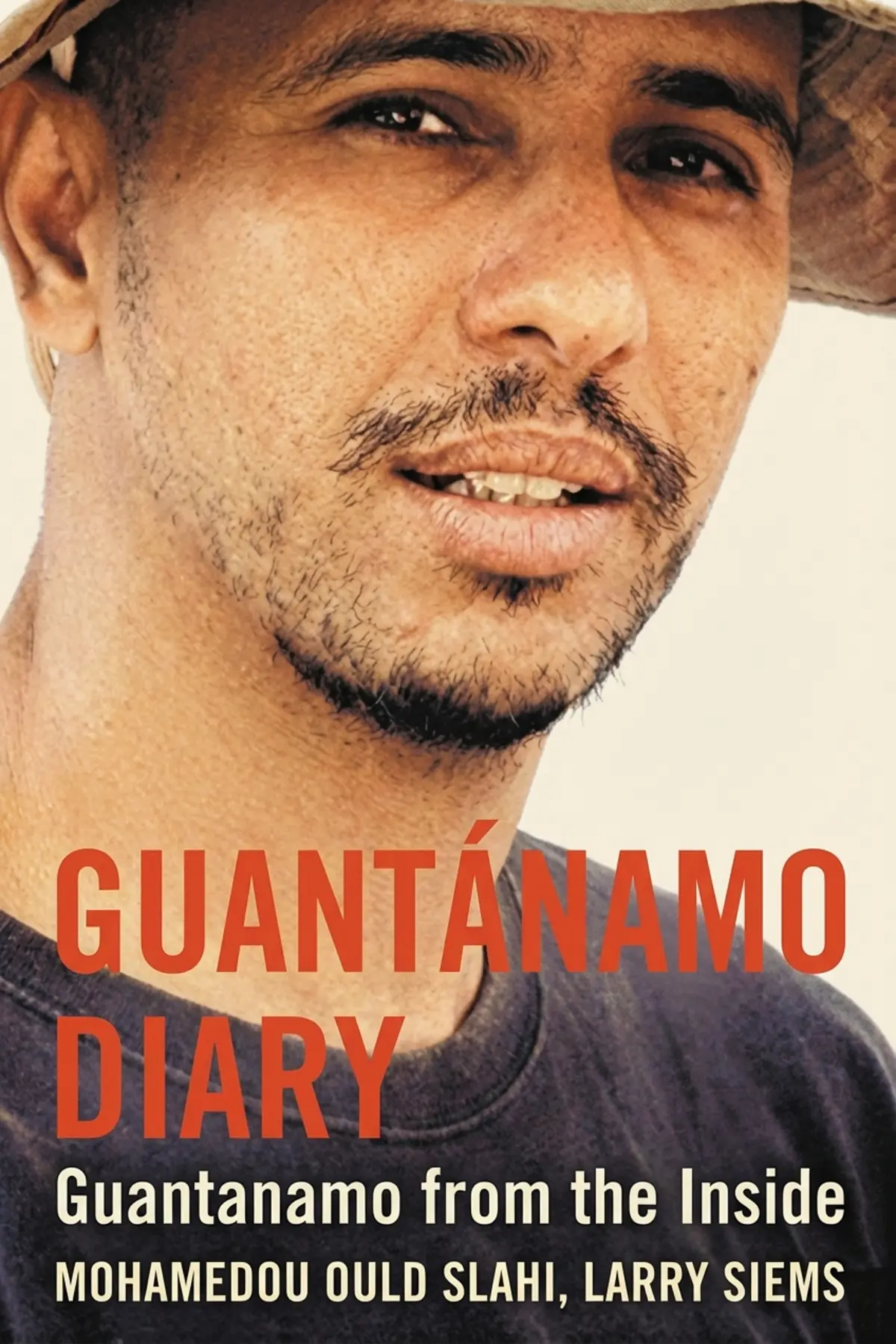
Guantánamo Diary offers a firsthand look into the life of Mohamedou Ould Slahi, a man detained without charge at Guantánamo Bay for over a decade, revealing the harrowing reality of modern detention.
2 min 01 sec
In 2005, a man named Mohamedou Ould Slahi began a task that few in his position would ever dream possible. While sitting in a cell at the Guantánamo Bay detention center, he started writing a meticulous record of how he ended up in American custody. This wasn’t just a simple journal; it was a comprehensive account of a journey that began in early 2000 and took him through interrogations in Senegal, Jordan, and eventually, the southeastern tip of Cuba. Slahi’s story is unique because it is a voice from the inside—a perspective from a man who has never been tried for a crime and who has consistently maintained his total innocence, yet remained behind bars for more than a decade.
This account, which eventually became the Guantánamo Diary, was not easily shared with the world. It was a document heavily edited and redacted by the very authorities who held him captive. When the public finally saw it, they were met with large black bars covering names, places, and descriptions—literal scars of censorship on the page. Yet, despite these attempts to silence the narrative, the core of Slahi’s experience remained. It is a story that challenges our understanding of justice, human rights, and the lengths to which a government will go in the name of security.
As we walk through Slahi’s experiences, we aren’t just looking at the history of one man. We are examining the machinery of a global detention system. We will explore why his treatment was sanctioned at the highest levels of government, the disturbing role medical professionals played in his incarceration, and the elaborate psychological games interrogators played to break his spirit. This is a journey through a legal and moral gray zone, told through the eyes of the man who lived it. It is a throughline of resilience in the face of absolute power, and a reminder of the human stories that often get lost in the rhetoric of global conflict.
2 min 06 sec
How a scholarship to Germany and a brief encounter in Afghanistan set the stage for a lifetime of scrutiny by international intelligence agencies.
1 min 59 sec
A move to Canada intended for a fresh start instead placed Slahi in the crosshairs of the FBI due to an unfortunate connection.
2 min 12 sec
Slahi’s journey into darkness began with an arrest in Senegal and a series of international transfers that bypassed normal legal channels.
2 min 06 sec
A second arrest in Mauritania led to Slahi being flown to Jordan, where the threat of violent torture became a constant reality.
2 min 13 sec
The move to Cuba introduced a new level of systematized abuse, authorized by the highest levels of the US government.
2 min 04 sec
Slahi faced a revolving door of interrogators from the FBI, CIA, and military, each bringing new and more staggering accusations.
2 min 05 sec
Slahi describes the ‘recipe’ of physical and psychological abuse used to break him, from sexual assault to the ‘water diet.’
2 min 09 sec
A terrifying faked kidnapping pushed Slahi over the edge, leading to a period of hallucinations and false confessions.
2 min 00 sec
After his confession, Slahi’s conditions improved slightly, but he remained trapped in a surreal world of books and movies while still in a cage.
1 min 59 sec
Despite winning a landmark court case and a judge ordering his release, Slahi found that the path to freedom was blocked by political will.
1 min 55 sec
The story of Mohamedou Ould Slahi is more than just a memoir of a prisoner; it is a profound testament to the endurance of the human spirit under conditions designed to obliterate it. Through his writing, Slahi transformed himself from a nameless inmate into a narrator of his own life, forcing the world to look at the reality of what was happening within the fences of Guantánamo Bay. His account reveals a system where the pursuit of security often came at the direct expense of the very values it claimed to protect. The ‘recipe’ of torture, the faked documents, and the legal maneuvering all point to a world where the ends were used to justify increasingly inhumane means.
Ultimately, Slahi’s diary is a plea to the conscience of the public. It asks us to consider what it means when a government can hold a person for over a decade without a trial, and what happens to the truth when it is extracted through pain. Even with the heavy redactions that mar the original manuscript, the message is clear: the human cost of these policies is immeasurable. Slahi’s narrative doesn’t just ask for his own freedom; it asks for a return to the principles of transparency and justice that are supposed to be the bedrock of a civilized society.
As we reflect on his journey—from the markets of Mauritania to the courtrooms of Washington—we are reminded that the stories we don’t hear are often the most important ones. Slahi’s voice, emerging from the silence of isolation, serves as a powerful reminder that no one should be ‘erased’ by the state. His throughline of resilience challenges us to remain vigilant and to question the use of absolute power in any form. It is a call to remember that behind every inmate number is a human being with a family, a history, and an unalienable right to be heard.
Guantánamo Diary is the extraordinary memoir of Mohamedou Ould Slahi, who was held in the United States' most infamous detention center at Guantánamo Bay. The book serves as a primary document, written by Slahi while he was still incarcerated, detailing his journey from his home in Mauritania through a series of international renditions and into the hands of American interrogators. It explores the depths of the US government's post-9/11 detention and interrogation programs through the eyes of a man who maintained his innocence while facing extreme physical and psychological pressure. Listeners will gain insight into the specific tactics used to break detainees, the legal battles fought behind the scenes, and the human cost of a system that bypasses traditional judicial processes. The narrative is a profound exploration of endurance and the search for justice in a landscape of total isolation. This summary provides a window into the reality of a world many know only through news headlines, offering a deeply personal perspective on one of the most controversial periods in recent history.
Mohamedou Ould Slahi is a Mauritanian citizen who was detained by the United States and held at the Guantánamo Bay detention camp in Cuba starting in 2002. Larry Siems, who edited Slahi’s manuscript, is an accomplished writer and human rights activist. Siems has authored several books, including The Torture Report: What Documents Say About America’s Post-9/11 Torture Program.
Listeners find this work both enlightening and captivating, highlighting its educational nature and powerful narrative. Reactions to the prose are varied; while some deem it high-quality, others point out the significant amount of redacted text. The book’s flow and emotional resonance also draw mixed feedback, with listeners characterizing it as a sorrowful and tragic history. Listeners value the way characters are presented, with one listener especially emphasizing the protagonist's inner strength and dignity.
The heavy black bars of the government redactions serve as a haunting, silent character throughout this gut-wrenching memoir. It is a metafictional nightmare where the author's story is literally interrupted by the people who tortured him. Larry Siems does an incredible job as an editor, providing footnotes that bridge the gaps where the CIA tried to erase the truth. I found it profoundly eye-opening to see how a man can maintain his dignity while being shuttled between Jordan, Afghanistan, and Cuba. Despite the horrific descriptions of sensory deprivation and sleep deprivation, Slahi’s voice remains remarkably human and even witty at times. This isn't just a book; it's a vital historical document that exposes the deep failures of the American legal system. You will walk away from this feeling both furious and deeply humbled by the author’s resilience.
Show moreSlahi writes with a surprising amount of grace for someone who spent over a decade in Guantánamo Bay under the most brutal conditions imaginable. I was particularly struck by the Mauritian folktale about the man who was afraid of the rooster because the rooster thought he was corn. It is a perfect metaphor for the absurdity of his detention, where intelligence agents refused to believe he was just a man and not a high-level operative. The book is informative and deeply engaging, moving through his rendition path with a terrifying sense of momentum. Even though the government tried to hide their 'abusive ways' through redactions, Slahi’s spirit shines through the ink. His ability to find humanity in his captors, like the Puerto Rican guards who treated him kindly, is nothing short of miraculous. This is essential reading for anyone who cares about human rights and the reality of post-9/11 justice.
Show moreI was particularly moved by the moments of unexpected kindness Slahi describes, such as his brief time with the all-Puerto Rican platoon. These small glimpses of humanity stand in stark contrast to the lawless horror and brutality that define the rest of his experience. The way the U.S. government fought to keep this diary 'top secret' tells you everything you need to know about what’s inside. It is a thought-provoking look at the degradation of American ideals, especially the use of sexual bait and physical torment. Slahi remains fair and even humorous despite being in a prison of horrors for thirteen years without a single charge. His perspective as a German-educated engineer gives him a unique lens through which to view Western habits and prejudices. This book is a masterpiece of resilience. It is a stinging indictment of a system that chose vengeance over justice.
Show moreMohamedou Ould Slahi’s account is more than just a diary; it’s a stinging indictment of the 'war on terror' and its erosion of constitutional values. The book shows in painful detail how the 9/11 attacks forced the U.S. to adopt the very tactics of the enemies they claimed to be fighting. It is eye-opening to see how the government used the legal system to stall his release for years after a judge cleared him. Slahi's voice is the strongest part of the book—he is witty, observant, and heartbreakingly humane despite everything. He captures the stages of a prisoner’s emotions with a level of psychological depth that is truly rare. This document proves that information obtained under torture is meaningless and only serves to degrade the captor. It is a tragic but necessary read for anyone trying to understand the last two decades. We owe it to him to read his story.
Show moreWhy did it take a six-year legal battle just to allow us to read the words of a man who was never charged with a crime? Mohamedou Ould Slahi’s diary is a tragic account of life in the 'pit of forgotten souls' that everyone needs to read. While the prose can be a bit repetitive due to the nature of his incarceration, the emotional depth is undeniable. The most frustrating part of the book is knowing that a judge ordered his release in 2010, yet he remained locked up for years after. It really makes you question who the real terrorists are when you see the level of systemic abuse described here. To be fair, the writing style is a bit episodic, but the informative nature of the text outweighs any narrative flaws. It is a sobering reminder of what happens when fear overrides the rule of law.
Show moreEver wonder how a human being maintains their sanity while being subjected to the 'war on terror's' most extreme interrogation techniques? This book provides a visceral, albeit censored, answer to that question through the eyes of a man who was kidnapped and exported across borders. Slahi’s descriptions of the masked interrogators and the sexual humiliation he endured are genuinely stomach-turning. It is a sad and tragic account that highlights the amateurish and superficial knowledge of the personnel running these black sites. Franky, it’s embarrassing to read about the 'comic-book style' morale-building strategies used by the U.S. military. The book is heavily redacted, but you can still feel the weight of every missing word. It leaves you with a bitter taste in your mouth regarding the state of American democracy. Still, his fortitude and lack of bitterness are truly compelling.
Show moreAfter hearing about the 'rooster and the corn' folktale Slahi tells, it’s hard not to see the tragic absurdity of the entire American intelligence apparatus. This man was trapped in a cycle of stupidity and violence simply because the 'rooster' refused to believe he wasn't corn. The parallels to Solzhenitsyn's 'The Gulag Archipelago' are striking and deeply depressing for a modern democracy. Slahi’s writing is surprisingly colloquial and visceral, using American expressions to describe the very people who were trying to break him. It is a compelling story of survival, even if the redactions occasionally make the plot points hard to follow. Larry Siems deserves credit for his exasperated footnotes that call out the ridiculousness of the government's censorship. One can only hope that Slahi has been able to reconstruct some kind of life after such an ordeal. Highly recommended for the patient reader.
Show morePicked this up because I wanted to understand the reality of Gitmo, and I was left feeling both furious and incredibly humbled. The way Slahi describes his family as being the guards and interrogators he lived with is a fascinating look at the Stockholm-like reality of long-term detention. While some people might find the writing style a bit unpolished, I think the raw, colloquial nature of his English adds to the authenticity. There are many insights into prison life here that you won't find in any news report or government briefing. My only real complaint is the sheer volume of redacted material, which sometimes feels like it was done just to hide the government's embarrassment. It is a sad, tragic account of a man who lost his best years to a system that didn't even know why it was holding him. We need more voices like his to speak truth to power. This is a brave, informative work.
Show moreTo be fair, while the historical importance of this document is undeniable, the actual reading experience is often disjointed and frustratingly shapeless. Slahi is an engineer writing in his fourth language, and while his command of English is impressive, the narrative tends to be very episodic and occasionally boring. The constant interruptions from the editor’s footnotes and the massive blocks of redacted text make it hard to maintain any sense of flow. It feels more like a collection of evidence than a polished piece of literature, which I suppose is the point, but it's a tough slog. I appreciate the courage it took to write this under such duress, but as a book, it struggles to hold its own against classics like 'Darkness at Noon.' It is an important cause, but not necessarily great writing. I’m glad it exists for the record, though.
Show moreLook, I understand this is a vital human rights document, but the heavy editing and the constant footnotes make it almost impossible to get into a narrative flow. The redactions are so excessive that in some chapters you are basically just reading '[REDACTED]' over and over again. It’s incredibly repetitive, with Slahi describing the same cycle of interrogations and sleep deprivation until the details all blur together. I found myself skimming large sections because the pacing was so slow and the content so bleak. While I sympathize deeply with his situation, as a reader, I found the book to be a tedious experience that didn't offer much new insight beyond 'torture is bad.' If you want to learn about the legal case, a long-form article might be more efficient than this 400-page diary. It’s an important testimony, but it was a struggle to finish.
Show moreMasaji Ishikawa
Ben Macintyre
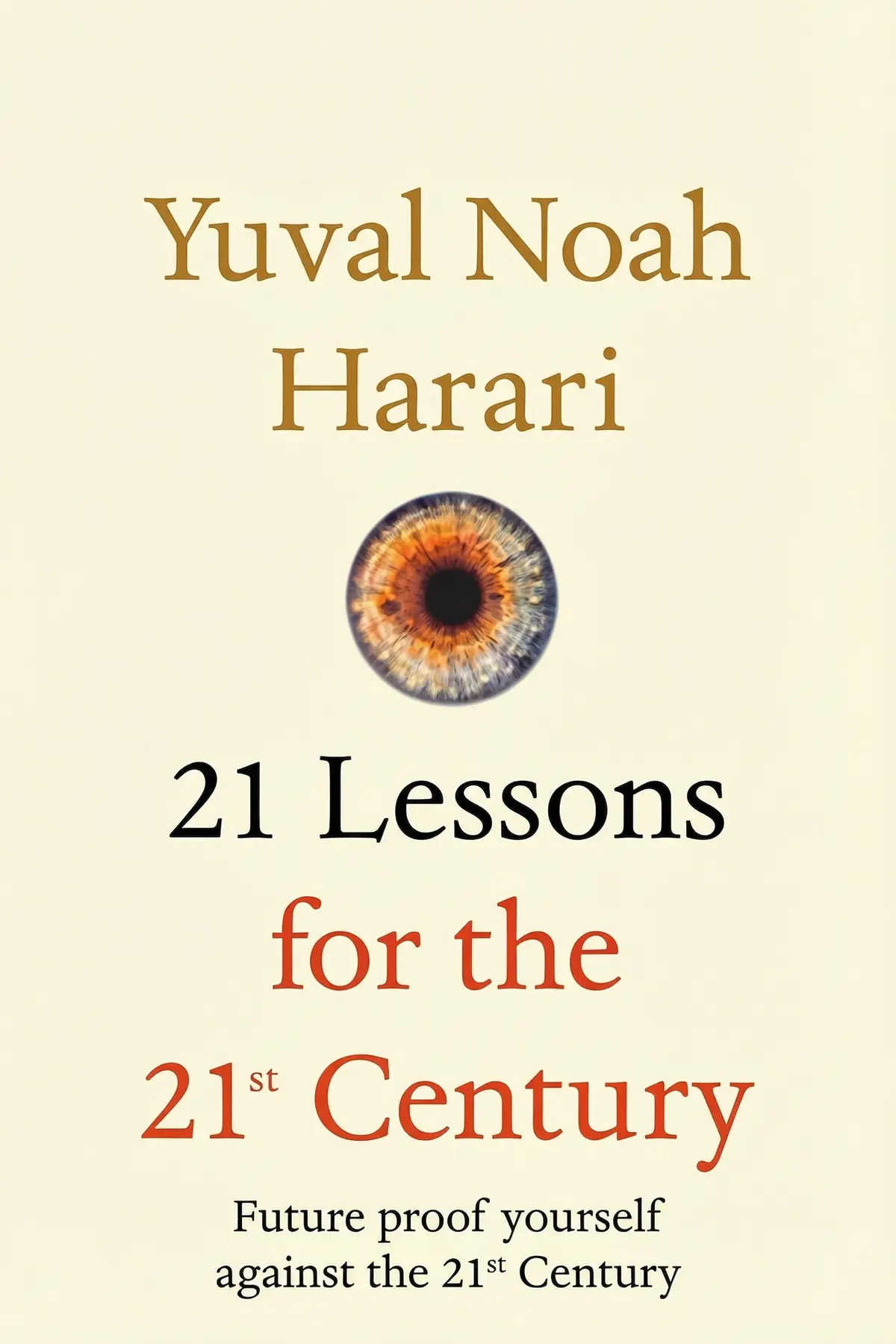
Yuval Noah Harari

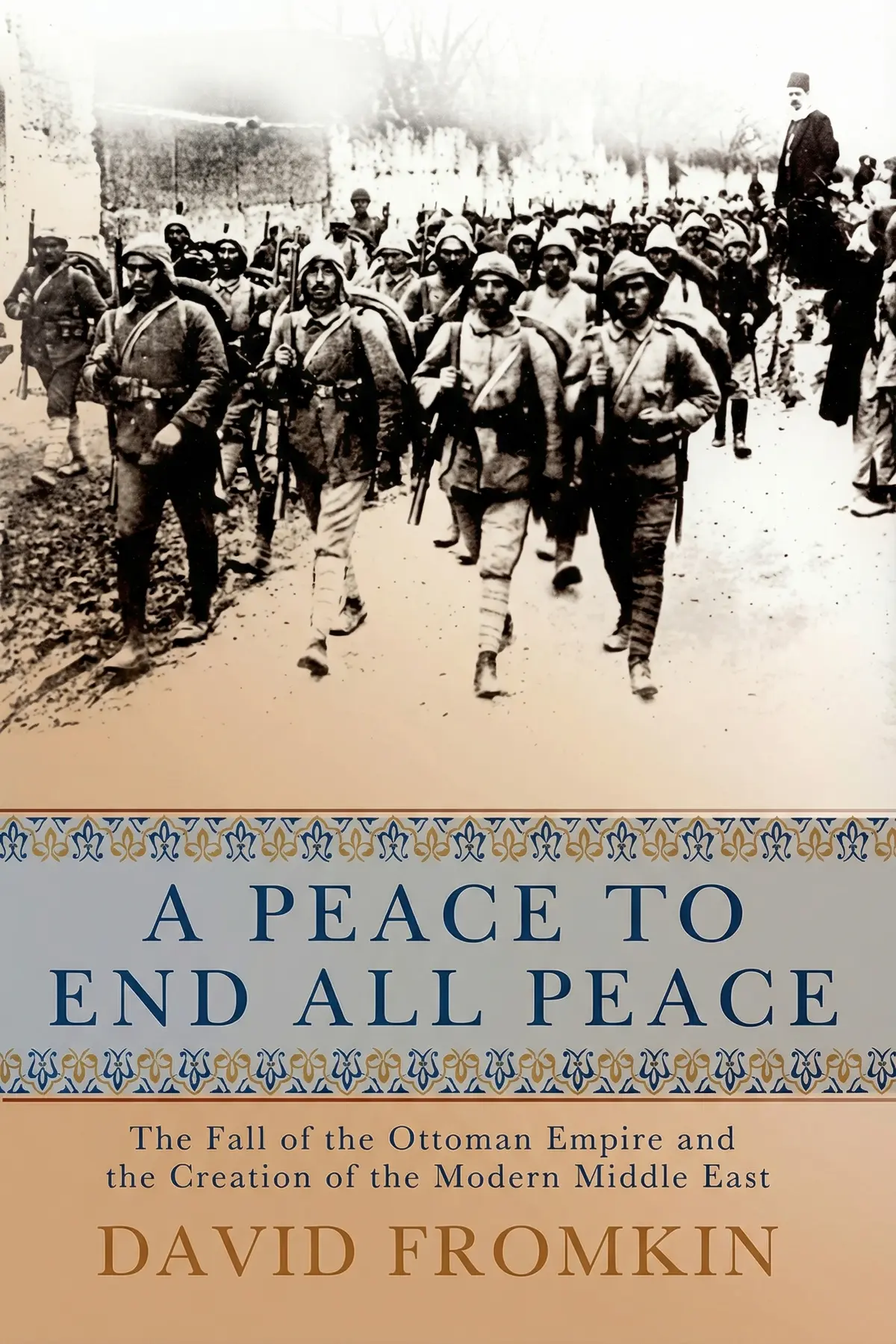
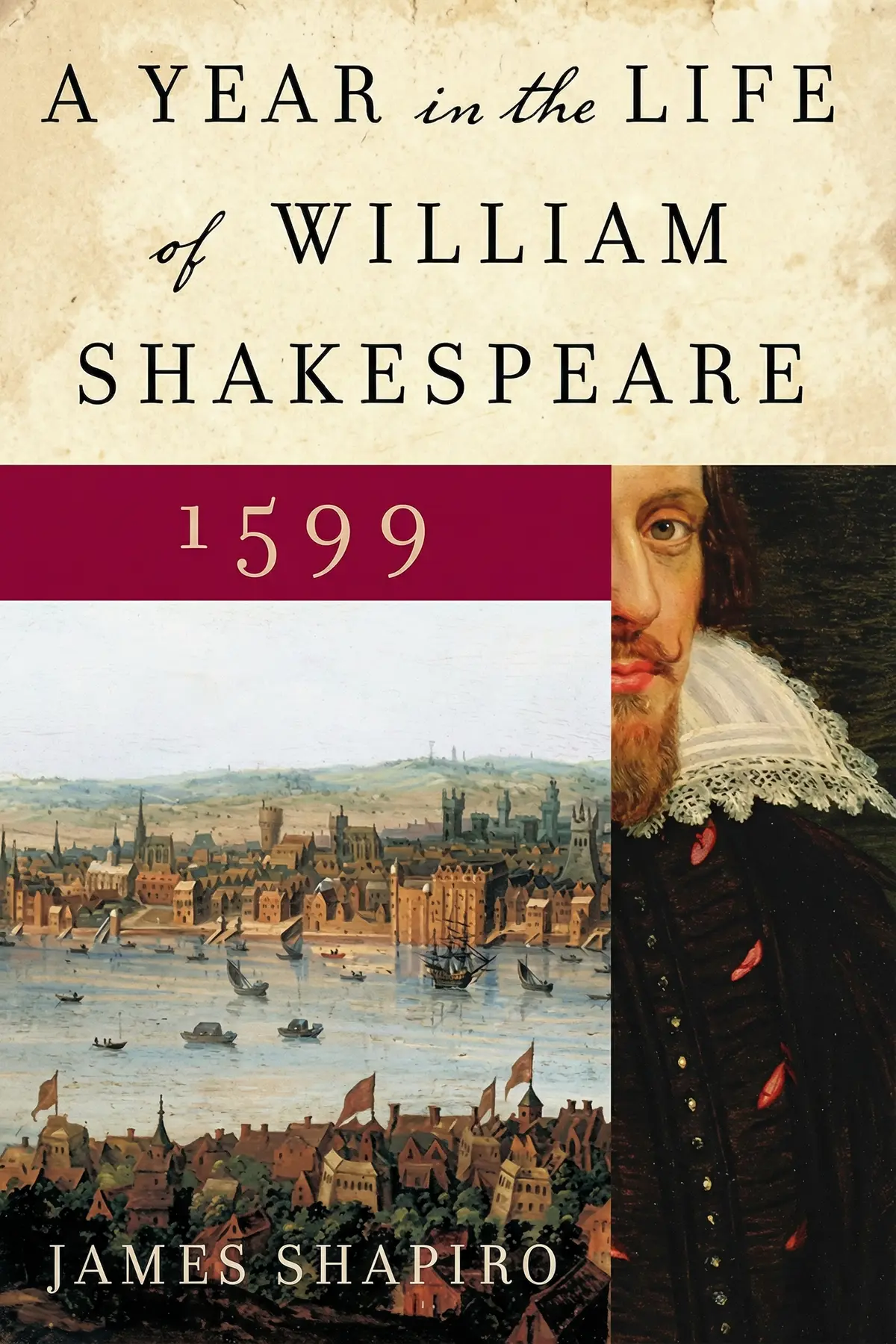
James Shapiro
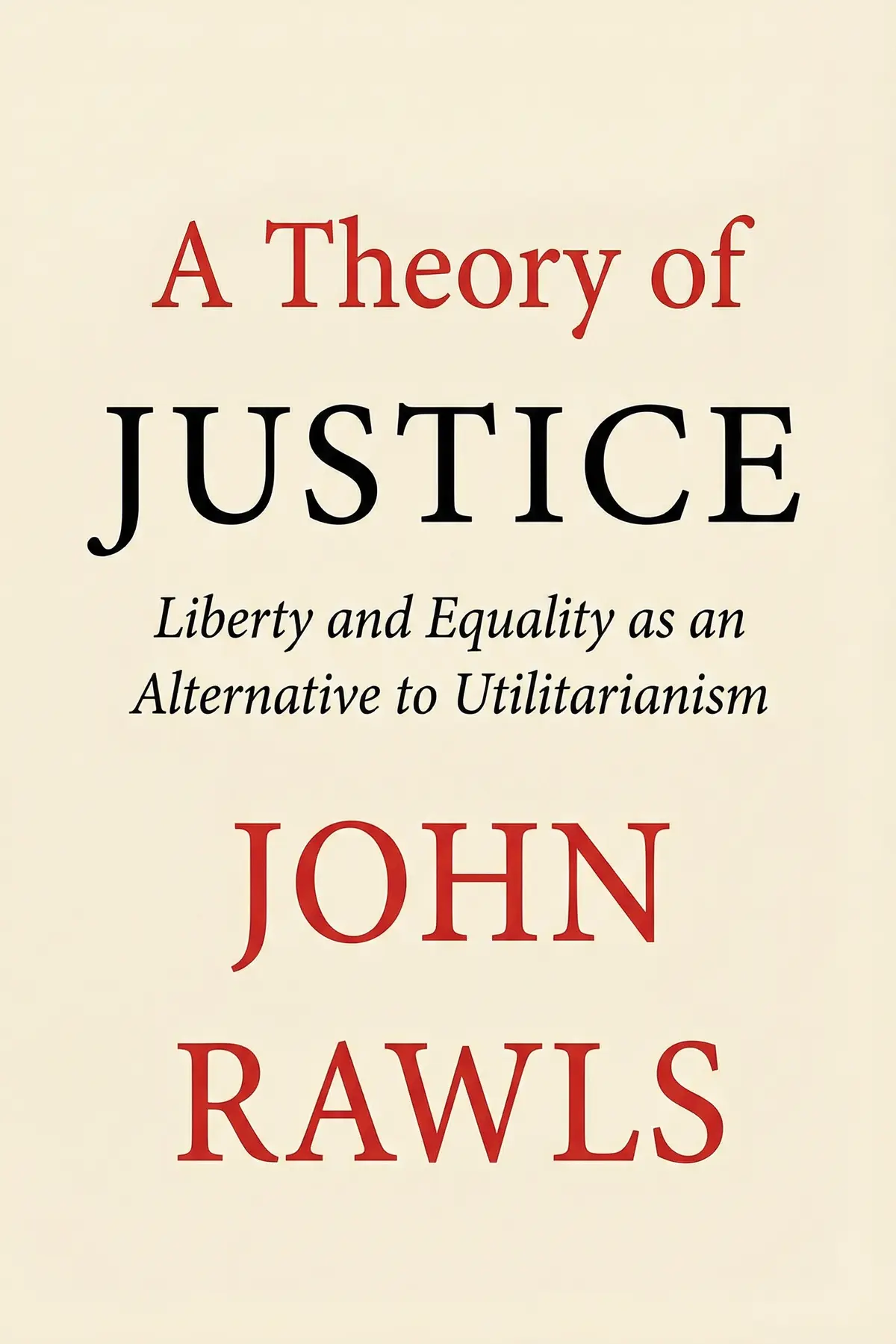
John Rawls

AUDIO SUMMARY AVAILABLE
Get the key ideas from Guantánamo Diary by Mohamedou Ould Slahi, plus 5,000+ more titles in English and Thai.







