
13 min 26 sec
High Growth Handbook: Scaling Startups from 10 to 10,000 People
By Elad Gil
High Growth Handbook offers a definitive roadmap for navigating the complexities of scaling a startup. Elad Gil shares executive-level strategies for hiring, organizational design, and managing the transition from founder to CEO.
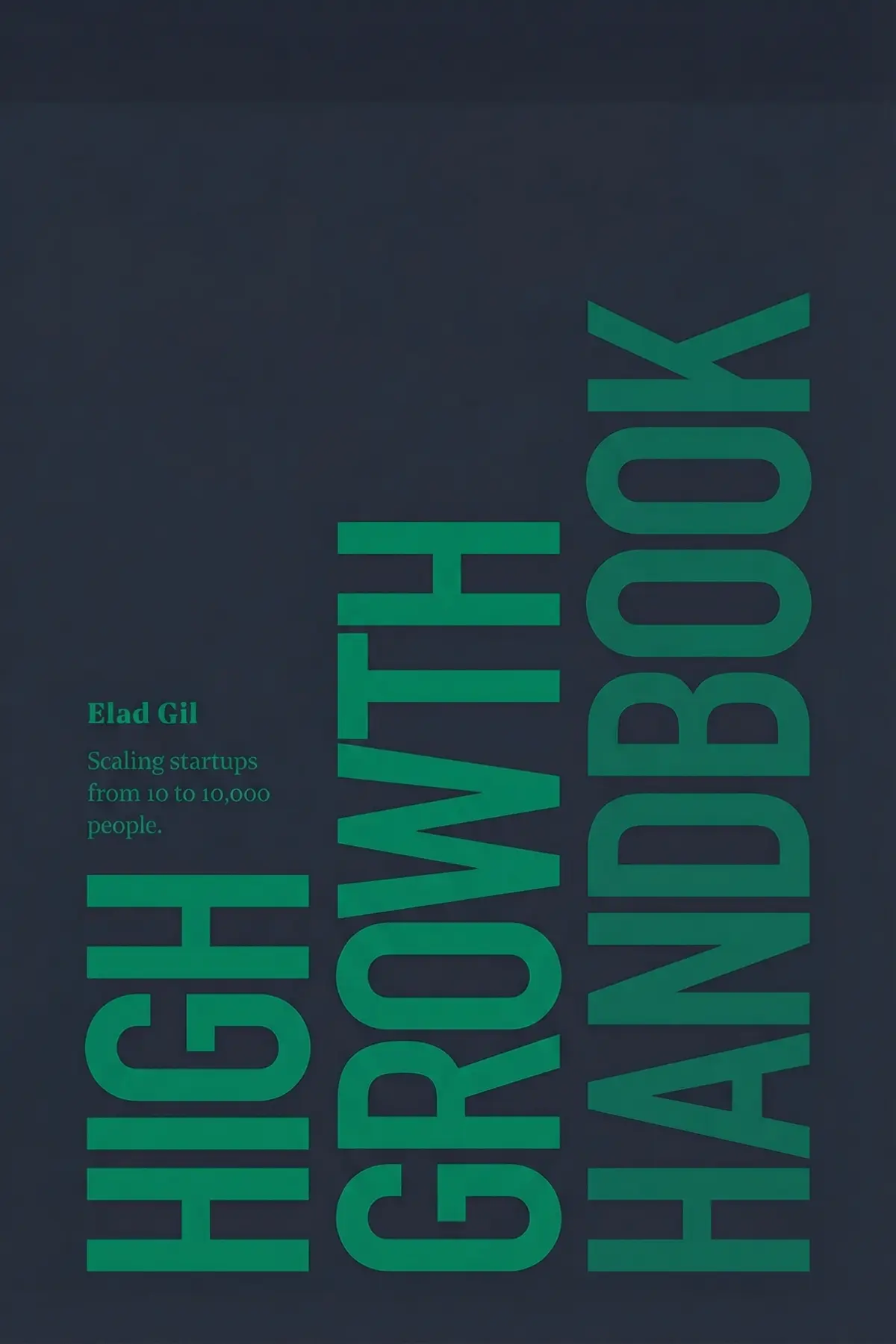
Table of Content
1. Introduction
1 min 29 sec
The journey of a startup is often depicted as a straight line upward, but anyone who has lived through a period of rapid expansion knows it feels much more like a whirlwind. One day you are a small team in a single room making every decision together; the next, you are a sprawling organization with hundreds or even thousands of employees spread across different time zones. This transition is known as hypergrowth, and it is perhaps the most dangerous and exciting phase a company can experience. It is the moment when the instincts that helped you launch the business can actually become the very things that hold it back.
In this exploration of the strategic landscape, we are looking at the foundational principles required to navigate this shift. Scaling isn’t just about doing more of what you’ve already been doing. It’s about a fundamental transformation in how the company is managed, how it is structured, and how the leader views their own role. We will examine why the CEO must stop being the primary ‘doer’ and start becoming the primary ‘architect.’
We’ll also dive into the mechanics of building a world-class board, the necessity of constant organizational evolution, and the sophisticated dance of late-stage financing. The throughline here is clarity. In the chaos of growth, the most successful leaders are those who can maintain a steady hand, delegate with confidence, and design systems that allow the company to breathe even as it accelerates. Let’s look at how you can move from the frantic energy of a startup to the sustained power of a global enterprise.
2. The Evolution of the Executive Role
2 min 13 sec
Discover why the most successful founders must eventually fire themselves from daily tasks to focus on the high-level strategy that drives true scale.
3. Architecting a Strategic Board
2 min 03 sec
A board of directors should be more than a legal requirement; learn how to turn yours into a powerful engine for growth and expertise.
4. Structural Fluidity in Hypergrowth
2 min 02 sec
Static organizational charts are the enemy of speed; explore why frequent restructuring is a necessary part of a company’s survival.
5. The Symbiosis of Growth and Brand
2 min 10 sec
Scale requires more than just ads; learn how to integrate growth metrics with brand storytelling to create a market leader.
6. Mastering Late-Stage Capital Dynamics
2 min 07 sec
Navigating the world of ‘big’ money requires a shift in strategy, focusing on liquidity and control as much as the bottom line.
7. Conclusion
1 min 22 sec
Scaling a company from a small group of passionate individuals to a global force of thousands is one of the most difficult feats in the business world. It is a process that demands constant evolution, not just of the company’s systems, but of the leaders themselves. As we have seen, success in this phase is not about working harder on the same tasks; it is about working differently. It requires the courage to delegate, the wisdom to build a strategic board, and the flexibility to reorganize your entire company whenever the current structure begins to buckle under the weight of growth.
The throughline of the scaling journey is the transition from a mindset of ‘doing’ to a mindset of ‘designing.’ A successful high-growth CEO is someone who can step back from the daily fires to focus on the architecture of the organization. They ensure that the marketing is cohesive, the financing is strategic, and the team is empowered to move fast without losing sight of the core mission.
As you move forward, remember that hypergrowth is a series of transitions, not a single destination. There will be moments of chaos, and there will be times when the path forward seems unclear. But by focusing on the fundamental pillars of leadership, structure, and strategy, you can navigate these challenges and build an organization that is as resilient as it is ambitious. The road from 10 to 10,000 people is long and winding, but with the right handbook in hand, it is a journey that can lead to extraordinary heights.
About this book
What is this book about?
When a company transitions from a small team to a massive enterprise, the rules of leadership change entirely. High Growth Handbook serves as a manual for this high-stakes evolution, moving beyond the basics of starting a business to focus on the unique challenges of the scaling phase. It explores the tactical shifts required of a CEO, the necessity of frequent organizational restructuring, and the art of building a board that truly adds value. The book promises to guide founders through the 'hypergrowth' stage where processes break and communication falters. By providing frameworks for executive hiring, product management at scale, and complex late-stage financing, it helps leaders maintain their company’s culture while driving explosive expansion. Whether you are dealing with a handful of employees or thousands, the goal is to provide the clarity needed to steer a rapidly moving ship through turbulent waters without losing momentum or vision.
Book Information
About the Author
Elad Gil
Elad Gil is a prominent entrepreneur, operating executive, and investor who has played a central role in the growth of some of the most successful technology companies. He has provided strategic guidance and investment to firms like Airbnb, Coinbase, and Stripe. Previously, he cofounded Mixer Labs, which was acquired by Twitter, where he served as the VP of Corporate Strategy. He is also a cofounder and the current chairman of Color Genomics.
Ratings & Reviews
Ratings at a glance
What people think
Listeners regard this book as a remarkably deep manual filled with actionable tips, viewing it as an exceptional collection of expertise on expanding organizations. They value the excellent interview segments and consider it a must-read for entrepreneurs, while one listener emphasizes its attention to the nuts and bolts of scaling up companies. This title earns praise for its worth and methods for managing expansion, although several listeners mention that the print size is too small.
Top reviews
Pear
Finally got around to reading Elad Gil’s work, and it’s essentially the operator’s bible for the Series B and beyond stage. Most startup books focus on the 'zero to one' phase, but this manual dives deep into the messy middle of organizational scaling. The interviews with heavy hitters like Patrick Collison and Naval Ravikant provide a masterclass in executive leadership. I especially appreciated the breakdown of the CEO role as a steward of culture rather than just a product lead. My only gripe is the physical production of the book; the font size is microscopic and strained my eyes during long sessions. Despite that, the tactical advice on building a distribution-centric company is invaluable. It’s a dense read that doesn’t waste time on fluff, instead offering a checklist-style approach to growth. If you’re leading a team approaching the Dunbar number of 150, you need this on your shelf.
Show moreDaranee
The chapter on board dynamics alone made this worth the purchase price. Elad Gil outlines exactly how to keep VCs honest and why you need an independent board member who actually understands the operational grind. Most business books are too abstract, but this feels like a tactical manual for someone who just raised a Series A and is terrified of breaking the company. I found the section on 'gap-fillers' particularly relatable—recognizing when someone is a temporary fix versus a long-term leader is a crucial skill. The advice on shifting from a product-first mindset to a distribution-centric one is a game-changer for anyone competing in crowded markets. It’s a heavy, oversized book that feels like a textbook, and it reads like one too. No fluff, just pure execution strategies. It’s become my go-to gift for new CEOs in my network.
Show moreLincoln
Wow, this is basically the 'The Hard Thing About Hard Things' for the growth stage. I’ve been following Elad Gil’s blog for years, and having all this wisdom in one volume is fantastic. The interviews are high-quality, especially the ones that focus on the 'soft' side of leadership, like communication modes and setting meeting premises. I’ve already started implementing the '3 Ps' for my internal meetings, and the difference in productivity is noticeable. The book's focus on defensibility through distribution and pricing power is much more realistic than the usual 'just build a better mousetrap' advice. It’s a dense, heavy-duty manual that requires several sittings to digest. Some of the Silicon Valley jargon is a bit much, and it assumes a lot of prior knowledge about the ecosystem. Still, for an ambitious founder, this is a goldmine of practical, actionable insights.
Show moreOlivia
As someone who has navigated the startup trenches, I found this compendium to be a refreshingly practical guide to the hard parts of scaling. Elad Gil moves past the typical visionary fluff to discuss the nuts and bolts of HR, board management, and late-stage fundraising. The concept that distribution often outweighs product excellence in the long run was a bitter but necessary pill to swallow. I loved Claire Hughes Johnson’s section on writing a 'guide to working with me'—it’s a simple tool that solves so many communication bottlenecks. However, the book clearly targets the VC-backed unicorn trajectory, which might alienate founders looking for a more sustainable, bootstrapped path. It’s very Silicon Valley-centric, almost to a fault. Still, the tactical brass tacks are hard to find elsewhere. Just keep a magnifying glass handy because that print is tiny!
Show moreRoongsak
Ever wonder what actually happens after the seed round success? This handbook provides a very clear roadmap for that transition. It’s packed with extraordinary organizational knowledge that usually stays behind closed doors at top-tier VC firms. The interview format works well to break up Elad’s direct, almost clinical prose. Hearing from Aaron Levie on when to hire partners versus doing it yourself was a standout moment for me. The book emphasizes that a CEO’s job eventually becomes more about hiring and culture than coding or designing. It’s a stark reminder that what got you here won’t get you there. My main complaint is that it ignores any growth strategy that doesn't involve hyper-scaling. If you aren't trying to become a conglomerate, some of this will feel irrelevant. But for its intended audience, it’s an essential, information-dense resource.
Show moreMonthon
Look, this isn't your standard narrative-driven business book, and that’s exactly why I liked it. It functions more like an encyclopedia of scaling issues. From the Dunbar number to the nuances of liquidation preferences, Gil covers the technicalities that most founders learn the hard way. I particularly resonated with the idea that culture shouldn't be 'preserved' but evolved as the company grows. The interviews act as a great reality check, showing that even the most successful leaders struggled with these transitions. However, I agree with other reviewers about the 'venture-backed' bias. There’s almost no mention of bootstrapping or alternative funding, which makes the book feel a bit narrow in scope. And yes, the font is remarkably small—I don't know why they chose this layout. It's a solid four-star manual that could have used a bit more diversity in the types of companies profiled.
Show moreWachira
Picked this up after hearing several VCs recommend it, and I’ve got mixed feelings. On one hand, the tactical advice regarding recruitment and organizational structure is top-notch. The focus on the 'product to distribution' mindset is a necessary perspective for anyone entering a competitive space. On the other hand, the book feels a bit repetitive in places. Some of the interviews feel like they are just reinforcing what Elad already said rather than adding new dimensions. There’s also a lot of emphasis on big names like Facebook and Google, which can feel a bit disconnected from the reality of a 20-person startup. It’s an incredibly insightful manual, but you have to be willing to filter through the 'unicorn' noise to find the parts that apply to your specific context. Definitely worth a read, but maybe borrow a copy before committing to the high price tag.
Show moreVera
In my experience, few books actually get into the weeds of scaling as well as this one does. It’s an extraordinary compendium of knowledge that covers everything from product marketing to secondary stock sales. The interviews provide a great 'sanity check' for founders who feel like they’re the only ones failing to scale their own roles. I particularly enjoyed the section on PR and the definitions of 'off the record' vs 'on background'—that's the kind of practical info most people learn through embarrassing mistakes. The book does feel a bit like a Silicon Valley echo chamber at times, and the focus on the top 1% of companies can be discouraging. However, the core principles of hiring, culture, and distribution are universal. It’s a beefy manual that should be read slowly. Just be prepared for the tiny text and the lack of focus on smaller, sustainable businesses.
Show moreSamart
Not what I expected, given the hype on Hacker News and Twitter. While there are definitely some nuggets of wisdom here, the book feels like a collection of anecdotes from the 1% for the 1%. If you aren't at a Google or Stripe-level scale, much of the advice on secondary stock and sovereign wealth funds feels like noise. It lacks the perspective of the indie hacker or the founder building a profitable, mid-sized business. The interviews are a mixed bag; some contributors are genuinely insightful, while others sound like talking heads pontificating on decades-old wins. I also found the lack of definitions for several industry abbreviations frustrating. It’s a decent reference for a very specific type of high-growth company, but it doesn’t represent the broad spectrum of modern entrepreneurship. It’s a bit of a slog if you aren’t in the middle of a massive hiring spree.
Show moreEarn
Frankly, I found the format of this book a bit jarring. It jumps between Elad's direct advice and these long interviews that vary wildly in quality. Some of the contributors seem more interested in protecting their brand than giving honest, 'in the trenches' advice. I was hoping for more on how to manage a company that isn't venture-backed, but this is strictly for the high-growth, high-burn crowd. That said, the technical sections on equity rounds, RSUs, and cap tables are very well-explained. It’s a good reference for those specific topics. I just wish there was more heart and a bit more focus on the unconventional paths to success. It’s a very dry read, and the lack of a narrative makes it hard to push through in one go. Useful as a reference, but not particularly inspiring.
Show moreFeatured in
Readers also enjoyed
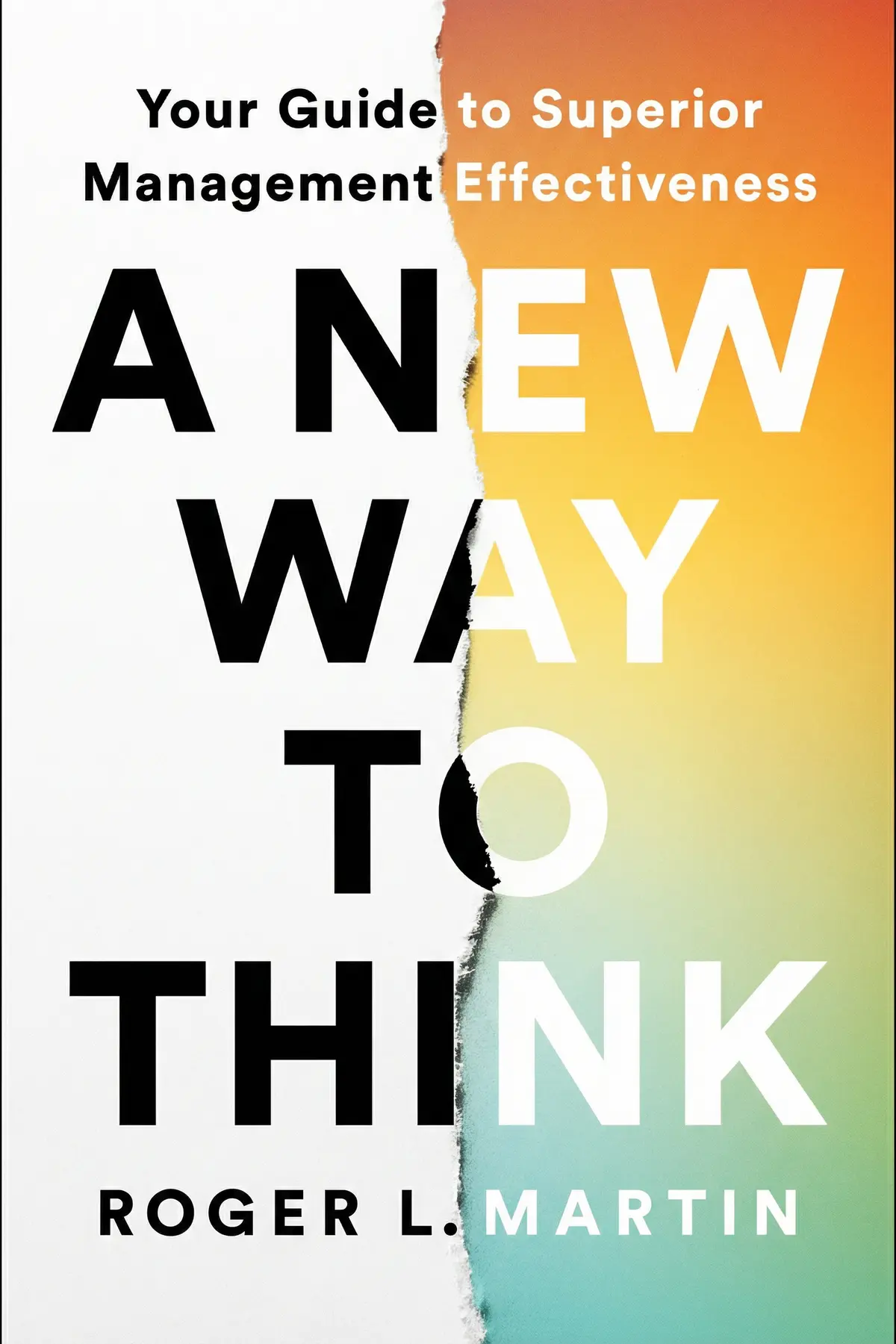
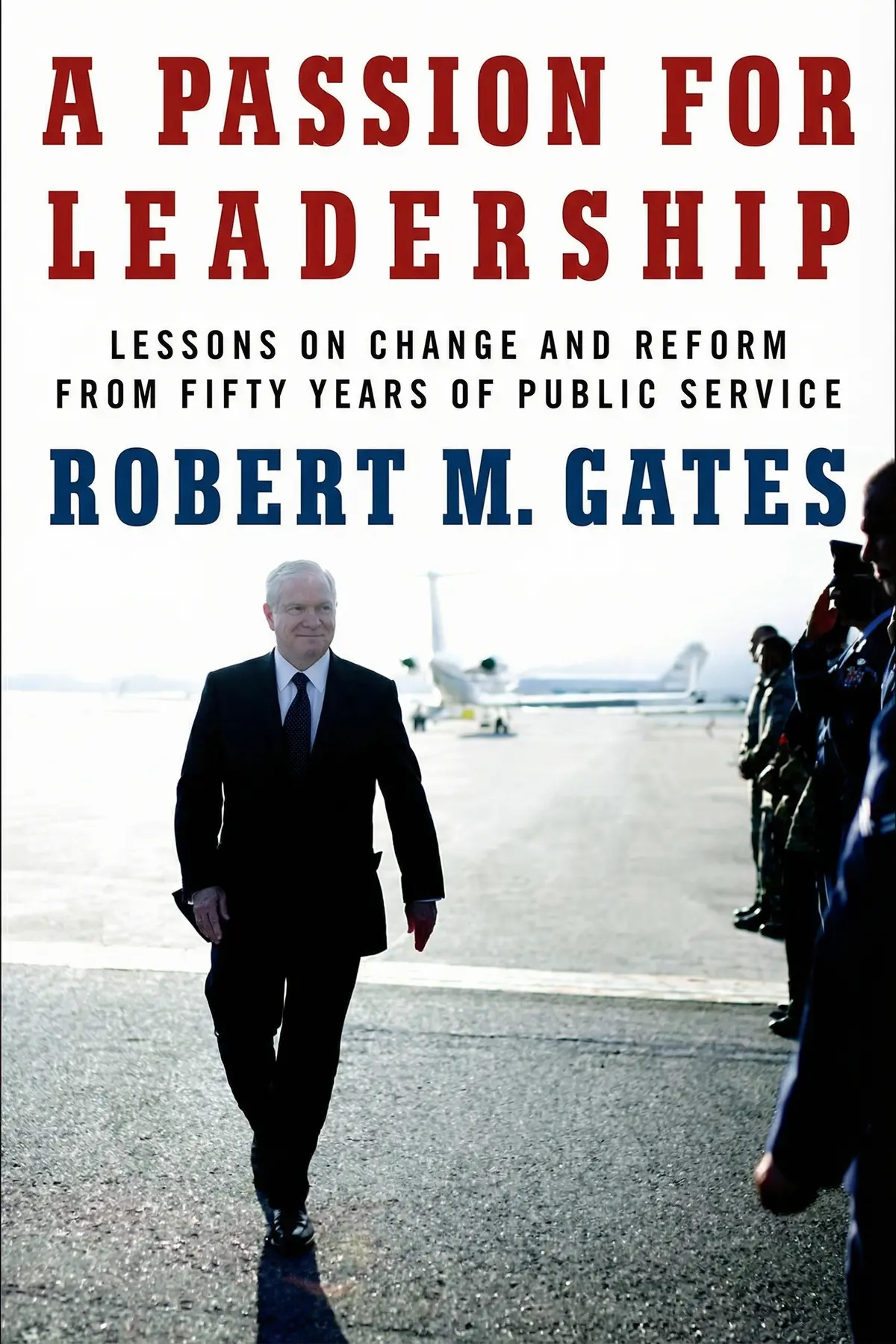
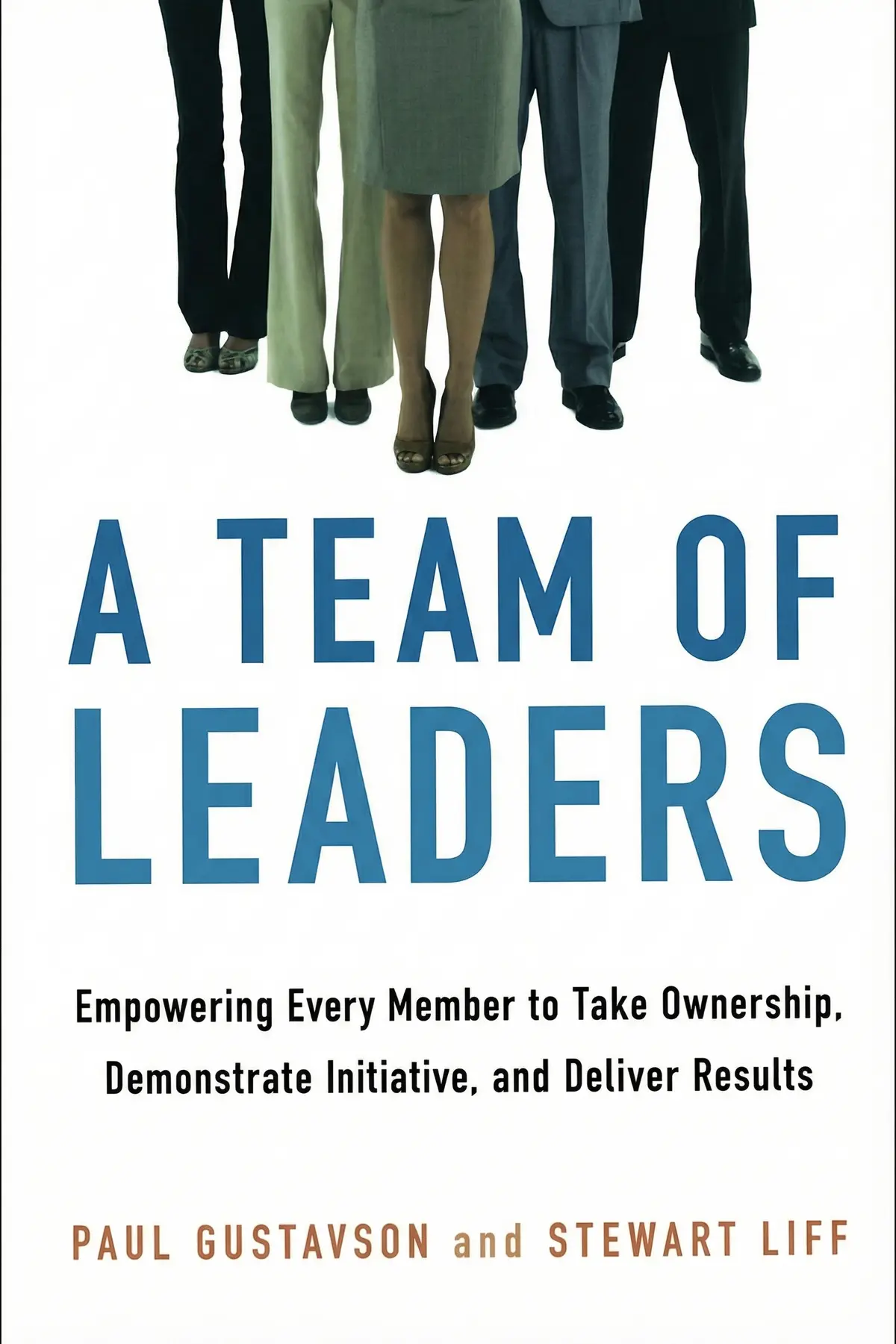
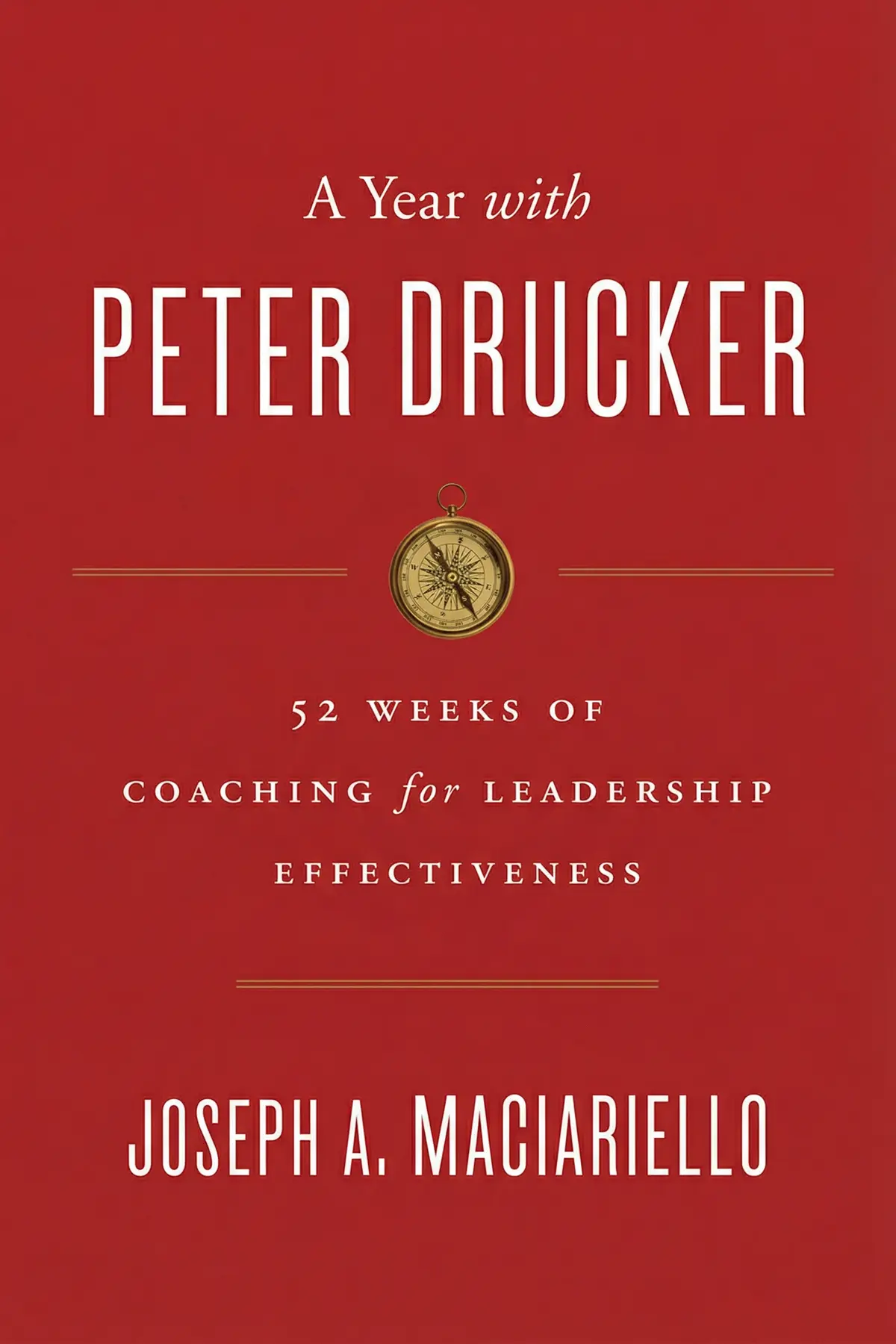
A Year with Peter Drucker: 52 Weeks of Coaching for Leadership Effectiveness
Joseph A. Maciariello

Acting with Power: Why We Are More Powerful Than We Believe
Deborah Gruenfeld
All In: How Great Leaders Build Unstoppable Teams
Mike Michalowicz
AUDIO SUMMARY AVAILABLE
Listen to High Growth Handbook in 15 minutes
Get the key ideas from High Growth Handbook by Elad Gil, plus 5,000+ more titles in English and Thai.
- 5,000+ titles
- Listen as much as you want
- 7-day free trial
- Cancel anytime







