
12 min
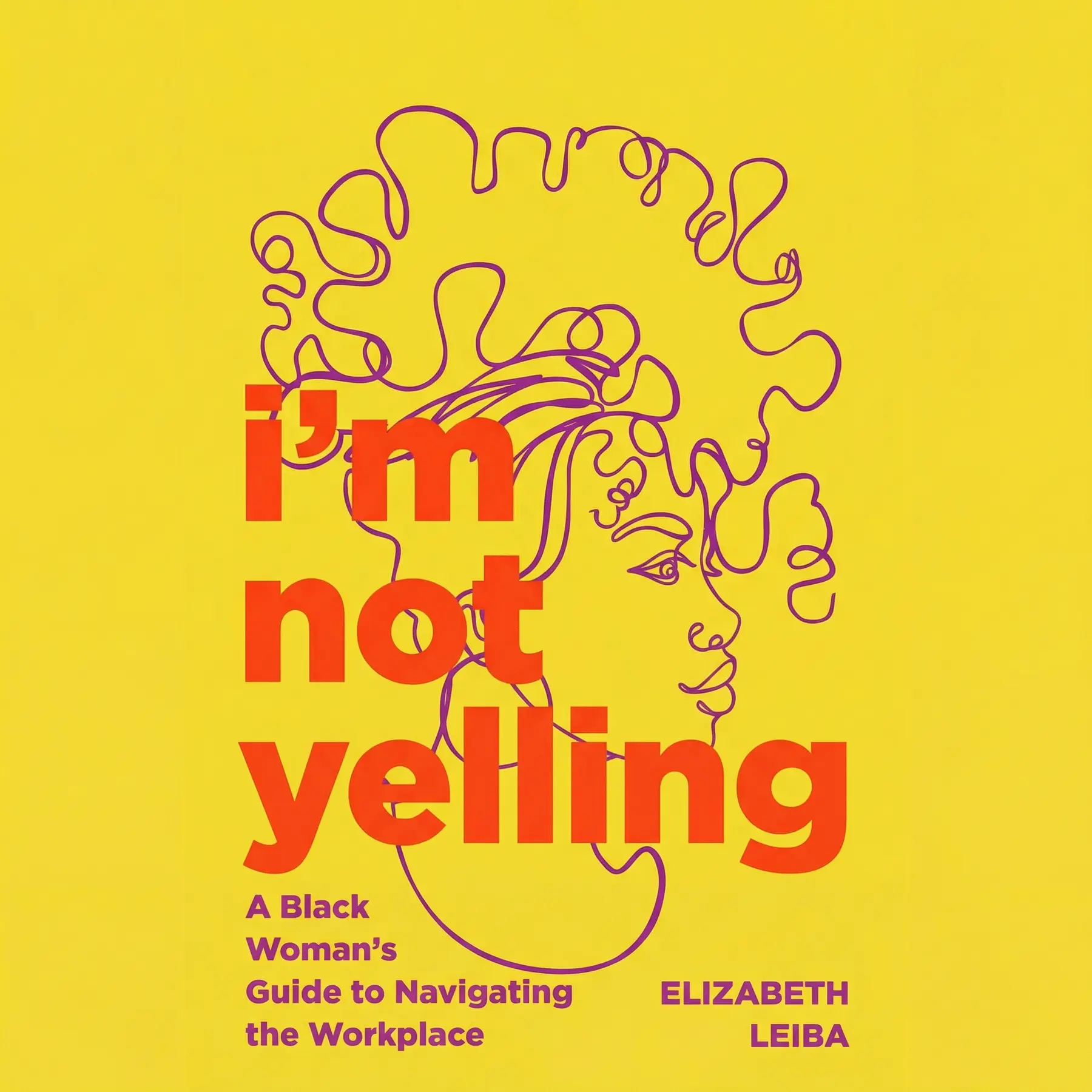
I’m Not Yelling: A Black Woman's Guide to Navigating the Workplace
Explore a powerful guide for Black women navigating corporate spaces, focusing on reclaiming authenticity, dismantling the myth of imposter syndrome, and transitioning from survival to leadership through mentorship and radical self-expression.
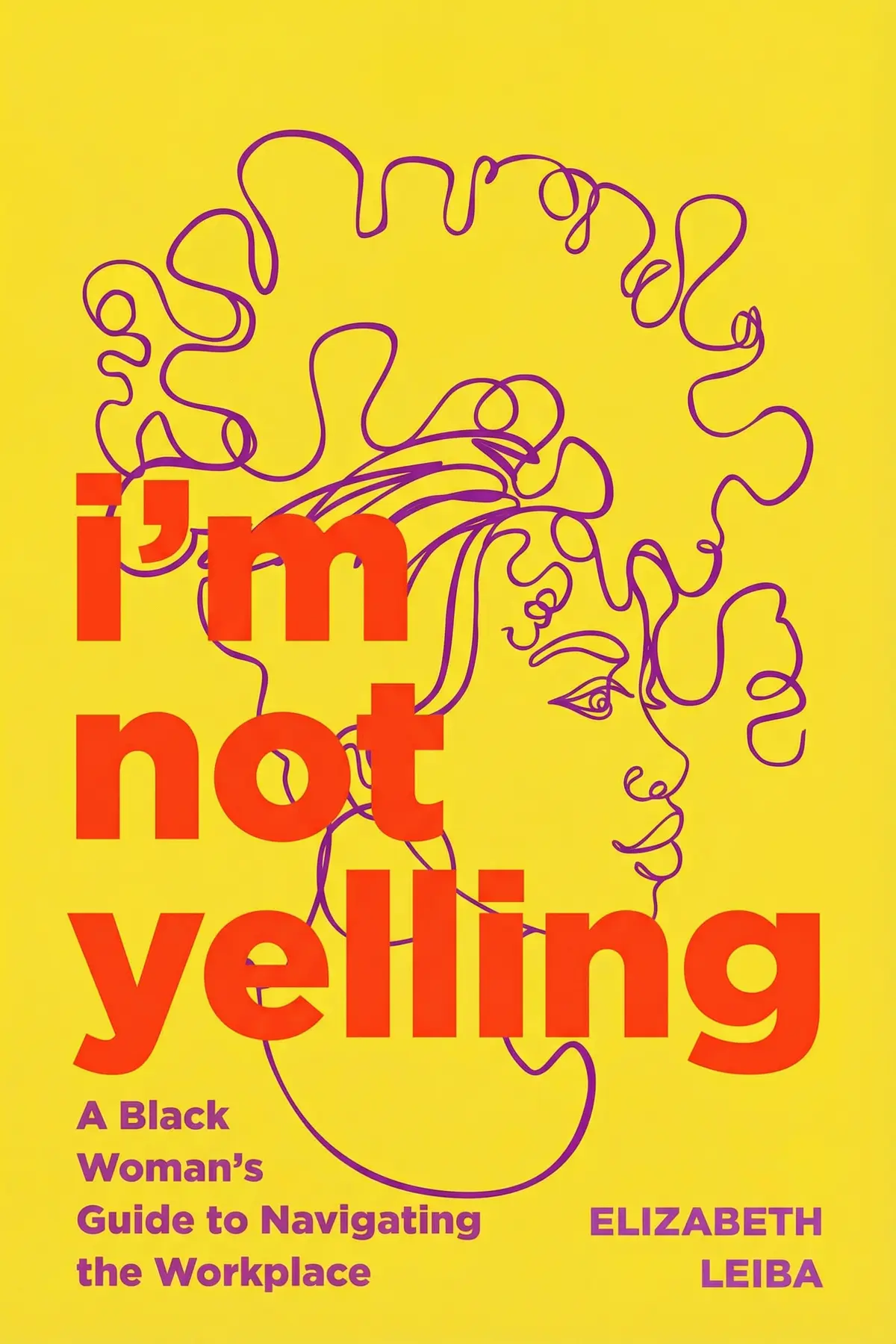
Table of Content
1. Introduction
1 min 53 sec
In the early days of the global pandemic, a phrase became the unofficial motto of the modern workforce: “You’re on mute.” For most of us, it was a minor technical glitch, a moment of levity in a stressful transition to remote work. But for many Black women in corporate America, those words carried a much heavier weight. They didn’t just describe a technical state; they described a professional reality that had existed for decades. Long before the first Zoom call, many women felt systematically silenced, their perspectives and personalities dialed down to accommodate a workplace culture that wasn’t built for them.
As the world slowed down, another crisis came to the forefront—the undeniable reality of systemic racial inequality. The events surrounding the murder of George Floyd sparked a global reckoning that forced many to look closely at the environments they navigated every day. Among the voices that emerged with clarity and courage was Elizabeth Leiba. A professor and leader in higher education, Leiba had spent years climbing the professional ladder, often at the cost of her own authenticity. She had navigated the subtle stings of microaggressions and the blatant barriers of racial profiling, all while maintaining a polished, professional exterior.
When she began sharing her unfiltered story on LinkedIn, she realized she wasn’t alone. Thousands of Black women resonated with her experiences of being “muted.” This summary explores the journey of reclaiming that voice. It’s about moving beyond mere survival in corporate spaces and stepping into a version of yourself that is unapologetic and whole. We will look at how to deconstruct the myths that hold us back, how to challenge the behaviors that diminish us, and how to eventually build new tables of leadership where everyone is heard. This is more than a guide to professional success; it is a call to take yourself off mute and help shift the culture for everyone who follows in your footsteps.
2. Reclaiming the Full Narrative of Your Life
2 min 33 sec
Discover why true professional power begins with excavating your personal history and embracing the parts of yourself that corporate culture often demands you hide.
3. Dismantling Imposter Treatment and Gaslighting
2 min 09 sec
Learn to distinguish between internal self-doubt and the external systemic behaviors that create a hostile work environment, allowing you to confront microaggressions with confidence.
4. The Freedom of Dropping the Mask
2 min 11 sec
Explore the psychological cost of code-switching and why embracing your natural style is a revolutionary act of self-care and professional integrity.
5. Building New Tables and Mentoring the Future
2 min 04 sec
Transition from simply seeking a seat at the table to becoming a leader who builds new spaces and lifts others through intentional mentorship.
6. Conclusion
1 min 10 sec
The journey through the workplace as a Black woman is often marked by unique hurdles, from the exhaustion of code-switching to the sting of being treated like an imposter. But as we’ve seen through Elizabeth Leiba’s experiences and insights, these challenges do not have to define your career or your sense of self. The throughline of this guide is clear: your greatest professional asset is your unvarnished, authentic story. By reclaiming your voice, you don’t just improve your own well-being; you participate in a larger movement that demands respect and equality for all.
Taking yourself off mute is a courageous act. It involves a daily commitment to rejecting gaslighting, embracing your natural identity, and seeking out the mentorship that accelerates growth. As you move forward, remember that you are not just working for yourself. Every time you challenge a microaggression or build your own entrepreneurial space, you are laying the groundwork for the leaders of tomorrow. You are enough, exactly as you are. Your voice is powerful, your presence is necessary, and you are ready to lead. Now is the time to step into your full volume and show the world what happens when authenticity meets excellence.
About this book
What is this book about?
I'm Not Yelling serves as a roadmap for Black businesswomen who have long felt pressured to silence their true selves to fit into traditional corporate structures. It addresses the psychological toll of code-switching, the reality of microaggressions, and the common trap of internalizing systemic biases as personal failings. The book promises a path toward healing and professional empowerment by providing strategies to confront 'imposter treatment,' embrace natural identity, and build new avenues for leadership. By weaving together personal narrative with actionable affirmations, it offers a blueprint for creating a more equitable workplace where excellence and authenticity are no longer mutually exclusive.
Book Information
About the Author
Elizabeth Leiba
Elizabeth Leiba is a college professor and writer who rose to prominence during the COVID-19 pandemic as a social justice advocate on LinkedIn. Her work there has earned her over 100,000 followers and recognition as a LinkedIn Top Voice. She is the host of the Black Power Moves podcast on the EBONY Media Covering Black America Podcast Network. Her insights have been featured in major publications including Forbes, the New York Times, and Time magazine.
Ratings & Reviews
Ratings at a glance
What people think
Listeners describe this as an accessible read that can be completed over a weekend and value the thoroughly researched material, with one review highlighting how the author utilizes statistics to reinforce her arguments. The book is both intimately personal and significant for women of color in corporate settings, providing an honest and stimulating experience. Additionally, listeners applaud the high standard of writing, including one comment regarding the beautifully narrated audiobook version.
Top reviews
Fon
Wow. I felt like Elizabeth Leiba was speaking directly to my soul in these pages. The concept of 'Angela,' her code-switching persona, hit me incredibly hard because I’ve spent years building my own version just to survive in corporate spaces. It’s a fast, engaging read that manages to back up emotional truths with hard statistics about the wage gap and systemic bias. I especially appreciated the sections on the CROWN Act and the politics of natural hair; seeing my lived experience validated in a published book is transformative. While some parts felt a little repetitive, the affirmations at the end of each chapter provided the grounding I needed to keep going. This isn't just a book; it’s a survival manual for every Black woman who has been told she’s 'too much' when she’s simply being herself. Truth is, we shouldn't have to hide, and Leiba gives us the permission to stop.
Show moreSomchai
As a Black woman working in tech, I have never felt more seen than while reading the chapter on microaggressions. Elizabeth Leiba captures that specific sting of being called 'articulate' or being mistaken for the help when you're the lead on the project. The way she links her personal awakening to the murder of George Floyd was particularly moving and served as a powerful reminder of why we can no longer afford to be silent. The book moves quickly and is easy to digest over a weekend, but the questions for reflection stay with you much longer. I’ve already started using the affirmations during my morning routine to center myself before meetings. Not gonna lie, I wish I had this book ten years ago when I first started my career. It’s a necessary tool for reclaiming your voice and refusing to be silenced by workplace stereotypes.
Show moreEarn
This book felt like a deep exhale. Elizabeth Leiba doesn't just complain about the corporate world; she provides a roadmap for navigating it with your dignity intact. I loved the distinction she made between mentors and sponsors—it’s a nuance that many professionals miss but is absolutely critical for advancement. Her honesty about her British-Jamaican roots and her upbringing in Florida added a layer of personal depth that made the advice feel earned rather than preached. The statistics provided were a wonderful addition to the narrative, giving weight to the personal anecdotes. I found the chapter on natural hair particularly empowering, especially the history of the tignon laws which I never knew about before. It’s a thought-provoking read that challenges you to stop asking for a seat at the table and start building your own empire. Every HR professional in America needs to read this immediately.
Show moreRosa
Ever wonder why you feel exhausted after a simple Monday morning meeting? This book explains it perfectly. The 'I'm Not Yelling' theme resonates so deeply because it addresses the unfair 'angry Black woman' stereotype that forces us to police our own tone constantly. Leiba’s writing is beautifully clear and unapologetic. I especially loved the section on 'opening the door' for others; it reminded me that our success isn't just for us, but for the community. The affirmations are powerful and provide a much-needed boost of confidence. Truth is, the corporate world often tries to diminish our light, but this book is like a shield. It’s beautifully written and deeply personal. I've recommended it to my entire 'sister-circle' at work because we all need this reminder that we belong in every space we inhabit. Absolutely brilliant and so timely.
Show moreVipawan
Picked this up on a whim and I couldn't put it down. The concept of 'imposter treatment' vs 'imposter syndrome' was a total lightbulb moment for me. We are often told the problem is our own confidence, but Leiba correctly points out that the environment is often the source of the friction. The writing is honest and pulls no punches, especially when discussing how Black children are taught to assimilate from a young age. I found the discussion on code-switching to be the most relatable part of the book; it’s an exhausting performance that many people don't even realize we are putting on. The statistics included are sobering but necessary to understand the scale of the problem. This is a must-read for anyone who wants to be a better ally or for any woman of color who needs to be reminded of her inherent value.
Show moreLaor
Finally got around to reading this after seeing it all over LinkedIn, and it definitely lived up to the hype. Leiba does a fantastic job of breaking down the difference between 'imposter syndrome' and what she calls 'imposter treatment.' It’s eye-opening to realize that my feelings of inadequacy often stem from external microaggressions rather than internal failings. The research is solid, and I loved the inclusion of statistics that highlight just how far we still have to go regarding equity. However, I did find the structure a bit disjointed in places, almost like a collection of essays that were stitched together rather than a fluid narrative. Some of the buzzwords like 'walking in your power' were used quite frequently, which might bother some readers looking for more academic prose. Still, the message is vital for allies and Black women alike. It’s an essential addition to any DEI bookshelf.
Show moreSaengdao
Elizabeth Leiba manages to blend personal memoir with social commentary in a way that is both accessible and challenging. The chapters on mentorship and sisterhood were the highlights for me, offering practical advice on how to build a support system in environments that weren't built for us. I did find some of the generalizations about Caribbean parenting a bit off-base compared to my own experience, but I recognize she is speaking from her own truth. The book is very well-researched, and the inclusion of figures like Maya Angelou and Ketanji Brown Jackson provides great context for what it means to lead authentically. It’s a quick read, but there is so much to unpack in the reflection questions. My only minor gripe is that it feels a bit repetitive in the middle sections. Overall, it’s a solid resource for anyone looking to understand the unique hurdles Black women face in professional settings.
Show moreHunter
To be fair, I expected a standard self-help manual, but what I got was much more personal and challenging. Leiba’s journey from being the 'class clown' to a corporate leader who finally embraced her authentic self is truly inspiring. The chapter on microaggressions should be mandatory reading for every manager, as it perfectly explains the long-term psychological impact of 'death by a thousand cuts.' I did think the book felt a bit like a compilation of blog posts at times, which led to some ideas being repeated across different chapters. However, the core message—that our voices matter and our presence is a gift to the workplace—is so important that the repetition almost feels necessary to drive the point home. It’s an easy read that manages to cover a lot of ground in a short amount of time. Definitely a great resource for navigating the complexities of modern office culture.
Show moreRoo
The message here is undeniably crucial, but I struggled with the delivery of the audiobook version specifically. The narrator’s pronunciation of words like 'aggregate' and 'rapport' was distracting and took me out of the moment several times. Content-wise, Leiba raises important points about the exhaustion of code-switching and the historical context of natural hair discrimination. However, the writing style leans heavily on social media-friendly buzzwords that eventually lost their impact for me through sheer repetition. I think the book would have benefited from tighter editing to transform it from a series of posts into a more cohesive memoir. To be fair, I am glad this book exists and think the research on the 'Black Ceiling' is excellent. I just think the physical book is likely a much better experience than the audio version if you want to avoid the repetitive phrasing issues.
Show moreMo
While I appreciated the research and the focus on the Black Ceiling, I found the structure of the book somewhat confusing. It vacillates between being a self-help guide and a memoir, and I’m not sure it fully succeeds at being either. There were moments where the author's personal stories felt a bit disconnected from the broader advice she was giving. For example, the story about her arrest over batteries was harrowing and important for context, but it didn't quite bridge into the workplace advice as smoothly as I hoped. To be fair, the statistics on the wage gap were eye-opening and the affirmations are a nice touch for those who enjoy that style. However, the repetitive nature of the 'buzzwords' made it hard for me to stay engaged through the later chapters. It’s a good starting point for the conversation, but I think other books cover these systemic issues with more depth and cohesion.
Show moreReaders also enjoyed

A Bigger Prize: How We Can Do Better Than the Competition
Margaret Heffernan
60 Seconds & You’re Hired!
Robin Ryan
AUDIO SUMMARY AVAILABLE
Listen to I’m Not Yelling in 15 minutes
Get the key ideas from I’m Not Yelling by Elizabeth Leiba, plus 5,000+ more titles in English and Thai.
- 5,000+ titles
- Listen as much as you want
- 7-day free trial
- Cancel anytime







