
25 min 22 sec
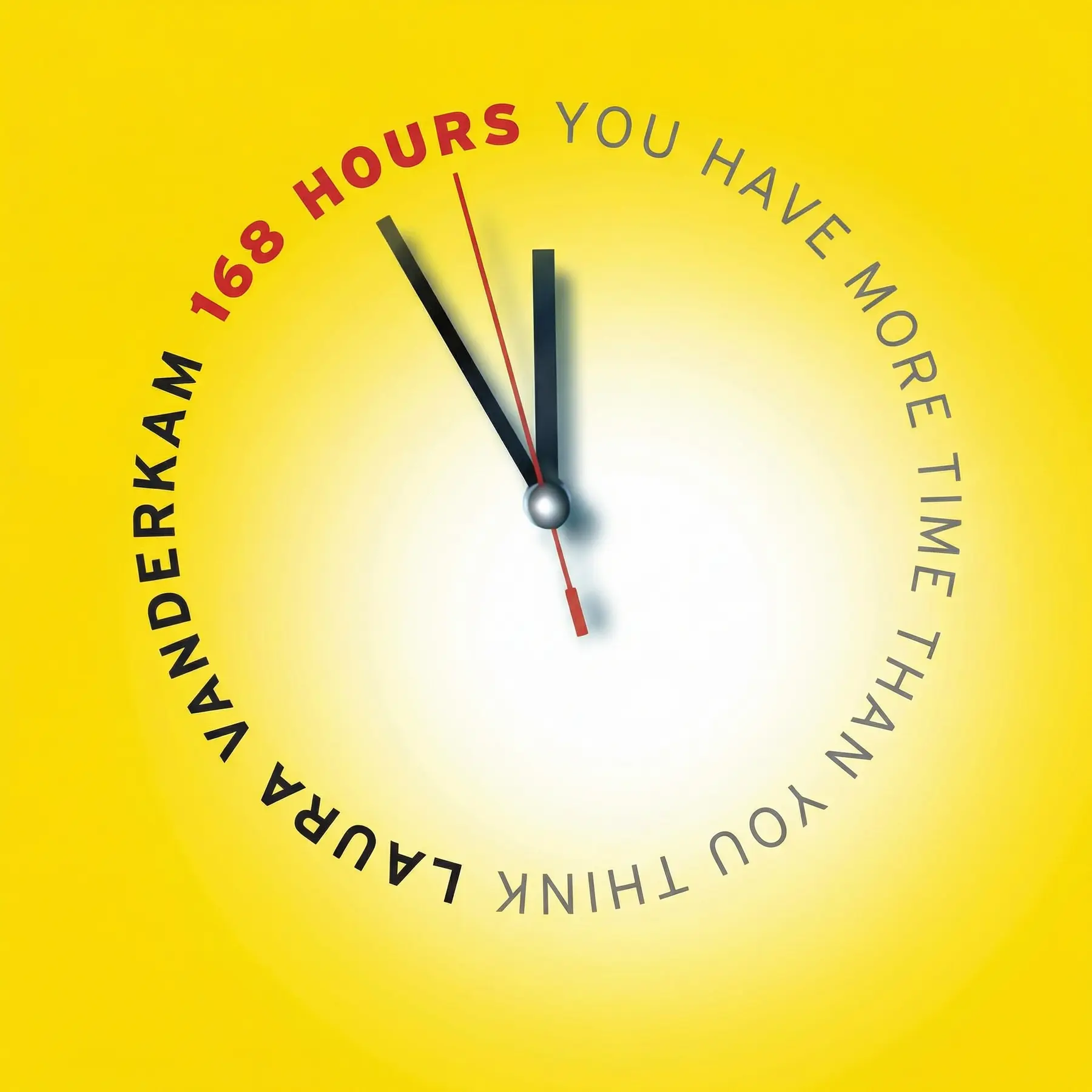
168 Hours: You Have More Time Than You Think
168 Hours reframes time management by highlighting that we all have 168 hours a week. It provides a blueprint for prioritizing core strengths, outsourcing chores, and reclaiming leisure time for a fulfilling life.
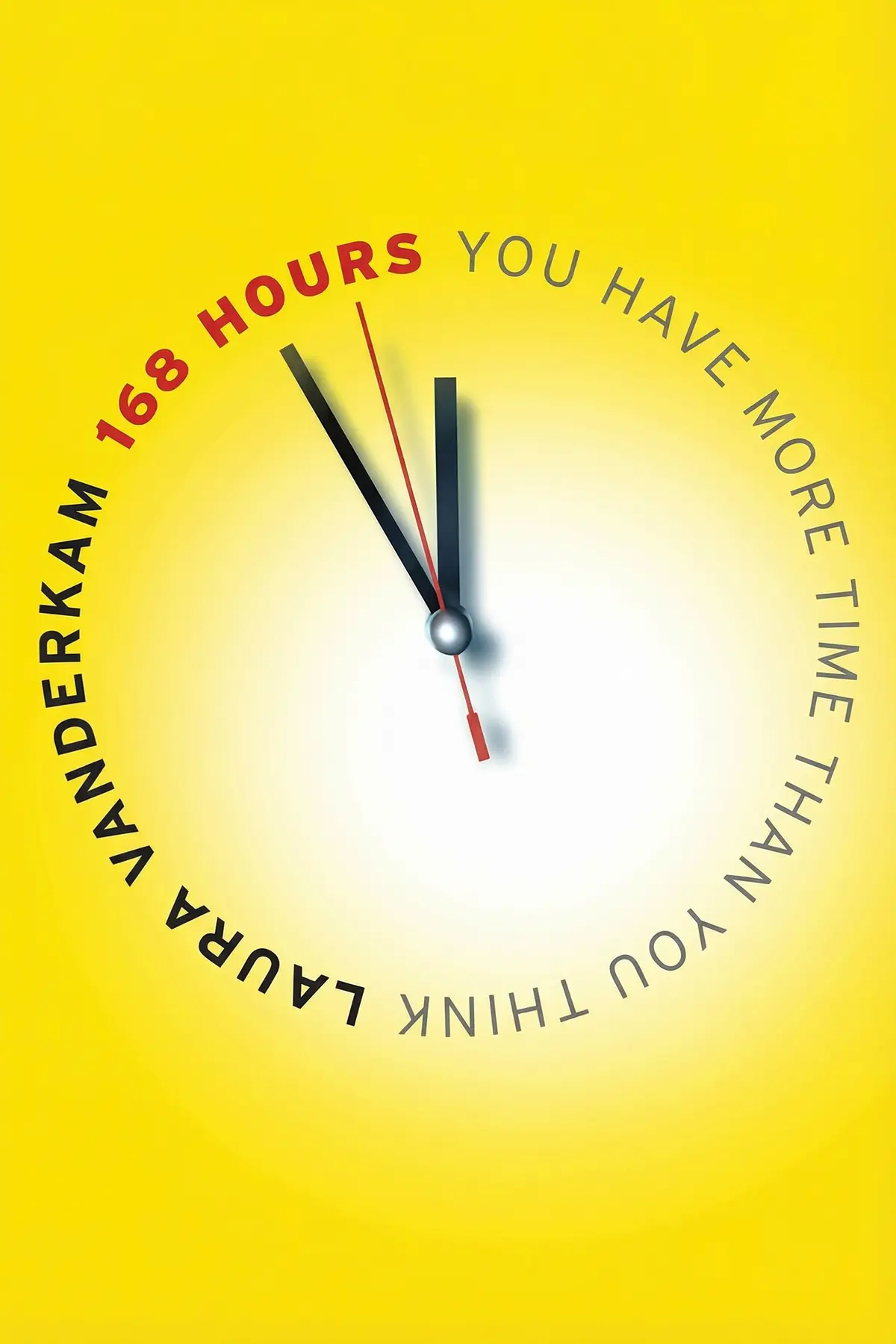
Table of Content
1. Introduction
2 min 22 sec
Have you ever found yourself staring at a mounting to-do list, feeling a heavy sense of defeat before the day has even truly begun? Most of us move through our weeks like we’re in a race we can never win. We tell ourselves that if only we had more time—maybe an extra hour in the morning or a few more hours on the weekend—we could finally start that exercise routine, spend more meaningful time with our families, or pursue that creative project we’ve been putting off for years.
But here is a startling realization: we all have the same amount of time. Every single one of us has exactly 168 hours every week. It sounds like a simple mathematical fact, yet most of us treat our time as if it’s a disappearing resource that we have no control over. We say we are too busy as if it were a weather condition we were caught in, rather than a series of choices we’ve made.
In this exploration of Laura Vanderkam’s insights, we are going to challenge the very foundation of the I’m too busy excuse. We’ll see that the problem isn’t a lack of hours, but a lack of clarity about how those hours are actually spent and what should take priority. Through the lens of 168 hours, we can stop looking at life in twenty-four-hour increments, which often feel cramped and stressful, and start looking at the bigger picture of a full week.
When you look at the 168-hour block, the math starts to work in your favor. Even if you work a demanding forty-hour-a-week job and sleep a full eight hours every night, you are still left with seventy-two hours for everything else. Seventy-two hours is a massive amount of time—it’s nearly another full-time job’s worth of hours.
The goal here isn’t just to squeeze more tasks into your day like you’re packing a suitcase. Instead, it’s about a fundamental mindset shift. It’s about learning to focus only on what you do best and what brings you the most joy, while letting go of the rest. We’ll look at how to identify your unique strengths, how to rethink your professional life, and how to reclaim your leisure time so it actually recharges you. By the end of this journey, you’ll see that you don’t need more time; you just need to realize how much you already have.
2. Taking Control of the 168-Hour Mindset
2 min 45 sec
Discover why the excuse of being too busy is often a misunderstanding of how time actually works and how to reclaim your schedule.
3. Identifying Your Core Competencies
2 min 56 sec
Learn how to focus your energy on the things you do best and why doing so is the secret to a more meaningful life.
4. The Power of Career Alignment
2 min 30 sec
Why finding a job that taps into your natural talents is more important than chasing a shorter work week.
5. Maximizing Professional Efficiency
2 min 40 sec
Mastering your work calendar by setting clear goals and ruthlessly eliminating time-wasters.
6. Engineering the Career Breakthrough
2 min 42 sec
How to move from being a steady worker to a standout success by combining a strategic approach with a compelling personal narrative.
7. Redefining Parenting and the Home
2 min 37 sec
Why doing less at home can actually make you a better parent and lead to deeper family connections.
8. The Art of Strategic Outsourcing
2 min 29 sec
How to buy back your time by delegating tasks that drain your energy and don’t align with your goals.
9. Intentional Leisure Planning
2 min 24 sec
Transform your free time from mindless scrolling into meaningful rejuvenation by treating your leisure with the same respect as your work.
10. Conclusion
1 min 57 sec
As we wrap up our journey through the 168-hour week, the most important takeaway is a sense of possibility. You are not a victim of a crowded calendar. You are the architect of your own life. By shifting your perspective from the daily grind to the weekly landscape, you can see that there is enough room for everything that truly matters—your career, your family, your health, and your passions.
The math is clear: 168 hours is a vast amount of time. The challenge is to stop filling that time with things that don’t serve you. Start by identifying your core competencies and making them the centerpiece of your schedule. Ruthlessly eliminate, minimize, or outsource the tasks that drain your energy and don’t align with your unique talents. Treat your leisure time as a sacred space for rejuvenation rather than a void to be filled with digital noise.
To put this into practice immediately, consider the concept of the mini night shift. If you struggle to balance work and family, try to view your evenings as two distinct blocks. Dedicate the hours between 5:00 p.m. and 8:00 p.m. entirely to your family—no phones, no work emails, just pure connection. Then, if you need to catch up on work, do it for two hours after the kids are in bed. This simple adjustment ensures that you aren’t half-working and half-parenting all evening, which usually results in doing both poorly. Instead, you are fully present for both.
Remember, your life is built one hour at a time. Every choice you make about how to spend an hour is a choice about the kind of person you want to be and the kind of life you want to lead. You have the time. Now, go out and use your 168 hours to build the life you’ve always wanted.
About this book
What is this book about?
Many people live under the constant pressure of feeling behind, assuming there simply aren’t enough hours in the day to balance work, family, and personal passions. 168 Hours challenges this scarcity mindset by doing the math: a week contains enough time for a full-time career, plenty of sleep, and significant personal pursuits if managed intentionally. The book promises a radical shift in how you view your schedule. Instead of focusing on daily to-do lists that never end, it encourages looking at the week as a whole. It guides readers through the process of identifying their unique talents, or core competencies, and ruthlessly eliminating or outsourcing everything else. By the end, you’ll see that you have more time than you think to create a life that reflects your true priorities and allows you to excel without burning out.
Book Information
About the Author
Laura Vanderkam
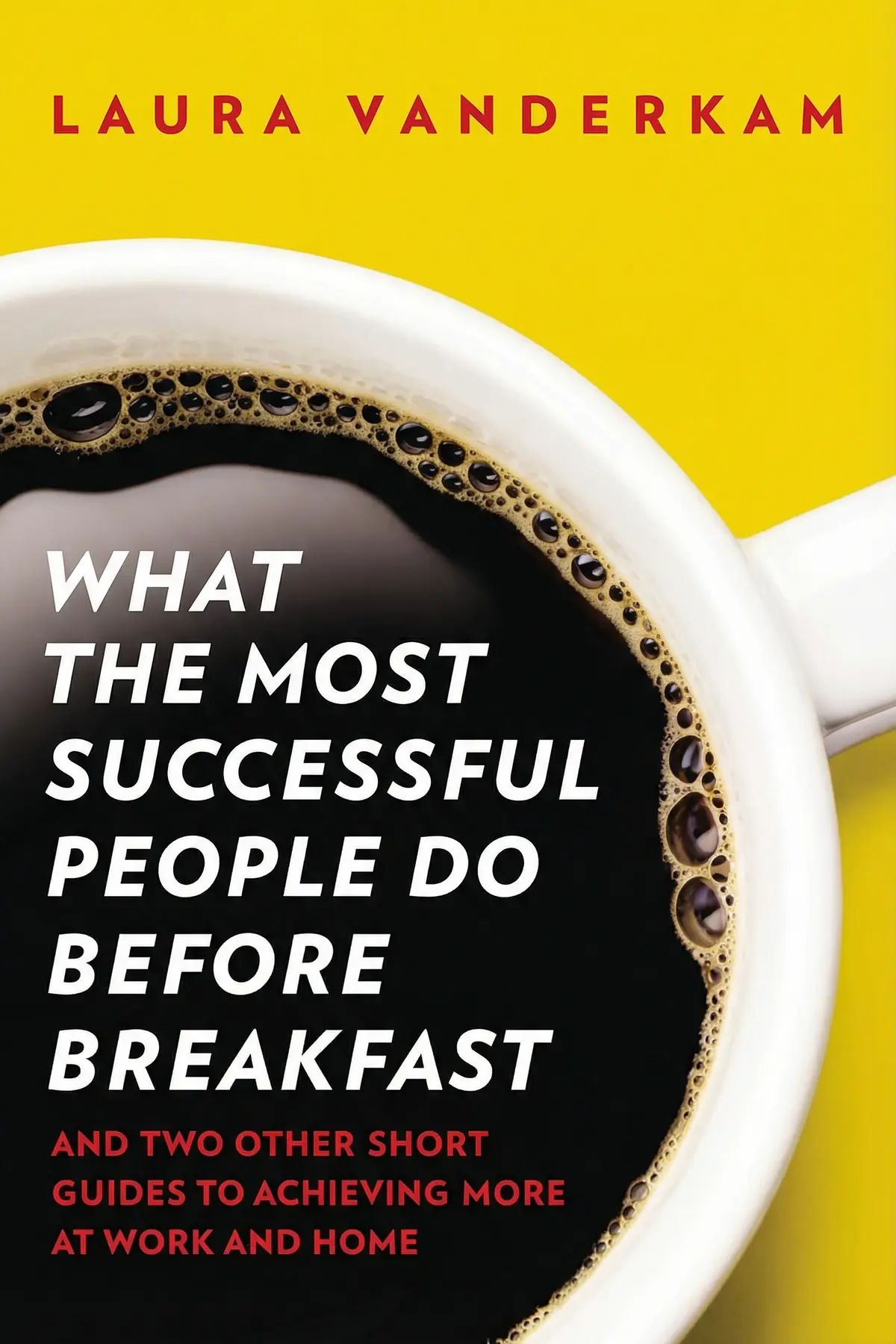
Laura Vanderkam is a prominent author and productivity specialist whose insights have been featured in major publications like the New York Times, the Wall Street Journal, Fast Company, and Fortune. She shares her expertise as the host of the podcast Before Breakfast, where she offers daily tips on managing time effectively. Vanderkam has written several influential books on the subject, including What Successful People Do Before Breakfast, Off the Clock, and I Know How She Does It, all of which focus on helping people live more intentional and productive lives.
Ratings & Reviews
Ratings at a glance
What people think
Listeners find the material simple to digest and value the useful advice and actionable time management techniques provided. They characterize the work as both motivating and eye-opening, with one listener mentioning that it pushes the audience to track every minute and hour. The caliber of information is well-regarded, as one review points out the helpfulness of the included case studies. Although some listeners feel it is high quality and a good investment, others have varied thoughts on the prose style and overall worth. There is conflicting feedback concerning the book's specific focus, as one listener noted a heavy concentration on parenting topics.
Top reviews
Sudarat
I loved the practical strategies in this book! The idea that we have plenty of time if we actually count the hours is a total game-changer. Most books just tell you to 'work harder,' but this one actually shows you where the leaks are in your bucket. The case studies were particularly enlightening for me because they showed real-world examples of people balancing high-level careers with family. I felt empowered to take control of my calendar instead of letting my calendar control me. Yes, some of the suggestions are a bit bold—like skipping meetings or ignoring certain chores—but the mindset shift is what matters. It's about being the architect of your own life. Highly recommend for anyone feeling overwhelmed by their to-do list.
Show moreLeila
Truly inspiring. I’ve read a lot of productivity books, but this one actually made me change my daily behavior. I stopped saying 'I don't have time to read' and started looking for where my 168 hours were actually going. It turns out I had plenty of time; I was just spending it on things that didn't align with my core goals. The focus on 'core competencies' helped me realize that I was sweating the small stuff at work and at home. I started delegating more and focusing on the projects that actually move the needle for my career. Vanderkam’s voice is clear and motivating, and the case studies provide a great roadmap. It’s not just about doing more; it’s about doing what matters most to you. This is a must-read.
Show moreBee
A fantastic, easy-to-read guide for anyone feeling stretched thin. I personally loved the data-driven approach. Vanderkam uses actual time-use diaries to prove that we have more leisure time than we think, which was a huge wake-up call for me. I’ve already started implementing the weekly planning sessions she recommends, and I feel much more in control of my schedule. While some people might find the 'outsourcing' advice elitist, I saw it more as a challenge to value my own time more highly. Even if you can’t hire a full-time nanny, you can find small ways to simplify your life and reclaim your weekend. It's a very practical book with strategies that you can start using immediately.
Show moreTaw
Honestly, this book changed how I view my Monday through Friday. I used to constantly complain that I 'didn't have time' for the gym, but Vanderkam points out that we all have the same 168 hours to work with. It’s a bit of a reality check that can feel a little harsh at times, but I think I needed that kick in the pants. Tracking my time in 15-minute increments was eye-opening, even if it was tedious to actually log everything. I realized I was losing hours to mindless scrolling that could have been spent on my actual hobbies. However, I did find some of the advice about outsourcing tasks a little out of reach for my current budget. Not all of us can just hire a housekeeper to solve our problems! Still, the core message about being mindful of your choices is incredibly powerful if you can get past the somewhat elitist tone.
Show moreSebastian
Vanderkam’s approach is definitely more business-oriented than your typical self-help book. Using the 'core competency' metaphor was an interesting way to look at personal life, though I understand why it might rub some people the wrong way since people aren't corporations. It challenges you to look at your life as a portfolio of responsibilities. I appreciated the emphasis on finding a 'dream job' rather than just settling for a mediocre 9-to-5. While some of the case studies felt a bit 'superhuman,' they did inspire me to stop making excuses about my schedule. There is a lot of focus on parenting, which might not apply to everyone, but the general principles of time-tracking are solid. It's an easy read and definitely worth the money if you're looking for a productivity kickstart.
Show moreTeng
This is an excellent resource if you're willing to be brutally honest with yourself. Vanderkam doesn't pull any punches when she tells you that you probably aren't as busy as you claim to be. It’s a bit of a 'tough love' approach to time management that I found quite refreshing. I especially liked the sections on finding small pockets of time for things that actually matter. My only real gripe is that it ignores energy levels entirely. Not every hour of those 168 is created equal, and I personally can't do high-level creative work at 9 PM even if the slot is open. But as a framework for planning your week, the 168-hour grid is superior to the standard daily to-do list. It’s definitely enlightened my perspective on weekly planning.
Show moreNiphon
There’s some good stuff here, but you have to sift through a lot of elitist fluff to find it. I liked the 'Big Rocks' philosophy mentioned in the beginning, even if the author tries to rename it to something more corporate. The 168-hour concept is a great way to zoom out and see the bigger picture of your life rather than just surviving day-to-day. However, I found myself rolling my eyes at the suggestion that knitting or watching a bit of TV is a 'cliché' waste of time. Everyone needs downtime to recharge! The writing style is easy to follow, but it occasionally dips into a condescending vibe that made me want to put the book down. It’s a mixed bag—take the time-tracking tools and leave the lifestyle judgments behind.
Show moreFinn
The premise is solid, but the execution felt a bit out of touch with reality for the average person working a normal job. I appreciated the encouragement to find a 'dream job,' but it felt a bit simplistic and naive. Not everyone can just pivot their career in their 40s because they realized their current role isn't a 'core competency.' I also felt like the author’s own religious views colored the advice a bit too much, which felt out of place in a secular productivity book. That said, the actual time-log exercise was incredibly useful for me. It helped me identify that I was spending way too much time on emails that didn't matter. It’s a decent book, but I’d recommend taking the advice with a grain of salt.
Show moreRome
I really wanted to like this, but the tone was just too judgmental and 'shame-y' for me. The author basically implies that if you aren't spending every second on a 'core competency,' you’re failing at life. As a parent, I found her take on 'quality time' versus 'quantity time' to be really cold and unrealistic. She suggests that hanging out with your kids is a waste unless it’s a planned, 'enriching' activity. Honestly, some of the best moments with my children happen during the 'boring' stuff like doing laundry or chores together. Also, the suggestion to eat pre-packaged meals just to save twenty minutes seemed really depressing and unhealthy. It felt very focused on professional success at the expense of a well-rounded, peaceful home life. It’s just not for me.
Show moreNadia
What a frustrating and wasteful read. I pick up a book on time management hoping for tips on efficiency or focus, and instead, I’m told to just 'outsource' my entire life to flunkies. The author suggests paying people to do your laundry, your cleaning, and even your grocery shopping as if money grows on trees. This assumes a level of class privilege that the average person simply doesn’t have. It felt less like a guide for the modern worker and more like a manifesto for the wealthy elite. I personally find joy in cooking and being present for my family, so being told those things are a 'waste of time' was actually quite insulting. If you have a personal assistant and a six-figure disposable income, you might like this. For everyone else, it’s just a reminder of what we can’t afford. I want my hours back.
Show moreFeatured in
Readers also enjoyed
AUDIO SUMMARY AVAILABLE
Listen to 168 Hours in 15 minutes
Get the key ideas from 168 Hours by Laura Vanderkam, plus 5,000+ more titles in English and Thai.
- 5,000+ titles
- Listen as much as you want
- 7-day free trial
- Cancel anytime







