
18 min 44 sec
Just Mercy: A Story of Justice and Redemption
Just Mercy explores the deep-seated flaws and systemic biases within the American legal system, focusing on Bryan Stevenson's efforts to defend the wrongly convicted and the most vulnerable members of society.
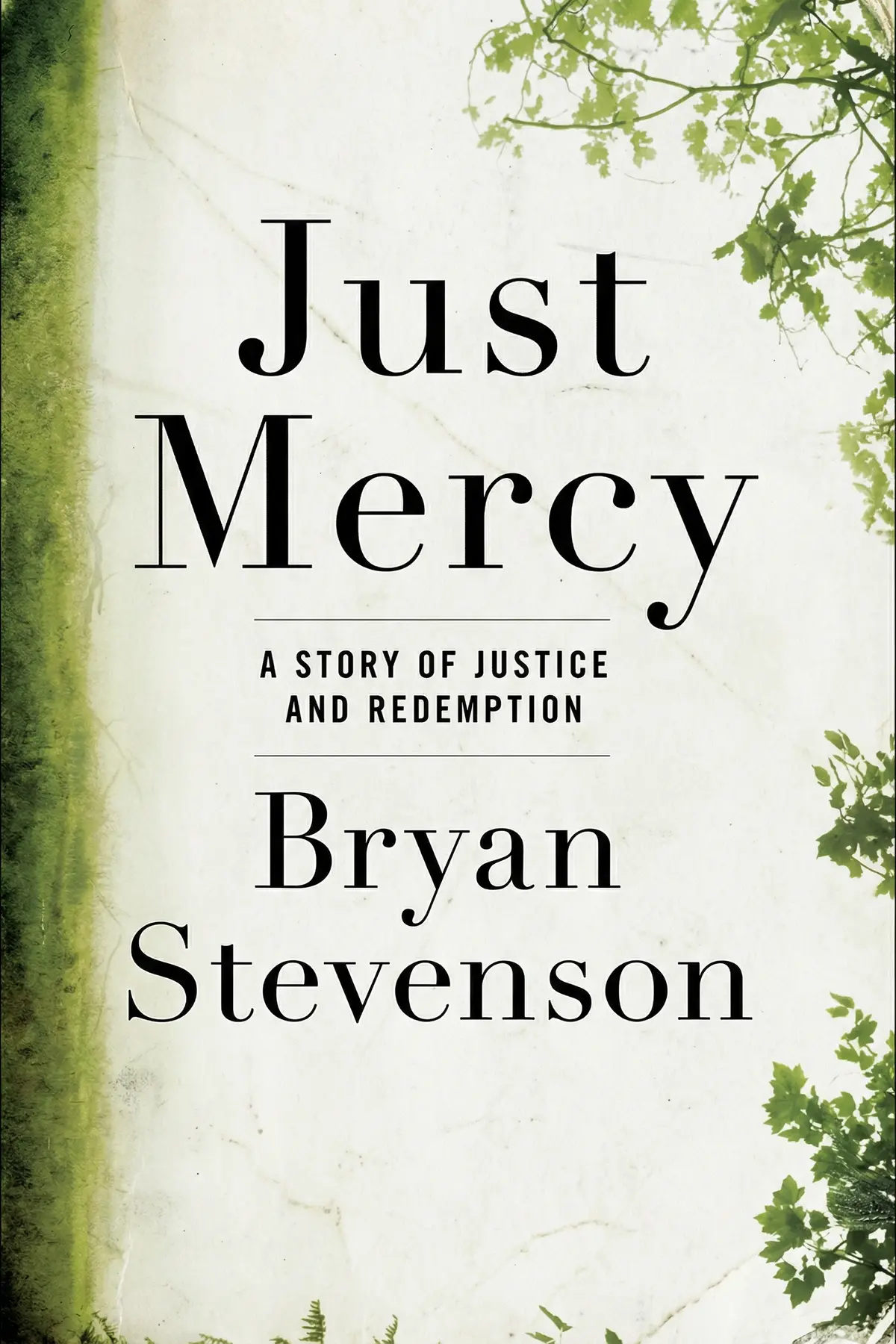
Table of Content
1. Introduction
1 min 49 sec
For many of us, our primary understanding of the American legal system comes from what we see on television or in the movies. We are used to the polished drama of the courtroom, the heroic speeches, and the inevitable triumph of the truth. But when we step away from the entertainment world and look at the actual machinery of the United States criminal justice system, a much darker and more complex reality begins to emerge. This is a world where the stakes are life and death, and where the promise of ‘justice for all’ often feels like a distant aspiration rather than a lived reality.
In this summary of Just Mercy, we are guided by the experiences of Bryan Stevenson, a lawyer who has spent his career in the trenches of the legal system, working with those the system has most often forgotten. Stevenson’s perspective is shaped by his work with people on death row and those trapped in the vast web of the prison-industrial complex. He takes us back to the 1980s to show us how a cultural shift toward extreme punishment began to reshape American life, leading to an unprecedented explosion in the prison population.
Through Stevenson’s eyes, we will explore the throughline of mercy—the idea that every human being is more than the worst thing they have ever done. We will see how this concept is tested by systemic racism, the harsh treatment of children and the mentally ill, and the specific challenges faced by women within the penal system. As we move through these ideas, we will uncover not just the flaws in the system, but also the stories of redemption and the hard-won reforms that suggest a more just path forward. This isn’t just a look at the law; it’s an invitation to consider what it means to be truly compassionate in a society that often prefers to punish rather than to heal.
2. The Era of Extreme Punishment
2 min 28 sec
Discover how a fundamental shift in legal philosophy during the 1980s led to an unprecedented and staggering rise in the American prison population.
3. The Weight of Racial Inequity
2 min 03 sec
Explore the deep-seated biases that cause certain communities to be targeted and treated differently within the legal system.
4. Children in the Adult World
2 min 06 sec
Uncover the heartbreaking reality of how the legal system treats minors as adults, often with devastating lifelong consequences.
5. The Hidden Crisis for Women
2 min 13 sec
Examine the unique and often overlooked struggles of women in prison, from skyrocketing incarceration rates to systemic abuse.
6. Mental Illness Behind Bars
2 min 07 sec
Understand how the closure of mental health facilities led to prisons becoming the primary providers of psychiatric care—with tragic results.
7. The Ripple Effect on Families
2 min 04 sec
See how a single conviction can devastate an entire community, creating a legacy of trauma that extends far beyond the prison walls.
8. A Path Toward Reform
2 min 11 sec
Discover the glimmers of hope and the significant legal shifts that are finally beginning to challenge the culture of extreme punishment.
9. Conclusion
1 min 43 sec
As we conclude our journey through the insights of Just Mercy, the central throughline becomes clear: the true measure of our character as a society is found in how we treat the most vulnerable, the most broken, and the most accused. Bryan Stevenson’s work reminds us that the American criminal justice system, while often flawed and biased, is not beyond repair. By looking closely at the history of mass incarceration, the realities of racial inequity, and the specific suffering of children, women, and the mentally ill, we gain the necessary perspective to demand change.
The stories we’ve explored show that mercy is not just a feeling; it is a vital component of justice. When we replace extreme punishment with a commitment to human dignity and redemption, we don’t just help the individual; we heal our communities and strengthen our collective moral standing. The reforms we are seeing today are a testament to the power of persistence and the courage to speak truth to power.
In your own life, you might consider how you view those who have been marginalized or judged by society. The actionable takeaway from this summary is to challenge the ‘presumption of guilt’ that we often apply to people who are different from us. By seeking to understand the human stories behind the headlines and supporting efforts for systemic fairness, you can play a part in creating a world where justice is defined by its capacity for mercy rather than its ability to punish. We are all more than our worst mistakes, and a society that recognizes this is a society that can truly move toward justice for all.
About this book
What is this book about?
Just Mercy is a compelling look at the American criminal justice system through the eyes of Bryan Stevenson, a lawyer dedicated to defending those who have been most abandoned by the law. The book traces the evolution of the legal landscape from the 1980s to the present, highlighting how the rise of mass incarceration and extreme sentencing has disproportionately affected marginalized groups, including people of color, the impoverished, children, and the mentally ill. At its heart, this is a story about the struggle for redemption and the necessity of compassion. Stevenson shares his experiences fighting for individuals on death row, revealing the human stories behind the statistics of the prison-industrial complex. The promise of this summary is to provide a profound understanding of the historical context and the ongoing challenges of achieving true justice, while also highlighting the meaningful reforms that offer hope for a more merciful future.
Book Information
About the Author
Bryan Stevenson
Bryan Stevenson is a death row attorney who founded and serves as executive director of the Equal Justice Initiative, an Alabama-based nonprofit organization that represents and advocates for subjugated people. In addition to his work at EJI, Stevenson is a professor of law at the New York University Law School.
Ratings & Reviews
Ratings at a glance
What people think
Listeners find this account eye-opening and skillfully written, calling it a gripping true story that moves them to tears. Furthermore, the book provides deep insights into the criminal justice system, with one listener highlighting how it reveals social injustices within the legal process. Listeners also value its thought-provoking nature; one review mentions how it impacted their thoughts and feelings, while one describes it as an inspirational and life-changing book.
Top reviews
Evelyn
Wow. I was sobbing by the middle of the first chapter. Bryan Stevenson writes with such profound grace that you can’t help but be moved by the plight of those on death row. It’s a life-changing account of the systemic rot within our courts, specifically focusing on the story of Walter McMillian in Alabama. I found myself highlighting passages on every page because the wisdom is just so dense and necessary. Not many books actually shift your worldview, but this one managed to dismantle my assumptions about the death penalty entirely. Truth is, we often look away from these social injustices because they feel too heavy to carry. But Stevenson forces us to look, to feel, and ultimately, to care about the "broken" among us. If you only read one non-fiction book this year, make it this one.
Show moreSayan
This book should be mandatory reading for every American high school student. It provides a gut-wrenching insight into how the legal system functions—or fails to function—for those at the margins of society. Stevenson doesn't just rant about the problems; he shows them to us through the eyes of people like Walter McMillian. Frankly, it’s horrifying to realize that a person’s wealth often determines their level of justice more than their actual guilt or innocence. I was particularly struck by the "judge override" system in Alabama and how easily a single person can decide a life sentence. The writing is incredibly accessible, avoiding dense legal jargon in favor of human stories that will stay with you long after you close the cover. It’s a call to action that left me feeling both angry and deeply inspired to support the Equal Justice Initiative. We need more people like Bryan Stevenson who are willing to fight for the voiceless and the vulnerable in our society. It is rare to find a book that challenges your core beliefs while simultaneously offering a path toward hope and redemption.
Show moreKwan
After seeing the movie, I knew I had to go back and read the source material to get the full picture. Bryan Stevenson’s voice is so calm and steady, yet the facts he presents are enough to make your blood boil. He managed to weave together the history of racial terror in the South with the modern-day crisis of mass incarceration in a way that feels seamless. Not gonna lie, I had to stop several times just to process the sheer unfairness of how mentally ill inmates are treated in our prisons. The book is much more intimate than the film, offering a look into the soul of a lawyer who refuses to give up on the "condemned." It’s an inspirational story of redemption that reminds us that each of us is more than the worst thing we’ve ever done. Absolute masterpiece.
Show moreGai
Picked this up on a whim after hearing a podcast interview with the author and I am so glad I did. It’s a compelling true story that manages to be both heartbreaking and hopeful at the exact same time. Stevenson’s central thesis—that the opposite of poverty isn't wealth, but justice—is a thought-provoking concept that I’ve been ruminating on for weeks. It made me cry to think about how many innocent people are currently sitting in 5x8 cells because they couldn't afford a proper defense. This isn't just a book about law; it’s a book about our shared humanity. It definitely earned its place as a life-changing read.
Show moreDaranee
I was not prepared for the visceral reaction I had to Walter McMillian’s story and the blatant corruption of the Alabama authorities. It was infuriating. Bryan Stevenson captures the atmosphere of the South with such precision that you can almost feel the heat and the tension in those courtrooms. This book is a powerful indictment of a system that often treats the rich and guilty better than the poor and innocent. His dedication to the EJI is saintly. He lets the victims speak for themselves, which makes the ultimate "mercy" found in these pages feel earned rather than forced, especially considering the decades of injustice endured. This is essential reading for everyone.
Show moreNutnicha
Bryan Stevenson is a modern-day hero, and this book serves as his powerful manifesto for a more compassionate world. It is an inspirational account of one man’s tireless fight against the death penalty and the systemic racism that fuels it. Every chapter reveals another layer of the social injustices that plague our country, from the neglect of the mentally ill to the over-sentencing of minors. Not gonna lie, I was a sobbing mess by the time I reached the end, but I also felt a renewed sense of hope. The book is well-written and provides invaluable insights into the criminal justice system without ever feeling like a textbook. It’s a compelling true story that reminds us why we must never stop fighting for the voiceless and the vulnerable. Five stars aren't enough for a book this important.
Show moreVilaiporn
While I expected an emotional journey, I didn't anticipate how much legal detail Stevenson would pack into these pages. The book is an eye-opening deep dive into the criminal justice system that exposes how we treat the poor and the innocent. I really appreciated the focus on children receiving life sentences without parole, which is something I had never considered before. However, to be fair, the structure can get a little bit jumbled at times. With so many different case files interweaving through Walter’s main narrative, I occasionally struggled to keep the names straight. Despite that minor hurdle, the writing remains compelling and the message is undeniably urgent for every citizen. It’s a powerful testament to the necessity of mercy in a system that often prioritizes finality over actual truth.
Show moreBank
Ever wonder how deep the cracks in our legal system actually go? This book provides a sobering answer that will likely leave you feeling quite shaken. Stevenson highlights the social injustices inherent in the "tough on crime" era, specifically regarding how we treat vulnerable children in adult facilities. It’s an eye-opening account that doesn’t shy away from the gritty, uncomfortable realities of prison life. I will say that the audio version narrated by the author adds a layer of sincerity that makes the stories even more impactful. My only slight complaint is that the timeline jumps around quite a bit, making it a challenge to track the progression of specific legal appeals. But overall, it’s a well-written and deeply moving piece of non-fiction.
Show moreYaowaluk
As someone who typically avoids non-fiction, I found this to be surprisingly engaging and readable. Stevenson has a gift for taking complex legal issues and making them feel like a personal conversation over coffee. The stories of women caught in the system were particularly moving and highlighted a perspective that is often missing from the national conversation on reform. Truth is, I went into this thinking it might be a bit dry, but the emotional core of Walter’s story kept me turning pages late into the night. It isn't a perfect book—some of the later chapters feel a bit repetitive in their message—but the impact is undeniable. It forces you to confront the reality that our system is often more interested in retribution than in finding the truth. Definitely a thought-provoking read that everyone should experience.
Show moreOoi
Look, the subject matter is undeniably vital and Stevenson’s work with the EJI is heroic beyond words. However, as a reading experience, I found the pacing to be somewhat sluggish due to the heavy reliance on statistics and case law. I struggled to maintain my focus through some of the middle chapters where the narrative felt more like a legal brief than a memoir. I realize these details are necessary to prove the systemic failures he’s highlighting, but it made for a very dense read. Personally, I found it hard to stay connected to the individual stories when the book would pivot so frequently to broader policy discussions. It is an important educational tool for understanding social injustice, but I didn't find it quite as "unputdownable" as others have suggested. Still, the core message about the lack of mercy for the poor is impossible to ignore.
Show moreReaders also enjoyed
All About Love: New Visions
bell hooks


A Biography of Loneliness: The History of an Emotion
Fay Bound Alberti

A Force for Good: The Dalai Lama's Vision for Our World
Daniel Goleman


A Room of One’s Own
Virginia Woolf
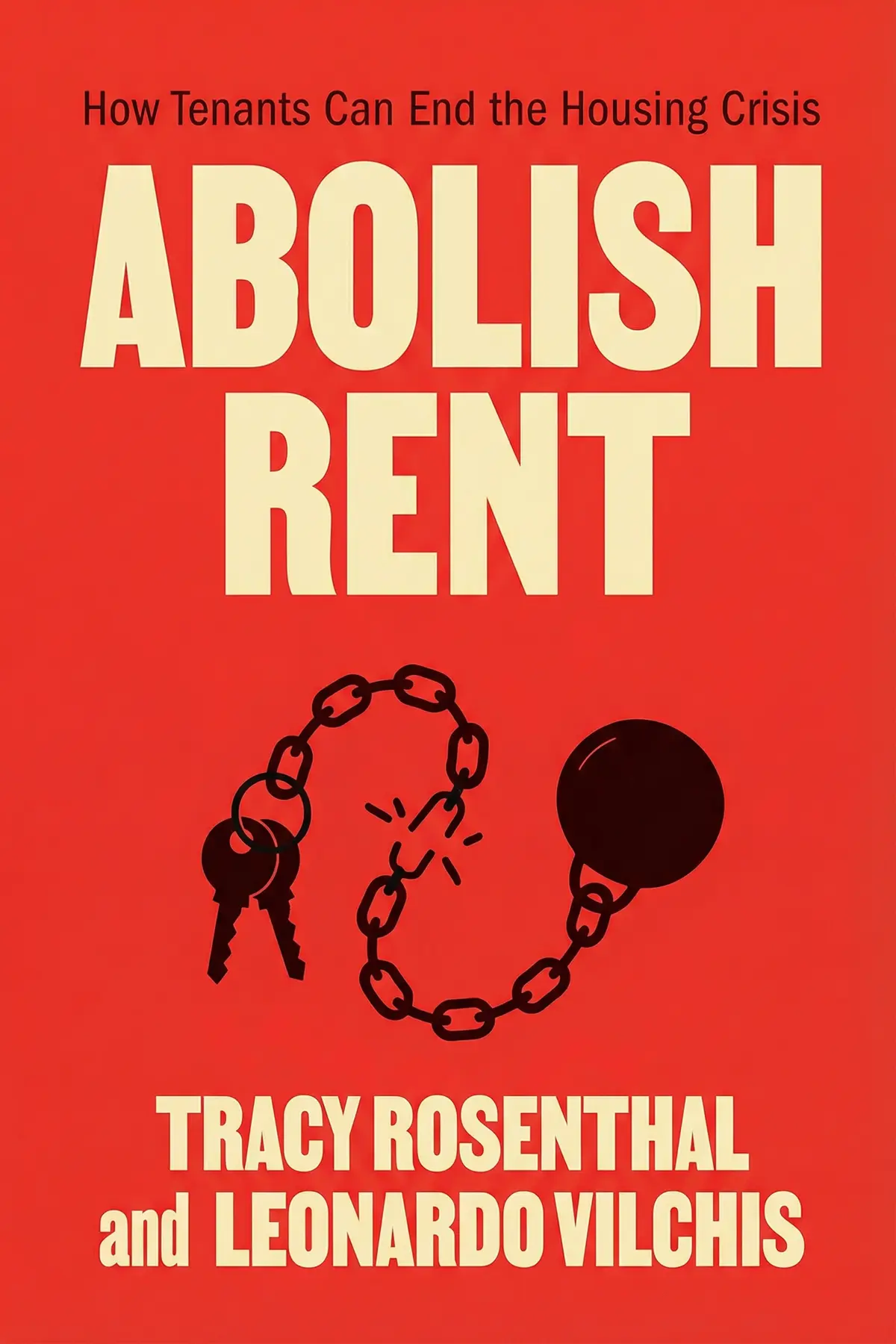
Abolish Rent: How Tenants Can End the Housing Crisis
Tracy Rosenthal
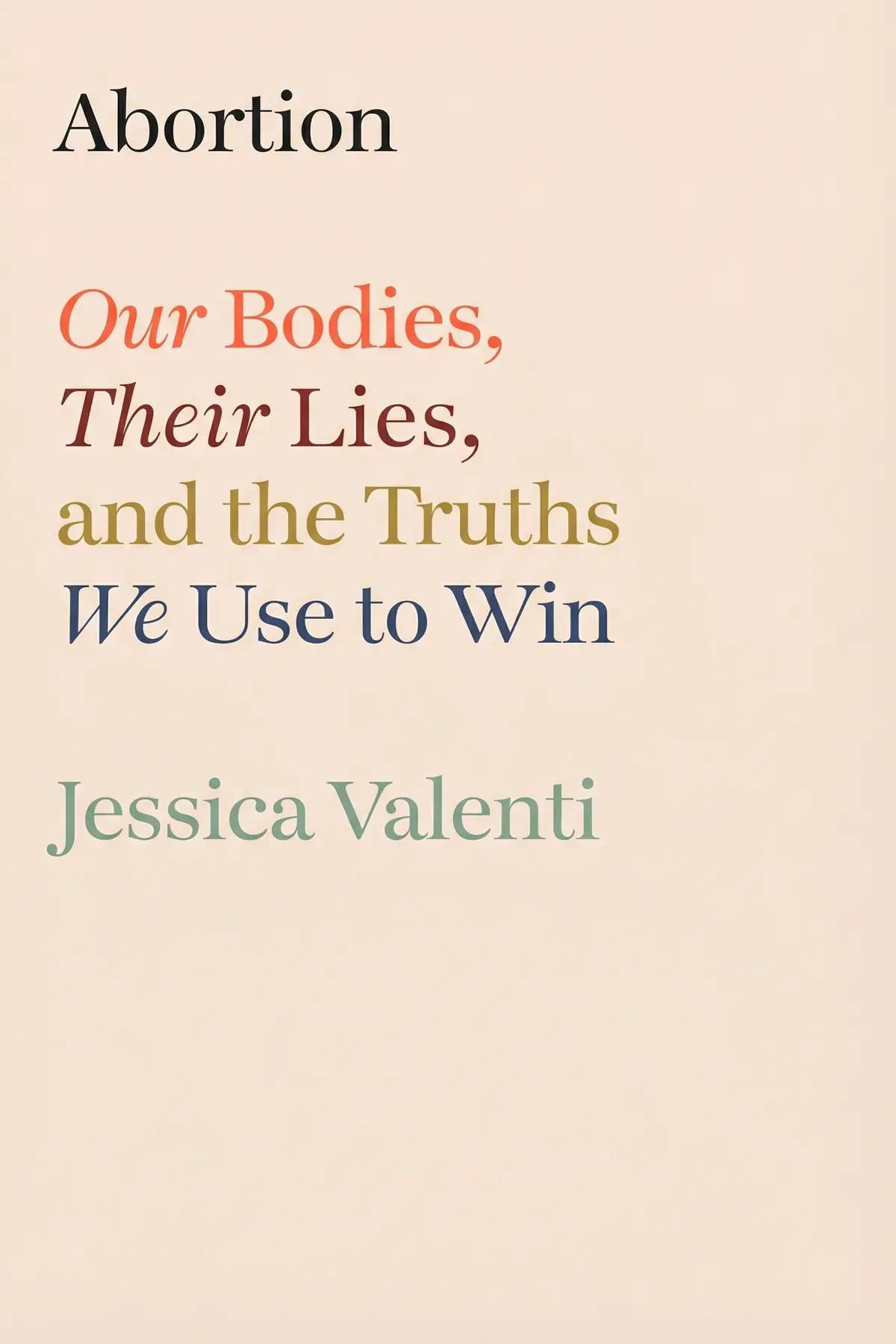
Abortion: Our Bodies, Their Lies, and the Truths We Use to
Jessica Valenti
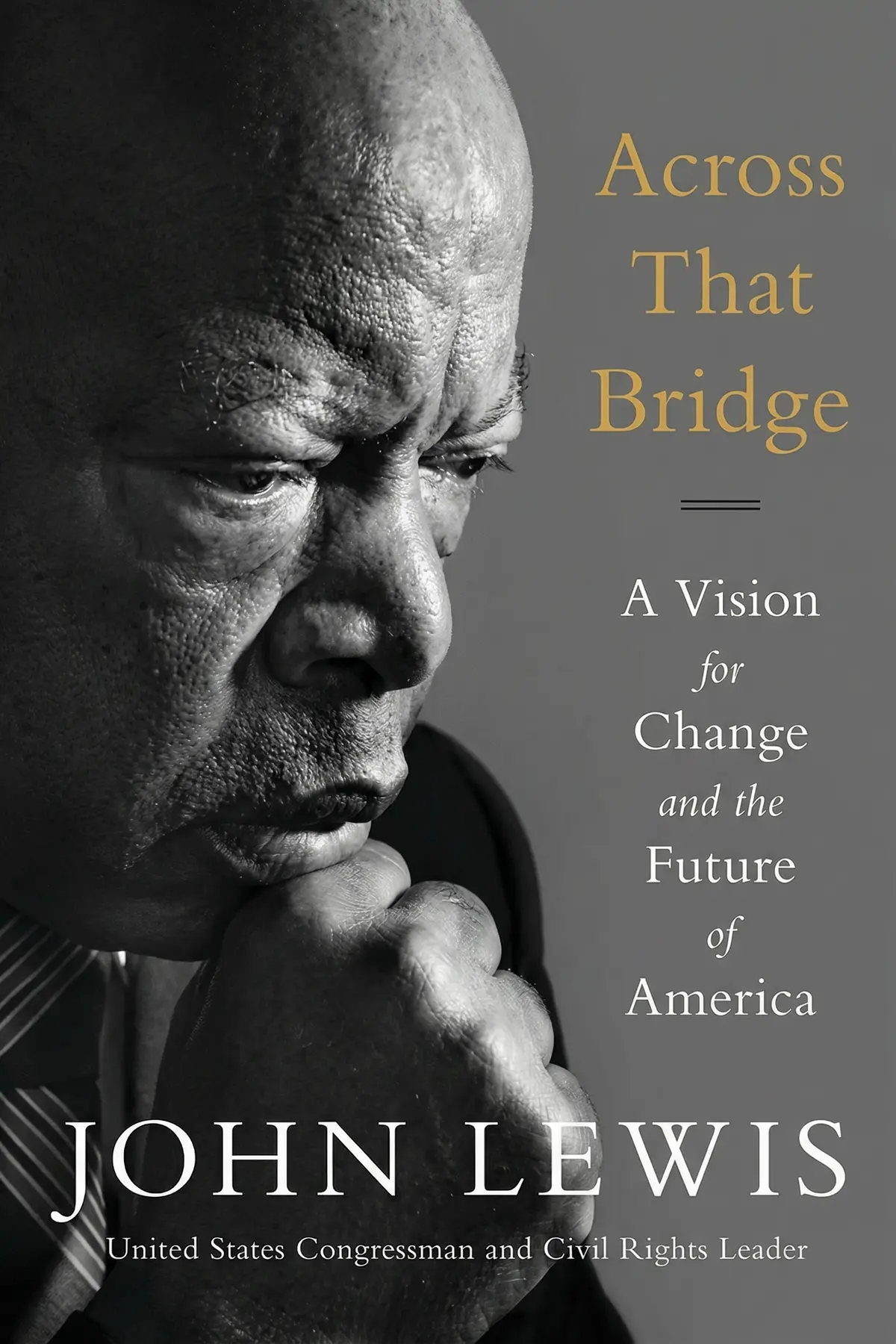
AUDIO SUMMARY AVAILABLE
Listen to Just Mercy in 15 minutes
Get the key ideas from Just Mercy by Bryan Stevenson, plus 5,000+ more titles in English and Thai.
- 5,000+ titles
- Listen as much as you want
- 7-day free trial
- Cancel anytime







