
15 min 06 sec
Lean Analytics: Use Data to Build a Better Startup Faster
A comprehensive guide for entrepreneurs on utilizing data to validate business ideas, measure progress, and achieve sustainable growth. It teaches founders how to identify the right metrics for every stage of development.
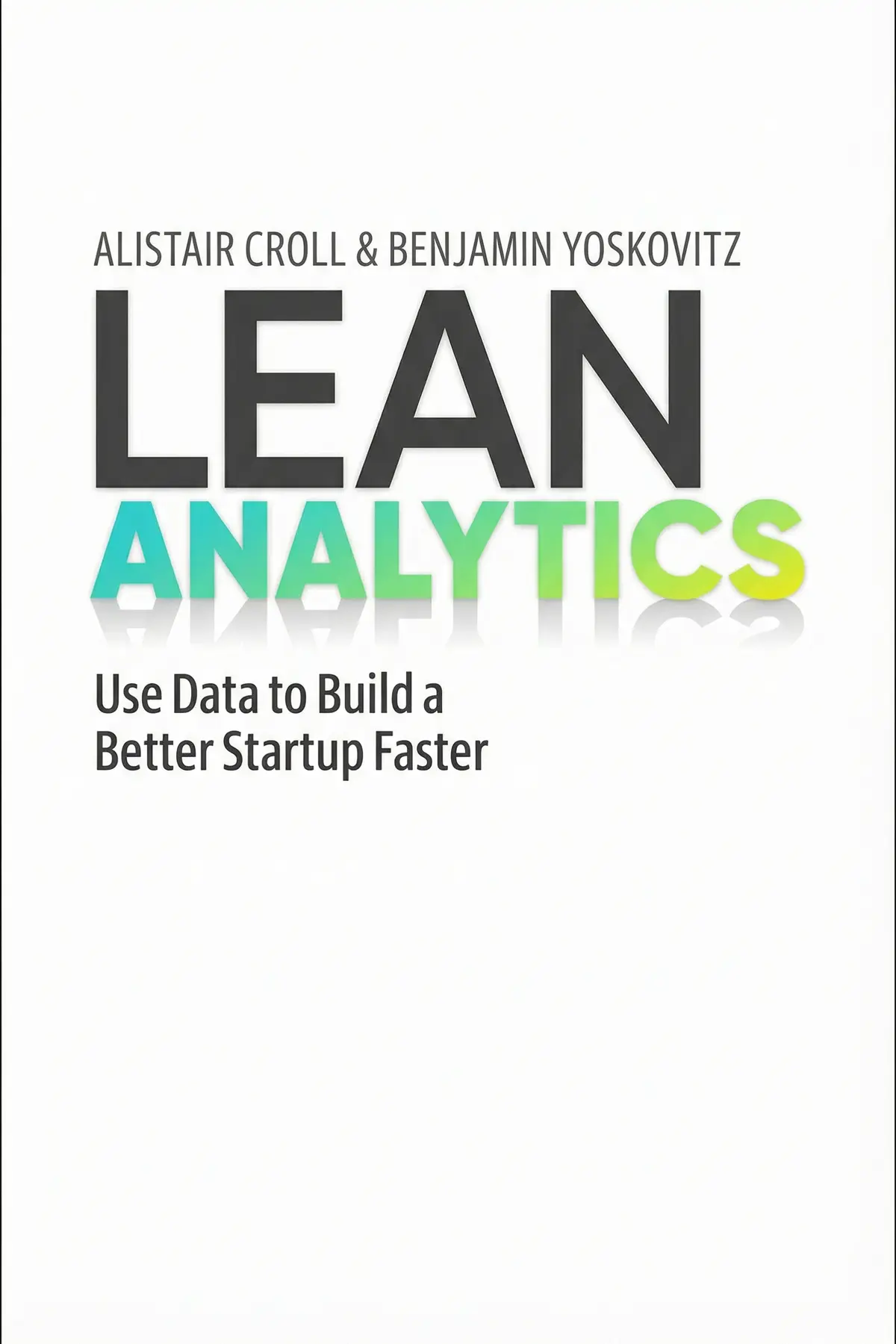
Table of Content
1. Introduction
1 min 39 sec
Every aspiring entrepreneur starts with a vision, a deep well of motivation, and perhaps even the technical skills required to bring a new product to life. But in the volatile world of startups, talent and passion are rarely enough on their own. The landscape is littered with the remains of companies that had brilliant founders but failed to solve a real problem for a real market. The most dangerous trap a founder can fall into is the pursuit of a dream that nobody else shares. This is where the discipline of analytics enters the picture, serving not just as a set of tools for measurement, but as a fundamental mindset for survival and growth.
The core challenge is learning how to listen to what the market is actually telling you through data, rather than what you hope it is saying. To build a better startup faster, you must move beyond guesswork and embrace a framework that validates your progress at every turn. This isn’t about becoming a spreadsheet-obsessed robot; it’s about becoming data-informed. It involves understanding that while your intuition might spark the flame, data is the fuel that determines whether that flame becomes a steady fire or a brief, expensive flash in the pan.
In this summary, we will explore how to identify the metrics that truly impact your bottom line and how to ignore the distractions that only serve to stroke your ego. We will walk through the specific stages every startup must navigate—from the initial spark of empathy for a customer’s problem to the final push for global scale. By the end, you’ll see how to align your personal skills and passions with a business model that actually generates revenue, using the ‘One Metric That Matters’ to stay focused in a world of infinite distractions.
2. The Data-Informed Mindset
1 min 52 sec
Discover why the most successful founders treat data as an antidote to self-delusion while remaining careful not to let numbers overrule their core values.
3. Identifying High-Quality Metrics
1 min 58 sec
Not all data is created equal; learn how to distinguish between vanity numbers and the actionable ratios that lead to real business improvements.
4. The Sweet Spot of Startup Success
2 min 04 sec
Uncover the essential intersection between what you love, what you are good at, and what the market is actually willing to pay for.
5. The Five Stages of Growth
2 min 11 sec
Follow the Lean Analytics framework through its five evolutionary steps, from the first spark of empathy to the ultimate goal of scaling globally.
6. The One Metric That Matters
1 min 58 sec
Learn the power of extreme focus by identifying the single most important number for your current stage of business development.
7. Navigating Specific Business Models
2 min 00 sec
Compare the analytical needs of different industries, from the loyalty-driven world of e-commerce to the attention-based economy of media sites.
8. Conclusion
1 min 24 sec
The journey of building a startup is rarely a straight line. It is a process of constant adjustment, learning, and refinement. As we have explored, the key to navigating this path successfully is to remain data-informed without becoming a slave to the numbers. By focusing on high-quality, comparable ratios and identifying the One Metric That Matters for your current stage, you can cut through the noise and make decisions with confidence.
Remember that the five stages of growth—Empathy, Stickiness, Virality, Revenue, and Scale—provide a chronological map for your development. You cannot skip steps, and you cannot scale what isn’t yet sticky. Always bring yourself back to the core pillars: Are you passionate about the problem? Do you have the skills to solve it better than anyone else? And most importantly, is there a sustainable way to generate revenue from that solution?
As you move forward, keep questioning your assumptions. Use data not to prove yourself right, but to find out where you might be wrong. Before you invest another dollar or another hour into a feature or a marketing campaign, ask yourself if you have the evidence to justify it. If you stay focused, stay honest with yourself, and stay grounded in the metrics that actually drive value, you will be well-equipped to turn your startup vision into a lasting reality. The tools are in your hands; now it is time to look at the data and take the next step.
About this book
What is this book about?
Building a startup is a journey through uncertainty, where the greatest risk is creating something that no one actually wants. Lean Analytics provides a roadmap for navigating this journey by using data as a compass. The book moves beyond the hype of entrepreneurship to focus on the cold, hard reality of metrics, teaching founders how to distinguish between vanity numbers and the data that actually drives decisions. By categorizing the lifecycle of a startup into five distinct phases—Empathy, Stickiness, Virality, Revenue, and Scale—the authors provide a framework for understanding which goals should be prioritized at any given time. The promise of the book is a disciplined approach to innovation, ensuring that every effort is backed by evidence and every pivot is informed by reality. It covers various business models, from e-commerce to media, illustrating how to find the One Metric That Matters most for your specific path to success.
Book Information
About the Author
Alistair Croll
Alistair Croll is an entrepreneur, author, and public speaker whose work centers on web performance, big data, cloud computing, and the startup ecosystem. He holds leadership roles at several major industry events, including serving as the chair for O’Reilly’s Strata conference, TechWeb’s Cloud Connect, and Interop’s Enterprise Cloud Summit. Ben Yoskovitz is a veteran entrepreneur and startup mentor. He is a frequent contributor to the entrepreneurial community, speaking at significant events like the Lean Startup Conference and the Internet Marketing Conference.
Ratings & Reviews
Ratings at a glance
What people think
Listeners find the content accessible and appreciate its clear, direct prose. They view it as a functional resource that delivers a comprehensive look at analytics and business structures, incorporating many case studies. Listeners praise the work's rhythm, with one listener highlighting its well-thought-through approach, and its measurement precision, with one listener calling out specific concrete metrics to track. Listeners value its role as a supplementary guide, with one listener noting it as an excellent addition to the Lean Startup library.
Top reviews
Suphan
The chapter on the five stages of a startup—empathy, stickiness, virality, revenue, and scale—changed my entire product roadmap. I've read plenty of business books, but few offer this level of specific, actionable advice for different stages of growth. The concept of the 'One Metric That Matters' (OMTM) is incredibly powerful for keeping a small team focused on what actually drives value. I especially appreciated the clear exposition on the customer funnel for SaaS and E-commerce models. The writing is accessible and avoids the typical jargon that makes most analytics books a chore to read. It’s a comprehensive overview that manages to be both thorough and engaging from start to finish. This is an essential read that I will be recommending to every founder I know.
Show moreDome
While the case studies provide some color to the framework, I couldn't help but feel that many of these examples are already industry standards. Truth is, the tech world moves at a lightning pace and some of these 'modern' strategies now feel like common knowledge. I did enjoy the section on the 'One Metric That Matters' because it forces you to prioritize ruthlessly. The book attempts to cover several business types at once, which makes some chapters feel slightly rushed, but the E-commerce section was gold. It’s a helpful guide if you need a bird's-eye view of how analytics should function in a growing company. It’s a solid reference for the shelf that provides much-needed clarity for early-stage teams.
Show moreSamira
Ever wonder why your startup is stalling despite having 'good' traffic numbers? This book explains the difference between noise and actionable evidence in a way that just clicks. Personally, I found the breakdown of the five startup stages—from empathy to scale—to be a useful framework for our current team. It helped us realize we were focusing on virality when we hadn't even achieved basic stickiness yet. The case studies are well-researched and provide a lot of much-needed context for the theoretical frameworks. It’s a fantastic contribution to the lean movement that moves past the 'fluff' of earlier iterations. While a bit repetitive in the beginning, this is exactly the kind of science of execution that founders need.
Show morePichaya
Finally got around to reading this after finishing Ries’s book, and it’s a solid companion piece for any founder. To be fair, most startup literature is full of fluff, but Croll and Yoskovitz actually give you a 'line in the sand' for your metrics. I appreciated how they broke down different models like SaaS and E-commerce instead of pretending one size fits all. The pacing is quick, making it easy to digest between meetings or during a commute. My only real gripe is that some of the case studies feel a bit like artifacts of a specific era in tech. Regardless, the focus on the One Metric That Matters (OMTM) is a useful tool for focus. It’s a decent resource that deserves a spot on the shelf, even if it feels a little dated in parts.
Show morePear
Is it the 'missing manual' for startups? In my experience, that depends entirely on your current level of data literacy. The authors do a great job of explaining why ratios are superior to raw numbers, which is a lesson many founders need. I found the 'line in the sand' concept to be the most valuable part of the entire text. It provides a necessary reality check for anyone blinded by vanity metrics that don't actually drive growth. Still, the middle sections can be a bit of a slog if your specific business model isn't the current focus. It’s a well-thought-through approach to making data less daunting for the average person. It serves its purpose but doesn't exactly reinvent the wheel for experienced practitioners.
Show moreLincoln
Not what I expected given the hype surrounding the O'Reilly Lean series and its focus on rigorous execution. To be blunt, the first hundred pages are basically a 'Lean Startup' refresh that adds very little new information. If you haven't read Eric Ries, this might be helpful, but for the rest of us, it’s just filler. I wanted more 'how-to' and less 'why-to' throughout the different business stages. The analysis of the customer funnel is decent, but it doesn't go deep enough into the weeds of implementation. It feels like a book written for managers who want to talk about data rather than the people actually crunching the numbers. It’s a fine read, but a bit of a disappointment considering the pedigree.
Show moreSayan
This book surprised me with its clarity, though it could have used a summary map for easier navigation. Gotta say, the distinction between SaaS, E-commerce, and Media models is helpful since each requires a totally different mindset. The authors provide concrete metrics that actually change the way you behave as a leader. It’s not just about tracking numbers; it’s about using that evidence to validate your assumptions or pivot before you go broke. While the content is solid, the pacing felt uneven, and I found myself skimming the sections that didn't apply to my current project. It's a reliable companion for a startup journey, but perhaps a bit over-comprehensive for a population that wants to move fast.
Show moreThongchai
As someone who has worked in data science for a decade, I found this volume surprisingly thin on actual mathematical rigor. Look, it’s a decent introductory text for the 'new to entrepreneurial-ship' crowd, but it lacks the depth needed for a serious analyst. The authors spend far too much time rehashing basic Lean Startup theory that most readers likely already know. It felt like I was wading through a lot of introductory theory just to get to a few nuggets of actionable advice. While the writing style is straightforward and accessible, it often borders on being oversimplified. I was looking for a deep dive into cohort analysis or predictive modeling, but it stayed on the surface. It’s not a bad book, just a bit underwhelming for its reputation.
Show moreMia
The book tries to go into detail without really providing insight or examples that feel fresh. Frankly, it felt like a series of blog posts stretched into a full-length book format without adding much value. I was hoping for specific software recommendations or a technical guide on how to aggregate data effectively. Instead, I got a lot of high-level talk about 'empathy' and 'stickiness' which felt rather repetitive after the first few chapters. For a book about analytics, it’s surprisingly light on hard data and heavy on anecdotal evidence. I struggled to stay engaged because the tone felt a bit too academic for a 'lean' handbook. It is not completely bad, but there are better views of the subject elsewhere.
Show moreAisha
Picked this up hoping for a deep dive into analytics software recommendations, but it mostly stays at the theoretical level. Not gonna lie, I was frustrated by the complete lack of tactical advice regarding which tools to actually buy or license. The book talks a big game about being a 'manual,' but it’s more of a philosophy book with some charts thrown in. If you are looking for a guide on how to set up your tech stack, look elsewhere. The writing is easy to read, sure, but it lacks the 'teeth' I was expecting from a book with 'Analytics' in the title. It’s another generic startup book that plays it too safe and repeats the same old tropes. Waste of money for anyone with technical experience.
Show moreFeatured in
Readers also enjoyed
7 Powers: The Foundations of Business Strategy
Hamilton Helmer
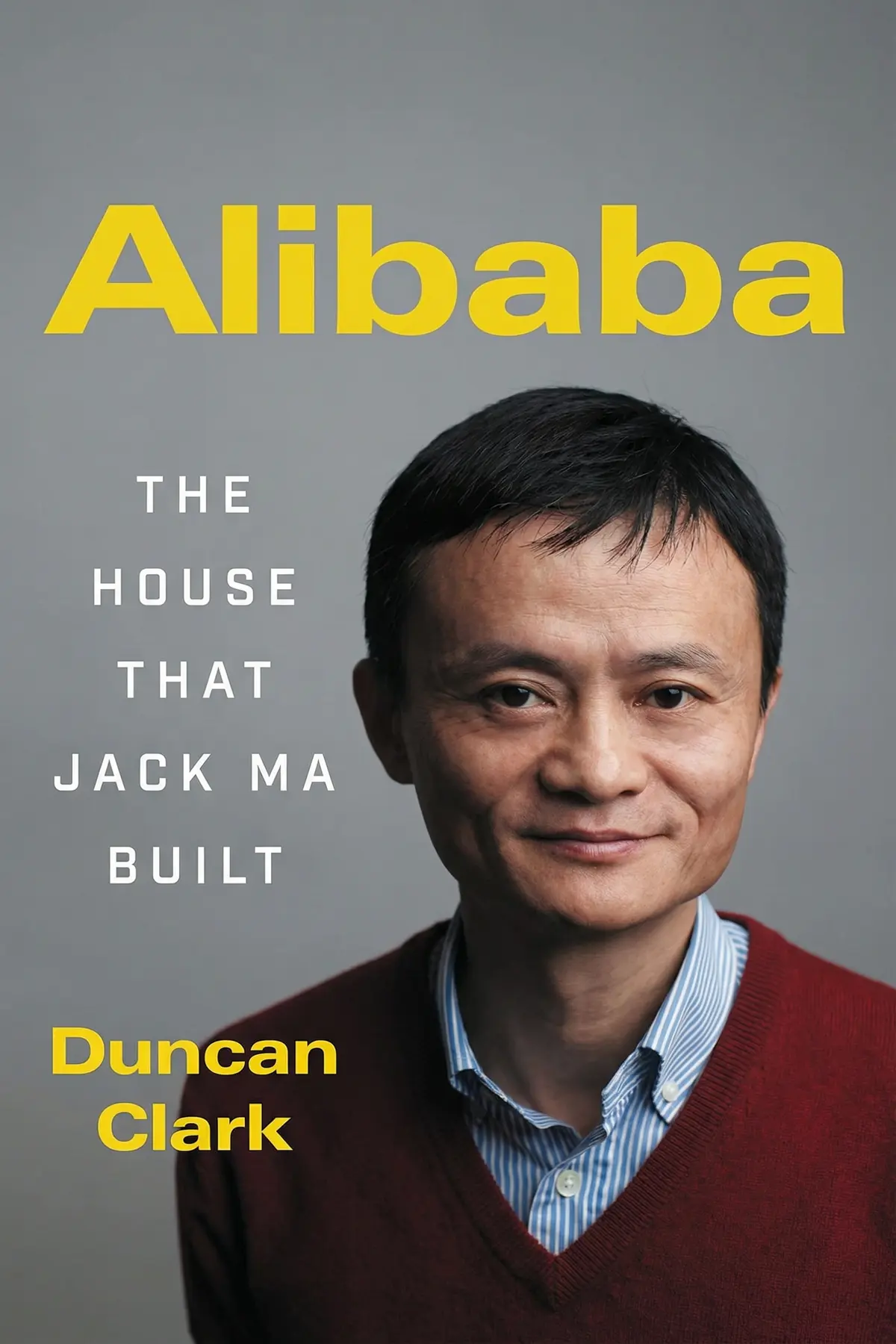
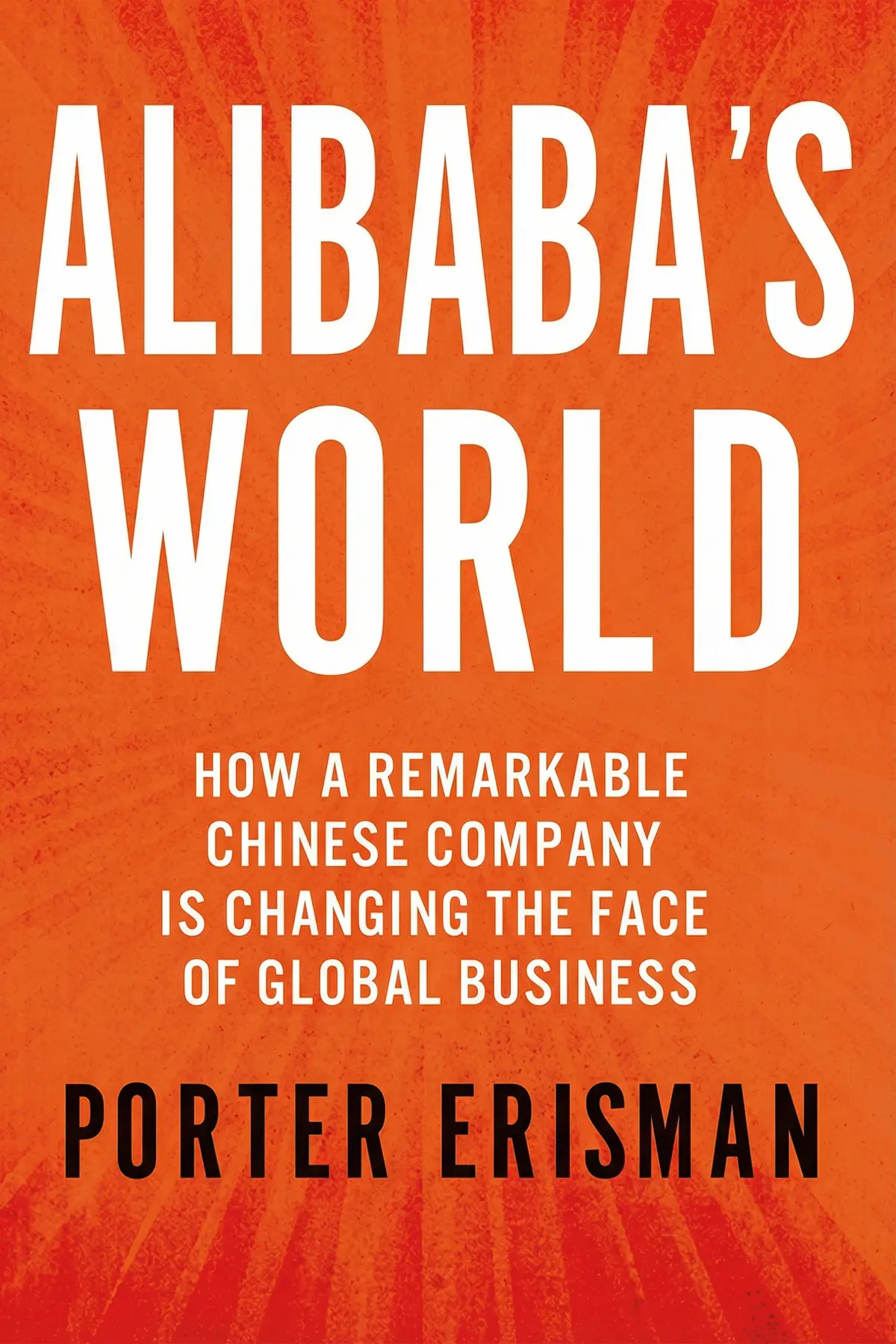
Alibaba: The House That Jack Ma Built
Duncan Clark
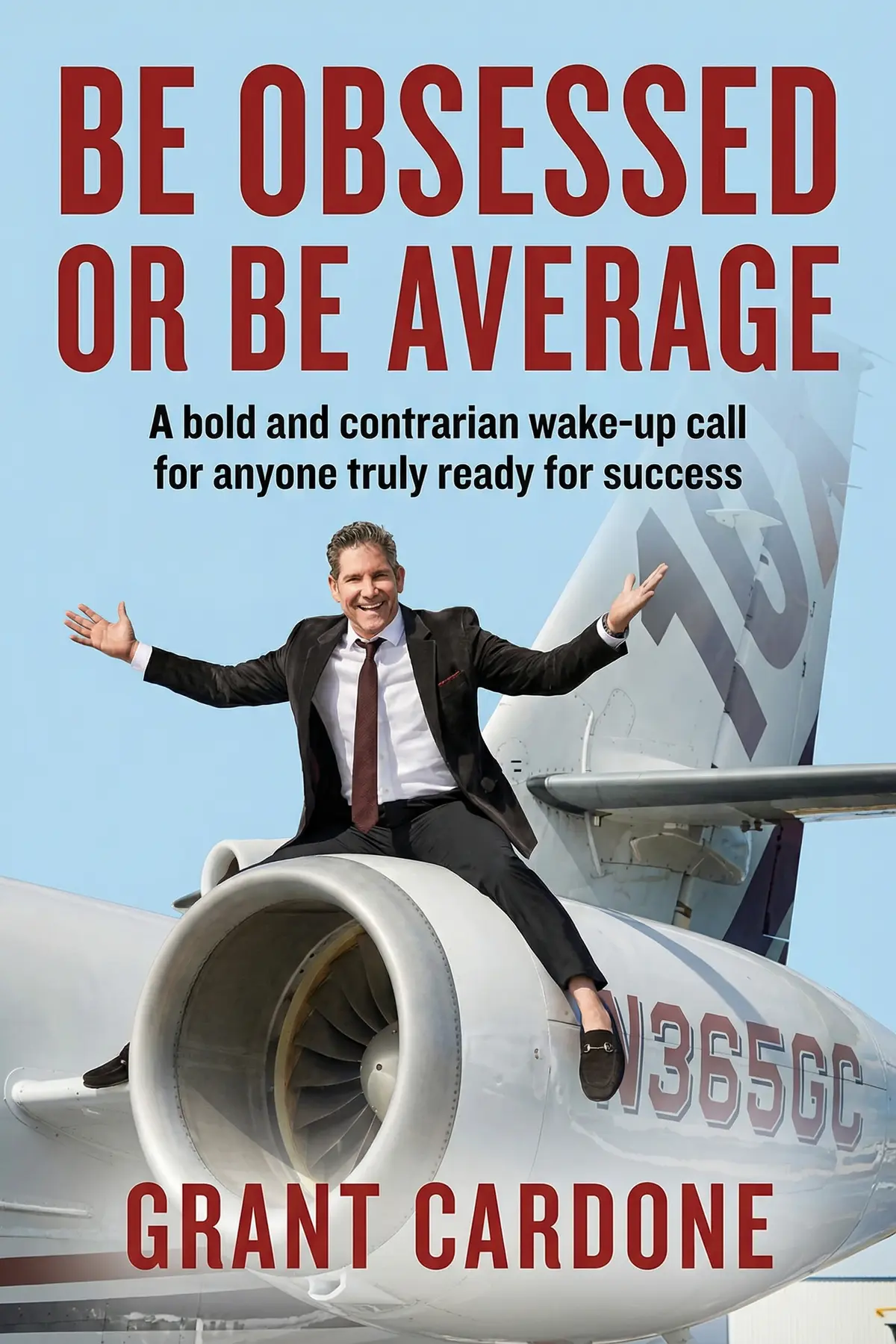
Be Obsessed or Be Average
Grant Cardone
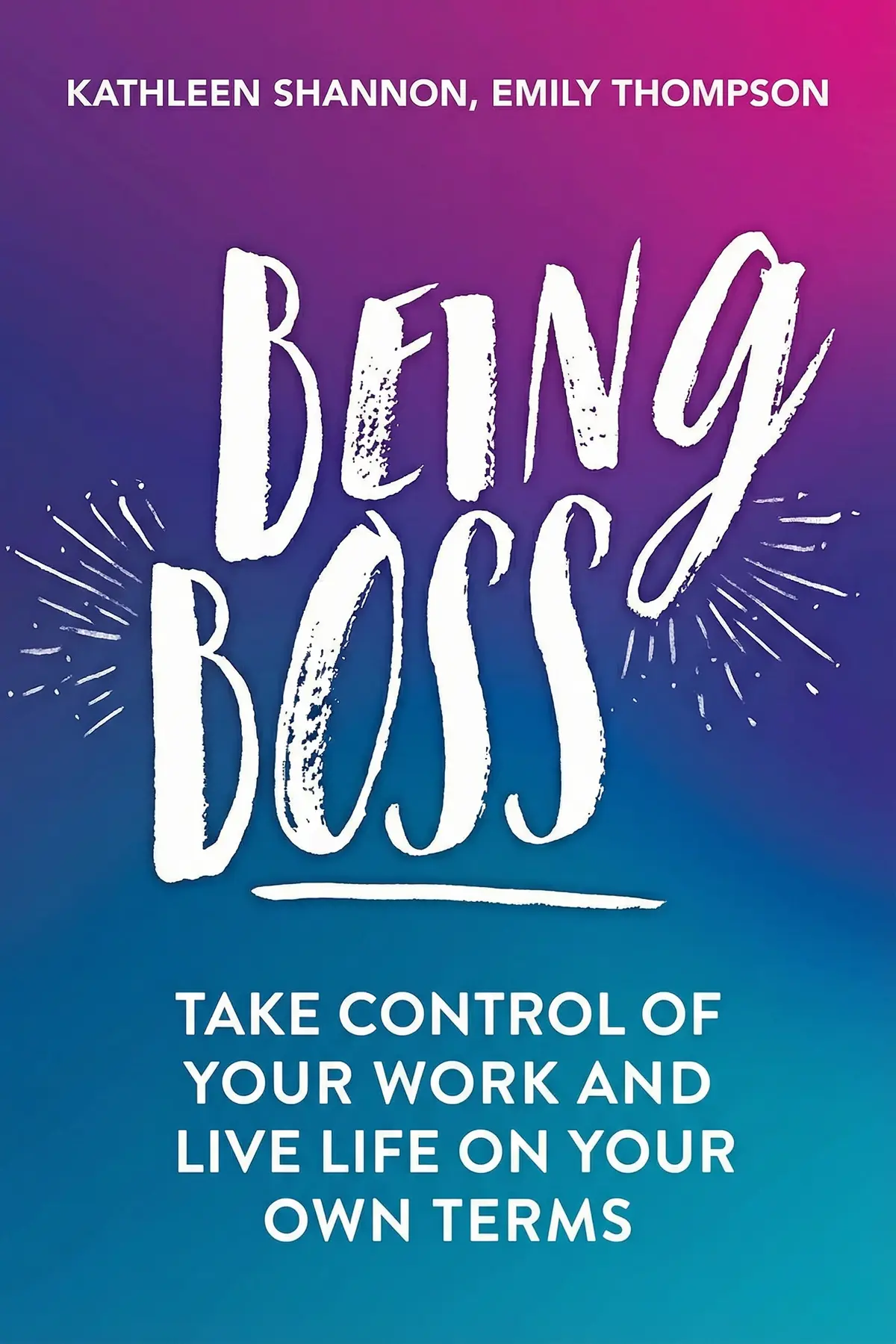
Being Boss: Take Control of Your Work and Live Life on Your
Kathleen Shannon
Better and Faster: The Proven Path to Unstoppable Ideas
Jeremy Gutsche
AUDIO SUMMARY AVAILABLE
Listen to Lean Analytics in 15 minutes
Get the key ideas from Lean Analytics by Alistair Croll, plus 5,000+ more titles in English and Thai.
- 5,000+ titles
- Listen as much as you want
- 7-day free trial
- Cancel anytime







