
18 min 22 sec
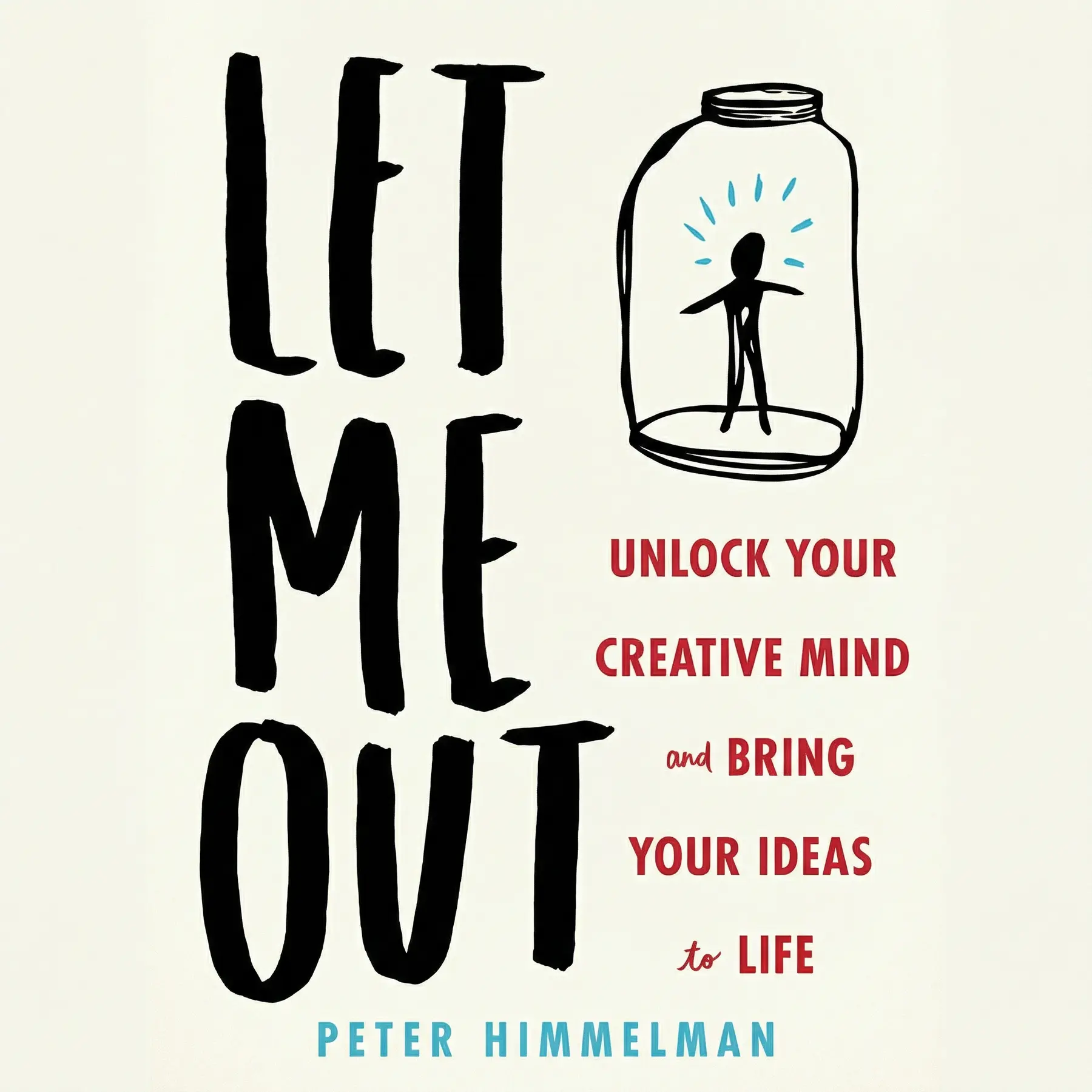
Let Me Out: Unlock Your Creative Mind and Bring Your Ideas to Life
Unlock your creative potential by identifying the psychological barriers that cause procrastination. This guide provides practical tools and mindset shifts to help you move from lingering ideas to meaningful, realized projects.
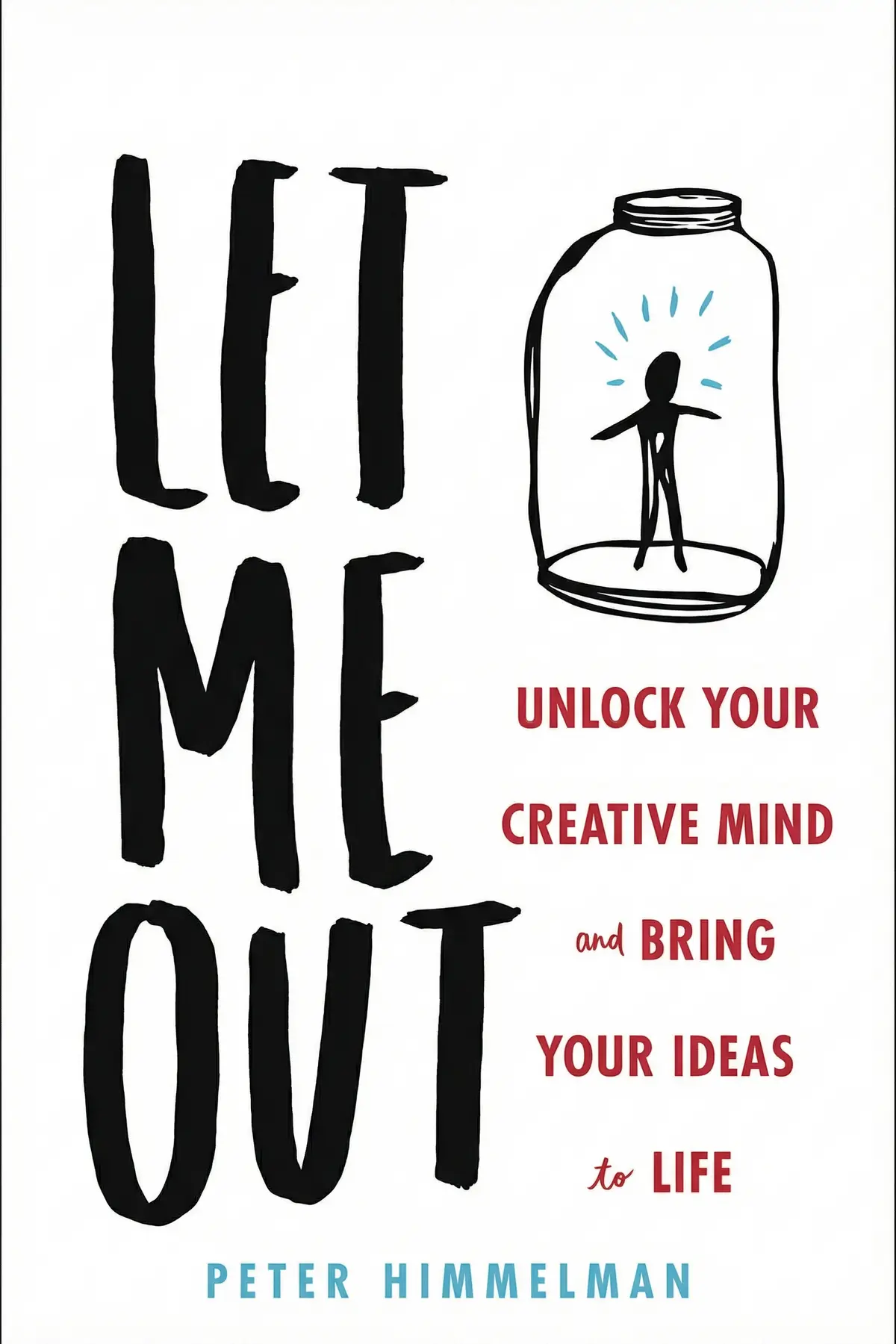
Table of Content
1. Introduction
1 min 56 sec
Imagine for a moment that fear was no longer a factor in your life. If the possibility of embarrassment or the sting of failure suddenly vanished, what would you finally start doing? Perhaps there is a half-finished manuscript gathering dust in a drawer, or a business plan you’ve only ever discussed in hushed tones with close friends. Maybe you’ve always wanted to take the stage, learn a new craft, or change the trajectory of your career.
For most of us, these aspirations remain safely tucked away as fantasies. We tell ourselves we’ll get to them when the time is right, or when we feel more prepared. But the truth is often less about timing and more about the invisible walls we build around our potential. These walls are constructed from a fear of being judged, a fear of making a mistake, and a fear of not being good enough. This internal resistance is the primary thing standing between the person you are and the person you have the potential to become.
The creative individuals we admire—the authors, the entrepreneurs, the world-class musicians—don’t necessarily possess a superpower that you lack. They aren’t inherently more talented or more special. The real difference is that they have developed the tools to confront their anxieties and move forward anyway. They have learned how to quiet the voices of doubt and take the leap into the unknown.
In the following pages, we are going to explore a practical system for dismantling these mental barriers. We’ll look at why we get stuck in negative loops and how to use small, concrete actions to regain our momentum. We’ll meet the internal character responsible for our hesitation and learn how to negotiate with him. By the end of this journey, you’ll have a clearer understanding of how to reclaim your innate curiosity and how to build a life that reflects your truest ambitions. It’s time to stop waiting for permission and start letting out the ideas that have been waiting to be heard.
2. Identifying the Inner Critic Known as Marv
1 min 54 sec
Meet your internal security guard who is constantly trying to keep you safe from the perceived dangers of vulnerability and risk.
3. The Power of the Brain Bottle Opener
1 min 56 sec
Discover how small, timed exercises can shatter procrastination and get your creative juices flowing in just a few minutes.
4. Recognizing Your Personal Elephant Ropes
1 min 47 sec
Learn how the psychological restraints from your past might be keeping you tethered to a reality that no longer exists.
5. Confronting the Fear of Abandonment through Connection
1 min 53 sec
Explore why the dread of being left alone fuels our inner critic and how building trust can neutralize that fear.
6. Reclaiming the Playfulness of Kid-Thinking
2 min 02 sec
Unlock a world of possibilities by abandoning adult rigidness and looking at the world through the eyes of a child.
7. Architecting Your FutureVision
1 min 40 sec
Stop drifting through life and start designing it by creating a vivid, detailed map of where you want to be.
8. Aligning Your Work with Core Values
1 min 50 sec
Learn how to use your past discomforts to discover the principles that will guide your future success and happiness.
9. The Importance of the Posse
1 min 51 sec
Don’t go it alone. Learn how a supportive network can dramatically increase your chances of reaching your goals.
10. Conclusion
1 min 33 sec
In the end, the journey to unlocking your creative mind isn’t about becoming someone else; it’s about returning to the person you were always meant to be. We start our lives full of curiosity and play, only to have that light dimmed by the accumulation of fears, limiting beliefs, and the well-meaning but stifling voices of our internal critics. But as we have explored, those barriers are not permanent. Marv can be managed, elephant ropes can be snapped, and the spirit of ‘Kid-Thinking’ can be reclaimed through intentional practice.
Progress doesn’t require a giant, life-altering leap. It requires the courage to take a tiny, three-minute step today. It requires the willingness to be seen, to be vulnerable, and to make mistakes in the pursuit of something that is true to you. By using tools like Brain Bottle Openers and FutureVisions, you can turn the ‘stuck’ energy of procrastination into the dynamic energy of action.
As a final step to help you clear the mental clutter, try a small ‘technology detox’ this week. Commit to just four hours without your phone, computer, or television. Use that time to sit with your thoughts, to talk with someone you love, or to simply observe the world around you. You’ll be surprised at how much space opens up for new ideas when you stop the constant flow of external noise. Your ideas are waiting for you to give them a voice. It’s time to stop keeping them locked away. Step out of the safety of the known, trust your process, and finally let the best version of yourself out into the world.
About this book
What is this book about?
Have you ever felt like your best ideas are trapped behind a wall of self-doubt? Many of us carry dreams—a business plan, a song, or a novel—that never see the light of day because we are paralyzed by the fear of failure. This summary explores how to break through that stagnation. It introduces the concept of the inner critic and offers a series of actionable exercises designed to dismantle negative thought patterns. The core promise here is that creativity isn't a rare gift reserved for a select few; it's a natural state we can reclaim. By understanding our past limitations, engaging in playful Kid-Thinking, and building supportive communities, we can finally bring our inner visions into reality. You will learn how to silence the internal voices that prioritize safety over growth and how to take the tiny, concrete steps that eventually lead to major transformations. Whether you are an aspiring artist or a professional looking for a new direction, these insights provide a roadmap to move past hesitation and into a life of active creation.
Book Information
About the Author
Peter Himmelman
Peter Himmelman is a highly accomplished creator, recognized as a Grammy- and Emmy-nominated musician, author, and visual artist. He is the founder of Big Muse, a company dedicated to teaching essential communication and leadership skills to both organizations and individuals across the globe. Through his specialized seminars, Himmelman helps people unlock their creative potential and find innovative solutions to complex problems.
Ratings & Reviews
Ratings at a glance
What people think
Listeners find this work both entertaining and profound, with one review noting it is grounded in theory and research. They appreciate its hands-on style, as one listener highlights the inclusion of real-world examples. Furthermore, the content effectively boosts creativity and stays actionable, with one listener praising the manageable steps provided. They also value the supportive atmosphere—one review mentions it teaches being kinder to oneself—and are moved by the heartbreaking personal stories shared.
Top reviews
Som
Wow, I didn't expect a book about creativity to make me feel so seen and supported. Peter Himmelman writes with such a disarming level of vulnerability, sharing stories about his own meltdowns over mundane things like bags of cheese that make his advice feel authentic. Most self-help books talk down to you, but this feels like having a supportive mentor at your back who isn't afraid to admit he struggles too. The concept of the "Milky Way Moment" really changed how I view my daily wins, focusing on small joys rather than just the distant finish line. It’s a fast-paced read, filled with illustrations and summaries that make it a great reference tool for whenever MARV starts getting too loud. I’ve already recommended it to several friends in my writing group who are stuck in a funk.
Show moreLeah
Peter Himmelman has a real gift for blending scientific theory with heartbreakingly honest storytelling. You can tell he’s lived through the creative ruts he’s describing, which makes his advice on overcoming MARV feel earned rather than preached. I was particularly struck by the "Milky Way Moment" concept—finding that one daily hit of satisfaction in your work is such a sustainable way to live. The book is short and snappy, which is perfect for someone like me who has a short attention span when it comes to non-fiction. Frankly, the vulnerability he shows in his own stories gave me the courage to be a bit more honest in my own creative work. This isn't just a book about "success"; it's a book about being a human being who makes things.
Show moreSing
This book actually managed to get me moving again after a month of staring at a blank canvas. Himmelman introduces this character named MARV, which stands for being afraid of showing vulnerability, and it perfectly encapsulates that nasty inner voice we all struggle with. I found the "Brain Bottle Openers" to be genuinely inventive, especially the one about looking at objects like a child would to spark new ideas. While some of the psychology feels a bit like standard pop-science, the author’s background as a musician adds a layer of street cred that most self-help gurus lack. It’s written in a very snappy, conversational style that makes it easy to digest in a single sitting. To be fair, not every exercise was a winner for me, but the overall framework for "expanding" rather than just "succeeding" is something I’ll definitely carry forward.
Show moreBee
As someone who struggles with perfectionism, the way Himmelman tackles the fear of being vulnerable was exactly what I needed to hear. He calls that inner critic MARV, and personifying it makes it so much easier to tell that voice to sit down and be quiet. The writing is incredibly engaging and humorous, which is a nice change of pace from the dry, clinical tone you find in a lot of academic psychology books. I particularly loved the section on "Chaos to Kid Thinking," which pushed me to look at my current project through a much less rigid lens. Some of the later chapters felt a little rushed, but the core message about taking small, specific steps is incredibly practical. It’s a great catalyst for anyone who needs a nudge to finally start that project they’ve been putting off.
Show moreWoravit
The chapter on "Chaos to Kid Thinking" was the absolute highlight of this book for me. It forced me to stop over-analyzing my work and just play, which is something I haven't done in years. Himmelman’s "Brain Bottle Openers" are cleverly designed to bypass the logical mind and tap into that raw creative energy we all have buried somewhere. Personally, I found the anecdote about the bags of cheese to be hilarious and a great reminder that even successful people lose their cool over small things. The book is very actionable, providing a clear roadmap for anyone looking to dismantle the barriers they’ve built around their own potential. It’s a fun, research-backed journey that emphasizes being nicer to yourself while still pushing for growth.
Show moreSiraporn
Picked this up during a particularly bad bout of writer's block and found it to be a compassionate, practical companion. The central theme of standing up to MARV—that voice that makes us majorly afraid of revealing vulnerability—is handled with a lot of grace and humor. I appreciated how Himmelman includes real-world examples from his own life, making the advice feel grounded and achievable. The "Brain Bottle Openers" are great for sparking a quick bit of momentum when you only have five minutes to spare before your day starts. While the ending felt a little bit less polished than the rest of the book, the overall message of taking small, true steps is vital. It’s an encouraging read for anyone who needs to get out of their own way and start creating again.
Show moreRafael
Ever wonder why you’re your own biggest obstacle when it comes to creative projects? Himmelman attempts to answer that with a mix of research and deeply personal stories, like the one about his childhood reggae audition that felt surprisingly raw. The book is structured around short chapters and actionable "homework" meant to break through mental blocks in ten minutes or less. Truth is, a lot of the advice about being specific with your goals felt similar to other productivity books I’ve picked up over the years. However, the way he reframes failure as just a period of "contraction" instead of an end-point was a helpful perspective shift. It’s a light, fun read, even if the final section didn’t land quite as strongly as the earlier chapters. Good for a quick boost, but maybe not a life-changing revolution.
Show moreLandon
After hearing a lot of buzz about this book, I found it to be a solid, middle-of-the-road guide for unblocking your creativity. The author's background as a professional musician gives him a unique perspective on performance anxiety and the pressure to produce, which I found very relatable. I loved the "Brain Bottle Openers" because they were short—mostly under ten minutes—and didn't require a huge time commitment to see results. Specifically, the "Disconnect to Reconnect" suggestion was a much-needed wake-up call for my digital habits. However, I felt the book lost its momentum toward the end, and the final conclusion didn't feel as impactful as the opening chapters. It’s a good reminder to be kinder to yourself, though it might not offer much "new" information for seasoned self-help readers.
Show morePongpan
Finally got around to reading this, and it’s a very snappy, accessible guide for anyone feeling stuck in their head. The author’s tone is conversational and funny, which makes even the more "homework-heavy" sections feel manageable and less like a school assignment. I'll admit I skipped a few of the activities toward the back half, but the ones I did complete gave me some genuinely useful insights into my own habits. The idea that we are either "expanding" or "contracting" rather than "winning" or "losing" is a powerful way to frame the creative process. It’s a quick read, maybe a bit light on deep theory for some, but it works well as a motivational spark. Definitely worth keeping on the shelf for those days when the self-doubt starts to creep back in.
Show moreJoe
Gotta say, this one just didn't quite click for me despite the glowing endorsements I've seen elsewhere. The "Brain Bottle Openers" are the core of the book, but I found them a bit tedious and sometimes even a little distracting from the actual text. I’m not really a "do the exercises" kind of reader, so being told I have to stop every few pages to unplug or stare at a chair felt like a chore. While I appreciate the author's attempt to be relatable through his personal anecdotes, some of the stories felt a bit self-indulgent. It’s certainly not a bad book, and the "expanding vs contracting" idea is smart, but it felt a bit too "pop-psych" for my taste. If you love interactive journals, you'll probably enjoy this much more than I did.
Show moreFeatured in
Readers also enjoyed


AUDIO SUMMARY AVAILABLE
Listen to Let Me Out in 15 minutes
Get the key ideas from Let Me Out by Peter Himmelman, plus 5,000+ more titles in English and Thai.
- 5,000+ titles
- Listen as much as you want
- 7-day free trial
- Cancel anytime







