
A River in Darkness: One Man’s Escape from North Korea
Masaji Ishikawa
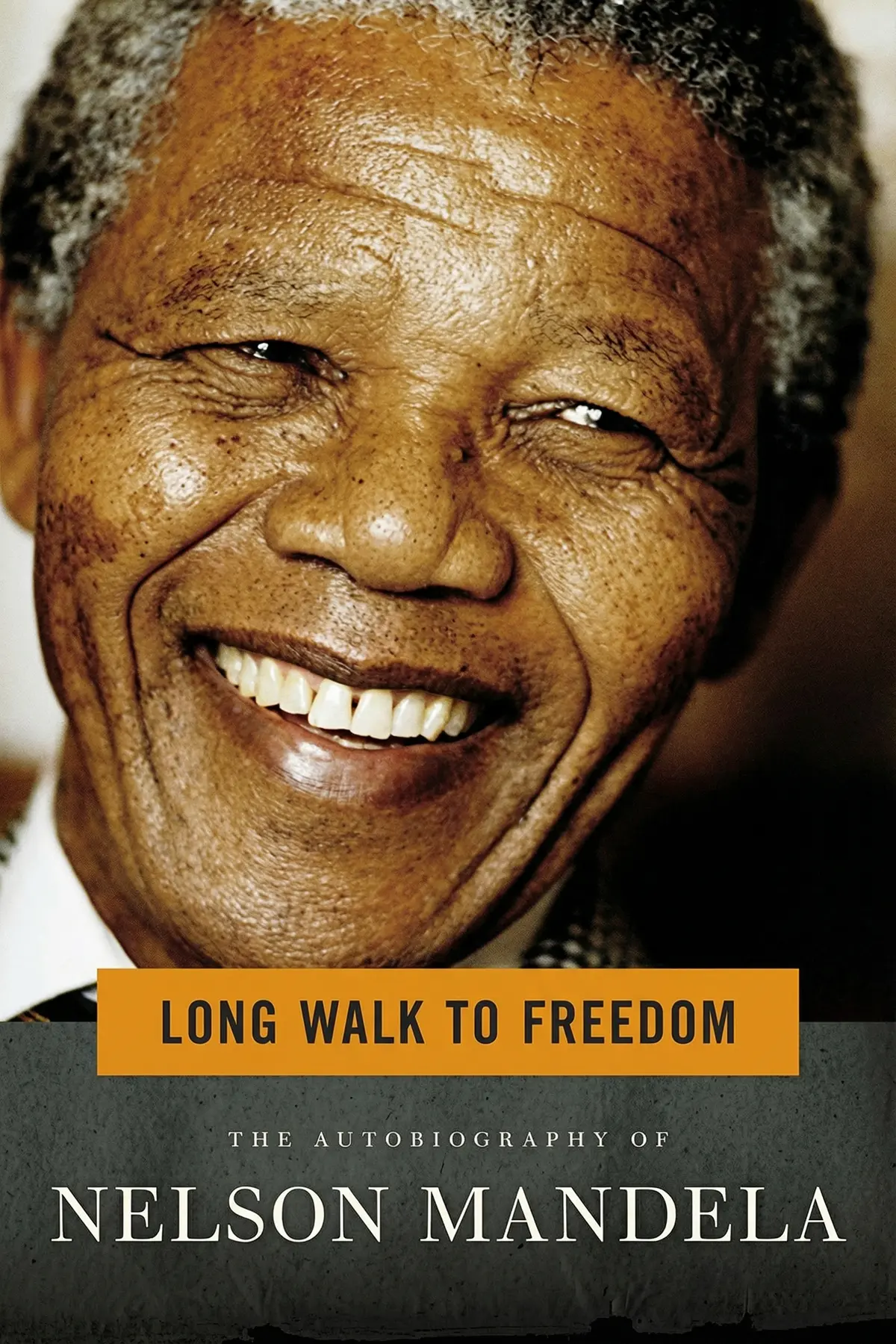
A comprehensive journey through the life of Nelson Mandela, tracing his path from a rural village to the presidency of South Africa and his relentless struggle for racial justice and equality.
1 min 51 sec
If we look back at the giants of the twentieth century, few names resonate with the same weight and moral authority as Nelson Mandela. He is a man who has become a global shorthand for resilience, a figure whose life story serves as a testament to what happens when an unshakeable will meets a seemingly immovable system of injustice. But behind the statues and the international acclaim lies a very human story—one of a boy from a tiny village who grew into a revolutionary, a prisoner who became a peacemaker, and a leader who had to make impossible choices for the sake of his people.
In this exploration of Long Walk to Freedom, we are going to look beyond the general headlines of Mandela’s life. We will dive into the specific events and internal shifts that molded him. Why did a man committed to peace eventually feel compelled to lead an armed struggle? How did he manage to turn his captors into his supporters? And what does his journey tell us about the nature of power, dignity, and the long, slow arc of justice?
This isn’t just a history of South Africa; it’s a manual on leadership and endurance. We will trace Mandela’s path from the rural landscapes of the Eastern Cape to the bustling, segregated streets of Johannesburg, and eventually into the dark cells of Robben Island. We’ll see how his heritage as a member of the Xhosa people gave him a foundational sense of law and courtesy, and how the harsh reality of white supremacy forced him to redefine those concepts in the fire of revolution. By the end of this journey, you’ll see that Mandela’s success wasn’t inevitable—it was the result of decades of strategic thinking, immense personal sacrifice, and a refusal to allow his spirit to be broken by a system designed to do exactly that.
2 min 42 sec
Discover how Mandela’s early life in a rural village and the traditional Xhosa values of justice and community shaped his future as a revolutionary leader.
2 min 44 sec
Explore Mandela’s formative years in the British school system and his first significant acts of rebellion against institutional authority at Fort Hare.
2 min 27 sec
Mandela’s arrival in Johannesburg marks a shift from student life to political activism as he encounters the harsh realities of urban exploitation.
2 min 51 sec
Trace the escalation of racial tensions in South Africa as the National Party introduces apartheid, prompting Mandela and his peers to radicalize the ANC.
2 min 53 sec
Witness the critical moment when Mandela realizes that non-violent protest is no longer sufficient against a state that answers peaceful demands with bullets.
2 min 26 sec
Follow the dramatic events of Mandela’s capture and the historic trial that resulted in a life sentence, turning him into a global symbol of resistance.
2 min 36 sec
Inside the walls of South Africa’s most notorious prison, Mandela and his fellow inmates turn their incarceration into a classroom for political strategy.
2 min 26 sec
As a new generation of activists rises and international sanctions tighten, the pressure on the apartheid government reaches a breaking point.
2 min 38 sec
Mandela takes a monumental gamble by initiating secret talks with the government, navigating the delicate balance between peace and his supporters’ expectations.
2 min 30 sec
Experience the culmination of Mandela’s journey as he leads South Africa to its first democratic election and takes the oath as its first Black president.
2 min 00 sec
The life of Nelson Mandela, as chronicled in Long Walk to Freedom, is far more than a simple biography. It is an epic of endurance that challenges our understanding of what one person can achieve in the face of overwhelming odds. From the traditional courts of the Xhosa to the legislative halls of Pretoria, Mandela’s journey was defined by a rare combination of unwavering principle and pragmatic flexibility. He knew when to stand his ground and when to sit at the table with his enemies. He understood that true freedom is not merely the absence of chains, but the presence of dignity and the responsibility to respect the freedom of others.
As we reflect on this summary, the most actionable takeaway is the power of perspective and preparation. Mandela didn’t spend his twenty-seven years in prison simply waiting; he spent them learning. He studied the language of his captors to better understand their fears and motivations. He practiced discipline in the smallest details of his daily life so that he would be ready when the moment of leadership finally arrived. He showed us that the period of our lives that feels like a setback—or even a total stop—can actually be the training ground for our greatest contributions.
Mandela’s legacy reminds us that reconciliation is not a sign of weakness, but a supreme act of strength. It requires more courage to forgive and build a future together than it does to hold onto the grievances of the past. As you go forward, consider the “long walks” in your own life. Whether you are fighting for social change, navigating a difficult career path, or overcoming personal hurdles, Mandela’s story offers a blueprint for how to maintain your integrity while moving toward a larger goal. The walk may be long, and the destination may often feel out of reach, but as he famously said, it always seems impossible until it is done.
Long Walk to Freedom offers an intimate look at the evolution of one of history’s most significant figures. It moves through Nelson Mandela’s early years in the Xhosa culture, his awakening to the systemic injustices of South Africa, and his role in the African National Congress. The narrative details the strategic shift from non-violent protest to armed resistance as the apartheid regime became increasingly brutal. Beyond the political history, the summary explores the psychological and emotional toll of Mandela’s twenty-seven-year imprisonment and how he maintained his resolve. It culminates in the complex negotiations that led to his release, the dismantling of apartheid, and his eventual inauguration as South Africa's first Black president. This is a story of personal transformation, political strategy, and the enduring power of the human spirit to overcome oppression.
Nelson Mandela stands as a monumental figure in the twentieth century’s political landscape. As the primary face of the anti-apartheid movement in South Africa, he dedicated his life to the pursuit of equality and justice. His unwavering commitment to these principles earned him the Nobel Peace Prize in 1993 and solidified his status as a global symbol of peace and reconciliation.
Listeners consider this autobiography an essential read for South Africans, praising its thorough account of hardships and impactful lessons. The text is beautifully and clearly written, and listeners characterize it as a magnificent life story that showcases Mandela’s bravery and devotion to mankind. They see Mandela as an exceptionally gifted and remarkable individual. Although listeners value the material, they mention that it is a long read.
This book is a towering testament to the resilience of the human spirit. Mandela’s journey from the small village of Qunu to the presidency of a nation is nothing short of miraculous. I was particularly struck by how he maintains an objective, almost calm tone while describing the horrific injustices of apartheid. He doesn't just list facts; he shares the internal evolution of a man who realized that his own freedom was inseparable from the freedom of his oppressors. While the 700+ pages might seem intimidating, the prose is remarkably clear and accessible. It’s an essential roadmap for anyone interested in social justice or leadership. Frankly, it’s rare to find a political figure so willing to admit their own prejudices and mistakes. This isn’t just a biography; it’s a masterclass in forgiveness and moral clarity.
Show moreWow. I finished this feeling completely humbled by Mandela's capacity for grace. The way he navigated the transition of power with De Klerk is a blueprint for leadership that we desperately need today. I loved the specific details about life in prison, like the small act of owning a garden or reading news scraps. It proves that no institution can truly rob a person of their dignity if they refuse to part with it. The writing is straightforward and lacks the bitter edge one might expect after three decades of state-sponsored abuse. Mandela shows that people must learn to hate, which means they can also be taught to love. That single realization makes the entire 'long walk' feel worthwhile. This is easily one of the most impactful books I’ve ever held.
Show moreFinally got around to this masterpiece and I'm kicking myself for waiting so long. Mandela’s voice is so calm and measured, even when describing the most harrowing experiences. It’s a profound look at how the apartheid mindset infected everyone, even those fighting against it. The story of him seeing a black pilot for the first time and feeling a momentary panic was such a vulnerable and honest admission. It’s those moments of self-reflection that make him so relatable as a leader. This isn't just a political manifesto; it's a deeply personal account of sacrifice. He literally gave up his youth and his family life for the sake of his people. A must-read for anyone who thinks one person can't make a difference.
Show moreThe chapter on his early life in the Transkei was so evocative I could almost smell the air of the veld. Mandela’s storytelling is rich with cultural detail, providing a necessary backdrop for his later political awakening. It's heart-wrenching to read about the toll his activism took on his personal life, particularly his relationship with his children. You see the man behind the myth—someone who felt the weight of his choices every single day. The focus on 'Ubuntu' and the collective struggle is a refreshing contrast to the individualistic biographies we usually see in the West. Every South African, and really every citizen of the world, should read this. It’s a long journey, but by the time he walks out of those gates in 1990, you feel every bit of that triumph.
Show moreHonestly, this book redefined my understanding of the word 'courage.' Nelson Mandela didn't just survive prison; he used that time to prepare himself to lead a broken nation without seeking revenge. The objective nature of the narrative is what makes it so powerful. There is no ranting here, only a clear-eyed analysis of a system that failed everyone. I was moved by the humanity he found in his white jailers and his refusal to become a prisoner of his own bitterness. It’s a long walk, literally and figuratively, and the detail can be overwhelming at times. But the payoff is a profound sense of hope for what humanity can achieve through dialogue and empathy. This is a story of a lifetime that actually deserves every bit of its length. Truly incredible.
Show moreEver wonder what keeps a man going through twenty-seven years of imprisonment? Mandela provides the answer with such humility that it’s almost overwhelming. To be fair, the middle sections detailing the intricacies of ANC policy and specific legal trials can be a bit of a slog if you aren’t a history buff. However, the payoff is worth the investment. His descriptions of Robben Island and the small, quiet victories over the prison wardens are deeply moving. You really get a sense of how the 'Black Pimpernel' transformed into a global icon of peace. He shows us that courage isn't the absence of fear, but the triumph over it. It is a long read, but some stories require that kind of space to breathe properly. A vital piece of history that everyone should encounter at least once.
Show morePicked this up after years of hearing about it, and it definitely lived up to the hype. The early chapters about his tribal upbringing and the string-cinched trousers were charming and offered a side of Mandela I hadn't seen before. It’s fascinating to see how his legal background influenced his approach to revolution. He speaks about the struggle with a level of objectivity that is truly impressive given the circumstances. My only minor gripe is that it occasionally feels a bit sanitized, likely due to the uncredited ghostwriting by Richard Stengel. Despite that, the message of reconciliation over retribution shines through every page. It reminded me that the 'long walk' wasn't just physical, but an arduous mental shift toward peace. This is a foundational text for understanding the modern world.
Show moreAs someone who usually sticks to fiction, I found this autobiography surprisingly engaging, though undeniably dense. Mandela’s commitment to humanity, even when faced with the absolute worst of it, is staggering. Truth is, I struggled with the sheer volume of names and political acronyms in the middle of the book. It’s a lot to process, and at times it felt more like a textbook than a memoir. But when he discusses his family—especially the pain of being separated from Winnie—it becomes incredibly personal. The way he describes the transition from non-violence to the formation of the MK was eye-opening. He doesn’t shy away from the difficult choices he had to make. It is a 5-star story for content, even if the pacing is a bit slow.
Show moreAfter hearing so much about Madiba, reading his own words was a revelation. The book is beautifully written, though the Americanized 'Harvard English' pops up occasionally, which can be a bit jarring given the South African setting. Mandela's story is essentially the story of the nation itself. I was intrigued by the shift from his youth as a lawyer to his life as a revolutionary. He explains his choices with such logic that even the more controversial decisions make sense in context. The pace does drag during the detailed accounts of various ANC conferences and policy shifts. Nevertheless, the lessons on perseverance and the commonality of the human experience are priceless. It’s a heavy book in every sense of the word, but one that leaves you changed.
Show moreNot what I expected in terms of length and detail. Look, I respect the man immensely, but this book is an absolute marathon that could have used a much tighter edit. There are pages upon pages of legal proceedings and political meetings that will likely only interest historians. While the core message is beautiful, the narrative momentum frequently grinds to a halt. I found myself skimming some of the denser chapters about ANC structure just to get back to the personal stories. To be fair, his insights on the 'prisoner of hatred' are brilliant, but they are buried under a lot of dry prose. It’s a significant historical document, but it isn't exactly a page-turner for the casual reader. Great for a reference shelf, tough for a weekend read.
Show moreMasaji Ishikawa
Ben Macintyre
Yuval Noah Harari
James Shapiro
John Rawls
AUDIO SUMMARY AVAILABLE
Get the key ideas from Long Walk to Freedom by Nelson Mandela, plus 5,000+ more titles in English and Thai.







