

12 min 32 sec
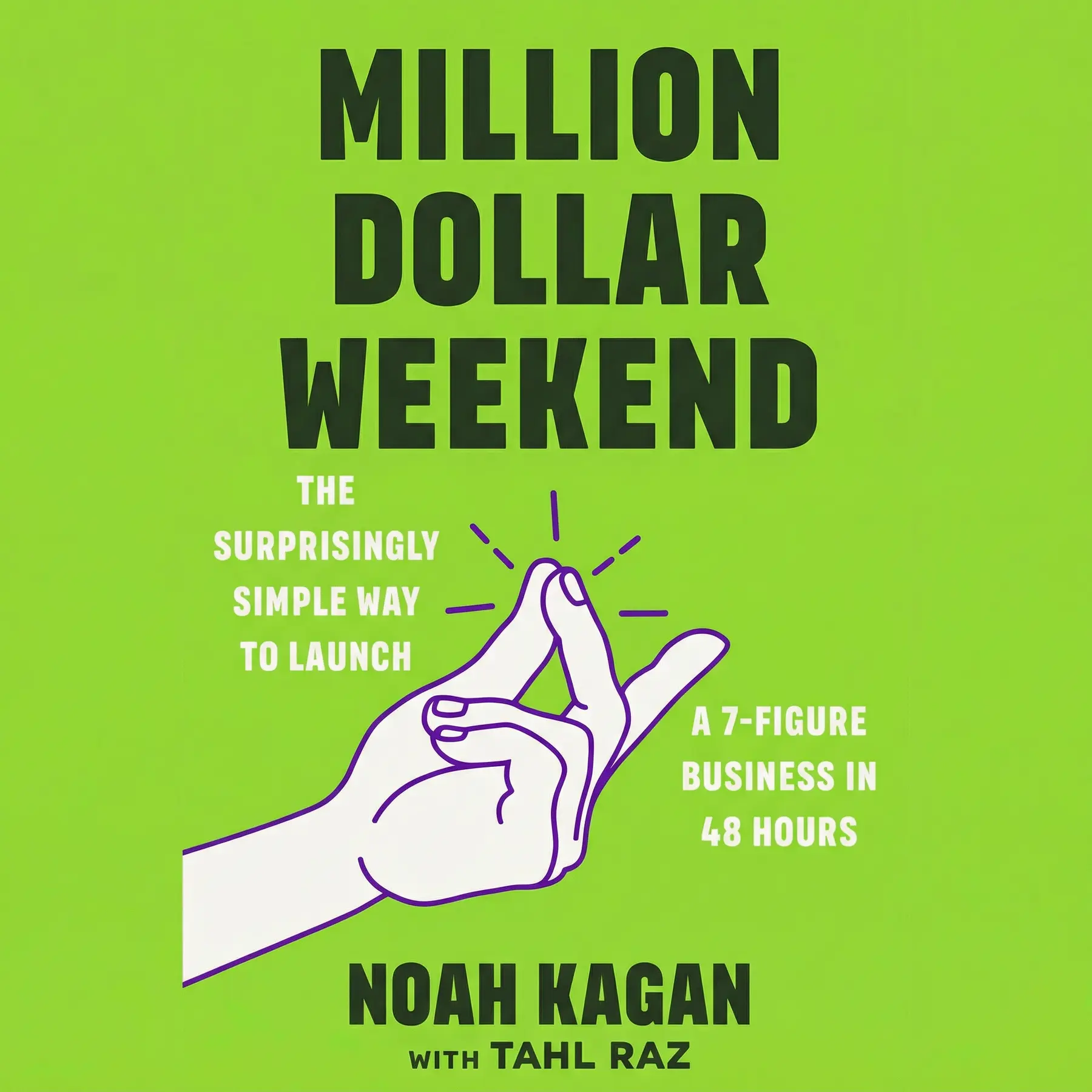
Million Dollar Weekend: The Surprisingly Simple Way to Launch a 7-Figure Business in 48 Hours
By Noah Kagan
Learn how to bridge the gap between dreaming and doing by launching a profitable business in just 48 hours through rapid validation, overcoming fear, and building a loyal community of customers.
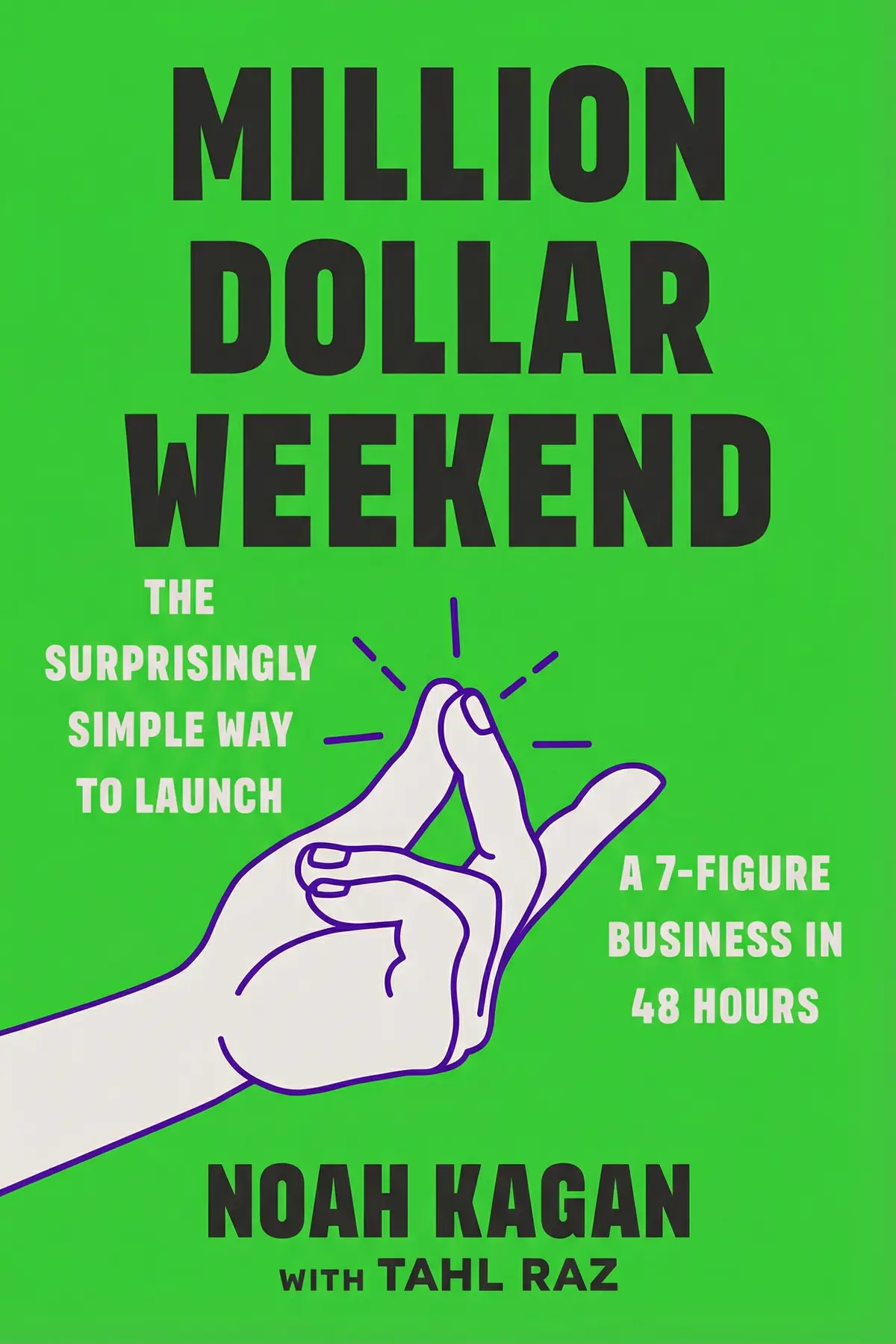
Table of Content
1. Introduction
1 min 38 sec
Many people harbor the dream of one day becoming their own boss, perhaps while sitting at a desk during a slow Tuesday afternoon or while scrolling through stories of successful founders online. However, that ‘one day’ often stays perpetually out of reach, buried under a mountain of research, overthinking, and the pursuit of a ‘perfect’ idea that never quite arrives. The reality of entrepreneurship is frequently misunderstood as a journey reserved for those with massive capital or revolutionary genius. But what if the secret to building a seven-figure business wasn’t found in a five-year plan, but in a single, focused weekend?
This is the core philosophy we are exploring today: the idea that the fastest way to succeed is to fail forward and move with a sense of extreme urgency. In this summary, we will break down a system designed to strip away the complexities that usually stall progress. We will look at how to overcome the psychological barriers of starting, why rejection is actually your most valuable tool, and how to verify if an idea is actually worth your time before you spend a single dollar on it.
Through this narrative, you will see a path that emphasizes action over contemplation. We’ll examine the strategies for building a loyal following that acts as a growth engine and how to set a ‘North Star’ goal that keeps you on track when things get messy. Whether you are looking to escape the nine-to-five or simply want to prove to yourself that you can create something of value, the journey begins by narrowing your focus to what can be accomplished in the next forty-eight hours.
2. The Power of Starting Immediately
1 min 43 sec
Discover why the greatest barrier to your success isn’t a lack of resources, but the habit of waiting for the perfect moment that never actually arrives.
3. Turning Rejection into a Strategic Tool
1 min 41 sec
Learn how to desensitize yourself to the word ‘no’ and transform your fear of failure into a powerful engine for professional growth.
4. Identifying Problems Worth Solving
1 min 39 sec
Stop searching for revolutionary ideas and start looking for the simple, everyday frustrations that people are already willing to pay to fix.
5. The 48-Hour Validation Process
1 min 34 sec
Discover the essential technique for proving your business concept’s value through actual sales before you invest any significant time or money.
6. Building a Community-Driven Growth Engine
1 min 30 sec
Learn how to leverage social media and email marketing to turn casual observers into a loyal tribe that fuels your long-term success.
7. Focusing on the 'North Star' and Marketing Experiments
1 min 36 sec
Master the art of scaling by identifying your single most important metric and using small, data-driven experiments to reach it.
8. Conclusion
1 min 11 sec
The path to building a million-dollar business is shorter than most people imagine, but it requires a fundamental shift in how we view work and risk. As we have seen, the ‘Million Dollar Weekend’ philosophy isn’t about getting lucky; it’s about creating your own luck through relentless action and rapid validation. By choosing to start now, embracing the lessons found in rejection, and solving real problems for real people, you bypass the traditional gatekeepers of success.
Remember that the goal of your first weekend isn’t to build a perfect, finished corporation. It is to find a single person willing to pay for a solution you’ve provided. That first transaction is the spark that proves your idea has life. From there, you build your community, nurture your audience, and stay focused on your primary goal through disciplined experimentation.
If you find yourself waiting for a sign or a more convenient time, let this be it. The weekend is coming, and with it, the opportunity to turn a spark of an idea into a tangible reality. The only thing standing between you and a seven-figure venture is the decision to stop planning and start asking. Take the leap, do the work, and see what you can build in just forty-eight hours.
About this book
What is this book about?
Million Dollar Weekend addresses the primary hurdle facing aspiring entrepreneurs: the paralyzing fear of starting. Instead of spending months on business plans and market research, this guide provides a tactical roadmap for launching a venture over a single weekend. The core premise is that true entrepreneurial success doesn't come from perfect planning, but from rapid execution, testing ideas with real customers, and being willing to face rejection. Readers will learn how to identify profitable opportunities by looking for common frustrations in their daily lives and then validating those ideas through pre-sales. The book promises to demystify the process of building a digital brand, showing how to leverage social media and email marketing to create a sustainable growth engine. By focusing on a single, clear goal and treating every step as a learning experiment, you can bypass the traditional barriers to entry and start generating revenue almost immediately.
Book Information
About the Author
Noah Kagan
Noah Kagan is an entrepreneur, business coach, and digital product marketer based in Austin, Texas. He is the Chief Sumo and Co-Founder of AppSumo, a company that helps entrepreneurs launch best-selling digital products quickly and efficiently. Noah is also a keynote speaker, author, and content creator, with an extensive online presence through his website, social media accounts, and YouTube channel.
Ratings & Reviews
Ratings at a glance
What people think
Listeners find this business book both hands-on and uncomplicated, as it simplifies intricate ideas into manageable segments. They value its focus on execution, pointing out that it inspires movement starting with the very first chapter, and regard it as essential for increasing self-belief and drive. The text effectively sparks workable business models and supports founders in developing thriving enterprises through its steady, clear advice.
Top reviews
Ning
Noah Kagan finally puts an end to the analysis paralysis that kills most startups before they even take their first breath. The core philosophy of 'NOW, not how' is a refreshing change of pace from the typical business fluff that dominates the shelves. I particularly enjoyed the rejection challenge where you have to ask for a discount at a coffee shop just to get used to hearing 'no'. It sounds incredibly awkward, but it is a vital skill for anyone trying to build a seven-figure business from scratch. My only complaint is that some of the social media tactics feel a bit too simplistic for today’s crowded digital landscape. However, if you are struggling to move past the idea phase, this book provides the exact push you need right now. It is practical, energetic, and focused entirely on getting that first dollar into your bank account immediately.
Show moreWillow
Finally got around to reading this and the biggest takeaway for me was the sheer simplicity of the 'Dream Ten' strategy. Instead of worrying about complex SEO or expensive marketing campaigns, Noah suggests reaching out directly to ten people who would benefit from your service. This human-centric approach makes the daunting task of starting a million-dollar business feel like you are just helping out some friends. I found the chapter on content marketing to be surprisingly digestible, especially for someone who usually finds digital marketing to be overwhelming. The book doesn't try to be an exhaustive encyclopedia of business, which is exactly why it is so effective for beginners. It gives you the confidence to stop researching and start doing the hard work of building something people actually want. Highly recommended for anyone who has a folder full of 'unfinished' business ideas sitting on their computer.
Show moreNongnuch
The chapter on asking for a ten percent discount at a coffee shop sounds absolutely terrifying, but it totally works for building resilience. Noah Kagan understands that the biggest hurdle for most entrepreneurs is not a lack of ideas, but a deep-seated fear of being rejected. By gamifying the process of asking for things, he helps you build the 'courage muscle' necessary to ask for real business later on. I loved the examples of 'Sumo Jerky' because they showed how a viable business can be launched with almost zero initial capital. The writing is incredibly lean and punchy, which reflects the 'just go do it' attitude that the entire book is trying to promote. If you follow the instructions and actually complete the activities, it is impossible not to see some form of progress by Monday. This is one of the few business books that I will actually keep on my desk for regular reference.
Show moreTang
As someone who has spent years 'planning' a business without actually launching anything, this was the kick in the teeth I needed. The focus isn't on building a complex corporation, but on the simple rush of making your very first dollar from a stranger. I found the 'Dream Ten' list to be an incredibly practical way to stop overthinking and start reaching out to potential buyers. Noah’s tone is lighthearted and fun, which makes the scary parts of starting a business feel like a game rather than a chore. You won't find deep academic theories here, but you will find a proven framework for testing ideas without wasting your precious time. I have already started my own list of eighteen business ideas and I feel more motivated than I have in years. This book turns the intimidating mountain of entrepreneurship into a series of small, achievable steps.
Show morePenelope
Ever wonder why some people just seem to make money while you're still stuck researching the perfect domain name? This book answers that question by stripping away the complexity of entrepreneurship and focusing on rapid, real-world validation. Noah Kagan uses his own successes and failures to show that a million-dollar business starts with a single, messy weekend of effort. I was skeptical about the forty-eight-hour timeline at first, but the step-by-step exercises make the process feel surprisingly manageable. The emphasis on finding a problem that people are already willing to pay for is a crucial lesson for any aspiring founder. It is a short, punchy read that values action over theory, which is exactly what most of us need to hear. If you want a book that will hold your hand through the fear of starting, this is definitely it.
Show moreRatthapong
After hearing Noah on Ali Abdaal’s podcast, I grabbed this hoping for a magic bullet but found something much more grounded instead. The book focuses heavily on rapid idea validation and finding problems that people are actually willing to pay you to solve today. I appreciate how it demystifies the launch process by breaking everything down into tiny, manageable steps that anyone can follow during a weekend. The only downside is that Noah’s advice sometimes assumes you already have a network of successful people to lean on for early sales. Not everyone has friends who can immediately fund a project or provide a massive list of potential high-paying clientele. Despite that privilege gap, the psychological tools for overcoming the fear of starting are worth the price of admission for any new entrepreneur.
Show moreWit
Picked this up on a Friday afternoon and by Sunday I was actually pitching a service to real humans for real money. The central thesis is simple: stop planning and start asking for the sale because validation only counts if there is a transaction. I love the concept of 'NOW, not how,' which serves as a constant reminder that perfectionism is just a fancy form of procrastination. The book is designed to be actionable, featuring exercises that force you out of your comfort zone and into the real marketplace. While some of the growth hacks felt a bit dated, the foundational advice on building a minimum viable product is absolutely timeless. It’s the perfect antidote for people who spend months designing a logo before they even have a single paying customer. This is a very straightforward guide that cuts through the nonsense and focuses on the only thing that matters: revenue.
Show moreEvelyn
To be fair, the advice about using your existing network assumes you actually know people with money to spend on new ventures. Kagan’s example of launching a jerky business by texting his wealthy friends is inspiring, yet it highlights a gap for those starting from zero. Despite that minor frustration, the core methodology of finding a painful problem and charging for the solution immediately is incredibly solid. The writing is punchy and lacks the usual fluff found in modern self-help books, which makes it easy to digest over a Saturday. I particularly appreciated the 'Dream Ten' list concept as a way to focus sales efforts rather than shouting into the void of social media. It isn't a comprehensive guide to scaling a massive corporation, but it is an excellent manual for getting that first transaction. If you are stuck in the research phase, this will definitely shove you into the action phase.
Show moreOn
Not what I expected from a guy who helped build Mint and Facebook, as the tone is surprisingly goofy and lighthearted throughout. The first few chapters are absolute gold, specifically the parts about rejection goals and making your first dollar within forty-eight hours. However, the book begins to lose its narrative thread around the halfway mark and starts to feel like a collection of random blog posts. While the tips on email marketing and growth are useful, they don't feel as cohesive as the initial 'get started' framework. I also found some of the exercises a bit repetitive if you have already read any other modern business books recently. It is a decent read for a complete beginner, but anyone who has already made their first hundred dollars might find it redundant. It’s a fun, quick read that offers some motivation, though it lacks the depth needed for long-term management.
Show moreTawee
This book is a lawsuit waiting to happen, masquerading as a modern business manifesto for the 'hustle culture' era. Noah Kagan encourages readers to 'move fast and break things,' but in this context, 'things' usually means consumer protection laws and ethics. The advice on rapid validation feels like a masterclass in misrepresentation, pushing entrepreneurs to sell products that do not even exist yet without caution. While the 'entrepreneurial spirit' is great, this guide completely ignores the essential realities of business insurance, tax compliance, and intellectual property. It is essentially a blueprint for a speed-run through the legal system and potentially the federal court system as well. If you value your professional reputation and your clean record, you should probably look elsewhere for sustainable startup advice. It is high-octane snake oil that prioritizes a quick buck over long-term stability or basic legal common sense.
Show moreReaders also enjoyed
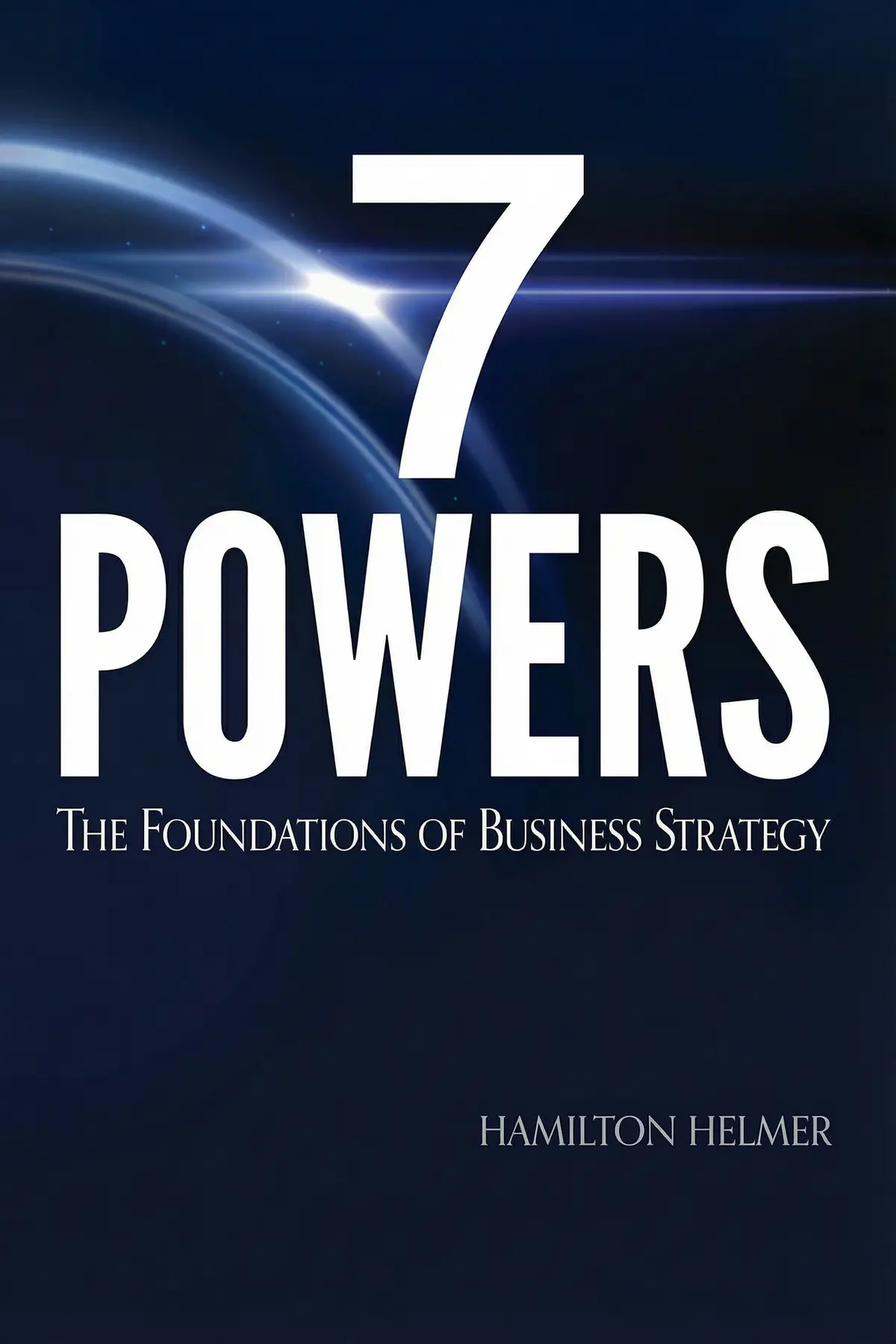
7 Powers: The Foundations of Business Strategy
Hamilton Helmer
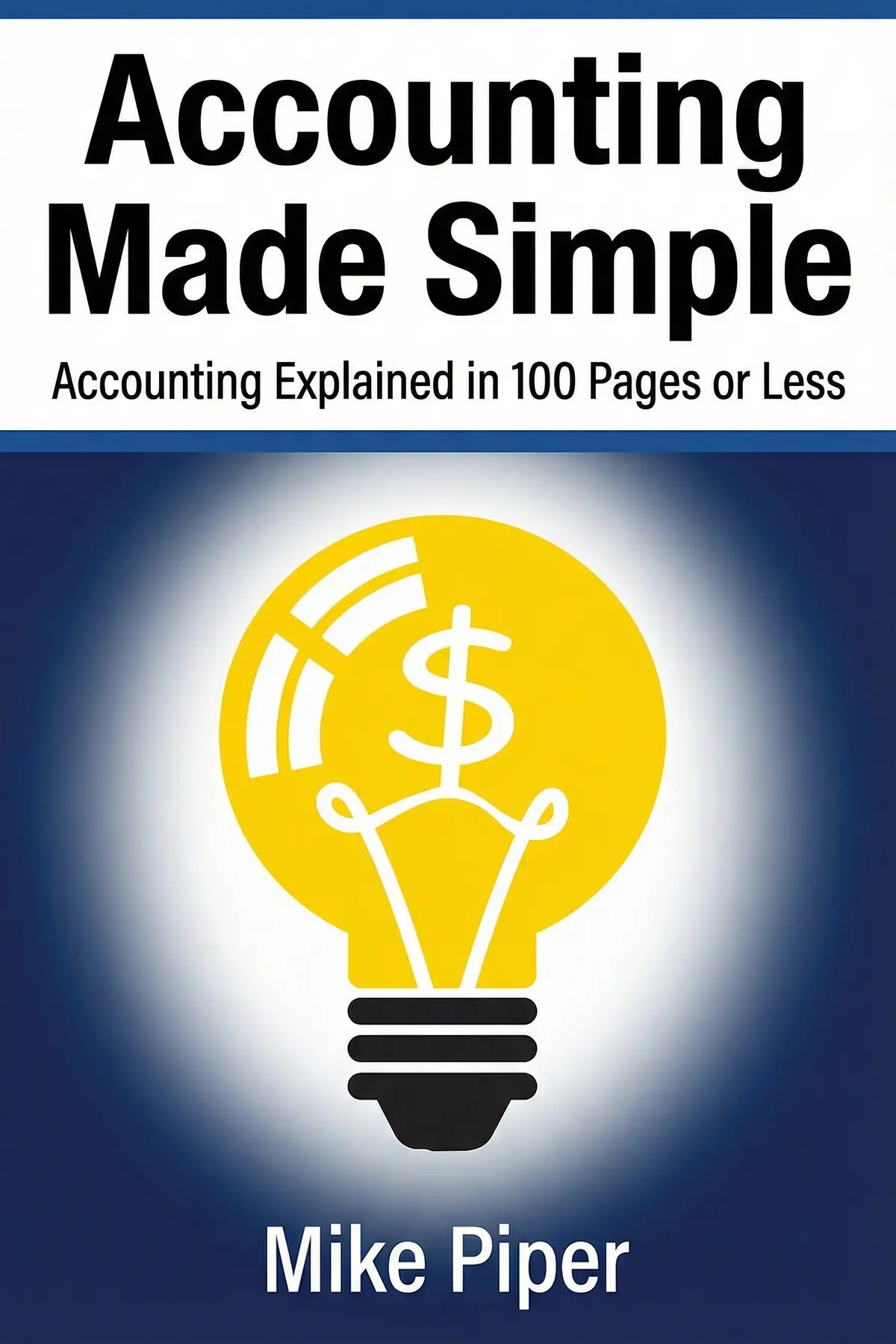
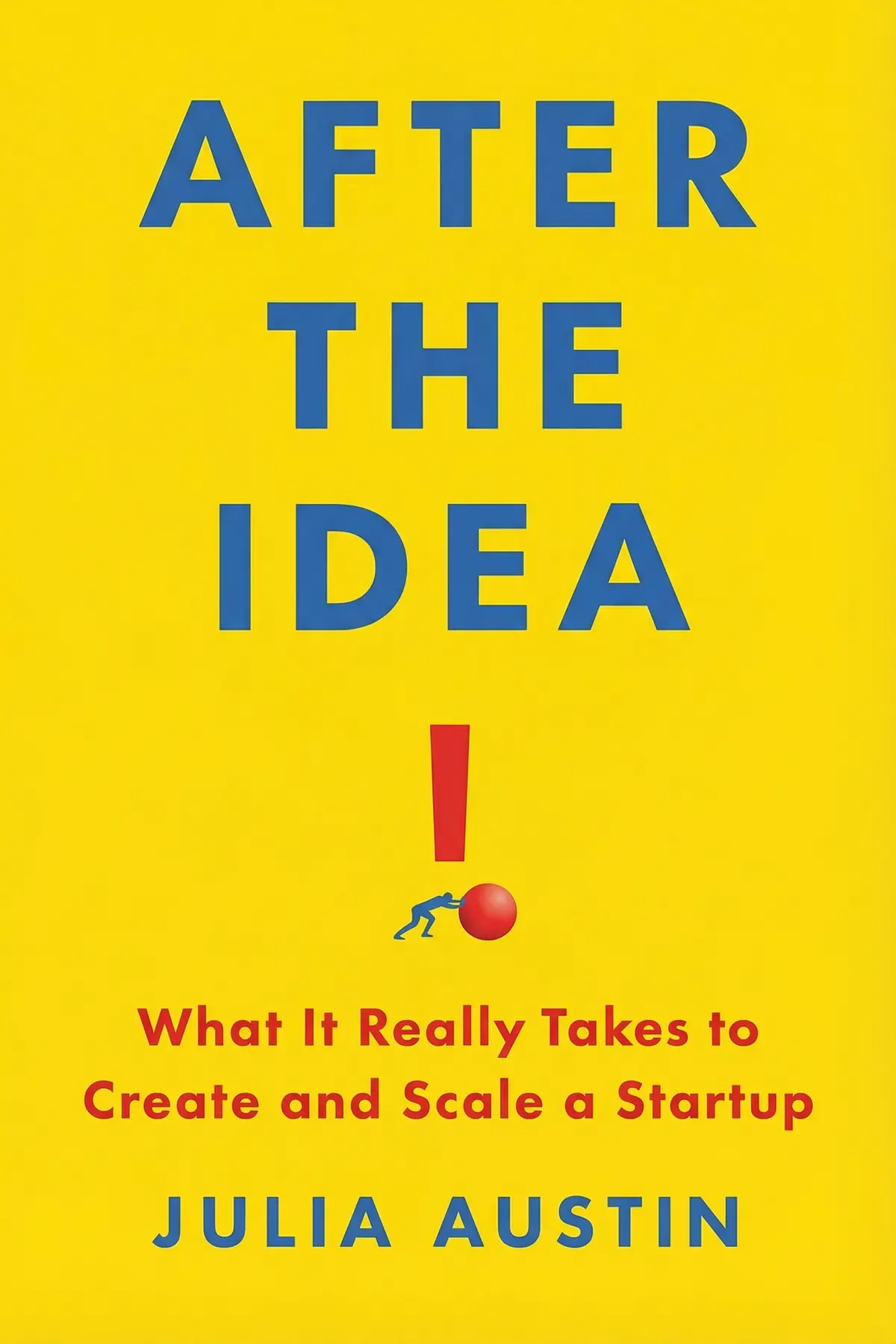
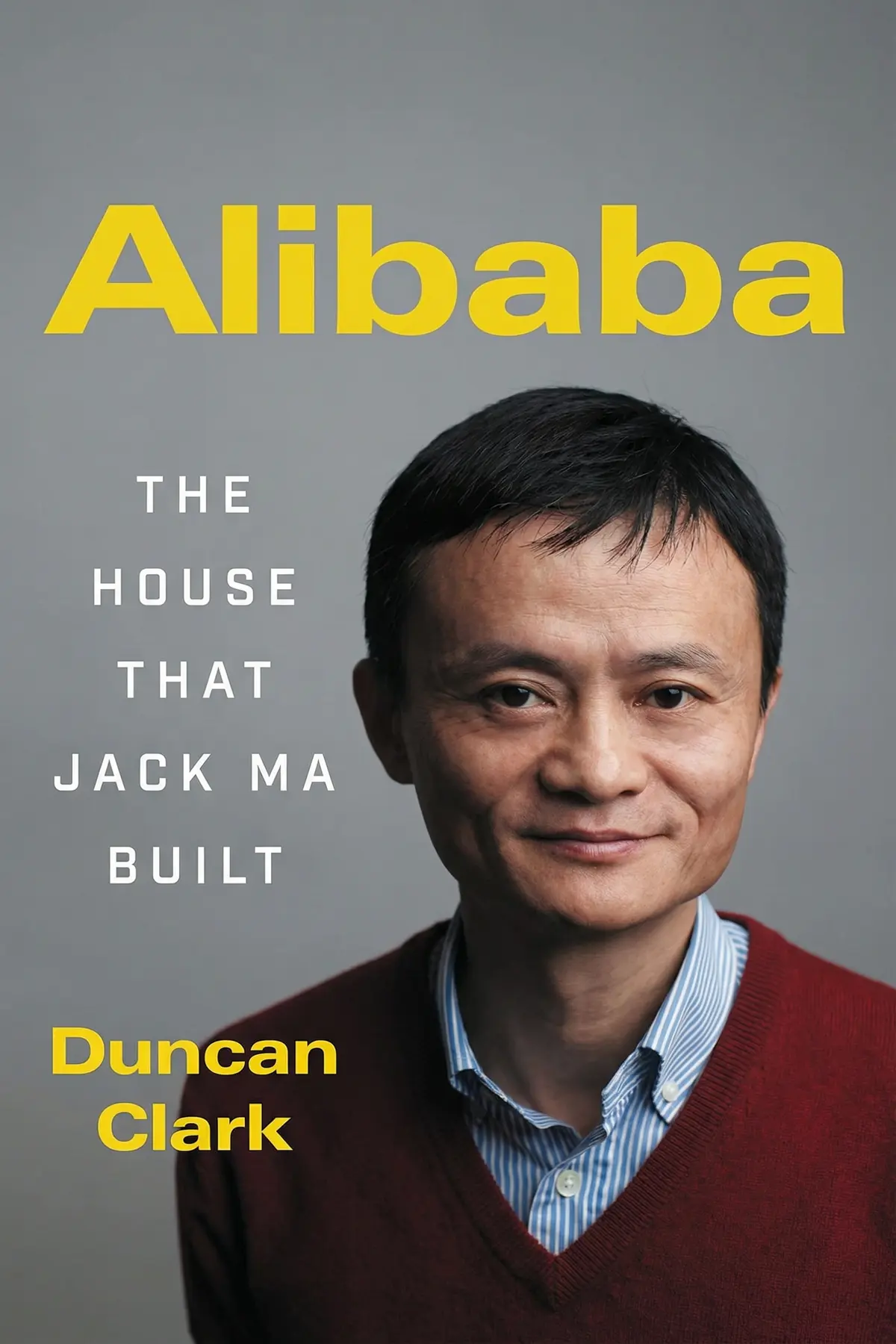
Alibaba: The House That Jack Ma Built
Duncan Clark
Bad Blood: Secrets and Lies in a Silicon Valley Startup
John Carreyrou
AUDIO SUMMARY AVAILABLE
Listen to Million Dollar Weekend in 15 minutes
Get the key ideas from Million Dollar Weekend by Noah Kagan, plus 5,000+ more titles in English and Thai.
- 5,000+ titles
- Listen as much as you want
- 7-day free trial
- Cancel anytime







