
17 min 56 sec
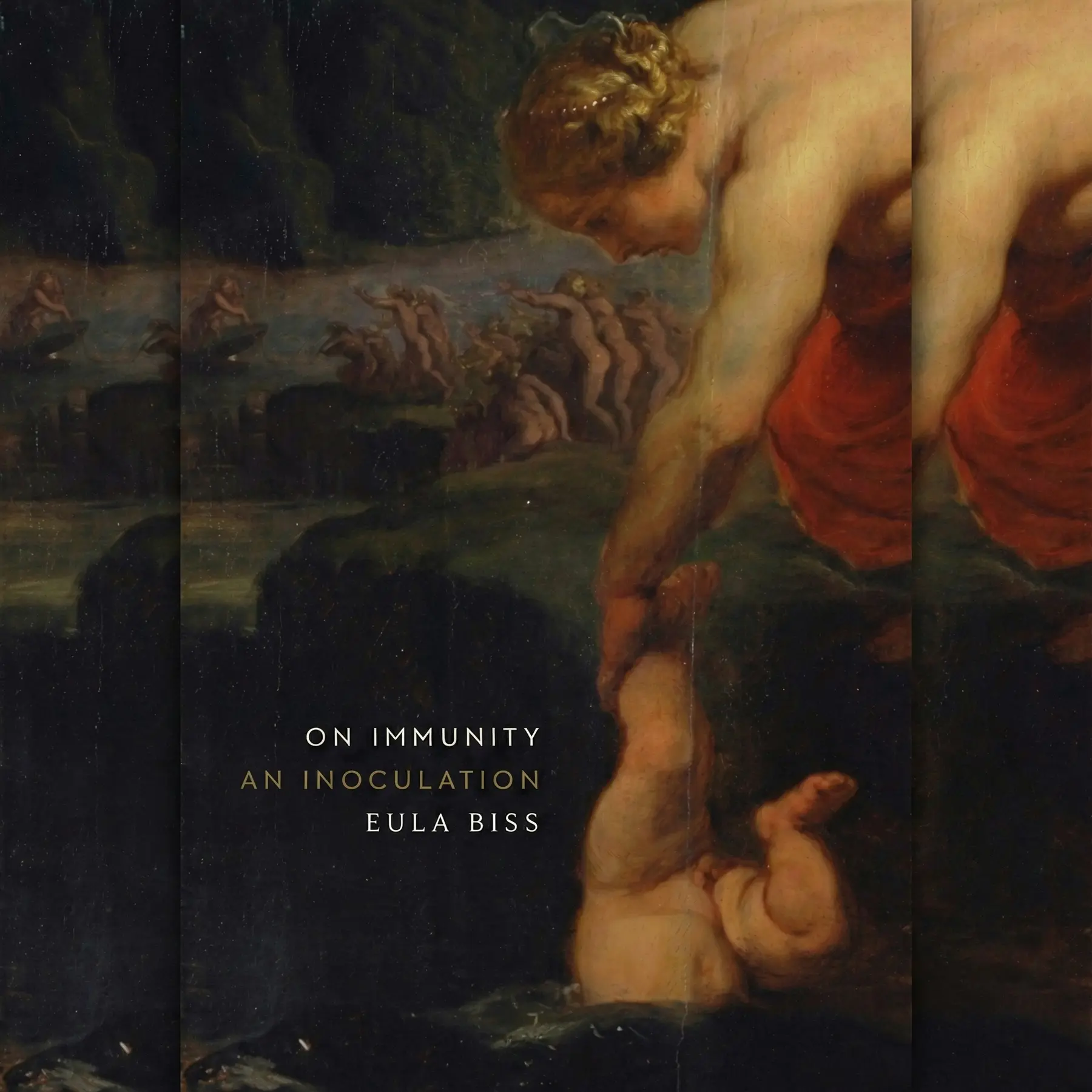
On Immunity: An Inoculation
By Eula Biss
On Immunity examines the complex cultural, historical, and social forces that shape our perceptions of vaccines, arguing that our health decisions are deeply interconnected with the safety of the entire community.
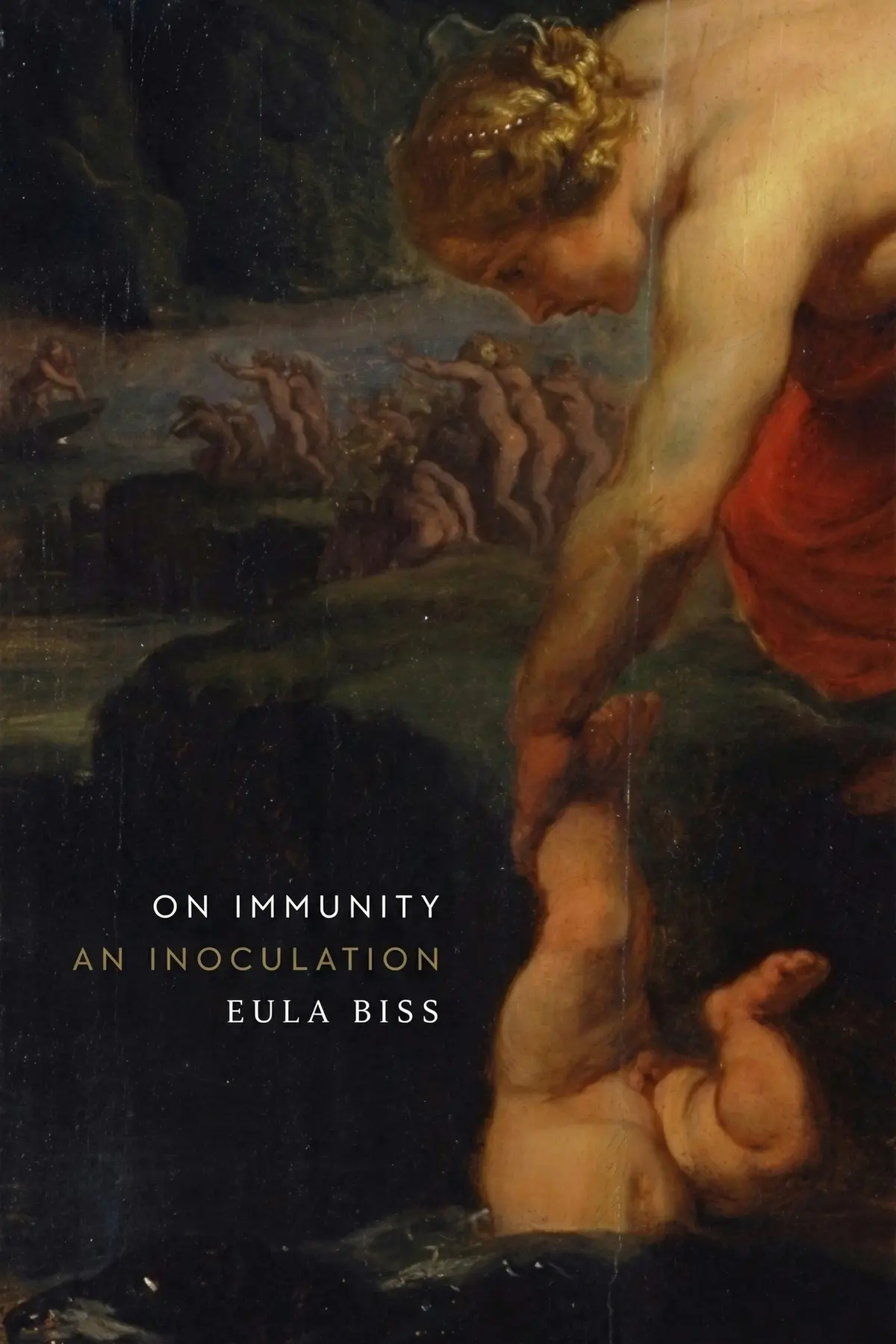
Table of Content
1. Introduction
1 min 24 sec
Every parent knows the weight of responsibility that comes with making health decisions for a child. It is a weight that feels both modern and ancient, fueled by a relentless stream of information, statistics, and sometimes, deep-seated fear. In this landscape, vaccines have become one of the most polarizing topics imaginable. But why is the conversation so charged? Why do we find it so difficult to separate facts from the metaphors we use to describe them?
In our exploration of On Immunity, we are going to look beneath the surface of the typical public health debate. We aren’t just talking about needles and vials; we are talking about how we perceive our bodies, our communities, and our safety. We will trace the path from ancient myths of invulnerability to the very real, often messy history of how humans have tried to outsmart disease.
Through this journey, we will see that the decision to vaccinate is never just about one person. It is a thread in a much larger tapestry of communal health. We will investigate the origins of our skepticism, the power of the language we use to describe our immune systems, and the historical events that have made certain groups wary of medical authorities. By the end, you’ll have a much clearer understanding of why we fear what we do and how our individual choices echo through the lives of everyone around us. This is a story about the boundaries we build and the ways we are all inextricably linked.
2. Ancient Fears and the Quest for Safety
2 min 03 sec
Explore how the timeless desire to protect our children from harm often mirrors the tragic ironies found in ancient mythology and folklore.
3. The Weight of Historical Memory in Medicine
1 min 56 sec
Discover how the early, unregulated days of medical history continue to cast a shadow over modern perceptions of vaccine safety.
4. The Power of Language and Body Metaphors
1 min 47 sec
Learn how the words and metaphors we use to describe vaccination can subtly influence our sense of bodily autonomy and purity.
5. Social Identity and the Branding of Disease
1 min 53 sec
Uncover the troubling history of how society associates certain illnesses with specific groups, affecting who we choose to protect.
6. The Illusion of the 'Natural' Path
1 min 53 sec
Examine the modern nostalgia for ‘natural’ health and why the distinction between a vaccine and a natural infection is more complex than it seems.
7. Global Politics and the Erosion of Trust
1 min 47 sec
Discover how the intersection of international power dynamics and medical history has fostered deep suspicion of health initiatives in former colonies.
8. Herd Immunity as a Social Contract
1 min 42 sec
Learn why the decision to vaccinate is a communal act, much like voting, that determines the safety of the most vulnerable among us.
9. The Mathematical Reality of Risk
1 min 58 sec
Compare the statistical dangers of infectious diseases with the relatively minor risks of vaccination to see the clear picture of modern health.
10. Conclusion
1 min 33 sec
As we conclude our journey through On Immunity, it becomes clear that our attitudes toward vaccination are shaped by much more than just clinical data. They are woven from the threads of our history, our language, and our shared myths. We’ve seen how the ancient desire to protect our children can lead to a paralyzing fear of doing the wrong thing, and how the metaphors of ‘invasion’ and ‘purity’ can cloud our judgment of what is actually safe.
The central throughline of this exploration is the idea of connection. We do not live in isolation, and our health is not just a personal matter. The concept of herd immunity reminds us that we are part of a larger body—a community that relies on the cooperation of its members to thrive. While it is natural to be skeptical of powerful institutions and to long for a more ‘natural’ way of living, we must balance those feelings with the historical reality of what these diseases can do.
The most important takeaway is that immunity is a communal trust. By choosing to vaccinate, we aren’t just making a medical decision; we are making a moral one. We are choosing to contribute to a world where the most vulnerable—the babies, the sick, and the elderly—are protected by the collective strength of the many. In a world that often feels fragmented, this is a powerful way to acknowledge our shared humanity and our responsibility to one another. Moving forward, let the science provide the facts, but let compassion and a sense of community guide your choices.
About this book
What is this book about?
When it comes to the health of our children, every choice feels monumental. On Immunity dives deep into the heart of the vaccination debate, moving past the simple shouting matches of the media to explore the myths, metaphors, and histories that influence our fears. Why do we associate medical intervention with a loss of innocence? Why do we trust 'natural' risks more than 'industrial' solutions? This summary explores the evolution of inoculation from its crude, early beginnings to modern safety protocols. It investigates how historical trauma, international politics, and even ancient folklore color our perception of medical science. More than just a collection of data, this is a study of the human psyche and our relationship with the collective. By understanding the deep-rooted cultural anxieties surrounding vaccines, you will gain a clearer perspective on why immunization is a shared social responsibility. The promise of this work is to provide a more nuanced, compassionate, and scientifically grounded framework for thinking about the invisible boundaries that protect us all.
Book Information
About the Author
Eula Biss
Eula Biss is a distinguished non-fiction writer known for her deep explorations of contemporary social issues. She has received numerous accolades for her work, including the Rona Jaffe Writers' Award and the Pushcart Prize. Her literary contributions have also been recognized with the Graywolf Press Nonfiction Prize, and she has been honored as a fellow of both the Guggenheim Foundation and the National Endowment for the Arts.
Ratings & Reviews
Ratings at a glance
What people think
Listeners find the book highly accessible and meticulously documented, with one review mentioning it is packed with stats and facts. Furthermore, the prose is elegantly written, with one listener emphasizing how it maintains a fair perspective on complicated subjects. They also value the deep dive into vaccination, specifically the breakdown of herd immunity and the captivating historical background provided. This title earns praise for its stimulating ideas and its suitability for group discussion. Nevertheless, listeners express conflicting views regarding the author’s persona.
Top reviews
Krisada
As a new parent, the sheer volume of anxiety-inducing information out there regarding public health is paralyzing. Eula Biss provides a much-needed breath of fresh air with this collection of essays. Instead of shouting facts at the reader, she weaves a complex tapestry of historical context and literary analysis, specifically using the myth of Achilles to ground our modern fears. Her explanation of herd immunity is perhaps the most lucid I have ever encountered; she treats the concept not just as a medical statistic, but as a profound social contract. The writing is impeccably well-crafted, balancing the clinical reality of lab results with the emotional weight of protecting a child. While some might find her personal anecdotes about her son’s birth a bit frequent, I found them essential. They remind us that the 'vaccine debate' isn't just an abstract intellectual exercise. It is a deeply human struggle with vulnerability. Truly a thought-provoking read that I will be recommending to every mother in my playgroup.
Show morePridi
Rarely does a book manage to bridge the gap between clinical data and the lyrical quality of a personal essay so seamlessly. Biss tackles the 'hot button' issue of immunization without the vitriol that usually accompanies the topic. Her exploration of how we perceive risk—often fearing the one-in-a-million side effect more than the very real disease—is eye-opening. The historical nuggets about 'cowpox' and the early days of inoculation provide a wonderful foundation for her larger points about capitalism and the medical industry. I found the discussion of Rachel Carson’s Silent Spring particularly insightful in how it shaped our modern skepticism of 'man-made' solutions. Some readers complain about the author’s voice, but I found her personality to be the anchor of the book. She admits to her own fears, which makes her eventual conclusions feel earned rather than forced. It is a balanced, deeply researched, and ultimately beautiful defense of our common health.
Show moreVarinee
The chapter on how we view our bodies as isolated homesteads changed my entire perspective on public health. Biss does an incredible job of explaining that we are not just individuals, but part of a larger biological collective. Her exploration of the 'vampire' myth as a metaphor for infection was particularly brilliant and helped me understand the cultural roots of our medical fears. The book is filled with stats and facts, but they never feel dry because they are wrapped in such beautiful, evocative language. I especially liked the stories about vaccine providers in Pakistan and the risks they take; it provides a much-needed global perspective that is often missing from Western debates. This is a remarkably thought-provoking book that avoids the typical shouting match of the vaccine conversation. It’s about trust, fear, and the interconnectedness of human life. I can't recommend it enough for anyone who wants a deeper understanding of why we think the way we do about medicine.
Show moreNarong
Eula Biss has a way of turning a scientific necessity into a poetic exploration of our shared boundaries. I was particularly fascinated by the sections detailing the history of smallpox and the 'frontier mentality' that seems to govern American medical choices. The book isn't a straightforward chronological history, which might frustrate those looking for a textbook, but its thematic approach is brilliant. She draws parallels between Bram Stoker’s Dracula and our cultural obsession with 'purity' and infection that are quite striking. To be fair, some of the transitions between her personal life and Victorian literature feel a bit abrupt. There were moments where I felt she stayed a bit too long on the metaphors of Susan Sontag rather than digging into the raw data. However, the overarching argument about our collective responsibility is undeniable. It is a slim volume that carries a massive amount of intellectual weight. The research is clearly thorough, even if the delivery is more meditative than traditional non-fiction.
Show moreFang
Finally got around to reading this after seeing it on so many 'Best of' lists, and I can see why it sparked such a conversation. The book is remarkably easy to read despite the heavy subject matter. Biss avoids the jargon-heavy trap that many science writers fall into, opting instead for a style that feels like a long, intellectual conversation over coffee. Her breakdown of 'natural' vs. 'synthetic' medicine was a highlight for me. She correctly points out that our romanticized view of nature often ignores the fact that nature is perfectly happy to kill us with a virus. My only real gripe is that the book feels a bit short; I wanted more on the current landscape of the anti-vax movement. Some of the literary references, like the deep dive into Candide, felt like they belonged in a different book entirely. Still, the historical context provided is fascinating and the stats are presented in a way that actually makes sense to a layperson.
Show moreSai
This book is less a textbook and more a meditation on what it means to live in a community. Biss uses the metaphor of the 'homestead' to describe how we view our individual bodies, and it’s a powerful image. We think we are safe if we keep our own yard clean, but immunity doesn't work that way. The writing is well-crafted and the research into the demonization of 'the other' during epidemics was chillingly relevant. I appreciated the balanced approach she took; she doesn't shame people for being afraid, which is a rare thing in this debate. There were a few points where the literary comparisons felt a bit far-fetched, but for the most part, they served to elevate the topic. It’s a fascinating, quick read that offers a lot of discussion material for book clubs or anyone interested in the intersection of science and culture.
Show moreJavier
Expectation is a funny thing when it comes to non-fiction. I picked this up hoping for a rigorous, historical account of vaccine development, but what I got was a very personal, often rambling memoir disguised as science writing. Biss is a talented writer—that much is obvious from the first page—but the structure is incredibly disjointed. One moment we are discussing the horrifying reality of vaccine workers being targeted in Nigeria, and the next, we are back to her obsessing over a blood transfusion she received years ago. Frankly, the transfusion mentions became repetitive and felt a bit like navel-gazing after a while. I appreciated the facts about Dr. Paul Offit and the debunking of the 'Dr. Proffit' myth, as those sections felt grounded and necessary. But the constant detours into Mary Shelley and Greek myths often felt like a distraction from the actual topic at hand. It’s an okay read, but it lacks the editorial discipline needed to make it a great one.
Show moreOak
To be fair, the prose here is gorgeous, even when the structure starts to feel like a house of cards. Biss is clearly a brilliant essayist, but the jumpy timeline of this book made it hard to stay engaged. She moves from her son being a toddler back to his birth and then into a historical tangent about the 19th century with no warning. The chapter on capitalism and how it has 'impoverished us culturally' was a standout moment, providing a sharp critique of why we are so quick to distrust medical institutions. However, I found her personality a bit off-putting at times. There is a certain level of privilege in her obsessing over every minor chemical exposure while people in other parts of the world are dying for lack of these same medicines. It’s a thought-provoking piece, but it would have benefited from a much stronger editorial hand to trim the redundant literary diatribes.
Show moreDuangjai
Look, I appreciate the research that went into this, but I struggled with the author’s perspective at times. The book is titled 'On Immunity,' but it functions more as a personal diary about motherhood. I was expecting a historical record of vaccine development, and while there are bits of that—like the story of the milkmaids and cowpox—they are muddled among misguided literary references. The constant focus on her own 'personal demons' and her fear of a past blood transfusion felt unnecessary after the third time it was mentioned. Not gonna lie, I almost put it down halfway through because of the disjointed nature of the chapters. That said, the section on herd immunity and the ethical implications of 'free-riding' on the immunity of others was very well done. It’s a bit of a mixed bag; great writing style, but questionable organization.
Show moreIce
What was supposed to be an informative deep dive into the history of vaccinations felt more like a disorganized collection of college-level literature notes. I'm all for interdisciplinary writing, but the metaphors here are a mess. At one point, she's comparing immunology to Dracula, then to Frankenstein, and then to the Achilles myth, and by the end of the chapter, you've forgotten she was even supposed to be talking about vaccines. The book only scratches the surface of actual research while spending pages and pages on the author’s own anxieties as a new mother. Truth is, I don't care about her father being a doctor or her specific fears about her son's shots; I wanted the 'Selected Sources' to be the meat of the book, not a footnote. It felt like she was trying too hard to be the next Susan Sontag and forgot to actually inform the reader. If you want a serious, data-driven look at the vaccine debate, this isn't it.
Show moreReaders also enjoyed
AUDIO SUMMARY AVAILABLE
Listen to On Immunity in 15 minutes
Get the key ideas from On Immunity by Eula Biss, plus 5,000+ more titles in English and Thai.
- 5,000+ titles
- Listen as much as you want
- 7-day free trial
- Cancel anytime







