
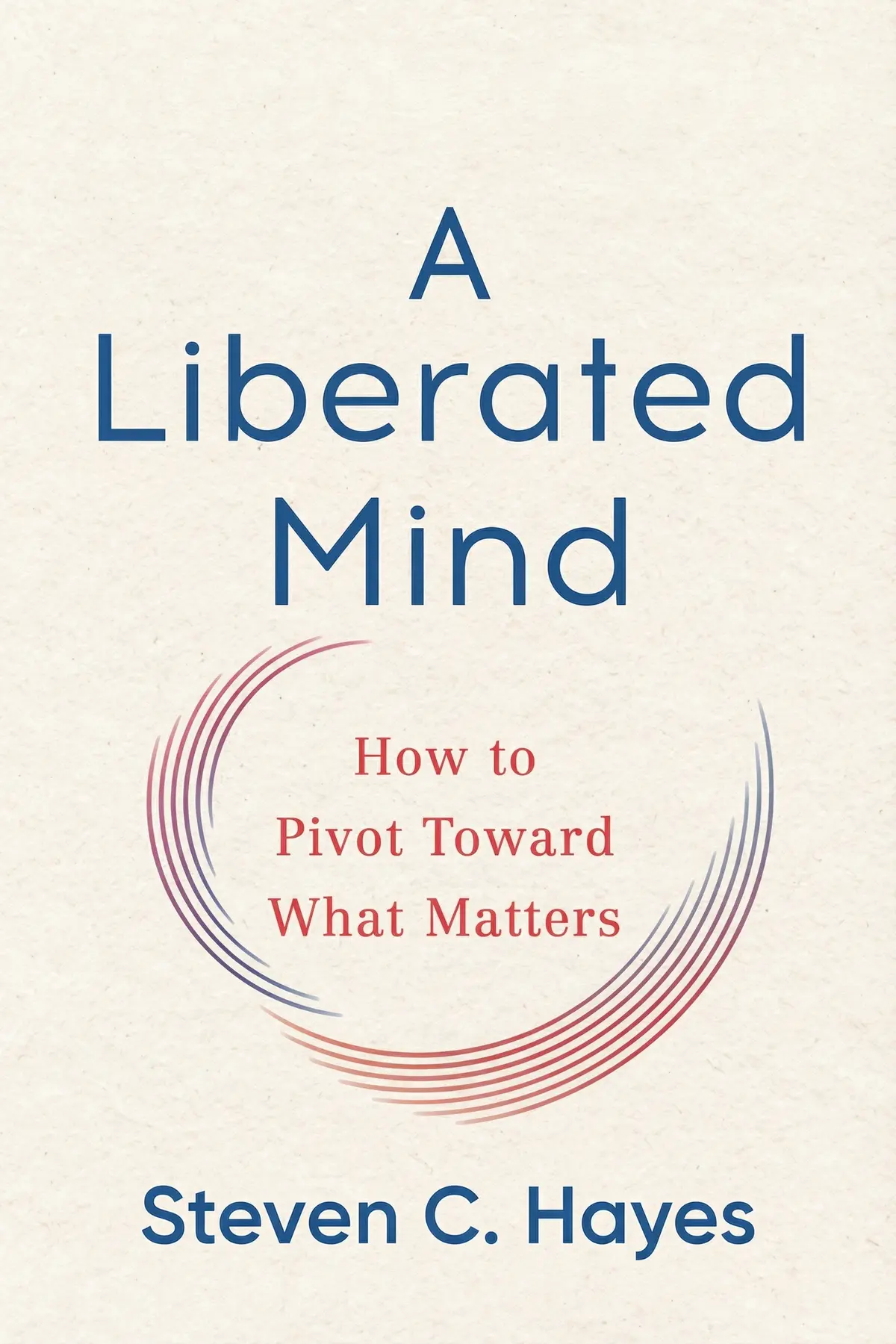
A Liberated Mind: How to Pivot Toward What Matters
Steven C. Hayes
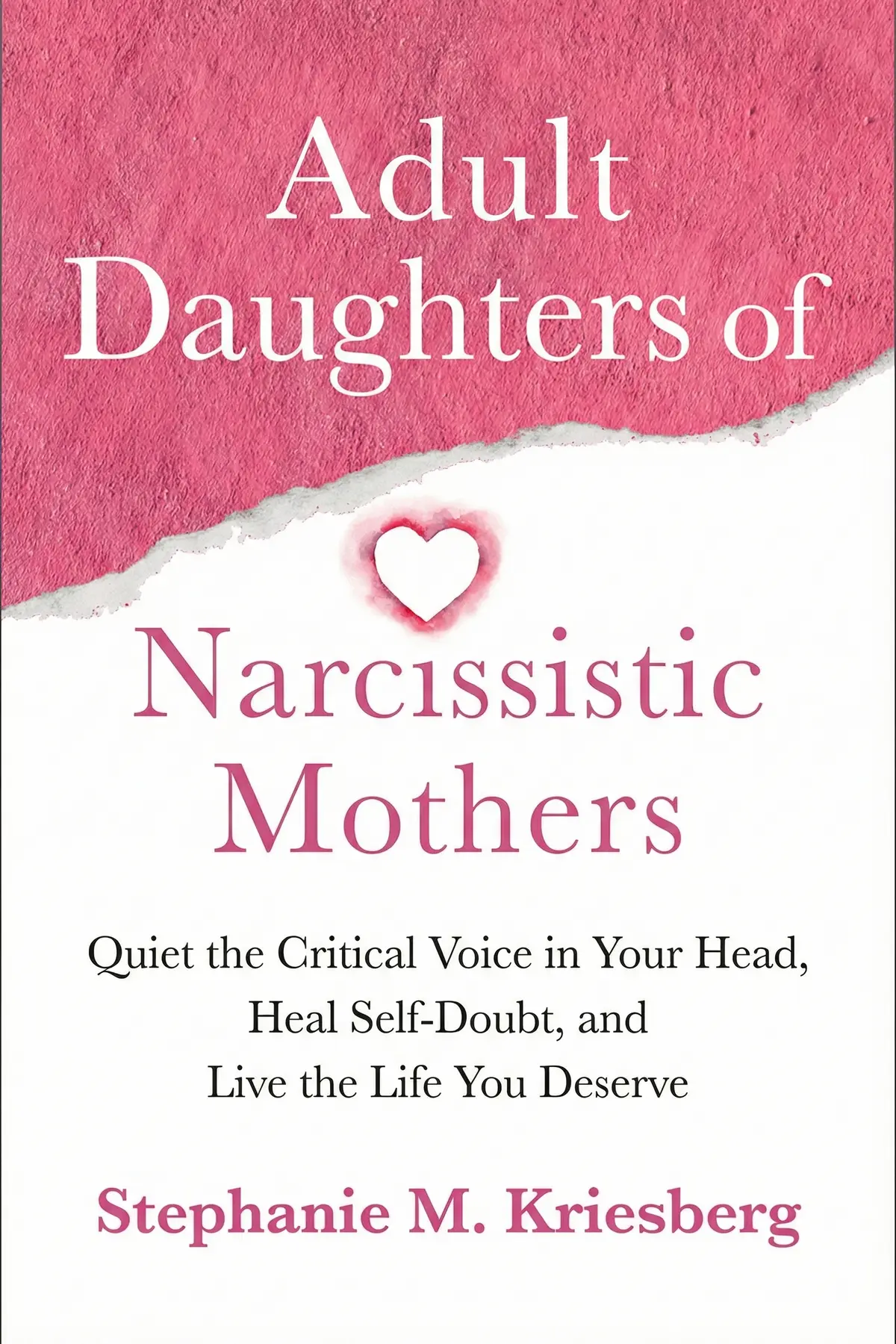
Discover how to break free from the emotional chains of a narcissistic mother. This guide provides psychological insights and practical tools to silence self-doubt and reclaim your personal power.
1 min 44 sec
There is a deeply rooted cultural expectation that a mother’s love is inherently unconditional, a selfless force that provides a safe harbor for a child. But for many women, the reality of their upbringing was starkly different. Instead of a harbor, they found themselves in a storm of criticism, manipulation, and emotional neglect. If you grew up with a narcissistic mother, you likely spent your formative years feeling as though you were perpetually failing an impossible test. No matter how much you achieved or how hard you tried to please her, the target always seemed to move just out of reach. This experience doesn’t just end when you reach adulthood; it lingers, manifesting as a persistent voice in your head that whispers you aren’t good enough, or a sense of anxiety that colors your everyday decisions.
In this exploration of Adult Daughters of Narcissistic Mothers, we are going to look at the psychological mechanics of this difficult relationship. We will see why your mother’s behavior was never actually about you, and how her internal insecurities shaped your world. More importantly, we’re going to discuss how you can begin to untangle yourself from this toxic dynamic. We’ll look at ways to quiet the relentless inner critic, manage the heavy weight of shame, and finally build the boundaries that allow you to stand on your own. This isn’t just about understanding the past; it’s about reclaiming your future. By the end of this journey, the goal is for you to see that your value is inherent and that the life you deserve is finally within your grasp. It’s time to move from the shadow of your mother’s expectations and into the light of your own identity.
3 min 09 sec
Discover why your mother’s hurtful actions were never a reflection of your worth, but rather the result of her own deep-seated and hidden psychological struggles.
2 min 51 sec
Explore the concept of repetitive negative thinking and learn a unique technique to separate your true identity from the critical voice of your upbringing.
2 min 43 sec
Understand how deep-seated shame functions in the body and mind, and find a pathway toward self-worth by aligning with your core values.
2 min 53 sec
Learn the essential two-step process for setting healthy boundaries, moving from a state of obligation to one of personal empowerment and autonomy.
1 min 39 sec
The journey of healing from a narcissistic upbringing is not a linear one, and it certainly isn’t easy. It requires a brave confrontation with the ghosts of your past and a persistent commitment to your own future. But as we have explored, the transformation is possible. It begins with the profound realization that your mother’s inability to love you unconditionally was never about your worth; it was a symptom of her own internal struggles. By separating her voice from your true self and personifying that inner critic, you can finally begin to hear your own intuition again.
We’ve seen that shame and powerlessness are not permanent states of being, but learned responses that can be unlearned. By focusing on your core values and practicing the art of setting small, firm boundaries, you are slowly reclaiming the territory of your own life. You are moving from a place of survival—where you were constantly scanning for danger and seeking approval—to a place of thriving, where you make decisions based on what brings you joy and fulfillment.
As you move forward, remember to be patient and compassionate with yourself. You are undoing decades of programming, and that takes time. But with every boundary you set and every time you choose to believe in your own value over her criticism, you are breaking the cycle. You are no longer the daughter trying to earn a love that was never yours to win; you are a woman who is learning to love and respect herself. You deserve a life defined by your own choices, your own passions, and your own peace. That life is waiting for you, and it starts the moment you decide that you are finally enough, exactly as you are.
For many women, the relationship with their mother is defined not by warmth, but by a constant, exhausting effort to seek approval that never arrives. This summary explores the profound psychological impact of being raised by a narcissistic parent, specifically focusing on the unique challenges faced by adult daughters. It delves into the roots of maternal narcissism, explaining why this behavior is a reflection of the mother’s internal struggles rather than a daughter’s shortcomings. Listeners will learn how to navigate the common emotional scars left by such an upbringing, including persistent anxiety, chronic shame, and a sense of powerlessness. The summary offers a roadmap for healing, providing actionable techniques like personifying the inner critic to reduce its power and establishing healthy boundaries to protect one's peace. Ultimately, it promises a path toward self-compassion and autonomy, helping daughters transition from a state of constant survival to a life lived on their own terms, free from the shadow of maternal judgment.
Stephanie M. Kriesberg is a licensed clinical psychologist with more than twenty-five years of professional experience. She is a dedicated specialist who focuses on helping adults navigate the complexities of having narcissistic parents. Beyond her work in familial trauma, she also treats authors struggling with anxiety, bringing a wealth of clinical expertise to those seeking to live more fulfilled and empowered lives.
Listeners find this book useful and well-crafted, with one listener mentioning that it provides evidence-based practices. Furthermore, they enjoy the tempo of the content, with one listener calling it a refreshing approach to handling mother-daughter relationships. The book is also commended for its high level of expertise, with one listener specifically pointing out its deep research foundation. Nevertheless, listeners disagree on the book's readability.
Finally got around to reading this after seeing it recommended, and it is a total game-changer for survivors. The research foundation is clearly deep, especially regarding the differences between grandiose and vulnerable narcissistic types. I found the explanation of vulnerable narcissism particularly helpful because it is so often overlooked in mainstream psychology. The book is well-written and moves at a clip that makes it accessible even when you are stressed. It is a rare find that balances clinical knowledge with a genuine sense of empathy for the adult daughter.
Show moreAs someone who has spent years dreading Mother’s Day, this book felt like a massive weight off my shoulders. In my experience, the hardest part of having a narcissistic mother is the silence and the judgment from society. Kriesberg does an incredible job of validating those feelings while providing evidence-based practices to help us stay grounded. I loved how the focus remained squarely on the daughter's healing rather than trying to fix the broken mother. It provides a refreshing take on a very painful subject, making the path to recovery feel actually possible.
Show moreEver wonder why you feel so much guilt for simply existing in your own space after a lifetime of criticism? Not gonna lie, this book was a difficult read because it forced me to confront some very painful childhood memories. Despite the emotional weight, the evidence-based practices provided a clear roadmap for moving forward with my own life. The deep research into the mother-daughter bond helps explain why these relationships are so uniquely soul-destroying for the children. I feel much more equipped to handle my birthday and other holidays without falling into a pit of despair.
Show moreThe chapter on grounding techniques alone made this worth the purchase for me. Truth be told, I was looking for something that offered more than just a list of common symptoms. This book delivers a refreshing take by focusing on how we can manage our own internal reactions. The pacing feels just right, allowing the reader to digest the heavy emotional content without feeling overwhelmed. I appreciated the evidence-based practices that move the conversation toward real, tangible healing. While some parts felt a bit repetitive, the overall message of self-compassion is vital for those of us struggling.
Show moreStephanie Kriesberg has crafted a remarkably well-written guide that moves beyond the typical narrative into actual evidence-based recovery. Personally, I found the case studies to be the most enlightening part of the entire reading experience. They provided real-world examples that mirrored my own life, which helped me feel significantly less alone in my struggles. The book has a great sense of pacing, ensuring that the heavy clinical research never feels boring or academic. I only wish there had been more advice on navigating the complicated reality of going completely no-contact.
Show moreAfter hearing so many conflicting things about the readability, I was pleasantly surprised by how quickly I finished this book. The information is presented in a way that is easy to digest without sacrificing the deep research foundation underneath. I particularly liked the sections on setting boundaries, as they provided specific language to use during difficult family interactions. It is a well-written resource that helps demystify the confusing behaviors we grew up seeing as normal. While it might be a bit basic for some, the practical techniques for staying grounded are worth the price alone.
Show morePicking this up as a clinical social worker was an interesting exercise because the professional foundation is quite solid. Frankly, the distinction between grandiose and vulnerable narcissists is something that more people need to understand in their healing. The pacing is excellent, making it a manageable read for clients who might be feeling overwhelmed by their past trauma. I did find the lack of focus on the scapegoat role to be a minor drawback in an otherwise excellent book. Overall, it is a refreshing take on recovery that focuses on the daughter's empowerment rather than the mother’s pathology.
Show moreTo be fair, the research is clearly deep and well-founded, but the formatting choices really hindered my personal enjoyment. I found the constant summaries at the end of every chapter to be somewhat patronizing and unnecessary for most readers. If you are already well-versed in therapy and mindfulness, much of this information might feel like a basic refresher course. The author spends quite a bit of time explaining what you are about to learn before actually teaching it. However, for someone just starting their journey, the structured approach might provide a sense of much-needed stability.
Show moreLook, I appreciate the mindfulness exercises, but I struggled with the suggestion that we should have compassion for abusers. While I understand that compassion is not the same as permission, it feels like a tall order for many survivors. The book is definitely a quick read and offers a solid knowledge level for those new to the topic. However, it feels more suited for daughters of low-level narcissists rather than those with more severe, destructive family histories. It is a good starting point, but you may need something more intensive as you progress in your healing.
Show moreDisappointing is the only word I have for how surface-level this felt compared to my actual trauma. Frankly, the lack of discussion regarding sibling dynamics left a massive hole in the narrative. I expected a deeper dive into the specific roles like the scapegoat or the golden child. The author seems to focus heavily on low-level passive-aggression rather than the more severe abuse many of us survived. It felt far too thin for the complex emotional landscape I was hoping to navigate. While the writing is clear, the content simply didn't provide the level of depth required for a long-term recovery journey.
Show moreSteven C. Hayes
Leanne Maskell

AUDIO SUMMARY AVAILABLE
Get the key ideas from Adult Daughters of Narcissistic Mothers by Stephanie M. Kriesberg, plus 5,000+ more titles in English and Thai.







