

14 min 25 sec
Play Nice But Win: A CEO's Journey from Founder to Leader
By Michael Dell
Michael Dell shares the inside story of building, losing, and reclaiming his tech empire. Discover the strategies of the direct-to-consumer model and the leadership philosophy required to navigate a shifting digital landscape.
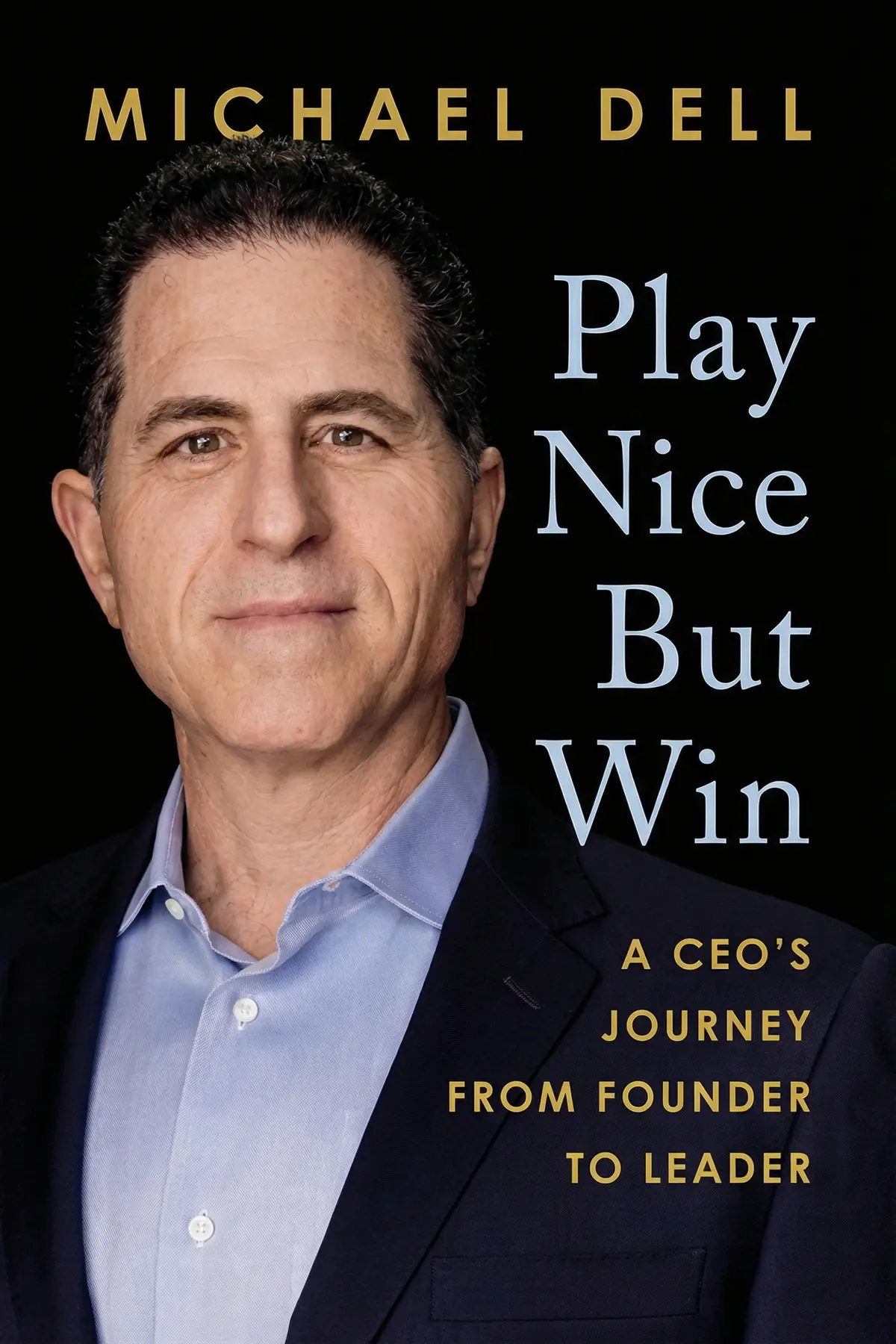
Table of Content
1. Introduction
1 min 33 sec
In the world of technology, names often become synonymous with products. We see the logo on our screens, our laptops, and our office servers every single day, yet we rarely stop to consider the human story behind the brand. Michael Dell’s journey is not just a tale of corporate growth; it is a masterclass in how a singular vision can disrupt an entire global industry. From the very beginning, his story has been defined by a unique throughline: a restless entrepreneurial spirit combined with a willingness to play the long game.
As we explore this journey, we aren’t just looking at the history of a computer company. We are looking at a blueprint for leadership in the face of constant change. You will see how a young man from Texas turned a dorm-room hobby into a multibillion-dollar empire, and more importantly, how he had the courage to dismantle and rebuild that empire when the world around him shifted. This story illustrates the power of perseverance and the importance of staying true to a set of core principles—specifically, the idea that you can be a fierce competitor while still maintaining your integrity.
What follows is an exploration of that philosophy. We will trace the rise of the direct-to-consumer model, the challenges of navigating a public market that often demands short-term results over long-term health, and the ultimate transformation of a hardware giant into a modern technology powerhouse. Whether you are leading a team, starting a business, or simply trying to understand the digital world we live in, there is a wealth of knowledge to be found in the life of a leader who learned to play nice, but always played to win.
2. The Seeds of a Disruptive Spirit
2 min 20 sec
Explore how a young Michael Dell’s childhood curiosity and early business ventures laid the foundation for a global technology revolution.
3. The Power of the Direct Model
2 min 15 sec
Discover the revolutionary business strategy that allowed a startup to outmaneuver industry giants by rethinking the entire supply chain.
4. Navigating the Crisis of Success
2 min 13 sec
Learn how Dell faced the challenges of a maturing market and the painful lessons learned from missing major industry shifts.
5. The Strategic Pivot to Privacy
2 min 11 sec
Examine the high-stakes gamble of taking a multi-billion dollar company private to escape the short-term pressures of the stock market.
6. A Leadership Philosophy for the Future
2 min 29 sec
Explore the principles of decentralization, data-driven decisions, and customer focus that define Michael Dell’s unique leadership style.
7. Conclusion
1 min 24 sec
The journey of Michael Dell and the company he founded is a powerful reminder that in business, as in life, the only constant is change. We have seen how a simple idea born in a dorm room—the direct-to-consumer model—completely upended a global industry. We have also seen that even the most successful models can become obsolete, requiring leaders to have the courage to reinvent themselves and their organizations.
The overarching lesson of this story is that resilience is built on a foundation of core values. Michael Dell’s ability to ‘play nice but win’ stems from a commitment to integrity, a focus on the customer, and a belief in the power of shared data and decentralized trust. By taking his company private, he proved that long-term vision is often more valuable than immediate market approval.
As you move forward in your own career or business ventures, remember that success isn’t just about the products you build; it’s about the culture you create and the relationships you foster. Stay curious, embrace the lessons that come with failure, and never lose sight of the people you are serving. Technology will continue to evolve at a breakneck pace, but the principles of sound leadership—innovation, adaptability, and respect—will always remain the same. Take these insights and use them to navigate your own path, always looking for ways to play the game with excellence and integrity.
About this book
What is this book about?
This narrative explores the remarkable evolution of one of the world's most influential technology companies and the man who started it all in a university dorm room. It follows Michael Dell’s journey from a curious teenager taking apart computers to a global CEO facing the pressures of Wall Street. The book provides a detailed look at the 'direct model' that disrupted the entire PC industry and explains the difficult transition from selling hardware components to providing integrated, high-level IT solutions. Listeners will gain insight into the high-stakes world of corporate maneuvers, including the monumental decision to take the company private in 2013 to foster long-term innovation. Beyond business tactics, the story highlights a leadership philosophy built on data, decentralization, and an unwavering commitment to the customer. It promises a roadmap for staying competitive in an era of rapid technological change, emphasizing that success comes from a combination of fierce ambition and a steadfast dedication to core values.
Book Information
About the Author
Michael Dell
Michael Dell is the Founder and CEO of Dell Technologies, a global leader in the technology infrastructure space. A pioneer of the modern computer industry, he previously detailed his innovative business strategies in his book Direct from Dell. Beyond his corporate leadership, he is a dedicated philanthropist, having co-founded the Michael & Susan Dell Foundation alongside his wife to support global causes.
Ratings & Reviews
Ratings at a glance
What people think
Listeners find the work engrossing and full of valuable perspectives, with one listener specifically pointing out the thorough description of Dell's formative years. Furthermore, the memoir is motivational, and one listener mentions how it strikes a balance between drive and modesty. Additionally, listeners value the entrepreneurial guidance shared throughout the narrative.
Top reviews
Boy
The chapter on the EMC merger alone makes this worth the price of admission. Michael Dell manages to weave together a complex narrative that balances his early entrepreneurial hustle with the high-stakes maneuvering of the largest tech acquisition in history. To be fair, some might find the detailed financial engineering a bit dense, but for those of us interested in M&A, it’s pure gold. I found it deeply inspiring to see how he maintained his vision while facing down aggressive corporate raiders like Carl Icahn. The book doesn't just tell you to work hard; it illustrates the specific grit required to take a public giant back into the shadows of privacy. It’s a captivating look at a founder who refuses to be sidelined by market whims. Frankly, the dual-timeline structure keeps the momentum high and prevents the historical sections from feeling like a dry history lesson.
Show moreOscar
Wow, Michael Dell’s story is a masterclass in staying the course when everyone thinks you’re crazy. The book manages to be both a personal memoir and a blueprint for business wisdom without feeling like a dry textbook. I was particularly struck by the humility he showed regarding the foundation work in Austin, even while he was aggressive in the boardroom. The phrase 'Play Nice But Win' perfectly captures the essence of his journey. It’s rare to find an autobiography that is this packed with insights into the mechanics of debt, tracking stocks, and long-term value creation. Whether you are a tech geek or a casual reader, the narrative of the EMC deal is absolutely thrilling. He proves that being a nice guy doesn't mean you have to finish last. This is easily one of the most inspiring business books I have read in years.
Show moreJeeranan
Direct and surprisingly candid in places, this book offers a blueprint for founder-led growth in the modern era. Michael Dell's journey in building Dell Technologies is a testament to the power of a fighting spirit. I loved the anecdotes about his early money-making prowess, like the stamp auctions and newspaper subscriptions. It shows that entrepreneurs are born, not just made. The book balances ambition with a grounded sense of purpose, which I found refreshing compared to other tech CEOs. Not gonna lie, I had to look up a few financial terms to fully grasp the tracking stock strategy, but it was worth the effort. It’s a captivating story that proves you can compete at the highest level without losing your core values. This should be required reading for anyone starting a company today.
Show moreAva
Picked this up after seeing it on a 'best business books' list, and I’m glad I did. The way Dell describes the evolution of the 'Dellionaires' and the culture of his early company is genuinely fascinating to anyone who lived through the PC boom. You get a real sense of his ambition and how he balanced that with a personal philosophy of playing fair. Gotta say, the sections regarding the transition from hardware to services were packed with insights I hadn't considered before. My only gripe is that the tone can be a little sharp when he discusses his critics or competitors. Still, it’s a solid read for anyone looking to understand how a founder-led company stays relevant over decades. It’s a testament to perseverance and the power of a relentless pursuit of excellence in a cutthroat industry.
Show moreAnna
As someone who grew up using Dell PCs, this was a trip down memory lane that offered way more than just nostalgia. The book provides a detailed account of the early days at UT Austin that I found incredibly engaging. It’s a masterclass in entrepreneurship advice, specifically how to identify a market gap and exploit it with better logistics rather than just better tech. Personally, I enjoyed the behind-the-scenes look at the 2013 privatization struggle. It felt like a corporate thriller at times, even if Dell’s perspective is obviously biased. Some sentences are punchy and direct, which mirrors his business style perfectly. It’s not a perfect memoir, as it brushes past some of the company’s darker periods, but the strategic lessons on scaling are undeniable. If you want to know how the 23rd richest guy on the planet thinks, this is a great starting point.
Show morePhu
Finally got around to reading this, and frankly, the financial engineering bits were the real highlight for me. I’ve read plenty of tech biographies, but few dive this deep into the 'why' behind going private and then public again. The book is written using an interesting technique that interweaves the origins of PCs Limited with the modern-day battle against Carl Icahn. While some reviewers find the tone a bit ego-driven, I think it’s just the confidence required to lead a company of that scale. To be fair, the editing could have toned down the repetitive assertions of his early brilliance. However, the sheer scale of the Dell-EMC merger is mind-boggling and well-documented here. It’s a detailed description of a journey that most people only see from the outside through stock tickers and news headlines.
Show moreWanphen
This book does a great job of humanizing a tech giant while keeping the business lessons front and center. I was impressed by how Dell describes the 'notebook debacle' and other technical hurdles with such clarity. It’s not just about the wins; it’s about the pivots required to survive a changing market. The contrast between the young hustler in Texas and the global CEO is handled well, even if the writing is a bit plain at times. I appreciate the entrepreneurship advice woven throughout, especially regarding customer-centric models. In my experience, most business memoirs are either too dry or too fluffy, but this one hits a nice middle ground. It provides a detailed account of how to handle massive risks without flinching. It’s a solid addition to any business library, offering a unique look at a company that redefined the industry.
Show moreHugo
Look, I’ll admit I wasn't sure if I needed another CEO autobiography, but the dual-timeline structure kept me hooked. It’s fascinating to see how the lessons Michael Dell learned as a teenager selling computers out of a dorm room applied to his multi-billion dollar deals later in life. The book is packed with insights into how to handle board-room drama and hostile takeovers. While it’s true that there isn't a lot of deep introspection regarding his personal life, the business wisdom is top-tier. He makes the case that you can 'play nice' by being ethical while still being a fierce competitor. The acquisition of EMC is described with such detail that you feel like you're in the room during the negotiations. It’s an inspiring read for anyone who believes in the power of long-term vision over short-term market noise.
Show morePracha
Not what I expected from one of the world's most successful tech titans, though it has its moments. While the story of Dell’s rise from a dorm room to a global powerhouse is undoubtedly impressive, the narrative often feels like a self-glorifying account that lacks real introspection. Truth is, Michael Dell portrays himself as a natural prodigy who rarely makes a wrong move, which makes it hard to find relatable lessons for the average entrepreneur. He jumps between his teenage money-making schemes and the battle to take the company private, yet the 'villains' in the story feel more like cardboard cutouts than complex rivals. Look, it’s a decent business history, but if you’re looking for the vulnerability found in memoirs like Shoe Dog, you won’t find it here. The writing style is a bit milquetoast, often choosing to brag about achievements rather than exploring the internal growth of a leader.
Show moreAhmed
Ever wonder what happens when a billionaire writes his own history? You get a book like this—highly detailed, occasionally fascinating, but somewhat lacking in soul. I found the jumping between the 1980s and the 2010s to be an annoying literary technique that disrupted the flow of the story. The truth is, Michael Dell seems more interested in settling scores with his old teachers and corporate rivals than in offering deep personal reflection. The boogeyman scenario he creates around Icahn is entertaining, yet it feels a bit one-sided. I also think the book could have spent more time on the mistakes and 'misshots' that happen in any long career. It’s a useful book if you want a play-by-play of M&A activity, but it’s far from a realistic portrayal of the human side of leadership. It’s okay, just not great.
Show moreReaders also enjoyed

Ali: A Life
Jonathan Eig
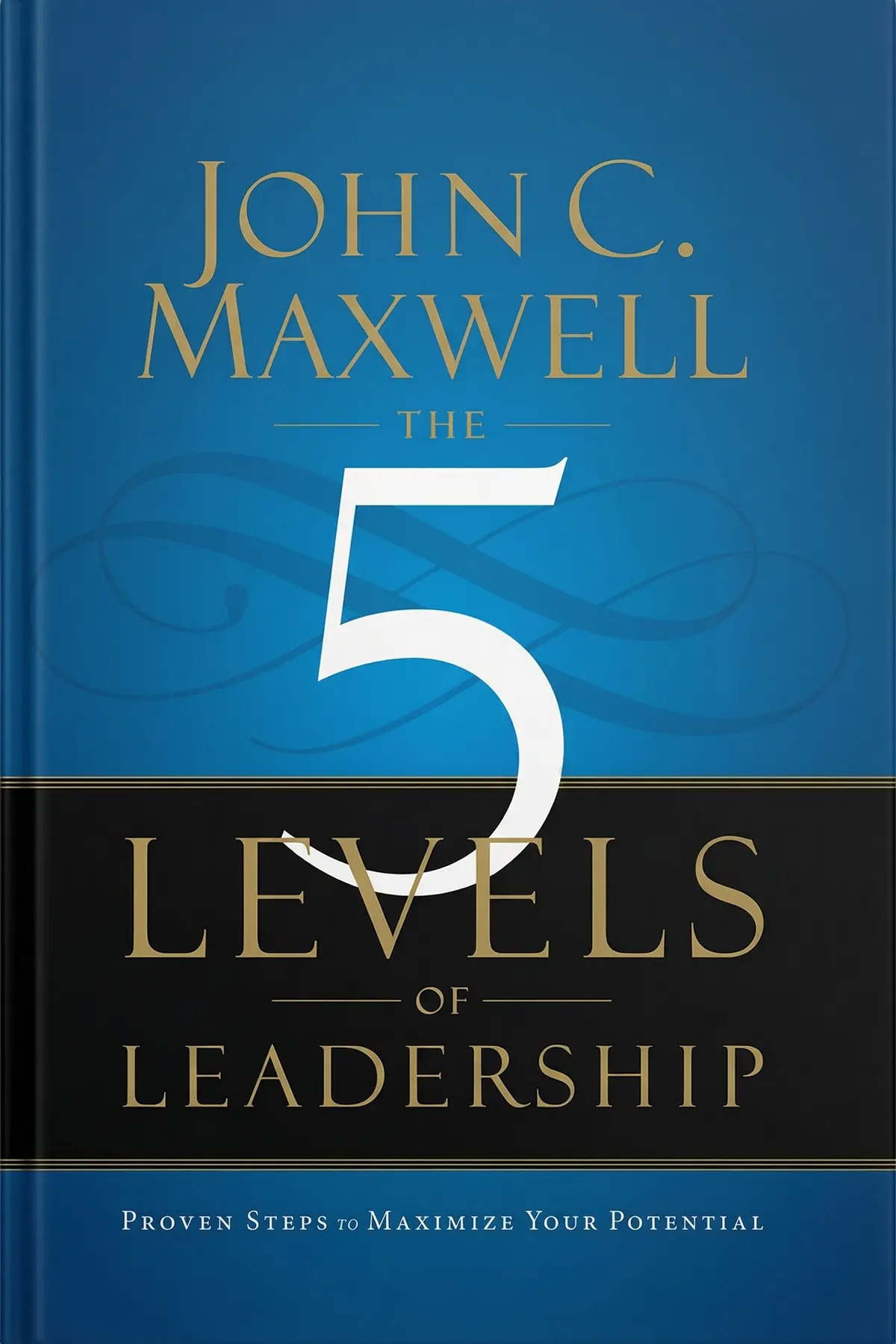
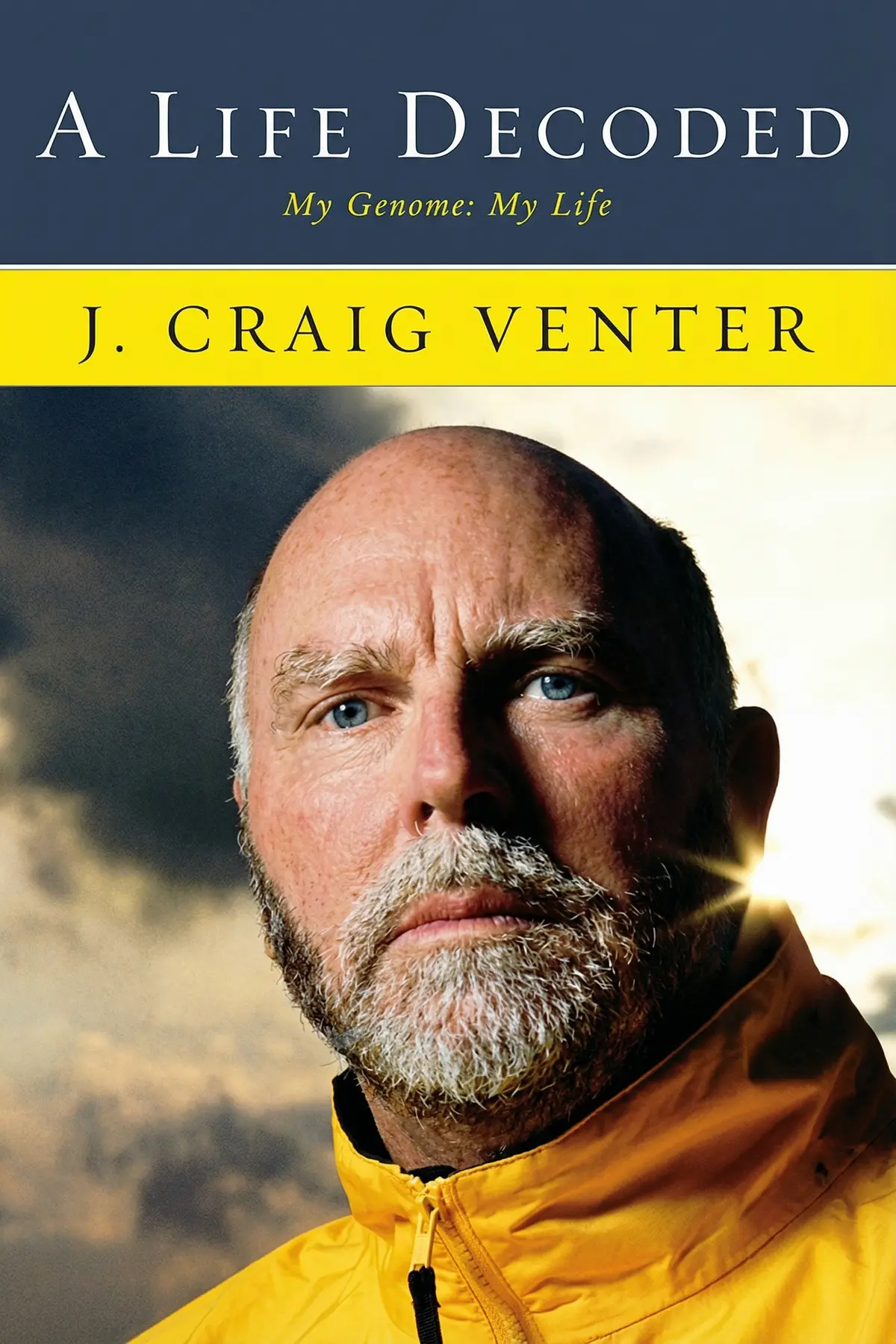
A Life Decoded: My Genome: My Life
J. Craig Venter


A Long Way Gone: Memoirs of a Boy Soldier
Ishmael Beah

All Creatures Great and Small
James Herriot
7 Powers: The Foundations of Business Strategy
Hamilton Helmer

AUDIO SUMMARY AVAILABLE
Listen to Play Nice But Win in 15 minutes
Get the key ideas from Play Nice But Win by Michael Dell, plus 5,000+ more titles in English and Thai.
- 5,000+ titles
- Listen as much as you want
- 7-day free trial
- Cancel anytime







