
19 min 46 sec
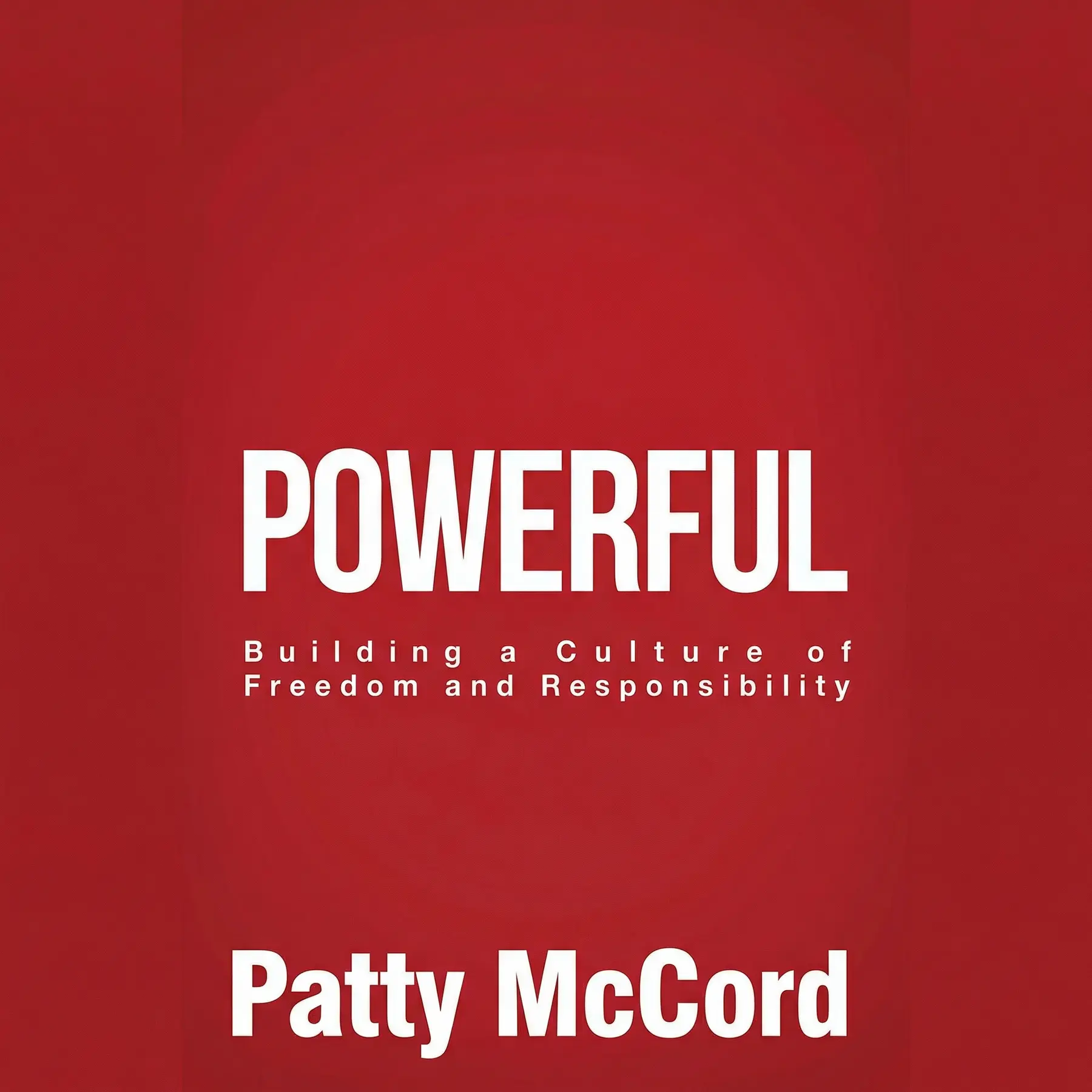
Powerful: Building a Culture of Freedom and Responsibility
By Patty McCord
Powerful explores the unconventional management philosophies that built Netflix. It challenges traditional HR practices, advocating for a culture of radical honesty, high talent density, and treating employees like responsible adults to drive innovation.
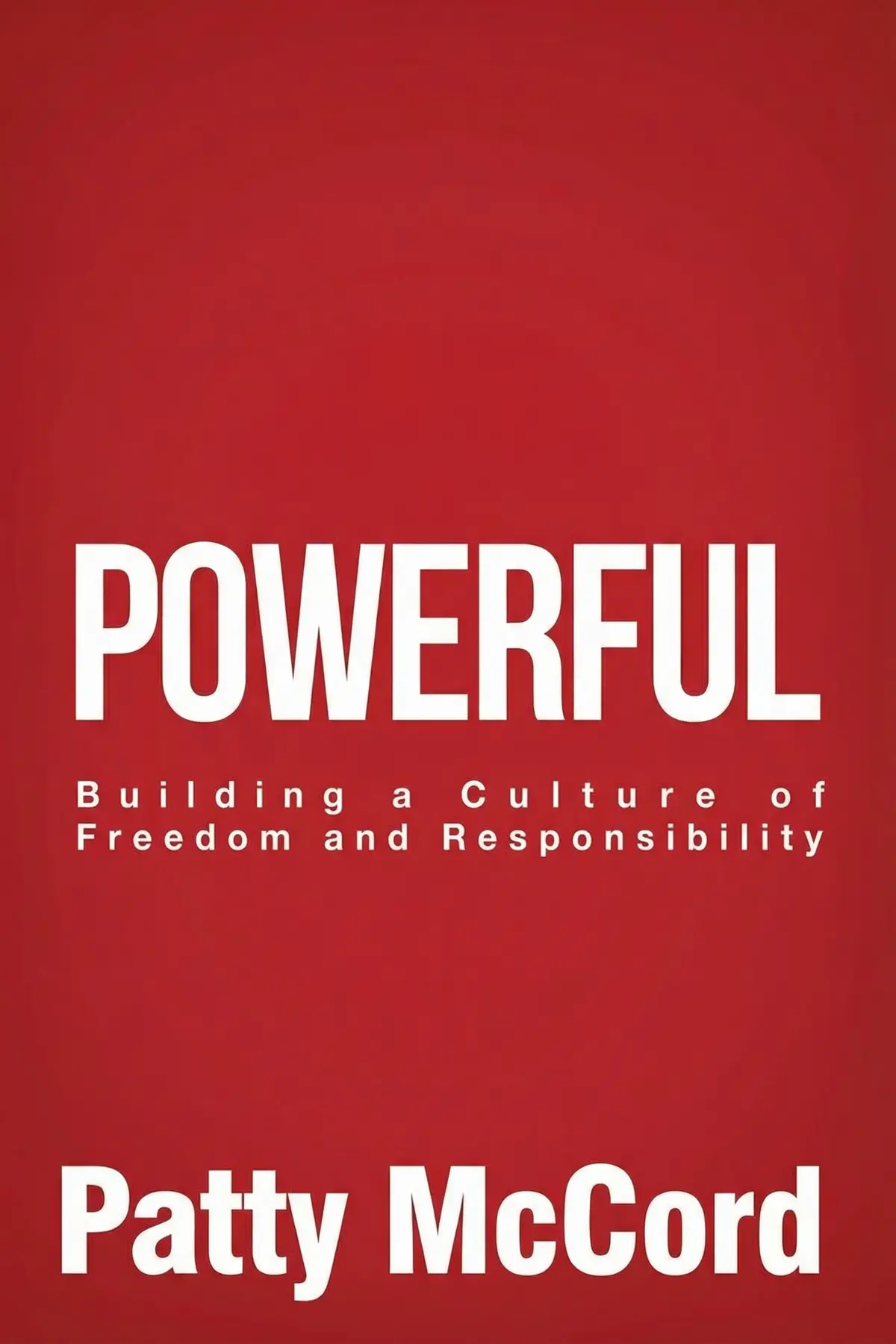
Table of Content
1. Introduction
1 min 42 sec
Think about the modern business landscape for a moment. It is fast, unforgiving, and constantly shifting beneath our feet. Most companies try to handle this volatility by tightening their grip—adding more rules, more layers of approval, and more complex HR policies. But what if the secret to surviving this chaos isn’t more control, but more freedom? This is the central provocation of the book we are exploring today, a deep dive into the unique and often counterintuitive management philosophy that fueled the meteoric rise of Netflix.
At its heart, this is a story about a radical shift in perspective. Instead of seeing employees as people who need to be managed, incentivized, or protected from the harsh realities of business, the approach here is to treat everyone as a high-performing adult who wants to do great work. It’s about building a culture where the main goal isn’t just to follow the rules, but to achieve excellence in the service of the customer.
Throughout this summary, we are going to look at the eight core management practices that Netflix used to become an agile giant. We’ll talk about why the traditional ways we give feedback and hire talent are often broken, and how a commitment to radical honesty can actually make a team stronger rather than tearing it apart. We’ll also look at how to build a team that isn’t just right for today, but ready for the challenges of next year. By the end, you’ll see how a culture built on freedom and responsibility doesn’t just make for a more pleasant workplace—it creates a business capable of adapting at a speed most competitors can only dream of. Let’s get started by looking at how to trim the fat from your corporate structure to find true agility.
2. Embracing Lean Agility Through Employee Freedom
2 min 13 sec
Traditional corporate structures often stifle innovation. Discover why reducing rigid procedures and trusting employees to solve problems leads to a more responsive and efficient organization.
3. Bridging the Knowledge Gap with Constant Communication
2 min 04 sec
When employees don’t understand how the business works, they can’t contribute fully. Learn how transparent, high-level context empowers every team member to make better decisions.
4. The Growth Power of Radical Honesty
2 min 01 sec
Politeness can often hinder progress. Discover how creating a culture of candid, respectful feedback fosters continuous improvement and eliminates hidden resentments.
5. Elevating Facts Over Opinions and Data
2 min 12 sec
Debate is a sign of health, not discord, provided it’s built on a foundation of facts. Learn to distinguish between helpful data and the broader reality of the business.
6. Building Your Team for the Future, Not the Present
1 min 43 sec
Managers often hire to fix today’s problems. Learn why you should instead be building the team you’ll need six months from now to ensure long-term success.
7. Integrating HR as a Strategic Business Partner
2 min 03 sec
HR shouldn’t be a siloed department focused only on compliance. See how deep technical knowledge in recruiting can solve critical business challenges under tight deadlines.
8. Determining Compensation Based on Future Value
1 min 54 sec
Salary surveys only tell you what’s average, not what’s fair. Learn how to calculate pay based on the unique value an employee will create for your organization.
9. The Necessity of Continuous Feedback and 'Fitting' for the Future
2 min 08 sec
The annual performance review is often a post-mortem of past mistakes. Discover why regular one-on-one feedback and a clear-eyed view of employee ‘fit’ are essential for a healthy culture.
10. Conclusion
1 min 46 sec
As we reach the end of our journey through the philosophy of Powerful, it is clear that the Netflix model is not for everyone. It requires a level of courage and transparency that can be deeply uncomfortable for those used to the safety of traditional corporate structures. However, for those willing to embrace it, the rewards are immense. We’ve seen that by stripping away unnecessary rules and treating employees like responsible adults, you create a space where innovation can actually flourish. We’ve explored how radical honesty, while potentially painful in the short term, is the only way to build a team that truly grows together.
We’ve also looked at the importance of hiring for the future, integrating HR into the heart of the business, and rethinking compensation to reflect true value. Perhaps the most important takeaway is the shift from viewing employees as people to be managed to viewing them as partners in a mission. This doesn’t mean it’s a ‘family’ where everyone stays forever regardless of performance; it’s more like a professional sports team where every player is there because they are the best at what they do and are committed to winning.
The actionable closing here is to look at your own organization or team. Where are the ‘rules’ getting in the way of results? Where could a dose of radical honesty solve a problem that’s been lingering for months? Start small. Practice giving actionable, respectful feedback in the moment. Share a bit more of the business context with your team today than you did yesterday. By slowly building a culture based on freedom and responsibility, you’ll find that you don’t just have better employees—you have a business that is truly powerful.
About this book
What is this book about?
Powerful provides a behind-the-scenes look at the cultural revolution that transformed Netflix from a DVD-by-mail service into a global streaming powerhouse. Written by former Chief Talent Officer Patty McCord, the book dismantles long-standing corporate myths about employee engagement and management. Instead of relying on complex policies, perks, and rigid hierarchies, McCord argues that the most successful companies are built on a foundation of freedom and responsibility. The book promises a roadmap for leaders who want to create a high-performance environment. It covers the necessity of radical transparency, the art of fact-based debate, and the importance of hiring for the company you want to become rather than the one you are today. By shifting the focus from monitoring behavior to providing clear business context, Powerful offers a provocative and effective strategy for any organization looking to stay agile and competitive in a rapidly changing market.
Book Information
About the Author
Patty McCord
Patty McCord served for almost a decade-and-a-half with the Netflix executive team, experimenting with the company’s workflows and creating a high-performance work culture as a result. McCord is now a consultant serving big corporations and smaller start-ups alike. She is also a frequent public speaker and has contributed to publications such as the Harvard Business Review and NPR.
Ratings & Reviews
Ratings at a glance
What people think
Listeners find this to be an exceptional resource, particularly for those in management, containing perspectives that transform their mindset. Additionally, the prose is excellent, and listeners admire the blunt transparency present throughout the chapters. The book also delivers practical suggestions; one listener portrays it as a hands-on manual for supervising employees at any level, while another points to its convincing case for providing latitude.
Top reviews
David
Finally got around to reading this after hearing so much about the Netflix culture. Honestly, it’s a game-changer for anyone managing a team in a fast-paced environment. McCord’s approach to radical honesty is something every leader should at least consider, even if you can’t implement it all. The truth is, most HR departments are bogged down by outdated rules that actually hinder productivity rather than help it. I loved the section on why we should treat employees like adults rather than children who need constant hand-holding. While some parts feel a bit specific to Silicon Valley, the core message of transparency and high standards is universal. It’s a quick read, but the insights will likely stick with me for a long time.
Show moreJun
As a startup founder, I found McCord’s perspective refreshing and genuinely necessary for our growth stage. The way she dismantles the traditional notion of "company loyalty" in favor of "shared challenges" is brilliant. I especially appreciated the emphasis on making sure every single employee understands how the business actually makes money. It sounds basic, but you’d be surprised how many people are just checking boxes without seeing the bigger picture. My only gripe is that it occasionally feels like she’s patting herself on the back a bit too much for Netflix's success. Still, the practical guide to ditching useless policies is worth the price of admission alone. It’s a compelling argument for radical latitude.
Show moreHenry
Wow. This book completely flipped my perspective on what "culture" actually means in a professional setting. Instead of focusing on perks like free snacks or ping-pong tables, McCord focuses on the work itself and the people doing it. She makes a passionate case for radical candor that I find both terrifying and deeply appealing. Is it for everyone? Probably not. Not gonna lie, the idea of "proactive severance" makes me a bit uneasy, but the logic behind it is sound if you’re aiming for world-class results. The book is short, sharp, and cuts through the noise of typical management fluff. Highly recommended for anyone tired of the "we are family" corporate facade that often masks underperformance.
Show moreMoon
Patty McCord writes with a wonderful, irreverent style that cuts right through the corporate fluff. This isn't your typical "how to be a nice boss" book; it's a manifesto for building a high-performance machine. I particularly resonated with the chapter on radical honesty and how much time we waste dancing around the truth in meetings. In my experience, most teams fail because they’re afraid to have the hard conversations McCord encourages. While her approach to letting people go once their skills are no longer a perfect match is harsh, it’s undeniably effective. This is a must-read for any executive who wants to stop managing mediocrity and start leading a powerhouse. It’s easily a 5-star book for the right audience.
Show moreWei
Ever wonder why your HR policies feel like they’re stuck in the 1950s? Patty McCord provides a jarring but necessary wake-up call for the modern workplace. Her "sports team, not a family" metaphor is particularly striking, though I can see why it would make some people uncomfortable. It’s not about being mean; it’s about being incredibly clear about what the business needs to succeed. I’ve started questioning our own annual review process because of this book. Look, the advice is blunt and sometimes feels a little cold, but the efficiency she describes is hard to argue with. If you want to build a high-performance team, you have to be willing to let go of people who no longer fit the mission.
Show moreAurora
This book argues convincingly for giving employees more latitude and treating them like high-functioning adults. McCord’s writing style is wonderful—she’s punchy, direct, and doesn't waste time with corporate buzzwords. I found her stance on eliminating annual performance reviews to be the most liberating part of the book. Why wait a year to tell someone they’re underperforming when you can just have a conversation now? To be fair, her "hire for the future, not the past" philosophy is a tough pill to swallow for those who value long-term job security. However, for managers looking to shake things up, this is a fantastic read. It’s a bold vision of what work could look like.
Show moreKaen
Picked this up on a whim after hearing McCord on a podcast, and I’m glad I did. It’s a practical guide to managing staff that feels grounded in real-world experience, even if that experience is a bit extreme. I love the idea that managers shouldn't be "developing" people as their primary job, but rather building the best product possible. It’s a contrarian take that most HR professionals would find sacrilegious, which is exactly why it’s so compelling. The book is excellently written and avoids the dry, academic tone of most leadership books. Some of the advice regarding compensation based on market value seems a bit risky, but the overall message of transparency is spot on. It changed my thinking.
Show moreZanya
After a decade in management, I appreciate how this book challenges the status quo of modern HR. McCord presents a compelling argument for ditching the rules and trusting your people to do the right thing. Frankly, the chapter on compensation was the most eye-opening for me—it’s a totally different way of looking at market value versus internal equity. I do think the book ignores the reality of smaller companies that can’t just "out-hire" their problems, but the philosophy remains valuable. It’s a quick, punchy read that forced me to re-evaluate how much overhead we’ve created in our own department. While it feels a bit like a promotional piece for her consulting business at times, the insights are too good to ignore.
Show moreOksana
The Netflix culture deck is legendary, but this expansion feels a bit stretched at times. While there are definitely some "good nuggets" buried in here, I couldn't shake the feeling of survivorship bias throughout the narrative. McCord writes with a lot of confidence—bordering on arrogance—about methods that worked for one very specific company at one very specific time. Truth is, if you try to fire everyone who isn't a "superstar" in a mid-sized town with a limited talent pool, you'll be out of business in a month. I did like the focus on getting rid of bonuses in favor of higher base pay, though. It’s an interesting read, but take the God-like proclamations with a heavy grain of salt.
Show moreLaddawan
To be fair, I expected more than just a long-winded version of a PowerPoint presentation. I’ve seen the Netflix culture deck before, and I’m not sure the book adds enough value to justify the extra hours spent reading. McCord comes across as if she’s levitating above the rest of us, bestowing wisdom that only works if you have billions in VC funding and a global brand. The "sports team" analogy is tired and frankly ignores the human element that keeps many organizations afloat during hard times. Where is the deep dive into the "why" behind the talent identification? I found it frustratingly superficial in parts, focusing more on what they did rather than the psychological root causes. It's an empty read for me.
Show moreReaders also enjoyed
7 Powers: The Foundations of Business Strategy
Hamilton Helmer
A Bigger Prize: How We Can Do Better Than the Competition
Margaret Heffernan
A Year with Peter Drucker: 52 Weeks of Coaching for Leadership Effectiveness
Joseph A. Maciariello
AUDIO SUMMARY AVAILABLE
Listen to Powerful in 15 minutes
Get the key ideas from Powerful by Patty McCord, plus 5,000+ more titles in English and Thai.
- 5,000+ titles
- Listen as much as you want
- 7-day free trial
- Cancel anytime







