
14 min 40 sec
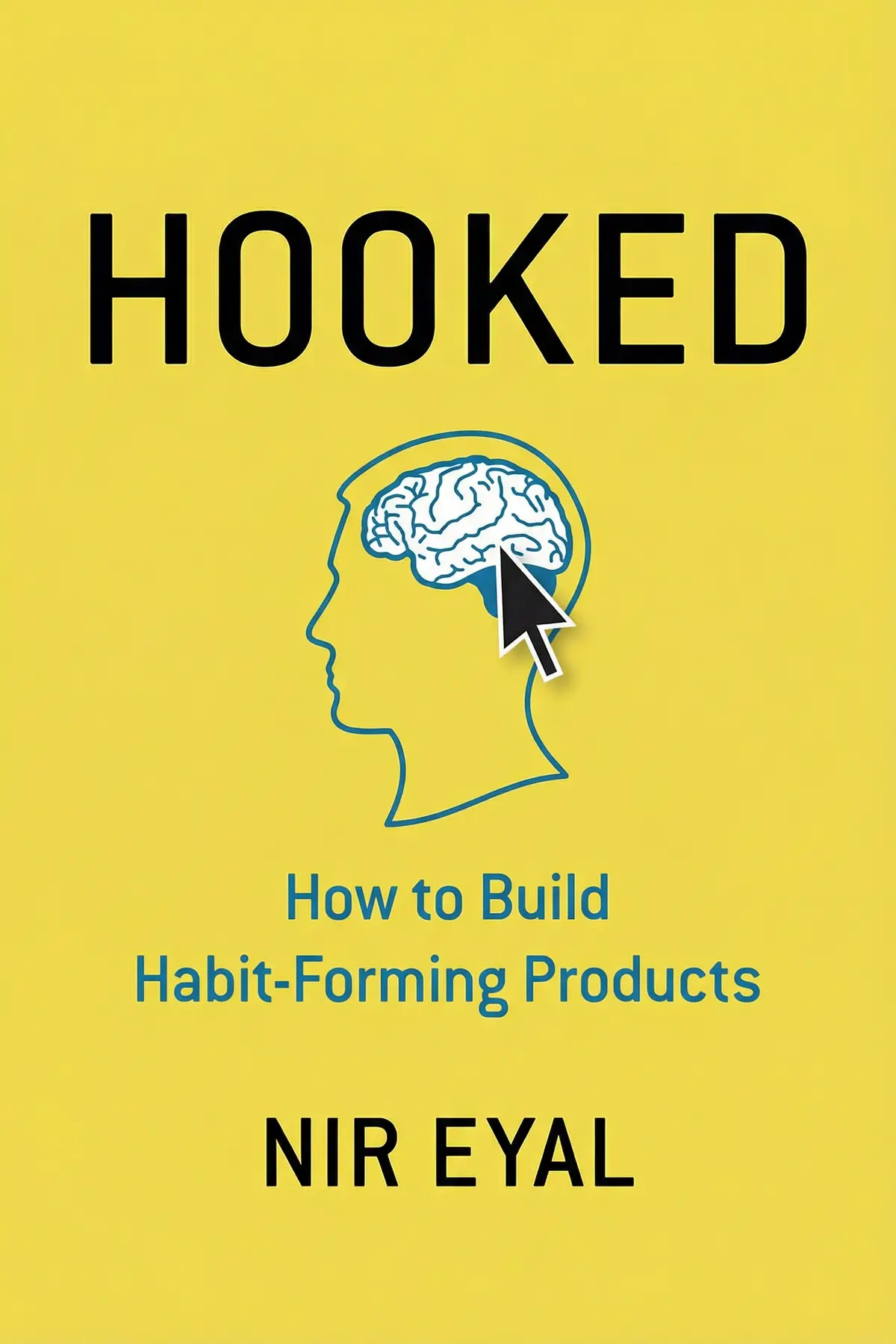
Problem Hunting: The Tech Startup Textbook
By Brian Long
Learn the essential strategies for launching and scaling a tech startup by focusing on identifying real-world problems, building high-performing teams, and mastering the nuances of sales, marketing, and company culture.
Table of Content
1. Introduction
1 min 26 sec
Every year, thousands of new tech startups are born, but only a tiny fraction survive to become industry leaders. Why do some thrive while others vanish? The difference often lies in the starting point. Many founders fall in love with their own ideas or flashy technology, but the most successful ventures are built on a much more grounded foundation: the identification and resolution of genuine, painful problems. In this exploration of the startup landscape, we are diving into the core principles required to build a business from the ground up, moving beyond the hype to the practical mechanics of growth.
We will navigate through the essential phases of the startup lifecycle. This journey begins with the pursuit of product-market fit—that magical moment when what you have built aligns perfectly with what the market desperately needs. From there, we will look at how to build the human engine of your company, focusing on culture and recruitment strategies that attract top-tier talent. Finally, we will examine the tactical side of scaling, covering the marketing and sales frameworks that turn a good product into a dominant market force. This isn’t just about the ‘what’ of starting a business; it’s about the ‘how’—the systematic hunt for problems and the relentless pursuit of their solutions. By the end of this summary, you’ll have a clear framework for navigating the highs and lows of the tech world, ensuring your venture has the best possible chance of reaching long-term success. Let’s explore how to turn the chaos of a startup into a structured path toward a thriving, profitable enterprise.
2. Securing Product-Market Fit Through Problem Discovery
2 min 33 sec
Discover why the secret to a successful product isn’t a flash of genius, but a methodical approach to uncovering the deep-seated frustrations of your future customers.
3. Establishing a Culture That Empowers Growth
2 min 25 sec
Learn how to move beyond superficial office perks to create a core set of values that act as a decision-making engine for your entire team.
4. The Strategic Art of Recruiting Builders
2 min 10 sec
Discover the specific personality traits you should look for in your first hires and why the CEO must remain the lead recruiter during the early stages.
5. Marketing as a Problem-Solving Engine
2 min 21 sec
Move beyond creative buzzwords and learn why clarity, repetition, and category leadership are the true drivers of market dominance.
6. Mastering Sales and the Critical First Customers
2 min 26 sec
Explore the tactical side of closing deals and discover why your first fifty customers deserve to be treated like royalty.
7. Conclusion
1 min 19 sec
Building a tech startup is a marathon of problem-solving, not a sprint of great ideas. As we have seen, the journey begins with a relentless focus on the market, using structured discovery to find the pain points that people are willing to pay to resolve. This hunt for problems doesn’t end with the product; it extends into the way you build your culture and how you select the ‘builders’ who will make up your core team. A startup’s strength is its people, and by fostering a culture of action and excellence, you create an environment where those people can do their best work.
On the tactical side, success requires a commitment to clarity in marketing and a proactive approach to sales. By striving for category leadership and treating your early customers with extraordinary care, you build the momentum necessary to scale. The throughline of all these strategies is the transition from a founder’s vision to a market-validated reality. If you stay focused on the real problems of your customers, maintain a high bar for your team, and execute with discipline, you can navigate the complexities of the tech world with confidence. Now, it is time to take these insights and apply them to your own venture. Start the hunt, find the problem, and build the solution that the market is waiting for. Success in the startup world is rarely an accident; it is the result of a deliberate, well-executed plan.
About this book
What is this book about?
Many entrepreneurs start with a solution in search of a problem, but true success comes from the opposite approach. This summary explores the methodology of identifying deep-seated market needs and building a business around solving them effectively. It provides a comprehensive roadmap for the entire startup journey, from the initial spark of an idea to the complexities of scaling a large organization. You will learn how to achieve the elusive product-market fit by engaging directly with potential customers and using data-driven tools to validate your findings. The promise of this guide is to move beyond the surface-level advice often found in the tech world. Instead, it offers actionable strategies for recruiting the right people, fostering a culture that prioritizes action, and developing marketing and sales engines that turn prospects into lifelong advocates. By the end, you will understand how to transform a fledgling startup into a market leader by staying focused on the problems that truly matter to your audience.
Book Information
About the Author
Brian Long
Brian Long is the cofounder and chairman of Attentive, a prominent tech startup that has grown to employ over 1,000 individuals and generate substantial annual sales. Before his success with Attentive, Long cofounded TapCommerce, a venture that was eventually acquired by Twitter for a sum exceeding $100 million. His extensive background includes raising significant amounts of capital and providing leadership for some of the most successful companies in the technology sector.
Ratings & Reviews
Ratings at a glance
What people think
Listeners consider this title essential reading, offering practical takeaways for those looking to start a business. The flow of the content is well-received, as one listener points out how carefully the chapters have been divided. There is praise for how well it applies to the technology sector, with one listener characterizing the work as a playbook for managing a startup the right way.
Top reviews
Muk
This book is essentially a blueprint for anyone trying to navigate the messy early days of a tech startup. Brian Long cuts through the usual fluff found in entrepreneurship guides by focusing on the gritty reality of finding product-market fit. I found the section on hiring 'builders' particularly enlightening, as it shifts the perspective from just filling roles to finding people who actually want to create. While the pacing is fast, some might find the heavy emphasis on sales tools like LinkedIn Sales Navigator a bit too tactical for a general guide. Nevertheless, the actionable lessons regarding the Problem Definition Document (PDD) provide a structured way to validate ideas before wasting capital. It feels like a playbook written by someone who has actually been in the trenches, making it a must-read for first-time founders.
Show morePiyanart
Wow, I wish I had this when I was launching my first venture years ago. The emphasis on achieving product-market fit through rigorous engagement with potential buyers is exactly what most founders overlook. Long explains how to use tools like LinkedIn to find decision-makers and get the feedback necessary to refine a product. The book isn't just about the 'what,' but the 'how,' providing a roadmap for everything from SDR hiring to customer retention. I found the emotional core of the book—the idea that you must be passionate about the problem—to be very resonant. If you are serious about building something that lasts, this book provides the foundational steps to make it happen.
Show moreKiattisak
Finally got around to finishing this, and I’ve got to say, the segmentation of the chapters makes it incredibly digestible. Long divides the journey from ideation to scaling in a way that feels logical and meticulous. The focus on overinvesting in customer support early on is a take you don't hear often enough in the 'move fast and break things' culture. However, some sections on aggressive case study funding felt a bit repetitive towards the end of the book. It’s a solid resource for tech-heavy founders who might be great at building but struggle with the marketing and sales side of the house. Truth is, the advice on creating urgency in your messaging is probably the most valuable takeaway here.
Show moreIvan
Brian Long doesn't pull any punches here, offering a high-octane guide to the startup lifecycle. The way he breaks down the transition from finding a problem to building a team of 'builders' is genuinely impressive. I particularly enjoyed the section on the Problem Definition Document; it’s a tool I’ve already started implementing with my own team to ensure we aren’t just chasing ghosts. Frankly, the pacing is so fast that you might need to read it twice to catch all the nuances of his recruitment strategy. While some might find the focus on aggressive sales a bit overwhelming, it’s a necessary reality check for founders who think a good product sells itself. This is a practical, no-nonsense roadmap.
Show moreNatnicha
After hearing about Brian's success with Attentive, I had high hopes for this book, and it mostly delivered. It reads like a playbook for running a startup correctly, with a heavy emphasis on data-driven decision-making. I loved the focus on 'builders' and the rejection of the 'perks-as-culture' myth that has plagued Silicon Valley for too long. My only real complaint is that the marketing section feels a bit repetitive with its heavy reliance on case study funding. Still, the core message about aligning your product development with validated customer needs is timeless. It’s an essential addition to any founder’s library, providing a clear path through the noise of the tech world.
Show moreDiego
As someone who has worked in tech for a decade, I found the core concepts here to be a mixed bag. The title 'Problem Hunting' suggests a deep dive into discovery calls and ideation, yet a massive chunk of the text is devoted to sales and scaling. Truthfully, if you are looking for a guide on how to interview users, you might find this a bit lacking compared to other specialized texts. That said, the discussion on building a company culture through values rather than perks is spot on. Long argues that culture is about decision-making, not ping-pong tables, which is a refreshing perspective. It’s a decent read for the recruitment advice alone, especially the part about the first ten employees.
Show moreTitiluck
Ever wonder why most startups fail within two years? This book suggests it’s because they solve problems that don't actually exist or lack the right team to execute the solution. I appreciated the specific tools mentioned, like using LinkedIn Sales Navigator and Google Forms to gather real-world data early. The writing style is direct and leans heavily into the 'playbook' feel, which keeps you engaged without getting lost in theory. One minor gripe is that the tone can be a bit prescriptive at times, almost as if there is only one way to scale. If you're building an enterprise SaaS company, this is gold, but consumer-facing founders might need to adapt these specific strategies.
Show moreKom
The chapter on the Problem Definition Document was worth the price alone, but the rest of the book felt a little uneven. It starts strong with ideation and validation, but then it spends a disproportionate amount of time on sales tactics and CRM tools. In my experience, the hardest part of a startup is the very beginning, and I wish there was more depth there. The advice on hiring is solid, though—specifically the idea that your first ten hires define your trajectory for years to come. It’s a good book for a weekend read, but don’t expect a deep philosophical inquiry into entrepreneurship. It’s more of a tactical manual for growth than a book on ideation.
Show morePatcharaporn
To be fair, the advice is solid but feels very specific to the enterprise SaaS world where Brian Long has made his mark. If you’re building a niche consumer app, the heavy focus on SDRs and LinkedIn Sales Navigator might not apply to your daily grind. I did appreciate the meticulous segmentation of the chapters, which makes it easy to jump around to the sections most relevant to your current stage. The section on one-on-one meetings and team alignment was surprisingly insightful for a book that spends so much time on sales. It’s a middle-of-the-road read for me because of the narrow focus, but for the right audience, it’s easily a powerful manual.
Show moreRatchada
Not what I expected based on the title, to be fair. I was hoping for a masterclass in the 'hunting' phase—the messy, early-stage discovery of a pain point. Instead, the book pivots very quickly into sales development representatives (SDRs) and aggressive marketing tactics. Look, the advice is functional, but it feels like it belongs in a book called 'Sales Scaling' rather than one about finding a problem. There is a lot of talk about investing heavily in personnel and sales, which feels like a strategy reserved for those with deep VC pockets. If you aren't already funded, some of these 'essential' steps will feel completely out of reach. It’s okay, but it lacks the nuance of lean startup methodologies.
Show moreReaders also enjoyed

7 Powers: The Foundations of Business Strategy
Hamilton Helmer



Alibaba: The House That Jack Ma Built
Duncan Clark
Being Boss: Take Control of Your Work and Live Life on Your
Kathleen Shannon
Better and Faster: The Proven Path to Unstoppable Ideas
Jeremy Gutsche
AUDIO SUMMARY AVAILABLE
Listen to Problem Hunting in 15 minutes
Get the key ideas from Problem Hunting by Brian Long, plus 5,000+ more titles in English and Thai.
- 5,000+ titles
- Listen as much as you want
- 7-day free trial
- Cancel anytime







