
25 min 53 sec
Richard Nixon: The Life
Explore the complex life of America’s thirty-seventh president. This biography charts Richard Nixon’s journey from a modest California upbringing to the pinnacle of global power and his eventual, dramatic fall from grace.
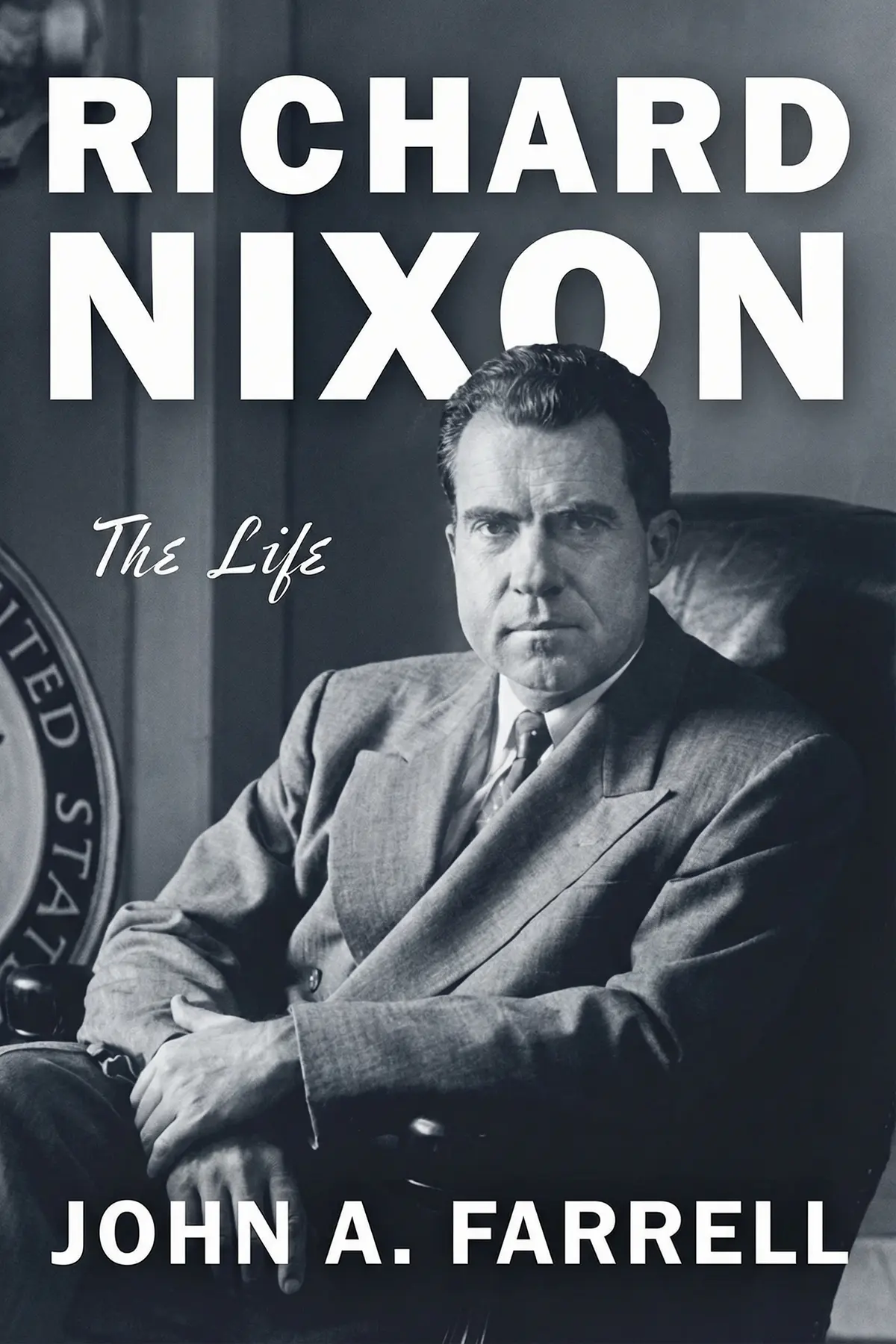
Table of Content
1. Introduction
2 min 14 sec
The story of Richard Nixon is often told through the lens of a single word: Watergate. It is a name that has become synonymous with political scandal, a shorthand for the loss of public trust and the fall of a powerful leader. However, to truly understand the man who stood at the center of that storm, we have to look far beyond the headlines of 1974. We have to look at a life that was as typically American as it was uniquely troubled. Richard Nixon was a man of immense contradictions. He was a Quaker who became a naval officer, a shy boy who mastered the art of public speaking, and a politician who reached for the heights of international peacemaking while secretly succumbing to the depths of paranoia.
This journey doesn’t start in the Oval Office, but rather in a small bungalow in rural California, where a young boy looked at the world with a mixture of hope and resentment. Nixon was a man who felt he had to earn every inch of progress, and that sense of struggle defined his entire career. He was the ultimate outsider who clawed his way into the ultimate inner circle. His life serves as a mirror to the twentieth century, reflecting the fears of the Cold War, the social upheavals of the 1960s, and the shifting dynamics of global power.
In this summary, we will trace the arc of a career that saw Nixon rise from a junior lawyer to the youngest vice president in a century, through years of political exile, and finally to a presidency that changed the map of the world. We will explore how his strategic brilliance was often haunted by a suspicion of those around him, and how his greatest triumphs were frequently followed by his most significant mistakes. By looking at the throughline of his character—the relentless drive, the pragmatic flexibility, and the eventual siege mentality—we can begin to grasp the full complexity of the thirty-seventh president. This is not just a chronicle of policy and elections; it is a human story about the burden of ambition and the enduring impact of a man who, for better and for worse, refused to be forgotten by history.
2. The Roots of a Resilient Outsider
2 min 58 sec
Experience the early hardships that forged a future president, from the lemon groves of California to the tragic loss of siblings that shaped his worldview.
3. The Birth of a Political Fighter
2 min 54 sec
Witness the aggressive tactics and strategic brilliance that propelled a young lawyer into the national spotlight during the early Cold War era.
4. Navigating the Shadows of Power
3 min 27 sec
Follow Nixon’s transformation from a controversial vice president to a seasoned diplomat, and see how a single speech saved his career.
5. The Strategic Resurrection
3 min 13 sec
Discover how Nixon reinvented himself after years in the political wilderness, positioning himself as the voice of the ‘silent majority’ during a time of national chaos.
6. Reshaping the Global Landscape
3 min 04 sec
Explore the bold diplomatic maneuvers that changed history, from the historic reopening of China to the complex negotiations with the Soviet Union.
7. The Fortress of Paranoia
3 min 09 sec
Go inside the bunker mentality of the Nixon White House and see how the leaks of the Pentagon Papers triggered a disastrous chain of events.
8. The Fall and the Long Shadow
2 min 46 sec
Witness the final days of the Nixon presidency, the weight of the incriminating tapes, and the enduring legacy of a man who sought the title of peacemaker.
9. Conclusion
2 min 08 sec
Richard Nixon’s life was a dramatic arc of ascent and descent, a journey that took him from the edges of society to the very center of the world stage. He was a man who possessed a remarkable capacity for resilience, bouncing back from political defeats that would have ended the careers of lesser men. His presidency was a time of immense change, characterized by visionary foreign policy that paved the way for the modern world. He was a strategist who understood the power of the bold gesture and the importance of looking past immediate conflicts to see the broader shifts in global influence. For these reasons, he remains a figure of enduring historical significance, a man who truly shaped the twentieth century.
Yet, the story of Richard Nixon is also a tragedy of character. His greatest successes were consistently undermined by the insecurities and resentments he carried from his youth. The same drive that allowed him to overcome his humble beginnings also fostered a deep suspicion of others and a willingness to bypass the rules in pursuit of his goals. His downfall was not a matter of bad luck, but the logical conclusion of a lifetime spent in a state of perceived siege. He showed us that even the most brilliant mind and the most powerful office are not enough to protect a leader from their own flaws.
Ultimately, what we can take away from Nixon’s life is a deeper understanding of the complexity of leadership. He was neither a pure villain nor an untarnished hero, but a man of intense contradictions. His legacy is a reminder that the pursuit of power is a double-edged sword, capable of both monumental achievement and devastating personal failure. As we look back on his time in office, we are forced to grapple with the reality that the “peacemaker” and the man behind “Watergate” were one and the same. His life stands as a powerful testament to the fact that our greatest strengths and our greatest weaknesses are often intertwined, and that the true measure of a person lies in the balance between the two.
About this book
What is this book about?
This biography provides a deep and nuanced look into the life of Richard Nixon, a man defined as much by his monumental political achievements as by his self-destructive impulses. It follows his path from the lemon groves of Yorba Linda to the halls of Congress, through his tenure as a transformative vice president, and finally to the White House. Along the way, it examines the pivotal moments that shaped modern history, including his groundbreaking diplomatic overtures to China, the strategic maneuvering of the Cold War, and the internal conflicts over civil rights. Beyond the policy, this narrative delves into the psychological landscape of a leader who felt like a permanent outsider. It explores how his formative years and personal tragedies fueled a relentless ambition and a pervasive sense of paranoia. The book ultimately reveals how these very traits, which propelled him to the presidency, became the instruments of his downfall during the Watergate scandal. It is a story of resilience, political genius, and the tragic flaws that can unravel a legacy, offering a complete picture of one of the most controversial figures in American history.
Book Information
About the Author
John A. Farrell
John A. Farrell is a distinguished American writer and journalist known for his meticulous biographical work. He previously served on the prestigious Spotlight team at the Boston Globe and has authored acclaimed biographies of figures such as Clarence Darrow and Tip O’Neill. His work on Richard Nixon: The Life earned him recognition as a Pulitzer Prize finalist, cementing his reputation for insightful historical analysis.
Ratings & Reviews
Ratings at a glance
What people think
Listeners find this biography thoroughly researched and expertly crafted, with one listener remarking that it is the top volume about a complex political figure. The work is lauded for its flow and engaging pace, offering an outstanding objective portrait of Nixon's life. Listeners view it as essential reading for Nixon enthusiasts and value its balanced perspective on the subject.
Top reviews
Chloe
This biography is a masterclass in objective storytelling. Farrell manages to capture the staggering ambition of the "grocer's boy" without falling into the trap of cheap psychobabble. I was particularly gripped by the sections on the Chennault Affair, where the author lays out the evidence of Nixon’s interference in the 1968 peace talks. It’s chilling to realize how far he was willing to go just to secure an electoral advantage. The prose flows effortlessly, making 700-plus pages feel like a brisk political thriller. While the book doesn't shy away from his ruthlessness, it also acknowledges his genuine geopolitical foresight. This is easily the most comprehensive single-volume account of the 37th President currently available. If you want to understand how "Tricky Dick" was forged, look no further than these pages.
Show moreCooper
Ever wonder why Richard Nixon remains such a polarizing figure decades after his death? Farrell dives deep into the childhood tragedies that shaped a man who viewed every interaction as a battle for survival. I found the coverage of his early California campaigns against Jerry Voorhis and Helen Gahagan Douglas to be eye-opening. He didn't just evolve into a street fighter; he was born one, using Red-baiting tactics from the very start. The author treats Nixon as a tragic figure rather than a cartoon villain, which makes the eventual downfall during Watergate feel even more inevitable. It is a dense read, yet the narrative never stalls under the weight of its scholarship. Truly, this is an essential addition to any history buff’s shelf.
Show moreVilaiporn
As someone who has always been fascinated by the Nixon-Kissinger dynamic, I found this biography refreshing for its singular focus on the man himself. Farrell paints a portrait of a leader who was neither purely moral nor immoral, but fundamentally amoral. He captures the "assassin’s dilemma" of his vice-presidential picks and his constant need to bludgeon opponents into submission. The comparison to other titans like LBJ and JFK is subtle but effective. You see the "silent majority" champion who was simultaneously terrified of the Eastern Establishment he desperately wanted to join. It is a deeply humanizing look at a person who often didn't seem to like people very much. Highly recommended for the scholarship and the sheer narrative drive.
Show moreLuke
Look, if you want a biography that reads like a novel, this is the one. Farrell has a knack for cutting through political minutiae to get to the emotional core of the scene. I was moved by the descriptions of Nixon’s final days in the White House and that final, rambling farewell address. The contrast between the awkward grocer’s boy and the statesman on the world stage is handled with great sensitivity. It’s rare to find a historian who can maintain this level of pacing over such a long text. He captures the "Darth Vader" persona perfectly while still reminding us of the human being underneath the suit. A masterpiece of distillation that every American should read at least once.
Show moreEmma
Wow. Farrell really delivers on the "missing link" regarding the Vietnam peace process. It’s one thing to hear rumors of sabotage, but seeing the evidence laid out so clearly is a different experience entirely. This book shows a Nixon who was ruthless from day one, not a man who was gradually corrupted by power. From the 1946 House seat to the very end, winning was the only thing that mattered to him. The prose is muscular and direct, avoiding the dry tone that plagues many academic biographies. I finished it feeling a mix of admiration for his intellect and genuine horror at his tactics. It's easily one of the best political biographies I've read in years.
Show morePrae
Picked this up after hearing about the new evidence regarding H.R. Haldeman’s notes. Farrell’s discovery of the "smoking gun" regarding the 1968 election is worth the cover price alone. The writing is incredibly polished, stripping away the layers of myth to reveal a man who was both brilliant and deeply insecure. I appreciated that the book didn't just focus on the scandals, but also gave credit to his domestic achievements like environmental legislation. Some might find the level of detail regarding the Alger Hiss case a bit excessive, but it provides vital context for his rise. To be fair, it’s hard to pack such a massive life into one book, but Farrell succeeds where others have failed.
Show moreTang
The chapter on the Checkers speech remains one of the most vivid depictions of political theater I’ve ever read. It perfectly encapsulates Nixon's ability to weaponize his own insecurities to win over the American public. Farrell does a fantastic job showing how these early escapes from political death only fueled Nixon’s later paranoia. The transition from the "pink lady" campaign to the darkened rooms of the Watergate era feels like a straight line. Frankly, the level of research here is staggering, especially regarding the tapes that would eventually become his undoing. The book balances his geopolitical wins against his personal pettiness with remarkable skill. It’s a long journey, but every chapter adds a necessary layer to the riddle.
Show moreDome
After hearing so much about the "new" Nixon, I finally sat down with Farrell's work. It is an analytical triumph that places the 37th President within the broader context of the Cold War and social upheaval. The author’s ability to weave together foreign policy with the domestic "positive polarization" strategy is nothing short of brilliant. I particularly liked how he handled the selection of Spiro Agnew as a cynical calculated move. It shows a man who was always thinking three steps ahead, even when those steps led toward a cliff. My only minor gripe is that the ending felt a bit rushed compared to the meticulous detail of the early career. Nevertheless, it remains a definitive portrait of a man who destroyed himself through hate.
Show moreOm
Finally got around to finishing this beast, and the truth is, it’s an absolute page-turner. Farrell manages to make the endnotes almost as interesting as the main text, which is a rare feat. He captures the tragedy of a man who had the universe by the nuts and still couldn't stop squeezing until it all shattered. The detail on the "Plumbers" and the bumbling nature of the Watergate break-in provides a needed dose of dark comedy to an otherwise heavy story. It provides a fair treatment of a man who rarely gave his own enemies a fair shake. While it’s a big commitment of time, the insight into American polarization makes it feel incredibly relevant today. A must-read for any enthusiast of 20th-century history.
Show moreFah
Not what I expected given the rave reviews. While I can’t deny that Farrell is a gifted writer, I felt he was occasionally too soft on Nixon’s more egregious actions. The reliance on the "everyone else was doing it" defense when discussing Watergate felt a bit like playground logic to me. Just because LBJ or JFK pushed boundaries doesn't excuse the systemic corruption Nixon fostered within his inner circle. The pacing is excellent, but I wanted more rigorous condemnation of the Chennault Affair instead of just a few pages of "this was bad" before moving on. It’s a solid history, but the tone felt a bit too judicious for my taste. I still think it's worth reading for the research, but take the interpretations with a grain of salt.
Show moreReaders also enjoyed

A Different Kind of Power: A Memoir
Jacinda Ardern
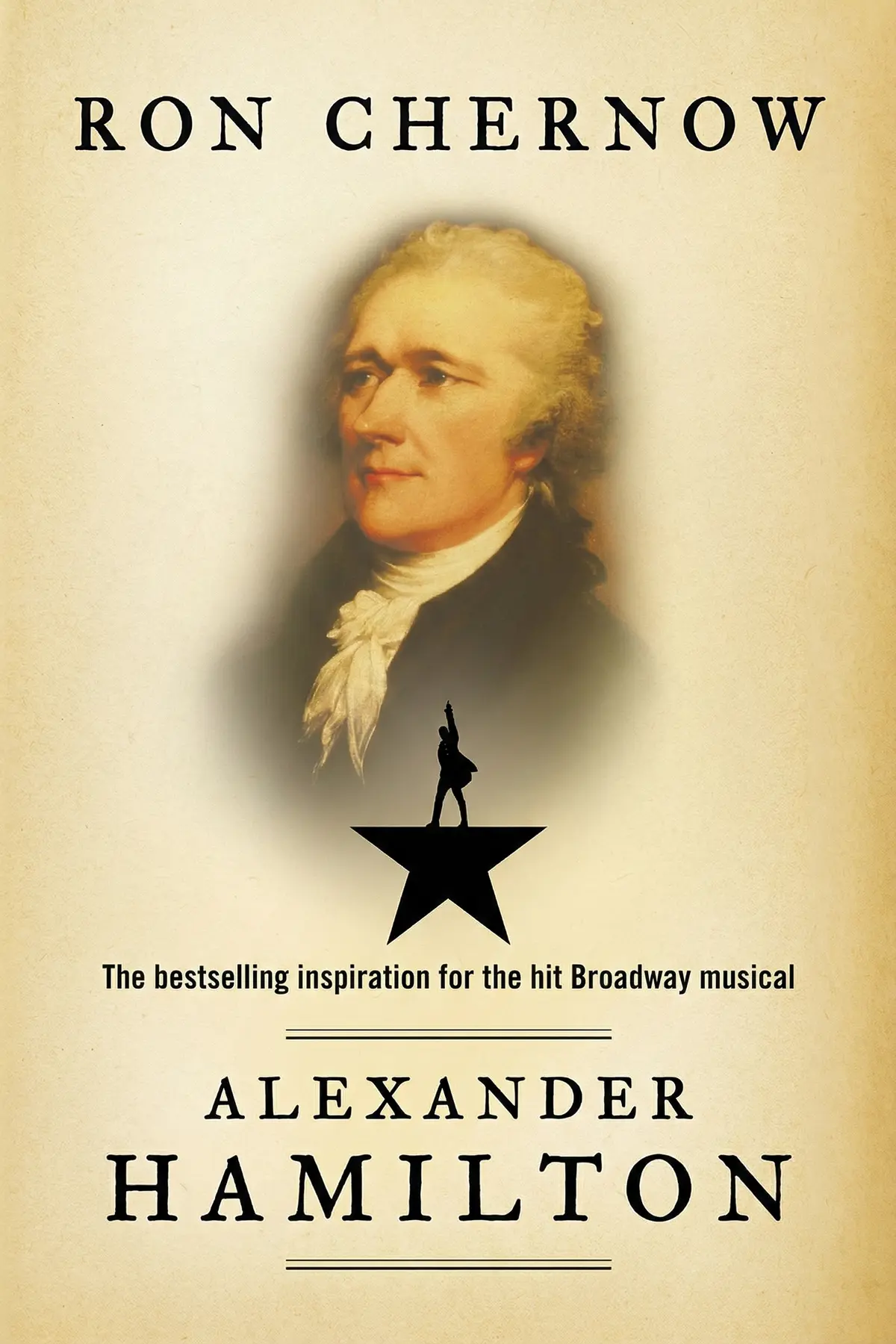
Alexander Hamilton
Ron Chernow
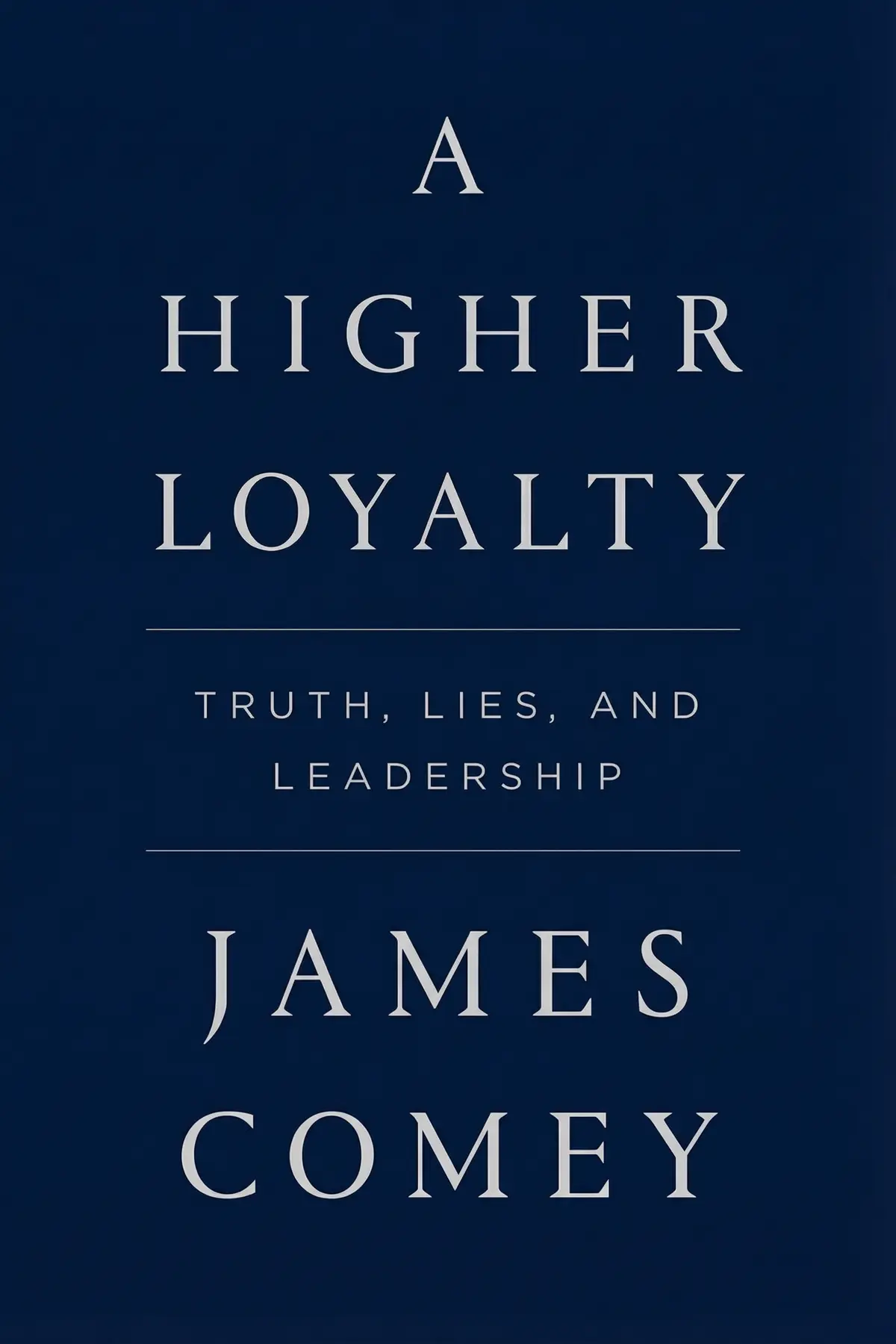
A Higher Loyalty: Truth, Lies and Leadership
James Comey
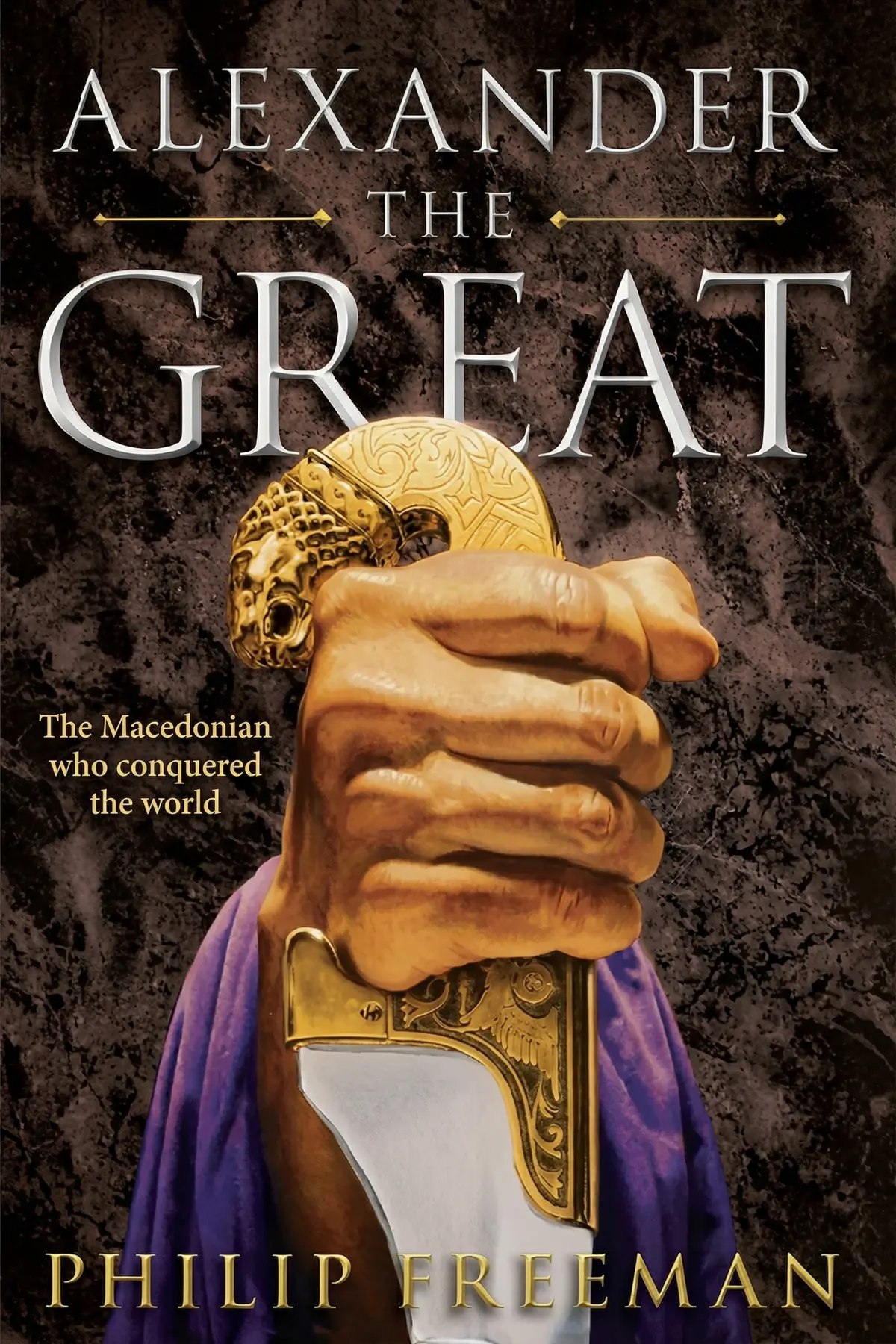
Alexander the Great
Philip Freeman
Abolish Rent: How Tenants Can End the Housing Crisis
Tracy Rosenthal

Ali: A Life
Jonathan Eig
AUDIO SUMMARY AVAILABLE
Listen to Richard Nixon in 15 minutes
Get the key ideas from Richard Nixon by John A. Farrell, plus 5,000+ more titles in English and Thai.
- 5,000+ titles
- Listen as much as you want
- 7-day free trial
- Cancel anytime







