
22 min 56 sec
Sales Management. Simplified.: The Straight Truth About Getting Exceptional Results From Your Sales Team
Discover why sales management, rather than the salespeople themselves, is the primary driver of revenue. This guide offers a no-nonsense approach to building high-performing teams through culture, coaching, and accountability.
Table of Content
1. Introduction
1 min 34 sec
In our popular culture, the image of the salesperson is often less than flattering. We see the desperate, down-on-their-luck characters or the high-pressure, fast-talking sharks who seem more interested in a quick buck than in providing actual value. This stereotype can make the job of a sales manager feel like an uphill battle from day one. However, the reality of business is that sales are the lifeblood of any organization. Without a steady stream of revenue, even the most innovative products and services will eventually wither away. The question, then, is not whether sales are necessary, but how to manage the process so that it leads to exceptional results without falling into those toxic tropes.
In this exploration of Mike Weinberg’s insights, we shift our focus away from the individual salesperson’s tactics and toward the overarching structure of management itself. The central premise here is a powerful one: the success or failure of a sales team usually rests on the shoulders of the manager, not the reps. If a team is struggling, it is often because the leadership has become distracted, the culture has turned sour, or the fundamental processes of coaching and accountability have been neglected.
Over the next several sections, we will walk through a roadmap for simplifying the complex world of sales management. We will look at how to strip away the distractions that eat up your day, how to stop trying to be the hero of every deal, and how to build a culture that rewards performance while maintaining a sense of fairness and camaraderie. The goal is to move past the chaos of the daily grind and establish a clear, focused path toward long-term growth and professional excellence.
2. Escaping the Trap of Non-Sales Distractions
2 min 21 sec
Discover why most sales managers are buried in work that doesn’t actually drive revenue and how to refocus on the core mission of leading a team.
3. The Shift from Individual Performer to Strategic Leader
2 min 12 sec
Learn why being the ‘hero’ of the sales floor actually harms your team’s development and how to embrace your new role as a coach.
4. Defining Roles and Maintaining Accountability
2 min 27 sec
Explore the importance of clear job descriptions and why a fair, performance-based culture is the only way to sustain long-term success.
5. The Art of Modern Sales Training and Communication
2 min 33 sec
Understand how the internet has changed the buyer-seller dynamic and why your team needs to act as consultants rather than pitchmen.
6. Cultivating a Productive Sales Culture from the Top Down
2 min 25 sec
Discover how executive leadership and a focused environment can transform a quiet, stagnant office into a powerhouse of activity.
7. Mastering the Four R’s of Talent Management
2 min 51 sec
Follow a simple four-step framework to ensure you have the best people in the right places and that your team is constantly improving.
8. Strategic Targeting and the Power of the Sales Story
2 min 26 sec
Stop the ‘spray and pray’ approach and give your team the clear targets and compelling narrative they need to win in a crowded market.
9. Effective Monitoring through One-on-Ones and Field Work
2 min 28 sec
Learn how to turn boring status updates into high-impact coaching sessions and why the best management happens outside the office.
10. Conclusion
1 min 39 sec
The journey to becoming an exceptional sales manager is not about finding a complex new system or a high-tech shortcut; it’s about returning to the basics and doing them with absolute discipline. As we’ve seen, the most common barriers to success are distractions, a lack of focus on revenue-generating activities, and a failure to transition from a ‘performer’ mindset to a ‘leader’ mindset. When you clear away the administrative clutter and stop trying to be the hero of every deal, you create the space necessary to truly lead your team.
Everything we’ve discussed comes down to creating a culture of excellence. By following the ‘Four R’s’ of talent management, you ensure that you have the right people in place and that they are given the support and accountability they need to thrive. By refining your sales story and narrowing your strategic targets, you give your team a clear path to victory. And by committing to regular one-on-ones and consistent field work, you establish a coaching rhythm that drives continuous improvement.
The throughline of this approach is simplicity. In a world that is increasingly noisy and complex, the most effective managers are those who can cut through the nonsense and focus on what really matters: people, process, and results. Your job is to be the architect of an environment where success is not just possible, but inevitable. It requires toughness, honesty, and a relentless focus on the core mission. If you can master these principles, you will not only see a transformation in your team’s revenue, but also in the morale, professionalism, and long-term health of your entire organization. Now, it’s time to step away from the desk, get out into the field, and start leading.
About this book
What is this book about?
Many sales organizations struggle not because their products are poor or their salespeople are lazy, but because their management structures are fundamentally broken. Sales Management. Simplified. addresses the common pitfalls that trap even the most well-meaning leaders, such as the distraction of administrative tasks, the misuse of technology, and the failure to foster a healthy sales culture. The book provides a clear framework for turning around underperforming teams. It promises to show you how to transition from being a top-tier individual contributor to an effective leader who empowers others. You will learn the importance of defining clear roles, the necessity of rigorous coaching, and the "Four R’s" of talent management. By the end, you will understand how to simplify your management process to focus on what truly matters: driving results and creating a sustainable environment where top producers thrive and new talent can grow into future stars.
Book Information
About the Author
Mike Weinberg
Mike Weinberg is a highly regarded specialist in sales management and business development. He is a sought-after speaker and coach known for his straightforward, practical advice. Weinberg is the founder of the consultancy firm The New Sales Coach and has earned recognition as the author of the Amazon bestseller, New Sales. Simplified.
Ratings & Reviews
Ratings at a glance
What people think
Listeners find this sales management book provides useful perspectives and hands-on guidance, serving as an exceptional resource for managers. The material is simple to digest and follow, featuring a streamlined structure that helps them stay concentrated on the most important tasks. Listeners value how successfully it aids their development into stronger leaders.
Top reviews
Pannipa
This book is a blunt-force trauma to the ego of any manager who thinks they are 'helping' by closing deals for their team. Mike Weinberg cuts through the corporate fluff to address the 'hero complex' that actually deflates sales reps rather than empowering them. To be fair, I was one of those managers who spent too much time in the CRM and not enough time coaching the fundamentals of the sales story. The distinction he makes between being a hero and a hero-maker changed my entire perspective on leadership. His advice on guarding your calendar like your oxygen supply is worth the price of the book alone. It’s a fast, punchy read that provides a framework you can actually implement tomorrow morning. If you want to stop playing fireman and start building a high-performance culture, stop reading reviews and just buy this. It is the real deal.
Show moreHunter
Finally, a sales book that doesn't hide behind jargon or overly complex Silicon Valley methodologies. Weinberg writes with an 'in-your-face' style that is both refreshing and necessary for the modern executive. Look, we all know we should be coaching more, but this book actually explains the 'how' behind the 'should.' The checklist for sales team meetings—celebrating wins, brainstorming, and role-playing—is something I’ve pinned to my office wall. I’ve seen a noticeable shift in my team’s energy since we started focusing on a sharp, differentiating sales story instead of just acting like commodity vendors. It’s practical, it’s raw, and it gets right to the heart of why teams fail. He doesn't pull any punches when discussing how senior executives often accidentally sabotage their own sales force. Every CEO needs a copy of this to understand what they are doing to their own revenue streams.
Show moreKru
Wow, this was exactly the wake-up call I needed during a particularly rough quarter. I actually 'shotgunned' the audiobook version during a long drive and found myself pulling over to take notes because the insights were so practical. Weinberg manages to capture the frustration of being buried in operational tasks while trying to lead a sales team. The way he describes the 'anti-sales culture' prevalent in many companies hit home for me. Gotta say, his advice on stop asking 'farmers' to do the job of 'hunters' was a lightbulb moment. We had several people in the wrong roles, and once we realigned based on his talent management advice, the atmosphere changed instantly. It’s an engaging, energetic read that feels more like a mentorship session than a dry textbook. It’s the shot in the arm every tired sales manager needs to get back on track.
Show moreSumalee
The chapter on guarding your calendar like oxygen changed the way I look at my work week. I used to let operational leaders pull my team into every project under the sun, which absolutely killed our momentum. Weinberg’s insistence that you don't solve operational problems with sales system changes is a brilliant insight that most companies ignore. Not gonna lie, some of the truths in here are hard to swallow, especially regarding how we tolerate underperformers. He makes a compelling case for why a 'one-size-fits-all' approach to talent is a trap. I’ve started being much more specific about the roles I’m hiring for, looking for genuine hunters rather than just star performers from other industries. This is a practical, no-nonsense guide that cuts through the noise of modern management theory. It is easily one of the most useful business books I’ve read in the last five years.
Show moreNarong
Truth is, I expected another generic manual on 'how to sell,' but this is a deep dive into the culture of winning. As goes the leader, so goes the team—that's the central theme here and it rings true on every page. Weinberg’s style is engaging and filled with real-world anecdotes that make the lessons stick. He identifies exactly why so many sales teams feel like they are spinning their wheels: a lack of focus on goals and a lack of direction from the top. He provides a roadmap for creating a culture that celebrates wins and pursues targets creatively. The advice on equipping your team with a differentiating story is something we implemented immediately, and it has already changed the way our prospects perceive us. We are no longer just vendors; we are partners. If you want to transform your team from a group of individuals into a cohesive unit, this is the book.
Show moreRay
After hearing Mike Weinberg on a podcast, I decided to see if his written advice held the same weight. The truth is, the first part of the book is a bit of a slog because it focuses heavily on what’s wrong with sales cultures, which can feel repetitive if you already know your organization is struggling. However, Part 2 is absolute gold. He provides about 100 pages of priceless strategies that are incredibly easy to understand and execute. I particularly appreciated the section on one-on-one meetings; moving from a generic 'how's it going?' to a structured review of activity and pipeline has already improved my team's focus. My only minor gripe is that some of the anecdotes feel a bit dated, but the core principles remain timeless. It’s a solid resource for anyone leading a sales team in a corporate environment who needs a clear, no-nonsense roadmap.
Show moreThida
Picking this up as a new team lead was the best move I could have made for my career development. The book is written specifically for those of us in the trenches who are struggling to balance results with the endless stream of CRM tasks and internal meetings. In my experience, most business books are 90% theory and 10% action, but Weinberg flips that ratio. He gives you specific questions to ask your team and yourself. I did find the tone a bit aggressive at times, which might not suit every reader's personality, but the results speak for themselves. We’ve already seen a 15% increase in meaningful activity just by implementing his calendar management tips. I would have given it five stars, but some of the sections on hiring felt a bit one-size-fits-all, which doesn't always work in specialized technical sales. Still, it’s a must-read.
Show moreSuthida
Ever wonder why your top producers are struggling despite a 'good' product and a solid market? This book dives deep into the leadership failures that cause those slumps. I found the analysis of why managers compete with their own people to be incredibly candid. It’s a common mistake, but Weinberg explains the long-term damage it does to a team’s morale and commission structure. To be fair, the book focuses a lot on the American corporate perspective, which might be a bit different if you're operating in a smaller, international market. However, the core advice about removing non-sales work from your team is universal. Salespeople need to sell, not do operations. If you can get your leadership to read just the first three chapters, your life as a manager will become ten times easier. It’s a simple, effective framework for winning.
Show moreSarocha
In my experience, most sales managers are just former star sellers who were promoted without any actual training on how to lead. This book fills that gap perfectly. It isn't trying to be fancy; it’s trying to be effective. The author's background in sales consulting shines through in the way he identifies perennial mistakes, like not publishing sales reports or prioritizing CRM data over actual results. I appreciated the emphasis on individual coaching—it really is the foundation of excellence. Personally, I think the section on brainstorming during team meetings was the most helpful for my current situation. It helped us move away from boring status updates to actual collaborative problem-solving. While a few parts felt a bit like common sense, having it all laid out in such a clear, simplified framework is incredibly valuable for staying focused on the right things.
Show moreJoy
While I appreciate the author's extensive background and obvious success in the field, I found myself a little bit disappointed by the lack of depth in certain chapters. Many of the tips are quite simple—perhaps too simple for anyone who has already read the standard sales bibles. Franky, it felt like a three-page checklist that was stretched out with anecdotes to fill a book-length format. The last 25% of the book is definitely the strongest part, but I found myself wishing for more granular details on the actual mechanics of modern sales tech stacks. If you are a small entrepreneur or a startup founder, you might find the advice a bit too geared toward large, legacy corporate teams. It isn't a bad book by any means, and the focus on culture is important, but don't expect any groundbreaking new theories if you're already an experienced sales leader.
Show moreReaders also enjoyed
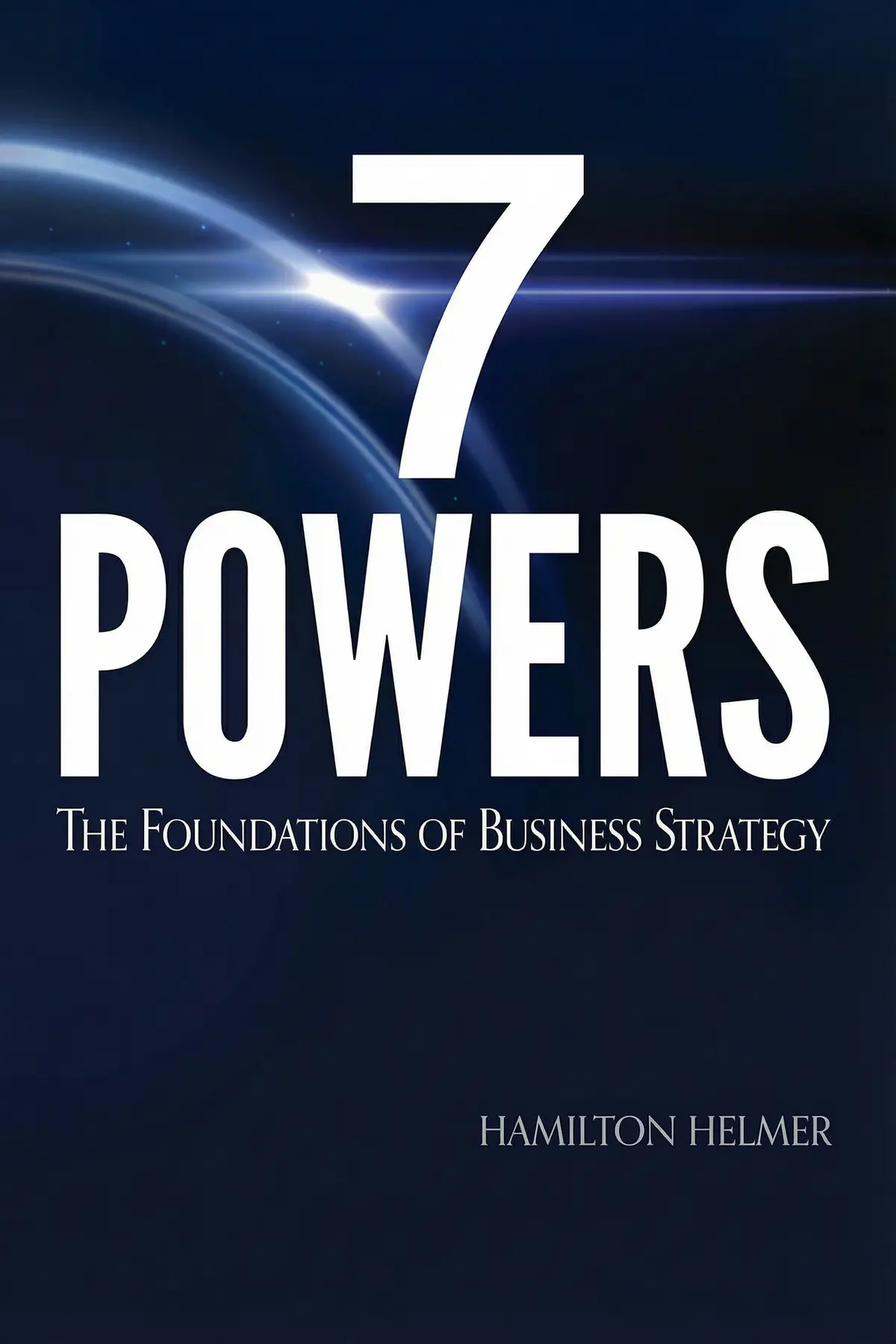
7 Powers: The Foundations of Business Strategy
Hamilton Helmer

A Bigger Prize: How We Can Do Better Than the Competition
Margaret Heffernan
AUDIO SUMMARY AVAILABLE
Listen to Sales Management. Simplified. in 15 minutes
Get the key ideas from Sales Management. Simplified. by Mike Weinberg, plus 5,000+ more titles in English and Thai.
- 5,000+ titles
- Listen as much as you want
- 7-day free trial
- Cancel anytime







