
15 min 26 sec
Say Nothing: A True Story of Murder and Memory in Northern Ireland
Explore the haunting disappearance of Jean McConville during the Northern Ireland Troubles, revealing the intersection of political idealism, paramilitary violence, and the enduring search for truth in a divided society.
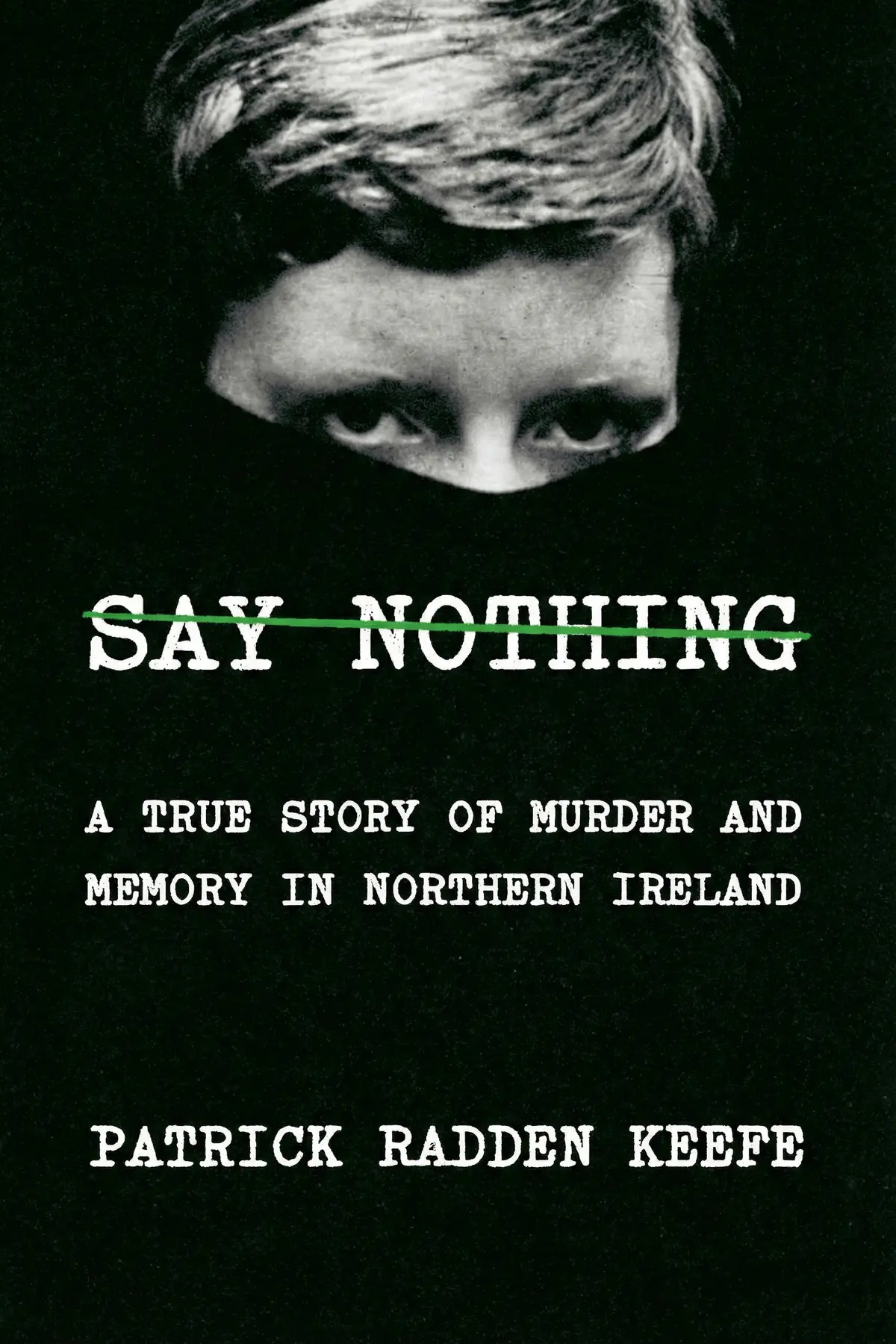
Table of Content
1. Introduction
1 min 48 sec
In December of 1972, a knock at a door in a Belfast housing estate changed a family’s life forever and left a mystery that would haunt a nation for three decades. Imagine the scene: a widowed mother named Jean McConville is at home with her ten children. It is a cold night, and the domestic routine is shattered when a group of men and women, some masked and some with faces visible to the children as neighbors, arrive at the door. They take Jean away, promising her frightened children she will return shortly. She never does. For the next thirty years, her fate remains a dark void, a symbol of the silence and terror that defined an era.
This story is the starting point for a journey into the heart of the Northern Ireland conflict, famously known as the Troubles. It is a narrative that weaves together the personal tragedy of the McConville family with the broader political and paramilitary struggles that defined the region for thirty years. We aren’t just looking at a cold case; we are examining the anatomy of a civil war, the radicalization of youth, and the high price paid for both resistance and peace.
As we walk through these events, we’ll meet the key players who shaped the Provisional IRA, from the strategic brilliance of figures like Gerry Adams to the fervent, frontline dedication of the Price sisters. We will explore the shift from local street battles to international bombing campaigns and the extreme measures taken by prisoners to assert their political identity. More importantly, we will see how the truth eventually began to surface, long after the guns fell silent, through a secret oral history project that threatened to tear down the carefully constructed legacies of the conflict’s most powerful figures. By the end of this summary, the throughline will be clear: in a war of secrets, the most dangerous thing you can do is remember what everyone else has agreed to forget.
2. The Roots of Unrest and the McConville Tragedy
2 min 00 sec
Discover how institutional discrimination and a sudden act of neighbor-on-neighbor violence sparked a decades-long mystery that defined the early years of the Troubles.
3. The Rise of the Provisional IRA and Its Leaders
1 min 53 sec
Meet the individuals who transformed a struggling movement into a formidable paramilitary force, driven by family tradition and intellectual strategy.
4. Tactical Terror and the Expansion of the War
2 min 08 sec
Learn how the IRA utilized the car bomb to bring the conflict from the streets of Belfast to the heart of London, forever changing the nature of urban combat.
5. Body as a Battlefield: The Hunger Strikes
1 min 59 sec
Explore the grueling psychological and physical struggle of Irish prisoners who used their own lives as leverage against the British state.
6. The Secrets of the Disappeared and the Boston Tapes
2 min 07 sec
Uncover the truth behind the murder of Jean McConville and how a secret historical archive finally broke decades of paramilitary silence.
7. The Ambiguous Peace and the Cost of Justice
2 min 06 sec
Examine the tension between political progress and personal accountability as the leaders of the conflict transitioned into the architects of peace.
8. Conclusion
1 min 25 sec
The story of Jean McConville and the Troubles is a stark reminder of what happens when a society’s grievances are allowed to fester into institutionalized violence. It shows us that in the heat of a long-term conflict, the lines between hero, villain, victim, and perpetrator become dangerously blurred. The kidnapping of a mother of ten was not just a tragic crime; it was a window into a world where the survival of the ’cause’ became more important than the lives of the individuals within the community.
As we’ve seen, the resolution of the conflict through the Good Friday Agreement was a triumph of pragmatism, but it left behind a trail of unanswered questions and unresolved pain. The emergence of the Boston College tapes illustrates that history has a way of refusing to stay buried, and that personal memory often conflicts with the official narratives created by those in power.
The takeaway from this history is a somber one: peace is not merely the absence of war, but the presence of truth. For the families of the ‘disappeared,’ the conflict didn’t end with a signature on a document; it only shifted into a different kind of struggle—the struggle to be heard. As you reflect on these events, consider the weight of the secrets we keep for the sake of stability, and whether a truly lasting peace can ever be built on a foundation of silence. The story of Northern Ireland challenges us to look closely at the cost of ideology and to remember that behind every political movement are human lives that cannot simply be erased from the record.
About this book
What is this book about?
Say Nothing offers a profound investigation into the heart of the Northern Ireland conflict, known as the Troubles. It centers on the 1972 abduction of Jean McConville, a widowed mother of ten who was taken from her Belfast home and never seen again. Through this single tragic event, the narrative expands to cover thirty years of history, tracking the lives of key IRA figures like the Price sisters and the rise of Gerry Adams. The book promises a deep dive into the human cost of ideological warfare, examining how ordinary individuals become radicalized and the psychological toll of participating in a secret army. It moves from the streets of Belfast to the prisons of London and into the high-stakes negotiations of the peace process. Ultimately, it is an exploration of memory and the way societies attempt to bury their darkest secrets in the pursuit of a fragile peace.
Book Information
About the Author
Patrick Radden Keefe
Patrick Radden Keefe is an award-winning author and journalist. His other books include The Snakehead and Chatter. Keefe is also a writer for the New Yorker magazine, and received the National Magazine Award for Feature Writing in 2014.
Ratings & Reviews
Ratings at a glance
What people think
Listeners find this work an engrossing experience that blends the qualities of a thriller and a biography, packed with meticulous research and pertinent historical context. The prose is top-tier; one listener points out the author’s talent for revealing the personal narratives underlying historical incidents. Tension mounts across the span of decades, offering profound perspectives on the Northern Irish Troubles and establishing it as essential listening for history buffs. Feedback on the speed of the narrative is varied, as one listener calls it high-speed whereas another considers it a bit draining.
Top reviews
Laddawan
This book is a masterclass in narrative nonfiction that somehow manages to feel like a high-stakes spy thriller while maintaining the rigor of a historical text. Patrick Radden Keefe weaves the tragic abduction of Jean McConville into the broader tapestry of the Troubles with such precision that you can’t help but be hoovered into the narrative maelstrom. I was particularly struck by the portrayal of the Price sisters; seeing their transition from idealistic young women to hardened paramilitaries was both fascinating and deeply unsettling. The author doesn't just list dates and events; he unpacks the human stories and the crushing moral injuries that follow political violence. Truthfully, the section on the hunger strikes and the force-feeding in prison was one of the most harrowing things I’ve ever read. It forces you to confront the uncomfortable reality that there are no easy villains or heroes in this conflict. Every chapter builds suspense through the decades, culminating in a reckoning that feels both inevitable and shocking. An absolute must-read for anyone interested in history or investigative journalism.
Show moreLena
Wow. I wasn’t prepared for how much this would affect me emotionally. Most history books feel distant, but Keefe makes the grief of the McConville children feel immediate and raw, even fifty years later. It’s a devastating look at what happens when a community is gripped by a culture of silence and the fear of being labeled a 'tout.' The level of research is staggering, especially regarding the secret oral history project at Boston College. The way those tapes eventually blew the whole thing open is better than any fiction plot I've encountered recently. I appreciated how the author stayed dispassionate when discussing the IRA and the British Army, letting the facts of their atrocities speak for themselves. You really get a sense of the 'strategic insanity' of the era. This is easily one of the best books I’ve read in years. It’s dense, yes, but the prose is so perfectly weighted that the pages just fly by.
Show moreChon
After hearing so much praise for this, I finally dove in and the hype is real. Keefe has a gift for taking a massive, messy period of history and focusing it through the lens of a single, unsolved crime. The story of Dolours Price is particularly gripping; her journey from a 'celebrity' volunteer to a woman haunted by her own actions is written with incredible empathy. I loved the way the book structure mirrors an investigation, slowly peeling back layers of silence and deception. The atmosphere of 1970s Belfast is so thick you can almost smell the smoke from the car bombs. Look, it’s a heavy subject, but the writing is so elegant that it never feels like a chore to get through. It’s rare to find a book that is this well-researched while remaining so accessible. I’ve already recommended this to three different people this week.
Show moreEvelyn
Picked this up on a whim and couldn't put it down. The opening scene with Jean McConville being snatched in front of her ten kids is absolutely heart-wrenching and sets the tone for everything that follows. I was fascinated by the 'Belfast Project' at Boston College and how a simple academic exercise ended up triggering a massive legal battle and reopened old wounds. Keefe writes with such a controlled sense of outrage. He exposes the hypocrisy of leaders who sent kids to die while later distancing themselves from the violence. The book is full of these vivid, cinematic moments, like the car bombs in London or the secret burials on the beach. It’s a grim story, but the prose is just beautiful. This isn't just a book about Ireland; it’s a book about memory, betrayal, and the lies people tell themselves to survive. Truly a five-star read.
Show moreHannah
Every once in a while, a piece of journalism comes along that completely reshapes your understanding of a conflict. Say Nothing is that book for the Troubles. Frankly, I never understood the nuance of the different IRA factions or why the Good Friday Agreement felt like a betrayal to so many until I read this. Keefe unpacks the 'culture of silence' in Belfast with surgical precision. He shows how the fear of being an informant was often more terrifying than the British Army itself. The way he follows the lives of the Price sisters into their later years is especially poignant. You see the toll that decades of secrets take on a person’s psyche. It’s a brilliant exploration of 'moral injury.' The research is deep, the storytelling is top-tier, and the ending is as satisfying as any thriller. I can't recommend this enough for fans of narrative nonfiction.
Show moreMichael
It’s rare to find a book that manages to be both a rigorous historical document and a heart-pounding mystery. Say Nothing succeeds on every level. The narrative has a consistent verbal density that keeps you engaged, even when the subject matter is bleak. I was captivated by the figure of Brendan Hughes—his loyalty and his eventual sense of betrayal by the leadership was fascinating to track. Keefe’s ability to get people to speak in a land where 'saying nothing' is a survival strategy is a feat of reporting. The book builds a sense of dread that never quite lets up, right until the final pages where the truth about the murder is revealed. It reminded me a lot of David Grann's work, but with perhaps even more emotional weight. If you want to understand the human side of the Troubles, this is the book. It’s an indelible portrait of belief and the terrible cost it exacts.
Show moreGor
How does Keefe make a complex history lesson feel like a propulsive mystery novel? I went into this with very little knowledge of Northern Irish politics and came away feeling like I actually understood the motivations of people like Brendan Hughes and Gerry Adams. To be fair, the middle section slows down slightly as it dives into the granular details of various political shifts, which might be a bit much for a casual reader. However, the payoff is well worth the effort. The book brilliantly explores the concept of 'moral injury' and the lasting trauma of those who were abandoned by the movement they gave their lives to. It’s a chilling reminder of how easily neighbor can turn against neighbor when ideologies become weaponized. I found the ending particularly haunting, especially the final revelations about the identity of the shooters. It’s not a light read by any means, but it is an essential one.
Show moreSirinat
The disappearance of Jean McConville serves as a haunting anchor for this sprawling history of the IRA, and Keefe does a brilliant job keeping the reader grounded in the human cost. Personally, I found the chapters on the hunger strikes to be the most compelling, even if they were difficult to stomach. The author manages to be incredibly objective, which is no small feat given how polarized this subject remains. He highlights the vindictiveness and the clumsiness of both sides without ever sounding like an apologist. My only minor gripe is that the sheer number of names and paramilitary splinter groups can get a bit confusing at times. You really have to pay attention to keep everyone straight. Still, the narrative compression is impressive. It’s every bit as good as 'Killers of the Flower Moon,' providing a vivid portrait of a society living in a 'moral bog' where violence became the only language.
Show moreWilliam
As someone who didn't grow up with a deep knowledge of Irish history, this was eye-opening. Keefe makes the complex sectarian divide accessible without oversimplifying the deep-seated hatreds involved. The book is wonderfully structured, using the McConville disappearance to explore the ethics of political violence. Is a mother of ten a legitimate target? The book doesn't give you easy answers, but it forces you to sit with the question. The section on the 'disappeared' was particularly moving. To be honest, I did find some of the later chapters on the legal battles over the Boston College tapes to be a bit dry compared to the earlier action. But the overall impact is still massive. It’s a visceral, intelligent, and deeply researched book that refuses to let the past stay buried. It really highlights the tragedy of a conflict where neighbor killed neighbor for decades.
Show moreElena
Look, the level of detail here is undeniably impressive, but I found the middle section a bit exhausting. I was mostly interested in the McConville murder mystery, and there are long stretches where that story almost disappears entirely to make room for political maneuvering and internal IRA squabbles. It’s clearly well-researched, but the pacing felt uneven to me. One minute I’m on the edge of my seat with a bombing in London, and the next I’m wading through decades of Sinn Féin policy changes. I think if you’re a big history buff, you’ll love every word. For me, it felt a little like a marathon that I wasn’t quite trained for. The writing is excellent, don’t get me wrong, and the final chapters are incredibly powerful. I just wish it had stayed a bit more focused on the central narrative rather than trying to cover every single aspect of the Troubles.
Show moreReaders also enjoyed
1929: Inside the Greatest Crash in Wall Street History--and How It
Andrew Ross Sorkin
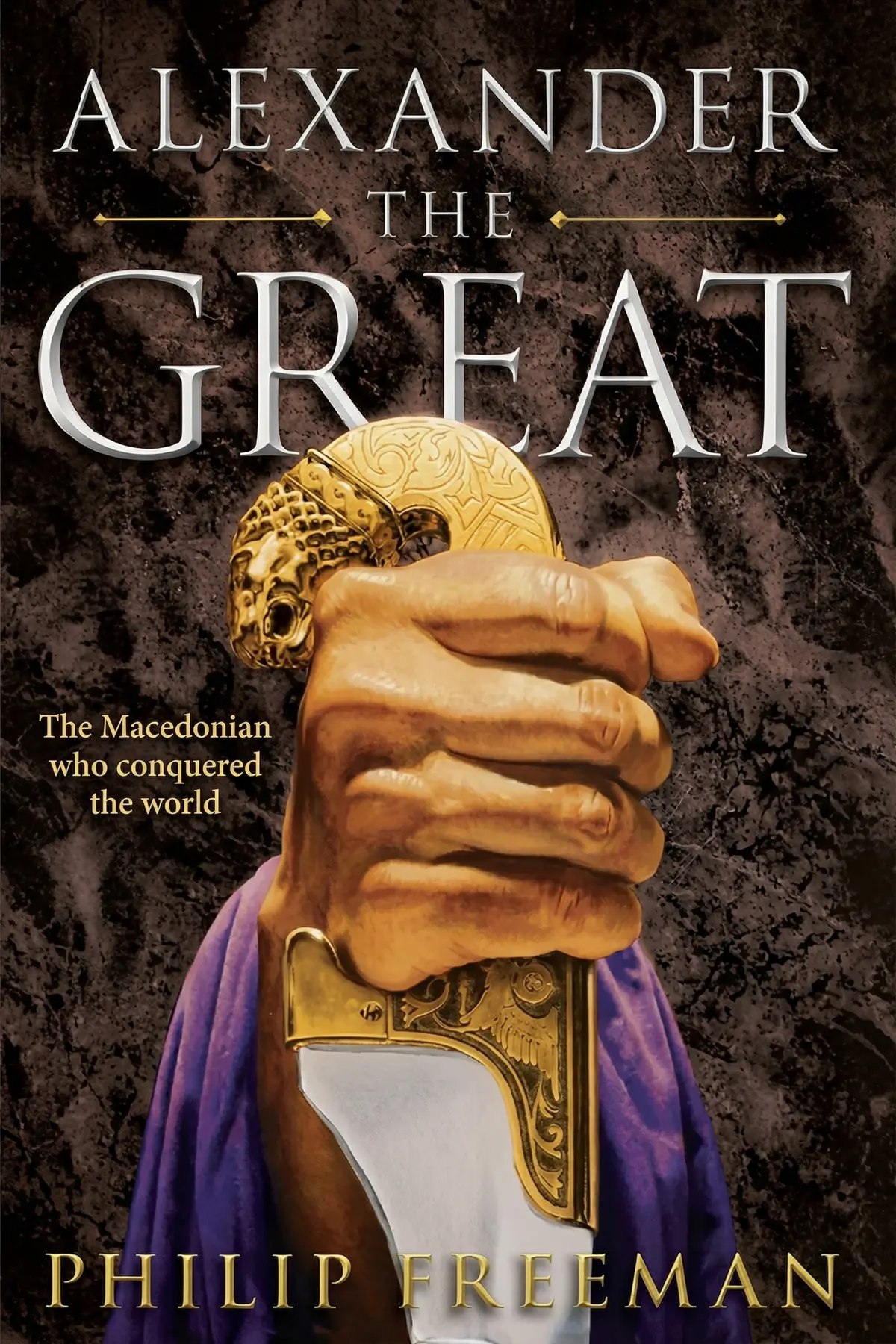
Alexander the Great
Philip Freeman
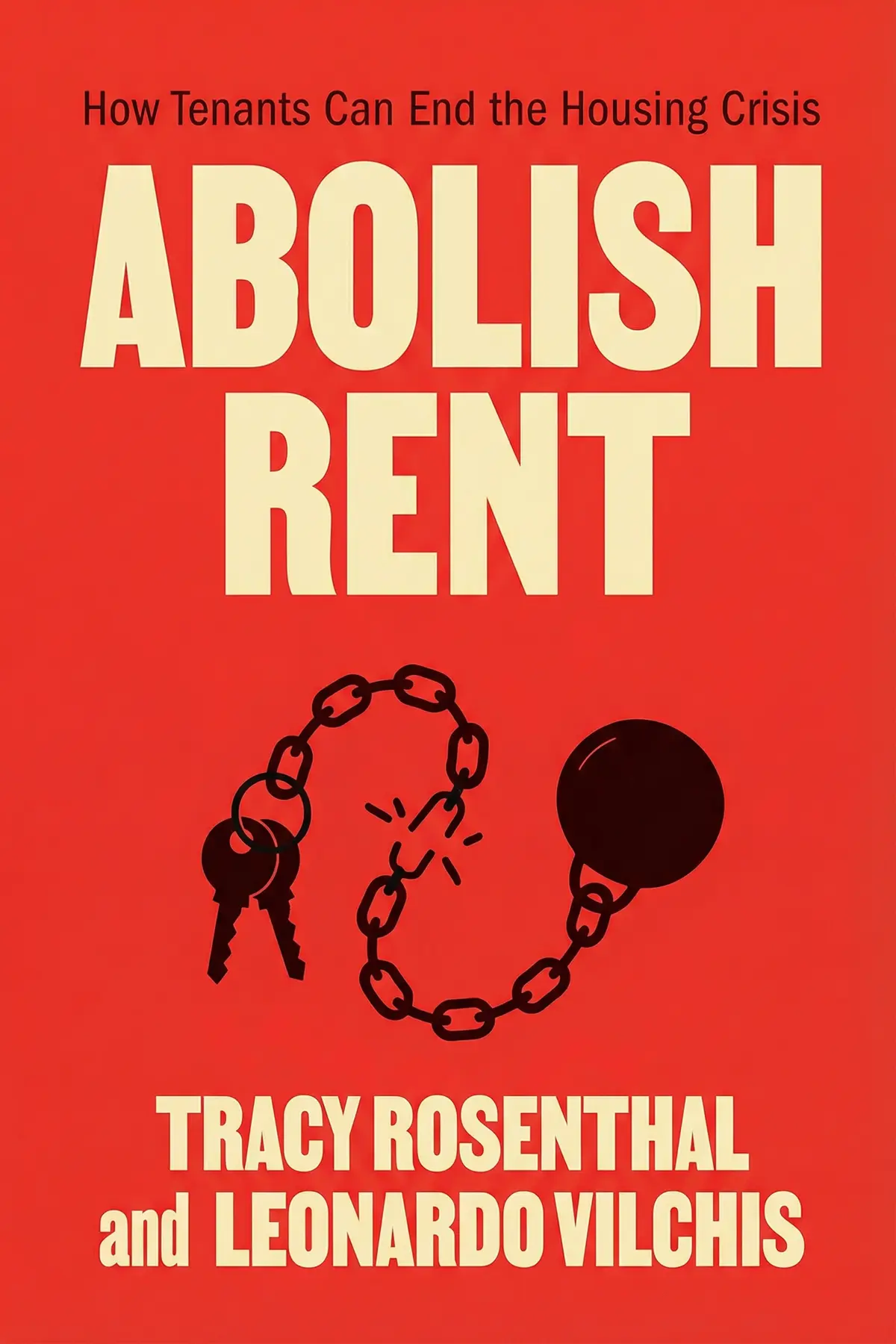
Abolish Rent: How Tenants Can End the Housing Crisis
Tracy Rosenthal

A Biography of Loneliness: The History of an Emotion
Fay Bound Alberti
Abortion: Our Bodies, Their Lies, and the Truths We Use to
Jessica Valenti
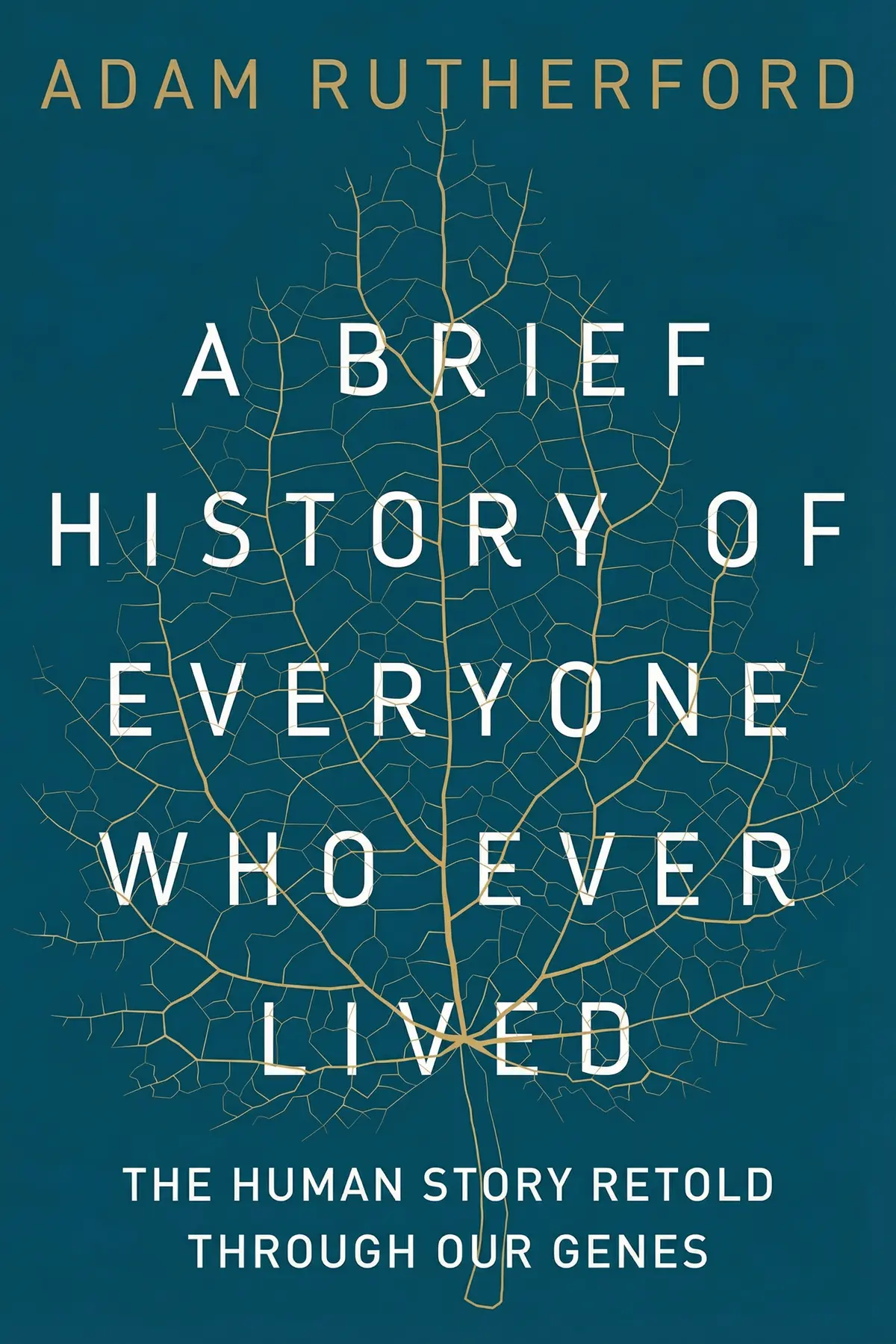

Adults in The Room: My Battle With Europe’s Deep Establishment
Yanis Varoufakis
21 Lessons for the 21st Century
Yuval Noah Harari
AUDIO SUMMARY AVAILABLE
Listen to Say Nothing in 15 minutes
Get the key ideas from Say Nothing by Patrick Radden Keefe, plus 5,000+ more titles in English and Thai.
- 5,000+ titles
- Listen as much as you want
- 7-day free trial
- Cancel anytime







