
20 min 01 sec
Shameless: A Case for Not Feeling Bad About Feeling Good
Nadia Bolz-Weber offers a transformative look at faith and sexuality, urging readers to dismantle church-based shame and embrace a theology that honors the human body as a sacred, diverse gift.

Table of Content
1. Introduction
1 min 42 sec
In the hallowed halls of traditional religious institutions, sex is often a word spoken only in whispers, or perhaps not spoken at all. When it does surface, it is usually wrapped in a heavy blanket of ‘shoulds’ and ‘should-nots.’ The message is usually quite singular: unless you are a heterosexual man or woman involved in a legal marriage, your desires are a problem to be solved or a sin to be suppressed. This rigid framework creates a world where anyone falling outside those narrow lines—whether they are single, queer, trans, or simply human beings with natural desires—is left feeling like a spiritual failure.
But what if this approach is actually missing the point of faith entirely? What if the very things we’ve been told to hide are actually central to our humanity and our connection to the divine? This exploration is about more than just breaking rules; it’s about examining the profound damage that sexual shame has inflicted on individuals and communities, and looking for a better way to live.
Throughout this discussion, we will trace a throughline that moves from exclusion toward inclusion. We’ll look at why the church’s traditional ‘uniform’ for sexuality fits so few people and how that lack of fit leads to real-world suffering. We will also dive into the theological history that helped create these standards and discover why figures like Martin Luther might actually support a more people-centered approach. By the end, we’ll see that sexuality isn’t a hurdle to overcome on the way to God, but a gift that, when approached with care and mutuality, can actually lead us toward a deeper sense of holiness. It’s time to stop looking at our bodies as sources of shame and start seeing them as the sacred vessels they truly are.
2. The Inadequacy of One-Size-Fits-All Morality
3 min 02 sec
Religious institutions often demand a singular way of being that ignores the diverse reality of human identity, leading to profound feelings of failure and isolation.
3. Sexual Desire as a Sacred Gift
2 min 51 sec
Far from being a dangerous impulse to be suppressed, our capacity for pleasure is a fundamental part of our design and identity.
4. Redefining Purity and Holiness
3 min 03 sec
The traditional obsession with purity often acts as a tool for segregation, whereas true holiness is found in the courage to connect with others.
5. Challenging the Roots of Male Dominance
2 min 36 sec
Examining historical theology reveals how distorted interpretations of ancient texts have fueled gender inequality and sexual misconduct.
6. A New Ethic: Consent, Mutuality, and Care
2 min 43 sec
Moving beyond a list of ‘thou shalt nots,’ we can build a sexual framework centered on the actual health and dignity of every individual involved.
7. The Power of Vulnerability and Healing
2 min 28 sec
True liberation from shame requires the courage to own our stories and share our scars within safe, supportive communities.
8. Conclusion
1 min 36 sec
In the end, the journey away from shame is not about abandoning faith, but about finding a deeper, more authentic version of it. We have seen how the traditional, rigid standards of the past have often served as walls that keep people out, rather than bridges that bring them closer to the divine. By moving from a narrow ‘one-size-fits-all’ morality toward a grace-centered ethic of consent, mutuality, and genuine care, we can begin to heal the wounds that religious institutions have sometimes inflicted.
The throughline of this transformation is the recognition that our bodies and our desires are not mistakes to be corrected, but gifts to be honored. When we shift our definition of holiness from ‘separation’ to ‘connection,’ we open up a world of possibility for how we relate to ourselves and to each other. We find that the true message of faith isn’t about control; it’s about liberation.
As you move forward, consider this: what would it look like to treat your own sexual well-being with the same sacred care you would give to any other spiritual practice? Start by paying attention to the messages you consume and how they affect your sense of self. Be honest about where your boundaries lie and what is truly healthy for you. Most importantly, remember that you are made in the image of the divine, and that identity remains unshaken, no matter your past, your orientation, or your story. You are allowed to be whole, you are allowed to be happy, and you are allowed to be shameless.
About this book
What is this book about?
Shameless is a deep dive into the intersections of Christianity and human sexuality, written from the perspective of a pastor who has seen the collateral damage of restrictive dogma. It tackles the traditional 'one-size-fits-all' moral framework that many religious institutions impose, arguing that these rigid rules often lead to psychological suffering and spiritual isolation. By examining historical theological shifts and the actual lived experiences of her congregation, the author proposes a new way forward. The book promises a path to healing for those who have felt excluded or judged by religious standards. It shifts the focus from 'purity'—a concept often used to control and divide—toward 'holiness,' which is defined by connection and empathy. Through personal stories and a re-examination of biblical texts, it explores how to build a sexual ethic based on consent, mutuality, and genuine care for the well-being of oneself and others, ultimately offering a message of liberation and grace.
Book Information
About the Author
Nadia Bolz-Weber
Nadia Bolz-Weber is a public theologian, an ordained Lutheran pastor, and the founder of the House for All Sinners and Saints – a church in Denver, Colorado. She speaks frequently about issues of spirituality and faith and has been featured by the Washington Post, the New Yorker, CNN and the BBC. Bolz-Weber is also the author of two New York Times bestsellers, Pastrix: The Cranky, Beautiful Faith of A Sinner & Saint and Accidental Saints: Finding God In All The Wrong People.
Ratings & Reviews
Ratings at a glance

What people think
Listeners find this book intellectually stimulating and well-crafted, with one person highlighting how it integrates Scripture with fact. Moreover, they value its honest exploration of human sexuality and regard it as a must-read on the subject. Additionally, the work is praised for its restorative nature, with one listener sharing how it helped them navigate purity culture trauma, and for its relatable stories and perspective on shame.
Top reviews
Watcharaporn
Picked this up after years of feeling like my body was a battlefield, and frankly, it felt like someone finally handed me a white flag. Nadia Bolz-Weber has this incredible gift for taking the jagged shards of religious trauma and smoothing them out into something that looks like grace. I spent most of my twenties carrying the heavy baggage of the 90s purity movement, feeling stained by my own humanity. This book doesn’t just suggest we be kinder to ourselves; it demands a total sexual reformation that puts the person before the policy. Her unfiltered transparency about her own life makes the message hit home in a way that clinical theology never could. It is a raw, essential read for anyone who has ever felt like they had to hide their true self to be worthy of the Divine. If you are looking for a spiritual salve for old wounds, look no further.
Show moreNew
Finally, a book that addresses the deep-seated shame the church has imposed on our sexualities without being clinical or judgmental. I found the sections on the harm caused by purity culture to be particularly moving, as they mirrored so many of my own experiences with fear-based teachings. Nadia’s voice is authoritative yet gentle, acting as a sort of 'Warrior Shepherd' for those of us who have been marginalized by traditional dogma. The truth is, we need this kind of radical honesty if we’re ever going to mend the fractures between our faith and our bodies. This isn't just a collection of essays; it’s a toolkit for restoration. I’ve already recommended it to several friends who are deconstructing their faith. It’s a kindness to the soul that reminds us God doesn’t make junk. If you've ever felt 'less than' because of your desires, please read this.
Show moreThanit
Wow. This isn't just a book; it's first-aid for the spirit. I finished it in two sittings because the storytelling was just that compelling. For those of us who have felt the 'side-eye' of suspicion from religious circles for just being who we are, Bolz-Weber’s words feel like a protective shield. She levels a gimlet eye on the systems that have used the Gospel to dominate and control people’s bodies. The way she links the abortion fight to power structures was a real 'lightbulb' moment for me. It’s rare to find a book that is both intellectually stimulating and deeply emotional. My only complaint is that it wasn't longer! This is foundational text for anyone looking to reconcile their sexuality with their spirituality. It’s bold, it’s loud, and it’s exactly what the modern church needs to hear.
Show moreJack
Ever wonder why we're so comfortable with violence but so terrified of intimacy? Bolz-Weber dives headfirst into this hypocrisy with a style that is as provocative as it is healing. This book encompasses Scripture with lived reality, showing that if a teaching is harming the bodies of the faithful, we have an obligation to rethink it. I found her approach to be incredibly inclusive, making room for everyone from the 'straight-laced' to the 'sinners and saints' mentioned in her church's name. The truth is, many of us are carrying around a stain of judgment that we didn't put there and don't know how to remove. Nadia helps you find the soap and water. It’s a book about the worship of a God who loves us in our nakedness, not in spite of it. Truly a masterpiece of modern spiritual writing that will help many people find peace.
Show moreManee
As someone who grew up in a strict religious environment, this felt like a long-overdue exhale after holding my breath for decades. Bolz-Weber isn't your typical pastor, and her willingness to swear and speak about sexuality with such bluntness is incredibly refreshing. I loved the way she wove together the stories of her parishioners with her own journey through recovery and faith. Not gonna lie, some of the theological leaps she takes made me pause, but the overarching message of compassion over condemnation is hard to argue with. She treats the LGBTQ+ community with the dignity they’ve been denied in so many church basements for years. It’s not a perfect book, and some parts feel a bit repetitive, but the emotional impact is undeniable. It’s a necessary conversation-starter for a church that has been stuck in a Victorian rut for far too long.
Show moreBella
Not what I expected from a Lutheran pastor, but maybe that’s exactly the point of the whole 'shameless' brand. Nadia’s background as a stand-up comic shines through in her timing and her ability to find humor in the darkest corners of human experience. She takes on the 'porn pandemic' and the church’s obsession with control with a level of grit that you just don't find in typical Christian literature. The sentence structure is punchy and the stories are heartbreakingly real. I did feel that she occasionally misrepresented historical views to make her points seem more radical, which wasn't necessary because her main thesis is strong enough on its own. Regardless, the book serves as a vital critique of how we've handled the concept of holiness. It’s a call to move toward a more inclusive, grace-filled understanding of what it means to be human and sexual.
Show moreSuthida
After hearing so much about the 'tattooed pastor,' I was curious if the content lived up to the hype, and it mostly does. This book is a passionate plea for a sexual reformation, and Bolz-Weber doesn't pull any punches. She uses her own history as a recovering alcoholic to provide a unique perspective on shame and the way it can paralyze a person’s growth. In my experience, most books on this topic are either too conservative or too secular, but this hits a middle ground that feels authentic. I loved the emphasis on the LGBTQ+ experience and the specific ways the church has failed those children. There are moments where the theology feels a bit thin, and she definitely has a specific bias, but her focus on the restorative power of love is a breath of fresh air. It’s a gritty, beautiful mess of a book.
Show moreDing
The chapter on the Fall was particularly enlightening, offering a fresh lens on a story many of us have memorized to our detriment since Sunday school. Bolz-Weber’s reimagining of the Genesis narrative challenges the idea that our bodies are inherently shameful or broken. I appreciated how she tackled the 'purity ring' culture of the early 2000s, showing the long-term damage those fear tactics have done to adult relationships. Personally, I don’t follow her everywhere she goes theologically, and her lack of sourcing for some historical claims made me skeptical at times. That said, the book is incredibly readable and filled with a type of compassion that is far too rare in religious discourse today. It’s an important contribution to the conversation about how we teach our children about their bodies. Even if you don't agree with everything, it’s worth your time.
Show moreThongchai
While Nadia Bolz-Weber is undoubtedly a gifted storyteller, I struggled with the lack of academic rigor in this volume. To be fair, she creates a very compelling narrative, and I found myself unable to put it down even when I disagreed with her conclusions. However, the lack of footnotes for some of her more provocative claims—specifically her interpretation of Augustine’s views on the body—is frustrating for a reader who wants to verify the history. She paints the church’s past with a very broad brush to fit the modern narrative she’s spinning. I agree that the shame-based approach to sex is a tragedy that has harmed countless people, but I’m not sure her solution of essentially discarding the parts of the Bible that don't fit our current cultural moment is the right path forward. It’s a thought-provoking book, but it functions more as an echo chamber for those already in her camp than a balanced theological study.
Show moreYulia
To be fair, the author’s 'House for All Sinners and Saints' approach is beautiful, and her heart for the hurting is obvious on every page. But personal experience shouldn't always trump scriptural integrity. I was particularly troubled by the anecdote where she applauds a woman for burning parts of her Bible because they conflicted with her personal views on sexuality. That feels like a dangerous precedent to set, regardless of how empathetic the motivation might be. The book is definitely well-written and engaging, but it often feels like it’s centering the worship of self rather than a redemptive relationship with God. I appreciate the call to end shame, as the church has certainly failed in that area, but the answer isn't to just do away with boundaries entirely. It’s a fascinating look into a specific brand of modern Christianity, but I’d advise reading it with a healthy dose of discernment.
Show moreReaders also enjoyed
A New Earth: Awakening to Your Life’s Purpose
Eckhart Tolle
A Return to Love: Reflections on the Principles of a Course in Miracles
Marianne Williamson
Abundance: The Inner Path to Wealth
Deepak Chopra
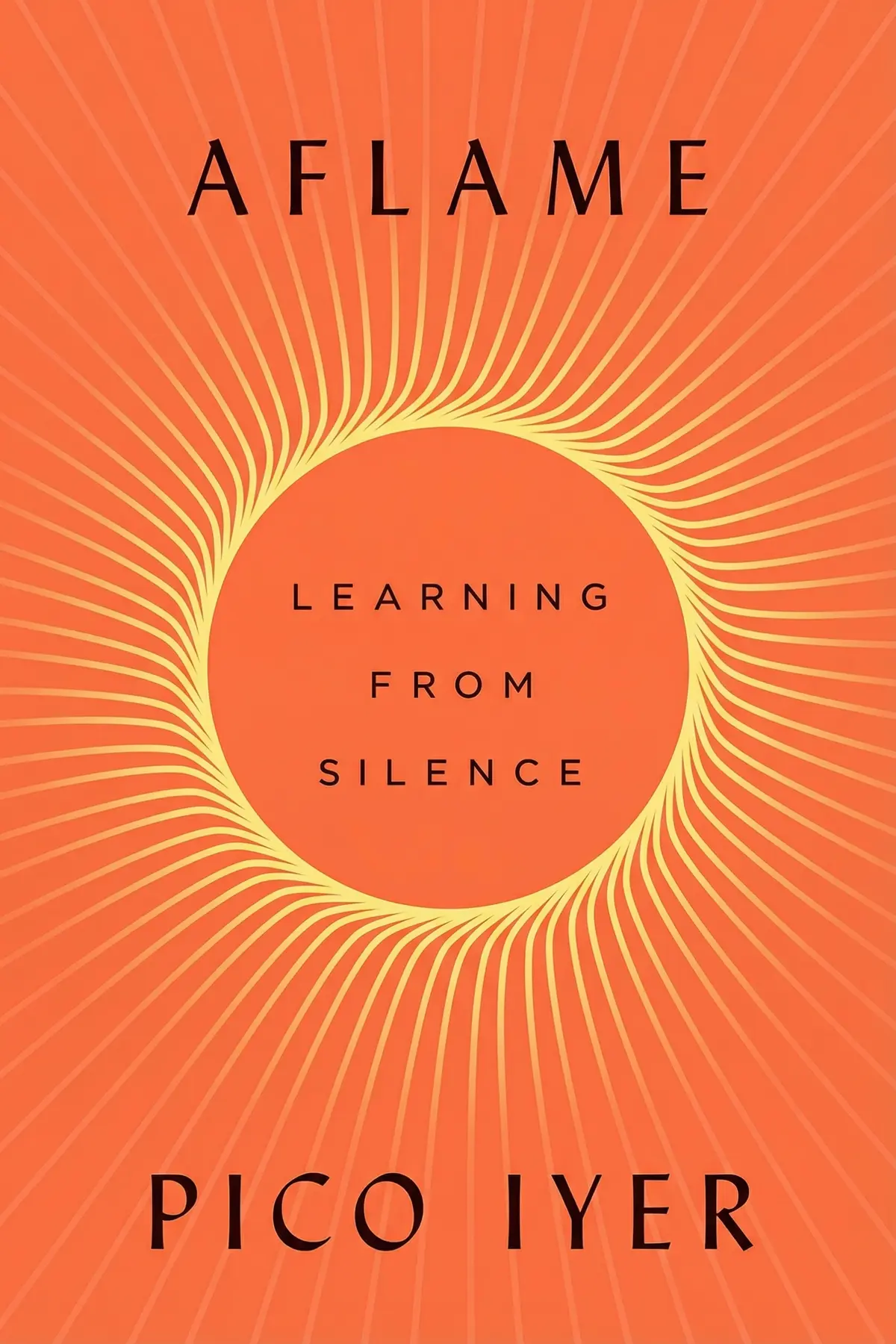
Aflame: Learning from Silence
Pico Iyer
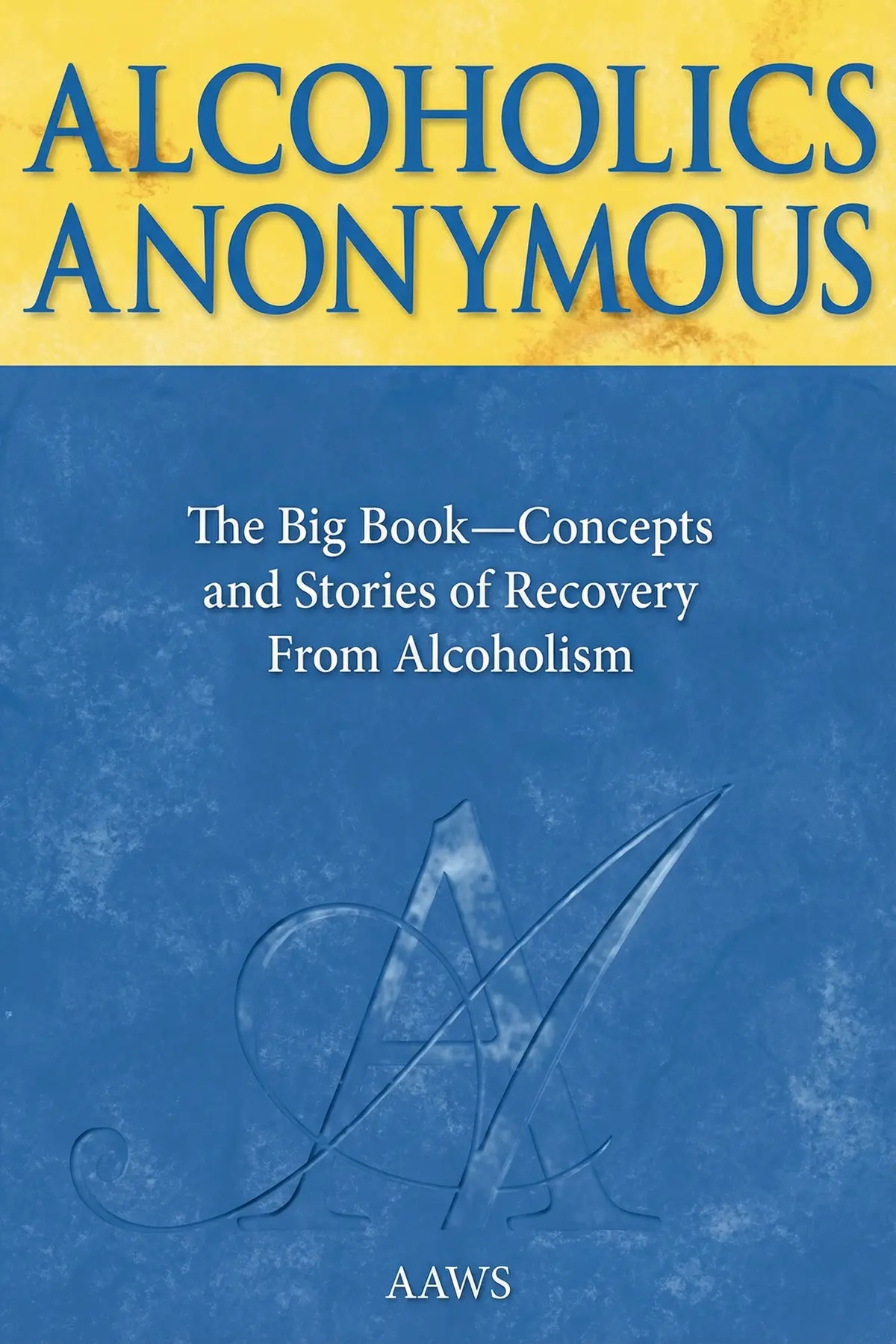
Alcoholics Anonymous
Alcoholics Anonymous World Services
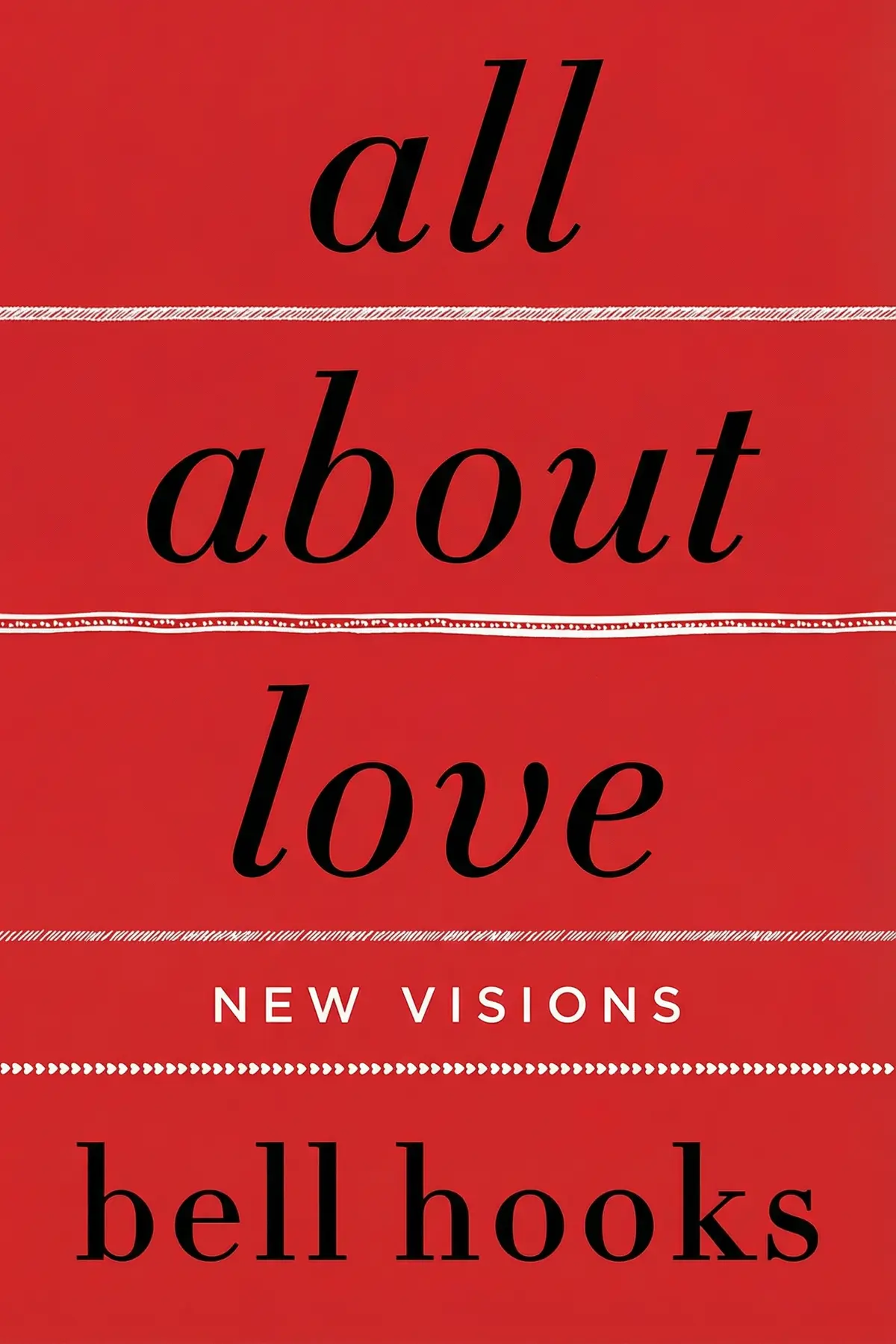
All About Love: New Visions
bell hooks

A Force for Good: The Dalai Lama's Vision for Our World
Daniel Goleman

All My Knotted-Up Life: A Memoir
Beth Moore
AUDIO SUMMARY AVAILABLE
Listen to Shameless in 15 minutes
Get the key ideas from Shameless by Nadia Bolz-Weber, plus 5,000+ more titles in English and Thai.
- 5,000+ titles
- Listen as much as you want
- 7-day free trial
- Cancel anytime







