
19 min 24 sec
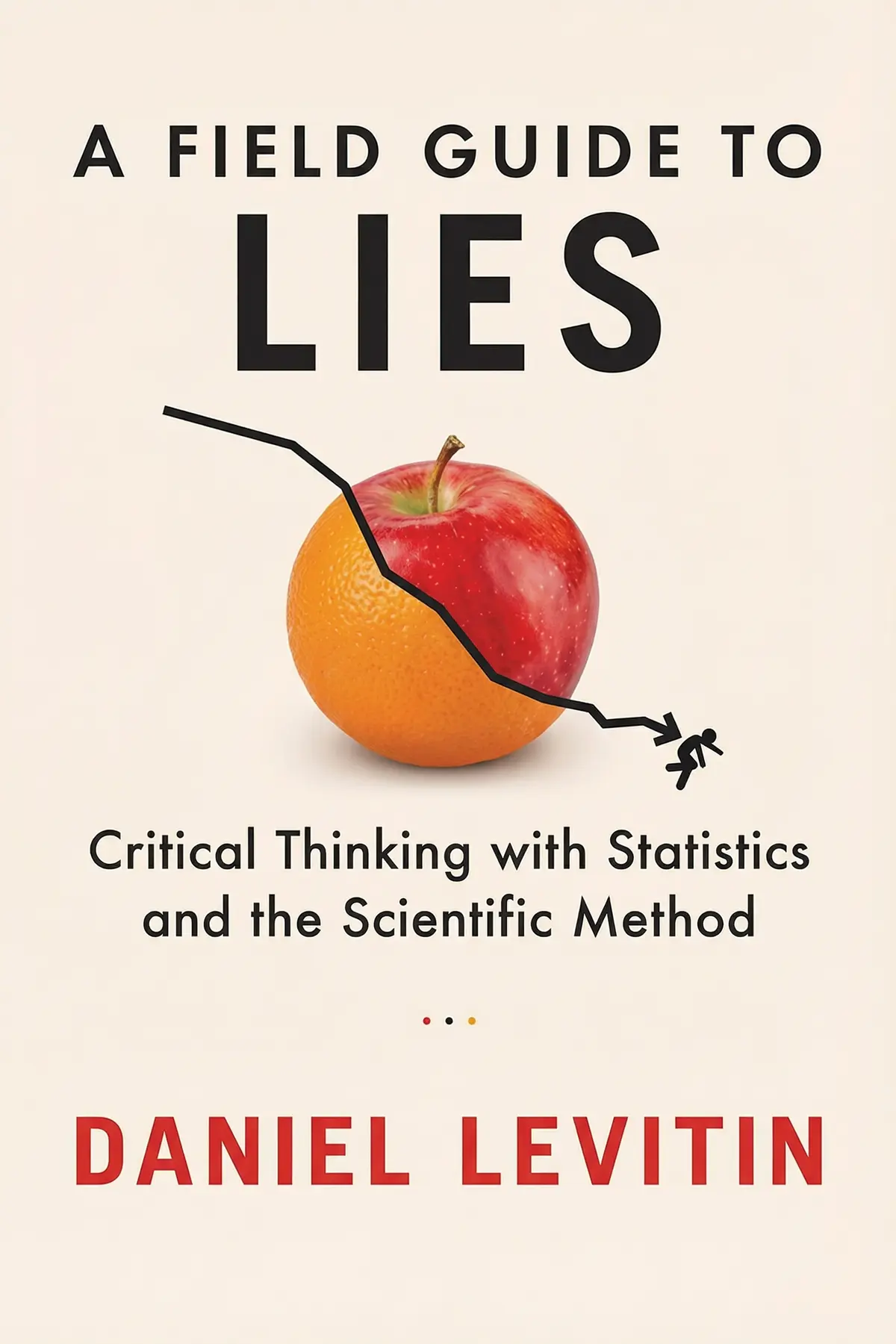
Stick with It: A Scientifically Proven Process for Changing Your Life – for Good
Stick with It explores the scientific principles of lasting behavior change. Sean D. Young reveals how to transform fleeting resolutions into permanent habits through specific psychological strategies and environmental adjustments.
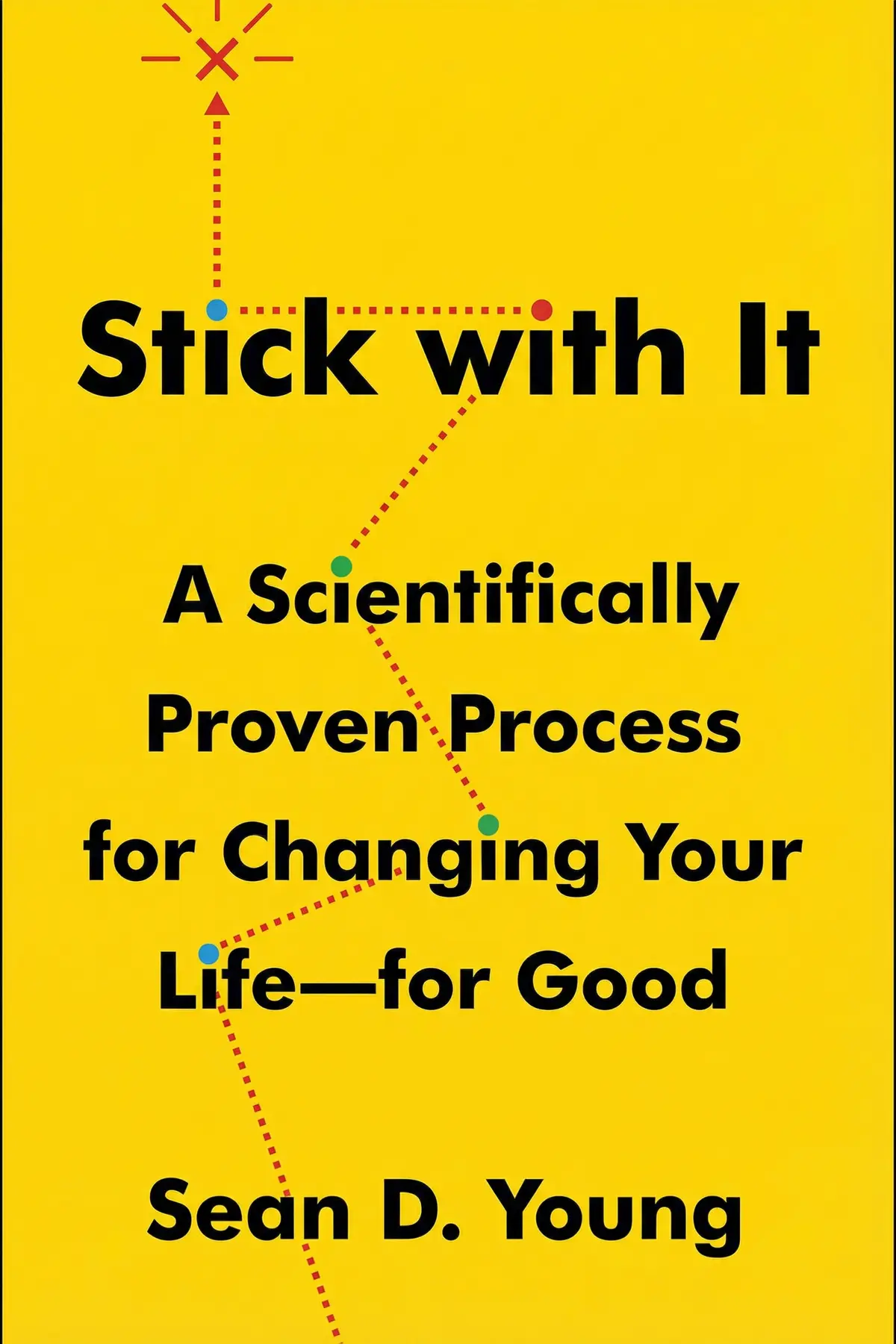
Table of Content
1. Introduction
1 min 40 sec
Think about the last time you decided to change something fundamental about your life. Maybe it was the classic resolution to hit the gym every morning, or perhaps it was a commitment to finally write that novel you’ve been dreaming about for a decade. For most of us, these bursts of inspiration follow a predictable arc: we start with immense energy, stay the course for a few weeks, and then, slowly but surely, our old patterns reclaim their territory. By the time February or March rolls around, the gym membership is gathering dust and the novel is still just a blank document on a hard drive. This isn’t a failure of character; it’s a misunderstanding of how the human brain actually processes change.
In the following pages, we are going to explore the insights of Sean D. Young in his book, Stick with It. The core premise here is that behavior change is a science, not a test of grit. We often think that if we just wanted it badly enough, we would succeed. But science tells a different story. Our minds are wired for efficiency and survival, often favoring the path of least resistance over the path of self-improvement. To truly make a change stick, we have to learn how to work with our biology rather than against it.
We’ll delve into why small steps are far superior to grand leaps, how the people around us act as a ‘social magnet’ for our habits, and why the way we talk about ourselves can actually rewire our neurological pathways. We will also look at the practical ‘neurohacks’ that can shift our mindset in an instant. This isn’t just about reaching a finish line; it’s about creating a lifestyle where your best intentions become your automatic reality. So, let’s begin this journey into the mechanics of lasting change and discover how to finally make those goals stick for good.
2. The Power of Incremental Progress
2 min 23 sec
Discover why grand ambitions often lead to failure while tiny, manageable tasks trigger the brain’s reward system to keep you motivated for the long haul.
3. The Social Magnet Effect
2 min 07 sec
Explore how surrounding yourself with the right community can create a powerful pull that keeps you from drifting away from your most important objectives.
4. Basic Needs and Personal Context
2 min 16 sec
Learn how the brain equates social connection with physical survival and why seeing your future self can be the key to long-term planning.
5. Designing the Path of Least Resistance
2 min 12 sec
Discover how small adjustments to your physical environment and the creation of detailed roadmaps can remove the obstacles that usually derail progress.
6. Neurohacking and the Identity Shift
2 min 20 sec
Learn how specific actions can ‘trick’ your brain into changing its beliefs and how a simple change in language can solidify your new identity.
7. The Carrot, the Stick, and Internal Glory
2 min 22 sec
Understand why fear-based motivation eventually fails and how to use positive reinforcement to create lasting, self-sustaining change.
8. The Art of Habit Replacement
2 min 11 sec
Instead of trying to delete a bad habit, learn the science of replacing it with a positive ritual that satisfies the same neurological needs.
9. Conclusion
1 min 53 sec
As we reach the end of our journey through Sean D. Young’s Stick with It, it’s important to reflect on the central throughline that connects all these scientific insights: lasting change is a structural challenge, not a moral one. We’ve seen that the brain is a remarkable but predictable organ. It thrives on small, immediate wins that provide hits of dopamine. It is deeply influenced by the ‘social magnet’ of the people we spend time with. It responds more to the ‘path of least resistance’ and clear roadmaps than it does to vague ambitions or intense fear. And perhaps most importantly, we’ve learned that our actions have the power to hack our thoughts, allowing us to build a new identity from the outside in.
When you look at your own goals through this lens, the path forward becomes much clearer. Instead of waking up tomorrow and hoping you have enough willpower to make it through the day, ask yourself how you can set up your environment for success. How can you break your ‘dream’ into a ‘step’ you can finish in forty-eight hours? Who can you join so that your social circle pulls you toward your goal? What ‘neurohack’ can you use to get moving even when you don’t feel like it? By shifting your focus from ‘trying harder’ to ‘planning smarter,’ you take the pressure off your willpower and place it onto a proven scientific process.
The most actionable piece of advice to take away is to start small and make it social. Whether it’s joining a class to learn a new skill—like the improv or jazz lessons suggested by the author to train your brain in adaptability—or simply setting up a check-in with a friend, don’t do this alone. Remember, those who use these structured strategies are significantly more likely to succeed than those who rely on grit. You have the tools, you have the science, and you have the roadmap. Now, it’s time to take that first two-day step and finally make your intentions stick for good.
About this book
What is this book about?
Have you ever wondered why most New Year’s resolutions fail before spring arrives? Stick with It addresses this universal struggle by bridging the gap between our intentions and our actual behavior. Rather than relying on willpower alone, the book introduces a multi-dimensional approach to habit formation rooted in the latest behavioral science. It moves beyond traditional advice by explaining how our brains respond to social structures, environmental cues, and specific types of rewards. The promise of this work is a sustainable framework for transformation. By understanding the neurobiology of motivation and the power of community, you can stop the cycle of starting and stopping. The book offers a comprehensive toolkit for anyone looking to improve their health, career, or personal habits. It emphasizes that change isn't just about trying harder; it’s about structuring your life and your mind in a way that makes success the path of least resistance.
Book Information
About the Author
Sean D. Young
Sean D. Young, PhD, is a professor at the Department of Family Medicine at the University of California, Los Angeles, and the director of the UCLA Center for Digital Behavior.
Ratings & Reviews
Ratings at a glance
What people think
Listeners value the work's scientific rigor and the thorough blueprints for achieving goals, specifically highlighting the emphasis on habit formation through a scientific lens. Furthermore, the content is accessible and straightforward, with one listener describing it as a fast read packed with evidence-based ideas. Nevertheless, opinions on the prose are divided; while some think it is composed well, others find it terrible. The book's momentum also sparks differing views, as some feel the pacing is not captivating at all.
Top reviews
Teng
Sean Young’s approach to behavioral change feels like a breath of fresh air in an overcrowded self-help market because it actually relies on hard data. To be fair, most of these books are just collections of anecdotal fluff, but here we get a systematic breakdown of the SCIENCE method. I particularly appreciated the 'Easy' pillar, which focuses on controlling your environment to limit choices rather than just relying on willpower. It’s a fast-paced read, and the strategies are presented in a way that feels achievable for anyone struggling with long-term goals.
Show moreYanin
Look, I’m an introvert who usually avoids 'community-based' self-help, but the breakdown of social magnets changed my perspective on habit formation. I always thought I had to do everything through sheer self-discipline, but the chapter on 'Captivating' rewards and the need to fit in made a lot of sense. The book explains how trust is formed when people share small things about their day, which eventually creates a community that fosters lasting change. It’s a very sound approach to human psychology. Even though I’m self-employed and work alone, I can see how these principles apply to my own social circles.
Show moreSurasit
Honestly, it’s rare to find a habit book that prioritizes actual psychological studies over mere 'hustle' anecdotes, and Sean Young delivers a very readable summary of how to create engrained behaviors. The sections on controlling your environment to make good choices easy were the highlights for me. While the writing can be a bit simplistic in places, the evidence-based ideas are strong enough to carry the book. If you are struggling with procrastination or just want to understand your own brain better, this is a gem of a resource. It is much better than the typical motivational guides on the market.
Show moreMaja
As someone who works in behavioral therapy, I found the parallels between human habit formation and dog training to be quite fascinating. Young references how rewarding behavior works similarly for us as it does for animals, which is a concept anyone who watches Cesar Millan will recognize immediately. The truth is, we often aim for these massive changes without breaking them down into the tiny increments needed to build a chain link. This book does a great job of explaining how to turn vague goals into measurable steps. It’s practical, evidence-based, and highly applicable to my daily work with young people.
Show moreJin
Picked this up during a particularly bad bout of procrastination and found the 'stepladder' concept remarkably practical for my workflow. The idea is to stop staring at the top of the mountain and just focus on the very next rung, which really helped me stop overthinking my projects. In my experience, anchoring these new actions to existing routines makes them feel much more engrained over time. While some of the examples felt a bit repetitive, the focus on 'Neurohacks' kept me engaged enough to finish the book. It provides a very structured way to start thinking about systematic change.
Show moreJoe
Finally got around to finishing this, and while it’s a bit repetitive, the 'Neurohacks' chapter is worth the price of admission alone. It’s one thing to want to change, but it’s another to understand the brain science that actually allows a person to 'stick with it' over the long haul. Not gonna lie, I was skeptical about the chain link concept at first, but it works. I liked how the book emphasizes that we keep doing things that make us feel good about ourselves, focusing on self-worth. It’s a helpful guide for anyone who struggles with finishing projects.
Show moreMikael
After hearing so much about the 'SCIENCE' method, I finally cracked this open, but the tone really threw me off. The writing style feels a bit patronizing at times, almost as if it was written for middle school kids rather than adults. There’s a line where he explains that people aren't like tree leaves because we have brains, and I just had to pause and cringe. Look, the underlying psychological studies are actually quite interesting and provide a good overview of motivation. However, the delivery is a mixed bag of hokey stories and ego-scratching that makes the reading experience a bit of a slog.
Show moreChanon
To be fair, the core methodology here is solid even if the delivery is excruciatingly dull at times. I think this whole book could have been a ten-slide PowerPoint presentation without losing any of the actual value. The author spends a lot of time on his own accomplishments, which felt a bit like unnecessary name-dropping after the third or fourth time. If you can get past the 90s-style consultant mnemonics and the constant repetition, there are some real tools here. Simply read the last chapter where everything is finally summarized and avoid the fluff.
Show moreAubrey
Why am I being explained how an online group works in a book published recently? It felt like a bizarre 2002 time capsule. Sean Young spends way too much time detailing the basic concept of the internet and how people use things like ICQ or Meetup to connect. Frankly, if you’ve been online at all in the last fifteen years, this information is painfully basic and adds nothing to the actual science of behavior change. The core message that you need a like-minded community is fine, but the delivery is just so dated that it’s hard to take the rest of the research seriously.
Show moreMax
Not what I expected from a researcher at UCLA, as the 'cheese-meter' was definitely hitting red throughout most of the chapters. Between the cutesy acronyms and the weirdly specific detail about almost being in Linkin Park, it felt more like a celebrity memoir than a serious study. Personally, I find these types of 'S.C.I.E.N.C.E.' methods to be a bit reductive for the reality of complex human behaviors. While the root of what he’s saying about environment and small steps is definitely true, the presentation is just too much like a generic self-help manual for my taste.
Show moreReaders also enjoyed
A Liberated Mind: How to Pivot Toward What Matters
Steven C. Hayes

Acting with Power: Why We Are More Powerful Than We Believe
Deborah Gruenfeld
AUDIO SUMMARY AVAILABLE
Listen to Stick with It in 15 minutes
Get the key ideas from Stick with It by Sean D. Young, plus 5,000+ more titles in English and Thai.
- 5,000+ titles
- Listen as much as you want
- 7-day free trial
- Cancel anytime







