
A Splendid Exchange: How Trade Shaped the World
William J. Bernstein
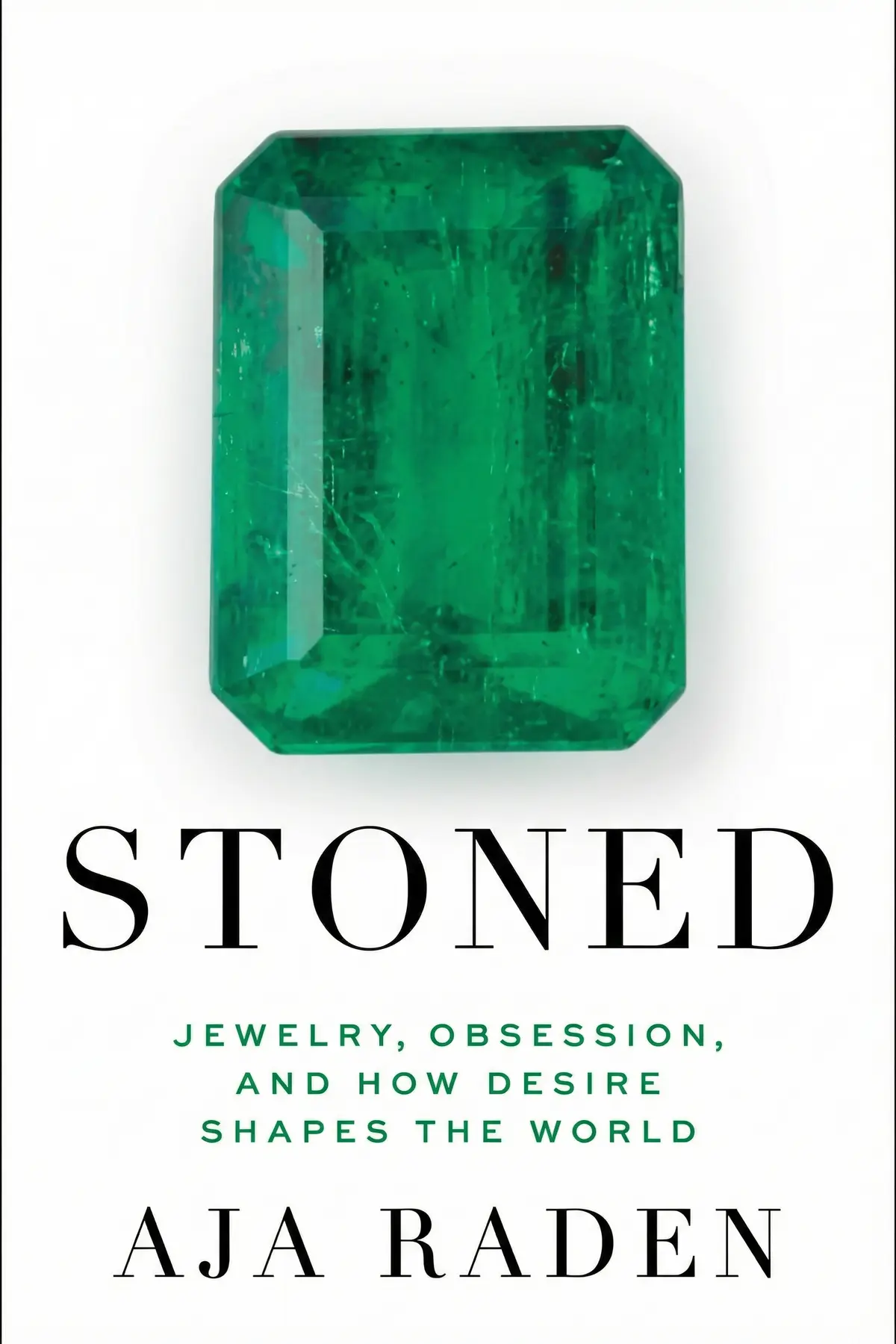
Discover how the human obsession with precious stones and luxury objects has altered the course of history, fueled by the psychological forces of scarcity, marketing, and raw desire.
1 min 26 sec
Have you ever stopped to wonder why a small, compressed piece of carbon can cost more than a year’s salary, while a beautiful river stone is worth nothing at all? Or why, throughout history, men and women have been willing to cross oceans, spark wars, and risk everything they own just to possess a handful of shiny trinkets? The value we assign to things is rarely about their practical use. Instead, it is a reflection of our own internal cravings, our social hierarchies, and the stories we choose to believe.
In this exploration of human obsession, we are going to look at how the history of the world has been steered not just by kings and generals, but by the glittering objects they desired. We often think of history as a series of political decisions and economic cycles, but there is a parallel history written in gold, pearls, and diamonds. It is a story of how desire acts as a primary engine for human behavior. By understanding the jewelry that has shaped our past, we can gain a better understanding of the impulses that drive our present.
Over the next several sections, we will journey through different eras and across different continents. We’ll look at how a single pearl could change the naval dominance of the world, how a flower could collapse a national economy, and how modern marketing convinced us that certain stones are essential for love. This is a journey through the evolution of luxury and a masterclass in the psychology of value. Prepare to see the world—and the things you want—in a completely different light.
2 min 07 sec
A single pearl can do more than decorate a neck; it can shift the balance of global power and spark massive naval conflicts between competing empires.
1 min 56 sec
Our brains are wired to equate scarcity with value, leading to irrational economic bubbles and physical reactions that cloud our judgment.
2 min 00 sec
When nature doesn’t provide enough luxury, human innovation finds a way to create it, leading to a battle over what constitutes ‘real’ value.
1 min 49 sec
Diamonds were not always the ultimate symbol of love; they became essential through a calculated and brilliant marketing strategy.
1 min 53 sec
What is considered a priceless treasure in one era can be seen as a mere trinket in another, as illustrated by the history of Manhattan.
1 min 34 sec
As we have seen, the history of humanity is inextricably linked to the things we chase. From the stormy seas of the sixteenth century to the modern-day diamond counters of high-end malls, our obsession with beauty and rarity has dictated where we go and what we do. We’ve learned that value is not a fixed property of an object. It isn’t found in the chemical makeup of a pearl or the carbon structure of a diamond. Instead, value is a story we tell ourselves, often bolstered by marketing, social pressure, and our own biological responses to scarcity.
Understanding this gives us a powerful new lens through which to view our own lives. The next time you find yourself deeply desiring a luxury item, take a moment to ask why. Is the object truly valuable to you because of its inherent qualities, or are you reacting to a manufactured sense of rarity? Are you being influenced by a marketing campaign that was designed decades ago to tug at your heartstrings?
By comparing cost and value, we can make more intentional choices. There is nothing wrong with enjoying beautiful things, but there is immense freedom in recognizing that we are the ones who grant these objects their power. As history has shown us, the things we value today might be worthless tomorrow, and the things we ignore might one day become the most sought-after treasures in the world. In the end, it is our desire that shapes the world, but it is our awareness that allows us to navigate it wisely. Let the stories of these stones remind you that while beauty is a powerful motivator, the most precious thing you possess is the ability to decide for yourself what truly matters.
Stoned explores the powerful, often irrational connection between human history and the objects we covet. Rather than focusing solely on the mineralogy of gemstones, the book delves into the social and economic shifts triggered by our pursuit of beauty. It promises to reveal the hidden mechanics behind value, showing how something as small as a pearl or as common as a flower bulb can topple empires and bankrupt nations. From the high-stakes royal rivalries of the 16th century to the boardrooms of modern diamond monopolies, the narrative examines how perception is the ultimate currency. You will learn about the invention of cultured pearls, the truth behind the diamond engagement ring tradition, and the psychological experiments that prove our brains are hardwired to want what is rare. It is a fascinating look at the intersection of history, science, and the visceral cravings that shape our world.
Aja Raden is uniquely trained as a jeweler, a scientist and a historian. She studied at the University of Chicago and has worked as the head of the auction division at House of Kahn Estate Jewelers and as a senior designer for Tacori, a fine-jewelry company in Los Angeles.
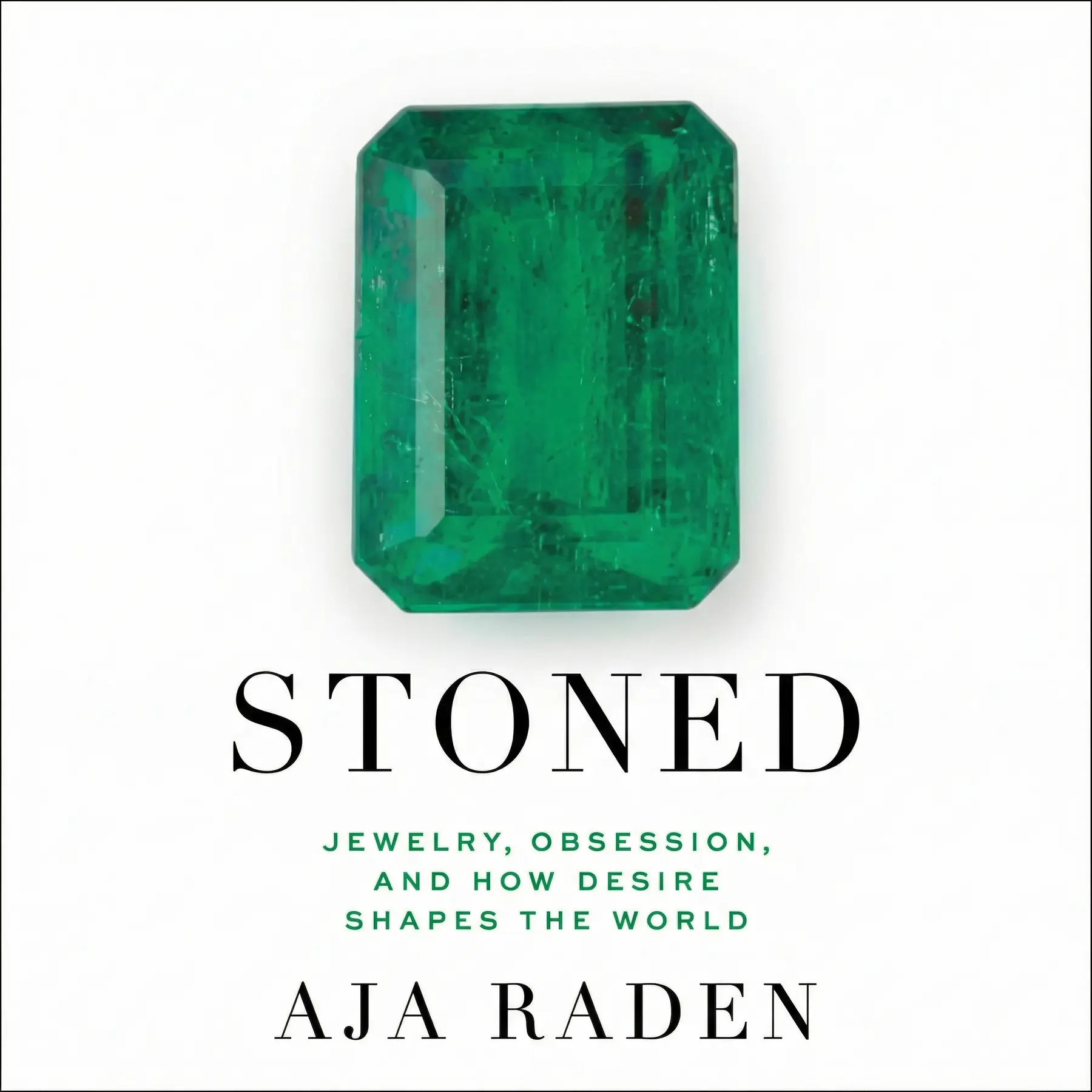
Listeners find this to be a charming listen packed with intriguing historical facts and a thrilling blend of gemology and history. Furthermore, the narrative is thoroughly researched and captivating, with listeners highlighting the author’s cleverness and sense of humor. The book also provides useful perspectives on the psychological reasons gems become precious, and listeners enjoy how national histories are integrated into the story. Finally, they appreciate the thoughtful examination of worth and value.
Ever wonder why we're so obsessed with shiny rocks that have no practical use? Raden dives deep into the psychology of desire, explaining how we imbue inanimate objects with massive social power. Her breakdown of the Romanovs through the lens of those gorgeous Faberge eggs was haunting and brilliant. You can really tell she has a background in both history and science because she explains the formation of emeralds with such clarity. It’s rare to find a non-fiction book that makes you laugh out loud while teaching you about tectonic plates and political coups. This is microhistory at its best, blending hard facts with a sharp, modern wit that keeps the narrative moving. Highly recommend for any curious soul who loves a good story.
Show moreWow, I didn't expect a book about jewelry to be such a total page-turner. The story of the 'Affair of the Necklace' and how it contributed to Marie Antoinette’s downfall was genuinely gripping. Raden has this incredible ability to make historical figures feel like real, messy people rather than just names in a textbook. I loved the section on Spanish emeralds and the brutal history behind their 'discovery' in South America. It’s an exhilarating combination of gemology and world history that kept me hooked from the first page. Even the more technical bits about how pearls are formed were presented in a way that was easy to grasp. This book is a gem in itself—witty, informative, and deeply researched. I couldn't put it down!
Show moreAja Raden has a gift for connecting the dots between geology, politics, and the dark side of human nature. I was spellbound by the description of how emeralds require tectonic plates to crash together to even exist. It’s that blend of hard science and dramatic history that makes this book stand out from other non-fiction. Her analysis of the power struggle between Mary and Elizabeth through the lens of a single pearl was masterfully done. Even when she’s being cynical about the diamond industry, her passion for the subject matter is evident. This is the kind of book that makes you want to immediately look up more information on every topic mentioned. It’s smart, sharp, and brilliantly paced. Truly an exhilarating read.
Show moreIf you want to know how the diamond engagement ring became a 'tradition,' read this book immediately. It’s a scathing and hilarious takedown of the greatest marketing con in human history. Raden doesn't hold back, and her conversational style makes the complex economic concepts easy to digest. I especially enjoyed the chapter on the Fabergé eggs and the slow-motion car crash of the Russian monarchy. The way she connects these luxury items to the broader social movements of the time is just genius. It’s informative without ever feeling like a chore to read, which is a rare feat for history books. I’ve already bought copies for three of my friends who love jewelry and historical drama. This book is absolutely brilliant.
Show morePicked this up on a whim after a friend mentioned the De Beers chapter. I’m not a jewelry person, but the way Raden explains the diamond cartel’s marketing genius is absolutely fascinating. She manages to turn a history lesson into something that feels like a gossip column mixed with a business lecture. Sometimes the jokes feel a little forced, particularly when she's talking about serious historical events like colonialism. However, the sheer amount of 'did you know' facts kept me turning the pages until the very end. The section on the transition of the wristwatch from a feminine accessory to a masculine necessity was a highlight for me. It’s a breezy, fun read that makes you look at your own possessions differently through a lens of manufactured desire.
Show moreAs someone who usually finds history dry, Raden’s wit was a breath of fresh air throughout the entire book. She takes complex topics like the rise of Japanese cultured pearls and makes them feel relevant to a modern audience. Her take on Elizabeth I’s use of pearls to signal virginity and power was especially insightful. Look, the book isn't perfect; the tone can be a little 'mean girl' when she discusses certain historical women. But the way she weaves national histories together through the thread of precious stones is truly clever. It’s less about the jewelry and more about the human vanity and greed that drive our species. I learned so much about the intersection of status and commerce. A great read overall.
Show moreFinally got around to reading this microhistory after seeing it recommended on several lists. It’s a fascinating look at how our perception of value is entirely manufactured by those in power. The deep dive into the De Beers monopoly was particularly galling, making me want to throw my own jewelry into the sea. Raden’s background in physics helps her explain the science of gemstones without being boring or overly technical. Some of the transitions between different eras are a bit clunky, but the individual stories are so strong that it doesn't matter much. It’s a thoughtful reflection on what we consider 'precious' and why we’re willing to kill for it. Definitely worth a read for history buffs who like a side of snark.
Show moreTo be fair, the book wanders off into tangents about evolutionary psychology a bit too often for my taste. I’m not sure I buy the idea that our love for shiny things is hard-wired into our brains based on eye-tracking studies of modern Americans. That said, the historical narratives—especially the one regarding the 'glass beads' used to purchase Manhattan—are incredibly compelling. Raden has a knack for finding the small, overlooked details that change your entire perspective on a historical event. The writing is punchy and full of personality, even if it occasionally feels a bit repetitive. It’s a solid 4-star read that offers a unique perspective on the forces that shaped our modern world. A great pick for book clubs looking for discussion.
Show moreThe chapter on the sale of Manhattan was eye-opening, though I'm skeptical of some of the author's broader claims about glass beads. While the writing is definitely accessible, it often crosses the line into being a bit too casual for my liking. Words like 'sucks' and an over-reliance on conversational filler made the prose feel slightly amateurish at times. I also found the structure to be quite disjointed; the leaps between the Dutch tulip trade and English pearls felt jarring. To be fair, her expertise in gemology shines through in the technical descriptions. I just wish there had been more rigorous sourcing for some of the more outlandish historical anecdotes. It’s an interesting collection of essays, but it doesn't quite come together as a coherent whole for me.
Show moreTruth is, I found the writing style more irritating than informative throughout most of the chapters. Raden tries way too hard to be 'cool' and 'edgy' with her prose, which often feels disrespectful to the weightier historical contexts she explores. The section on the Romanovs was particularly frustrating because it focused more on snarky commentary than actual historical depth. I was hoping for a serious look at gemology, but instead, I got a series of disjointed anecdotes and weird tangents about evolutionary psychology. The lack of primary source citations in the footnotes makes me question the accuracy of the more sensationalist claims. If you want a scholarly history of jewelry, look elsewhere; this is essentially a collection of blog posts bound together. Not for me.
Show moreWilliam J. Bernstein

Ishmael Beah



Yanis Varoufakis
Ben Macintyre
AUDIO SUMMARY AVAILABLE
Get the key ideas from Stoned by Aja Raden, plus 5,000+ more titles in English and Thai.







