
18 min 22 sec
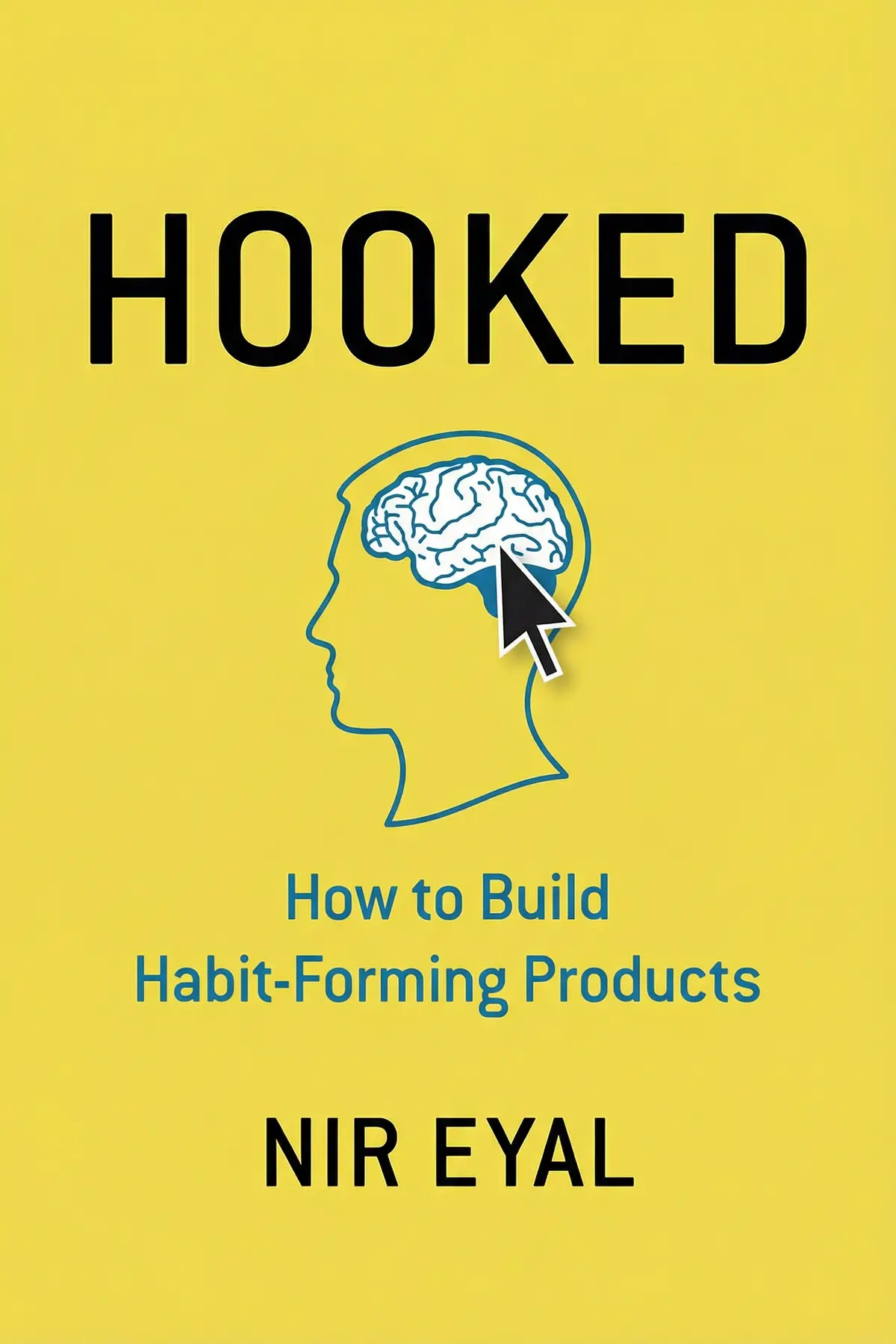
Strategy Rules: Five Timeless Lessons From Bill Gates, Andy Grove and Steve Jobs
Examine the strategic playbooks of three legendary tech titans: Bill Gates, Andy Grove, and Steve Jobs. This summary reveals the five fundamental rules they used to dominate the global technology landscape.
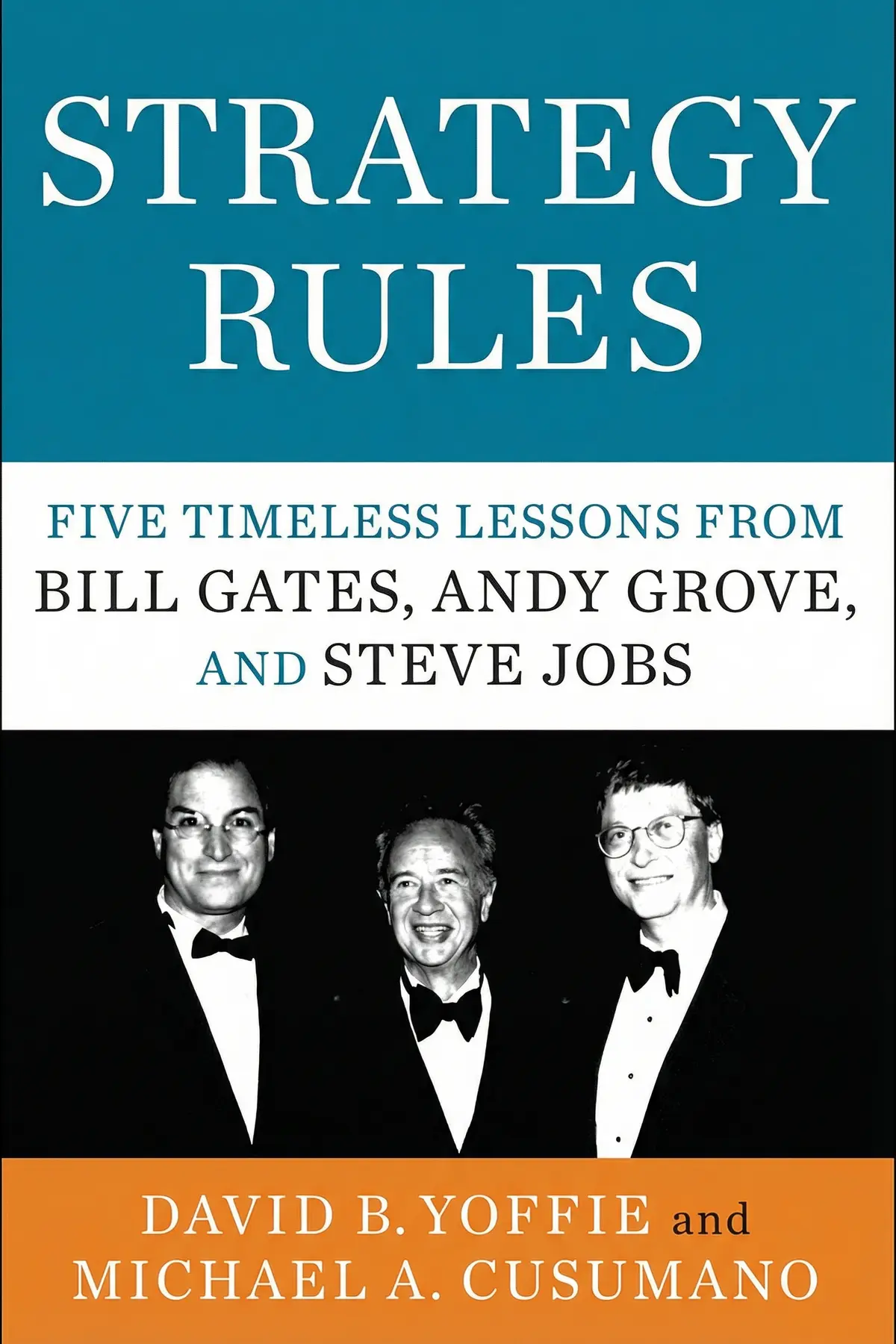
Table of Content
1. Introduction
1 min 34 sec
Think for a moment about the devices you use every single day. Whether you are checking your email on a smartphone, drafting a report on a laptop, or connecting with colleagues across the globe via a server, your digital life is essentially a house built by three architects: Bill Gates, Andy Grove, and Steve Jobs. While these men were fierce competitors who often clashed, they shared something far more important than a rivalry. They shared a strategic DNA that allowed them to turn fledgling startups into the most powerful companies on the planet.
In this exploration of Strategy Rules, we aren’t just looking at biographies. Instead, we are dissecting the specific maneuvers and mindsets that allowed Microsoft, Intel, and Apple to survive the volatile early years of the tech revolution and eventually dictate the terms of the entire industry. What’s fascinating is that while their personalities couldn’t have been more different—Gates the analytical coder, Grove the disciplined engineer, and Jobs the visionary artist—their strategic playbooks were remarkably similar.
Over the course of this summary, we will uncover how they anticipated the needs of a market that didn’t even exist yet, how they managed the delicate balance between taking massive risks and protecting their core assets, and how they built ‘platforms’ that forced the rest of the world to play by their rules. This isn’t just a history of the PC era; it is a timeless blueprint for anyone looking to lead, innovate, and win in a competitive landscape. By the end, you’ll see that their success wasn’t just due to brilliant products, but to a rigorous adherence to a set of rules that anyone can learn to apply.
2. The Power of Forward-Looking Vision
2 min 08 sec
Discover how a simple observation about processing power allowed three very different leaders to predict the future and pivot their entire businesses before the competition even noticed.
3. Timing the Market and Building Moats
2 min 07 sec
A great idea can still fail if the world isn’t ready for it. Explore why some revolutionary products crashed while others became global standards.
4. The Art of Calculated Risk
1 min 55 sec
True leaders are willing to bet on the future, but they never put the entire company’s survival on the line without a safety net.
5. Platforms Over Products
1 min 53 sec
Learn why building a single great device is never enough, and why the real winners are those who create ecosystems others must rely on.
6. Martial Arts in the Boardroom
2 min 12 sec
Master the two different styles of competition: the stealthy maneuvers of the judo expert and the overwhelming power of the sumo wrestler.
7. The CEO as an Architect of DNA
2 min 05 sec
It isn’t just about what you do, but who you are. Explore how these leaders imprinted their own unique strengths onto their organizations.
8. A Legacy for the New Giants
2 min 14 sec
See how the rules established by Gates, Grove, and Jobs are being used today by companies like Google, Facebook, and Amazon to maintain their dominance.
9. Conclusion
2 min 14 sec
As we wrap up our journey through the strategic playbooks of Bill Gates, Andy Grove, and Steve Jobs, the overarching lesson is that great success is rarely an accident. It is the result of a disciplined application of core principles. These three men proved that while technology changes at a breakneck pace, the rules of human competition and organizational growth are remarkably stable.
We’ve seen how they looked past the horizon to anticipate shifts in processing power and user needs. We’ve explored how they balanced the audacity of massive bets with the prudence of a financial safety net. We’ve learned that the most powerful companies don’t just sell products; they build platforms that define entire industries. And perhaps most importantly, we’ve seen that true leadership involves imprinting your own strengths onto a company while finding the right partners to cover your blind spots.
The throughline across all these stories is the marriage of vision and execution. A vision without a strategy is just a dream, and a strategy without a vision is just a plan to stay busy. Gates, Grove, and Jobs mastered the art of combining the two. They didn’t just see the future; they engineered it.
As you move forward in your own career or business, take a moment to look at your current challenges through the lens of these five rules. Are you building a product, or could you be building a platform? Are you playing Judo when you should be playing Sumo? And are you looking far enough ahead to see the next ‘Moore’s Law’ that will disrupt your industry? By internalizing these lessons, you can begin to make the same high-level strategic moves that built the modern world.
To put this into immediate action, try a technique often used by these great strategists: the ‘future-back’ exercise. Don’t plan your next move based on where you are today. Instead, clearly define where you want your company or your career to be in five years. Then, work backward, step by step, to determine what must happen today, next month, and next year to make that future inevitable. By starting with the destination, you ensure that every small tactical move you make is aligned with your ultimate strategic goal. The digital revolution was built on these rules—now it’s your turn to use them.
About this book
What is this book about?
Strategy Rules investigates the lives and leadership styles of the three men who shaped the digital world as we know it: Bill Gates of Microsoft, Andy Grove of Intel, and Steve Jobs of Apple. Despite their differing personalities, the authors argue that these three CEOs shared a core set of strategic principles that allowed them to build massive, enduring empires. The book identifies five key rules that guided their decision-making. These include looking forward to anticipate future trends, making massive bets without risking the entire enterprise, and building platforms rather than just products. By analyzing their successes and their notable failures, the summary provides a masterclass in business strategy, showing how these high-level concepts can be applied by leaders in any industry to achieve exponential growth and competitive dominance.
Book Information
About the Author
David B. Yoffie
David B. Yoffie is a long-standing faculty member at Harvard Business School, where he teaches business administration. He has served extensively on the Intel board and has authored or edited nine books. Michael A. Cusumano is a distinguished professor of management at MIT. He has been a prominent voice on the software industry for decades and is the author or editor of twelve books.
Ratings & Reviews
Ratings at a glance
What people think
Listeners find this an exceptional resource for company leaders and entrepreneurs, with one listener remarking that it is vital reading for those aiming for success. Beyond that, the strategic concepts earn high marks; one listener emphasizes the potent observations concerning today's top strategists. Lastly, listeners admire the caliber of the writing, as one listener observes how the authors skillfully blend their distinct viewpoints.
Top reviews
Big
Finally got around to reading this, and it’s a masterclass for any aspiring entrepreneur. Yoffie and Cusumano don’t just offer dry theory; they provide a blueprint based on the real-world maneuvers of Gates, Grove, and Jobs. To be fair, most of us know the basic history of these tech giants, but seeing their strategies distilled into five core rules makes the complexity of high-stakes business feel much more manageable. The concept of building platforms rather than simple products really hit home for me. It’s a powerful read that feels both historical and extremely relevant for today’s market leaders who need to scale fast. The authors successfully combine their academic backgrounds with practical, board-level experience to create something truly excellent.
Show morePalm
Ever wonder how three completely different personalities managed to dominate the same era of computing? This book is a fascinating look at the shared DNA of their strategic thinking. I found the chapter on "shaping the organization around your personal anchor" to be the most revelatory part of the whole text. It humanizes these "American Gods" by showing their flaws and how they built teams to compensate for them. For any business leader, this is a must-read that clarifies the difference between being a good manager and being a great strategist. The authors have provided powerful insights into how contemporary strategists can apply these lessons to their own companies today.
Show moreSomporn
Wow, what an incredible synthesis of three of the most influential careers in modern history. The authors managed to take decades of tech evolution and boil it down to five essential habits that anyone can study. I especially appreciated the focus on how these leaders had to learn and grow; they weren't born perfect strategists. It shows that execution is a skill honed over time through trial and error. The writing style is professional yet accessible, making it an excellent choice for both students and seasoned executives. If you want to understand the architecture of the digital age and how to build a lasting platform, start here. It's a must-read for business success.
Show moreWitthaya
As someone who works in tech strategy, I appreciated the focus on "looking forward and reasoning back." The authors do a fantastic job of showing how vision isn't just a vague dream but a calculated roadmap for the future. While some of the anecdotes about Microsoft and Apple have been told a thousand times, the synthesis here is what adds value. Personally, I found the section on exploiting leverage particularly insightful, even if the tactics feel a bit ruthless at times. My only gripe is that it occasionally feels a bit like a university textbook, which might slow down casual readers. Regardless, it is a solid framework for anyone trying to understand how the industry standard is actually set by the biggest players.
Show moreAroha
The perspective here is unique because Yoffie actually sat on Intel’s board, giving him a front-row seat to Grove’s decision-making process. That personal connection elevates the narrative above your typical business biography. I particularly liked the emphasis on "cannibalizing your own products" before a competitor does it for you; it’s a terrifying but necessary strategy in modern tech. The prose is sharp and avoids the fluff that plagues most management books. While it does suffer slightly from survivorship bias, the lessons on building ecosystems are timeless. It's an excellent resource for anyone looking to move beyond simple product management and into the realm of true industry leadership and long-term planning.
Show moreSumalee
Picked this up during a flight and ended up finishing it before I landed. It’s a very quick, engaging read that distills complex corporate maneuvers into actionable advice. The way Yoffie and Cusumano contrast Grove’s discipline with Jobs’s intuition is brilliant. Frankly, the lesson about making "big bets" without betting the entire company is something every startup founder needs to hear twice. It’s not a perfect book—some sections on Microsoft’s legal battles felt a bit dated—but the core principles remain remarkably sturdy. It definitely deserves a spot on your professional development shelf if you want to understand the mechanics of the digital world. The authors really know how to communicate their experience effectively.
Show moreVimolwan
This book provides a decent introduction to tech strategy, but if you’ve followed these companies for years, you won't find many new revelations here. It felt like a very polished rehashing of well-documented business cases from HBS and MIT. To be fair, the five rules are a useful rubric, and the writing is clear enough, but it lacks the deep psychological dive I was hoping for. Why did these men make these specific choices under pressure? The authors stay mostly on the surface of execution rather than the "why" behind the personality. It’s good for a beginner who is new to management, but maybe too basic for seasoned pros who have already read the major biographies.
Show moreIsaiah
Look, while the case studies on Gates, Jobs, and Grove are interesting, we have to acknowledge the elephant in the room: timing was everything for them. The authors present these rules as a deterministic formula for success, but in my experience, the same strategies could have led to failure in a different decade. The book is well-written and the comparative study is structured logically, making it easy to digest. However, it feels a bit like looking at history through a very specific lens that ignores the failures of others who followed the same rules. It’s an interesting read for students, just take it with a grain of salt and don't expect a perfect recipe for your own startup.
Show moreTanawan
In my experience, business books like this tend to lionize their subjects a bit too much, and this one is no exception. Gates, Grove, and Jobs are treated as monoliths, and while their successes are undeniable, the writing occasionally brushes over their more controversial traits. To be fair, the authors do mention some shortcomings, but the focus is clearly on the "rules" of their success. The framework is helpful for organizing one's thoughts on market positioning, but don't expect a gritty, tell-all biography. It’s a strategic overview, pure and simple, and it serves that specific purpose reasonably well. I found the comparative approach helpful, even if it lacked some much-needed critical distance.
Show moreYui
Not what I expected given the high pedigree of the authors. I found it incredibly difficult to maintain my concentration throughout the middle chapters, which felt repetitive and overly academic. The truth is, the "five rules" could have been summarized in a long-form article rather than stretched into a full book. It leans heavily on the successes of three men while largely ignoring the role of luck or external market conditions at the time. To be fair, the summary at the end for the "next generation" was okay, but the journey to get there was a bit of a slog for me. It feels like a missed opportunity to provide more contemporary insights beyond just looking at the same three legends again.
Show moreReaders also enjoyed
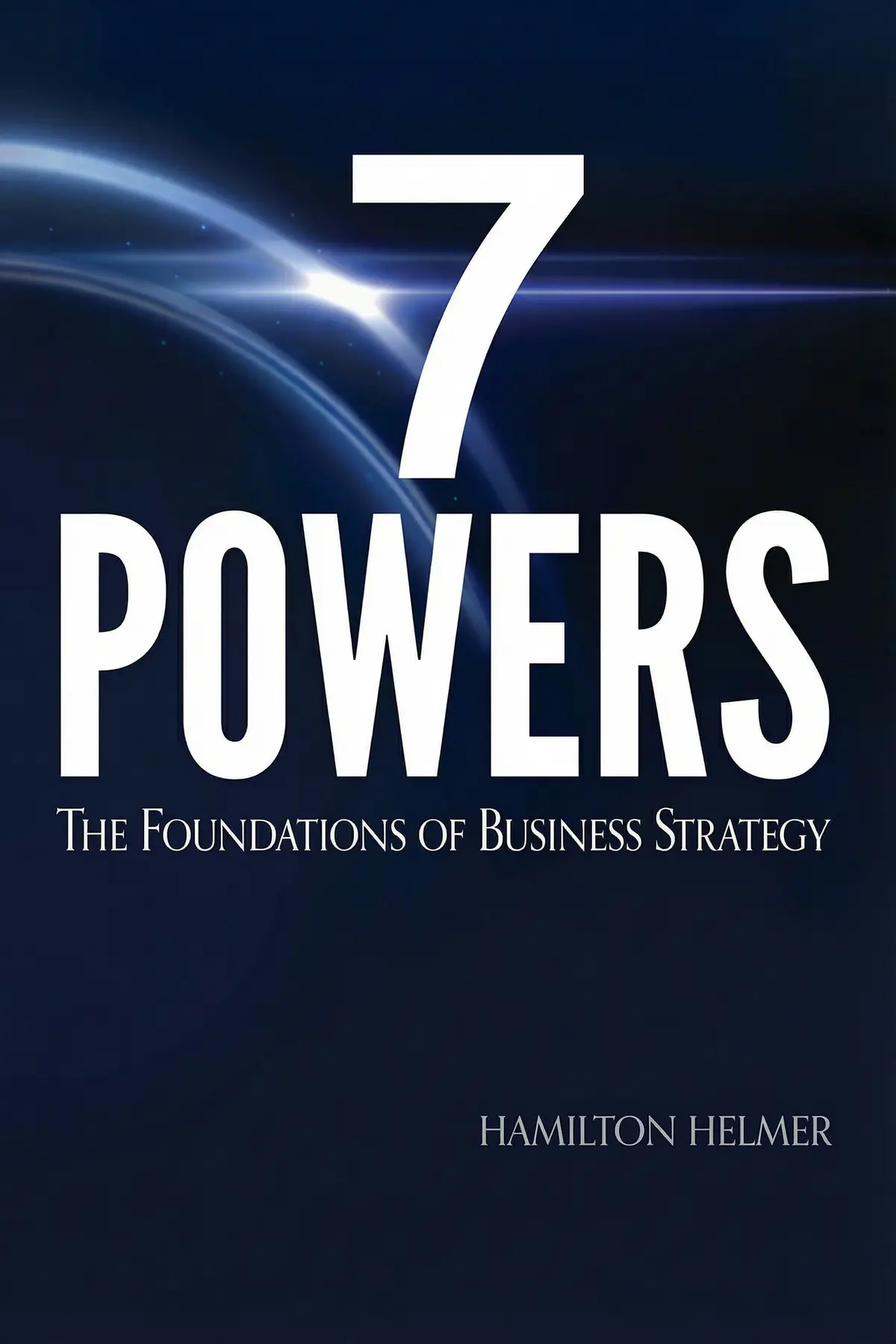
7 Powers: The Foundations of Business Strategy
Hamilton Helmer
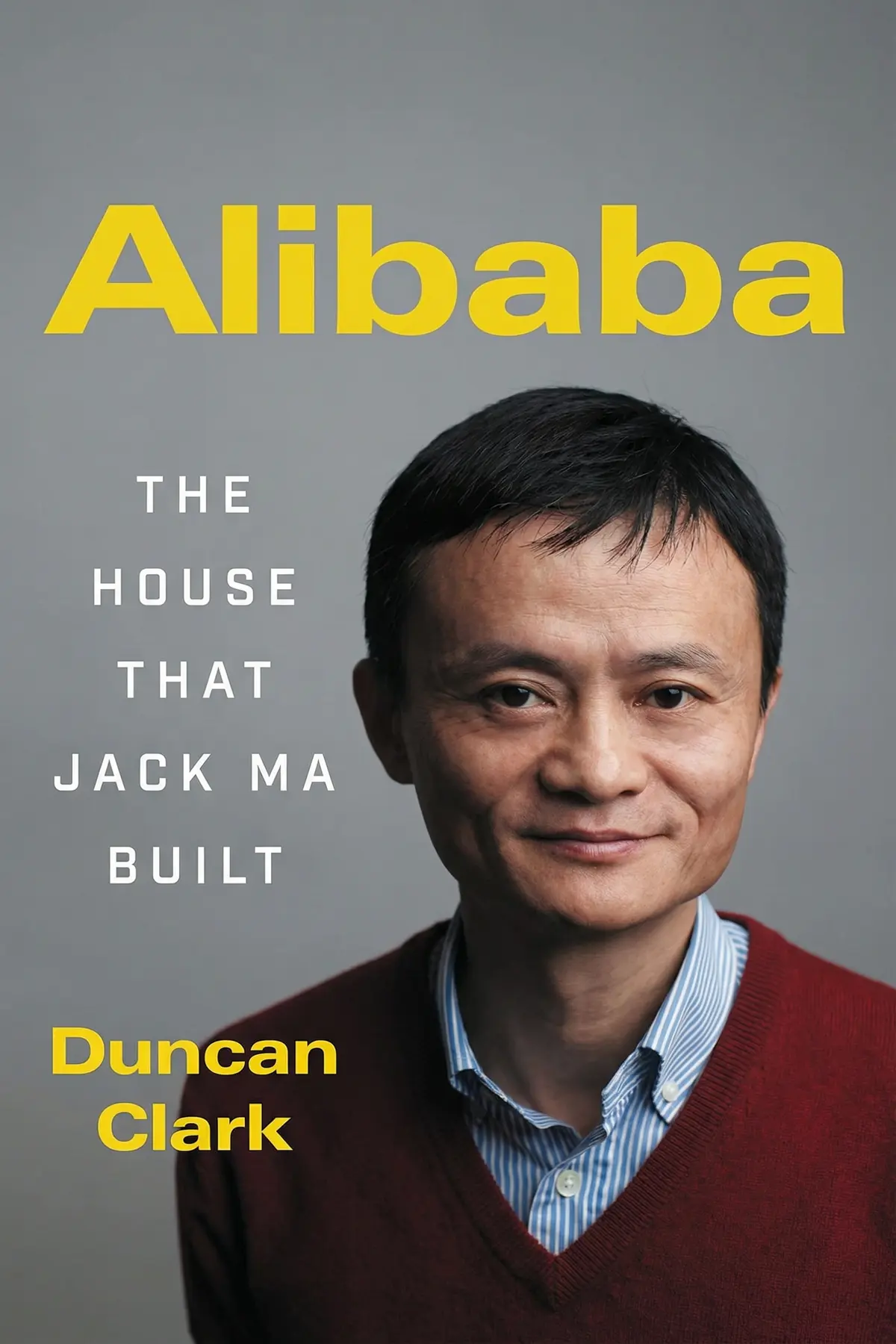
Alibaba: The House That Jack Ma Built
Duncan Clark
AUDIO SUMMARY AVAILABLE
Listen to Strategy Rules in 15 minutes
Get the key ideas from Strategy Rules by David B. Yoffie, plus 5,000+ more titles in English and Thai.
- 5,000+ titles
- Listen as much as you want
- 7-day free trial
- Cancel anytime







