
19 min 50 sec
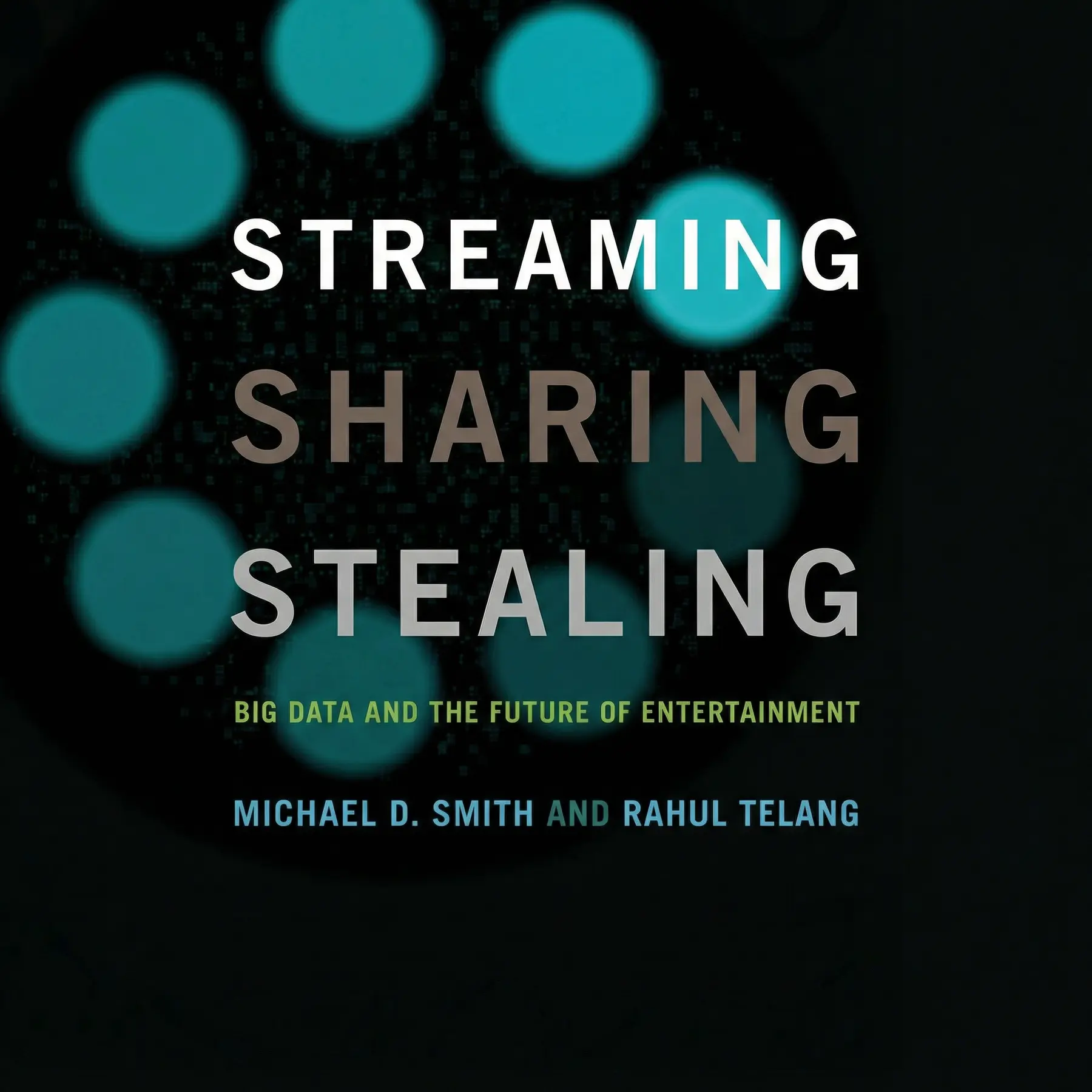
Streaming, Sharing, Stealing: Big Data and the Future of Entertainment
Explore how the digital revolution has stripped power from traditional media gatekeepers, allowing data-driven platforms and niche creators to redefine how we consume music, film, and literature in the modern age.
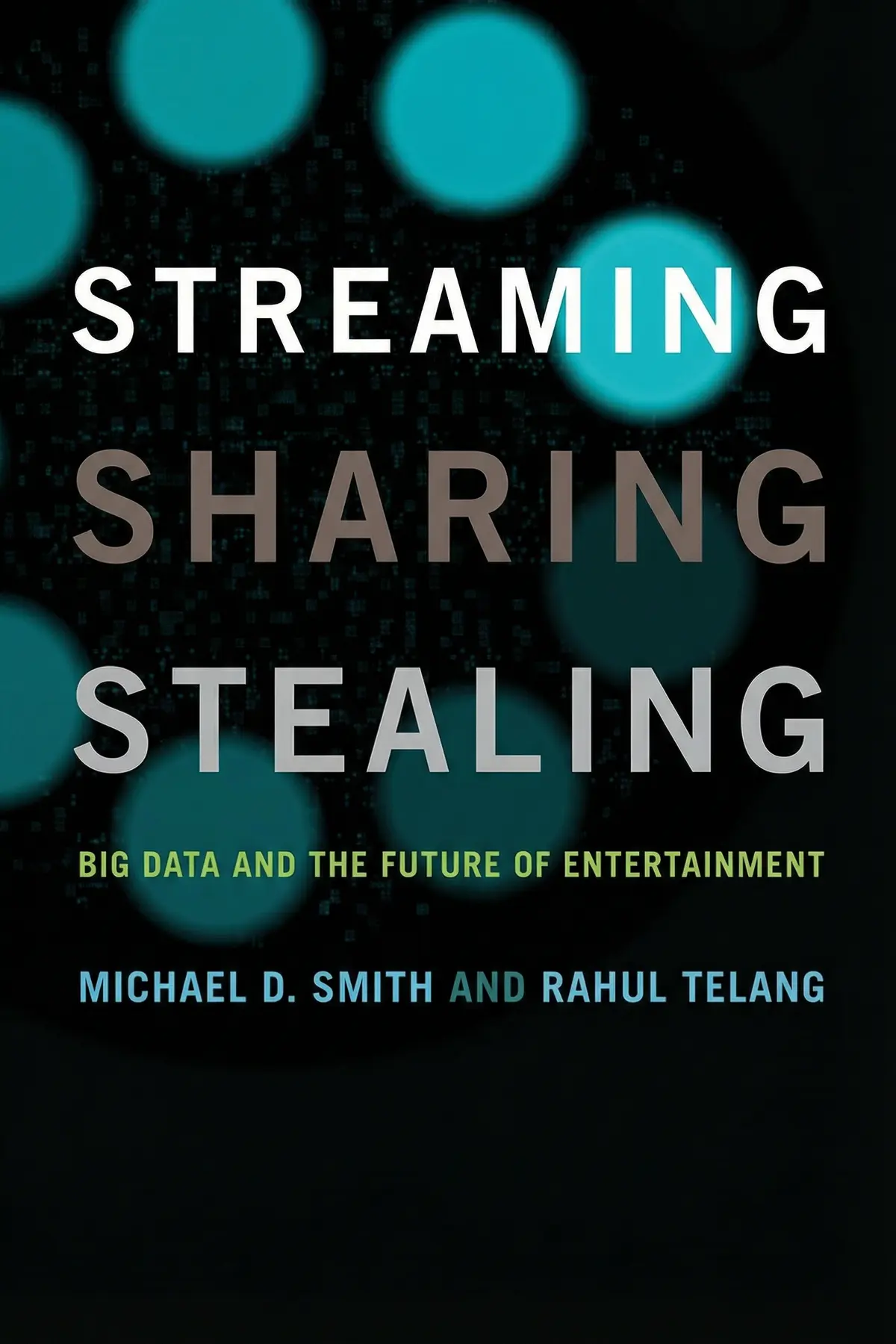
Table of Content
1. Introduction
2 min 01 sec
For nearly a century, the name Kodak was synonymous with photography. It was a corporate titan that defined how we captured and preserved our most precious memories. Yet, in 2012, this former giant was forced to file for bankruptcy. The irony of Kodak’s downfall is that they weren’t blind to the future; they actually developed their own digital camera technology long before it became the industry standard. However, they were paralyzed by a fear of the unknown. They worried that digital images would destroy their incredibly profitable analog film business. By the time they realized that the change was inevitable, it was too late. The world had moved on, and there were no more Kodak moments left to be had.
This story serves as a powerful cautionary tale for the entire entertainment industry. We are currently living through a period of digital disruption that is every bit as seismic as the shift from film to digital sensors. In the last decade, we have watched as venerable institutions in music, film, and publishing have been outpaced by tech-savvy startups that understand the new rules of the game. These new players didn’t just get lucky; they harnessed the power of data and distribution in ways that traditional executives couldn’t—or wouldn’t—conceive of.
In this exploration of the modern media landscape, we will trace the throughline of this revolution. We’ll look at how power has shifted from the gatekeepers who once controlled what we saw and heard to the digital platforms that now curate our every move. We’ll examine the rise of the long tail, the death of the traditional pilot season, and the high-stakes battle against piracy. The goal is to understand how technology has fundamentally rewritten the script for how stories are told and how we, as consumers, interact with them. If you want to understand why the industry looks the way it does today, you have to look at the intersection of streaming, sharing, and stealing.
2. The Reversal of Industry Power Dynamics
2 min 31 sec
Discover how major industry players missed the digital wave, allowing newcomers to dismantle traditional business models through bold technology and deep data insights that changed everything.
3. Artistic Freedom and the End of Scarcity
2 min 21 sec
Learn how the removal of traditional advertising and scheduling constraints has opened the door for riskier storytelling and more flexible ways for audiences to consume content.
4. The Crucial Importance of Timing and Foresight
2 min 15 sec
Explore why some of history’s greatest inventors failed to dominate the markets they created, and how being first is often less important than being adaptable.
5. Breaking the Grip of the Gatekeepers
2 min 17 sec
Uncover the historical tactics used by a few massive companies to control everything we heard and saw, and how those barriers are finally coming down.
6. The Rise of the Long Tail and Niche Markets
2 min 25 sec
See how digital storefronts have transformed the economics of entertainment, making it possible for obscure, out-of-print, and highly specific works to thrive alongside blockbusters.
7. Data as the New Creative Compass
2 min 20 sec
Understand how big data is replacing intuition in the creative process, helping companies predict trends and market stories with surgical precision.
8. The Economic Impact and Prevention of Piracy
2 min 12 sec
Examine the real-world consequences of digital theft and the surprising ways that clear legal boundaries can actually encourage people to pay for content again.
9. Conclusion
1 min 28 sec
As we look back at the radical changes of the last few decades, the central theme is the transition from a world of controlled scarcity to a world of data-driven abundance. The old gatekeepers who once ruled the entertainment industry with an iron fist—deciding what was worthy of our time and money—have seen their power diminish. In their place, we have platforms that use the vast power of the internet to connect us with nearly any piece of content ever created. This isn’t just a technological shift; it’s a cultural one. We no longer wait for the industry to tell us what to like; we vote with our clicks, our streams, and our data.
The takeaway for anyone operating in this space is that you cannot hide from change. Like Kodak, those who try to protect their old business models at the expense of the future are destined to fail. Success in the modern era requires a deep commitment to understanding the audience through data, a willingness to embrace new and flexible creative formats, and a proactive approach to protecting the value of intellectual property. The tools of ‘streaming, sharing, and stealing’ have redefined the landscape, but the goal remains the same: to tell stories that resonate and to find the people who need to hear them. By embracing these new digital realities, creators and businesses alike can ensure that they aren’t just surviving this revolution, but leading it.
About this book
What is this book about?
The entertainment landscape has undergone a seismic shift, moving from a world of controlled physical distribution to one of digital abundance. This transformation has left many traditional power players—studios, record labels, and publishers—struggling to keep up with agile, tech-focused newcomers. In this summary, we explore the core principles that allowed companies like Netflix and Amazon to disrupt long-standing industries. It is not just about moving content online; it is about understanding how data, creative freedom, and global access change the very nature of what is produced. You will discover why the old ways of greenlighting projects are being replaced by sophisticated analytics that can predict a hit before a single scene is filmed. We also examine the concept of the long tail, where niche products find dedicated audiences that were previously unreachable. Finally, we look at the double-edged sword of digital technology: the threat of piracy and the legal frameworks that can protect the creative economy. The promise is a clear-eyed look at the survival strategies necessary for a world where technology moves faster than tradition.
Book Information
About the Author
Michael D. Smith
Michael D. Smith and Rahul Telang are professors at Carnegie Mellon University's Heinz College, where they co-direct the Initiative for Digital Entertainment Analytics. Over the course of their careers, they’ve been interviewed by Forbes, NPR and Fortune, and have featured on Talks at Google.
Ratings & Reviews
Ratings at a glance
What people think
Listeners find the work deeply insightful and knowledgeable, with one mentioning its impressive ability to break down complicated ideas. Furthermore, the prose is well-liked, as one listener calls the writing style concise. They also value the title's accessibility and entertainment factor, with one review noting it provides a captivating glimpse into the digital future of media. The book earns praise for its trustworthiness as well, with one listener labeling it as impeccably researched.
Top reviews
Pim
This book is a borderline miracle considering it comes from a university press and covers dense business data analysis. Most academic titles are an absolute snooze-fest the size of a brick, but Smith and Telang deliver an impeccably structured and accessible gem. They explain how the entertainment upstarts have taken massive bites out of old-school powerhouses using data as their primary weapon. I found the anecdotes about Blockbuster turning down Netflix for pennies on the dollar to be particularly jaw-dropping. It’s flat-out confusing how exciting the authors make statistical analysis sound for the average reader. If you want to understand the current slug-fest in the media world, this is a must-read. The writing is punchy, succinct, and surprisingly entertaining for such a serious subject.
Show moreCholada
Wow, I didn't expect a book about economics and distribution models to be such a page-turner! Smith and Telang do a remarkable job explaining complex concepts like long-tail theory and data analytics without using confusing jargon. I was especially fascinated by the section on how Amazon uses data to understand exactly what customers want before they even know it. The book offers a fascinating peek into the digital future where the old gatekeepers no longer hold all the keys. It’s impeccably researched and provides a clear blueprint for what is working in the modern media landscape. This should be required reading for anyone pursuing a career in digital marketing or content creation. Truly a great read.
Show morePannipa
Picked this up on a recommendation and it’s easily the clearest explanation of how the internet broke the old distribution models. The authors have a gift for taking high-level economic theories and making them feel urgent and relevant to the movies we watch and the books we read. Not gonna lie, I was worried it would be a dry textbook because of the MIT Press branding. Instead, I found a well-written narrative that explains why the giants of the 20th century are being toppled by data-savvy upstarts. The research is impeccable. Every chapter feels like it's revealing a secret about how the world of entertainment actually functions behind the scenes. Highly recommended for any tech or media enthusiast.
Show moreEmily
Ever wonder why big media companies struggle so much to keep up with agile tech giants like Netflix and Amazon? The authors provide the clearest explanation I’ve ever seen regarding the 'perfect storm' hitting the music, film, and publishing industries today. Frankly, the analysis of how delayed digital releases actually drive piracy was a total eye-opener for me. They use experimental data to prove that holding back content to protect DVD sales is a losing strategy in a digital-first economy. While some of the case studies feel a little dated since it was written around 2015, the core principles of data-driven decision-making remain incredibly relevant. It’s an insightful look at how power has shifted from those who control the content to those who control the customer data.
Show morePrapaiwan
Finally got around to reading this and I’m struck by how the authors dismantle the myth that piracy is the biggest threat to art. To be fair, they show that piracy is usually a service problem rather than a moral one. When you make content easy to access legally, the stealing drops significantly. The book is well-informed and backed by empirical data, which I appreciate as someone tired of anecdotal business advice. My only real criticism is the assumption that more art being created is always a societal net positive. We might already have reached a point of 'peak content' where more isn't necessarily better. Despite that philosophical disagreement, the economic analysis here is top-notch and very readable.
Show moreJack
As someone working in the creative arts, I found the breakdown of the entertainment industry's shift from 'push' to 'pull' dynamics incredibly illuminating. The authors aren't just guessing; they provide hard data on why the old models of distribution are crumbling under the weight of the internet. It's a brutal analysis at times. They show how the lack of customer data is the 'Achilles heel' for traditional studios and publishers who rely on gut instinct. I loved the part about how Hulu was initially shackled by networks, proving how difficult it is for legacy players to change their mindset. The book is succinct and gets straight to the point without unnecessary fluff. It’s an essential guide for navigating the digital revolution.
Show moreNarumon
The truth is, while I found the focus on aggressive data collection a bit unsettling, the authors make an airtight case for its necessity in today’s market. They describe the entertainment world as a 'slug-fest' where only the most data-literate survive. It’s a bit creepy how much information these companies have on us, but Smith and Telang show exactly how that data translates into better content recommendations. The writing is very accessible and the chapters are just the right length to keep you engaged. I particularly enjoyed the comparison between Kodak and the current film studios. It serves as a stark warning to any business that thinks they are too big to fail. It’s a sobering but necessary look at our digital reality.
Show moreWanida
Not what I expected from a couple of professors, as the tone is surprisingly punchy and the insights are immediately actionable. I’ve seen many books try to explain the 'death of print' or the 'rise of streaming,' but few do it with this much empirical rigour. They don't just tell you things are changing; they show you the numbers behind the shift. The book is well-informed and doesn't shy away from pointing out where the big players went wrong. My one gripe is that the focus is almost entirely on the business side, leaving little room for the cultural impact of these changes. Still, for a business book, it’s remarkably well-paced and informative. It definitely lived up to the hype for me.
Show moreSuthinee
After hearing so much praise, I found the core ideas fascinating but the presentation somewhat repetitive in the middle chapters. The authors are clearly brilliant academics who know their stuff inside and out. However, they spend a lot of time sharing their specific research methods which can feel a bit formal and dry for a casual reader. The book was written when Netflix making movies was still a radical idea, so some 'big ideas' now feel like common knowledge. It’s not a bad book by any means, but its age is starting to show in the examples provided. If you’re already working deep within the entertainment industry, you might find yourself nodding along rather than learning anything truly groundbreaking.
Show moreTen
Look, I really wanted to like this, but it felt like a 40-page monograph padded into a 190-page self-aggrandizing academic business title. The authors spend way too much time trumpeting their own research and how they worked with famous publishing houses. It’s quite tedious. Furthermore, the book completely ignores the obvious fact that people have a finite number of hours to engage with media. Time spent on YouTube necessarily detracts from commercial TV, yet they act like the market is infinite. In such a fast-moving industry, a book from 2016 already feels very outdated and out of touch with current platform dynamics. I expected much more rigor and fresh perspective from MIT Press, but this just didn't deliver for me.
Show moreReaders also enjoyed
Adults in The Room: My Battle With Europe’s Deep Establishment
Yanis Varoufakis
21 Lessons for the 21st Century
Yuval Noah Harari
AI 2041: Ten Visions for Our Future
Kai-Fu Lee
AUDIO SUMMARY AVAILABLE
Listen to Streaming, Sharing, Stealing in 15 minutes
Get the key ideas from Streaming, Sharing, Stealing by Michael D. Smith, plus 5,000+ more titles in English and Thai.
- 5,000+ titles
- Listen as much as you want
- 7-day free trial
- Cancel anytime







