
7 min 55 sec
Talent Wins: The New Playbook for Putting People First
This guide explains why talent has replaced capital as a company’s most important asset, offering a strategy to elevate human resources to a central role in corporate leadership and value creation.
Table of Content
1. Introduction
1 min 05 sec
Think about the assets that define a company’s worth. For decades, the answer was almost always financial capital, proprietary technology, or physical infrastructure. But in today’s rapidly shifting business landscape, those things have become commodities. The true differentiator—the one thing that cannot be easily replicated—is the people within the organization. Shifting toward a talent-centric model is no longer just a nice idea for HR; it is a fundamental requirement for survival and growth.
This transformation requires more than just better hiring practices. It demands a complete overhaul of how the executive suite operates, how data is utilized, and how the board of directors oversees the company. To win, an organization must treat its human capital with the same intensity and precision it applies to its financial capital. We are going to explore a new playbook for leadership that places the individual at the center of the strategy, ensuring that the right people are in the right roles at the right time. By the end of this journey, you will see how a few structural shifts can unlock the hidden potential within your workforce and drive long-term excellence.
2. The G3 Leadership Model
1 min 28 sec
Discover how a new alliance between the CEO, CFO, and CHRO can bridge the gap between financial goals and human potential.
3. Finding the Critical 2 Percent
1 min 24 sec
Learn why the most important people in your company aren’t always the ones with the biggest titles or the highest salaries.
4. The Digital Transformation of HR
1 min 28 sec
Uncover how modern technology and data analytics can turn human resources into a precise and predictive powerhouse.
5. A New Mandate for the Board
1 min 28 sec
Explore how the board of directors can shift their focus from mere oversight to active talent stewardship.
6. Conclusion
1 min 02 sec
Ultimately, the message of this new playbook is clear: capital is no longer the scarcest resource—talent is. To win in the current era, businesses must move beyond outdated structures and embrace a model where people are the primary focus of every strategic decision. By forming the G3 alliance, identifying your most impactful contributors, and leveraging the power of data, you can build an organization that is not only successful but also deeply resilient.
Success starts with a change in mindset. When the CEO, CFO, and CHRO work as a unified front, and when the board of directors treats talent with the same importance as financial returns, the entire culture shifts. This isn’t just about being a ‘nice’ place to work; it’s about building a high-performance machine powered by the best possible human fuel. As you look at your own organization, ask yourself: are your people just another line on the balance sheet, or are they the heart of your strategy? The answer to that question will determine your future.
About this book
What is this book about?
In the modern economy, the traditional methods of running a business are no longer sufficient. While companies used to compete primarily on financial capital and physical assets, the real differentiator today is human capital. This summary explores how organizations can pivot to a talent-first mindset by restructuring their leadership and changing how they value their workforce. The promise of this approach is a more agile, innovative, and resilient organization. By forming a powerful leadership trio known as the G3—consisting of the CEO, CFO, and CHRO—companies can ensure that people decisions are made with the same financial and strategic rigor as any other major investment. You will learn how to identify the small group of individuals who generate the most value and how to leverage data to keep them engaged, ultimately turning talent management into a core competitive advantage.
Book Information
About the Author
Ram Charan
Ram Charan is a renowned business advisor and speaker who has worked with many top executives; he is also the author of Confronting Reality and What the CEO Wants You to Know. Dominic Barton is a global management expert and the former global managing partner of McKinsey & Company. Dennis Carey serves as the vice chairman of Korn Ferry, specializing in CEO recruitment, and has coauthored works like Boards That Lead.
Ratings & Reviews
Ratings at a glance
What people think
Listeners find that this work presents a persuasive case for treating human capital as a firm's most vital resource, centered on the "G3" framework. While some listeners feel the content is redundant and could be tightened up, many value the book's emphasis on scouting and nurturing the top 2% of employees to secure a market lead. Furthermore, they describe the text as a must-read for top-level leadership, with one listener highlighting how it offers a useful framework for transforming HR into a truly strategic partner.
Top reviews
Rin
After hearing several C-suite colleagues rave about 'Talent Wins,' I decided to see if the hype was justified. It was. The authors provide a roadmap for transforming a company from a 'finance-first' mentality to a 'people-first' one. The highlight for me was the deep dive into the 2% rule. Identifying the few roles that truly drive the most revenue and growth is a strategic exercise that most leaders overlook. We tend to focus on the whole org chart rather than the specific levers of success. The G3 model is another brilliant inclusion, emphasizing that your head of HR needs a helicopter view of the business to be effective. The book is short and punchy, perfect for a two-day read during a business trip. It’s a call to action for every leader to treat talent as the primary differentiator in a world where technology and capital are increasingly commoditized.
Show moreRiley
As someone who has navigated the corporate ladder for years, I found the call to elevate the CHRO to be revolutionary. This book isn't just about 'being nice' to employees; it’s about the cold, hard logic of human capital. The G3 framework—uniting the CEO, CFO, and CHRO—is exactly what’s missing in most dysfunctional organizations I’ve seen. The authors do a fantastic job of explaining why the top 2% of your people are the ones who actually move the needle for shareholders. Some might find the focus on such a small group of people to be elitist, but the truth is, that's how high-performance cultures actually work. The writing is clear, the chapters are brief, and the message is unmistakable. If you are serious about organizational design and long-term growth, you need to understand the principles laid out in this book. It changed how I view my own leadership team.
Show moreAkosua
Look, if you want to understand how the world's most successful firms actually deploy their human capital, start here. This book is a manifesto for a new era of management where talent is the ultimate differentiator. The G3 model is brilliant because it forces a shift in how we value the HR function. I loved the emphasis on the 'top 2%' of talent; it’s a refreshing take on how to maximize ROI on your people. I’ve already recommended it to several of my peers who are struggling with scaling their organizations. It’s a short, intense read that cuts through the fluff and gets straight to the point. While some might call it repetitive, I think the repetition serves to reinforce a message that most leaders still haven't fully embraced. If you want to win, you have to treat talent as your most precious asset. Period.
Show morePakinee
The G3 concept—where the CEO, CFO, and CHRO form a tight leadership triangle—is easily the most compelling takeaway from this book. In my experience, most companies treat human resources as a back-office administrative function rather than a strategic powerhouse, but Charan and his co-authors argue that this is a fatal mistake. By placing the CHRO on the same level as the CFO, an organization ensures that its human capital is managed with the same rigor as its financial capital. It is a bold shift in perspective. While the writing occasionally feels a bit too corporate and dry, the underlying logic is hard to ignore for anyone in a senior leadership position. I particularly appreciated the case studies that illustrate how top-tier firms identify their critical 2% of talent. These individuals aren't just high performers; they are the actual engines of value creation. If you can get past some of the denser sections, there is real gold here.
Show moreFort
Ever wonder why some firms consistently outpace their competitors even when the market is down? This book argues that the answer lies in how they deploy their top talent, and I’m inclined to agree. The focus on the G3—the CEO, CFO, and CHRO—is a revolutionary way to think about corporate governance. It forces the leadership team to look at the 'people' side of the ledger with the same intensity as the 'profit' side. I found the section on the '2% of talent' especially eye-opening. It’s a bit of a ruthless approach, but in a hyper-competitive economy, you have to be strategic about where you place your best players. My only gripe is that the book can be quite repetitive; the authors seem determined to hammer home their points until you can recite them in your sleep. Still, for a CHRO looking to gain a seat at the table, this is essential reading material.
Show moreParichat
Finally got around to this one after it sat on my nightstand for three months while I finished my MBA. I’m glad I did. The book provides a very necessary perspective on the evolving role of the human resources department. For too long, HR has been sidelined, but Charan and Barton argue it should be the heart of the company’s strategy. I took pages of notes on how to practically apply the G3 model within my own department. Not gonna lie, some of the case studies felt a bit like advertisements for the authors' consulting backgrounds, but the core messages are sound. The idea that talent is the only thing that really wins in the long run is a powerful reminder for any manager. It’s a professional, well-researched, and highly strategic book that challenges the traditional hierarchy of the C-suite. Definitely worth the time if you are in a leadership role.
Show morePick
Is it groundbreaking or just a polished repackaging of common sense? To be honest, I’m leaning toward the latter, though that doesn’t mean the book is without value. The authors have a very specific 'McKinsey style' of communication—lots of structured lists, authoritative tones, and high-level strategy. It’s efficient, but it can feel a bit detached from the messy, day-to-day reality of managing people. I appreciated the emphasis on using cutting-edge HR tools to gain a competitive advantage, as many firms are still stuck in the dark ages regarding data. However, the book assumes you have an unlimited budget and a massive pool of talent to choose from. For a mid-sized business owner, some of these strategies feel aspirational rather than practical. It’s a decent read for the perspective, but don't expect a step-by-step manual. It's more of a high-level manifesto for the modern executive.
Show moreUraiwan
To be fair, the authors make a very strong case for treating people as the ultimate source of competitive advantage. The G3 model is a great framework for the future of work. However, the book feels like it was written in a vacuum where only the top 100 companies in the world exist. The advice is highly skewed toward CEOs of massive corporations. If you manage a team of twenty, you won't find much here that you can use on Monday morning. I also found the writing style a bit redundant, as if they were trying to meet a word count requirement. You could probably read the first few chapters and get 90% of the value. It’s a quick read, but I’m not sure it warrants all the praise it has received in business circles. It's a solid 3-star book that could have been a great HBR article.
Show moreWyatt
This book captures that distinct McKinsey style of communication: it is crisp, authoritative, and very focused on top-down strategy. While the 'G3' concept is excellent, the book as a whole feels a bit like a collection of memos rather than a cohesive narrative. It's very useful if you are a CEO or a senior executive, but it might feel a bit abstract for middle management. I appreciated the focus on using data and HR tools to drive decisions, though I wish there were more details on how to implement these changes in a smaller company. The repetition of the main themes got a bit tedious by the halfway point, but the case studies provided some much-needed context. It’s a good book to have on your shelf for reference, but you don't necessarily need to read every single page to understand the primary governing thoughts.
Show moreTippawan
Frankly, this book is a classic example of a 20-page insight stretched into nearly 200 pages through sheer repetition. I wanted to love it because the authors have such prestigious backgrounds, but I found myself skimming through large chunks that just reiterated the same three points over and over again. The central thesis—that talent is more important than capital—is something most modern managers already know. Do we really need five chapters of repetitive case studies to prove it? To be fair, chapters one and six offer some actionable frameworks, but the rest felt like filler content. The tone is quite elitist, almost as if it's only meant for people sitting in corner offices at Fortune 100 companies. If you aren't a CEO of a massive global firm, you might find the advice difficult to apply to your daily reality. I struggled to finish it.
Show more
Readers also enjoyed
A Year with Peter Drucker: 52 Weeks of Coaching for Leadership Effectiveness
Joseph A. Maciariello
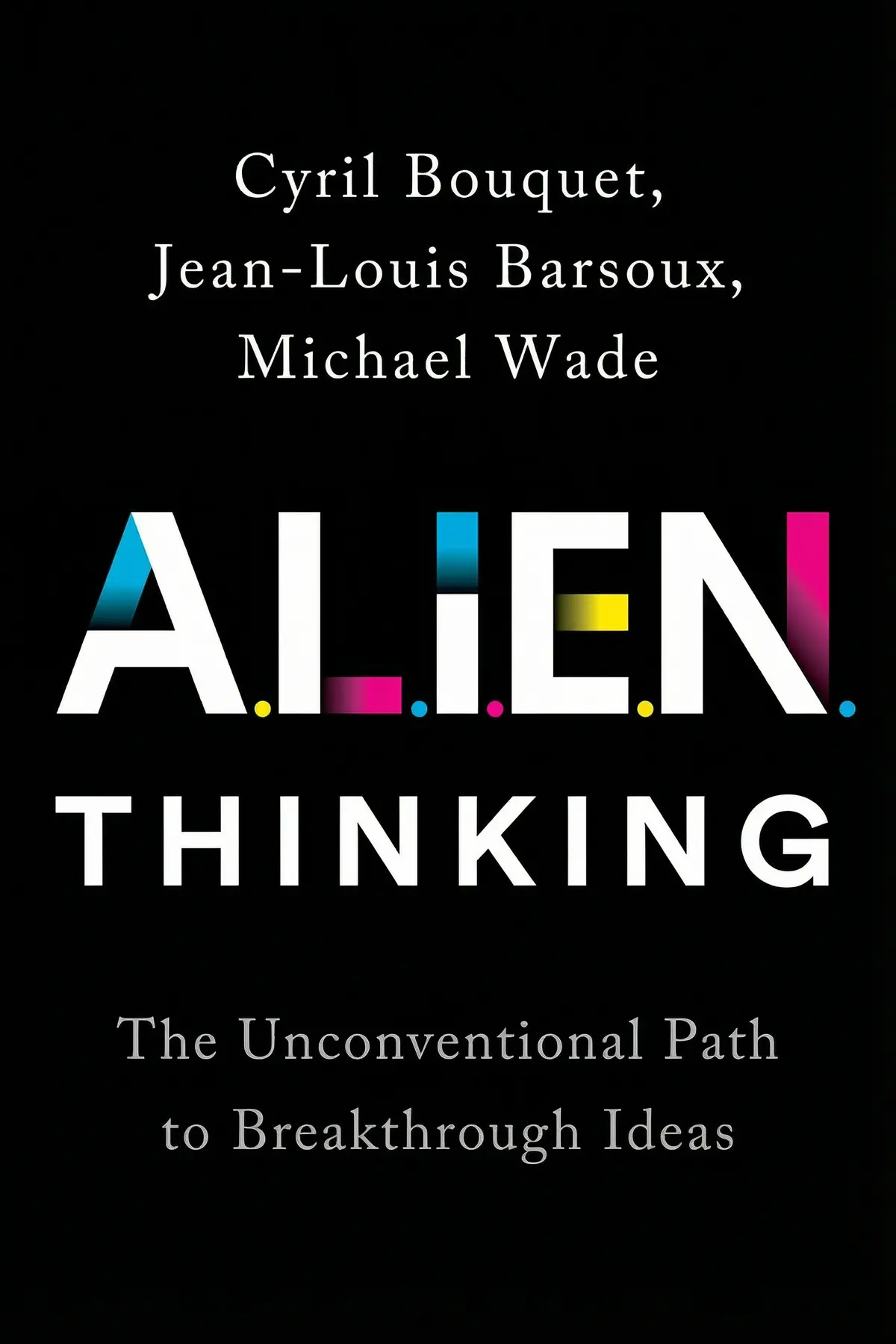
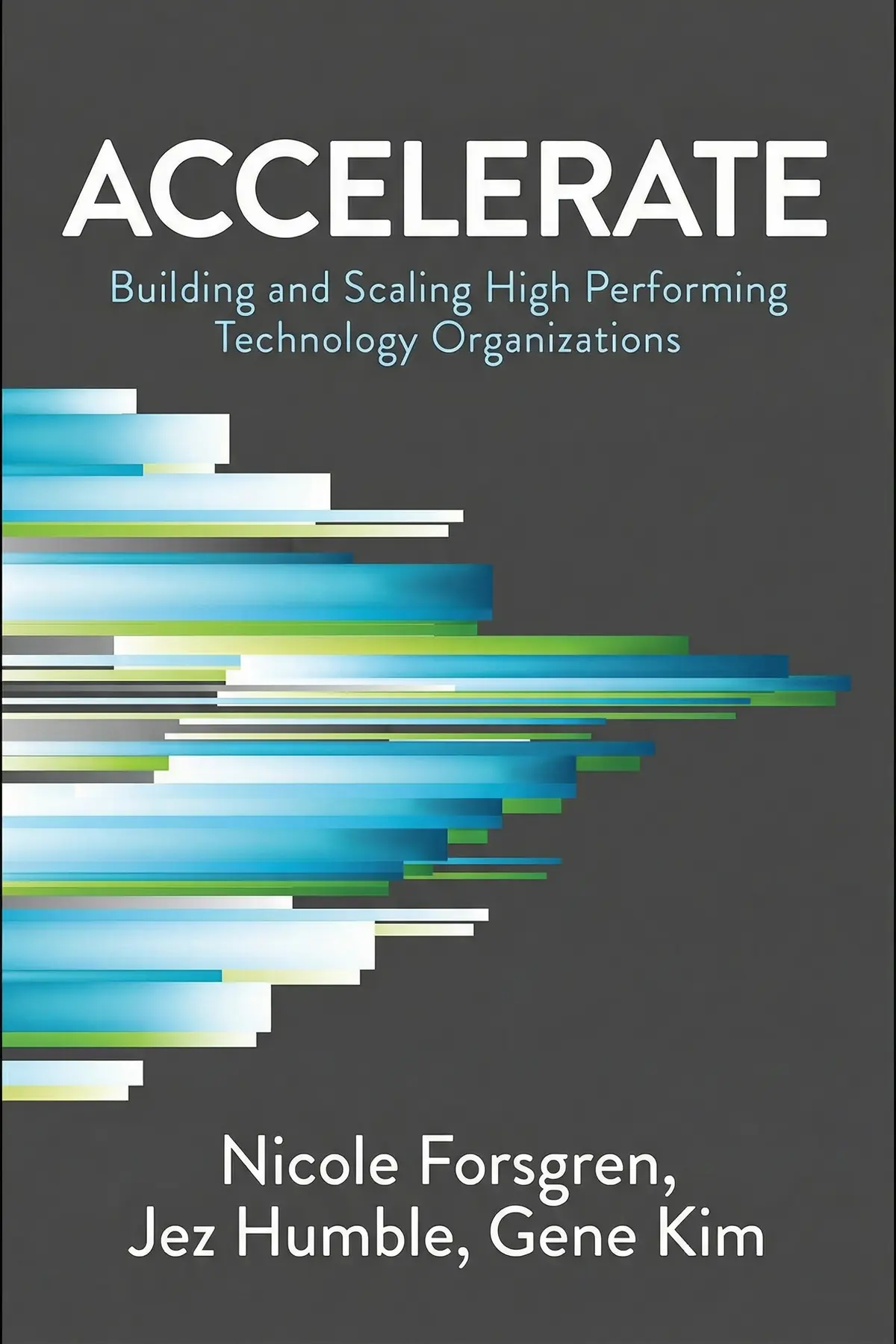
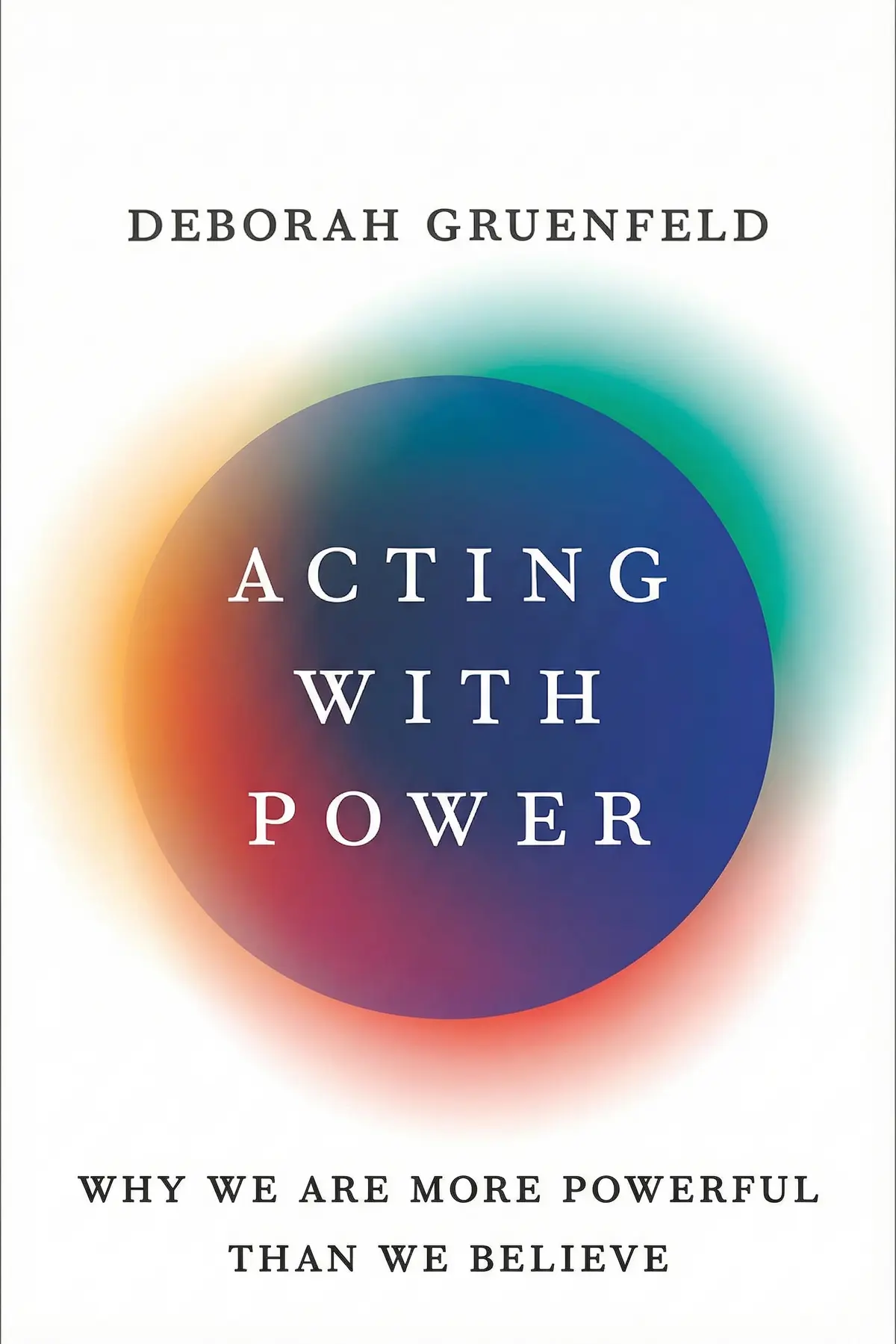
Acting with Power: Why We Are More Powerful Than We Believe
Deborah Gruenfeld
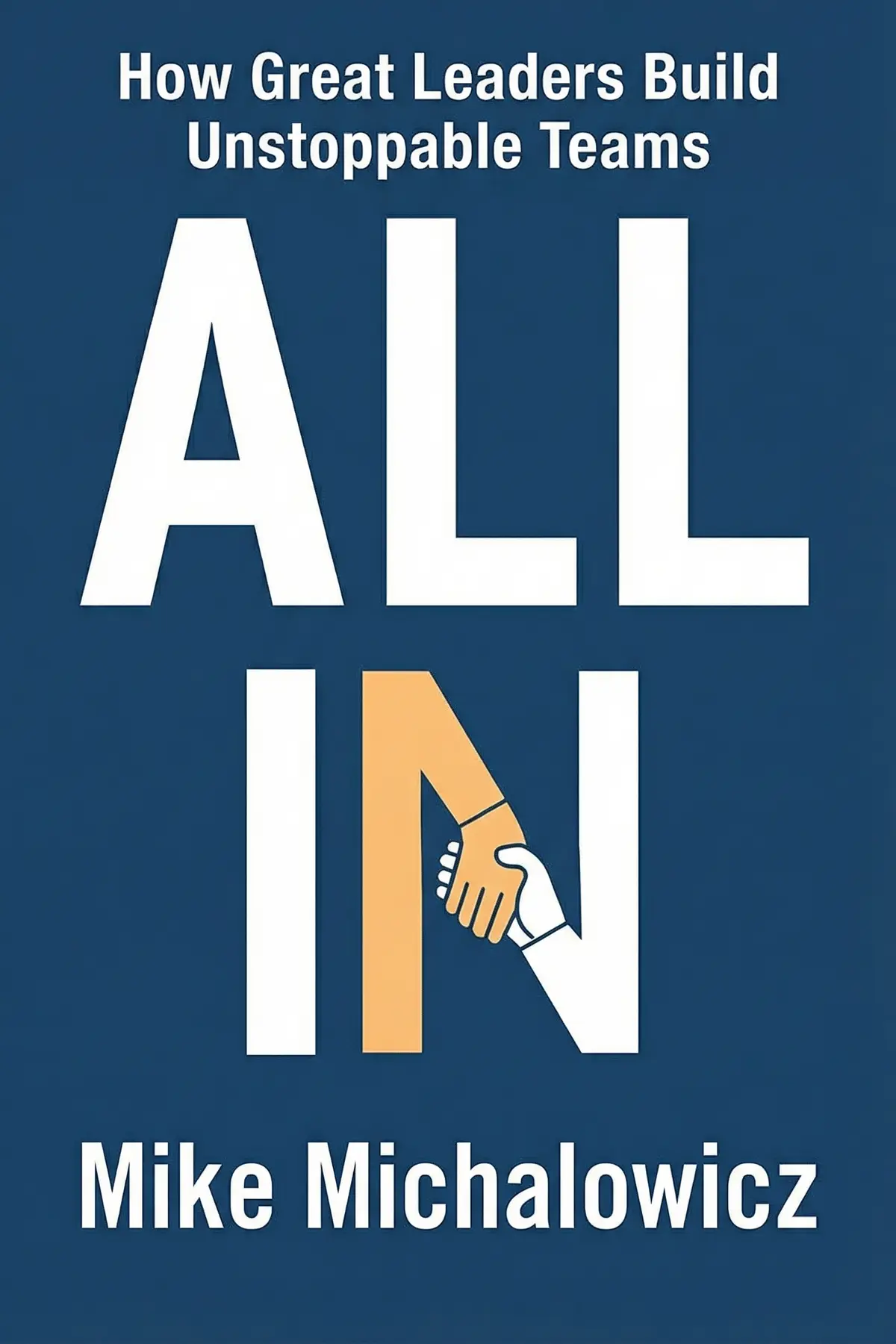
All In: How Great Leaders Build Unstoppable Teams
Mike Michalowicz
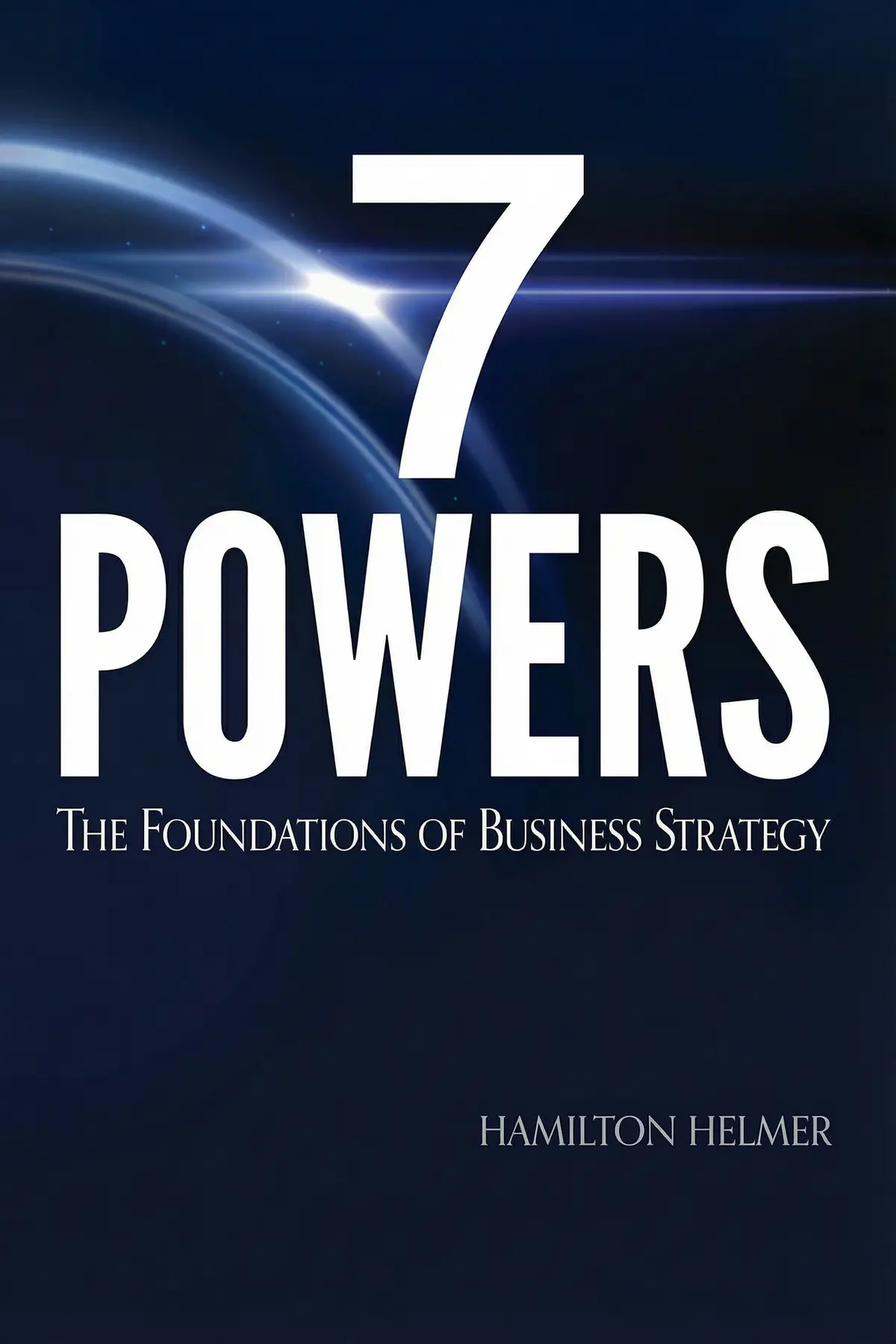
7 Powers: The Foundations of Business Strategy
Hamilton Helmer

A Bigger Prize: How We Can Do Better Than the Competition
Margaret Heffernan
AUDIO SUMMARY AVAILABLE
Listen to Talent Wins in 15 minutes
Get the key ideas from Talent Wins by Ram Charan, plus 5,000+ more titles in English and Thai.
- 5,000+ titles
- Listen as much as you want
- 7-day free trial
- Cancel anytime







