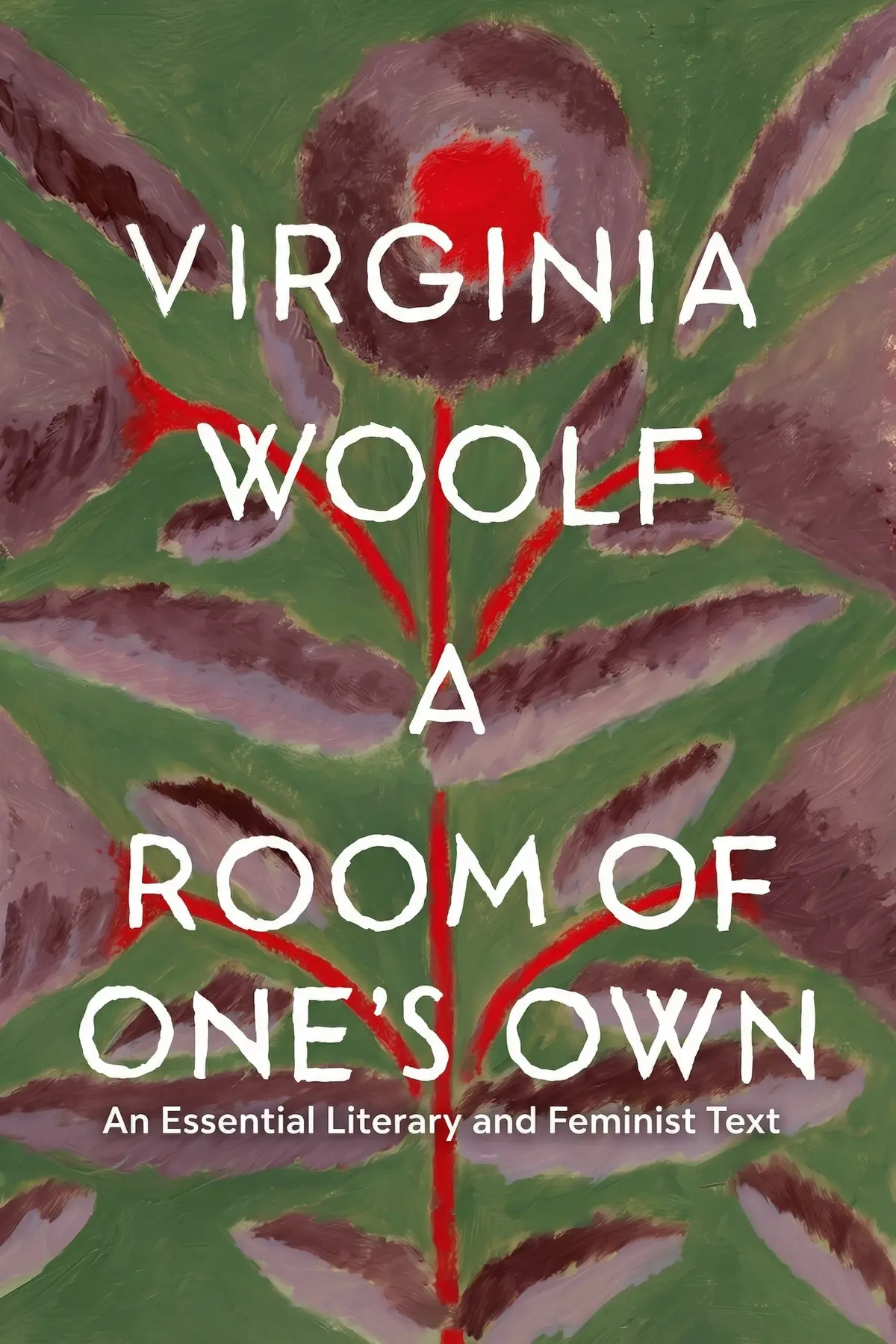
A Room of One’s Own
Virginia Woolf
Explore how the art of inquiry can spark innovation and personal growth. This guide reveals why asking why, what if, and how is the ultimate tool for solving complex modern problems.
1 min 40 sec
Think back to when you were four or five years old. At that age, the world was a giant, shimmering mystery waiting to be unraveled. You probably drove the adults in your life to the brink of exhaustion with a relentless stream of questions. Why is the grass green? Why do I have to sleep? Where does the sun go at night? In those early years, your mind was a laboratory, and questions were your primary tools for discovery. You weren’t afraid of looking silly or being wrong; you were simply hungry to understand how the pieces of life fit together.
But then, something shifted. As we move from the playground to the classroom and eventually into the cubicle, that fire of inquiry often begins to flicker and fade. We are taught that the goal of learning is to find the right answer—the one that will get us a passing grade on a standardized test. We learn to value certainty over curiosity. Yet, as Warren Berger argues in A More Beautiful Question, this shift is more than just a loss of childhood innocence; it is a significant barrier to innovation, problem-solving, and personal happiness.
In this summary, we are going to explore why regaining our ability to ask deep, probing questions is the most important skill we can develop in the twenty-first century. We’ll look at the specific types of questions that lead to breakthroughs and how a structured approach to inquiry can transform businesses and individual lives. Through the lens of the “beautiful question,” we will see how the act of wondering can bridge the gap between where we are and where we want to be. Prepare to rediscover the power of a curious mind and learn why the best way to move forward is often to stop and ask why.
2 min 04 sec
Discover why our unique ability to ask questions is the engine of human progress and why facts alone are never enough.
1 min 54 sec
Explore the disturbing trend of declining curiosity in children and why our educational systems prioritize rote answers over deep thinking.
2 min 03 sec
Learn the progression of Why, What If, and How, and how each stage serves a vital role in turning ideas into reality.
1 min 48 sec
See how questioning existing assumptions can lead to massive industry disruptions and new opportunities.
2 min 02 sec
Discover how companies can use question-storming to stay ahead of the curve and foster a culture of creative problem-solving.
1 min 49 sec
Learn how the art of inquiry can lead to greater happiness, personal clarity, and a deeper sense of gratitude.
1 min 40 sec
As we wrap up our journey through the power of inquiry, it’s clear that the ability to ask a beautiful question is far more than a childhood trait we outgrow. It is a vital tool for navigating the complexities of the modern world. We’ve seen how questions drive the very progress of our species, how they can break through the stagnation of formal education, and how they provide a structured pathway from a simple observation to a world-changing innovation. By moving through the stages of why, what if, and how, we can tackle everything from a stagnant business model to a lack of personal fulfillment.
What this really means is that we must become comfortable with the state of not knowing. In a culture that prizes quick fixes and instant expertise, being the person who says “I don’t know, but I’m wondering why…” is a radical and powerful act. It’s an invitation for creativity to enter the room. Whether you are leading a multi-national corporation or just trying to find more meaning in your daily routine, the solution often starts with a single, courageous question.
So, as you step back into your life, try to look at your surroundings with those same curious eyes you had as a five-year-old. Don’t take the status quo for granted. When you encounter a problem, don’t rush to the first available answer. Instead, ask a better question. Challenge the assumptions that hold you back and speculate on the possibilities that lie just beyond the horizon. The world is full of answers, but it is the beautiful questions that truly change everything. Start asking today, and see where your curiosity takes you.
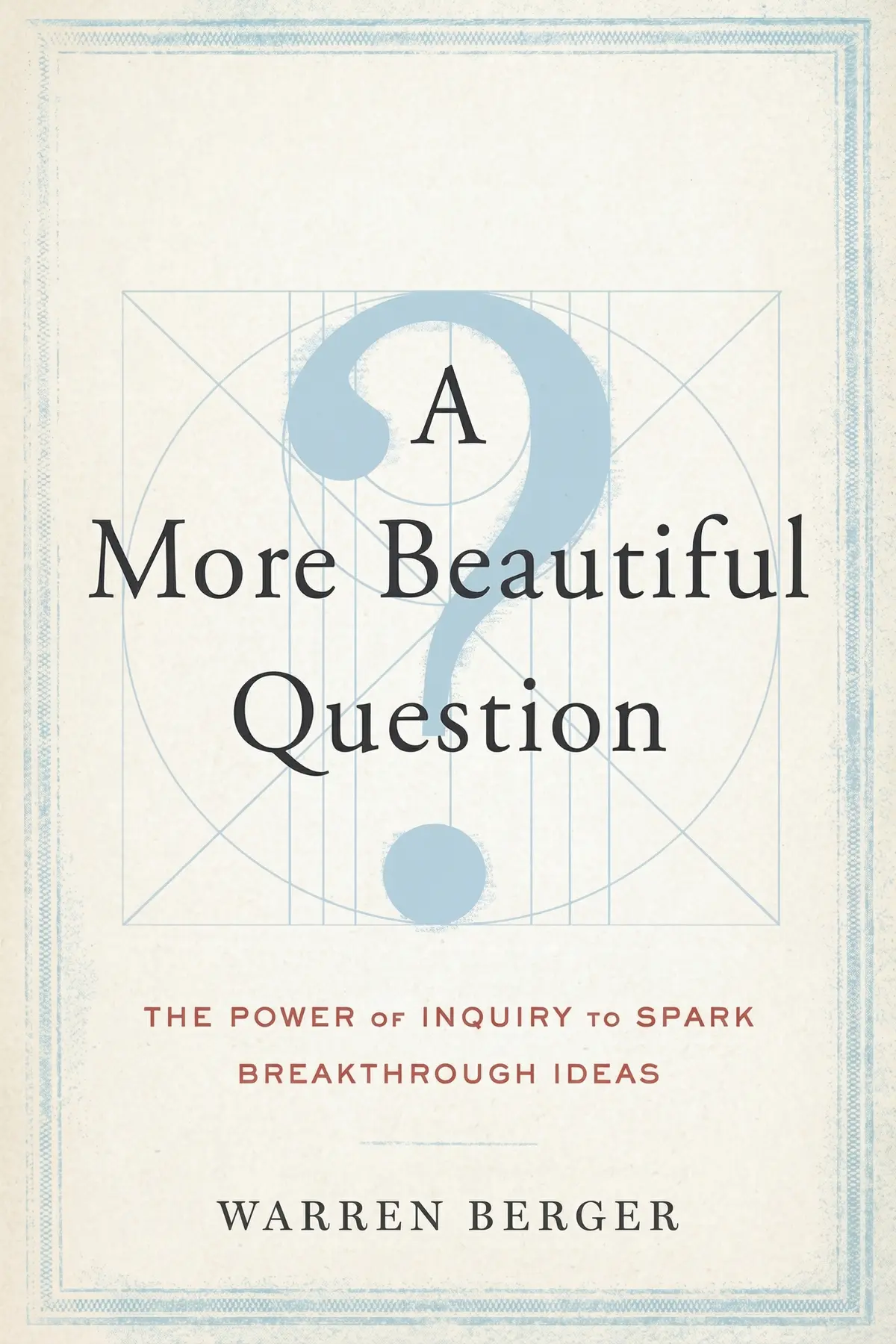
A More Beautiful Question examines the decline of inquiry in a world obsessed with instant answers and standardized testing. Author Warren Berger argues that our innate childhood curiosity is often suppressed by education and corporate culture, yet it remains our most powerful asset for breakthrough thinking. The book provides a structured framework for questioning that moves from identifying problems to envisioning possibilities and eventually executing solutions. By following the progression of why, what if, and how, readers learn to challenge long-standing assumptions and see the world through a fresh lens. This approach is applied to business innovation, social change, and personal fulfillment. The promise of the book is that by mastering the art of the beautiful question, you can unlock hidden opportunities and navigate a rapidly changing landscape with greater clarity and purpose. It is a call to move beyond rote facts and rediscover the transformative power of a curious mind.
Warren Berger is an American author, journalist and blogger on the site, A More Beautiful Question. He has written and co-authored a number of books, including Glimmer and No Opportunity Wasted.
Listeners find the work deeply insightful, particularly valuing its practical examples of excellent questions and how it shifts their perspective on the inquiry process itself. Furthermore, the writing style is skillfully developed, with listeners describing the book as an incredible read that offers a unique vantage point on life. The pacing also draws praise; for instance, one listener notes how it cultivates curiosity throughout different life dimensions, while another shares that it provides the momentum needed to get out of a rut.
As someone who works in a creative field, I’ve always felt that my best work comes from the 'What if?' phase, but Warren Berger gives that intuition a formal structure. He dives deep into why we lose our innate childhood curiosity—those 40,000 questions kids ask—and how the modern education system focuses way too much on rote answers. The 'Why? What If? How?' framework might seem simple on the surface, but applying it to real-world business challenges is genuinely transformative. I particularly enjoyed the section on the Right Question Institute; it made me realize that questioning is a democratic skill we should all be honing. While some parts lean a bit heavy on Silicon Valley praise, the core message about staying humble and inquisitive is vital. This book helped me shake off a mental rut I’ve been in for months. If you want to look through a different window of life, this is the guide to do it.
Show moreWow. This was exactly the mental reset I needed. Berger manages to turn the simple act of questioning into a powerful tool for personal and professional growth. I loved the story about Edwin Land’s daughter asking why she couldn't see a photo immediately—it’s such a perfect illustration of how a 'naive' question can disrupt an entire industry. The writing is accessible and the pacing keeps you engaged throughout. I honestly think every manager should read the chapter on leadership questions. It's not just about business, though; it's about reclaiming that childlike wonder we all used to have. Definitely a five-star read for anyone feeling stuck.
Show moreThis book is an essential toolkit for anyone in a leadership position. Berger argues that the value of answers is decreasing as the world gets more complex, and he’s absolutely right. I found the '5 Whys' method from Toyota particularly useful for getting to the root of team conflicts. The writing is crisp, and the author does a fantastic job of synthesizing a lot of different fields—from education to engineering—into a single, coherent argument. I appreciated the specific questions he suggested for meetings, like asking 'What should we stop doing?' rather than just 'What's next?' It’s a beautifully crafted book that changes how you interact with your colleagues and your family. If you’re feeling like you’re in a rut, this will give you the ladder to climb out.
Show moreAfter finishing 'A More Beautiful Question,' I immediately started a question journal. Warren Berger has a gift for making you realize that the most powerful tool you have is already in your head—you just stopped using it when you grew up. The book is incredibly insightful, moving effortlessly between the psychology of why we stop asking questions and the business case for why we must start again. I especially loved the section on 'knowing nothing' and how being humble is a prerequisite for discovery. It’s a well-paced, amazing read that truly helps you look at your problems through a different lens. If you feel like you're just hunting for 'right' answers all day, read this and start looking for better questions instead.
Show moreEver wonder why we stop asking 'why' the second we hit middle school? Berger tackles this head-on by examining how our schools and workplaces effectively punish curiosity in favor of 'the right answer.' I found the first half of the book absolutely riveting, especially the parts about how kids lose their creative spark because they're afraid of looking stupid. The book is packed with concrete examples that make you rethink your daily routines. One minor gripe: the author is clearly enamored with Silicon Valley tech founders, treating them like modern-day philosophers when sometimes they're just lucky. Despite that, the pacing is excellent and it really pushed me to start a 'question journal' to track my own assumptions. It’s a well-crafted reminder that being an expert isn't about having all the answers, but about knowing which questions to ask next.
Show moreFinally got around to reading this and I’m kicking myself for waiting so long. The truth is, I’ve spent the last few years just going through the motions at work, but this book helped me realize I’d stopped challenging the status quo. Berger’s exploration of 'combinatorial thinking'—like how Airbnb combined social media with travel—was a huge eye-opener for me. The pacing is great, and he balances the heavy research with relatable stories that stick with you. I do wish there was more focus on investigative journalism techniques rather than just tech founders, as that would have added a bit more variety to the examples. However, the overall impact was profound. It’s an amazing read that encourages you to be vulnerable enough to admit you don't know everything. My curiosity has definitely been reignited.
Show moreThe chapter on the Right Question Institute was the highlight for me. It’s fascinating to see how something as simple as teaching people how to ask their own questions can empower them in a 'microdemocracy.' Berger's prose is clear and professional, though occasionally a bit dry. I loved the concrete examples of how 'Why?' leads to 'What If?' and eventually to 'How?', though the 'How' part often feels like the hardest bit to actually execute. I found myself highlighting dozens of quotes to use in my own workshops. To be fair, some of the innovation stories feel a bit hagiographic, but the underlying message is too important to ignore. It’s a solid 4-star book that provides a much-needed nudge to stay curious.
Show moreBerger’s central premise is fascinating, but the execution felt a bit thin for a full-length book. Truth is, the concept of a 'beautiful question' is inspiring, yet the prose often feels like a series of expanded blog posts rather than a cohesive narrative. He maps out territory that's already been explored by design thinking experts, and at times, I felt I was reading a corporate brochure for IDEO or various tech startups. The 'Why? What If? How?' sequence is a decent scaffold, but it lacks the intellectual depth I was hoping for after the strong opening chapters on education. If you’re looking for a more rigorous look at the psychology of inquiry, I’d actually point you toward Edgar Schein’s 'Humble Inquiry.' That said, there are some great anecdotes about innovation that are worth a skim if you're new to the subject. It’s a solid introduction, but seasoned professionals might find it a bit redundant.
Show morePicked this up after hearing a podcast interview with the author. While I love the core concept—that questioning is a lost art we need to reclaim—the middle section felt a bit repetitive. Berger has a tendency to name-drop 'innovation experts' and credentials a bit too much for my taste. I would have preferred more focus on the actual practice of asking better questions rather than just long profiles of successful people who happened to ask one. Still, the chapter on education is worth the price of admission alone. It really makes you think about how we’re raising the next generation. It's a decent read, just be prepared for some fluff and a bit of a hero-worship vibe toward Silicon Valley types.
Show moreNot what I expected given the glowing reviews. Frankly, I found the writing style to be quite sterile, reminiscent of an over-polished Harvard Business Review article that drags on far too long. Berger spends a lot of time profiling the Right Question Institute and Montessori schools, which is interesting, but the 'Why? What If? How?' framework is just too weak to support 200+ pages. It feels like a 'management lite' book that repackages old ideas about innovation and sells them as something revolutionary. The case studies lack a certain grit; they feel like the same recycled stories about Airbnb and Netflix that you find in every other business book. I was looking for a deep dive into the art of the question, but what I got was a collection of anecdotes that didn't offer many novel insights. Disappointing.
Show moreAUDIO SUMMARY AVAILABLE
Get the key ideas from A More Beautiful Question by Warren Berger, plus 5,000+ more titles in English and Thai.