
A Higher Loyalty: Truth, Lies and Leadership
James Comey
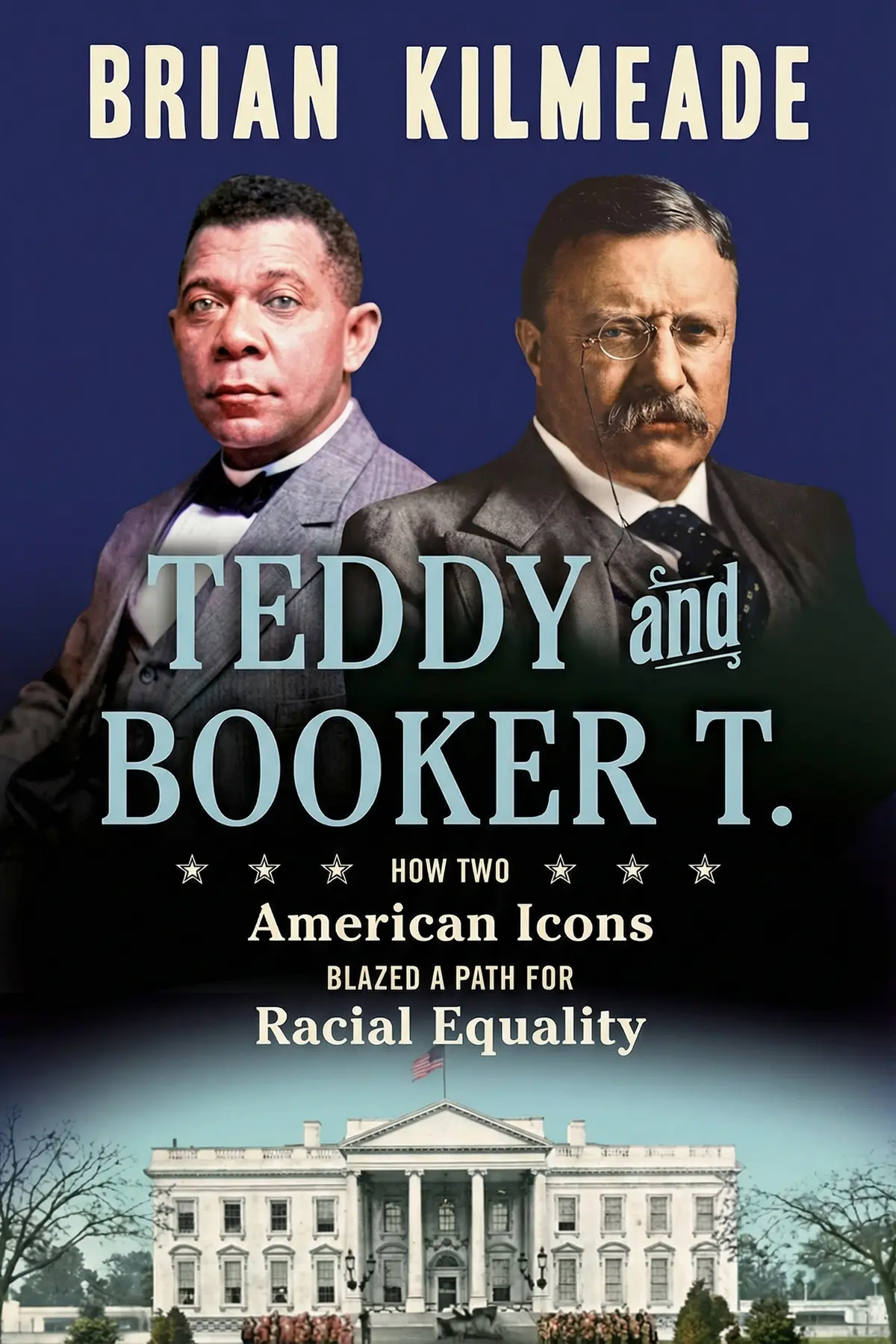
Explore the historic and controversial partnership between President Theodore Roosevelt and educator Booker T. Washington, as they navigated the racial tensions of the early twentieth century to push for social progress.
1 min 34 sec
In the autumn of 1901, a simple dinner invitation shattered the social norms of a nation. When Theodore Roosevelt, the newly sworn-in president, sat down to eat with the educator Booker T. Washington, it wasn’t just a meeting of two influential men—it was a political earthquake. To understand why this moment mattered, we have to look past the headlines of the day and into the deep, often hidden throughline of their lives.
This story isn’t just about a single meal; it’s about the convergence of two seemingly parallel lines that were never supposed to touch. On one side, we have Roosevelt, the energetic embodiment of American expansion and patrician reform. On the other, Washington, a man who rose from the depths of slavery to become the most powerful Black voice in the country. Their alliance was born out of a shared understanding that the path forward for the United States required a new kind of cooperation, even if that cooperation had to be navigated with extreme caution.
As we explore this narrative, we’ll see how these two leaders used their respective platforms to chip away at the walls of the Jim Crow era. We will look at their origins, the personal losses that hardened their resolve, and the strategic partnership they formed to promote education and economic empowerment. This journey reveals the quiet, persistent work that happens behind the scenes of history, showing how personal trust can sometimes bridge the widest of social divides. Their collaboration was a testament to the idea that progress is often made through calculated steps and unlikely friendships, setting a precedent that would ripple through the decades of the civil rights struggle to come.
2 min 46 sec
Two men from opposite ends of the social spectrum developed the same iron will through very different early struggles.
2 min 21 sec
Deep personal loss and the weight of building new institutions defined the early careers of both leaders.
2 min 19 sec
Both men utilized their unique talents for oratory and administration to command the national spotlight.
2 min 08 sec
Military glory and social influence brought both men to a point where their paths had to intersect.
2 min 06 sec
A historic meal at the White House became a flashpoint for racial tension and a symbol of a new alliance.
2 min 11 sec
Over the next eight years, the two leaders worked in tandem to achieve incremental but vital progress.
1 min 54 sec
The alliance between Theodore Roosevelt and Booker T. Washington stands as one of the most fascinating ‘what if’ stories of American history. In an era defined by rigid segregation and escalating violence, these two men chose to look past the boundaries of their respective worlds to find a common purpose. Their lives, though starting at opposite ends of the social spectrum, were united by a shared dedication to the ‘strenuous life’—a belief that struggle, education, and character were the true measures of a man.
As we’ve seen, their collaboration wasn’t always perfect, and it didn’t solve the nation’s deep-seated racial problems overnight. However, it did something perhaps more important: it created a model for engagement. By sitting down to dinner, by exchanging hundreds of letters, and by working together on appointments and policy, they broke the silence that often surrounded racial issues in the halls of power. They demonstrated that incremental progress, while frustratingly slow for many, was a viable and necessary path forward in a country that was not yet ready for radical change.
The throughline of their story is one of persistent, calculated courage. Washington’s ability to build an institution like Tuskegee while navigating the minefields of the South, and Roosevelt’s willingness to risk his political future for a single dinner guest, reveal the true depth of their partnership. They left behind a legacy of institutional building and political participation that laid the groundwork for the more transformative movements of the mid-twentieth century.
Ultimately, the lesson of Teddy and Booker T. is that leadership often requires the bravery to be misunderstood. It requires a willingness to engage with the world as it is while working tirelessly for the world as it should be. Their unlikely friendship serves as an enduring testament to the power of pragmatic idealism, reminding us that even in the darkest times, the bridge between two people can become a path for an entire nation.
This summary explores the complex and often overlooked alliance between two of the most influential figures in American history: Theodore Roosevelt and Booker T. Washington. Despite coming from vastly different worlds—one born into the New York elite, the other into the bonds of slavery—they found common ground in their vision for the nation’s future. The book details how their relationship was cemented by a historic, yet scandalous, dinner at the White House and how they collaborated in the years that followed. Readers will learn about the personal tragedies that forged their resilience, their shared belief in the power of education and economic self-reliance, and the political risks they took to challenge the status quo during the height of the Jim Crow era. By examining their correspondence and public actions, the narrative reveals a nuanced portrait of incremental progress and the enduring power of pragmatic leadership in the face of deep-seated prejudice.
Brian Kilmeade has thrived as cohost of Fox & Friends since 1998, also hosting his nationally syndicated radio show, The Brian Kilmeade Show, weekdays on Fox News Talk. A versatile broadcaster logging six hours a day on-air, Kilmeade interviews newsmakers and celebrities, provides insight into the day’s top stories, and has written several books, many of them New York Times best sellers.
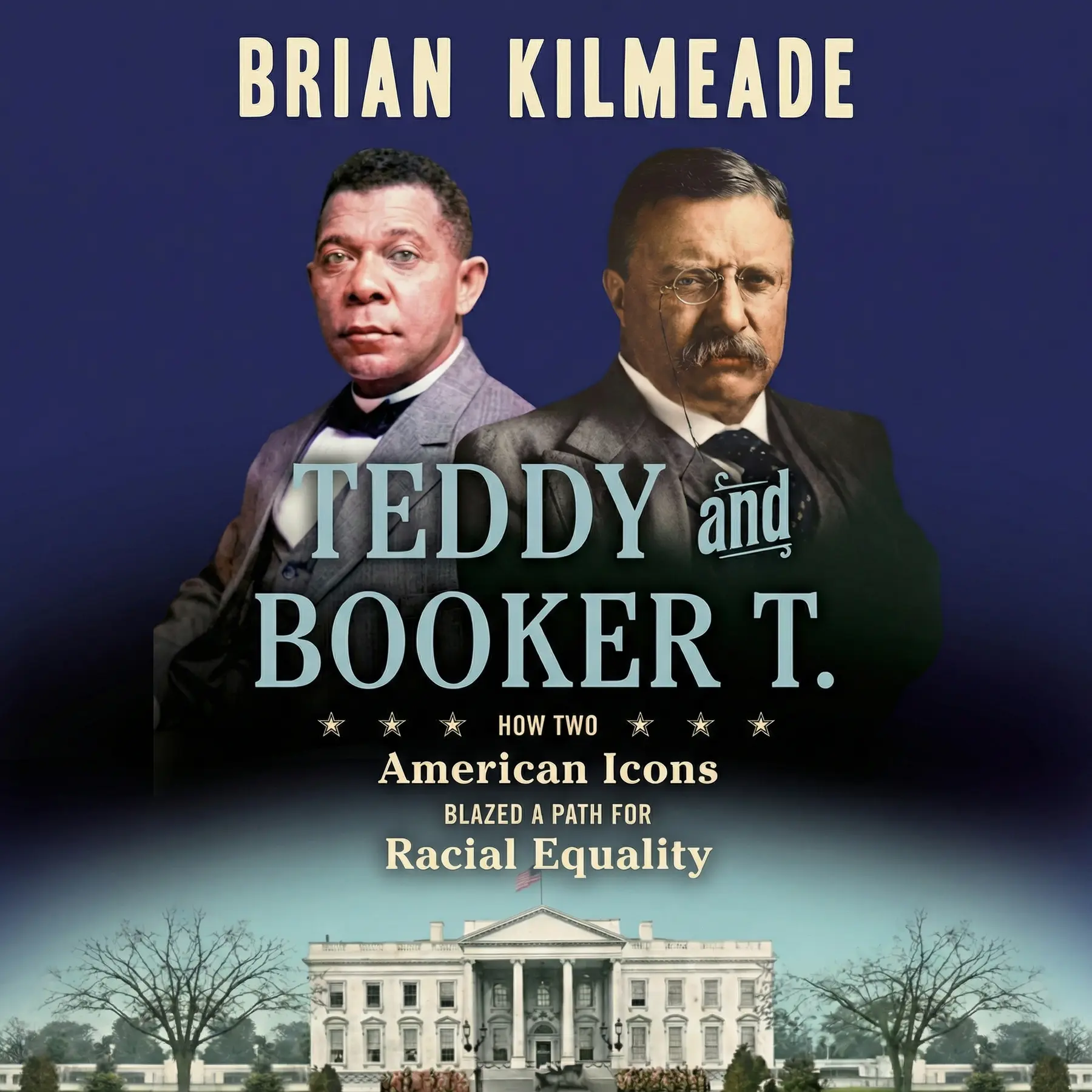
Listeners find the work very engaging, with one listener finishing it in only a day and a half. The historical elements draw praise for being thoroughly researched, and listeners appreciate the fluid writing style and quick-paced plot. They also value the book’s look at two prominent Americans from different cultures, while one listener mentions its relevance to contemporary issues. Additionally, the depth of detail and the book's merit as a gift choice both receive favorable mentions.
This book provides a masterclass in how two men from opposite worlds can find common ground for the greater good. Kilmeade does a fantastic job juxtaposing the silver-spoon upbringing of Roosevelt against the harrowing, nameless early years of Booker T. Washington. I found the sections on Washington’s struggle for literacy particularly moving, as it highlights a drive for self-improvement that feels incredibly relevant to our current social climate. While some might find the historical overview a bit broad, the narrative energy kept me glued to the pages. It’s a fast-moving account that doesn't get bogged down in dry academic jargon. I finished it in two sittings because the pacing is just that good. If you want to understand how bridge-building actually works, this is a must-read for any history fan.
Show moreEver wonder how a former slave and a billionaire’s son became the most unlikely allies in American history? Kilmeade answers that question with a narrative that is as entertaining as it is informative. The inclusion of W.E.B. Du Bois was a smart move, as it provides the necessary friction to understand the different philosophies of Black advancement at the turn of the century. Look, history doesn't have to be boring, and this book proves it by focusing on the human elements of leadership. I was particularly struck by the controversy surrounding their White House dinner; it’s a stark reminder of the courage it took just to share a meal back then. It’s a timely reminder that progress requires patience and strategic partnerships. Highly recommended for students and history lovers alike.
Show moreWow. I knew the basics about Teddy Roosevelt, but I was almost completely in the dark regarding the sheer magnitude of Booker T. Washington’s accomplishments. Reading about his journey from being an illiterate child of slavery to a presidential advisor was genuinely inspiring. Kilmeade’s writing style is very accessible, making this an ideal choice for a gift or a quick weekend read. He doesn't shy away from the harsh realities of the era, yet the tone remains hopeful. The book drives home the point that meaningful change often happens through quiet, persistent collaboration rather than just loud rhetoric. It’s a powerful look at two giants who were willing to risk their reputations for a common cause. I truly hope this inspires more people to read deeper into the era.
Show moreTruth is, I didn't think I'd be able to finish a history book in two days, but I couldn't put this one down. Kilmeade has a knack for finding the human angle in these big historical moments. Seeing Booker T. Washington's rise from having absolutely nothing—not even a toothbrush—to becoming a pillar of American education was incredible. The way his life eventually intersected with Roosevelt’s creates such a unique perspective on the presidency. It’s an informative, well-written narrative that highlights the importance of wisdom and patience in leadership. Regardless of your political leanings, there is a lot to learn from the mutual respect these two men had for each other. Definitely a top-tier historical biography for the modern reader.
Show morePicked this up on a whim and ended up devouring it in less than forty-eight hours. The way Kilmeade structures the parallel histories of these two icons makes for an incredibly engaging experience, even if they don't actually cross paths until much later in the text. I’ll be honest, the depth isn't always there—it’s definitely more of a popular history than a scholarly deep dive—but the research feels solid enough for the average reader. There’s a certain urgency to the writing that makes the Jim Crow era feel less like a distant memory and more like a vital lesson for today. I appreciated the focus on their shared vision for racial equality, though I wish there was more about their actual letters to one another. Still, it’s a great gift for anyone who likes a quick, informative biography.
Show moreAs someone who has followed Kilmeade’s historical series for a while, I think this might be one of his most important entries yet. He manages to weave together the Reconstruction era and the rise of Jim Crow with a fast-moving plot that never feels stagnant. I liked the contrast between Washington’s trade-focused education goals and the "talented tenth" ideology of Du Bois, which added a lot of necessary nuance. My only real complaint is that I noticed a few instances where the narrative felt a bit repetitive in its descriptions. However, the emotional core of the friendship shines through clearly. It’s a solid 4-star read that offers a great overview of how these two men tried to help America live up to its promises.
Show moreFinally got around to finishing this, and I have to say, the chapter on the White House dinner alone is worth the price of admission. It’s crazy to think how much backlash a simple meal could cause, and Kilmeade captures that tension perfectly. The book is very well-researched, though it does move at a breakneck speed that sometimes sacrifices detail for momentum. I would have loved more analysis on how their friendship influenced specific policies later in TR's term. That said, it’s a very engaging read that bridges the gap between different cultures and backgrounds. It’s a fast-paced history that feels very relevant to the conversations we are still having in 2024. Not perfect, but definitely worth the time spent.
Show moreAfter hearing so much hype about Kilmeade’s latest, I was left feeling slightly underwhelmed by the scattershot approach to the history here. To be fair, the subject matter is fascinating, but the author tries to cram way too many decades into such a slim volume. It felt like a race through their lives where we barely scratched the surface of Roosevelt’s complex presidency. My biggest gripe is that the two main figures don’t even interact until you are halfway through the book! It’s less a study of a friendship and more of a dual biography that occasionally overlaps. It serves as a decent introduction for those who know nothing about the era, but seasoned history buffs might find it too condensed. Three stars for the effort.
Show moreJust finished it, and I'm a bit torn on the final product. On one hand, the story of Washington and Roosevelt is undeniably compelling and the book is very easy to get through. On the other hand, it felt a little too condensed for such massive historical figures. I agree with other reviewers who said the parallel histories went on a bit too long before the two men actually met. The writing is okay, but it lacks the lyrical quality or the deep citations of more established historians. It’s a decent primer for a casual reader, but if you’re looking for a deep, scholarly analysis of the Civil Rights movement's early days, you might find this a bit lacking.
Show moreNot what I expected at all, and frankly, I’m disappointed by the lack of polish in this publication. I found the writing to be incredibly sloppy in several sections, with a handful of typos that kept pulling me out of the story. It felt like the book was rushed to the printers to meet a deadline rather than being carefully edited for depth or accuracy. While the lives of Roosevelt and Washington are inherently interesting, the prose here is uninspired and feels a bit like a high school summary. There wasn't enough exploration of how they truly interacted behind the scenes. If you want a real biography, go read Morris or Chernow instead. This one just felt like a shallow overview designed for a quick buck without offering any new historical insights.
Show moreJames Comey
Philip Freeman
Jonathan Eig
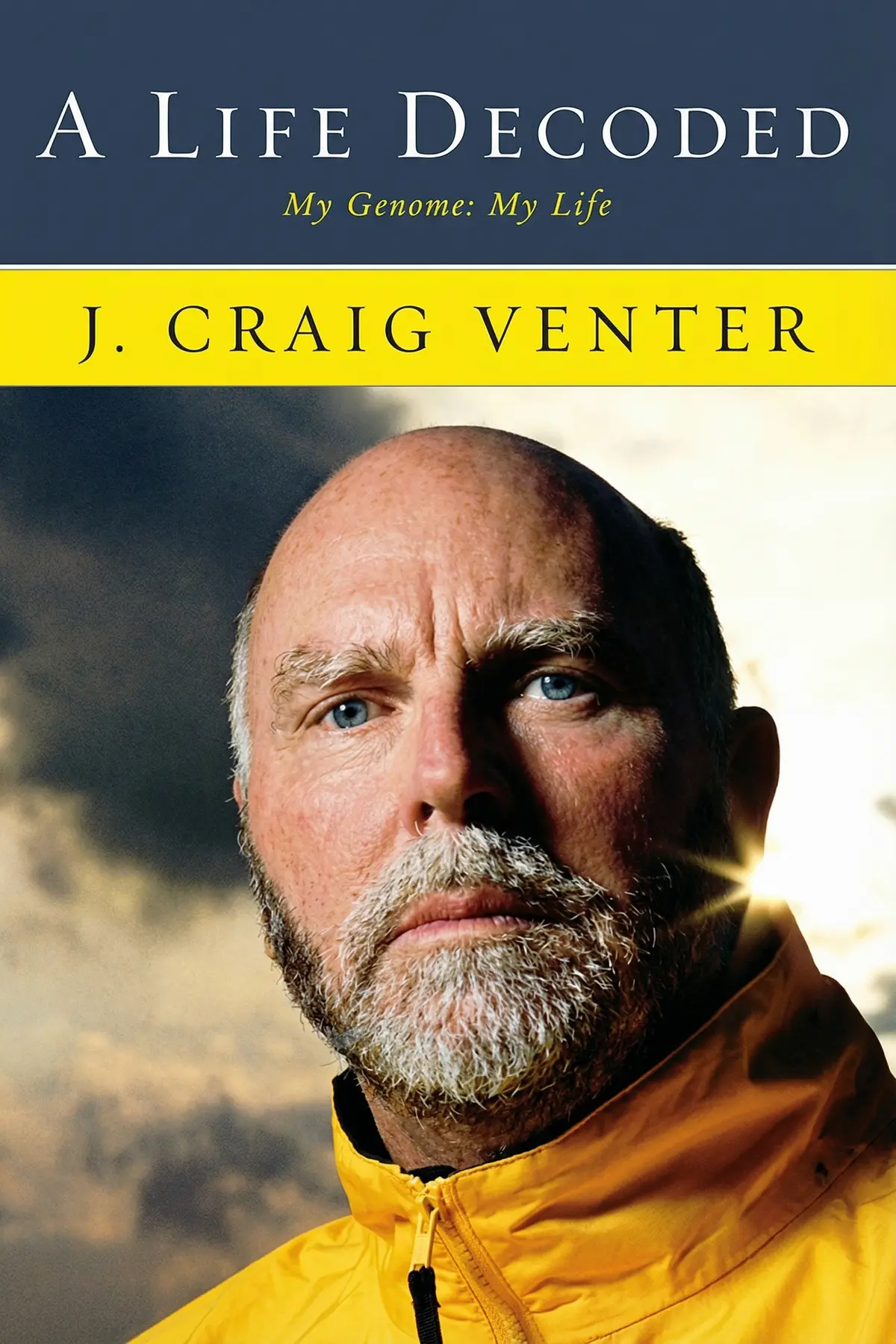
J. Craig Venter
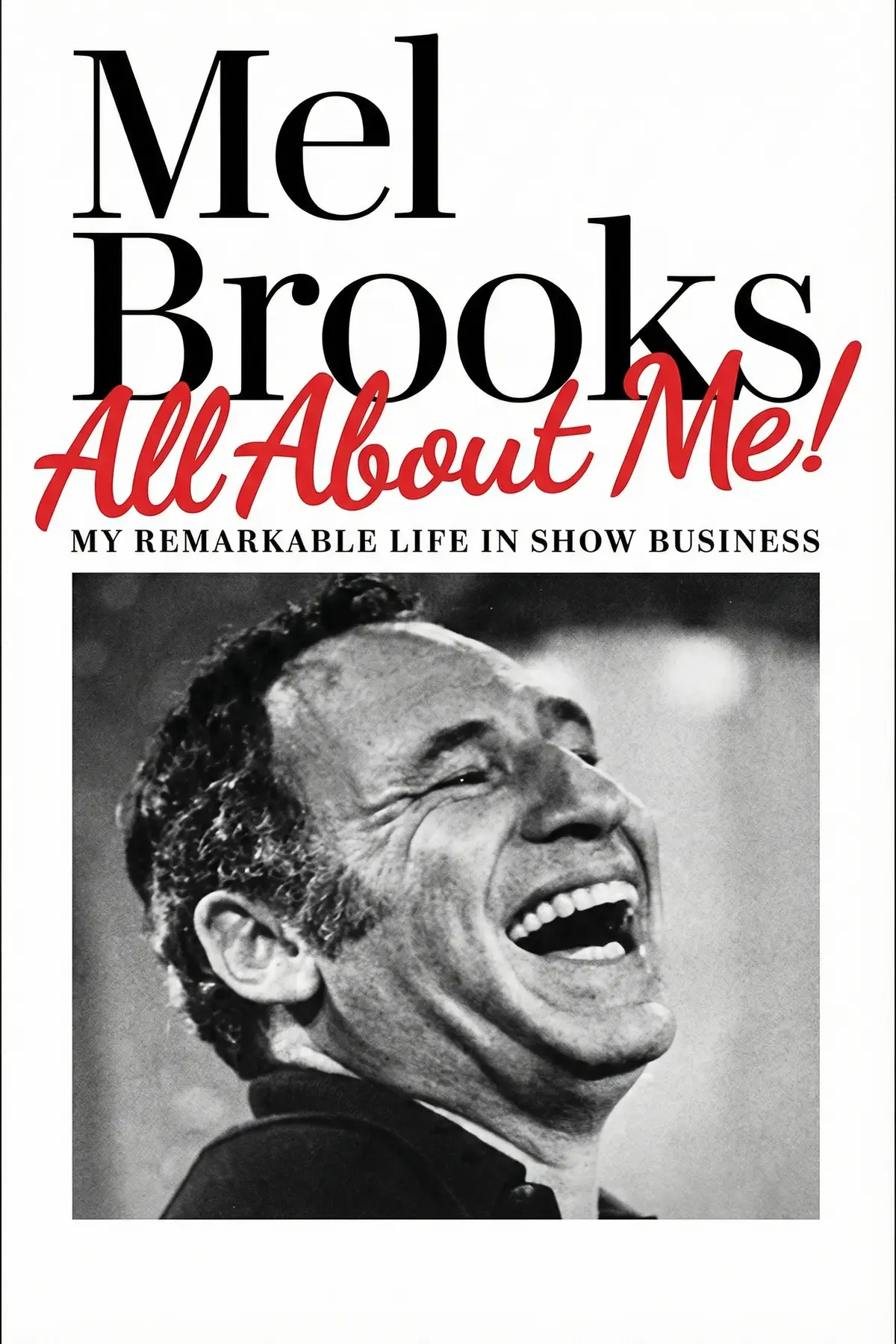
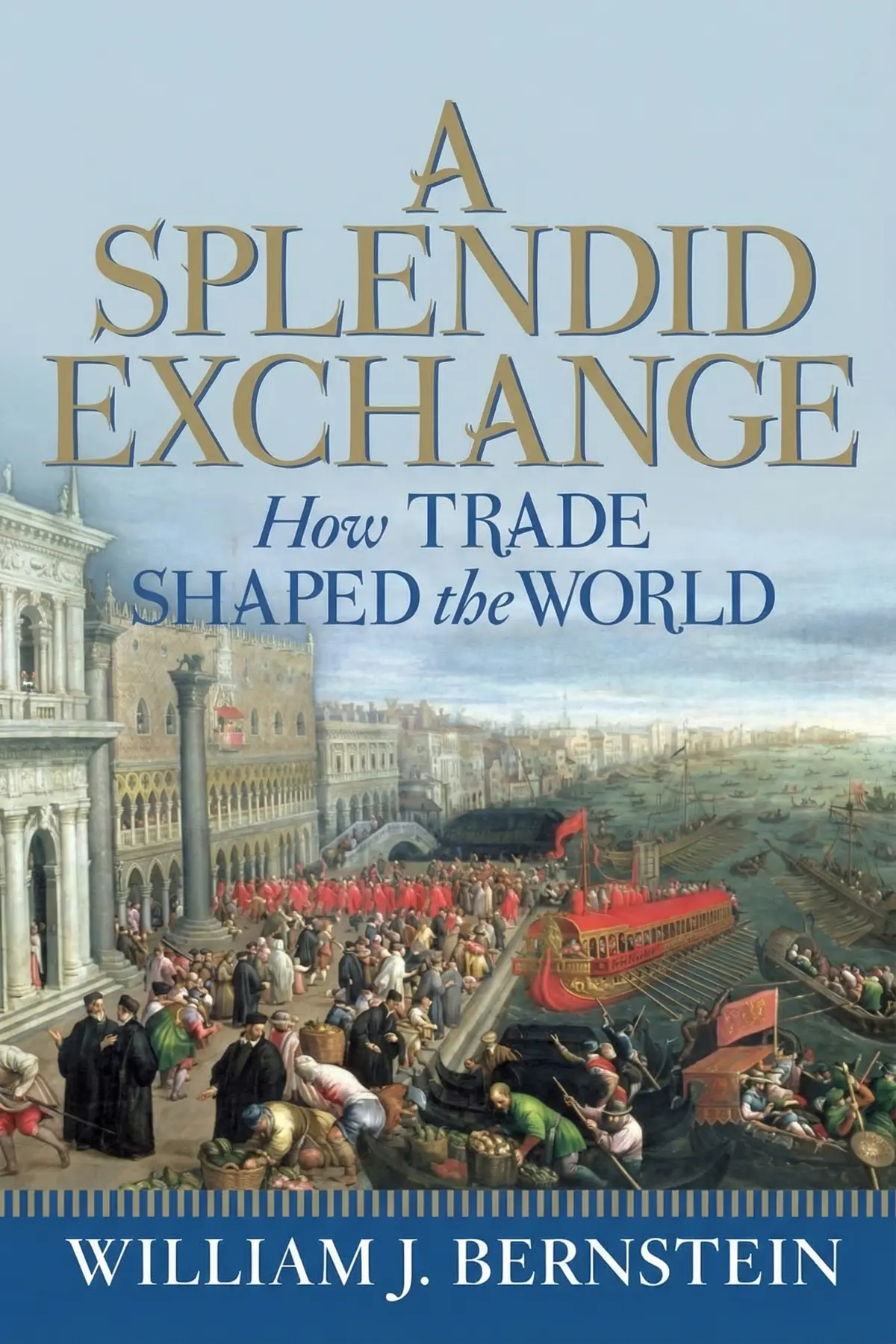
William J. Bernstein
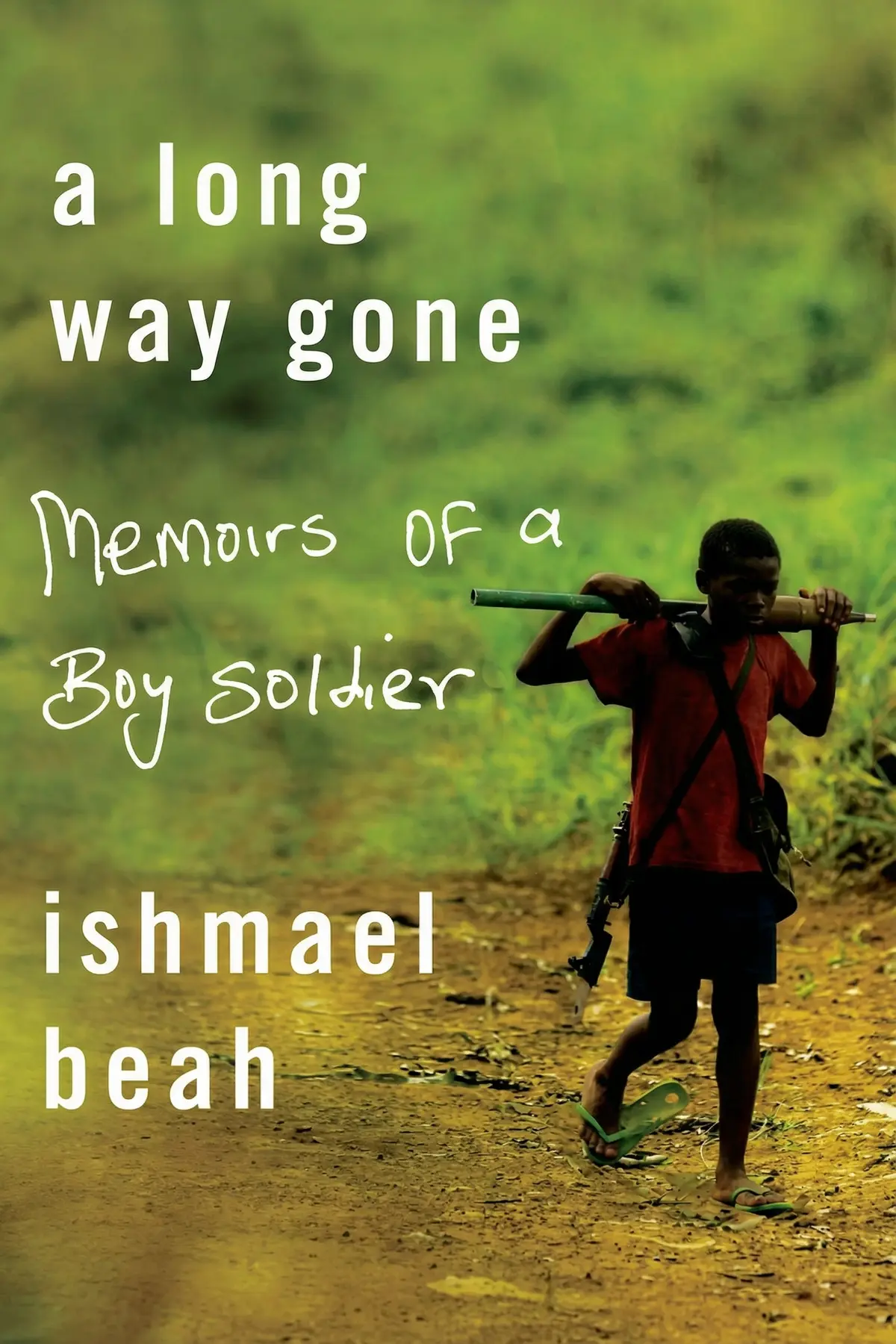
Ishmael Beah
AUDIO SUMMARY AVAILABLE
Get the key ideas from Teddy and Booker T. by Brian Kilmeade, plus 5,000+ more titles in English and Thai.







