
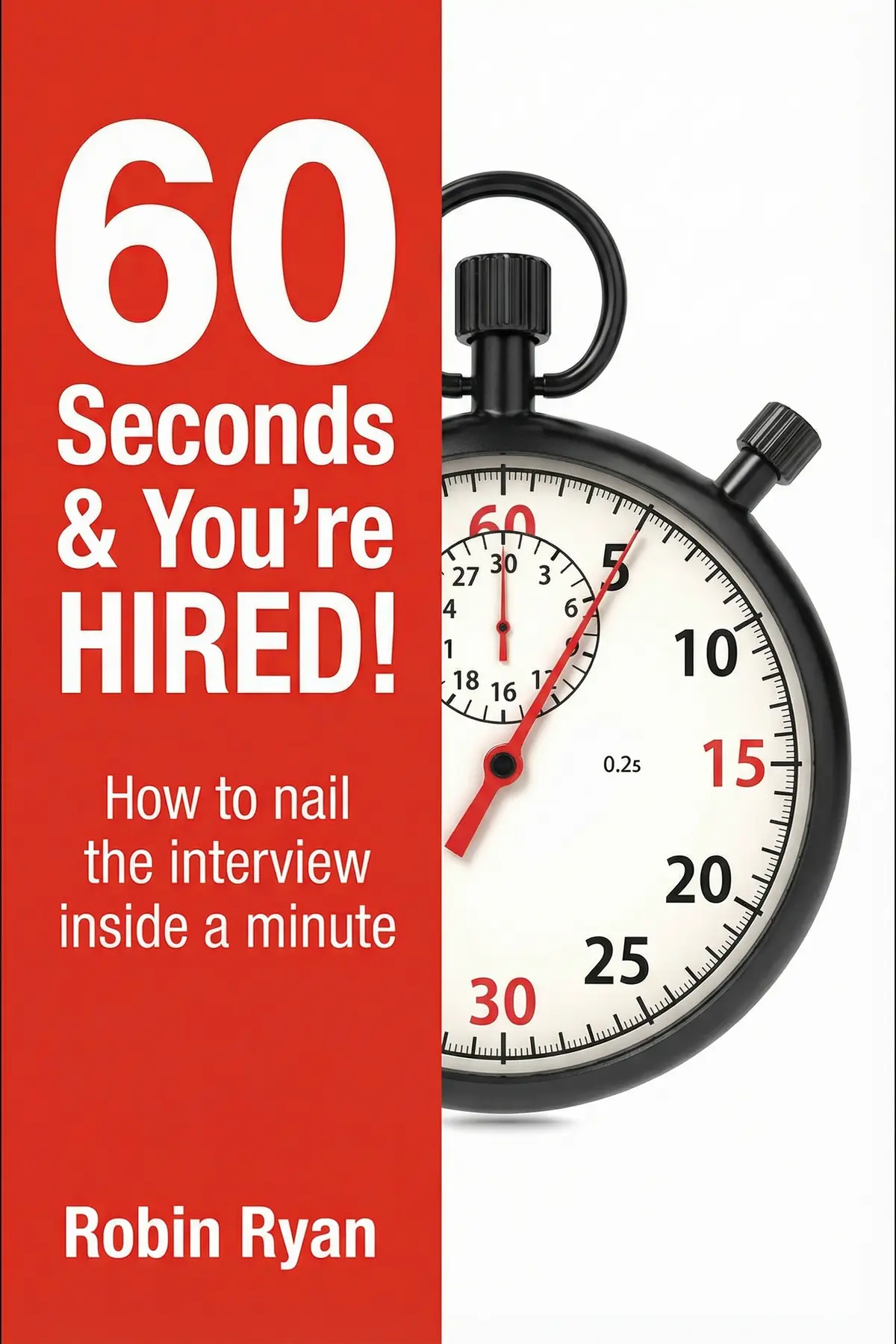
60 Seconds & You’re Hired!
Robin Ryan
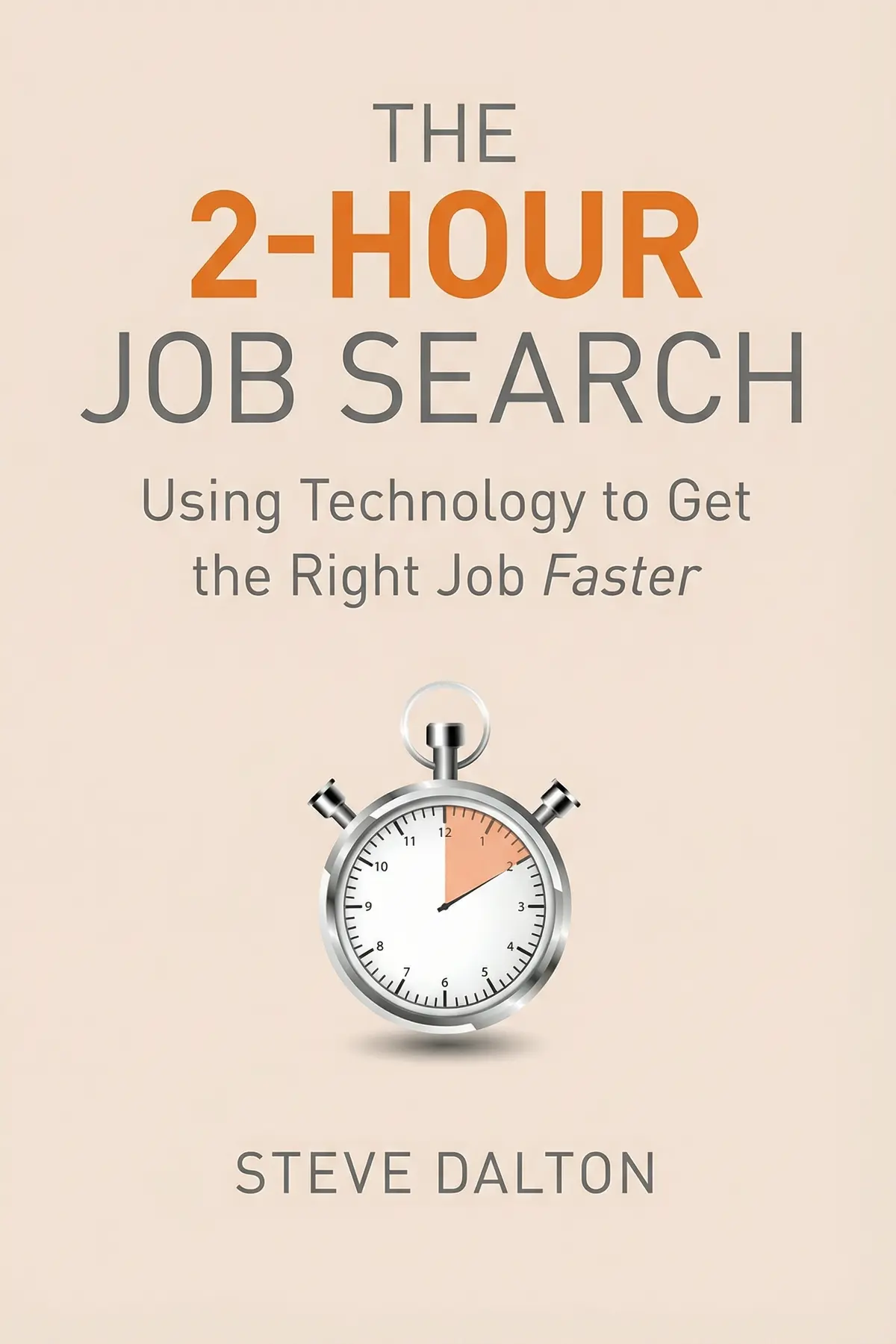
The 2-Hour Job Search provides a systematic, technology-driven approach to bypass online application black holes. It focuses on finding internal advocates and conducting efficient outreach to secure employment faster.
1 min 50 sec
Imagine for a moment that you have just spent three hours meticulously tailoring your resume for a position that seems like a perfect fit. You hit ‘submit,’ and then… nothing. No confirmation email from a human, no phone call, just a digital silence that stretches on for weeks. This is the reality for millions of job seekers in the twenty-first century. We were promised that the internet would make finding work easier, but in many ways, it has made the process more opaque and frustrating than ever before. We are trapped in a cycle of high-volume applications that rarely lead to actual conversations.
This is where Steve Dalton’s approach, outlined in The 2-Hour Job Search, comes in to change the game. Dalton, a career expert with deep roots in both consulting and top-tier business school coaching, recognized that the old way of job hunting is broken. The goal isn’t to work harder or send out more resumes; it’s to work smarter by using a repeatable, technology-backed system. This isn’t just a collection of vague networking tips. It is a prescriptive, data-driven framework designed to get you in front of the people who actually have the power to hire you.
In the following minutes, we are going to break down this system. We’ll explore why the ‘apply online’ strategy is a statistical dead end and how you can build a prioritized list of forty target employers. We will look at how to leverage tools like LinkedIn to find internal advocates—people inside a company who can pull your resume out of the pile. We’ll also dive into the highly specific art of the 75-word email and the proper way to conduct an informational interview. By the end of this summary, you’ll have a clear throughline for your next career move: a move away from the frustration of the digital void and toward a more strategic, successful job search.
2 min 06 sec
Technology was supposed to simplify the job hunt, but it actually created a volume problem that works against even the best candidates. Learn why the ‘submit’ button is rarely the answer.
2 min 21 sec
Success begins with focus. Discover how to build a strategic list of forty employers using a structured four-bucket approach to broaden your horizons and organize your effort.
1 min 50 sec
The most valuable asset in a job search isn’t a perfect resume, but a person inside the company who is willing to vouch for you. Learn how to find your advocates.
2 min 20 sec
Job hunting is an emotional rollercoaster. Learn how to use a simple scoring system for motivation and opportunity to stay focused and avoid burnout.
2 min 00 sec
Not all contacts are created equal. Discover the four tiers of potential advocates and why targeting two people per company is the magic number for success.
2 min 03 sec
In a world of information overload, brevity is your greatest weapon. Learn the specific structure of a perfect outreach email that actually gets a response.
1 min 58 sec
The goal of the meeting isn’t to ask for a job, but to build rapport. Learn how to prepare and what questions to ask to leave a lasting, positive impression.
1 min 23 sec
The 2-Hour Job Search provides a radical departure from the ‘apply and pray’ method that leaves so many job seekers frustrated and stuck. By viewing the job search as a technical process rather than an emotional one, Steve Dalton gives us a way to navigate the complexities of the twenty-first-century market with precision. The throughline is clear: limit your targets, find your internal advocates, and use concise, human-centric communication to bridge the gap between you and your next role.
As we’ve seen, the key is to stop treating the internet as a direct path to employment and start treating it as a research tool to find the people who matter. When you focus your energy on forty specific companies and use a structured scoring system to prioritize your work, you remove the chaos that leads to burnout. By sticking to the 75-word outreach and the rapport-focused informational interview, you position yourself not as a desperate applicant, but as a prepared, professional peer.
To put this into practice today, start by opening a spreadsheet—Microsoft Excel or Google Sheets is your best friend here. List your forty companies and start categorizing them into the four buckets we discussed. Once you have that list, don’t hit a single ‘apply’ button. Instead, spend your next two hours finding your first two advocates for your top-ranked companies. The path to your next job isn’t through a portal; it’s through a person. Good luck, and start building those bridges.
If you have ever felt like your resume was being swallowed by a digital void, you are not alone. Modern job hunting has become a volume game where high-quality candidates often get lost in a sea of automated filters and endless listings. The 2-Hour Job Search offers a definitive solution to this modern frustration. By shifting the focus away from traditional online applications and toward a strategic networking model, the book provides a clear, step-by-step roadmap for the digital age. The promise of this method is efficiency and results. Instead of spending hundreds of hours drifting through job boards, you will learn how to spend a fraction of that time identifying the right companies, finding the right people inside those organizations, and securing informational interviews. This is a technical manual for the job seeker who wants to stop guessing and start using a data-driven process to land their next role.
Steve Dalton is a distinguished career expert who currently serves as a senior career consultant and associate director at Duke University’s Fuqua School of Business. His professional background is diverse, having previously worked as an associate marketing manager for the consumer goods giant General Mills. Furthermore, he honed his strategic thinking as a strategy consultant at the prominent global firm A. T. Kearney. His insights are grounded in both corporate hiring realities and academic career coaching.
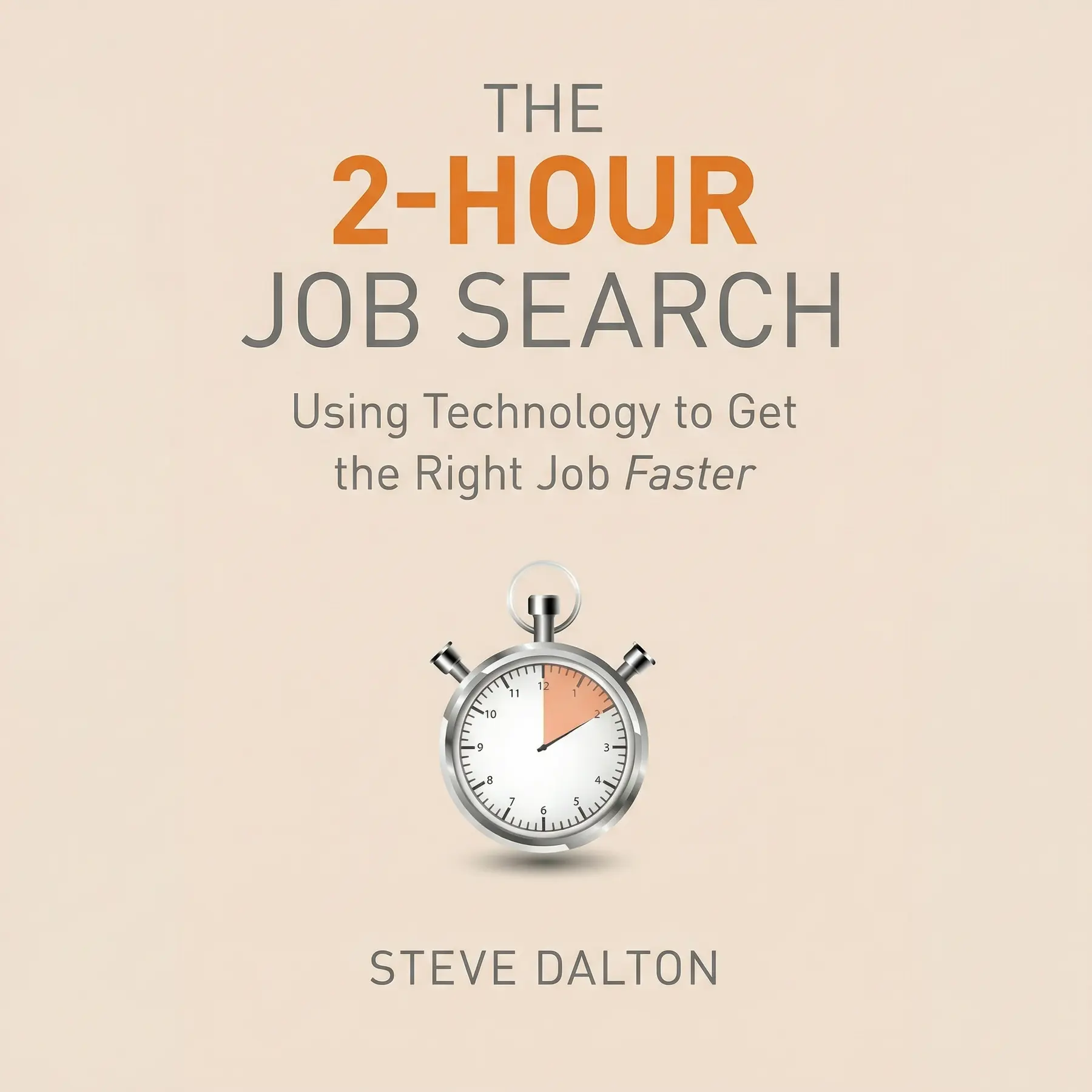
Listeners consider this job hunt guide highly effective, with one listener reporting that their outcomes improved fourfold. The book offers a clear process diagram and practical tactics that assist listeners in managing their employment search. They value how it simplifies networking; specifically, one listener shares how the book enabled them to link up with leading corporations. The material's development has earned praise, as one review points out the benefit of the enlarged Q&A segments.
This book provides the most logical framework for the chaos that is modern job hunting. I’ve always felt like networking was this mystical, fuzzy concept that only extroverts could master, but Dalton turns it into a literal algorithm. The LAMP method is a game-changer because it stops you from wasting time on companies that aren't actually hiring. I used to spend hours tailoring resumes for 'black hole' portals without realizing I was just shouting into the void. Truth is, the 5-point email template alone is worth the price of admission. It feels a bit clinical, sure, but in a market where you’re competing with thousands, having a structured process beats 'vibes' every single time. My outreach response rate literally tripled in less than two weeks.
Show moreAs someone who identifies as a total introvert, the idea of networking used to give me actual hives. This book changed that by giving me a specific script to follow so I didn't have to guess what to say. The 5-Point email is brilliant because it’s respectful of the other person’s time while keeping you in the driver's seat. Personally, I found the concept of 'Boosters' and 'Obligates' to be the most helpful way to categorize the people I reached out to. It saved me from chasing after people who were never going to help in the first place. If you're tired of the front door application process, this is the manual you need to navigate the side entrance.
Show morePicked this up during a mid-career crisis and it genuinely helped me regain my confidence during a very dark time. The strategy focuses on getting that internal referral, which is the only way to stand out in today's automated screening world. I followed the 3B7 rule for follow-ups and was shocked when a senior VP actually responded to my second email. This book doesn't just tell you to network; it gives you the exact words to use and the timeline to use them. It’s a refreshing take that treats the job search like a project management task rather than a personal test of worth.
Show moreAfter hearing about the LAMP method from a mentor, I finally bought the book to see if it lived up to the reputation. It absolutely lives up to the lofty reputation. The book provides a straightforward process diagram that serves as a constant reference point throughout the search. I especially appreciated the section on how to handle 'Obligates'—those people who say they will help but never actually do. It’s empowering to have a system that tells you exactly when to stop chasing a dead end and move on. Frankly, this is the only job search book that hasn't made me feel more anxious after reading it.
Show moreEver wonder why some people seem to land interviews at top-tier firms effortlessly while you’re stuck waiting for a generic rejection email? This guide demystifies the 'hidden' job market by prioritizing internal referrals over cold applications. As an MBA student, I found the advice particularly tailored to my world, though it might feel too corporate for some other sectors. Look, the writing can be a bit repetitive, and some of the sociology anecdotes feel like unnecessary padding to hit a page count. However, the core strategy—using the LAMP list to rank targets—is incredibly effective for anyone who feels overwhelmed by too many choices. It’s not a magic wand, but it’s the best map I’ve found so far.
Show moreFinally got around to reading this after hearing my career coach mention it for the tenth time. I was skeptical about the '2-hour' claim, and frankly, it takes much longer if you’re actually doing the work, but the mindset shift is real. The biggest takeaway for me was the approach to informational interviews. Instead of asking 'can you give me a job,' Dalton teaches you how to bridge the gap and build a genuine connection first. I appreciate the updated Q&A sections in the second edition which address the nuances of LinkedIn outreach. The tone is very consultant-oriented, which might put some people off, but the results are hard to argue with once you start.
Show moreThe chapter on the LAMP list is probably the most practical thing I’ve read in a career book in years. It forces you to actually quantify your interest and the likelihood of a company hiring, which stops the 'spray and pray' method. I’ve been using the process for about a month now, and I’ve already secured three informational interviews with top-tier companies. Not gonna lie, the formatting of the book is a bit dry, and the '2-hour' title is definitely a bit of clickbait. Still, the process diagram provides a clear visual roadmap that makes the daunting task of career transitioning feel completely manageable.
Show moreIn my experience, job hunting is usually a full-time job in itself, but Dalton’s system cuts through the unnecessary noise. The focus on curiosity over desperation during informational interviews is a subtle but powerful shift that makes you attractive. My only gripe is that the book leans very heavily into the tech and consulting world. If you’re in a different industry, you will have to do some mental gymnastics to translate the advice. Regardless, the actionable strategies for managing your Booster list are top-tier and easy to implement. It is a solid four-star read that I have already recommended to several friends who were struggling.
Show moreNot what I expected given all the hype circulating in the most elite business school circles. While the LAMP method is a solid way to organize a spreadsheet, I felt like the book could have been a long blog post. To be fair, the advice on how to structure a follow-up email is better than most of the generic stuff found online. However, the author’s insistence on certain rigid rules—like not calling people—feels a bit dated in an era where personalized connection is everything. It’s a decent primer for someone who has never looked for a professional job before, but experienced hires might find the hand-holding excessive.
Show moreLooking back, this book is the epitome of the 'late capitalism' mindset where human relationships are reduced to data points. While the author claims this is a '2-hour' search, the amount of spreadsheet management and tracking required is actually quite exhausting. I found the tone to be incredibly cold, treating every interaction as a simple transaction to be optimized for maximum value. If you enjoy feeling like a product to be marketed and sold, you will likely love the rigid structure found here. For those of us looking for a more human-centric approach to finding work, this feels like a soul-crushing exercise in corporate indoctrination.
Show moreRobin Ryan



Marianne Cantwell
William Vanderbloemen
AUDIO SUMMARY AVAILABLE
Get the key ideas from The 2-Hour Job Search by Steve Dalton, plus 5,000+ more titles in English and Thai.







