

16 min 07 sec
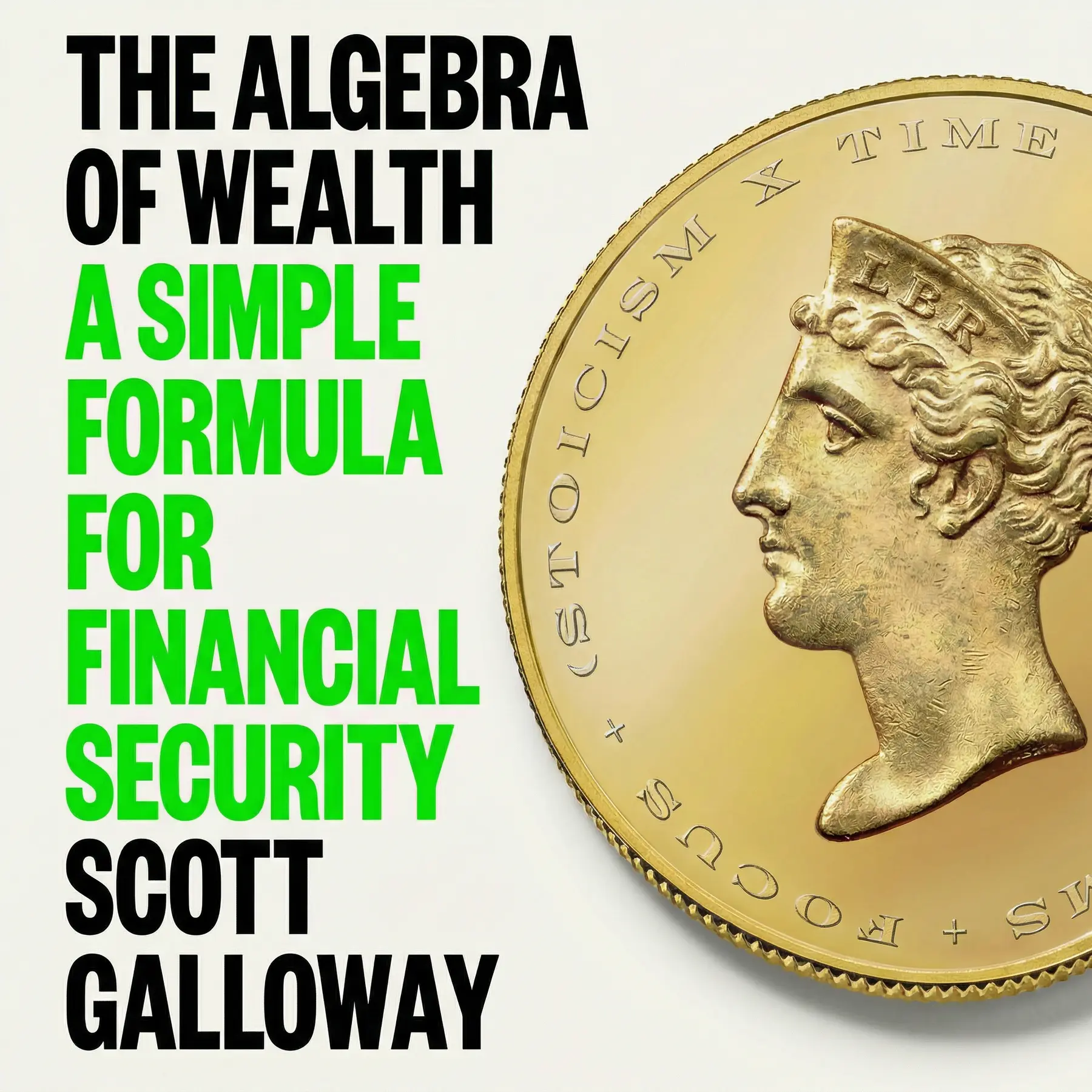
The Algebra of Wealth: A Simple Formula for Financial Security
Discover a practical and philosophical roadmap to financial independence by mastering the four essential pillars of prosperity: focus, stoicism, time, and diversification, while navigating the complexities of modern capitalism.
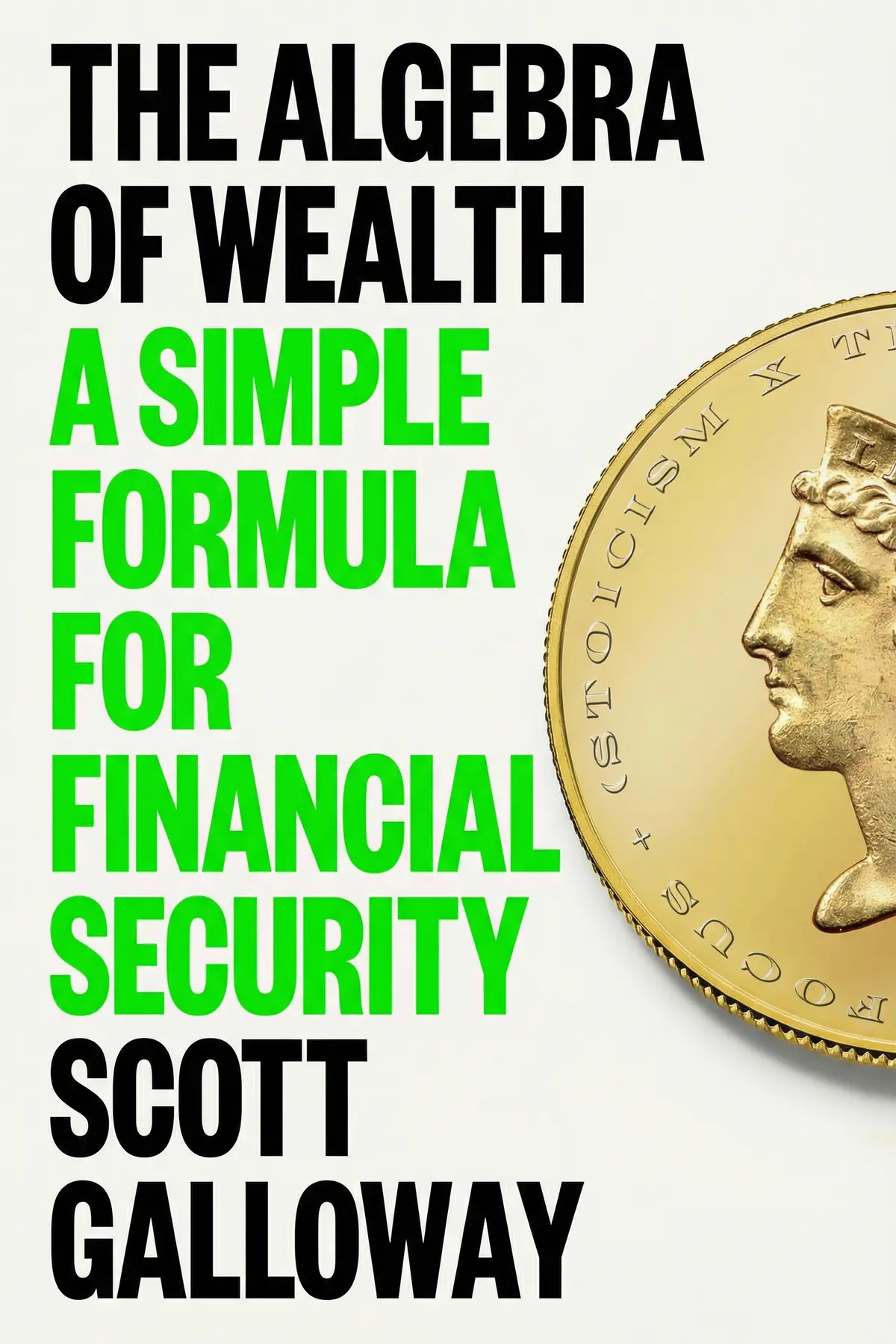
Table of Content
1. Introduction
1 min 18 sec
In an era defined by extreme economic shifts and unpredictable markets, the idea of financial security often feels like a distant dream reserved for the lucky few. We see headlines about overnight tech billionaires and lottery-style stock wins, which can make the average person feel like the game is rigged or simply too complex to play. However, building wealth isn’t about hitting a one-in-a-million jackpot; it’s about understanding a specific set of principles and applying them with relentless consistency. It is about moving from a state of economic anxiety to a state of agency, where your money works for you rather than you being a slave to your next paycheck.
This summary explores a strategic approach to prosperity that blends the hard math of investing with the ancient wisdom of philosophy. We are going to look at a throughline that connects your daily habits and career choices directly to your long-term bank balance. We’ll break down a four-part formula designed to simplify the path to security: Focus, Stoicism, Time, and Diversification. By the end of this journey, you will see that financial independence isn’t a mystery, but a result of deliberate actions. Whether you are just starting your career or looking to stabilize your future, these insights provide the blueprint to transform your financial life from a source of stress into a foundation of freedom.
2. Redefining Wealth through the Lens of Capitalism
2 min 38 sec
Explore why true financial security isn’t about how much you make, but about the relationship between your passive income and your daily spending habits.
3. The Stoic Foundation of Financial Character
2 min 41 sec
Discover how ancient philosophical virtues can protect your bank account from the impulsive traps of modern consumer culture and emotional decision-making.
4. Harnessing Professional Focus and Talent
2 min 47 sec
Learn why pursuing mastery and identifying your natural strengths is a more reliable path to high earnings than simply ‘following your passion.’
5. Mastering the Mathematical Magic of Time
2 min 41 sec
Understand how the compounding of small daily habits and early investments can create an exponential impact on your future financial freedom.
6. The Security of Diversification and Passive Investing
2 min 38 sec
Learn how to move from being a laborer to an owner by building a resilient portfolio that minimizes risk while capturing market growth.
7. Conclusion
1 min 24 sec
Building wealth is not an act of magic, but a result of a consistent formula. As we have seen, the Algebra of Wealth is a combination of four powerful variables. It begins with focus—the ability to identify your unique talents and dedicate yourself to mastering them, which maximizes your earning potential. It is supported by Stoicism—the internal discipline to live below your means, manage your impulses, and build a character that can withstand economic storms. It is accelerated by Time—the mathematical certainty of compounding that turns small, early contributions into a life-changing asset base. And it is protected by Diversification—the strategic wisdom of spreading your risk so that your future is never dependent on a single point of failure.
The throughline of all these principles is agency. By applying this formula, you stop being a passive observer of your financial life and start becoming the architect of your own security. Wealth, in its truest sense, isn’t about luxury; it’s about the ability to say ‘no’ to things you don’t want to do and ‘yes’ to the things that matter most. It is about having the resources to take care of your family, contribute to your community, and live with a sense of peace. Start where you are, use the time you have, and trust the math. The path to financial security is open to anyone willing to follow the formula with patience and persistence.
About this book
What is this book about?
The Algebra of Wealth breaks down the complex journey toward financial security into a clear, manageable formula. It moves beyond typical investment advice by combining economic strategies with psychological insights. The book proposes that true wealth isn't just about a high salary; it is about the relationship between what you earn, what you spend, and how you invest. Readers are guided through a framework that emphasizes the importance of character through Stoic principles, the strategic necessity of professional focus, the mathematical power of time and compounding, and the safety net of diversification. The promise of the book is to provide a comprehensive toolkit for anyone looking to escape economic anxiety and build a life where passive income eventually covers their living expenses, granting them ultimate control over their time and future.
Book Information
About the Author
Scott Galloway
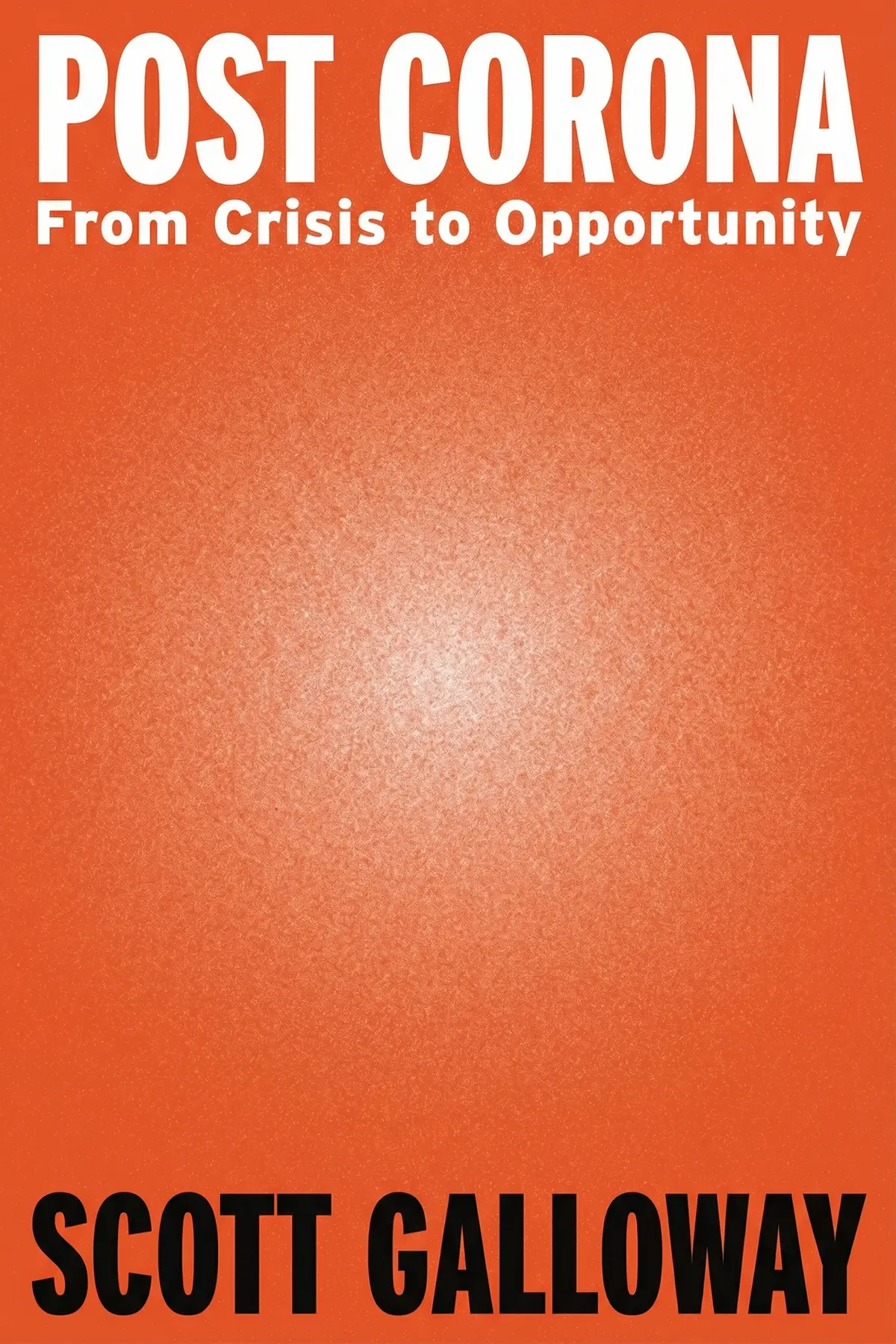
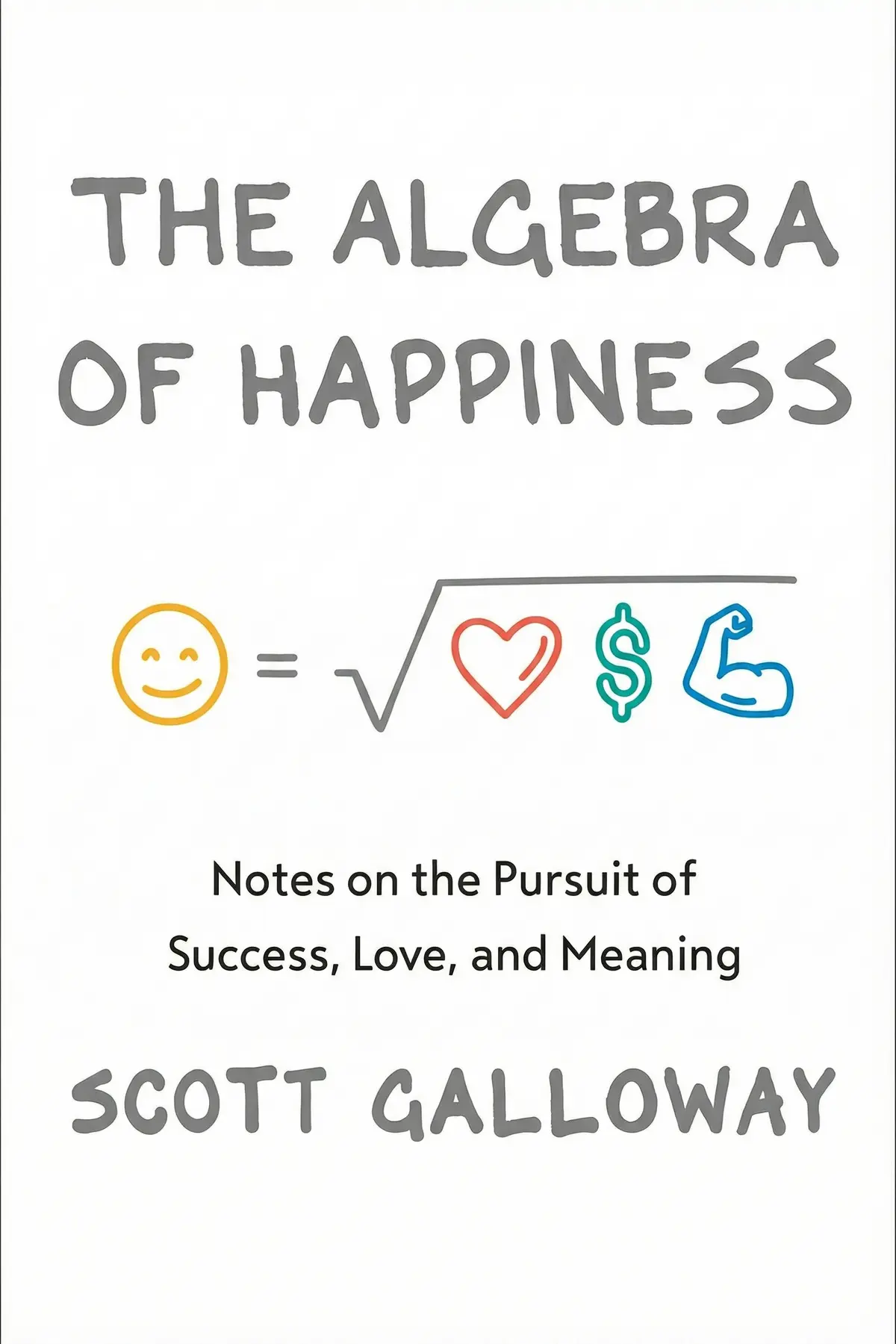
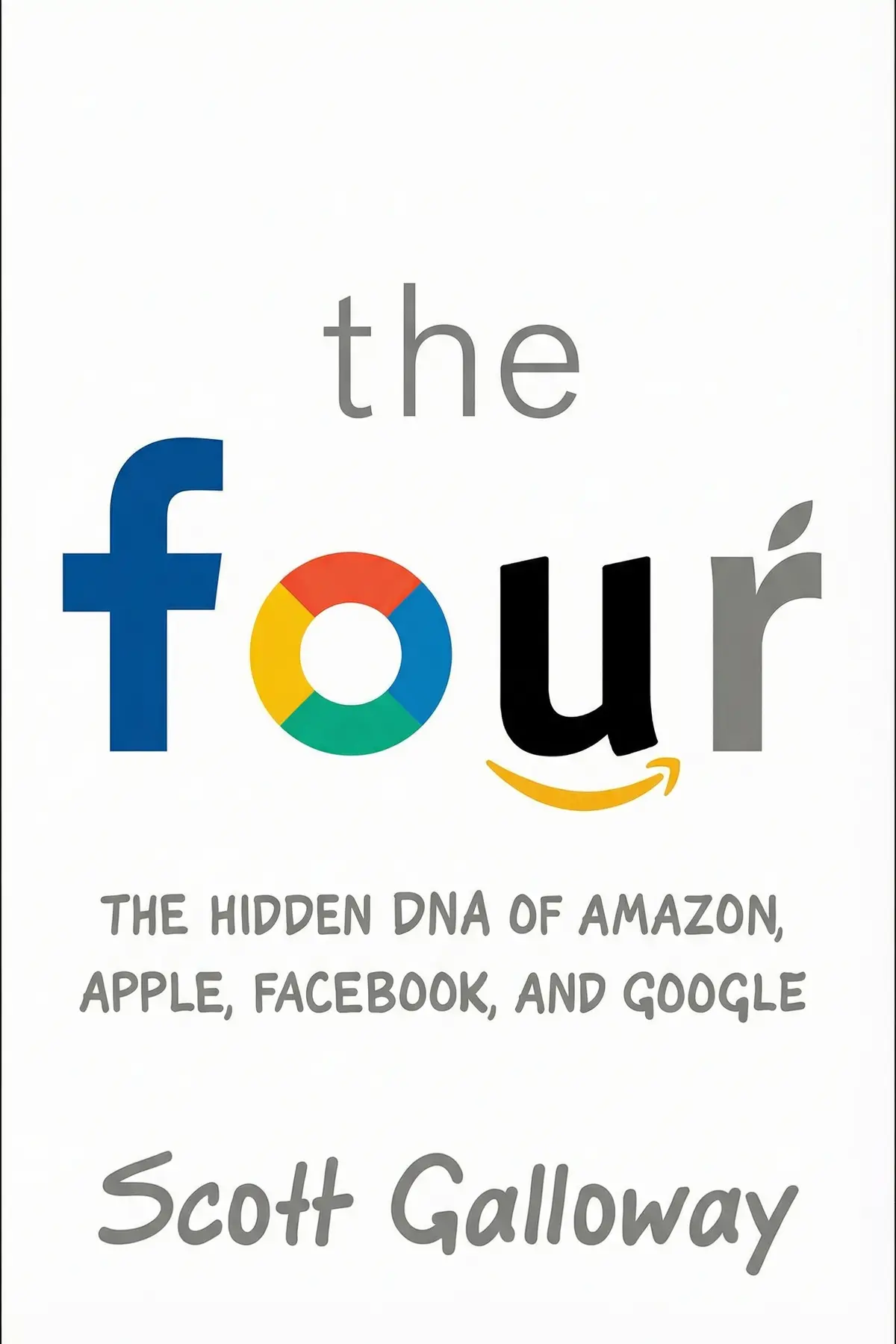
Scott Galloway is a bestselling author, NYU Stern professor, and co-host of the Pivot podcast. Known for his unvarnished style, he has written several bestsellers, including The Four: The Hidden DNA of Amazon, Apple, Facebook, and Google and Post Corona: From Crisis to Opportunity. His work often focuses on technology, business strategy, and economic trends.
Ratings & Reviews
Ratings at a glance
What people think
Listeners find this book offers practical guidance for wealth accumulation and suggest it is an excellent gift for those graduating college. The writing is approachable and clear, with one listener observing how it simplifies intricate economic concepts. They also value the high quality of the text and its emphasis on one's purpose, with one review mentioning that it yields a more profound insight into what creates happiness.
Top reviews
Man
Professor Galloway hits the mark with a guide that feels less like a math lesson and more like a necessary life audit for the modern age. While the title suggests complex formulas, the real "algebra" here is the combination of time, character, and Stoic resilience. I found the sections on identifying your actual strengths—rather than just following your "passion"—to be incredibly grounding and realistic. It’s a refreshing departure from the usual "get rich quick" schemes that clutter the finance section of every bookstore. The prose is punchy and often hilarious, though he does go on the occasional tangent about his own past failures. If you are looking for a gift for a college graduate who needs to understand how the world actually works, this is it. It distills complex market instruments into something a 22-year-old can actually use to build a foundation for happiness and security.
Show moreGai
Picked this up for my nephew who's about to graduate, but I ended up binging the whole thing myself in two sittings because the writing is so engaging. Galloway has a way of making boring topics like EBITDA and market instruments feel relevant and even urgent. He doesn't sugarcoat how hard it is to build wealth today, acknowledging that the world we live in is often stacked against the younger generation. However, he provides a clear roadmap that focuses on high-earning potential and the discipline of aggressive saving during your 20s and 30s. It’s rare to find a finance book that spends so much time on life purpose and finding joy beyond your net worth. Look, it’s not going to teach you how to day trade or beat the S&P 500 consistently. What it will do is help you build a life that’s durable and meaningful.
Show morePhu
Wow, I wasn't expecting a finance book to get so deep into what actually constitutes a 'rich' life beyond just stacking cash. I opted for the audio version, and Galloway’s narration adds a level of personality and grit that you just don't get with standard finance narrators. He talks about the "arc of wealth" in a way that feels attainable, emphasizing that it’s a marathon of boring decisions rather than a sprint of lucky breaks. The chapter on the "stoic-atheist" perspective on money was fascinating, even if it felt a little out of place in a book called The Algebra of Wealth. My experience with these types of books is usually one of boredom, but this kept me hooked with its hilarious anecdotes and clear-eyed view of capitalism. It provides a deeper understanding of what actually brings happiness in the long run. Definitely worth the time.
Show moreAraya
Is there actually any algebra in here? Not really, unless you count basic multiplication and a few 2D graphs, but the core message still manages to resonate with a pragmatic punch. Scott’s signature wit is on full display as he tackles the psychological hurdles of wealth building and the importance of living below your means. I did find the constant mentions of Stoicism a bit repetitive, almost like a Ryan Holiday commercial at points, but the overarching advice remains solid. It’s an easy, fast-paced read that cuts through the noise of modern "hustle culture" to focus on what actually creates long-term security. The truth is, most of us just need a refresher on compound interest and the value of a steady career ladder. My only real gripe is that it feels a bit light on newer investment pathways like blockchain or memorabilia. Still, it’s a great primer for beginners.
Show moreRafael
After hearing the Prof G podcast for years, I knew what to expect: a mix of brutal honesty, self-deprecating humor, and a heavy dose of marketing-speak. This book delivers exactly that, functioning as a 101 course for anyone who feels lost in the financial woods. The breakdown of how to strategically choose a career based on talent over passion is a highlight that many people need to hear. It’s pragmatic advice that prioritizes financial security so that you can actually enjoy your life later on. I appreciated the summaries at the end of each chapter, though some of the US-specific tax advice felt a bit dry compared to the anecdotes. To be fair, he makes some sweeping generalizations about entrepreneurship being "too hard" for most, which might discourage the very people he’s trying to help. Overall, it's a solid, well-written foundation for wealth.
Show moreKaen
Focusing on character and Stoic philosophy instead of just chasing the next crypto moonshot is exactly what this generation needs to hear. Galloway argues that wealth isn't just about the number in your bank account, but about the freedom to spend time with people you love. The way he distills complex financial topics into approachable chapters is impressive, making it a perfect gift for someone just starting their career. I particularly enjoyed the "Algebra" of the title being broken down into focus, stoicism, time, and diversification. While some of the advice feels a bit "finance bro" at times, the underlying message about discipline is universal. It’s a book that asks you to look at the world as it is, not as you wish it were. If you can get past the author's occasionally arrogant tone, there’s a lot of wisdom to be found here about achieving true independence.
Show moreChamnong
Finally got around to reading Galloway's latest, and while it's definitely aimed at the younger crowd, there’s wisdom here for mid-career pivoters too. The focus on compound interest might be a "Ptolemaic era" revelation to some, but it’s a truth that most people still fail to execute on effectively. I liked how he bridged the gap between raw financial data and the emotional discipline required to actually stay the course during market volatility. The book is incredibly easy to read and understand, which is a testament to Scott's background as a professor. However, I did find his dismissal of the possibility of beating the market a bit too simplistic, especially given the success of quant strategies. Not gonna lie, I rolled my eyes at the Myers-Briggs reference, but the rest of the life advice was top-notch. It’s a pragmatic guide for those who want to avoid the "asset-heavy but miserable" trap.
Show moreNim
Galloway's take on choosing a career based on talent rather than 'passion' is a hard pill to swallow, but it’s undeniably pragmatic for today’s economy. This book is a well-written, concise summary of how to navigate a career to maximize your "investment" phase during your prime years. I appreciated the honesty about how "luck" plays a role, though I wish he had touched more on the systemic issues that make these steps harder for some than others. The section on "Main Street" business vs. high-growth entrepreneurship was particularly enlightening for those of us who aren't trying to build the next Amazon. It’s a solid financial primer that focuses as much on your internal moral compass as it does on your brokerage account. While it lacks some of the technical "how-to" on things like memorabilia or art investing, it’s an excellent starting point for building a secure future.
Show moreNarumon
To be fair, if you've read any personal finance book in the last decade, you've heard 90% of this already. The "Algebra" in the title feels more like a marketing gimmick than a promise of new mathematical insights into the market. I was expecting something a bit more advanced, but instead, I got a lot of "gobbledygook" about compound interest and Stoicism. Galloway is a great writer with a "breath of fresh air" style, but the actual content feels a bit shallow for anyone who isn't a total beginner. He ignores a lot of modern trends like farmland optioning or intellectual property, sticking to a very 1960s-style textbook approach to markets. It’s not a bad book, but it’s certainly not the revolutionary financial epiphany it claims to be. It’s essentially "Rich Dad Poor Dad" but with more swearing and references to the Roman Republic.
Show moreOm
Frankly, I was disappointed by the lack of actual depth in what was promised to be a revolution in financial thinking. The title is a bit of a fraud because there isn't any real algebra to be found, just a few basic formulas that any high schooler knows. I found the rants about his own wealth and the "Stoicism" obsession to be a bit tiresome after the first fifty pages. It feels like a collection of podcast transcripts stitched together into a 258-page book that covers topics nobody who is already investing really cares about. If you are a 19-year-old who has never heard of an S&P 500 index fund, this might be a 5-star read for you. For the rest of us, it’s just another blowhard pretending to be a financial guru while ignoring the actual complexities of the modern market. It’s far from "simple"—it’s just incomplete.
Show more
Readers also enjoyed
AUDIO SUMMARY AVAILABLE
Listen to The Algebra of Wealth in 15 minutes
Get the key ideas from The Algebra of Wealth by Scott Galloway, plus 5,000+ more titles in English and Thai.
- 5,000+ titles
- Listen as much as you want
- 7-day free trial
- Cancel anytime







