
20 min 09 sec
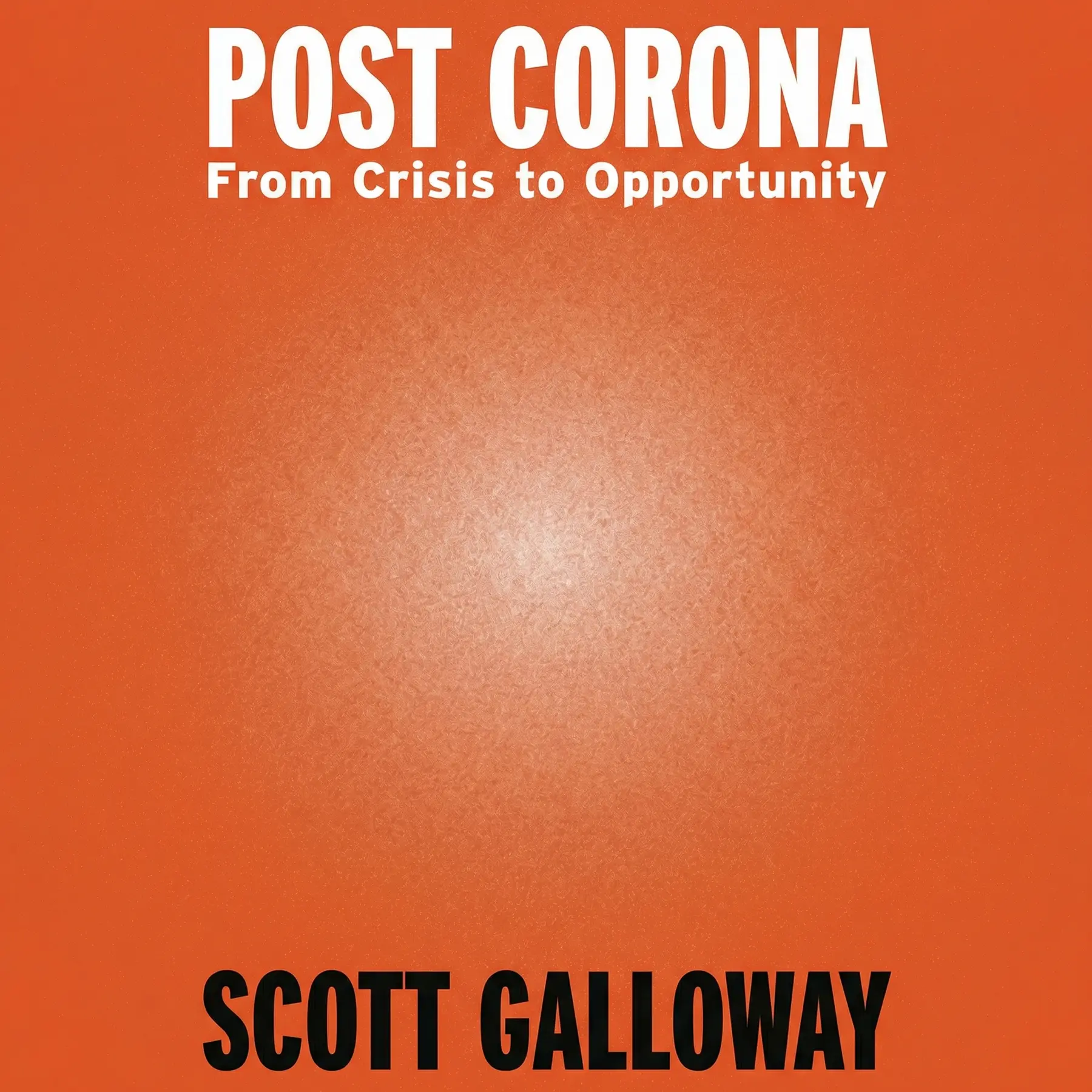
Post Corona: From Crisis to Opportunity
Post Corona explores how the global pandemic acted as a massive accelerant for existing economic trends, identifying which industries were destroyed, which tech giants triumphed, and how society can rebuild.
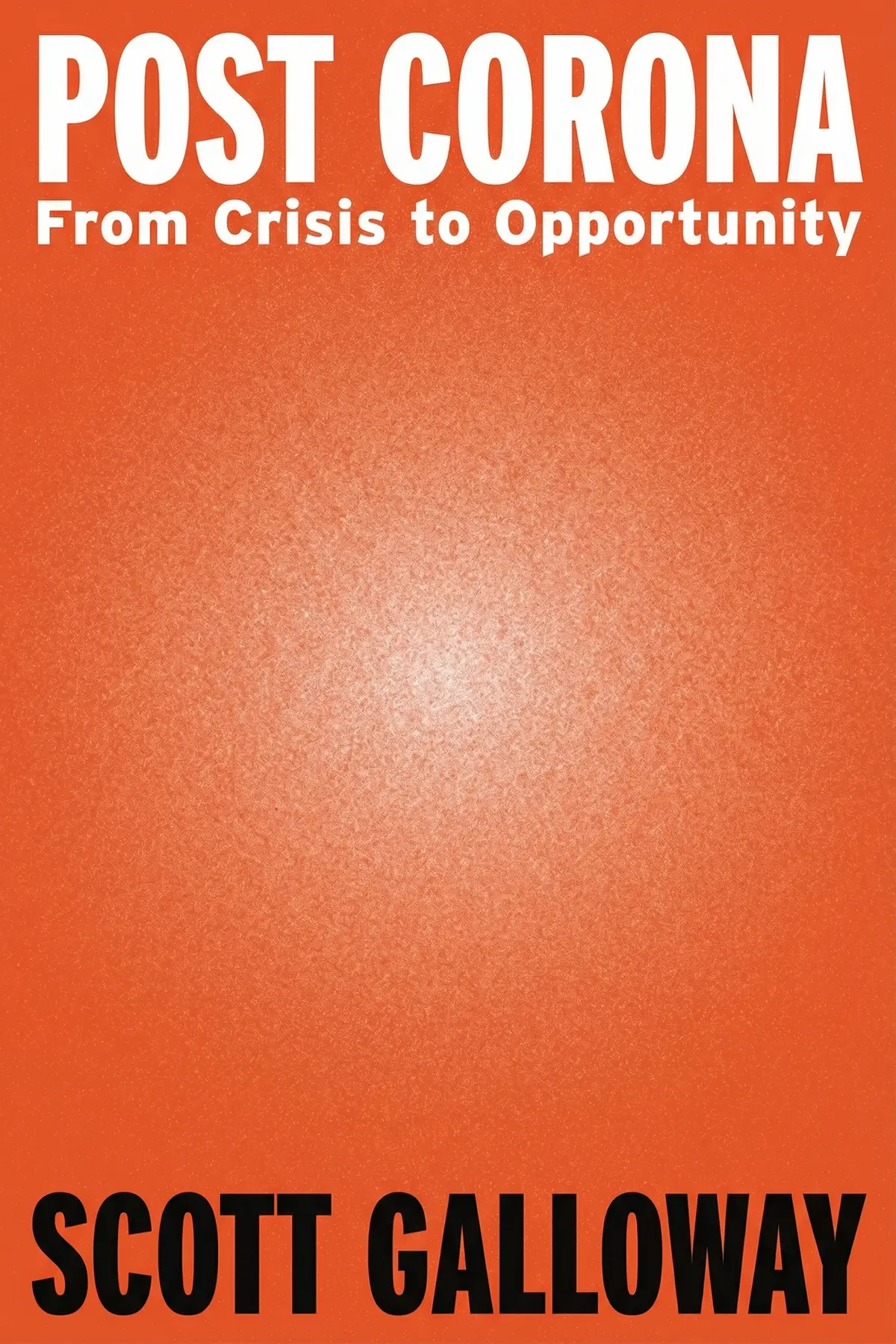
Table of Content
1. Introduction
2 min 11 sec
Imagine stepping into a time machine in February 2020. You expect to travel forward a decade, watching the slow, incremental changes of technology and society unfold over ten long years. But instead of a decade-long journey, you arrive at your destination in just a few months. This is the central premise of our exploration today. The global pandemic didn’t just disrupt our lives; it acted as a massive accelerant, pushing us into a future that was already coming, but at a speed no one was prepared for.
In this session, we are looking at the profound shifts detailed in Post Corona. We’re going to peel back the layers of the COVID-19 era to see what really happened beneath the surface of the lockdowns and the news cycles. While many saw the world grinding to a halt, the reality was that certain sectors of the economy were moving faster than ever before. We’ll look at how the ‘Great Acceleration’ helped the biggest companies on the planet become even more dominant while leaving others in the dust.
But this isn’t just a story about money and stock prices. It’s a story about how we learn, how we work, and how we care for one another as a society. We will examine the ‘disruptability’ of higher education—an industry that has been charging more and more for a product that hasn’t changed in generations. We will also dive into the world of venture capital to understand why we keep pouring money into ‘unicorns’ that don’t actually make a profit.
Ultimately, our goal is to understand the throughline of this crisis. By looking at the winners and the losers, the successful strategies and the systemic failures, we can begin to see the opportunities that lie ahead. The pandemic was a tragedy, certainly, but it also cleared away old, stagnant ways of doing things, making room for something new. Whether you are an entrepreneur, a student, or simply someone trying to make sense of the modern world, the insights here will help you navigate the landscape of the post-pandemic economy. Let’s begin by looking at how the clock started ticking faster for everyone.
2. The Great Acceleration
2 min 35 sec
Discover why the pandemic was less of a change-agent and more of a time machine, fast-forwarding ten years of economic evolution into a single season.
3. The Dominance of Big Tech
2 min 41 sec
Explore how the ‘Big Five’ utilized the chaos of the crisis to expand their empires and enter entirely new industries like healthcare.
4. The Fragility of the Middle
2 min 29 sec
Understand why the pandemic acted as a ‘cleansing’ event that eliminated weak businesses while sparing those at the very top and very bottom.
5. The Education Disruption
2 min 43 sec
Discover why the trillion-dollar higher education industry is facing its biggest crisis ever and how it must change to survive.
6. Unicorns and the Trap of Yogababble
2 min 39 sec
Learn to distinguish between actual innovation and ‘yogababble,’ the empty marketing speak used to mask unprofitable business models.
7. A Crisis of Governance and the Path Forward
2 min 48 sec
Examine why the US response to the pandemic faltered and why building a new ‘spirit of service’ is essential for future resilience.
8. Conclusion
2 min 03 sec
As we wrap up our look at the post-pandemic landscape, the single most important word to remember is acceleration. We have lived through a decade’s worth of change in a single year, and there is no going back to the ‘old normal.’ The digital divide has widened, the power of Big Tech has reached a level that would have been unthinkable just a few years ago, and our most cherished institutions are being forced to justify their existence in a whole new way.
But within this chaos, there is profound opportunity. The disruption of higher education means that we could finally find a way to make learning affordable and accessible to everyone. The exposure of the ‘yogababble’ in the startup world means that we are moving toward a more honest and sustainable form of capitalism. And most importantly, the failures of our social and political systems have given us a clear roadmap of what we need to fix. We have seen that a society is only as strong as its most vulnerable members, and that a government that ignores the public good in favor of private profit will inevitably crumble when faced with a real crisis.
So, what is the actionable takeaway from all of this? For individuals, it means embracing the digital shift and looking for ways to provide value in a world that is increasingly online and subscription-based. For business leaders, it means moving away from fragility and toward resilience, focusing on cash flow and real utility rather than just hype. And for all of us as citizens, it means demanding a new social contract—one that prioritizes public health, education, and a shared sense of duty.
The ‘post-corona’ world is not a place to fear; it is a place to build. The future arrived early, and while it brought challenges we weren’t ready for, it also gave us the tools to create a society that is more efficient, more innovative, and ultimately more just. The time for waiting is over. The future is here, and it’s up to us to decide what we do with it.
About this book
What is this book about?
The world changed forever in 2020, but not in the ways many people think. In Post Corona, the narrative shifts from viewing the pandemic as a mere disruption to seeing it as a powerful time machine that fast-forwarded the future. This deep dive into the modern economy explains why the rich got richer, why the middle class is shrinking, and how our most established institutions—from retail to higher education—are being forced to reinvent themselves or face extinction. The book provides a roadmap for understanding the current landscape of 'Big Tech' dominance and the emerging opportunities in a world that has moved online. It offers a critical look at government responses, the rise of risky venture capital trends, and the potential for a renewed sense of civic duty. Ultimately, it promises a clearer vision of the post-pandemic reality and the specific strategies needed to thrive in an era defined by rapid technological and social shifts.
Book Information
About the Author
Scott Galloway
Scott Galloway is a professor of marketing at the NYU Stern School of Business. A seasoned entrepreneur, he has founded nine companies, including Prophet, Red Envelope, and L2. He is also the author of previous bestsellers, including The Four and The Algebra of Happiness.
Ratings & Reviews
Ratings at a glance
What people think
Listeners find the book an outstanding, essential read that is simple to follow and entertaining, with one listener noting how it aids in thinking about the future. Furthermore, the writing is considered superb and clever, and listeners value its honesty. However, several listeners feel it was a poor investment.
Top reviews
Suthinee
The Prof is back with another punchy, data-driven look at our weird new reality. While many authors spent 2020 just panicking, Galloway was busy mapping out how the pandemic served as a massive accelerant for existing societal shifts. He argues that we didn’t necessarily enter a new world, but rather fast-forwarded ten years into a future where Big Tech eats everything in sight. I found his breakdown of the "culling of the herd" particularly insightful because it explains why some legacy brands vanished while others thrived. His writing is incredibly witty and moves at a breakneck pace that keeps you engaged through the drier economic stats. Truth is, you might not agree with his hyper-capitalist lens, but you can’t deny his foresight. This is a must-read for anyone trying to navigate the wreckage of the old economy.
Show moreNatalie
After hearing so much hype about the "Great Reset," I wanted a perspective that actually focused on the numbers. Galloway delivers exactly that with a style that is as entertaining as it is informative. His take on the "Uber-ization" of healthcare and education is provocative and likely to ruffle some feathers in those industries. As a professor myself, I found his critique of university endowments and rejection rates to be spot-on and incredibly brave. He manages to weave together complex economic trends without ever sounding like a boring textbook author. The truth is, this book isn't just about a virus; it's about the fundamental flaws in our economy that the virus simply exposed. It’s a brilliant, fast-paced manual for anyone trying to understand where the money is moving next. I've already recommended it to several colleagues who are worried about the future of their departments.
Show moreRapee
Wow, Galloway really doesn't hold back when it comes to the failures of our modern institutions. This book is a masterclass in trend analysis, showing how the pandemic widened the gap between the "haves" and "have-nots" in the corporate world. His writing is vibrant and filled with the kind of dark humor that makes even the most depressing statistics digestible. I loved the section on how brands are becoming less important as consumers get more direct access to product data through tech platforms. It’s a wake-up call for anyone working in traditional marketing or retail. To be fair, the book is quite short, but every page is packed with insights that made me stop and rethink my own investment strategy. It’s rare to find a business book that is this honest about the role of luck and government in personal success. Definitely a five-star effort for its transparency and wit.
Show moreChloe
The chapter on higher education alone makes this book worth the price of admission. Galloway exposes the "prestige" trap that universities have fallen into, prioritizing their endowments over their mission to educate the masses. It’s a refreshing take that balances his usual market analysis with a genuine concern for the next generation. The book is short and pithy, which I appreciate in an era where most business authors try to stretch a 20-page idea into 300 pages. He moves quickly through topics like telehealth and the gig economy, providing just enough data to support his bold predictions. In my experience, his "no-nonsense" approach is exactly what we need right now to cut through the noise of corporate PR. Even the biographical elements at the end feel earned, giving the reader a sense of who the man behind the data actually is. Highly recommended for any professional trying to spot the next big disruption.
Show moreDome
Scott Galloway has a knack for making complex market dynamics feel like a high-speed car chase. If you’ve read The Four, you’ll recognize his signature style here, though this feels like a much-needed update for the post-2020 era. I was especially gripped by his critique of the higher education system and its refusal to adapt to modern technology. He calls out the "luxury brand" status of elite universities with a brutal honesty that feels long overdue in academic circles. However, I did feel like some of the chapters toward the end felt a bit rushed, almost like he was racing to meet a publishing deadline. It’s a short, pithy book that manages to pack a lot of punches in a small package. Not gonna lie, some of his predictions feel a bit bold, but his track record makes them worth considering.
Show moreNarongrit
Picked this up on a whim after seeing Galloway on a news segment, and I’m glad I did. The way he describes the intersection of technology and the "low-touch" economy is both terrifying and illuminating for a business owner. He doesn't sugarcoat the fact that the middle class is being squeezed by these massive monopolies. I particularly appreciated the final chapter where he pivots to a more personal narrative about his own upbringing and the importance of public infrastructure. It added a layer of humanity to a book that is otherwise very focused on cold, hard market caps. Frankly, we need more business leaders who are willing to admit that their success wasn't just due to "grit" but also to a functional society. My only gripe is that it’s a very fast read that could have used more depth in the healthcare section.
Show moreDimitri
Finally got around to reading this, and the "acceleration" thesis is definitely its strongest point. Galloway argues that the pandemic didn't change the direction of the economy so much as it acted as a giant engine, pushing us faster down paths we were already taking. It’s essentially a sequel to The Four, so if you enjoyed his breakdown of big tech, you’ll love this update. The prose is snappy, often funny, and he isn't afraid to call out the absurdity of the current market valuations. Personally, I think he’s a bit too bullish on online education replacing the physical campus experience entirely. There’s a social capital to university life that technology simply cannot replicate, and he seems to brush that aside too easily. Despite that, the book is incredibly thought-provoking and serves as a great conversation starter for any business strategy meeting.
Show moreSomrutai
Ever wonder why Amazon and Apple seemed to come out of the global crisis stronger than ever? Galloway does an excellent job explaining the mechanics of the "Great Acceleration" and how the winners took it all. His analysis of the gig economy is sharp, though I found his disregard for environmental impacts a bit jarring in this day and age. He sticks strictly to the capitalist playbook, which makes the book feel a bit one-dimensional at times. Look, the guy is brilliant when it comes to brand strategy and market cap, but he misses the human element occasionally. The chapter on the "culling" was fascinating, even if it left a bitter taste in my mouth regarding the future of small businesses. It’s a solid 3-star read for the data alone, even if the tone is a bit cynical.
Show moreSuwit
Not what I expected, though I suppose I should have anticipated the heavy focus on Big Tech given the author. While the insights are sharp, if you follow Scott’s podcast or newsletter, a lot of this will feel like a retread of his weekly rants. He covers the same ground regarding Amazon’s dominance and the bubble in higher education that he’s been talking about for years. The capitalist framing is also very narrow, ignoring broader societal shifts like the climate crisis or international relations. Gotta say, I was hoping for something a bit more visionary or "out of the box" rather than just a summary of current events. It’s a decent primer for someone who hasn’t been paying attention to the markets, but for the well-informed, it might feel a bit thin. Still, it's a quick read and his writing style is undeniably charismatic.
Show moreChatri
This felt more like a collection of repurposed blog posts and podcast transcripts than a cohesive book. While I usually enjoy Galloway’s takes, Post Corona suffers from being written way too early in the pandemic’s lifecycle. A lot of the "projections" he makes about the future of work and retail have already been contradicted by real-world data. It’s hard to take a strategic guide seriously when the foundational assumptions feel like they were scribbled down in a frantic weekend. Furthermore, the analysis of the healthcare industry felt surprisingly superficial for someone with his credentials. To be fair, he’s an entertaining writer, but this specific volume feels like an opportunistic cash-grab rather than a definitive business text. If you already listen to his podcast, you can probably skip this one without missing any new insights.
Show moreReaders also enjoyed
Adults in The Room: My Battle With Europe’s Deep Establishment
Yanis Varoufakis
1929: Inside the Greatest Crash in Wall Street History--and How It
Andrew Ross Sorkin
23 Things They Don’t Tell You About Capitalism
Ha-Joon Chang
A Little History of Economics
Niall Kishtainy
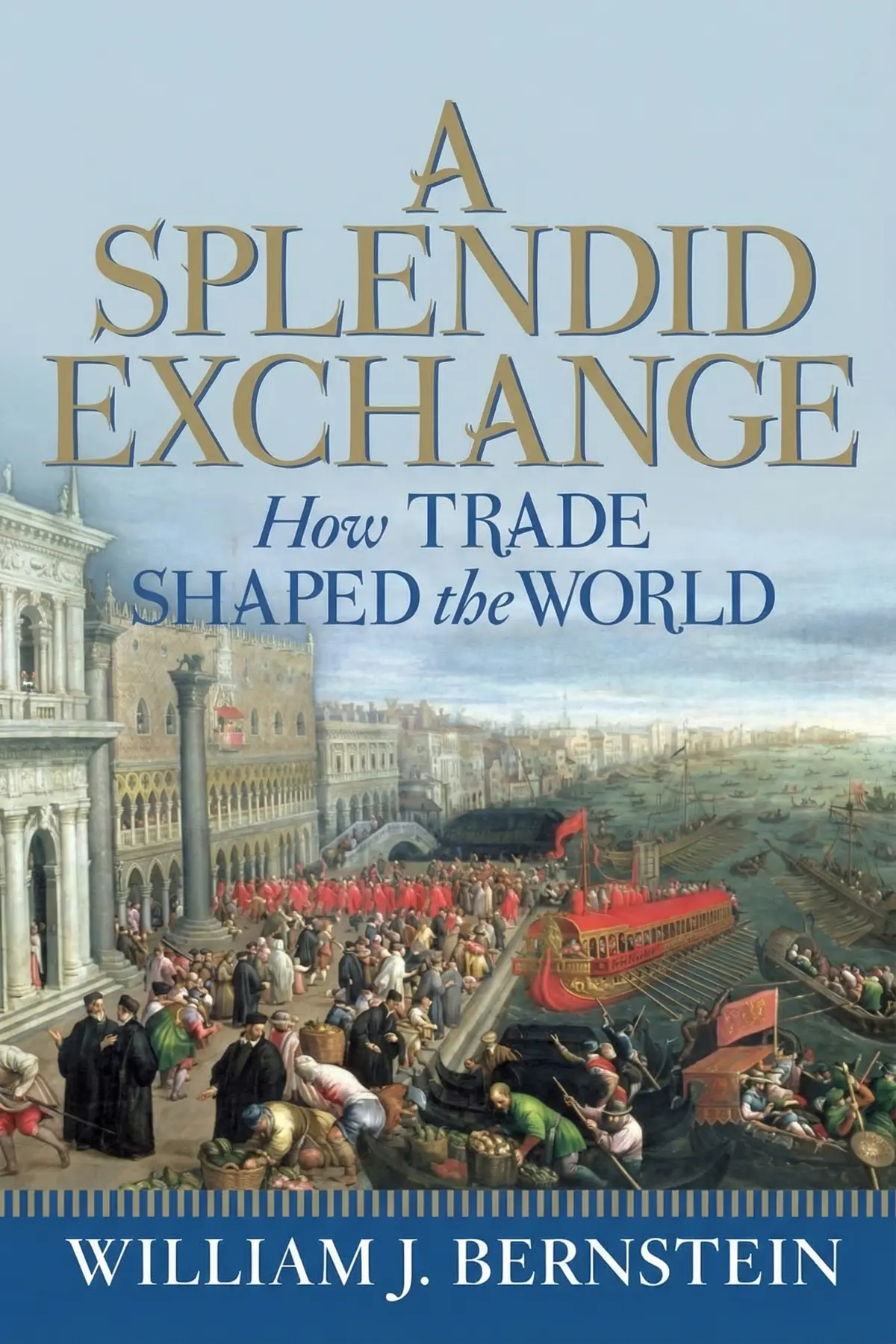
A Splendid Exchange: How Trade Shaped the World
William J. Bernstein
AUDIO SUMMARY AVAILABLE
Listen to Post Corona in 15 minutes
Get the key ideas from Post Corona by Scott Galloway, plus 5,000+ more titles in English and Thai.
- 5,000+ titles
- Listen as much as you want
- 7-day free trial
- Cancel anytime







