
18 min 50 sec
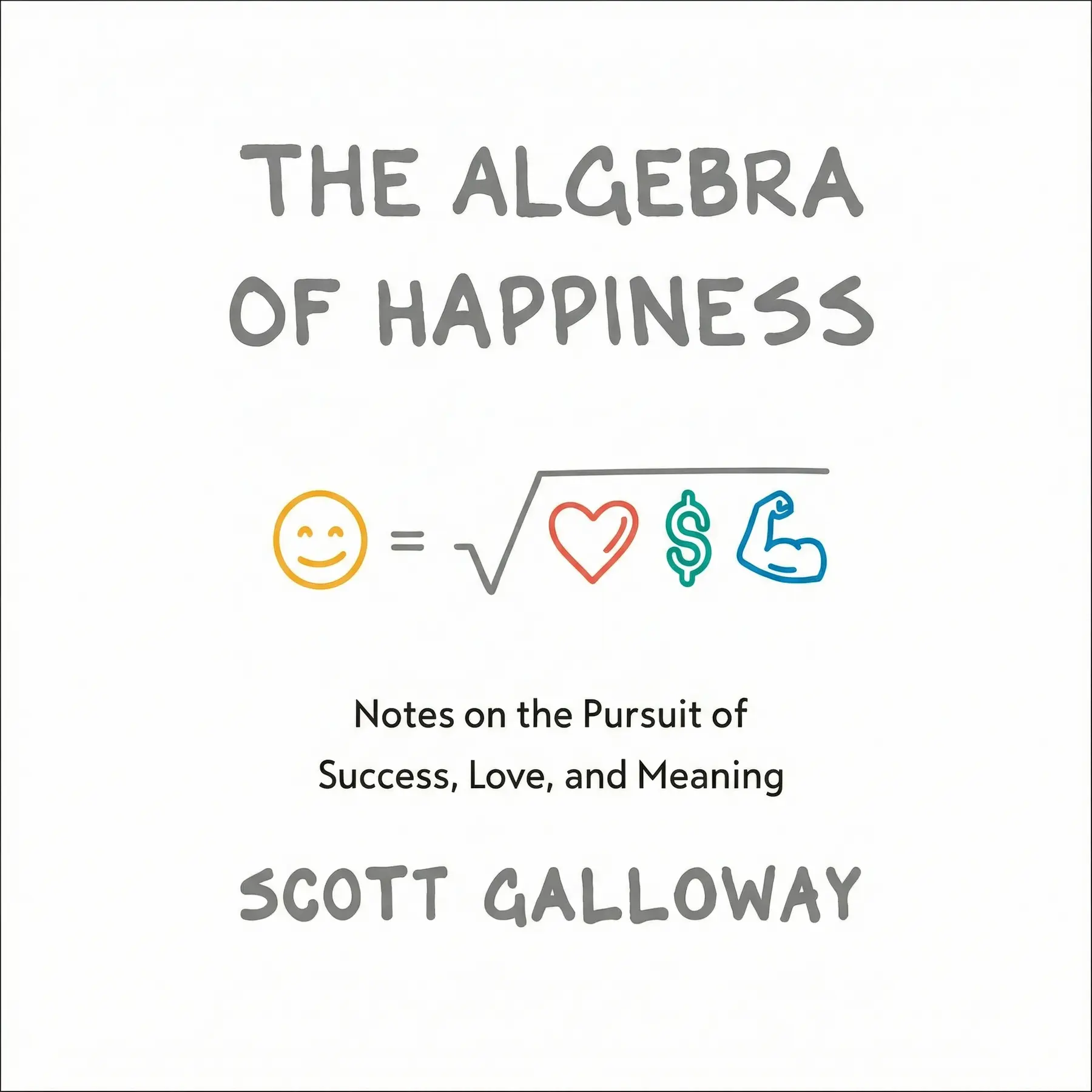
The Algebra of Happiness: Notes on the Pursuit of Success, Love, and Meaning
Explore a data-driven framework for building a meaningful life. This summary breaks down the essential variables of long-term fulfillment, focusing on the strategic trade-offs between professional success, financial security, and deep personal relationships.
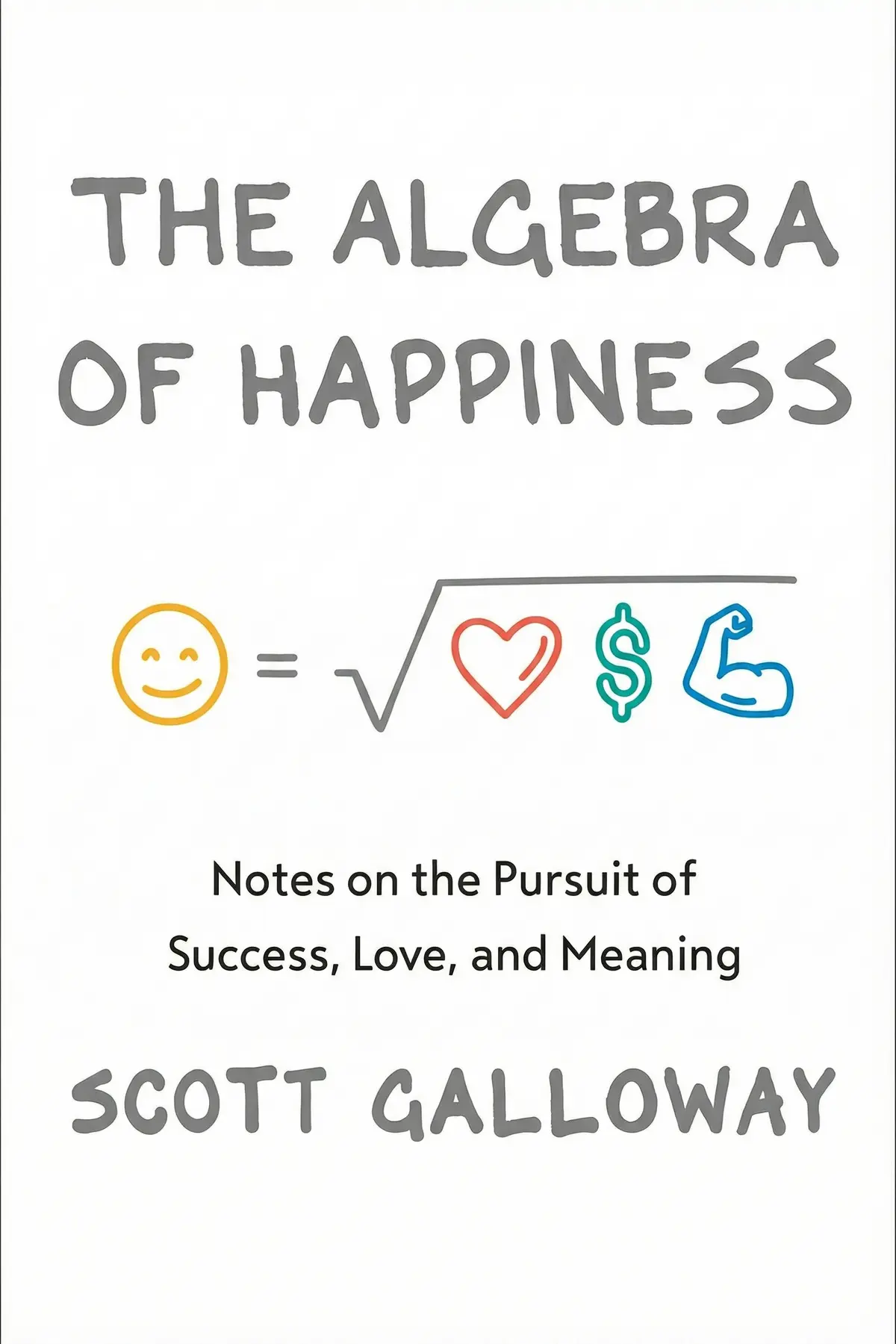
Table of Content
1. Introduction
1 min 42 sec
When we hear the word algebra, our minds often drift back to high school classrooms, filled with chalk dust and complex equations written on a board. We remember solving for the unknown variable, trying to find the value of X that would make the whole system balance out. It was a sterile, academic exercise. But what if those same principles of balance and variables could be applied to something far more vital? What if we could use a similar logic to solve for a life well-lived?
This is the central premise we are exploring today: the idea that happiness is not a mysterious accident or a random stroke of luck. Instead, it is a skill—a set of outcomes derived from specific inputs. By understanding the variables of success, love, and meaning, we can begin to adjust our choices to reach a more fulfilling sum. This isn’t just about feeling good in the moment; it’s about the long-term architecture of a life that matters.
Over the course of this discussion, we are going to look at the hard truths of the modern world. We will talk about the unavoidable trade-offs between your youth and your retirement, the secret to finding professional stability in unsexy industries, and the emotional mathematics of healthy relationships. We’ll even challenge the common definitions of what it means to be rich.
Think of this as a throughline for your existence: how do you allocate your limited time and energy today to ensure that your future self is not only secure but truly at peace? By the end of this journey, the goal is to see your life not as a series of chaotic events, but as a formula you have the power to influence. Let’s dive into the variables that define the algebra of happiness.
2. The Temporal Trade-Off
2 min 33 sec
Success in later life often requires an intense, focused sacrifice during your younger years, creating a fundamental imbalance that pays off in the long run.
3. The Social Value of Presence
2 min 39 sec
Deep human connections are the ultimate source of joy, but they require a consistent investment that cannot be delayed until retirement.
4. The Architecture of Financial Security
2 min 56 sec
Building true wealth involves choosing the right geography, pursuing unglamorous but profitable industries, and diversifying your assets strategically.
5. Choosing Your Path: Employee or Founder
2 min 31 sec
Professional fulfillment requires an honest assessment of your temperament, distinguishing between the diplomatic skills of a leader and the risk-tolerance of a creator.
6. The Formula for a Lasting Partnership
2 min 17 sec
The most significant decision you will ever make is choosing a life partner, a variable that requires alignment on values and a commitment to generosity.
7. The Art of the Strategic Exit
2 min 27 sec
True success culminates in the ability to pivot away from professional dominance and toward a legacy of mentorship and personal joy.
8. Conclusion
1 min 45 sec
As we reach the end of this exploration into the algebra of happiness, the throughline becomes clear: a life of meaning is built, not found. It is the result of thousands of small, intentional calculations. We’ve seen that happiness is often the sum of your efforts today and your security tomorrow. It is the balance between the grit required to build a career and the grace required to sustain a family.
We’ve discussed the importance of making the hard trade-offs early, leaning into the discomfort of the ‘unbalanced’ youth to earn the freedom of a balanced adulthood. We’ve looked at the practicalities of wealth—not just as a number in a bank account, but as the ability to control your own time and protect the people you love. And we’ve recognized that our relationships are the most volatile and yet most rewarding variable in our entire existence.
If there is one actionable piece of advice to take away from this, it is to determine your own metrics. In business, we use data to tell us if we are winning or losing. In life, we often fly blind. Take a moment to look at the numbers that define your impact. How many people are you helping? How much quality time are you spending with your children or your parents? Are you visiting the people who matter most, or are you just sending a text?
Numbers don’t lie. If you don’t like what your personal metrics are telling you, remember that an equation can always be adjusted. You can change your inputs. You can choose to move, choose to pivot your career, or choose to be more generous in your marriage. Happiness is a skill you can practice, and today is the perfect time to start refining your formula. By treating your life with the same rigor and intention you bring to your work, you can ensure that the final sum of your time here on Earth is one of deep, enduring fulfillment.
About this book
What is this book about?
The Algebra of Happiness provides a candid, non-traditional roadmap for navigating the complexities of adulthood. Rather than offering vague advice about following your bliss, the book treats satisfaction as a series of intentional calculations. It explores the harsh but necessary trade-offs required to achieve financial independence and the emotional intelligence needed to sustain a family. You will learn why your early career decisions carry so much weight and how to pivot from a focus on individual achievement to a focus on collective legacy. The promise of this narrative is to help you solve the equation of your own life. You will discover the practical differences between an employee and an entrepreneur, the true definition of wealth, and the specific traits to look for in a life partner. By framing happiness as a skill that requires both discipline and vulnerability, the summary offers a guide to ensuring your later years are defined by connection and security rather than isolation and regret.
Book Information
About the Author
Scott Galloway
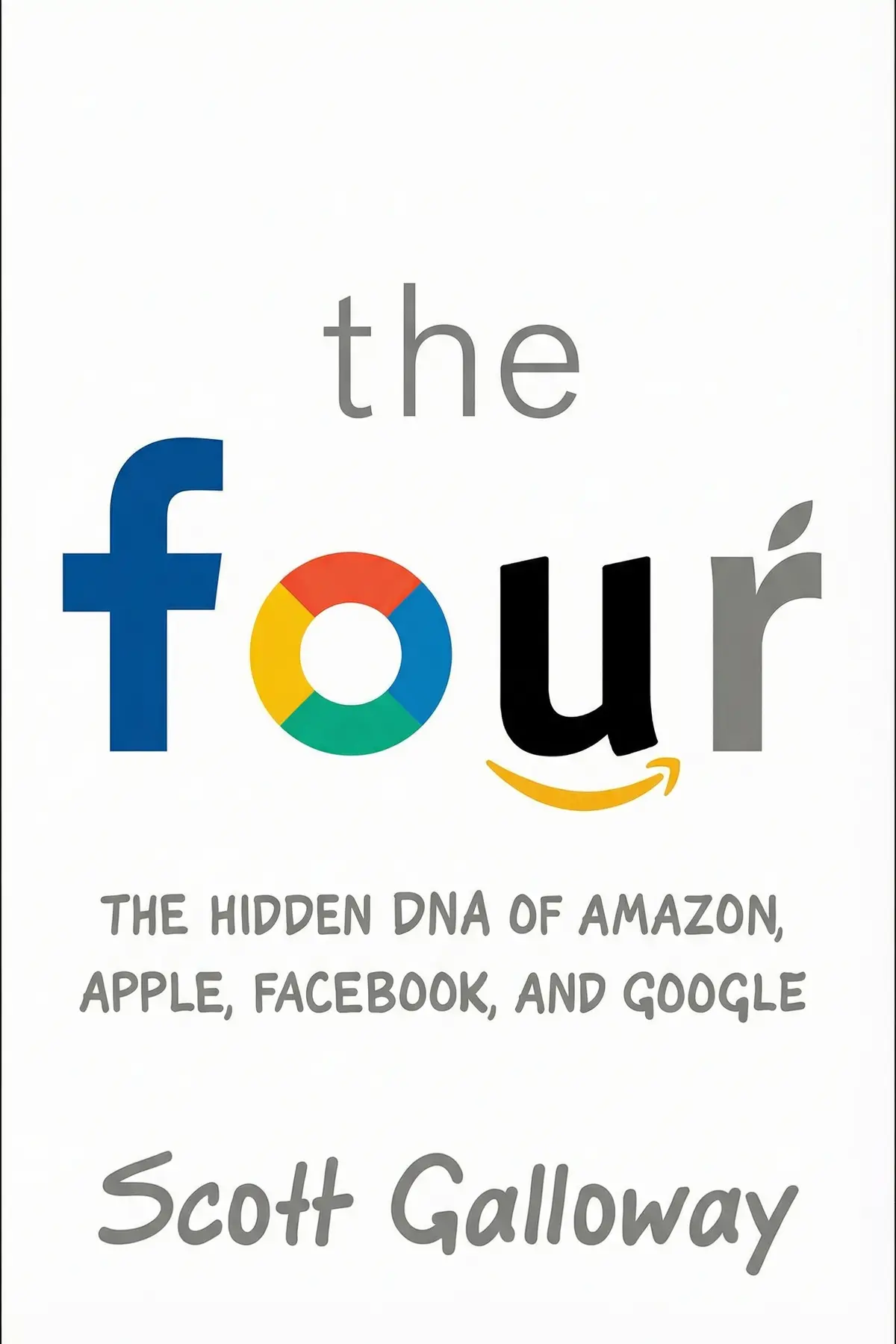
Scott Galloway is a professor of marketing at New York University’s Stern School of Business. He is a New York Times bestselling author of several titles, including The Four: The Hidden DNA of Amazon, Apple, Facebook, and Google. A serial entrepreneur, he has successfully founded nine companies, including the business intelligence firm L2 Inc, the consulting firm Prophet, and the e-commerce site Red Envelope.
Ratings & Reviews
Ratings at a glance
What people think
Listeners describe the work as insightful, viewing it as a necessary guide for identifying life's priorities, and they appreciate how its readability makes gaining wisdom feel effortless. Furthermore, the content is deeply moving and relatable, blending engaging humor with practical advice appropriate for high school graduates. Listeners express admiration for the writing style, with one listener highlighting the author's perfect clarity, and others commending the sense of honesty and vulnerability throughout.
Top reviews
Samart
Wow, this hit me harder than I anticipated. I went in expecting dry business advice but found a deeply moving reflection on what actually makes a life worth living. Galloway’s writing style is punchy and clear, making complex emotional truths feel accessible and even humorous at times. His advice on the 'easy stuff'—like showing up early and having good manners—is something I want to buy for every high school graduate I know. The way he discusses the 14% net worth growth for married couples provides a fascinating economic argument for commitment. This isn't just a book about wealth; it's a book about the compound interest of kindness and hard work. It’s rare to find an author this successful who is willing to be this honest about his own failures.
Show moreAdam
Finally, a self-help book that doesn't feel like it was written by a monk or a life coach with no real-world experience. Galloway is a successful entrepreneur who tells it like it is: life is hard, work is exhausting, and you need to be smart about your choices. I loved the section on why you should seek out 'boring' industries if you actually want to make money and find fulfillment. His vulnerability regarding his mother's illness was incredibly touching and felt very authentic. It’s a masterclass in 'no-BS' wisdom that balances the harsh realities of capitalism with the tender realities of being a father and a son. I’ve already recommended this to three of my colleagues who are struggling with work-life balance.
Show morePong
The most striking thing about Galloway’s writing is his brutal clarity. He doesn't waste your time with flowery language or vague promises of 'finding your passion.' Instead, he provides a roadmap for building a stable, meaningful life through discipline and emotional intelligence. The concept of the 'U-shaped' happiness curve was particularly enlightening for me as I head into my forties. In my experience, most business books ignore the domestic side of life, but Scott leans into it, proving that your home life is the ultimate foundation for your career. It’s a brilliant, funny, and occasionally heartbreaking look at the variables that actually matter in the equation of a life well-lived. Buy it for the career tips, but keep it for the lessons on love.
Show moreOrm
The chapter on the 'Algebra of Money' alone was worth the purchase for me. Galloway frames happiness through the lens of economic security and partnership, which is a pragmatic approach you don't often see in the self-help aisle. I appreciated his honesty about how much 'shit gets real' between the ages of 25 and 45. He doesn't sugarcoat the fact that building a life requires an immense amount of sweat equity and sacrifice early on. To be fair, some of the anecdotes feel a bit repetitive if you already follow his podcast, but having them distilled into these bite-sized lessons is helpful. It’s a touching, surprisingly human look at what it means to provide for a family while trying not to lose your soul in the process.
Show moreFon
As someone who follows his newsletter, I recognized a lot of the material, but the curation here works well. The book is remarkably easy to digest, with a layout that allows you to jump around to different life stages. I specifically resonated with the idea of 'giving someone a good death' and the responsibilities we have toward our aging parents. It’s a heavy topic handled with a mix of pragmatism and genuine emotion that caught me off guard. Not gonna lie, his brash delivery can be polarizing, and he definitely leans into the 'alpha' persona a bit too hard at times. Despite that, the core message about prioritizing relationships over toys is one that more people in high-stress careers need to hear before they burn out.
Show moreTar
Is this book for everyone? Probably not, as it definitely targets a specific demographic of ambitious professionals. But for those of us in the thick of the 'work-stress-build' phase of our thirties, it’s a necessary reality check. He cuts through the corporate BS to remind us that our relationships are the only things that truly scale in the long run. I liked the analytical breakdown of why being an employee is often a better risk-adjusted bet than being an entrepreneur. Personally, I found the section on 'sweat vs. balance' to be the most honest take on career progression I've read in years. It might come off as a bit chest-thumping to some, but the underlying sentiment is deeply grounded in the reality of the modern economy.
Show moreTern
After hearing Scott on several podcasts, I finally picked up the physical copy to see if the hype was real. The book is beautifully designed and the content is remarkably candid for a business-adjacent memoir. He doesn't shy away from his own 'asshole' tendencies, which makes the advice to be better feel more earned. Look, the guy is definitely wealthy and privileged, and he doesn't pretend otherwise, which I actually found refreshing compared to authors who try to hide it. The focus on 'investing in experiences' over things is a tired trope, yet he gives it new life with his specific data points. It’s a great read for anyone feeling lost in the middle-age grind who needs a reminder to invest in their social capital.
Show moreNiphon
Scott Galloway has a very specific brand, and you either buy into it or you don't. This book is essentially a collection of his blog posts and newsletter musings, which makes for a very quick, breezy read. I found the section on 'boring' companies being better investments than 'sexy' ones to be a refreshing take on career growth. However, the tone is undeniably ego-driven and often feels like he’s shouting from a yacht. Truth is, while the advice to 'not be an asshole' is solid, it isn't exactly revolutionary wisdom. The chapter about his mother’s passing was the only moment that felt truly vulnerable and stripped of his usual persona. It's a decent enough gift for a recent business school grad, but don't expect deep psychological research here.
Show moreWaree
This felt more like a collection of blog posts than a cohesive book. While the insights are sharp, the narrative jumps around quite a bit without a clear through-line. I can’t help imagining his big ego jumping out of the paper while reading it, especially when he talks about his younger years. Still, there are some absolute nuggets of gold regarding professional fulfillment and the importance of choosing the right partner. The idea that marriage is a financial engine was a perspective I hadn't fully considered before. It’s a quick read, perfect for a flight or a long commute, but it lacks the scientific depth of a true psychology book. Take the career advice and leave the 'manly' posturing behind.
Show moreNattapong
I really wanted to like this, but the level of unexamined privilege is staggering. Galloway writes from a very narrow, heteronormative perspective that assumes every reader is an aspiring millionaire with a traditional family structure. Frankly, his 'no-BS' attitude often crosses the line into blatant smugness and condescension toward anyone who hasn't 'made it' in the corporate world. He talks about his kids and his sexual history with a weird sort of frat-boy bravado that feels incredibly dated in today's world. If you aren't a high-earning male looking for a pat on the back, you’ll likely find this advice unhelpful or even offensive. It’s less of a guide to happiness and more of a manual on how to be a successful businessman who eventually realizes he should probably be nicer to people.
Show moreReaders also enjoyed
60 Seconds & You’re Hired!
Robin Ryan
59 Seconds: Change Your Life in Under a Minute
Richard Wiseman
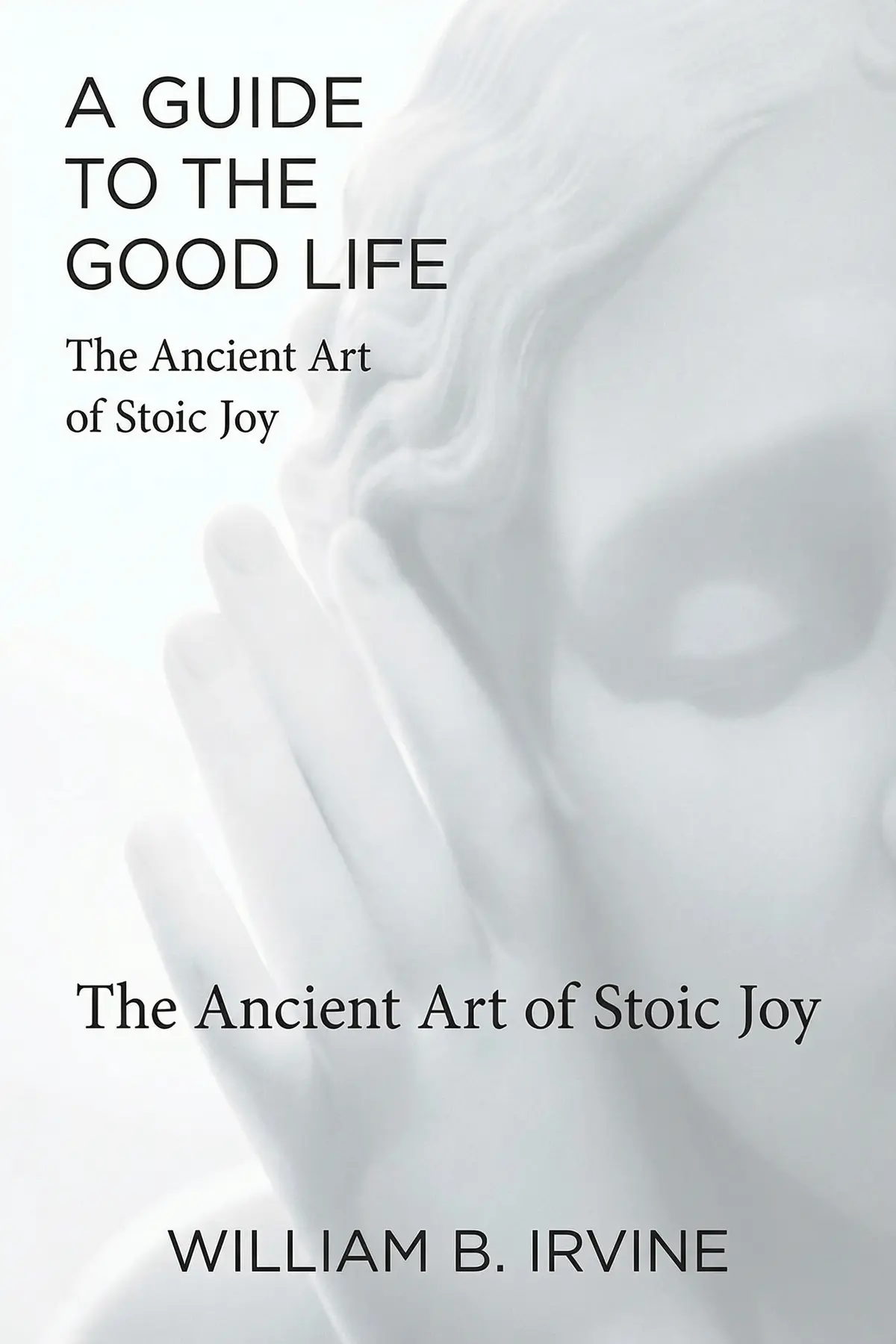
A Guide to the Good Life: The Ancient Art of Stoic Joy
William B. Irvine
AUDIO SUMMARY AVAILABLE
Listen to The Algebra of Happiness in 15 minutes
Get the key ideas from The Algebra of Happiness by Scott Galloway, plus 5,000+ more titles in English and Thai.
- 5,000+ titles
- Listen as much as you want
- 7-day free trial
- Cancel anytime







