
A Higher Loyalty: Truth, Lies and Leadership
James Comey
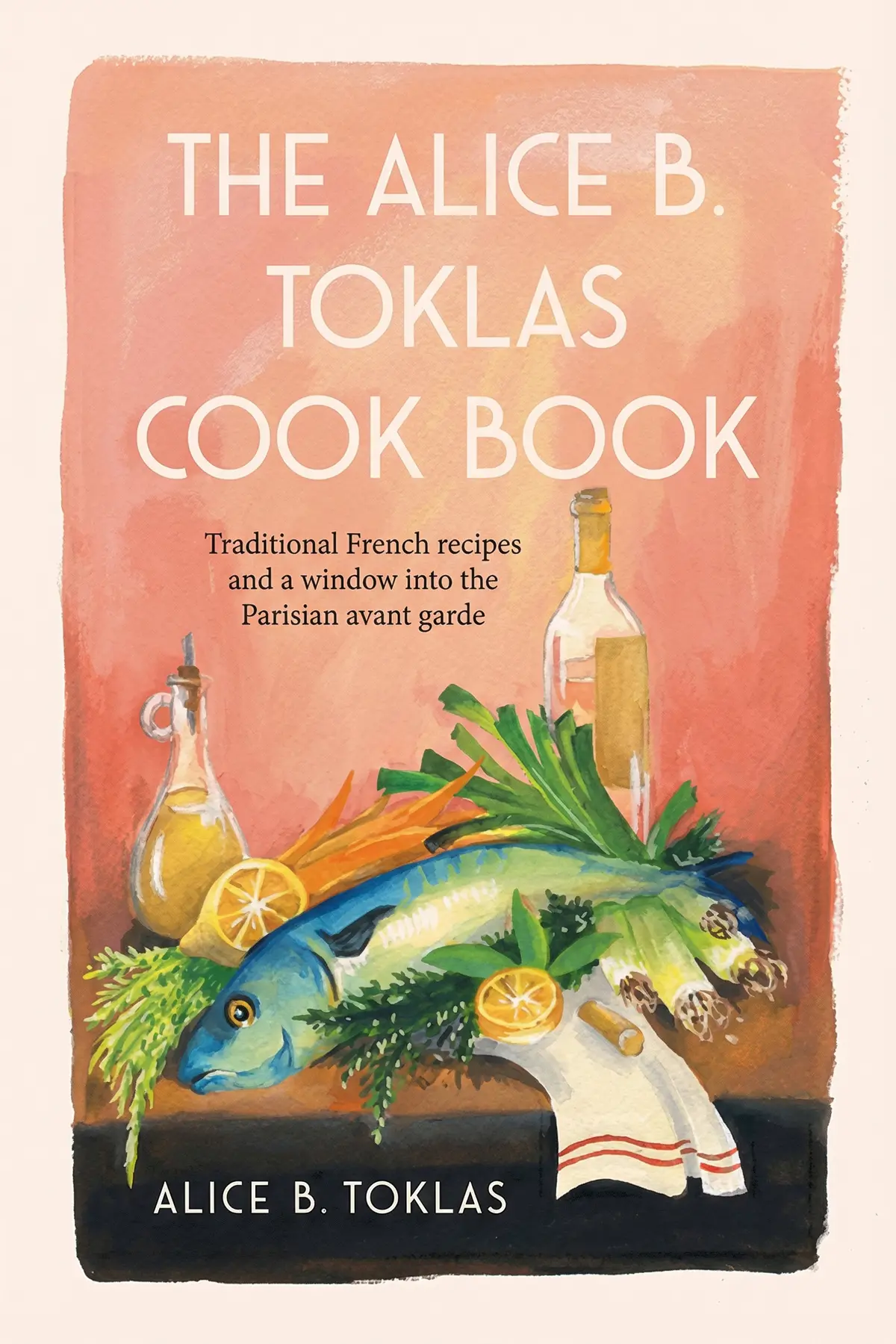
A delightful blend of memoir and culinary manual, this summary explores the intersection of French gastronomic tradition and the vibrant life of the Parisian avant-garde through the eyes of Alice B. Toklas.
2 min 15 sec
Imagine stepping into a sun-drenched apartment at 27 Rue de Fleurus in Paris during the early twentieth century. The air is thick with the scent of oil paint and expensive tobacco, but underneath those aromas lies something even more intoxicating: the smell of a slow-simmering daube or a perfectly browned tart. This was the world of Alice B. Toklas, a woman whose name is inextricably linked to the towering literary figure Gertrude Stein, but whose own legacy is carved out in the kitchens and dining rooms of the Parisian creative elite.
Alice B. Toklas wasn’t just a witness to history; she was the one feeding the people who made it. For nearly four decades, she and Stein hosted a revolving door of geniuses—Picasso, Matisse, Hemingway, and Fitzgerald. While these men were busy reshaping the world’s understanding of art and literature, Alice was busy mastering the complex, often rigid, but always rewarding world of French gastronomy. Her journey wasn’t just about following instructions; it was about adopting a philosophy of life that treated the kitchen as a sacred studio.
In this exploration of her famous 1954 cookbook, we are going to look beyond the ingredients to the stories and the spirit that defined her era. We’ll see how French cooking is less about a set of steps and more about a profound respect for the land and the tradition. We’ll discover the peculiar social codes of the Parisian salon, where a dish could be used as a compliment or a calculated insult. And we’ll see how the joys of the table persisted even through the dark shadows of global conflict.
Throughline is clear: Alice B. Toklas invites us to see cooking as an act of devotion—to one’s partner, to one’s friends, and to the pursuit of sensory excellence. Whether she was preparing a ‘Cubist’ fish for Picasso or bartering for eggs on the black market during the occupation, her life reminds us that the art of the table is, in many ways, the art of living itself. So, let’s pull up a chair and discover what it truly meant to dine at the heart of the avant-garde.
3 min 07 sec
Discover why the French approach cooking with the same gravity as high art, demanding an uncompromising reverence for tradition and ingredients.
3 min 13 sec
Explore the fierce regional pride of French cuisine, where the ‘true’ version of a dish depends entirely on where you stand on the map.
3 min 24 sec
Step into the salon of Gertrude Stein, where culinary experimentation met the playful—and sometimes scandalous—tastes of the world’s most famous artists.
2 min 56 sec
Alice recounts the visceral and often difficult transition from city expat to a hands-on cook who must face the reality of where meat comes from.
3 min 14 sec
Learn the secret ‘omelette test’ Alice used to hire staff and the subtle ways a dish could signal a host’s true feelings for their guests.
3 min 11 sec
Discover how Alice and Gertrude maintained their gourmet standards through two World Wars, turning bartering and ‘personality’ into a survival skill.
1 min 57 sec
As we close the kitchen door on Alice B. Toklas’s world, we are left with more than just a collection of recipes for fish stew and omelettes. We are left with a profound blueprint for how to live a life fueled by passion, discipline, and community. Alice B. Toklas showed us that the dinner table is the true center of the home—a place where the rigid traditions of the past meet the radical ideas of the future.
The throughline of her life was one of uncompromising quality. To cook like a French person, as Alice taught us, is to honor the ingredient. It is to understand that a leek is not just a vegetable, but a gift from the soil that deserves the finest butter and the most careful attention. To live like an artist, however, is to take those traditions and infuse them with your own personality—whether that’s by decorating a fish like a Cubist painting or sharing a tray of spiced fudge with a group of poets.
Alice’s journey through the twentieth century reminds us that even when the world is in chaos—when wars are breaking out and rations are slim—the act of preparing and sharing a meal remains an essential human ritual. Her resourcefulness in the face of conflict and her dedication to her partner, Gertrude Stein, underscore the idea that cooking is ultimately an act of love.
So, what can we take away from the life of Alice B. Toklas? Perhaps it is the importance of having high standards, not just for our food, but for our company. Perhaps it is the reminder that curiosity is the best ingredient in any kitchen. As you go back to your own life and your own kitchen, remember the ‘omelette test.’ Look for the beauty in the simple things, be uncompromising in your pursuit of flavor, and never underestimate the power of a well-timed meal to change the world. After all, as Alice herself proved, sometimes the most revolutionary ideas are the ones served on a dinner plate.
The Alice B. Toklas Cook Book is far more than a simple collection of recipes; it is a vivid historical document that captures the essence of a bygone era in France. Through the lens of her life with Gertrude Stein, Alice B. Toklas provides a window into the kitchens and dining rooms of some of the twentieth century’s greatest artistic minds. Readers are invited to explore the rigorous standards of French cooking, the seasonal rhythms of the market, and the resourcefulness required to maintain a gourmet lifestyle during times of war. From the legendary 'haschich fudge' to the meticulous preparation of a traditional bouillabaisse, this summary promises a journey through the flavors, personalities, and social nuances that defined the Parisian bohemian elite.
Alice B. Toklas is fondly remembered for her role in the Parisian avant garde in the 1920s and 30s, as well as her numerous books and letters. She was the life partner of writer Gertrude Stein, with whom she lived, traveled, and entertained for nearly 40 years.
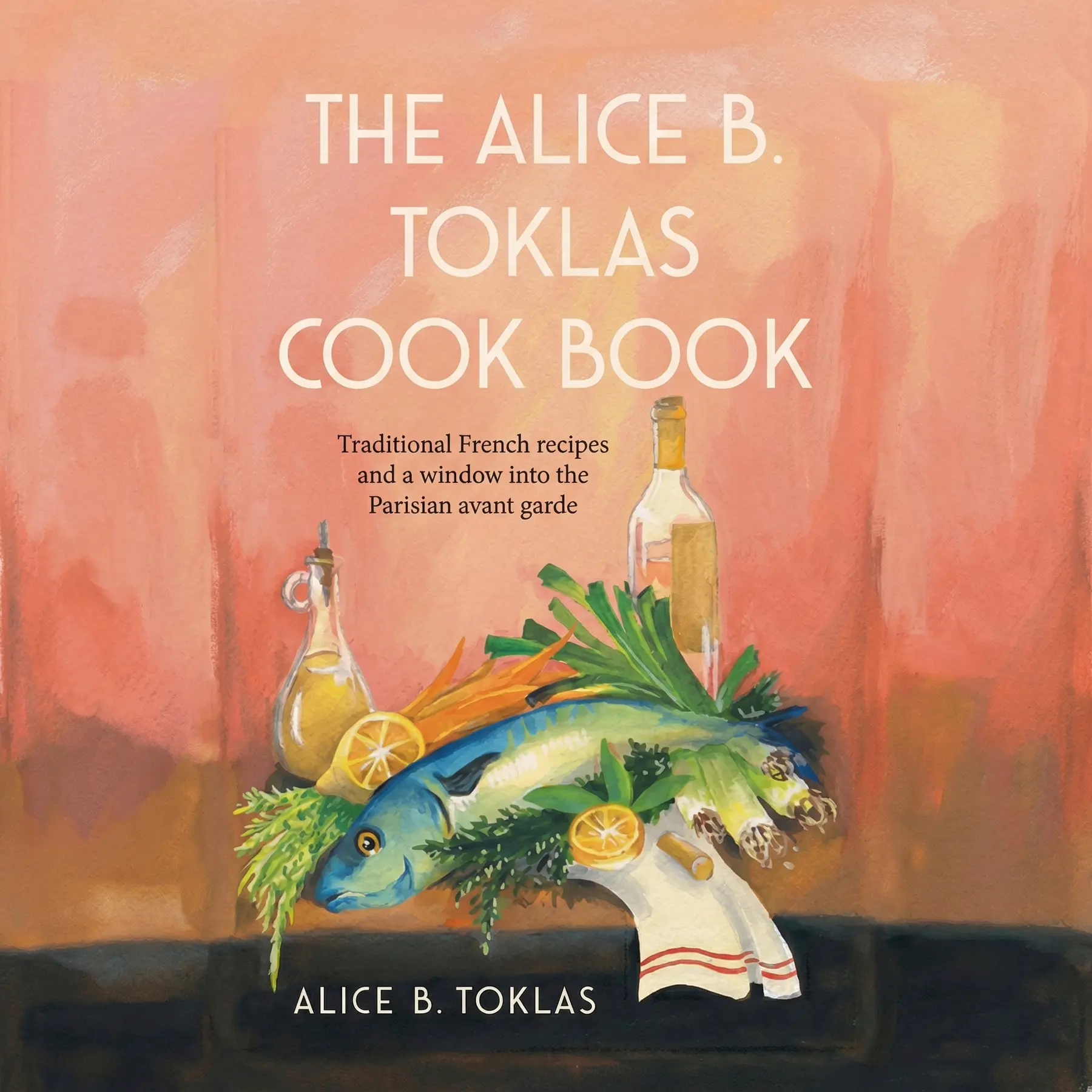
Listeners find this cookbook an intriguing experience, packed with excellent recipes and composed with sharp intelligence. The narratives braided into the text are absorbing, with one listener characterizing it as a field guide to the history of culinary France. Furthermore, the collection stirs a sense of longing for a less complicated era, and listeners value its delightful personality and wit.
Picked this up on a whim after hearing about the legendary Hashish Fudge, but I stayed for the incredible prose. Alice B. Toklas writes with a wit so sharp it could slice through the literal pounds of butter she recommends. This isn't just a cookbook; it's a field guide to a vanished version of France where food was the ultimate expression of art. The descriptions of her garden are particularly lush and sensory. I found myself more interested in her daily routines with Gertrude Stein than the actual cooking. It’s a wonderful piece of history that feels both intimate and grand.
Show moreWhat a delightful, waspish, and utterly singular piece of literature this turned out to be! I loved learning that Toklas wrote this while suffering from jaundice, which makes her obsession with rich foods even more hilarious. The arrangement of recipes is idiosyncratic, following the timeline of her life rather than food categories. Every page feels like a dinner party with the most interesting—and slightly judgmental—people you’ve ever met. It captures a sense of nostalgia for a simpler, albeit more decadent, time. Even if you never cook a single dish, the writing itself is a delicious treat to be savored slowly.
Show moreThe chapter on the Nazi occupation alone makes this book worth the price of admission. It is incredible to read how they managed to maintain their culinary standards during such a harrowing time in history. Toklas captures the essence of French life with such vivid detail that you can almost smell the garlic and butter. I found the stories of her and Gertrude Stein navigating the black market just as compelling as the recipes. It’s a masterpiece of culinary writing that proves food is the core of memory. This is easily one of the most fascinating books in my collection.
Show moreAs someone who adores the history of the Lost Generation, reading this was like stepping into a time machine. Toklas writes with such a distinct, sharp wit that you can almost hear her voice through the pages. The recipes themselves are secondary to the atmosphere she creates. From the lush descriptions of her vegetable garden to the account of their life during the wars, every chapter feels vital. It is a beautiful, if butter-heavy, tribute to her life with Gertrude Stein. This is an essential read for anyone who believes that cooking is a central component of a full life.
Show moreAlice B. Toklas has crafted something far more significant than a mere collection of kitchen instructions here. This book serves as a vivid memoir of her life with Gertrude Stein, spanning two world wars and several countries. I was fascinated by the chapter on the Nazi occupation; it’s a perspective you don't often see in a culinary context. The recipes are definitely complex and time-consuming. You’ll need an ocean of cream to get through it! While some of the sections on servants are a bit cringe-worthy by modern standards, the overall wit and passion for French cuisine make it a captivating read.
Show moreFinally got around to reading this classic after years of hearing about the infamous 'Hashish Fudge' recipe contributed by a friend. While that bit is certainly funny, the rest of the book is a surprisingly deep dive into the ritual of eating. The recipes are insanely elaborate, requiring ingredients that are hard to find and techniques that take days. Frankly, I think of it more as a travelogue through the first half of the twentieth century. Her observations on French versus American cooking styles are still relevant. It’s a bit of a snobbish read, but her passion for the subject is undeniably infectious.
Show moreFrankly, I came for the food but stayed for the gossip. The recipes are basically impossible for anyone without a professional staff, yet the asides about Picasso and other friends are golden. There is a recipe for larks that starts with plucking two dozen birds, which is just wild to read today. Her tone is dismissive of anything that isn't French, yet her wit keeps it from being too annoying. It’s a great book to pick up and put down. You can really feel the importance of the artistic life they led in every single paragraph.
Show moreEver wonder how people survived eating this much cream? To be fair, the stories about her life in Paris and the countryside are occasionally charming and very clever. However, the recipes constantly get in the way of the narrative flow. I found myself getting bored with the endless lists of ingredients for dishes I will never make, like larks or labor-intensive lamb. The tone can be quite waspish, especially regarding French culinary superiority. It’s an interesting historical artifact, but as a practical cookbook or a memoir, it feels a bit disjointed and dated.
Show moreLooking past the culinary brilliance, there's a certain elitism here that's hard to swallow at times. The way she discusses her servants is definitely a product of its era, but it still grates. On the positive side, the memoir sections are fascinating glimpses into the lives of the rich and famous in wartime Europe. She makes even the most mundane vegetable garden sound like a work of high art. I appreciated the 3.5-star experience of reading about their travels, though I skipped most of the actual cooking instructions. It won't be to everyone's taste, but it's certainly a unique artifact of its time.
Show moreTo be fair, I found the recipes entirely unusable for a modern kitchen. Who has the time to inject a leg of lamb with orange juice for an entire week while it marinates? The tone is often dismissive and incredibly snobbish, especially when she discusses her domestic help. While the stories about her life with Gertrude Stein have some historical value, the constant interruptions for complex French dishes made the narrative feel clunky. Truth is, I just got bored with the obsolete instructions. I’d say give it a miss unless you’re a die-hard Stein fan.
Show moreJames Comey
Philip Freeman

Jonathan Eig

J. Craig Venter

Ishmael Beah
James Herriot

Barack Obama
AUDIO SUMMARY AVAILABLE
Get the key ideas from The Alice B. Toklas Cook Book by Alice B. Toklas, plus 5,000+ more titles in English and Thai.







