
20 min 23 sec
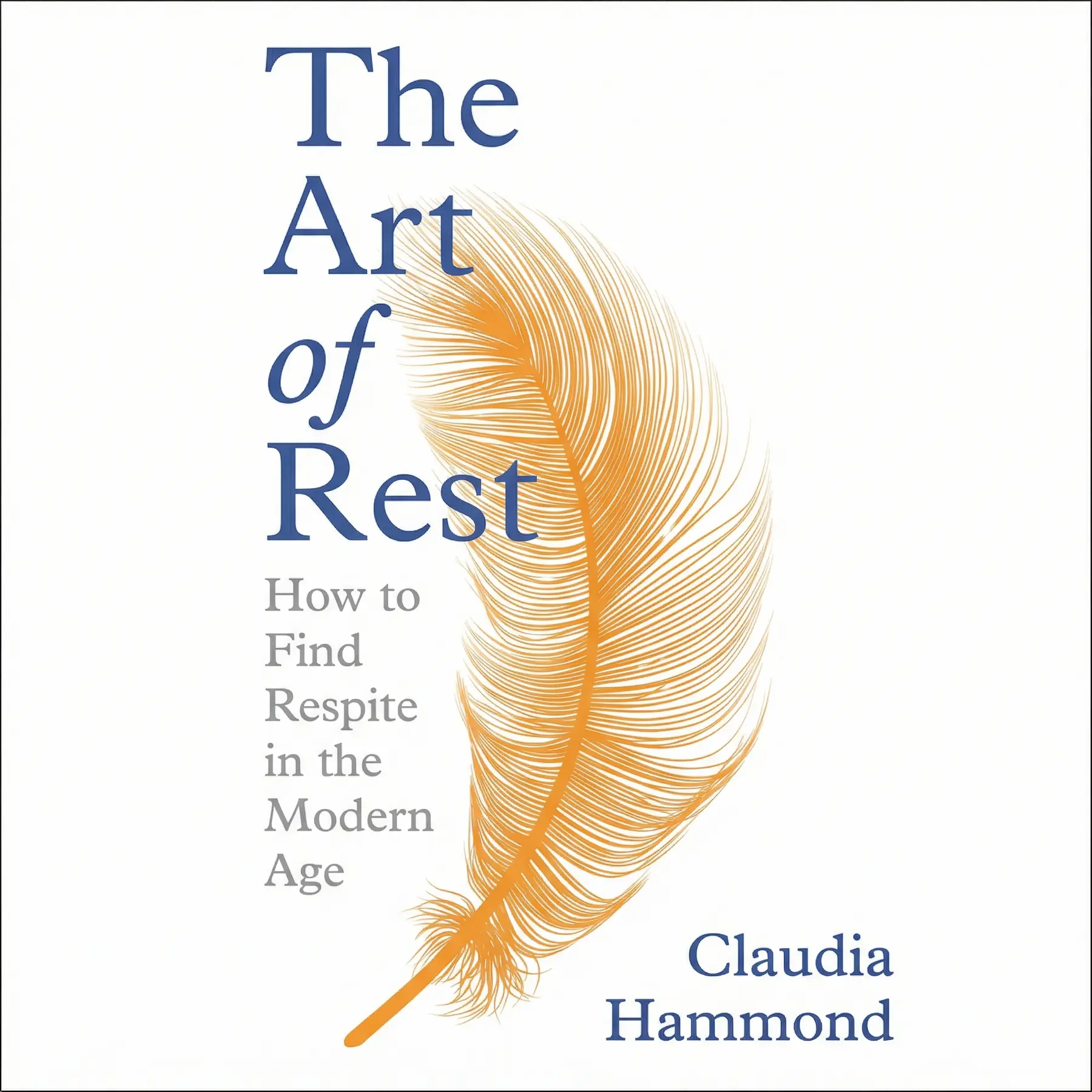
The Art of Rest: How to Find Respite in the Modern Age
Explore the science behind true relaxation and discover the top ten activities that actually rejuvenate the human mind and body based on the world's largest study of rest.
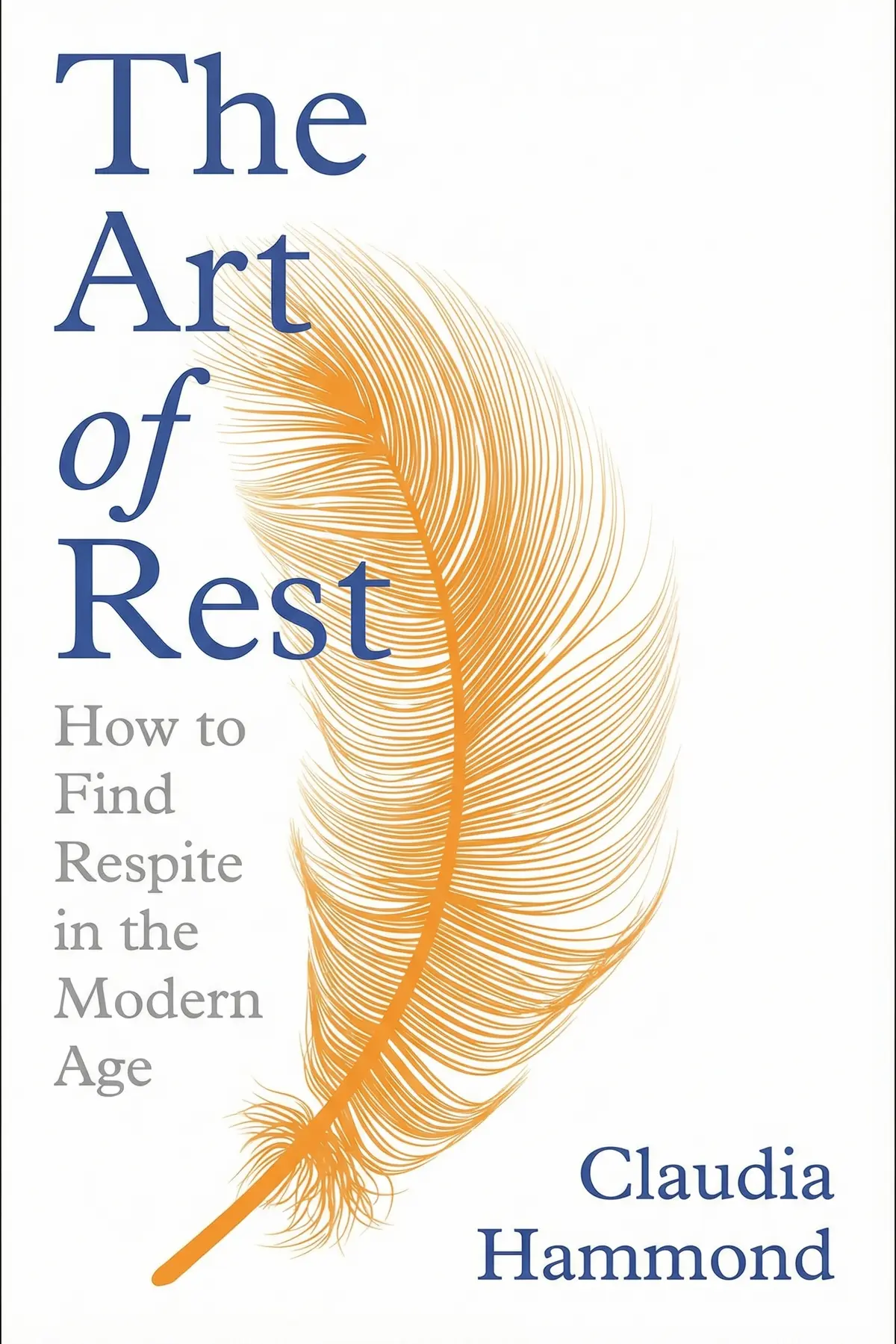
Table of Content
1. Introduction
1 min 41 sec
In our current age, the pressure to be constantly productive is relentless. We often find ourselves caught in a cycle of endless tasks, from the professional demands of our jobs to the never-ending stream of chores and digital notifications at home. This relentless pace has led many of us to view rest as a luxury or, even worse, as a sign of laziness. We feel a nagging sense of guilt whenever we aren’t ‘doing’ something. But what if our very definition of rest is flawed? What if the key to a better, healthier life isn’t doing more, but learning how to effectively do less?
To answer these questions, we turn to one of the most comprehensive psychological studies ever conducted on the subject: the Rest Test. Launched in 2016, this massive survey reached over 18,000 people across 135 different countries. The goal was to pinpoint exactly what humans find restful and why it matters so much to our well-being. The findings from this research form the backbone of our discussion today.
In the following pages of this summary, we will explore the top-ranked activities that help us recharge our mental and physical batteries. We will move beyond the simple idea of sleep to look at how wakeful rest can transform our cognitive abilities, our memory, and our overall mood. Through this exploration, we’ll see that rest isn’t just the absence of work; it’s a skill that can be cultivated. We’ll learn about the physiological impact of stress, the surprising power of boredom, and why the simple act of reading a book remains the world’s favorite way to unwind. By the end, you’ll have a new framework for understanding downtime—not as a guilty pleasure, but as an essential pillar of health.
2. The Hidden Physical and Cognitive Toll of Chronic Stress
2 min 42 sec
Uncover how the modern obsession with busyness is silently damaging your health and why sleep alone isn’t enough to fix it.
3. The Surprising Benefits of Purposeless Activity
2 min 36 sec
Discover why doing absolutely nothing is actually a productive use of your time and how it can boost your creativity.
4. The Science of Solitude and the Importance of Choice
2 min 22 sec
Learn the difference between being lonely and being alone, and why intentional solitude is essential for your identity.
5. Harmonizing the Mind Through Music
2 min 13 sec
Explore why your favorite playlist might be the best medicine for stress and how to pick the right tempo for relaxation.
6. The Restorative Power of the Natural World
2 min 15 sec
See why a simple walk in the park can change your brain chemistry and how even a picture of nature can lower stress.
7. Why Reading Reigns Supreme as the King of Rest
2 min 25 sec
Uncover why more than half of the world’s population chooses a book to relax and the unique way it engages the brain.
8. The Practical Art of Building a Restful Life
2 min 31 sec
Learn how to calculate your personal ‘rest debt’ and discover the power of the 15-minute rest prescription.
9. Conclusion
1 min 38 sec
As we conclude our journey through the science of rest, the overarching message is clear: rest is not a luxury, but a fundamental requirement for a healthy and fulfilling life. We have seen how the relentless pace of modern society has created a dangerous deficit in our well-being, leading to physical ailments and cognitive decline. However, we have also discovered that the antidote is within our reach. By understanding the results of the Rest Test, we can move away from a one-size-fits-all approach to relaxation and begin to build a personalized toolkit for recovery.
Whether it’s the quiet immersion of a book, the rhythmic peace of music, the healing presence of nature, or the radical act of doing absolutely nothing, there is a form of rest that suits every personality and lifestyle. The key takeaway is that we must value our downtime as much as we value our productivity. When we allow ourselves to step away from the ‘cult of busyness,’ we aren’t just taking a break; we are giving our brains the space to consolidate memories, foster creativity, and regulate emotions.
Going forward, I encourage you to be your own ‘rest doctor.’ Start noticing when your stress levels are climbing and proactively prescribe yourself the rest you need. Remember the 15-minute rule: even a tiny window of intentional respite can significantly alter your mood and your ability to function. Don’t wait for a vacation or a total burnout to seek rest. Instead, integrate it into your daily rhythm. By mastering the art of rest, you aren’t just avoiding stress; you are actively building a more vibrant, creative, and balanced version of yourself. Rest well, so that you can live well.
About this book
What is this book about?
In an era defined by chronic busyness and digital overwhelm, we often view downtime as a luxury or even a personal failure. This exploration challenges that notion by diving into the results of the Rest Test, a massive global survey involving over 18,000 participants. It reveals that rest is not a passive absence of work but a vital biological and psychological necessity for cognitive clarity, emotional stability, and physical health. The book provides a roadmap for reclaiming your energy by examining the specific activities that people find most restorative. From the surprising benefits of doing absolutely nothing to the deep cognitive engagement provided by reading, you will learn how to customize a rest profile that fits your unique personality. The ultimate promise is a more balanced life where productivity is fueled by intentional periods of respite.
Book Information
About the Author
Claudia Hammond
Claudia Hammond is an award-winning author and psychology lecturer. She’s also a presenter for podcasts and radio shows such as BBC Radio 4’s All in the Mind and the Health Check on BBC World Service. Her other books include Mind Over Money, Time Warped, and Emotional Rollercoaster.
Ratings & Reviews
Ratings at a glance
What people think
Listeners find *The Art of Rest* to be a captivating and affirming look at downtime, praising its easy-to-read and conversational prose. While perspectives on the advice's profundity are split—as some feel the content borders on common sense—many appreciate how the text validates habits like viewing TV or daydreaming. Additionally, they value the "Rest Test" survey findings, with one listener stating the book "broadened my understanding of the means of relaxation I've been using as long as I can remember." They further suggest that the combination of personal stories and scientific study creates a stress-free experience that feels genuinely restorative while reading.
Top reviews
Jeeranan
Claudia Hammond delivers a fascinating deep dive into the psychology of downtime that felt incredibly timely for my current state of burnout. The structure is brilliant, counting down the top ten most restful activities based on a massive global survey of 18,000 people. I loved the balance between academic research and personal storytelling; it made the data feel much more human and relatable. One of the standout moments for me was the discussion on 'lifemin'—those endless small tasks that eat away at our mental peace—and how important it is to claim back our time. Even as someone who reads a lot of non-fiction, I found new perspectives here on why solitude is so different from loneliness. It’s a beautifully written reminder that rest isn't a luxury, it’s a biological necessity. Truly a vindicating experience for any bibliophile!
Show moreGoy
Wow, I didn't realize how much I needed to hear that reading isn't a guilty pleasure but a legitimate form of mental restoration. This book found me at exactly the right time, during a period where my life felt like one giant, stressful marathon. Hammond’s writing is so gentle and encouraging that just reading the chapters felt like a form of therapy. I loved the way she dissected the difference between being alone and being lonely, as well as the 'overview effect' in the nature chapter. It’s not just a list of things to do; it’s a philosophical shift in how we view our downtime. Even if you think you know how to relax, this book provides the scientific backing to help you prioritize it without the lingering sense of shame.
Show moreAnthony
After hearing the author on a podcast, I knew I had to pick up a copy, and it did not disappoint. Hammond has this wonderful ability to translate complex psychological concepts into something that feels personal and direct. I was especially gripped by the research on daydreaming—it’s amazing how much work our brains are doing even when we think we’re just 'spacing out.' The book is incredibly well-researched but never feels heavy, maintaining a breezy pace that keeps you turning the pages. It’s a celebration of the quiet moments in life that we so often overlook in our rush to be productive. Highly recommended for anyone who feels like they’re constantly running on a hamster wheel.
Show moreChaiwat
Is watching TV actually good for us? According to this book, the answer is a resounding yes, provided we aren't doing it for five hours straight until our brains turn to mush. I appreciated how Hammond uses the Rest Test survey to legitimize activities that society usually labels as 'lazy' or 'unproductive.' The writing style is chatty and accessible, making the scientific studies feel less like a dry textbook and more like a conversation over coffee. I found the chapter on daydreaming particularly thought-provoking, especially the idea that our minds are wired to wander toward the future to help us prepare for it. It’s not a manual on how to rest, which might frustrate some, but rather a validation of the rest we already take. This is a gentle, low-pressure book that manages to be informative without being demanding.
Show moreGai
Finally, someone is giving us permission to do absolutely nothing without feeling like a failure. Hammond’s exploration of 'Doing Nothing in Particular' was a revelation for me, especially the part about how our culture treats busyness as a badge of honor. The book is very British in its sensibilities—polite, understated, and slightly skeptical of the more 'woo-woo' aspects of the wellness industry. I particularly enjoyed the chapter on mindfulness, which acknowledges that it isn't a magic bullet for everyone. While some sections felt a little long-winded, the overall message is powerful: we need to stop being so hard on ourselves for taking a break. The research on micro-breaks was also a great takeaway that I’ve already started implementing at my desk.
Show moreMia
As someone who struggles with 'lifemin' and the guilt of a messy to-do list, I found this book to be a much-needed exhale. Hammond takes the data from the Rest Test and turns it into a series of essays that celebrate the simple joys of life. I was fascinated to learn that reading was voted the number one most restful activity—it certainly made me feel better about my massive 'to-be-read' pile! The book manages to be academic without being stuffy, though I do agree with other reviewers that it can feel a bit repetitive. The chapter on walking was a highlight for me, blending history and science in a way that felt very engaging. It’s a validating read that encourages you to figure out what actually works for you instead of following a one-size-fits-all plan.
Show moreCarter
Picked this up on a whim from the library because the cover looked soothing, and that’s exactly how the reading experience felt. Truth is, the book doesn't offer much in the way of "new" information if you’ve spent any time reading about mindfulness or wellness in the last decade. It’s a bit of a light skim, covering things like hot baths and walking in nature, which we all know are relaxing. However, Hammond’s tone is so friendly and unassuming that I didn't mind the lack of heavy-hitting science in every paragraph. It’s the kind of book you can dip in and out of without losing your place, which is restful in its own right. I’d recommend it as a gift for a stressed-out friend, but seasoned self-help readers might find it a bit too basic.
Show moreGame
To be fair, the 'Rest Test' data is the most interesting part of the entire book, providing a solid foundation for the author’s arguments. I appreciated the statistical breakdown, though I wish there had been more diversity in the sample beyond the BBC Radio 4 audience. The chapters are hit-or-miss depending on your interests; for instance, the section on hot baths felt a bit like filler to me, while the music chapter was genuinely enlightening. It’s an easy, pleasant read that won't strain your brain, which I suppose is the point given the subject matter. My only real gripe is that it feels a little dated already, but the core message remains relevant. A decent enough choice for a plane ride or a beach trip.
Show moreNuk
Look, I really wanted to like this, but it felt like a collection of articles I’ve already seen on the internet. While Hammond is a lovely writer, the 'top ten' format makes the advice feel superficial and repetitive after the first few chapters. Most of the findings—like the fact that reading or walking is restful—are complete common sense. I was hoping for deep neurological insights or some revolutionary new way to manage my stress levels, but instead, I got a lot of anecdotes about the BBC Rest Test. It’s a pleasant enough read for a rainy Sunday, but don’t expect it to change your life if you’re already familiar with basic self-care. The lack of concrete, actionable steps was the biggest letdown for me. It’s validating to know my TV habit isn't evil, but I didn't need a whole book to tell me that.
Show moreNoi
This book felt incredibly thin on actual substance, almost like reading air. I was expecting a rigorous exploration of the 'Art of Rest,' but it felt more like a padded-out blog post or a long magazine feature. There is almost zero practical advice on how to actually find more time for rest in a busy life; instead, it just tells you that people like to read books and go for walks. The survey data is interesting for about five minutes, but then the author spends dozens of pages rehashing common knowledge about why music or nature is nice. It was utterly aimless and, ironically, trying to get through it felt more like work than relaxation. If you’re looking for genuine psychological depth or a path to better mental health, look elsewhere.
Show moreReaders also enjoyed
Alcoholics Anonymous
Alcoholics Anonymous World Services
A Liberated Mind: How to Pivot Toward What Matters
Steven C. Hayes
ADHD an A-Z: Figuring It Out Step by Step
Leanne Maskell
AUDIO SUMMARY AVAILABLE
Listen to The Art of Rest in 15 minutes
Get the key ideas from The Art of Rest by Claudia Hammond, plus 5,000+ more titles in English and Thai.
- 5,000+ titles
- Listen as much as you want
- 7-day free trial
- Cancel anytime







