
A History of Iran: Empire of the Mind
Michael Axworthy
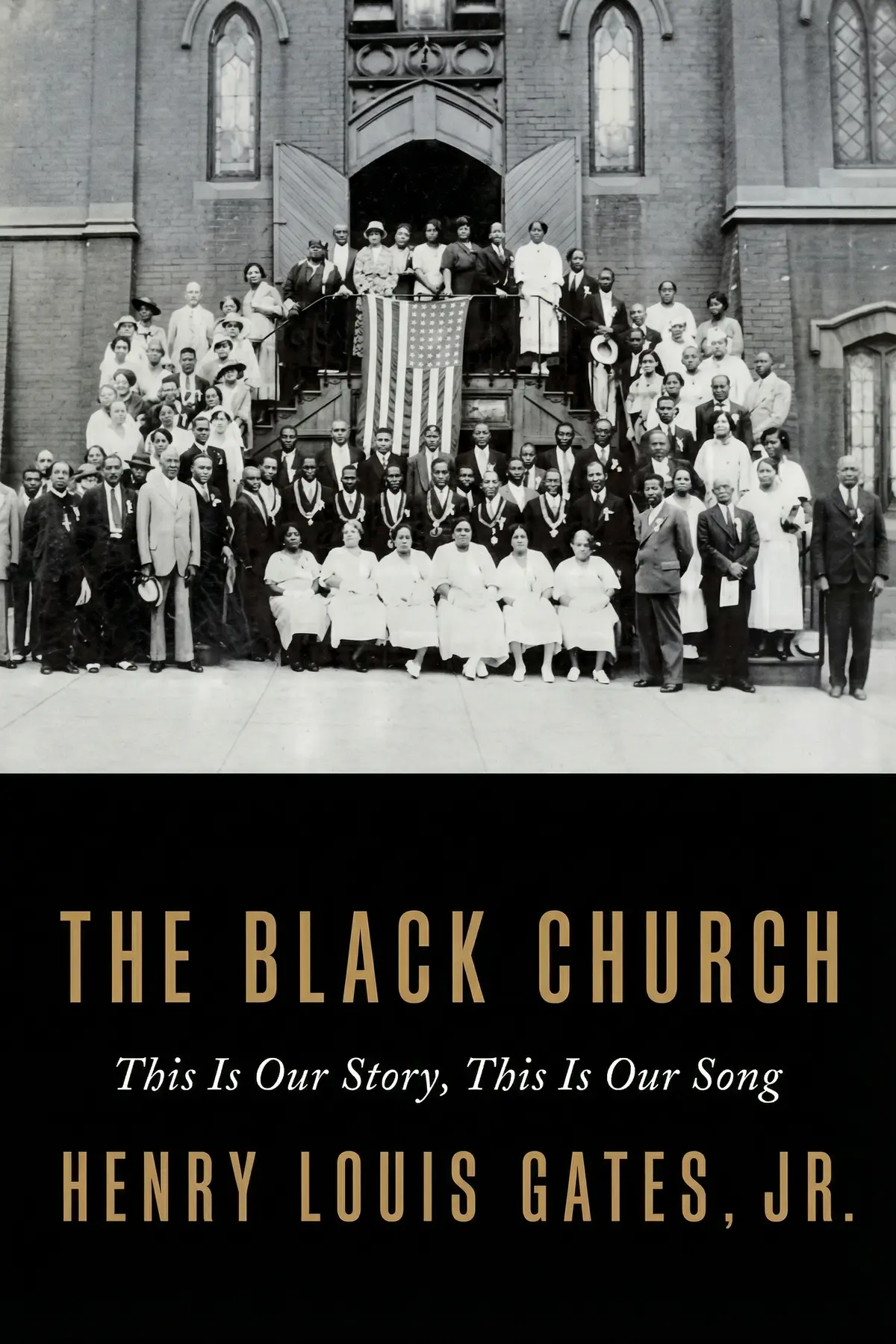
An expansive look at how the Black Church served as the bedrock of African American life, fostering community, driving political change, and creating a unique cultural and musical heritage over four centuries.
1 min 42 sec
In a modern world where secularism seems to be on the rise and many established religious institutions are seeing their pews empty, there is a striking exception within the African American community. Statistics suggest that roughly four out of every five Black Americans view religion as a fundamental pillar of their daily existence. This isn’t just a matter of Sunday morning routine; it’s a connection to a deep, historical lifeline that has sustained a people through some of the darkest chapters of human history. To understand the African American experience, one must inevitably walk through the doors of the Black Church.
This throughline—the idea of the church as a ‘nation within a nation’—is what we are exploring today. We’re going to look at how an institution that was originally forced upon enslaved people as a tool of control was reclaimed, reimagined, and repurposed into a tool of absolute liberation. It is a story that begins in the damp cabins of 17th-century plantations and stretches all the way to the digital front lines of modern social justice movements.
Over the course of this summary, we will see the church evolve. We’ll look at the secret ‘hush harbors’ where faith was a form of rebellion, the explosive revivals that democratized the American soul, and the rise of independent denominations that gave Black people their first taste of true institutional autonomy. We will also witness the birth of gospel music, the political strategy sessions of the civil rights era, and the internal tensions regarding gender and identity that continue to shape the church today. This is more than a history of religion; it is a history of survival, creativity, and the relentless pursuit of dignity. Let’s begin by looking back at the very beginning, where the seeds of this institution were planted under the watchful and often hostile eyes of colonial masters.
2 min 20 sec
Early colonial missionaries tried to use Christianity to keep enslaved people submissive, but they couldn’t stop them from finding a revolutionary message hidden in the shadows.
2 min 30 sec
A wave of religious fervor swept across the colonies, offering Black Americans a new kind of spiritual equality and the first opportunity to lead.
2 min 12 sec
A new movement emerged that prioritized the direct experience of the Holy Spirit, challenging the respectability of traditional denominations.
2 min 15 sec
From the halls of the White House to the front lines of the Civil War, Black ministers became the primary negotiators for their people’s future.
2 min 07 sec
As the promise of Reconstruction was met with violence, the church became a fortress for civil rights and a site of internal struggle for gender equality.
2 min 06 sec
Gospel music was born from the fusion of pain and praise, moving from the ‘hush harbors’ to the global stage and the front lines of protest.
2 min 14 sec
As the Black Power movement rose, a new generation of theologians re-examined the Gospel through the lens of racial pride and liberation.
2 min 05 sec
In an era of global pandemics and renewed calls for justice, the Black Church must evolve to remain the heartbeat of the community.
1 min 34 sec
The history of the Black Church is, in many ways, the history of America’s conscience. We have seen how this institution began as a clandestine act of spiritual rebellion, grew into a sovereign ‘nation within a nation,’ and ultimately became the moral compass for a country struggling to live up to its founding ideals. From the ‘invisible institution’ in the woods to the massive conventions of the 20th century, the church has provided the language, the music, and the leadership that sustained a people through centuries of systemic exclusion.
But the most important takeaway is that the Black Church was never just about religion in a vacuum. It was the schoolhouse, the bank, the political headquarters, and the concert hall. It was the place where Black identity was forged and protected. As we look forward, the challenges facing the church—from secularization to internal debates over gender and sexuality—are significant. Yet, the throughline of resilience remains. The church’s ability to find a message of liberation in a text used for oppression is a testament to the creative power of the human spirit.
As you reflect on this journey, consider how the ‘story and the song’ continue to play out today. The work of the Black Church is not a relic of the past; it is an ongoing process of seeking dignity and justice. Whether through the pulpit or the protest line, the legacy of this institution reminds us that faith is most powerful when it is put into action for the liberation of all people. The pews may look different today, and the songs may have new rhythms, but the fundamental pursuit of a ‘beloved community’ remains the North Star.
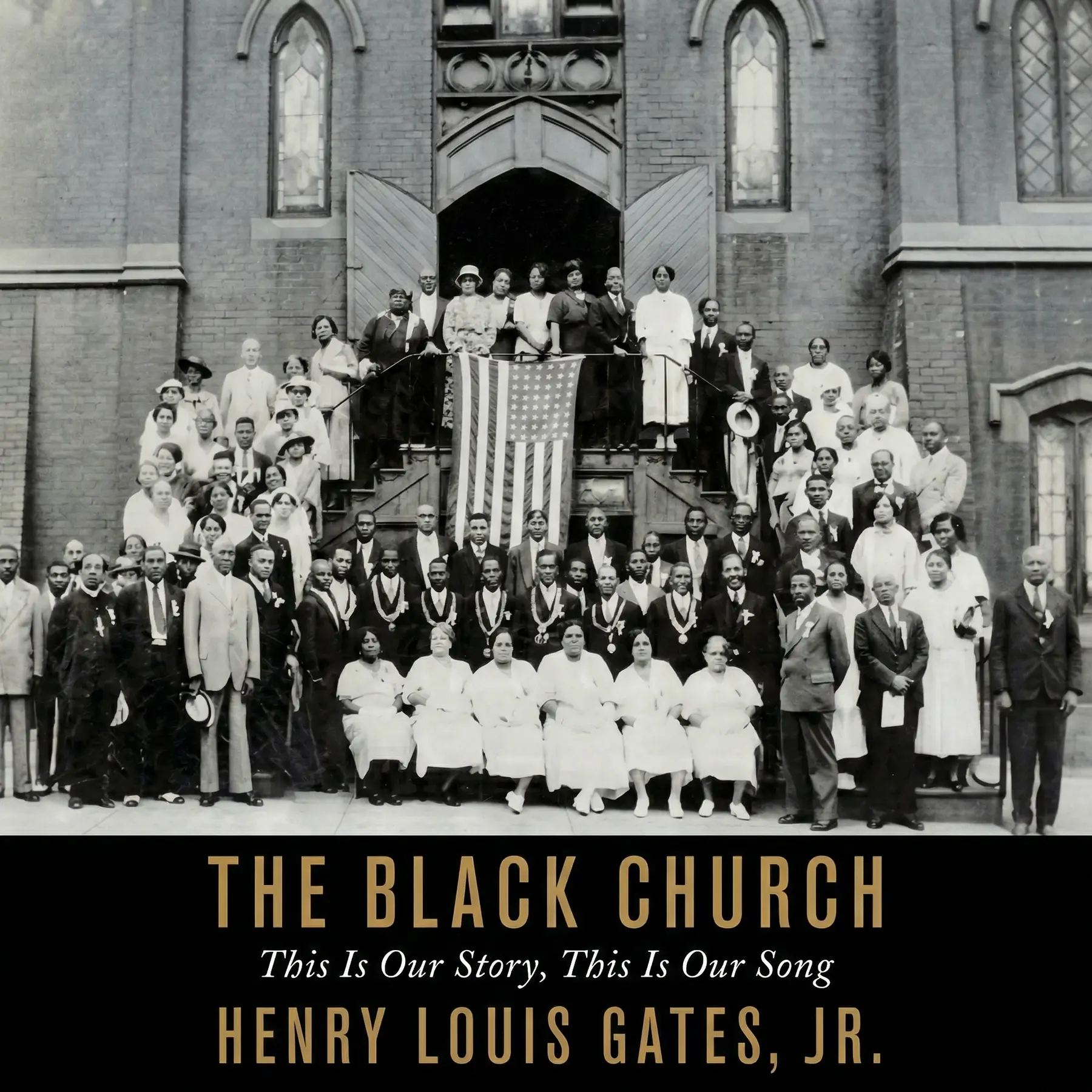
The Black Church explores the profound evolution of an institution that has been much more than a place of worship. It serves as a historical roadmap, tracing the journey from the clandestine religious practices of enslaved people to the powerhouse of social and political activism that fueled the Civil Rights Movement. By examining the intersection of faith, race, and power, the book reveals how the church provided a sanctuary for identity and a platform for liberation in the face of systemic oppression. Readers are invited to understand the dual nature of the church as both a spiritual home and a political engine. The narrative highlights how African Americans adapted Christianity to their own needs, blending it with ancestral traditions to create a distinct culture that influenced everything from American music to the fight for voting rights. It is a story of resilience, showing how a community built its own institutions to survive and thrive when the rest of society sought to exclude them.
Henry Louis Gates Jr. is a historian, literary critic, and filmmaker. He’s written over 20 books, including In Search of Our Roots, Faces of America, and The Trials of Phillis Wheatley. His filmography includes The African Americans, for which he earned an Emmy Award, a Peabody Award, and an NAACP Image Award. Gates is also the Director of the Hutchins Center for African American Research at Harvard University.
Listeners find the material to be both educational and masterfully crafted, with one noting that it is written from the soul. They value the wealth of historical detail, as one listener calls it a magnificent history of the Black Church.
Dr. Gates has a gift for taking complex history and making it feel incredibly intimate. This book isn't just a dry timeline; it feels like it was written from the soul. He manages to trace the path from early 'praise houses' where African traditions were preserved, all the way to the modern political powerhouses we see today. The way he describes the rhythms of preaching and how they influenced figures like MLK is simply breathtaking. I particularly loved the focus on the music—how gospel transformed into freedom songs that literally sustained a movement. It is a powerful testament to a community that created 'a way out of no way' despite the constant threat of violence, like the heartbreaking bombing of the Sixteenth Street Baptist Church. This is essential reading for anyone wanting to understand the American experience.
Show moreFinally got around to reading this over the weekend, and it really hit home for me. The section on the 'frenzy' and the Holy Spirit was so relatable. Gates captures that specific energy of a Black church service—the amens, the clapping, and the 'catching the spirit'—and connects it directly back to African roots like the ring shout. It’s a beautiful bridge between the past and the present. I was surprised by how much I learned about the early Spanish Catholic influences too. Gates doesn't shy away from the contradictions either, like the tensions regarding gender and the role of women who have always been the backbone of the pews. It’s a dense but incredibly rewarding read that celebrates the resilience of faith.
Show moreWow. This is an excellent history of the Black Church that managed to teach me something new on almost every page. Ever wonder why the church remains the heartbeat of the community? Gates explains it through the lens of survival. It was the one place where Black people could find refuge and autonomy in a world that denied them both. I was particularly moved by the epilogue where Gates shares his own personal religious journey. It added a layer of vulnerability that made the historical facts feel much more urgent and real. The list of great preachers in the appendix is also a fantastic resource. Truly an amazing piece of work that honors the legacy of those who 'made a way out of no way.'
Show morePicked this up after watching the documentary series because I wanted a permanent reference for all those fascinating interviews. Gates talks to everyone from Oprah to Reverend Warnock, and those perspectives add a lot of flavor to the historical narrative. The book does a great job explaining why the church was such a vital refuge during Jim Crow. It was interesting to learn how enslaved people adapted Christianity on their own terms, far away from the 'slave-master' versions they were forced to hear. My only minor gripe is that it moves very fast. Sometimes I wanted him to stay on a specific decade for another fifty pages! Regardless, the writing is accessible and the inclusion of the Nation of Islam and other faith traditions makes it feel inclusive.
Show moreAs someone who has always been fascinated by the intersection of music and faith, I found this book to be an absolute treasure. Gates does a masterful job tracing the evolution from the Fisk Jubilee Singers to the soulful powerhouse of Shirley Caesar. The tension he describes between the 'blues' of Saturday night and the 'gospel' of Sunday morning is a theme that still resonates today. You can almost hear the music through the pages. The book also provides a sobering look at the price paid for political activism, especially during the Civil Rights era when churches were targeted for bombings. It’s informative, well-researched, and written with a clear respect for the subject matter. A solid four stars for anyone interested in cultural history.
Show moreIn my experience, many history books about religion can be quite dry and pedantic, but Gates keeps things moving at a brisk pace. He has a way of weaving together interviews with celebrities like John Legend and Kirk Franklin with serious historical analysis of James Cone’s Black theology. I appreciated the honesty regarding the church’s struggle with patriarchy and LGBTQ+ inclusion. It shows that the church is a living, breathing, and sometimes struggling institution, not just a relic of the past. The writing style is engaging and the short chapters make it easy to digest. It’s a very well-written survey that provides a much-needed perspective on the central role of faith in Black American culture.
Show moreFrankly, I didn't know much about the 'praise houses' of the slavery era before picking this up. Gates explains how these secret meetings allowed the enslaved to reclaim their humanity through faith and African-inspired rituals. The book moves through the Great Migration and the rise of megachurches with a lot of insight, especially regarding the 'prosperity gospel' versus 'liberation theology.' It's a complex story told simply. While I think some of the more modern sections felt a little rushed, the historical foundation he builds is rock solid. It really makes you realize that you cannot understand American history without understanding the Black Church. Definitely worth the read for the historical context alone.
Show moreNot what I expected, but in a good way! I thought this would be a strictly religious text, but it’s actually more of a cultural and political history. The way Gates links the 'frenzy' of Pentecostalism to the 'Talented Tenth' ideology of the early 1900s was fascinating. He shows how the church wasn't just about the afterlife; it was about building schools, organizing marches, and creating a distinct musical language that conquered the world. It’s an informative read that feels very timely given the current social climate. There are moments where the narrative jumps around a bit too much, but the overall message of resilience and hope shines through clearly. Recommended for anyone who wants to see the 'soul' of American history.
Show moreLook, if you’re looking for a deep, academic breakdown of every single denomination, this isn’t that book. It is very much a general overview. To be fair, Gates is a master storyteller, but the narrative relies quite heavily on W.E.B. Du Bois, which felt a bit dated considering how many contemporary Black theologians have written on these subjects since then. I also noticed some glaring omissions of certain religious leaders who were pivotal to the spiritual life of the community. It functions well as a companion to the PBS series, but as a standalone history, it feels a bit like a highlight reel. It’s a great starting point for beginners, but those who grew up in the church might find themselves wanting more 'meat' on the bone.
Show moreThe truth is, this book feels like exactly what it is: a companion to a television show. While the prose is elegant, the structure is a bit repetitive if you've already seen the documentary. It covers the broad strokes of history from slavery to the pandemic, but it lacks the granular detail I was hoping for in a historical text. For example, the mention of Black Muslims is a nice touch, but it’s quite brief compared to the Christian history. It is a fine introductory survey, but it skips over a lot of the internal denominational conflicts that shaped the 20th century. If you want a quick, readable summary of why the church matters, this is perfect. If you want a scholarly deep-dive, you might want to look elsewhere.
Show moreMichael Axworthy
Tom Standage

Ishmael Beah
William J. Bernstein

Ben Macintyre

AUDIO SUMMARY AVAILABLE
Get the key ideas from The Black Church by Henry Louis Gates Jr., plus 5,000+ more titles in English and Thai.







