
17 min 13 sec
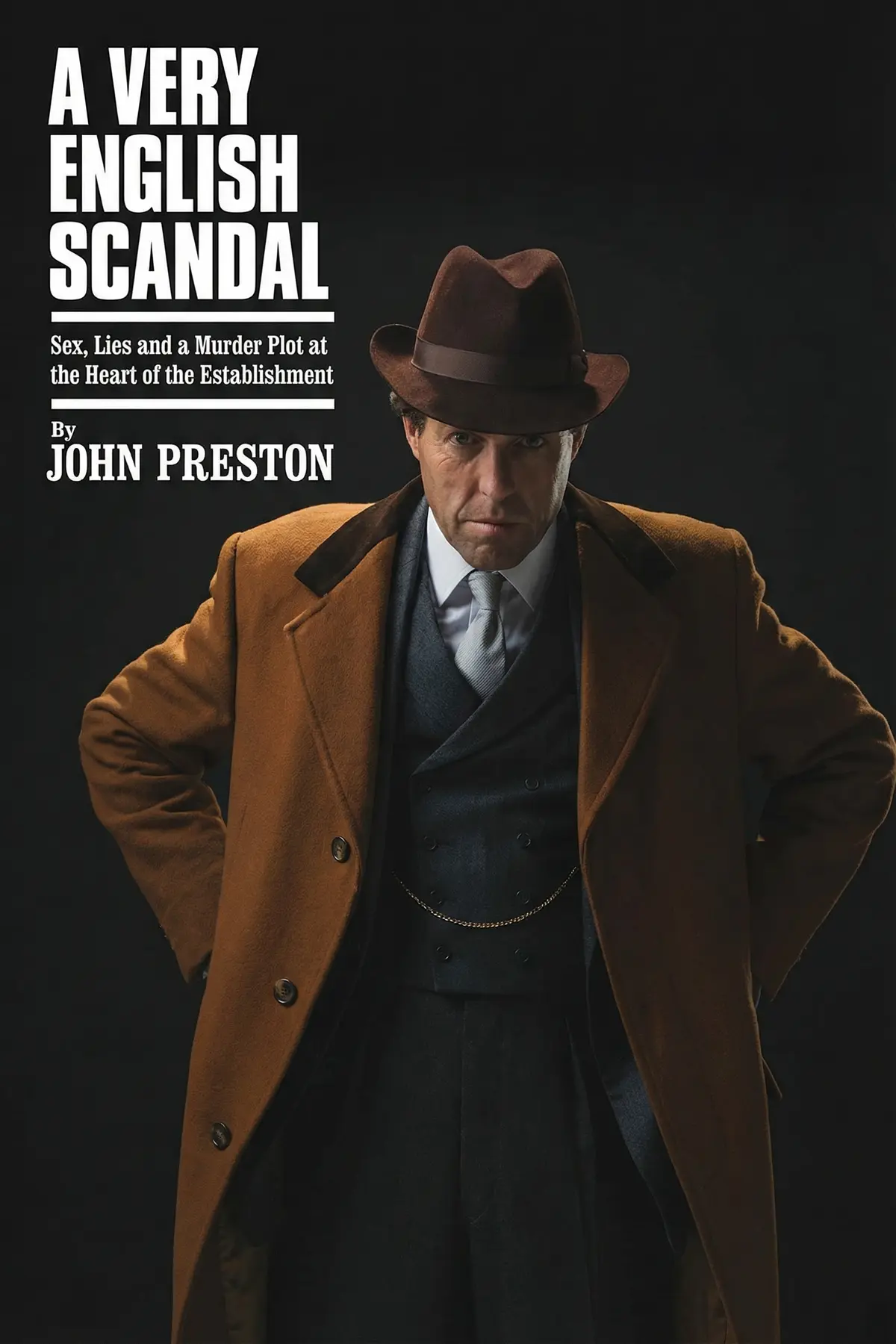
A World in Disarray: American Foreign Policy and the Crisis of the Old Order
A World in Disarray examines the breakdown of global stability established after World War II, analyzing the shift from a structured Cold War balance toward modern volatility and the need for new diplomacy.
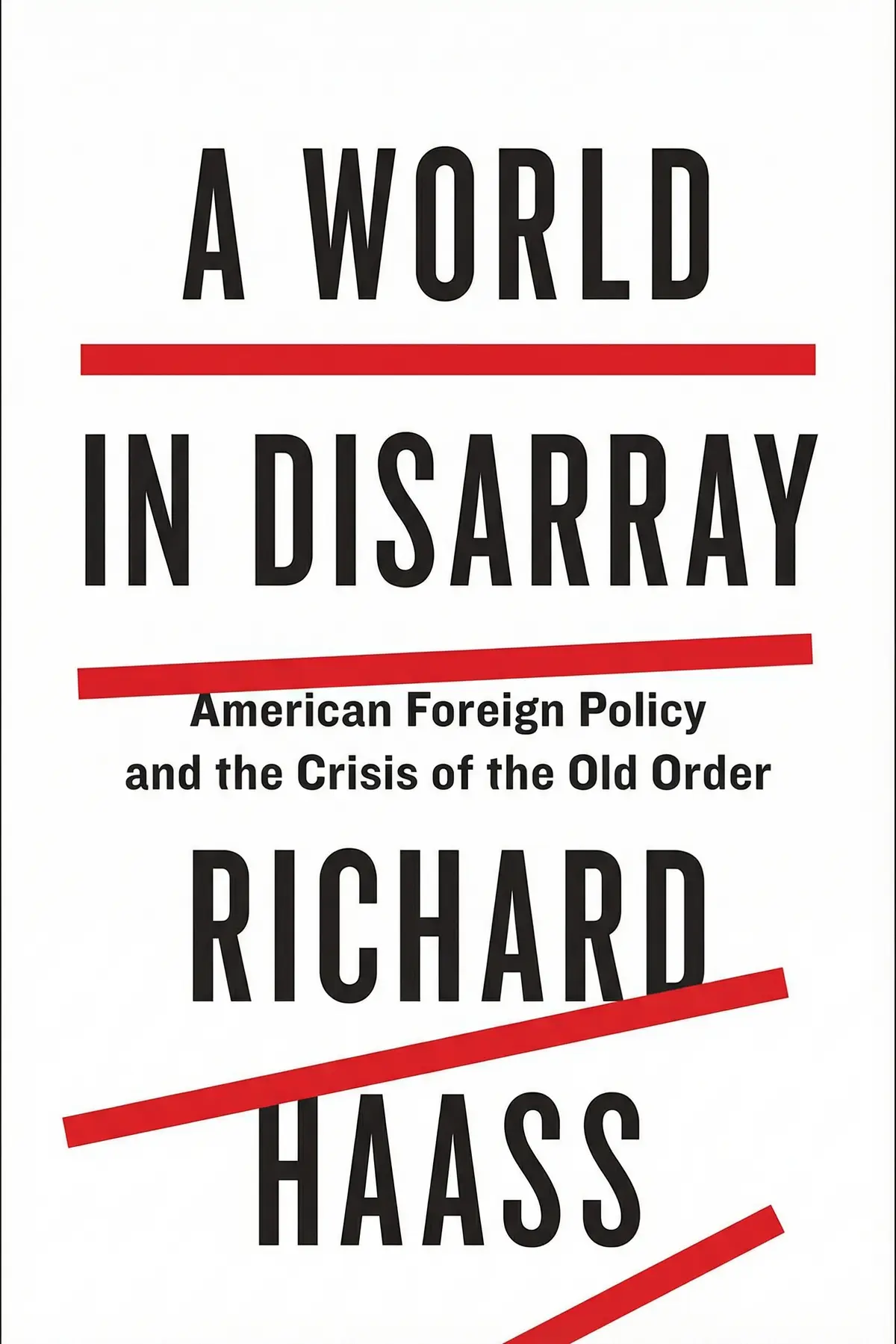
Table of Content
1. Introduction
1 min 28 sec
When we look at the state of the world today, the headline often feels like one of mounting chaos. From sudden regional conflicts to the slow erosion of long-standing alliances, the international system seems to be losing its grip on the stability we once took for granted. But to understand why the present feels so fractured, we have to look back at the architecture that held the world together for nearly half a century after the Second World War.
For decades, the global order was defined by a specific set of rules and a very clear balance of power. Even though the Cold War was a time of immense tension, it was also a time of predictable structures. Today, those structures are failing. We are witnessing a transition from a world where nations largely respected each other’s borders to one defined by intervention, non-state threats, and a lack of consensus on what constitutes legitimate authority.
In this exploration, we will trace the evolution of global politics. We’ll look at why the Cold War stayed ‘cold’ for so long and how the collapse of that era led to a new, more dangerous type of disarray. By examining the turning points in Rwanda, Iraq, and Syria, we can begin to see the outline of a world in desperate need of a new framework. This isn’t just a history lesson; it’s a guide to the principles that must be adopted if we want to navigate an increasingly uncertain future and prevent the current disorder from descending into total catastrophe. Here is a deep dive into the forces that shaped our past and the strategies that might save our future.
2. The Strategic Balance of the Cold War
2 min 19 sec
Discover how the terrifying prospect of nuclear annihilation paradoxically created one of the most stable periods in modern history through a delicate balance of power.
3. The Economic and Diplomatic Pillars of Order
2 min 03 sec
Explore the invisible architecture of international finance and diplomacy that worked behind the scenes to keep the post-war world functioning smoothly.
4. Respecting Sovereignty in a Bipolar World
1 min 58 sec
Learn why the United States often chose to overlook domestic injustices in powerful nations to maintain a broader, more critical global peace.
5. The Rise of Global Interventionism
1 min 46 sec
Uncover the shift in international law that allowed nations to cross borders in the name of human rights, and the complications that followed.
6. The Preemptive Trap and the Iraq War
1 min 48 sec
Examine how the 2003 invasion of Iraq fundamentally changed the perception of American power and the dangers of preventive warfare.
7. The High Price of Lost Credibility
1 min 59 sec
See why making threats without following through can be just as destabilizing as an ill-advised invasion.
8. Navigating a Multi-Polar World Order
2 min 04 sec
Discover the proposed path for a ‘World Order 2.0’ where major powers focus on external behavior rather than internal politics.
9. Conclusion
1 min 48 sec
The journey from the end of the Second World War to the present day is a story of a world that has gradually lost its way. The rigid but predictable architecture of the Cold War provided a kind of ‘long peace’ that we are only now beginning to fully appreciate. As the walls of that era came down, they were replaced by a more complex, interventionist, and ultimately more disordered global landscape.
We have seen how the noble intentions of protecting human rights can lead to inconsistent and paralyzed foreign policies, and how the desire to eliminate future threats can lead to wars that undermine international law. The common thread in all these challenges is the erosion of a shared understanding of what constitutes order.
Moving forward, the primary goal must be to rebuild that consensus. This doesn’t mean ignoring moral concerns, but it does mean prioritizing the stability of the international system. It requires a foreign policy based on realism, where the focus is on managing the external actions of states rather than their internal characters. It calls for a world where the major powers—the U.S., China, and Russia—find ways to cooperate on global challenges even when they disagree on everything else.
Ultimately, the ‘disarray’ we see today is not inevitable. It is the result of specific choices and a failure to update our global institutions for a new century. By embracing a more modest but more consistent role on the world stage, and by focusing on the responsibilities of sovereignty rather than just its rights, we can begin to craft a world order that is resilient enough to handle the uncertainties of the twenty-first century. The task is to turn this era of transition into an era of sustainable peace.
About this book
What is this book about?
For decades, the global stage operated under a specific set of rules and power balances that, while tense, prevented total collapse. Today, that old order is crumbling. This exploration into international relations looks at the history of global governance and explains why the systems that worked in the twentieth century are no longer sufficient for the twenty-first. It traces the journey from the rigid stability of the Cold War to the current era of interventionism, civil unrest, and shifting alliances. Richard Haass provides a comprehensive look at the successes and failures of American foreign policy, highlighting how moments of both action and inaction have reshaped the world. The narrative promises to clarify the complexities of modern geopolitics, offering a path forward that emphasizes updated sovereignty and the necessity of cooperation between major powers. By understanding the forces of disorder, readers can better grasp what is required to build a more stable and predictable international future.
Book Information
About the Author
Richard Haass
Richard Haass is a highly respected diplomat and the president of the Council on Foreign Relations. Throughout his distinguished career, he has served as a pivotal advisor to high-level officials, including Secretary of State Colin Powell and President George H. W. Bush. For his significant contributions to international relations and diplomacy, he was honored with the Tipperary International Peace Award. His extensive experience at the highest levels of government provides him with a unique vantage point on the shifting tides of global politics.
Ratings & Reviews
Ratings at a glance
What people think
Listeners find the work deeply researched and educational regarding foreign policy, with one listener observing its encyclopedic command of history and politics. Furthermore, the writing is straightforward and easy to track, whereas the information is both eloquent and stimulating. Listeners also value the book's outlook, as one listener stresses how it effectively weaves global happenings together.
Top reviews
Aubrey
Finally got around to reading this, and it works perfectly as a comprehensive guide for anyone feeling lost in the current geopolitical landscape. Haass possesses an encyclopedic knowledge of history. He manages to explain the transition from the Cold War to the present day without drowning the reader in jargon. I particularly appreciated the section on regional realities, which helped me understand the specific challenges facing Asia and the Middle East. The book is incredibly well-researched. It serves as a necessary refresher for those of us who haven't studied this since college. While some critics say it’s too basic, I think the clarity is its greatest strength. It’s an informative look at why the world feels so messy right now. Highly recommended for any citizen who wants to be better informed about our role in the world.
Show moreSupatra
This book is a masterclass in synthesis, bringing together decades of historical shifts into a single, readable narrative. Haass explains the 'disarray' not as a random series of events, but as a systemic failure of the old Westphalian model to keep up with globalization. I loved how he connects the dots between climate change, global health, and traditional statecraft. His style is clear and easy to follow, which is a rare feat for such a dense subject. The encyclopedic knowledge on display here is staggering. It’s a thought-provoking work that challenges the reader to think about what countries owe to one another in an interconnected age. Even the minor criticisms of his hawkishness don't detract from the overall value of the history presented. It is easily one of the best foreign policy books I've read in years.
Show moreSing
As a student of international relations, I found Haass’s breakdown of the shift from the Westphalian system to our current state of 'nonpolarity' to be remarkably lucid. The prose is clear, and the author does a fantastic job of synthesizing centuries of history into a cohesive narrative that explains why the old order is crumbling. He introduces the concept of 'sovereign obligation,' which suggests that being a state involves duties to the world, not just rights. It is a compelling, if slightly idealistic, framework. However, the book does feel somewhat U.S.-centric, and he tends to skip over the more controversial aspects of American interventionism. Still, for anyone wanting to understand the 'Global Gap' between our challenges and our institutions, this is a thought-provoking and well-articulated read. It brings disparate world events together into a single, understandable picture.
Show morePun
Richard Haass provides an incredibly articulate look at why the world feels like it is falling apart right now. He argues that the diffusion of power among non-state actors has created a 'nonpolar' world where no one is truly in charge. I found his analysis of the 'Global Gap'—the distance between global problems like climate change and our current ability to solve them—to be particularly sharp. The book is informative and easy to follow, making it accessible even if you aren't a policy wonk. My only real gripe is that he can be a bit dismissive of criticisms regarding U.S. hegemony. He views the world through a very traditional Washington lens. Regardless, the perspective he offers is vital. It is a clear-eyed assessment of the crisis of the old order that everyone should read.
Show moreTom
Ever wonder why the rules that used to govern international politics don't seem to apply anymore? This book answers that question by tracing the evolution of sovereignty from the 17th century to the present. Haass is a master of clear writing. He takes complex topics like nuclear proliferation and cyber security and explains them in a way that feels urgent and relevant. The chapter on 'Sovereign Obligation' is the highlight, proposing a new set of rules for a globalized world. I appreciated the non-biased tone of the historical sections, though his policy recommendations definitely lean toward a specific brand of realism. There are a few moments where he relies on catchy lines that feel a bit thin, but overall, it is a well-researched and necessary addition to any bookshelf. It provides a great perspective on how we got here.
Show moreConnor
Picked this up after seeing Haass on a talk show, and while his tone can be a bit dry, the content is undeniably important. The idea that sovereignty should come with obligations to the international community is a fascinating concept that deserves more attention. He does a decent job of laying out both sides of major arguments, particularly regarding the intervention in Libya and the rise of China. The writing is articulate, though I did find the structure a bit repetitive toward the end. One minor gripe: the audiobook narrator was a bit listless, which made the historical sections feel longer than they were. However, if you stick with it, you’ll gain a much better understanding of the challenges facing our world. It is a solid, informative look at American foreign policy and the crisis of the old order.
Show morePim
Truth is, the current state of global affairs is terrifying, but Haass provides a much-needed map through the chaos. He moves from the history of world order to the current 'Global Gap' with the precision of a seasoned diplomat. Some might find his reliance on Kissinger-style realism a bit dated, but his call for a new 'World Order 2.0' is well-reasoned and necessary. The prose is clear and the chapters are manageable. I particularly liked the section on how globalization has disordered the world in unexpected ways. It is a well-researched book that manages to be both encyclopedic and accessible. While it doesn't offer a magic solution, it provides a thought-provoking framework for how we might start to fix the mess. Definitely worth the read for anyone interested in politics.
Show moreDuangjai
The first half of the book is a solid refresher on the history of global order, but things get a bit muddled when Haass starts prescribing solutions. He hammers on about Obama’s 'red line' in Syria repeatedly without providing much new insight into that specific failure. His main thesis—World Order 2.0—rests on this idea of sovereign obligation, but I struggled to see how this would actually work in practice with countries like Russia or China. Look, the writing is articulate and the structure is appealing, especially the early chapters on the lessons of the World Wars. But by the end, I felt like I was reading a collection of talking points rather than a deep strategic analysis. It’s an okay primer, but it lacks the 'thrust' of his more academic essays. A decent read, but not necessarily a groundbreaking one.
Show moreJong
Not what I expected from the President of the Council on Foreign Relations. While the historical summary in the first half is adequate, the latter parts of the book devolve into uninspired platitudes that lack any real teeth. He uses these bizarre metaphors—comparing the Middle East to Humpty Dumpty and calling Goldilocks the 'ultimate centrist'—which feels patronizing given the gravity of the subject matter. It is pure pablum. If you are looking for a deep dive into how to actually implement his solutions, you won't find it here. Instead, you get a list of modest goals that feel like squandered opportunities for a thinker of his caliber. To be fair, the writing is clear, but the content is too basic for anyone already initiated in international affairs. It felt like a 'World Order for Dummies' guide.
Show moreGiulia
Frankly, this felt like 'International Relations for Dummies' and offered very little to anyone who has read a newspaper in the last decade. Haass spends way too much time recounting the Westphalian system and the Cold War without offering any fresh insights. The book is heavily U.S.-centric. His refusal to be candid about American failings in Iraq—an administration he was part of—is a massive blind spot that undercuts his authority. It's a boring read. I expected a serious thesis, but what I got was a monotone recount of events without any real structural argument. His solutions are nothing unprecedented or surprising. If you want a basic refresher, it is fine, but don't expect to walk away with a deep understanding of the current global crisis. His Foreign Affairs essays are much more insightful than this book.
Show moreReaders also enjoyed
A Warning
Miles Taylor
Abolish Rent: How Tenants Can End the Housing Crisis
Tracy Rosenthal
Abortion: Our Bodies, Their Lies, and the Truths We Use to
Jessica Valenti
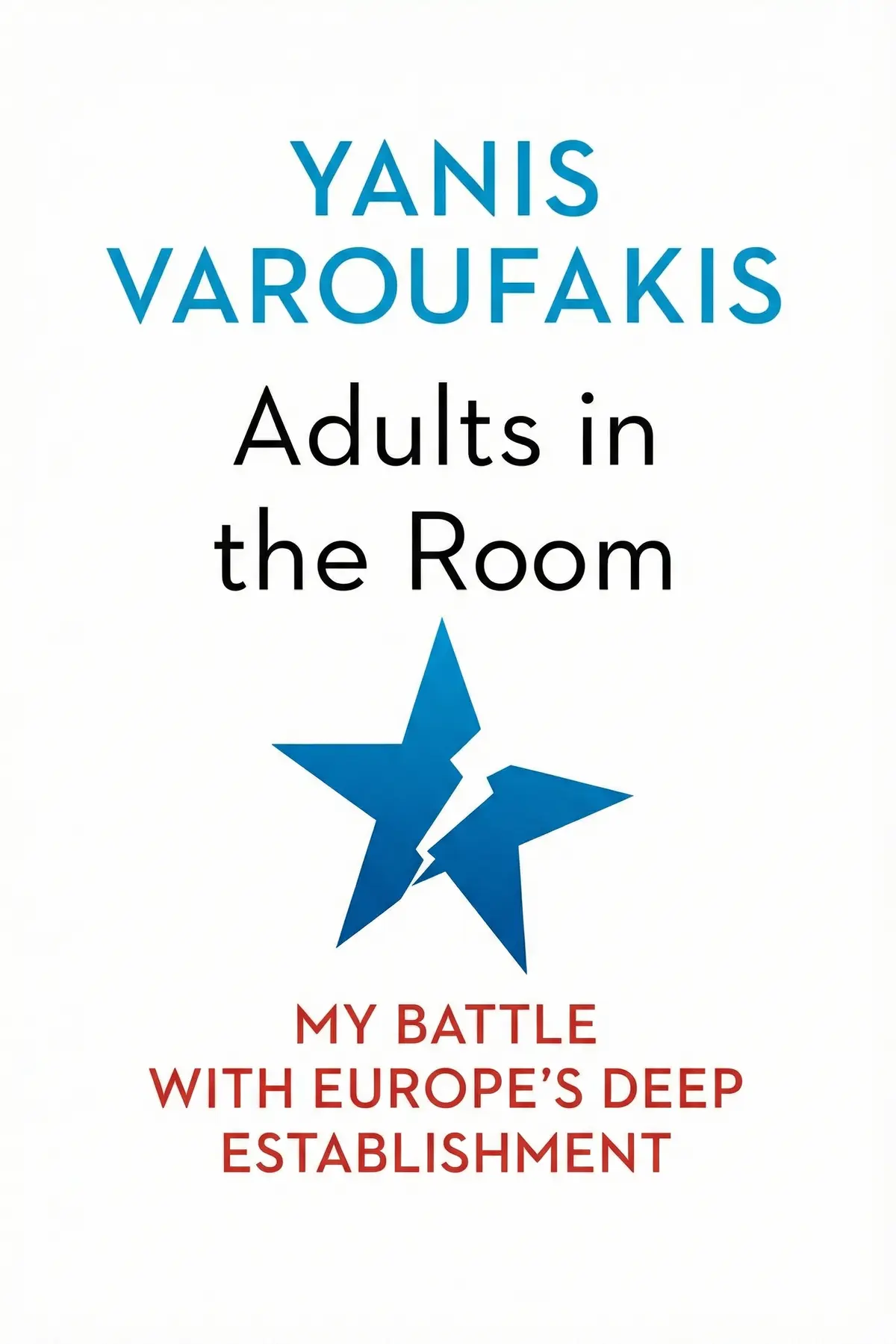
Adults in The Room: My Battle With Europe’s Deep Establishment
Yanis Varoufakis
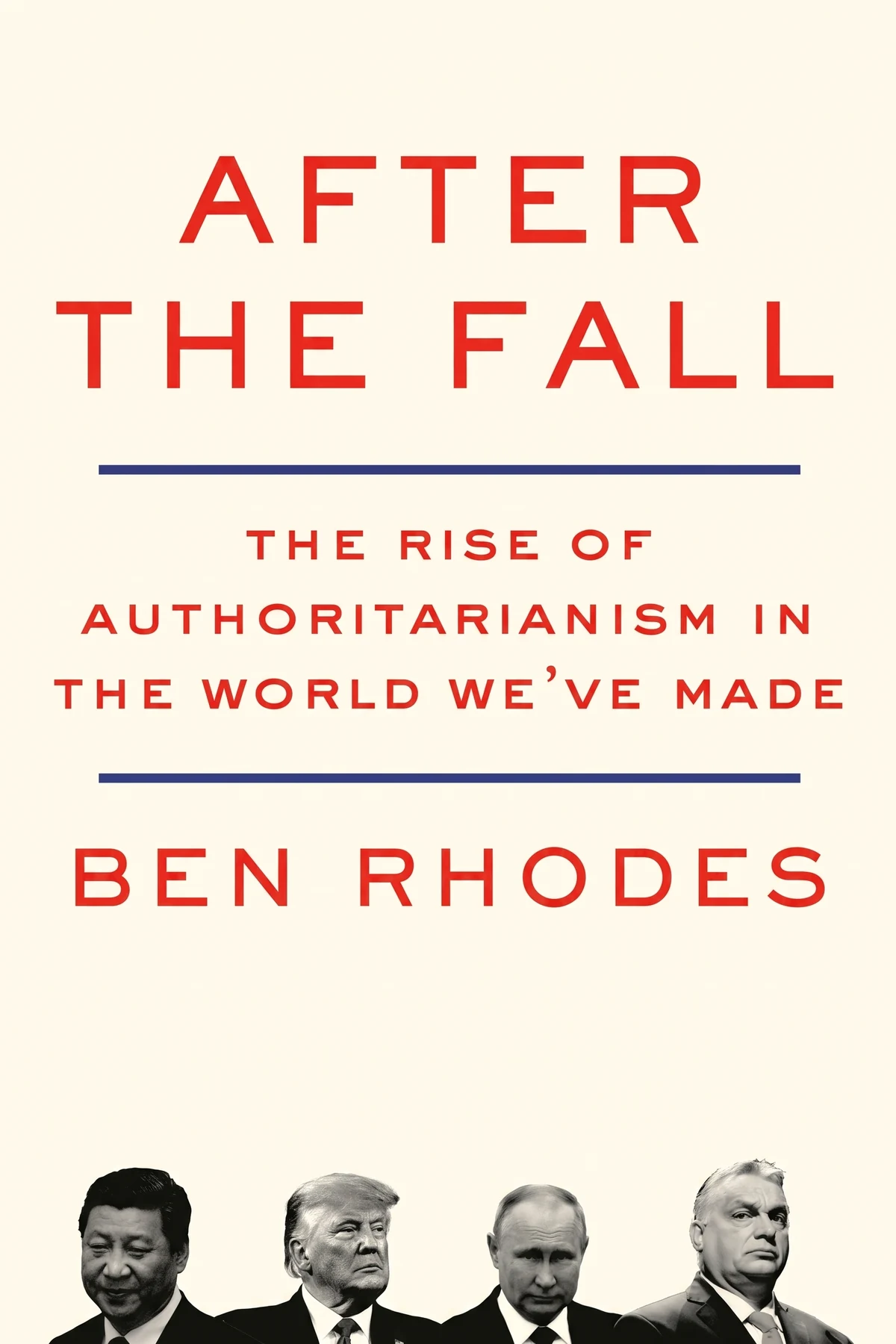
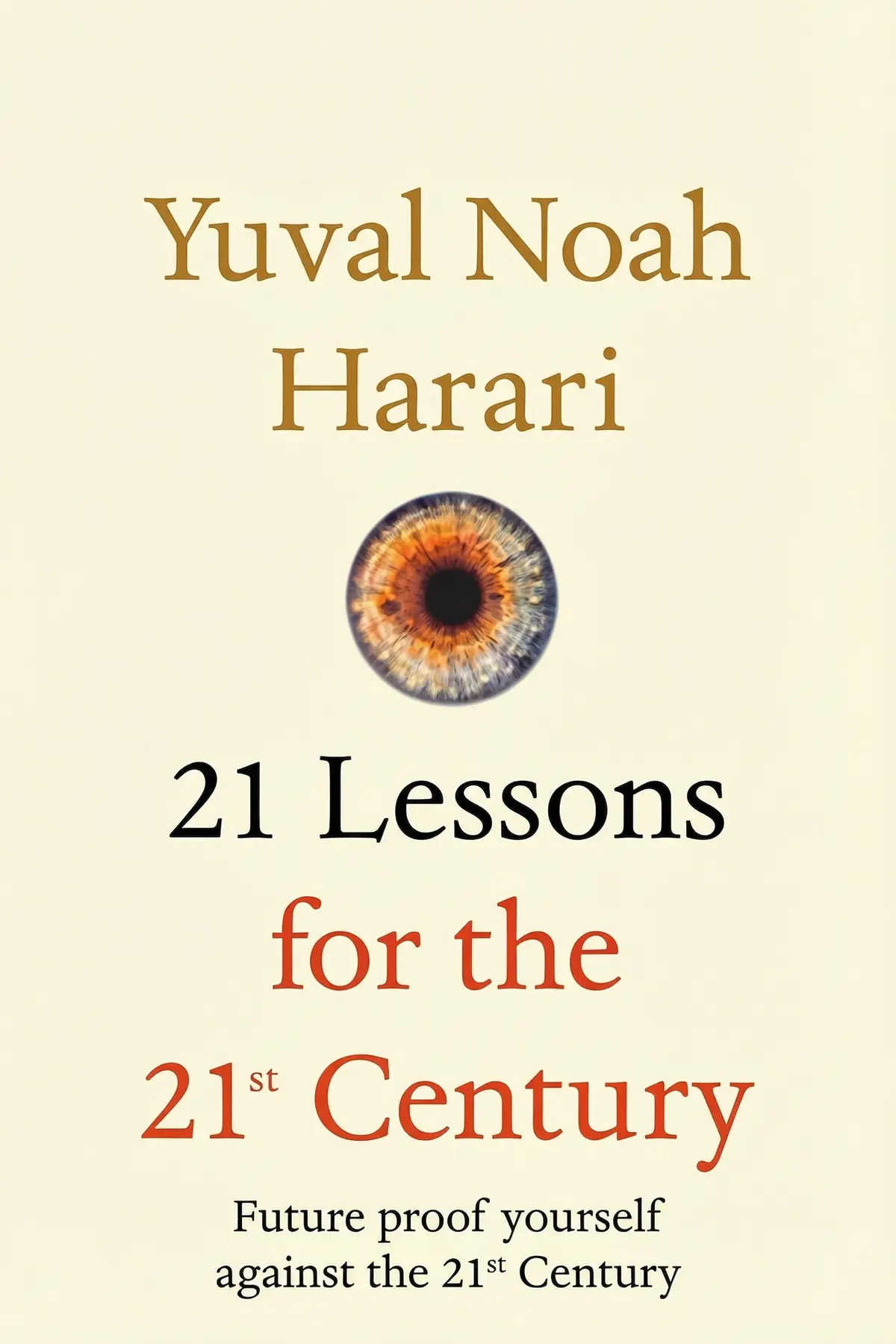
21 Lessons for the 21st Century
Yuval Noah Harari
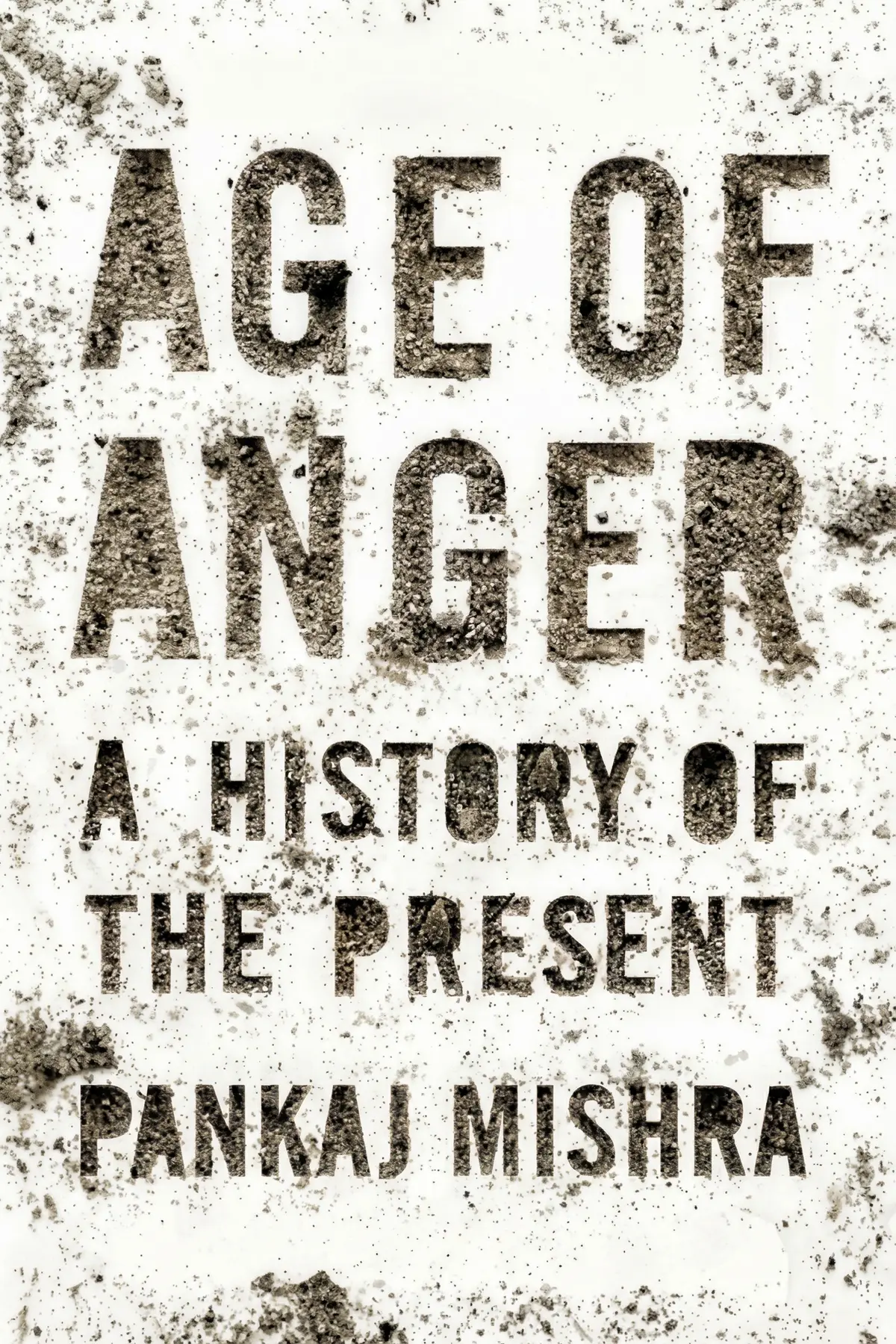
Age of Anger: A History of the Present
Pankaj Mishra
AUDIO SUMMARY AVAILABLE
Listen to A World in Disarray in 15 minutes
Get the key ideas from A World in Disarray by Richard Haass, plus 5,000+ more titles in English and Thai.
- 5,000+ titles
- Listen as much as you want
- 7-day free trial
- Cancel anytime







