
24 min 37 sec
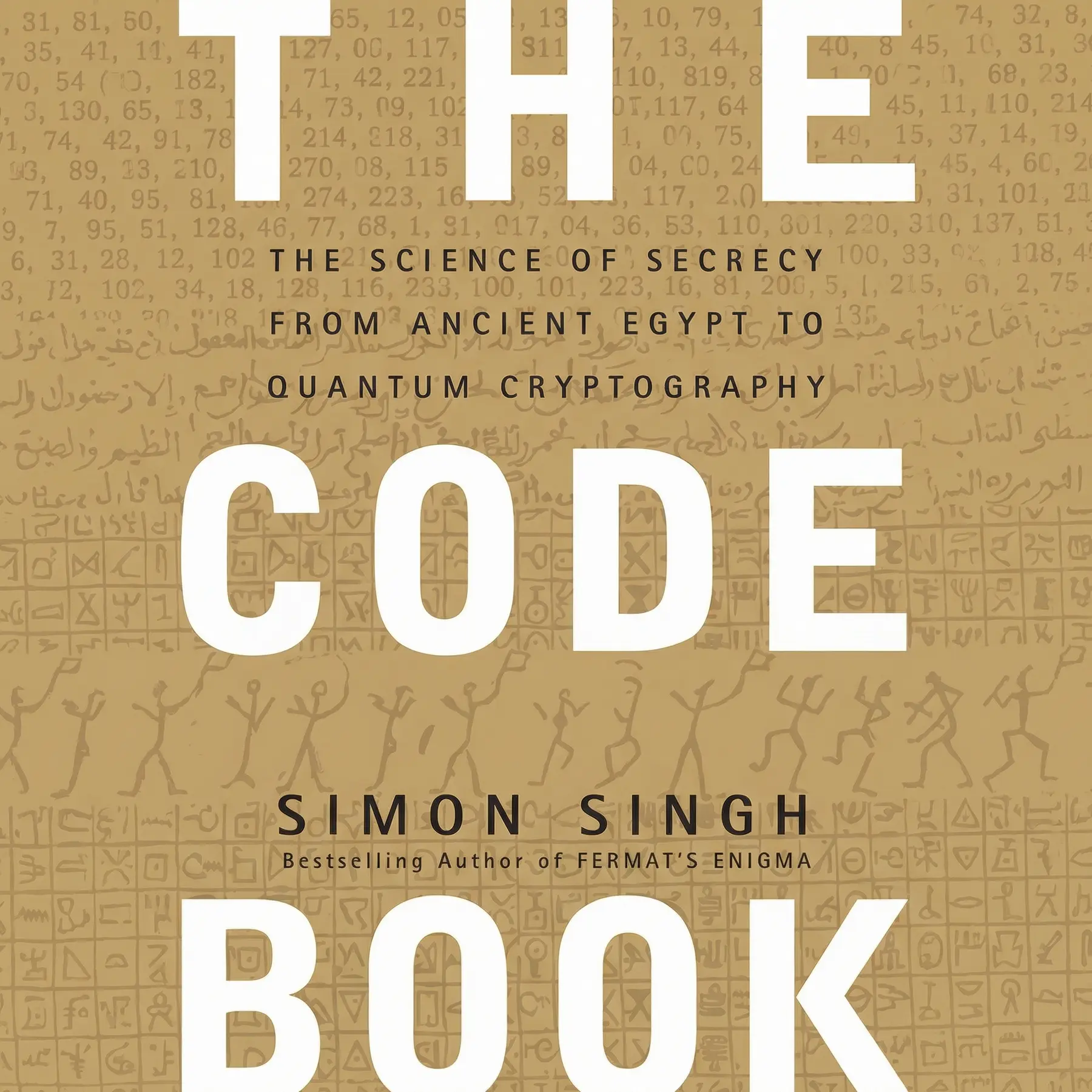
The Code Book: The Science of Secrecy From Ancient Egypt to Quantum Cryptography
By Simon Singh
A sweeping history of secrecy, from ancient ciphers to modern quantum encryption, exploring how the battle between code-makers and code-breakers has shaped civilizations and determined the winners of global conflicts.
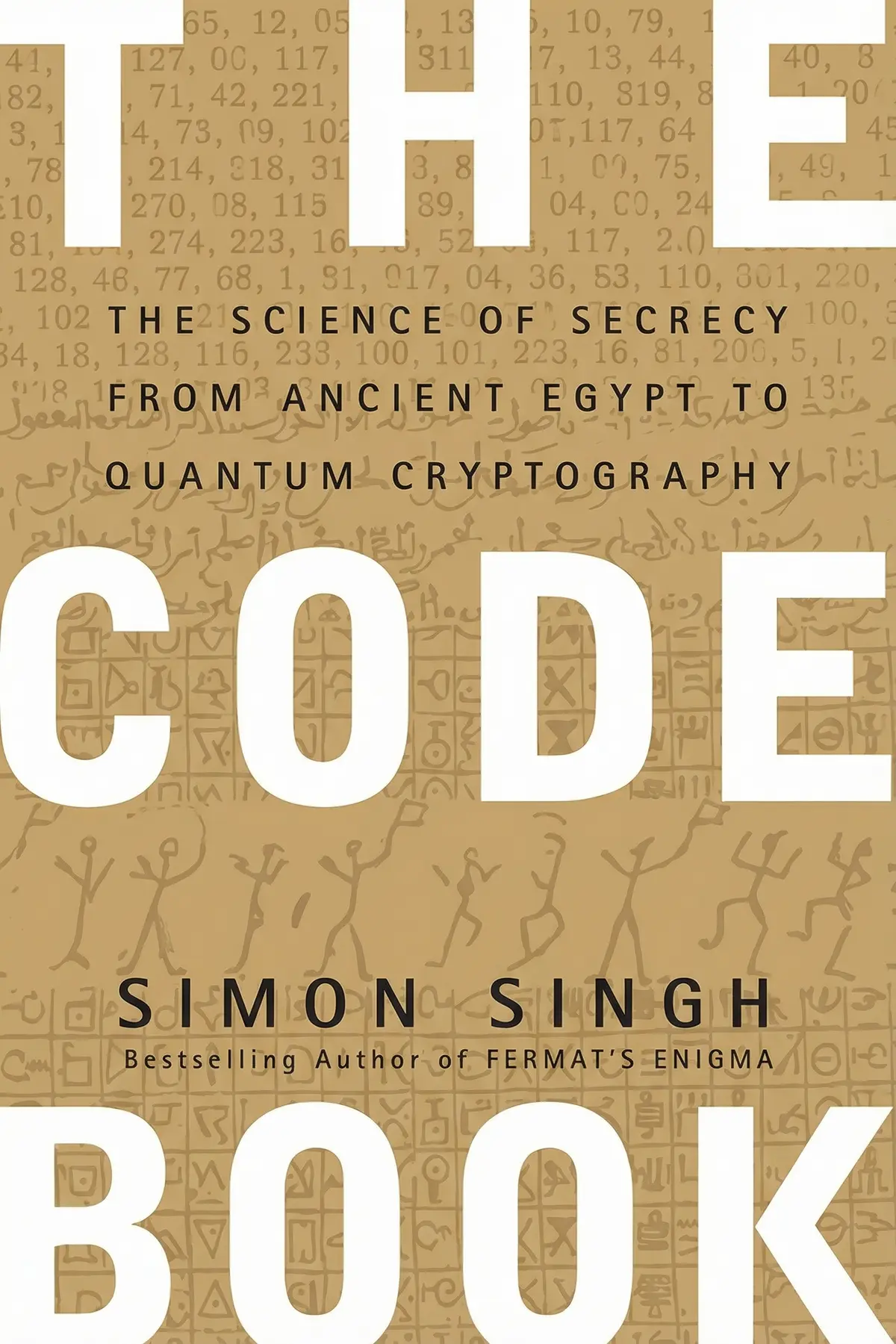
Table of Content
1. Introduction
1 min 41 sec
Imagine you are holding a letter that contains the fate of a kingdom, but the words on the page look like a jumble of nonsense. For thousands of years, this has been the reality for leaders, spies, and lovers alike. The history of humanity is, in many ways, a history of secrets. From the moment we began to communicate, we began to find ways to hide that communication from prying eyes. This fundamental tension—the desire to speak privately and the opposing drive to eavesdrop—has acted as a massive engine for scientific and mathematical progress.
In this exploration, we aren’t just looking at puzzles or hobbies; we are looking at the invisible threads that have woven the tapestry of our world. Cryptography, the art of secret writing, and cryptanalysis, the science of breaking it, have decided the outcomes of wars and the survival of monarchs. A single weak cipher could lead to a royal execution, while a perfectly executed code could save millions of lives by shortening a world-spanning conflict.
We will trace this evolution from the dusty battlefields of ancient Greece to the sterile labs of modern quantum physicists. We’ll see how codes moved from being a matter of clever wordplay to becoming complex mechanical systems, and finally, into the realm of abstract mathematics. This is a story of human ingenuity pushed to its absolute limits. As we move through these shifts, you’ll see that the quest for secrecy is not just about hiding information—it’s about the eternal struggle for power, privacy, and the protection of our most vital truths. Let’s begin by looking back at the very first attempts to keep a message safe from an enemy.
2. The Roots of Hidden Communication
2 min 01 sec
Discover how ancient civilizations like Greece and Rome first developed two fundamental ways to scramble messages, setting the stage for centuries of secrecy.
3. Patterns and the Rise of Cryptanalysis
2 min 00 sec
Learn how scholars in the Arab world discovered a powerful mathematical tool that could dismantle nearly any substitution code by looking at the frequency of letters.
4. A Royal Failure of Security
1 min 53 sec
Trace the dramatic downfall of Mary, Queen of Scots, whose reliance on a flawed cipher led to one of the most famous executions in history.
5. The Quest for the Unbreakable Cipher
1 min 52 sec
Enter the era of the polyalphabetic cipher, a complex system that used twenty-six different alphabets to confuse even the most skilled codebreakers.
6. Cracking the Century-Long Secret
1 min 50 sec
Explore how the rise of the telegraph and the genius of Charles Babbage finally brought down the ‘unbreakable’ Vigenère cipher.
7. Codes of the Ancient Past
1 min 55 sec
See how the techniques of codebreaking were applied to history, allowing researchers to unlock the lost languages of Egypt and Crete.
8. The Perfection of the One-Time Pad
1 min 56 sec
Explore the theoretically perfect cipher developed during the World Wars and why, despite being unbreakable, it is almost never used.
9. The Mechanical Complexity of Enigma
1 min 43 sec
Step inside the inner workings of the Enigma machine, a device that turned code-making into a high-speed mechanical process.
10. The Genius of Bletchley Park
1 min 59 sec
Follow the journey of the codebreakers who exploited a single human error to dismantle the Enigma and change the course of history.
11. Cryptography in the Age of Silicon
1 min 56 sec
Learn how the invention of the computer moved cryptography from the world of rotors and wires into the realm of binary and digital standards.
12. Prime Numbers and the Quantum Frontier
2 min 01 sec
Discover why the security of the modern world depends on prime numbers and how the coming age of quantum computers threatens to undo it all.
13. Conclusion
1 min 50 sec
We have traveled a long way from the simple zigzag patterns of ancient Greece to the mind-bending possibilities of quantum particles. Throughout this journey, one thing has remained constant: the high-stakes game of hide-and-seek that defines human communication. Cryptography has evolved from a linguistic art into a rigorous mathematical science, and in doing so, it has moved from the periphery of history to its very center. Today, every time you buy something online or send a private message, you are utilizing the legacy of the geniuses we’ve discussed—from the Arab scholars who first counted letter frequencies to the codebreakers at Bletchley Park who saved a continent.
The throughline of this story is the eternal struggle between privacy and surveillance. Each time a ‘perfect’ code was created, a brilliant mind eventually found a way to break it. This cycle has pushed human intelligence to new heights, leading to the birth of the computer and the exploration of the quantum world. As we look to the future, the stakes are higher than ever. In an age where information is the most valuable commodity on earth, the strength of our codes determines our personal freedom and our national security.
The final takeaway is that no secret is ever truly safe forever, but the pursuit of secrecy is one of the most powerful drivers of human progress. As you go about your digital life, take a moment to appreciate the invisible fortresses that protect your words. The battle of the code-makers and code-breakers is far from over; it is simply moving to a new and even more fascinating frontier. The quest for the unbreakable code continues, and the next chapter of this story is being written right now in the laboratories of the future.
About this book
What is this book about?
The Code Book provides a comprehensive journey through the evolution of secret communication. Starting with the rudimentary methods used in ancient Greece and moving through the high-stakes espionage of the Renaissance, it explores how the human desire for privacy has sparked incredible intellectual breakthroughs. The book transitions from the linguistic puzzles of the past to the mechanical complexities of the World Wars, highlighting the pivotal role of the Enigma machine and the geniuses who eventually dismantled its defenses. As the narrative enters the digital age, it shifts from language-based riddles to mathematical fortresses. It promises to reveal the hidden architecture of the modern world, where the security of global finance and personal data rests on the shoulders of prime numbers and quantum physics. By the end, readers will understand the perpetual arms race between those who want to keep secrets and those determined to uncover them, offering a glimpse into a future where encryption might finally become truly unbreakable.
Book Information
About the Author
Simon Singh
Simon Singh earned his doctorate in physics from Cambridge University. He is the author behind the acclaimed title Fermat’s Enigma and served as the director for the celebrated documentary, Fermat’s Last Theorem.
Ratings & Reviews
Ratings at a glance
What people think
Listeners find this work enthralling from beginning to end, featuring a comprehensive history of ciphers and codes organized chronologically. Technical elements are broken down clearly, rendering intricate mathematical theories easy to understand, and listeners value the book’s educational benefits, especially for children. The prose is described as fascinating, with listeners enjoying the compelling narratives about the world of cryptography. While some listeners find the material quite absorbing, others note that the book has a slow start.
Top reviews
Supranee
Wow. I never expected a book about mathematics and linguistics to read like a high-stakes espionage thriller, but Simon Singh absolutely nailed the execution. The way he weaves the historical tragedy of Mary Queen of Scots into the actual mechanics of her broken cipher makes the theory feel incredibly tangible. It's essentially geek porn for anyone who loves puzzles, yet it remains perfectly accessible for those of us who aren't math whizzes. I particularly loved the section on the Enigma machine and the geniuses at Bletchley Park; it really puts the 'nerd' in historical perspective. Singh strikes a brilliant balance between technical explanation and human drama. You leave the book not just knowing how codes work, but understanding why they changed the course of every major war. This is a must-read for anyone curious about the secret history of the world.
Show moreJoshua
Ever wonder how your credit card information stays safe in a world full of hackers? This book provides the definitive answer by tracing the thousand-year arms race between code-makers and code-breakers. Singh’s writing style is fascinating, turning what could have been a dry textbook into a series of interconnected mysteries. The chapter on the Navajo Code Talkers was a revelation, highlighting a unique piece of American history I hadn't fully appreciated before. It’s rare to find an author who can handle both the physics of quantum cryptography and the linguistics of Egyptian hieroglyphics with equal grace. Personally, the 'Cipher Challenge' at the end was a fun, if humbling, addition that shows just how difficult this craft really is. If you have even a passing interest in history or technology, you need to pick this up. It’s easily one of the best non-fiction books I’ve encountered in years.
Show moreElla
Finally got around to reading this classic, and it’s striking how much of our modern privacy debate was already being framed by Singh twenty years ago. The sections on Phil Zimmermann and PGP are especially relevant today as we continue to argue about encryption backdoors and government surveillance. Singh manages to explain the RSA algorithm without losing the reader in a sea of prime numbers, which is no small feat. I was particularly captivated by the transition from mechanical ciphers to the digital age. The narrative is fast-paced and the historical anecdotes are chosen perfectly to illustrate each new advancement in the field. It’s the kind of book that makes you look at your computer and your phone in a completely different light. Even though the technology has advanced since publication, the fundamental principles Singh explains remain the bedrock of our digital lives. Simply brilliant.
Show moreSomsak
After hearing so much about the 'Enigma' movie, I wanted to dive into the real history behind it, and this book delivered exactly what I needed. Simon Singh is the gold standard for popular science writing. He has this incredible ability to take a daunting subject like quantum teleportation and explain it using analogies that actually make sense to a normal person. The book is organized chronologically, which helps you see the evolution of thought as each 'unbreakable' code is eventually shattered by a cleverer opponent. The stakes felt real in every chapter, from the fate of empires to the privacy of our personal emails. It's rare to find a book that is this educational while still being a genuine page-turner. I’ve already recommended it to three people this week. If you like history, science, or just a good story about human ingenuity, this is it.
Show moreMats
Picked this up for a reading challenge about topics I knew nothing about, and I ended up finishing it in three days. I was absolutely hooked by the way Singh describes the 'Black Chambers' and the early days of postal interception. It’s a fascinating look at how governments have always tried to stay one step ahead of their citizens. The explanations of the Vigenère square and other classic ciphers were so clear that I actually started making my own codes in the margins. It’s a perfect mix of history and practical science. Singh's enthusiasm for the subject is infectious, and he makes you feel the same rush the code-breakers felt when they finally saw a message emerge from the gibberish. This is easily one of the most engaging non-fiction books on my shelf. I’ll definitely be checking out his other work, like the one on Fermat’s Last Theorem.
Show moreLincoln
As a self-proclaimed math-phobe, I was genuinely terrified when I first flipped through and saw pages filled with tables and comma-separated numbers. To be fair, some of the technical descriptions toward the end of the book required me to slow down and reread a few paragraphs to really grasp the logic. However, Singh has a gift for making complex concepts like public-key cryptography feel like a simple logic puzzle. He doesn't just throw equations at you; he explains the 'why' before the 'how.' The chronological flow is excellent, starting with ancient methods like tattooed heads and moving through to the quantum future. My only real gripe is that the middle sections on 18th-century ciphers felt a bit repetitive compared to the high-octane stories of the World Wars. Still, it's an incredibly rewarding read that makes you feel smarter by the final page.
Show moreGai
The chapter on the decipherment of Egyptian hieroglyphics was an unexpected highlight in a book supposedly about secret agents and military codes. Singh makes a compelling case for why breaking an ancient dead language is essentially the same intellectual exercise as cracking a wartime code. I appreciated how he stepped away from the math to focus on the human obsession with secrecy and the thrill of discovery. My only minor criticism is that the book shows its age slightly when discussing the future of the internet, but the historical sections are timeless. The writing is clear and the diagrams are actually helpful rather than just being filler. It’s a great choice for kids who are into puzzles or adults who want a thorough history of information warfare. Not every chapter is a page-turner, but the overall journey is well worth the time invested.
Show moreSienna
Personally, my favorite part was the section devoted to the role cryptography played in the development of the telegraph. It’s easy to forget that the need for privacy isn't just a digital-age problem; it was a major commercial driver back in the 1800s too. Singh does a great job of showing how technology and secrecy have always been intertwined. The book is quite thorough, maybe a bit too thorough in the middle sections, but the payoff at the end regarding quantum computers is fascinating. I did find the writing to be a bit dry in the more academic passages, but the anecdotes about characters like Alan Turing more than make up for it. It’s a heavy book with a lot of information to digest, so don't expect to fly through it in one sitting. Take your time with the puzzles and the logic—it’s much more satisfying that way.
Show morePranee
Look, I wanted to love this more than I did, but the truth is that it starts quite slowly. The first few chapters on ancient ciphers felt like a bit of a slog through elementary history that I'd already seen elsewhere. I found myself skimming the more theoretical descriptions of substitution ciphers just to get to the 'good stuff' in the twentieth century. Once Singh gets into the Enigma and the development of the computer, the pacing improves dramatically and the stakes feel much higher. The technical details are well-explained, but there were moments where the sheer volume of names and dates became overwhelming. It’s definitely an educational value-add for your bookshelf, but be prepared for some dry patches in the beginning. It’s a solid reference work, though perhaps a bit too dense for a casual weekend read if you aren't already into the subject matter.
Show moreAom
Frankly, I found the technical depth of this book to be a bit much for a layman. While the Amazon summary promises a 'captivating' history, I found myself getting lost in the weeds of modular arithmetic and frequency analysis. It felt less like a story and more like a very long lecture that I wasn't quite prepared for. There were far too many charts and tables for my liking, and they often interrupted the flow of the historical narrative. If you don't have a natural affinity for mathematics, you might find yourself curling into a ball like I did. I understand the importance of the subject, but the abstract nature of the later chapters made it hard to stay engaged. I was hoping for more 'cloak and dagger' and less 'numbers and junk.' This one just wasn't for me, though I can see why die-hard math enthusiasts would enjoy it.
Show moreReaders also enjoyed
A Year in the Life of William Shakespeare: 1599
James Shapiro
1491: New Revelations of the Americas Before Columbus
Charles C. Mann
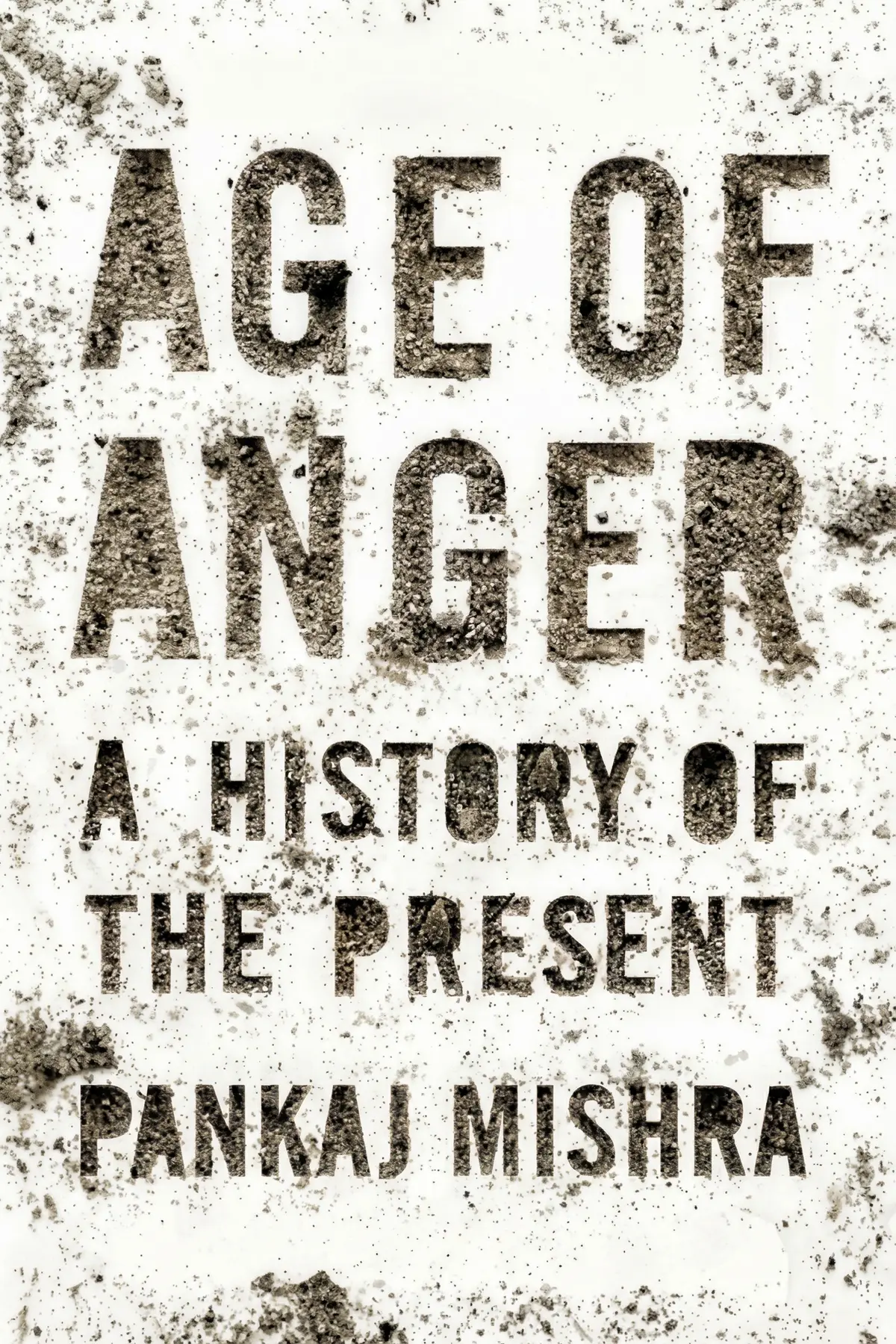
Age of Anger: A History of the Present
Pankaj Mishra
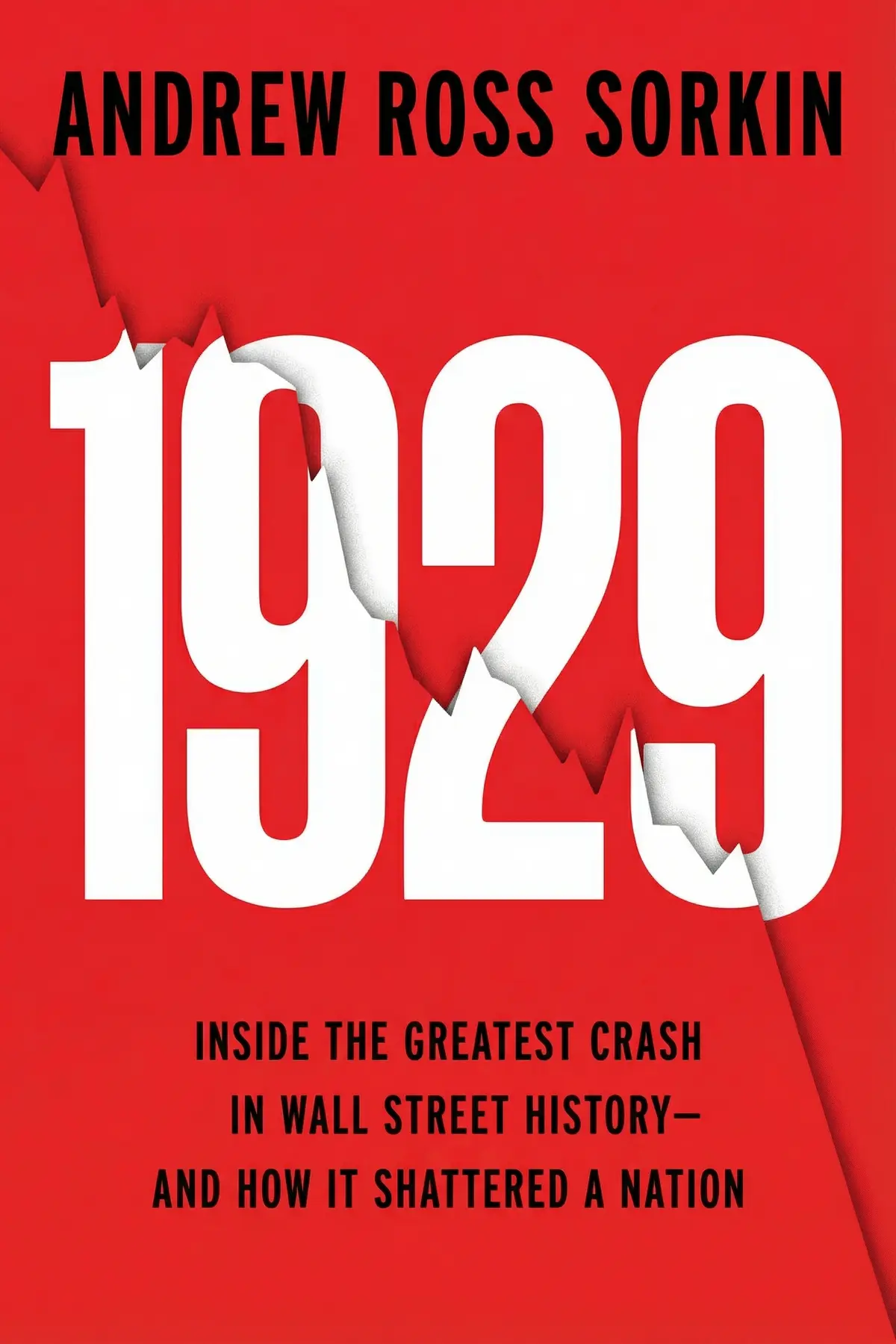
1929: Inside the Greatest Crash in Wall Street History--and How It
Andrew Ross Sorkin
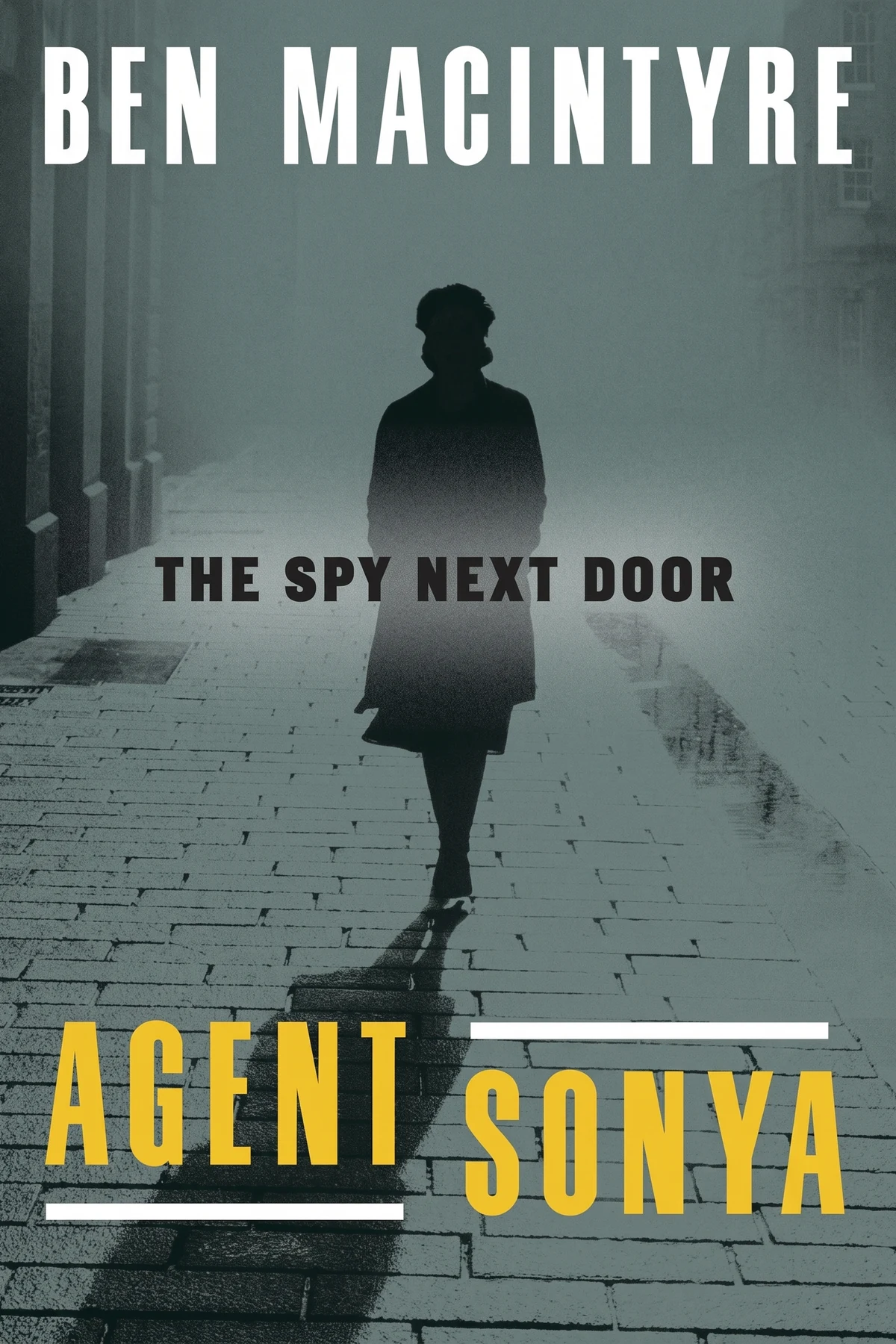
Agent Sonya: The Spy Next Door
Ben Macintyre
AUDIO SUMMARY AVAILABLE
Listen to The Code Book in 15 minutes
Get the key ideas from The Code Book by Simon Singh, plus 5,000+ more titles in English and Thai.
- 5,000+ titles
- Listen as much as you want
- 7-day free trial
- Cancel anytime







