
16 min 20 sec
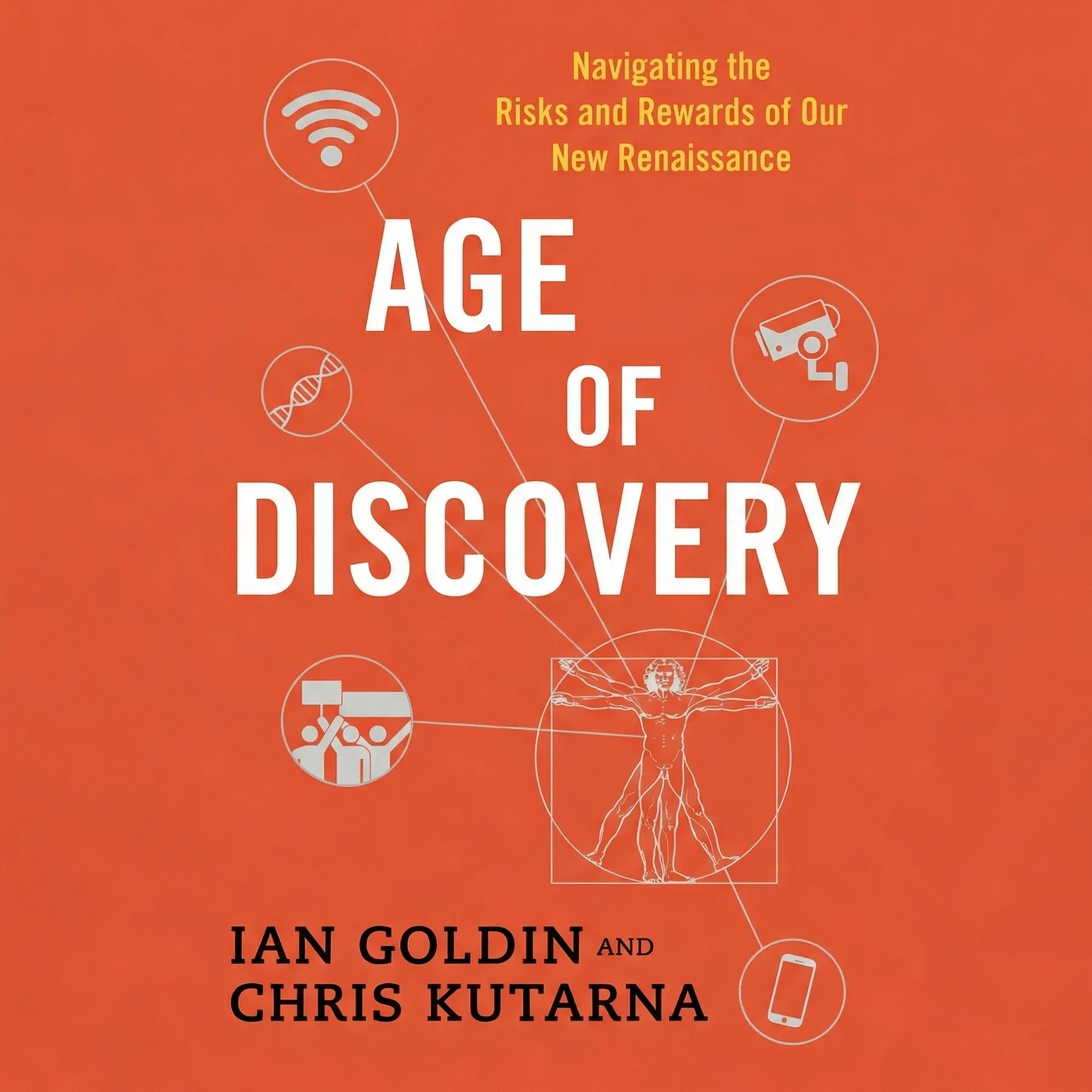
Age of Discovery: Navigating the Risks and Rewards of Our New Renaissance
Explore how our current era of technological and social upheaval mirrors the original Renaissance, offering a roadmap to navigate the profound risks and incredible rewards of a rapidly changing world.
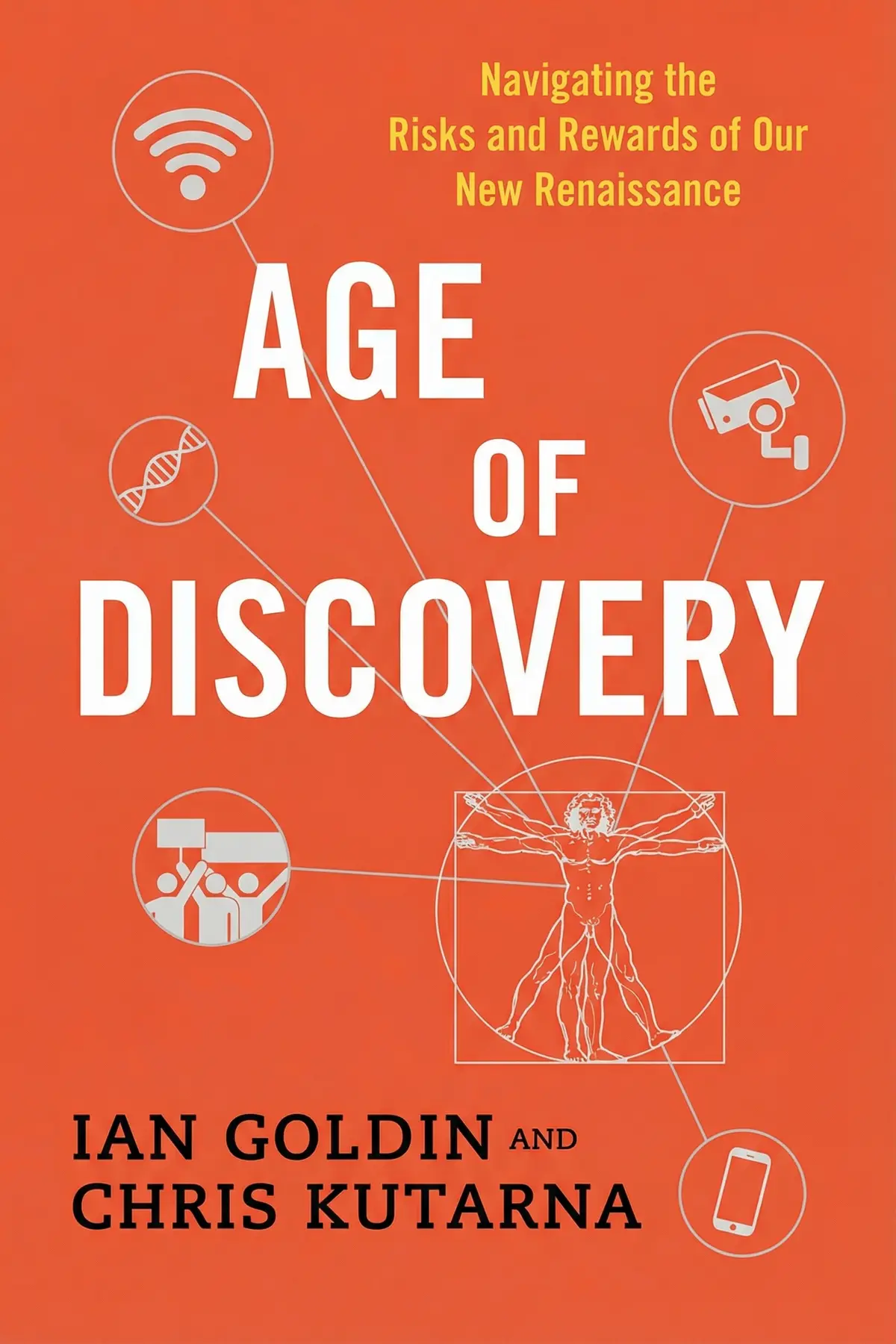
Table of Content
1. Introduction
1 min 38 sec
If you wake up most mornings feeling a bit disoriented by the state of the world, you aren’t alone. We are currently navigating a period of history that is so dense with change and so rapid in its evolution that it can feel like the ground is constantly shifting beneath our feet. But here is the thing: we have been here before. To understand the chaos and the brilliance of the twenty-first century, we have to look back about five hundred years to the original Renaissance.
From roughly 1450 to 1550, humanity experienced a monumental explosion of creativity, trade, and scientific inquiry. It was the era of Michelangelo’s brushes and Leonardo da Vinci’s inventions, but it was also a time of extreme violence and social collapse. Today, we find ourselves in what can be called a ‘New Renaissance.’ Since the early 1990s, the world has become more interconnected than ever, driven by the digital revolution and the opening of global markets. This transition brings the same duality that defined the era of Columbus and Luther: on one hand, we see unprecedented gains in human health and knowledge; on the other, we see the rise of radicalism and systemic instability.
In this exploration, we are going to look at the throughline that connects these two eras. We will see how the printing press finds its modern echo in the internet, how the expansion of old trade routes mirrors our current financial networks, and why the progress we celebrate often carries a hidden, darker price tag. By the end of this journey, you will have a new perspective on why our world feels so fragile and yet so full of potential, and how we can use the lessons of the past to navigate the risks of our own Age of Discovery.
2. The Dual Nature of the New Renaissance
1 min 47 sec
Our modern era is undergoing a massive transformation similar to the 15th-century Renaissance, but we must look past the masterpieces to see the inherent costs.
3. Communication Revolutions and the Speed of Change
2 min 02 sec
The printing press reshaped the human mind in the 1400s, just as the internet and social media are fundamentally reconfiguring our connections today.
4. The Unprecedented Rise in Global Welfare
1 min 59 sec
Despite the daily headlines of crisis, the data shows that human health and wealth are at their highest levels in history.
5. The Growing Chasm of Inequality
1 min 48 sec
Progress is rarely a tide that lifts all boats equally; both the first Renaissance and our own have seen wealth concentrate at the very top.
6. The Risks of an Interconnected World
1 min 50 sec
Connectivity is a double-edged sword that allows both innovation and catastrophe to spread at lightning speed.
7. The Backlash of Fear and Radicalism
1 min 57 sec
Rapid change often triggers a deep sense of insecurity, leading people to embrace extreme messages and search for simple answers in a complex world.
8. Harnessing the Power of Human Genius
1 min 51 sec
While the risks are real, the potential for discovery and the creation of intangible value offer a path toward a better future.
9. Conclusion
1 min 28 sec
As we look back on the throughline of history, the message is clear: we are living through a moment of extraordinary significance. The New Renaissance is not a promise of a smooth, easy future; it is a period of intense struggle and intense possibility. Just like the explorers and artists of five hundred years ago, we are navigating uncharted waters. We have seen that the very technologies that connect us also make us vulnerable, and the trade that enriches the world can also leave many behind.
However, the goal of understanding these historical parallels isn’t to make us fearful. It is to make us resilient. By recognizing that inequality and radicalism are the natural side effects of rapid change, we can work more intentionally to mitigate them. We can choose to prioritize the ‘intangible’ goods of education and shared knowledge. We can strive to build social safety nets that reflect the reality of a globalized economy.
Ultimately, the ‘Age of Discovery’ reminds us that history is not a spectator sport. The first Renaissance was shaped by the choices of individuals—scientists who dared to question, artists who dared to create, and citizens who navigated the collapse of old norms. We are in the same position today. We have the data, the connectivity, and the historical hindsight to avoid the worst mistakes of the past. If we can balance our drive for innovation with a commitment to justice and stability, we can ensure that our Renaissance leads not to a bonfire, but to a brighter, more inclusive world for the generations to follow.
About this book
What is this book about?
Have you ever felt that the modern world is moving too fast to track? Age of Discovery suggests that this sensation is not just a personal feeling, but a historical reality. By looking back five centuries to the original Renaissance, authors Ian Goldin and Chris Kutarna reveal that we are currently living through a second Great Age of discovery. This period, which began around 1990, mirrors the era of Da Vinci and Gutenberg in its capacity for both breathtaking genius and terrifying instability. The book serves as a guide for understanding the systemic shifts in our global landscape. It moves beyond simple headlines to examine how the expansion of information, the rise of global trade, and the breakthroughs in medical science are reshaping human life. However, it also provides a sobering warning. Just as the first Renaissance brought about religious wars and devastating plagues, our current era faces rising inequality, radicalism, and systemic shocks. By analyzing these historical parallels, the authors provide a framework for resilience, helping us to grasp the opportunities of our time while preparing for the inevitable storms that come with rapid progress.
Book Information
About the Author
Ian Goldin
Ian Goldin is Professor of Globalization and Development at the University of Oxford. His distinguished career includes roles as the vice president of the World Bank and chief executive of The Development Bank of Southern Africa. He also served as an adviser to President Nelson Mandela. Chris Kutarna is a fellow at the Oxford Martin School, where he focuses on the intersections of international politics and economics. A former strategy consultant at the Boston Consulting Group, he now provides strategic advice to senior executives across Asia, North America, and Europe.
Ratings & Reviews
Ratings at a glance
What people think
Listeners consider the work both accessible and enlightening, with one individual remarking that it is essential reading for grasping our modern era. The extensive research and historical depth are well-regarded, and one listener specifically noted the captivating details provided about the initial Renaissance period. Opinions regarding the reading speed vary among different listeners.
Top reviews
Yaowares
Ever wonder why the world feels so chaotic right now? Goldin and Kutarna provide a refreshing lens by drawing parallel lines between our current era and the 15th-century Renaissance. It’s not just a history lesson; it's a strategic framework for understanding the radical shifts in technology and globalization that define our lives today. Frankly, the depth of research is staggering, covering everything from Gutenberg’s press to modern-day quantum computing. While the authors don't shy away from the dark side of progress—like the risk of global contagion or political instability—they maintain a contagious sense of optimism. This is the kind of book that makes you look at the news and see opportunities instead of just crises. It’s dense, sure, but the insights are well worth the effort for anyone trying to navigate our 'Renaissance 2.0'.
Show moreSuvannee
Finally got around to finishing this, and I’m still buzzing from the ideas it presents. Goldin and Kutarna manage to weave together history, geography, and cutting-edge science into a narrative that feels both urgent and timeless. I loved the deep dives into how the original Renaissance was plagued by the same types of fundamentalism and warring ideologies we see today. It makes our current political climate feel less like a unique disaster and more like a predictable byproduct of rapid change. Look, the book isn't a light read by any means, but the clarity it brings to the 'Age of Discovery' we're inhabiting is unmatched. It challenges you to stop retreating into isolation and instead reach out to embrace the possibilities of our new era. Highly recommended for leaders and thinkers.
Show moreEmily
Wow. This is a powerful and insightful look at where we are as a species. Goldin and Kutarna have created a masterpiece of synthesis, pulling together disparate threads of human progress to show us the big picture. I particularly enjoyed the comparison between the printing press and the internet—it really puts the 'shocks' we feel today into a manageable context. Not gonna lie, some of the statistics and facts are a bit overwhelming at first, but they build a very convincing case for why this is a 'new golden age.' It's a must-read for anyone in a leadership position who needs to understand the environment in which innovation actually flourishes. This isn't just a book; it's a roadmap for the 21st century. Clear, bold, and ultimately very hopeful.
Show moreAroha
This book is a stunning achievement. Goldin and Kutarna provide a much-needed perspective on the 'shocks' of our time, arguing that they are actually the birth pangs of a new age of discovery. The breadth of the book is incredible, spanning from the voyages of Columbus to the potential of CRISPR and beyond. Unlike many other futurist books, this one is grounded in a deep understanding of the past, which makes its predictions feel much more credible. I was particularly impressed by how they handled the risks of this transition, including the potential for pandemics and extreme inequality. It’s an incisive and fascinating piece of work that deserves to be read by anyone concerned about the future of our global society. It’s definitely a new favorite.
Show moreKan
As someone who struggles to make sense of the constant 'shocks' in our daily news cycle, I found this perspective incredibly grounding. The authors argue that we are currently at a crossroads, much like the one Europe faced 500 years ago, and their analysis of our 'connectedness' is spot on. Truth is, I was particularly struck by their warning about a potential global pandemic; reading that in a post-2020 world feels like looking at a crystal ball from 2016. The book balances these grim possibilities with a real excitement for scientific discovery. My only real gripe is that some chapters feel significantly more researched than others, leading to an uneven flow. Despite that, it’s an essential read for anyone wanting to understand the systemic forces shaping our future.
Show moreLaor
The chapter on nanotechnology alone is worth the price of admission. I’ve always been a bit of a science buff, but the way the authors link these modern leaps to the spirit of the 15th century is genuinely clever. It’s a thought-provoking approach that highlights both the massive rewards and the terrifying risks of our current pace of innovation. Personally, I think the authors do a great job of staying balanced; they aren't just selling 'techno-optimism' but are seriously considering the losers of this new age. The pacing can be a bit sluggish in the middle, and I agree with other reviewers that it gets a bit wordy. However, the insights into quantum physics and its potential impact on society were fascinating. It’s a solid 4-star read that will definitely stay on my mind.
Show moreOm
After hearing so much about the 'pessimism' of the modern world, this book was a breath of fresh air. It offers a way to cut through the noise and see the underlying patterns of discovery that are currently reshaping our planet. As a history buff, I really appreciated the nuanced look at the European Renaissance, especially the parts that aren't just about art. The authors show how that era was just as messy and dangerous as ours, which actually gives me a bit of hope. Gotta say, the ending was a little preachy for my taste, and I think they could have made their points more concisely in the final stretch. Still, the overall framework is very valid and well-researched. It’s a challenging read that rewards the focused reader.
Show moreKae
Picked this up because I’m fascinated by the idea of a modern Renaissance, but the execution was a bit of a slog for me. To be fair, the historical comparisons are brilliant and the sections on nanotechnology and 3D printing are genuinely eye-opening. However, the writing style is incredibly wordy and repetitive at times, making it hard to maintain momentum through the middle chapters. I found myself skimming through the more 'preachy' segments where the authors seemed to lecture the reader on how to live. It’s a solid piece of scholarship, but it desperately needed a more aggressive editor to trim the fat and get to the point. If you have the patience for a slow, academic read, there’s great stuff here, but it wasn't the page-turner I was hoping for based on the premise.
Show morePui
Not what I expected, though I can't say it's a bad book. The central thesis—that we’re in a new Renaissance—is compelling, but the prose is quite dense and often feels like it was written for an academic journal rather than a general audience. In my experience, certain sections felt incredibly clunky, almost as if they were processed through a basic translator, making it hard to grasp the sense of a few key arguments. I appreciated the warnings about the 'self-destruct button' of humanity, but the ending felt a little too much like a sermon. It’s a mixed bag that offers great knowledge if you're willing to fight through the delivery and some occasionally confusing sentence structures.
Show moreRoongsak
This book's ambition is its biggest strength and its greatest weakness. While I loved the premise of comparing our time to the Renaissance, I struggled with the sheer volume of text. It feels like the authors were so enamored with their research that they couldn't bear to leave anything out. Consequently, the progress of the reading felt way too slow for my liking. Frankly, some sections on political economy felt like they were pulled from a textbook, lacking the spark of the earlier historical sections. I did find the discussion on the 'psychic collision' of reality and expectations very relatable, but I wish the writing was more accessible. It’s a serious book for a serious subject, but it lacks the punchiness needed to keep me engaged throughout.
Show moreReaders also enjoyed
AI 2041: Ten Visions for Our Future
Kai-Fu Lee
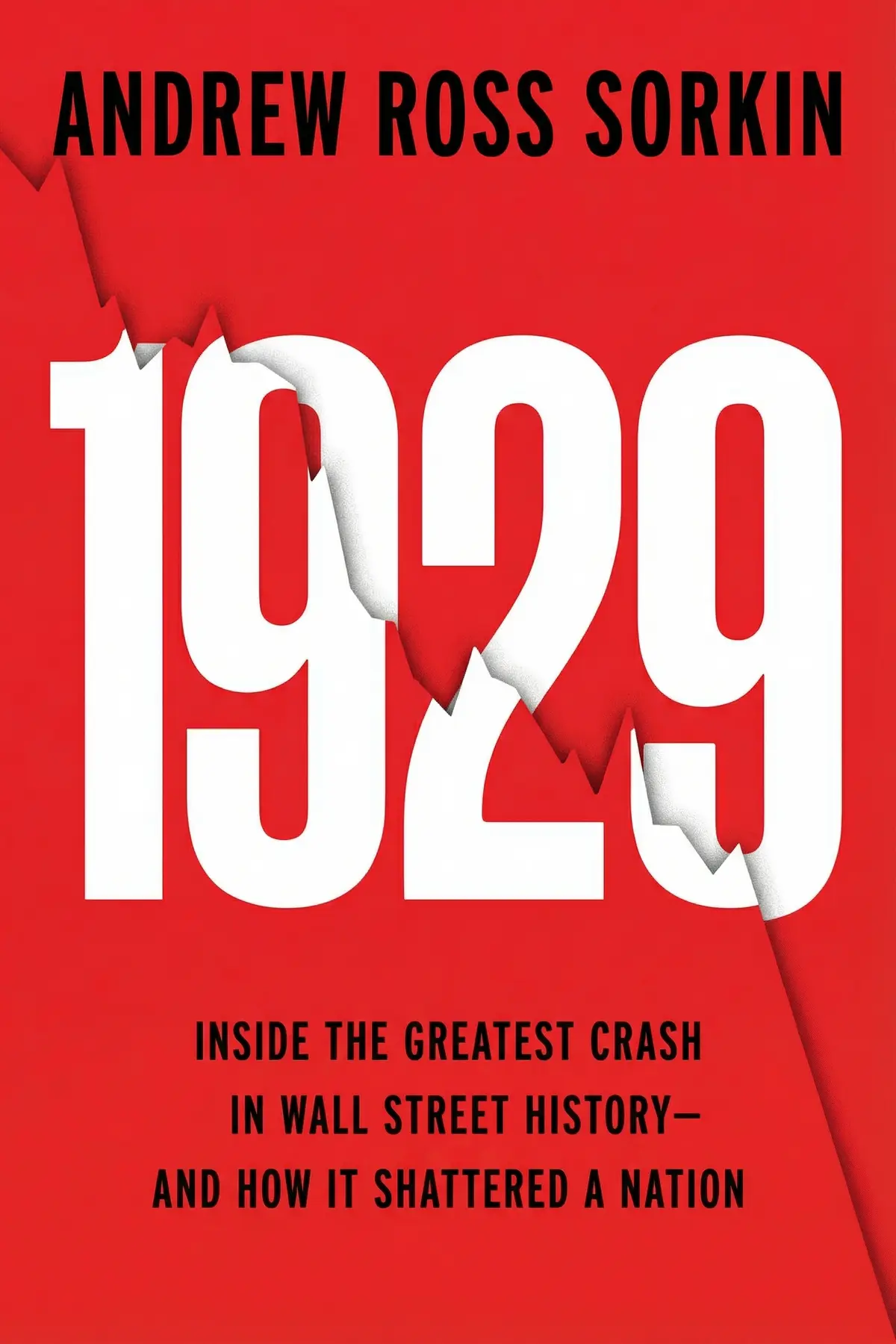
1929: Inside the Greatest Crash in Wall Street History--and How It
Andrew Ross Sorkin
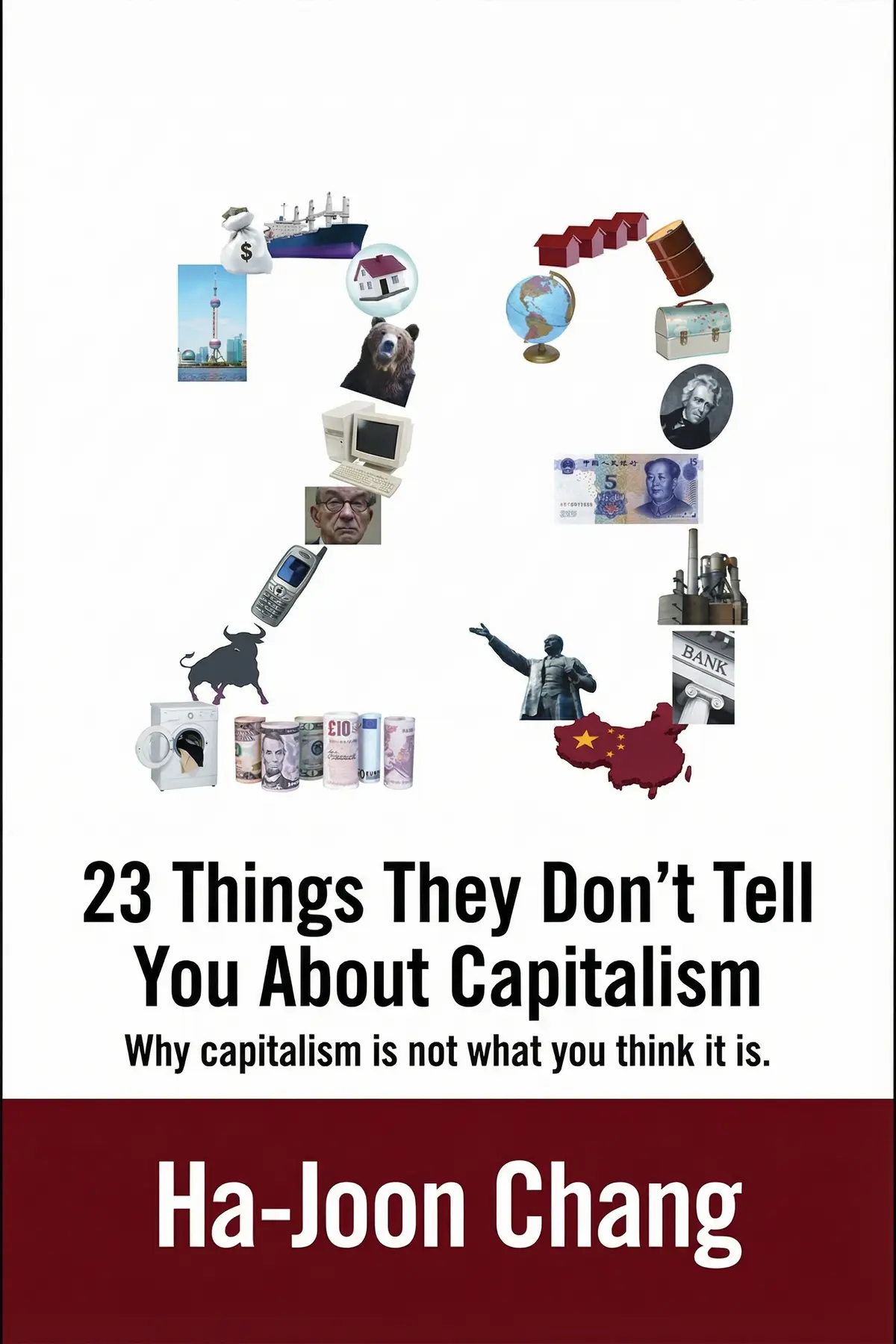
23 Things They Don’t Tell You About Capitalism
Ha-Joon Chang
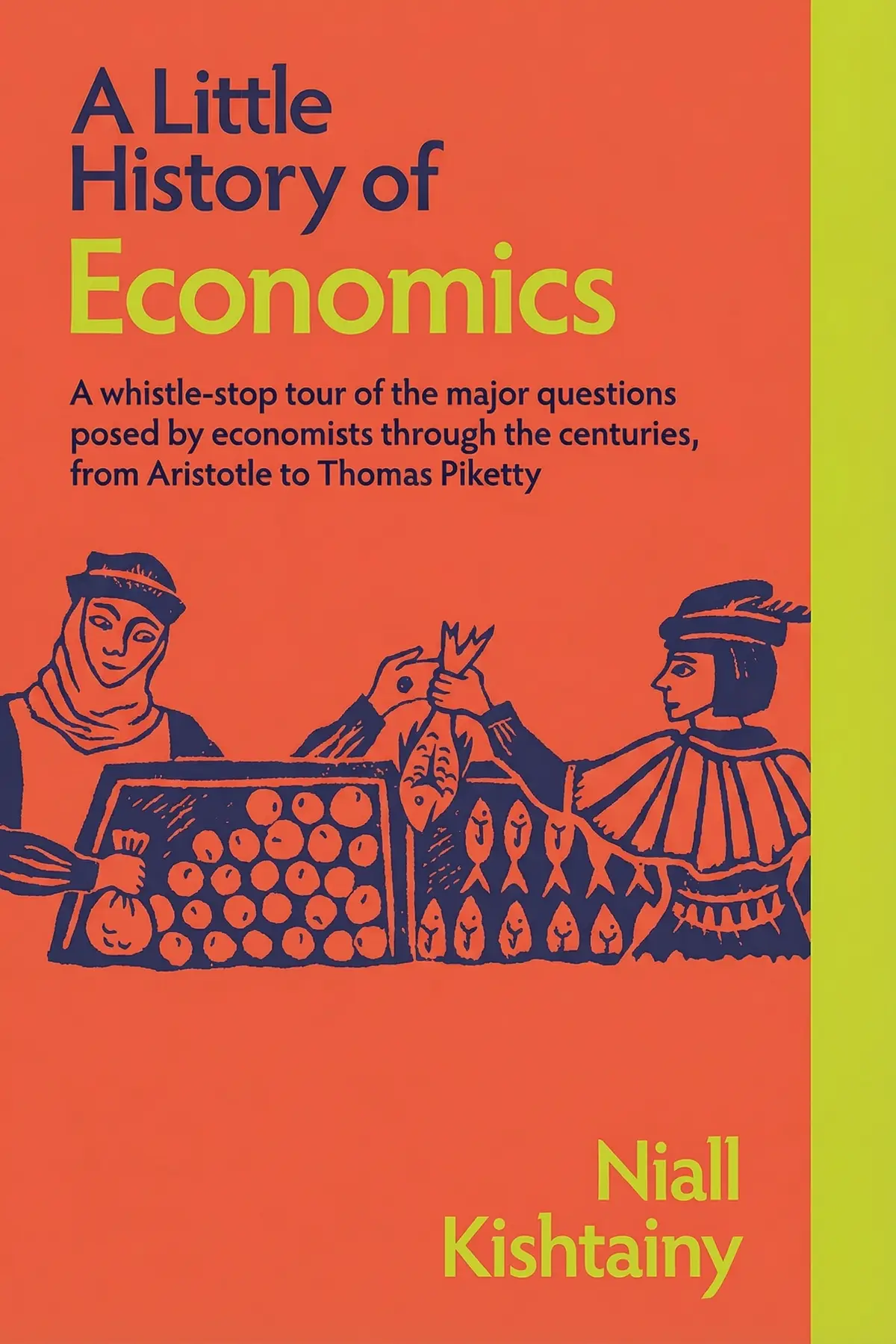
A Little History of Economics
Niall Kishtainy
AUDIO SUMMARY AVAILABLE
Listen to Age of Discovery in 15 minutes
Get the key ideas from Age of Discovery by Ian Goldin, plus 5,000+ more titles in English and Thai.
- 5,000+ titles
- Listen as much as you want
- 7-day free trial
- Cancel anytime







