

Adults in The Room: My Battle With Europe’s Deep Establishment
Yanis Varoufakis
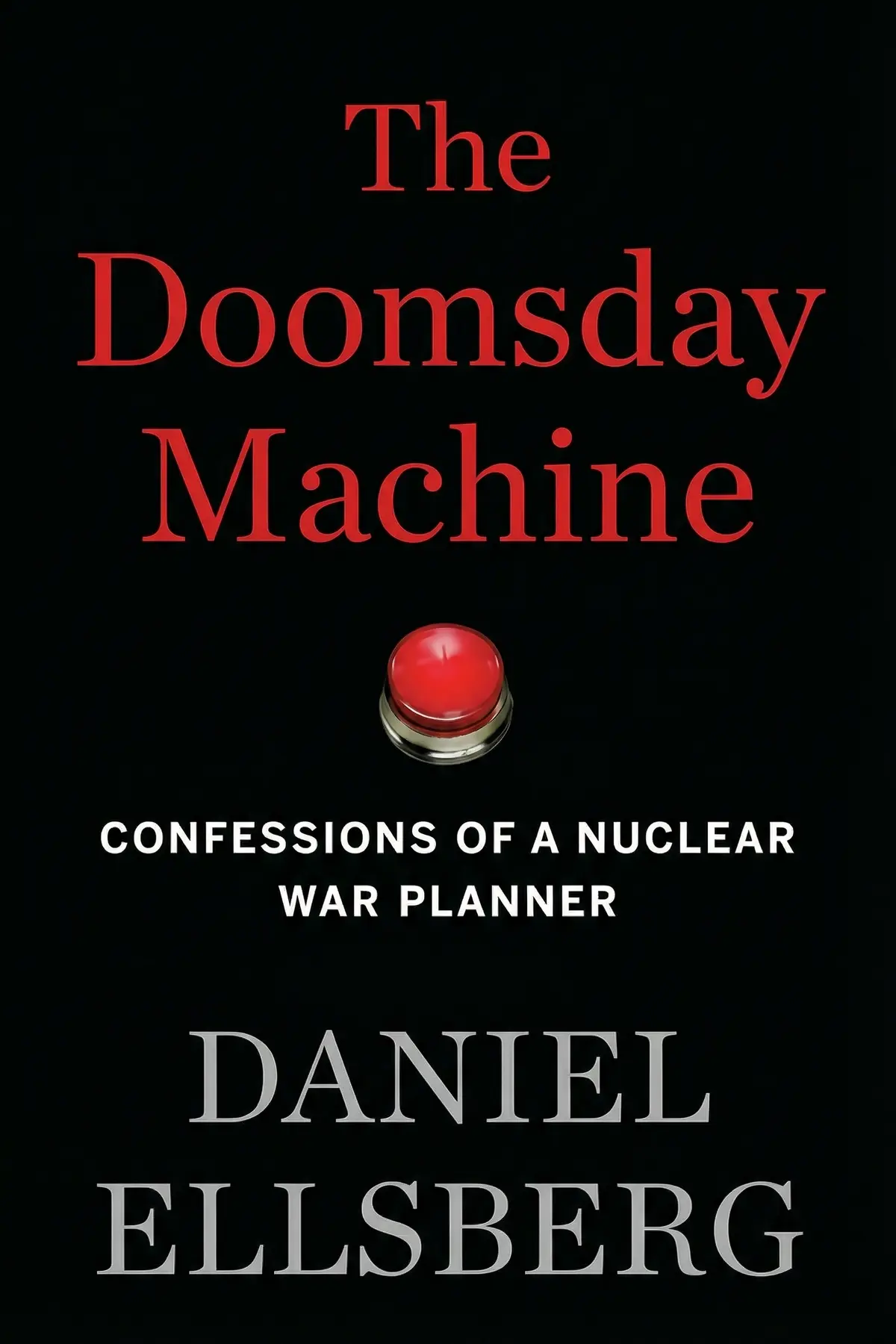
Daniel Ellsberg provides a chilling look at the hidden dangers of the world’s nuclear arsenals, revealing how the systems designed for protection actually bring humanity to the edge of total extinction.
1 min 27 sec
The common perception of nuclear war is one of absolute control. Most of us imagine a world where the power to end civilization rests solely in the hands of a single leader, governed by a rigid protocol and a mysterious briefcase known as the nuclear football. We take comfort in the idea that such a monumental decision is guarded by layers of fail-safes and rational deliberation. However, the reality of the situation is far more precarious and frightening than any movie could portray. There is a vast, automated, and often fragile machinery that hums beneath the surface of global politics, ready to trigger a catastrophe based on a misunderstanding or a technical glitch.
Daniel Ellsberg, the man who famously leaked the Pentagon Papers, spent years inside this very system. As a high-level military analyst for the RAND Corporation, he was tasked with peering into the gears of the American nuclear apparatus. What he found was not a carefully guarded vault of safety, but a “doomsday machine”—a system designed for speed and retaliation at the expense of human survival. This isn’t just a look back at the Cold War; it is a vital revelation about the structures that still exist today. In this exploration, we will look at the evolution of modern warfare, the terrifying gaps in the chain of command, and the true, hidden cost of a nuclear exchange that goes far beyond immediate casualties. It is a journey into the heart of a system that was built to protect us but has instead brought us to the edge of the abyss.
2 min 07 sec
Discover how the moral rules of war were systematically dismantled in the 20th century, turning innocent city-dwellers into the primary targets of military strategy.
1 min 44 sec
Explore the internal struggle of the scientists and planners who built the most dangerous weapon in history in hopes of preventing it from ever being used.
1 min 41 sec
Delve into the high-stakes world of military analysis, where the speed of technology outpaced the ability of humans to control it.
1 min 56 sec
Uncover the hidden reality of the nuclear chain of command, where authority was spread far thinner than the public was ever told.
1 min 47 sec
Follow the analyst’s journey as he tried to inject sanity into a system that was seemingly designed for total destruction.
1 min 44 sec
Learn why the early estimates of nuclear casualties were drastically low, and how the true cost of war is the literal darkness of the earth.
1 min 47 sec
Revisit the Cuban Missile Crisis to see how close we came to the end, and how the fate of humanity rested on the shoulders of a single sub-commander.
1 min 53 sec
Find out why the threat hasn’t vanished with the end of the Cold War and what it will take to truly secure our future.
1 min 24 sec
The journey through Daniel Ellsberg’s experiences reveals a sobering truth: we have lived for decades in a state of borrowed time. The systems we have built to ensure our security are the very things that pose the greatest risk to our existence. From the normalization of civilian targeting in the early 20th century to the delegated launch authorities that still exist today, the machinery of nuclear war is a testament to human ingenuity gone wrong. We have created a world where a technical glitch or a single stressed officer can trigger a climate catastrophe that would starve every nation on Earth.
But this is not a message of despair; it is a call to action. The first step toward safety is the dismantling of the myths that surround these weapons. We must move beyond the illusion of the “nuclear football” and recognize the systemic dangers of high-alert arsenals. By fostering a global movement for transparency and pushing for the removal of hair-trigger launch policies, we can begin to take the finger off the button. The existence of the doomsday machine is a choice we make every day through our silence. It is time to speak up, to join the movement for a nuclear-free future, and to ensure that the fate of the world is never again left to the whims of a machine designed for its destruction. Our survival depends on our ability to prioritize human life over the logic of a theoretical deterrent that has become a practical nightmare.
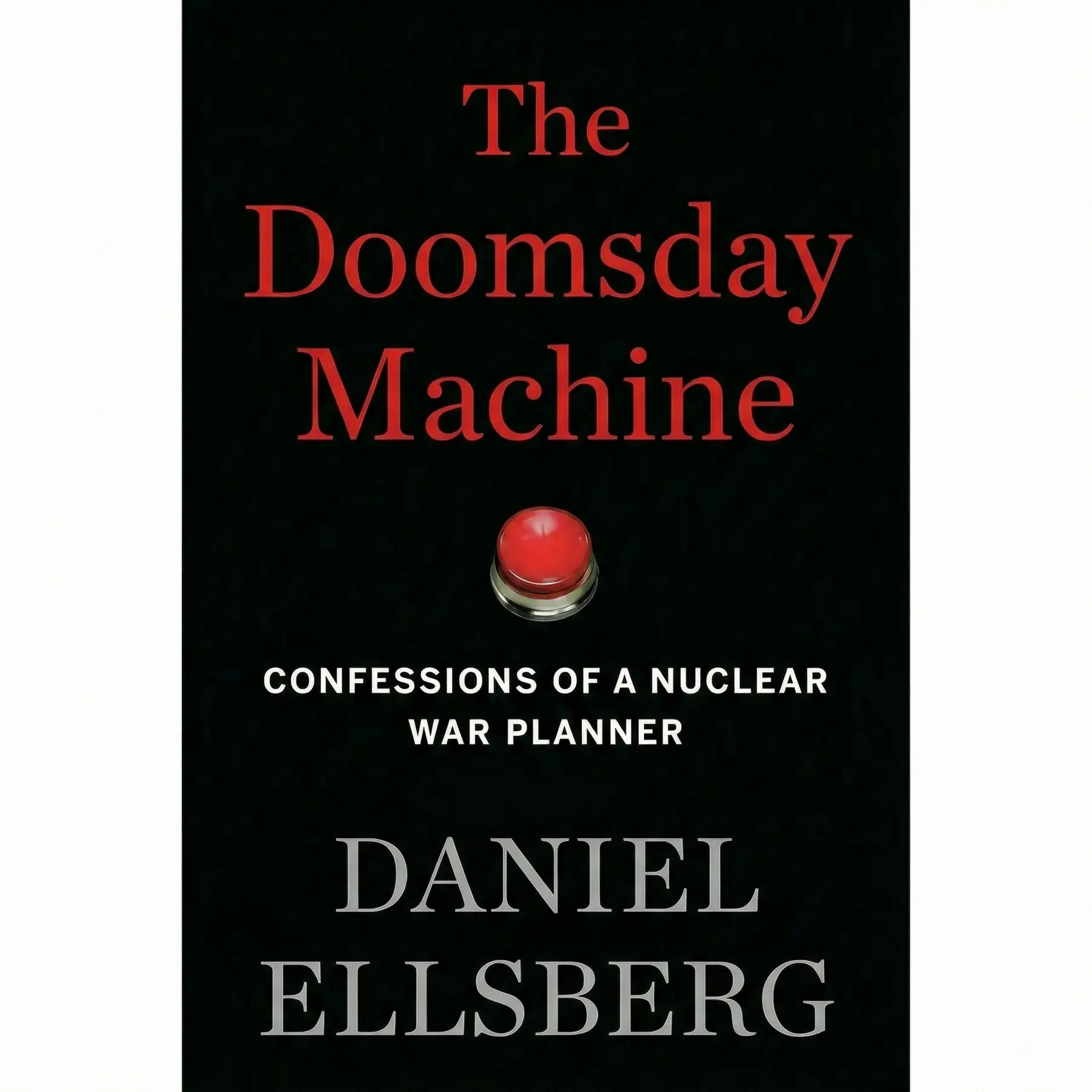
The Doomsday Machine offers an insider’s perspective on the terrifying reality of nuclear warfare planning. Daniel Ellsberg, the famed whistleblower, draws on his experience as a military analyst to expose how the United States and Russia have built systems capable of ending civilization. He moves beyond the public myths of the "nuclear football" to reveal a much more chaotic and precarious structure of delegated authority and hair-trigger alerts. This summary explores the historical shift toward targeting civilians, the flaws in military command that could lead to accidental war, and the catastrophic environmental consequences of a nuclear exchange. It provides a sobering promise: by understanding the true nature of these doomsday machines, we can begin to advocate for the dismantling of the systems that threaten our collective future.
Daniel Ellsberg is a renowned activist, whistleblower, and former military advisor to the United States. He is most famous for releasing the classified Pentagon Papers in 1971, which exposed the history of US involvement in the Vietnam War. He is also the author of Secrets: A Memoir of Vietnam and the Pentagon Papers.
Listeners find this work to be a revelatory and worthwhile experience, noting its meticulous detail and rigorous reporting. It is viewed as essential reading for a global audience, with one listener highlighting it as a crucial text for students of international relations. Although the prose is well-regarded, listeners are divided on the pacing; some find the narrative gripping, while others struggle to get through it.
If you think the "nuclear football" is the only way a war starts, you are dangerously mistaken. Ellsberg dismantles the myth of centralized control by revealing that strike authority was delegated to numerous commanders during the Cold War. It’s a terrifying realization. The book is a masterclass in whistleblowing, exposing how "deterrence" was often a cover for first-strike fantasies that would have led to a billion deaths. I appreciated the inclusion of the "Nuclear Winter" data, which proves that even a "successful" strike would end in global starvation. Though the prose can be a bit heavy on acronyms, the urgency of the message makes it mandatory reading for everyone. Truly an eye-opening experience.
Show moreDaniel Ellsberg provides a chillingly detailed account that makes "Dr. Strangelove" look less like a satire and more like a documentary. The truth is that the level of delegation Eisenhower gave to theater commanders meant that dozens of people had the power to start a nuclear war. It is eye-opening. Ellsberg’s memory of the 1961 plan to kill 600 million people—including hundreds of millions of innocent Chinese citizens—is something that will stay with me forever. I did find the biographical bits about his brother’s house and the lost papers a bit long-winded, but the core message is undeniable. This is a rigorous, terrifying report on the institutionalized madness that still governs our world today.
Show moreEvery citizen of a nuclear-armed nation needs to sit down and process the reality of delegation that Ellsberg exposes here. We often imagine a single button, but the reality is a sprawling, fragile system of "Doomsday Machines" that are prone to false alarms and accidents. It’s scary stuff. The book is rigorously reported, drawing on declassified documents that prove our leaders were often fantasizing about "first-strike" victories rather than true deterrence. I was particularly struck by the "Madman Theory" and how it played out under Nixon. We need to revive the disarmament movement immediately. This isn’t just history; it’s a warning for our current political climate.
Show moreWow, the section on the firebombing of Tokyo and the moral shift toward targeting civilians was the most haunting thing I’ve read all year. Ellsberg argues that the leap from conventional firestorms to the atomic bomb was shorter than we like to admit. It’s a sobering thought. He tracks the history of aerial bombardment with a critical eye, showing how we normalized the "creative destruction" of entire cities. The descriptions of "atmospheric ignition" risks during early tests are enough to give anyone nightmares. While some chapters are heavy on names and acronyms, the emotional weight of the subject keeps the pages turning. This is mandatory reading for anyone interested in ethics or military history.
Show moreEver wonder how close we actually came to total annihilation during the Cold War? This book is a gut-punch of reality that suggests we survived purely by accident. Ellsberg details a 1961 plan where the U.S. was prepared to wipe out 600 million people, including the entire population of China, even if they weren't involved in the conflict. It’s madness. The prose is gripping, though the sheer weight of the information can be quite depressing to sit with for long periods. You will never look at global security the same way again after reading about the Soviet submarines during the Cuban Missile Crisis. We are all living on borrowed time.
Show moreAs a student of international relations, I found this volume absolutely essential but occasionally overwhelming with its acronym-heavy prose. The truth is that Ellsberg’s insider perspective provides a level of detail you simply won't find in standard textbooks. He meticulously tracks how the U.S. moved from tactical defense to a first-strike posture that targeted civilian populations with chilling efficiency. My only gripe is that the middle sections drag, becoming a bit repetitive regarding the RAND Corporation’s internal politics. However, the revelations about the "missile gap" being a total fabrication are worth the price of admission alone. It is mandatory reading for anyone who wants to understand why the Doomsday Clock is ticking so loudly today.
Show moreNot what I expected from the man who leaked the Pentagon Papers, as this feels much more personal and retrospective. The story of how he lost his original documents at his brother's house adds a layer of human tragedy to the global stakes. It is quite moving. Ellsberg’s transition from a "cold warrior" at RAND to a dedicated activist is a compelling narrative arc that provides context for his later whistleblowing. Some might find the detail on "Military Keynesianism" and capitalist profit cycles a bit too academic, but I think it’s crucial for understanding the military-industrial complex. The writing quality is high throughout. It’s an eye-opening look at the men who planned the end of the world.
Show morePicked this up after hearing about the "Doomsday Machine" concept, and it truly changed how I view global security. The author isn't just a journalist; he was in the room when these plans were being drawn up. That makes the information feel incredibly authentic and terrifyingly urgent. Got to say, the pacing is a bit uneven, but the "eye-opening" nature of the declassified files makes up for the slow spots. It’s essential for international relations students who think the Cold War is just ancient history. We are still living under the shadow of these hair-trigger alerts. Buy it, read it, and then try to sleep soundly.
Show moreWhile the historical revelations about the Cuban Missile Crisis are genuinely shocking, the book suffers from a lack of focus in the middle chapters. I appreciated the detail about the USS Beale dropping practice depth charges on nuclear-armed Soviet subs, but the narrative flow is constantly interrupted by technical jargon. To be fair, Ellsberg is a whistleblower of unparalleled stature, yet his prose can be quite dense. The transition from the Pentagon Papers to his work as a nuclear war planner feels a bit disjointed at times. Still, the underlying argument about "Nuclear Winter" and the absolute certainty of global famine following any exchange is a necessary wake-up call. It’s a solid 3-star read for me; important but difficult to digest.
Show moreFrankly, I struggled to get through the dense military jargon and found Ellsberg’s self-congratulatory tone quite distracting. To be fair, the subject matter is vital, but the narrative often feels like a series of anecdotes where the author is the only person in the room with any sense. He admits to his mistakes only in the context of being "wrong to cave in" to superiors, which feels less like humility and more like a backhanded way to assert he was right all along. The constant use of alphabet-soup acronyms made the pacing feel glacial for a non-specialist reader. It’s an important document, but the execution left me cold.
Show moreYanis Varoufakis
Yuval Noah Harari
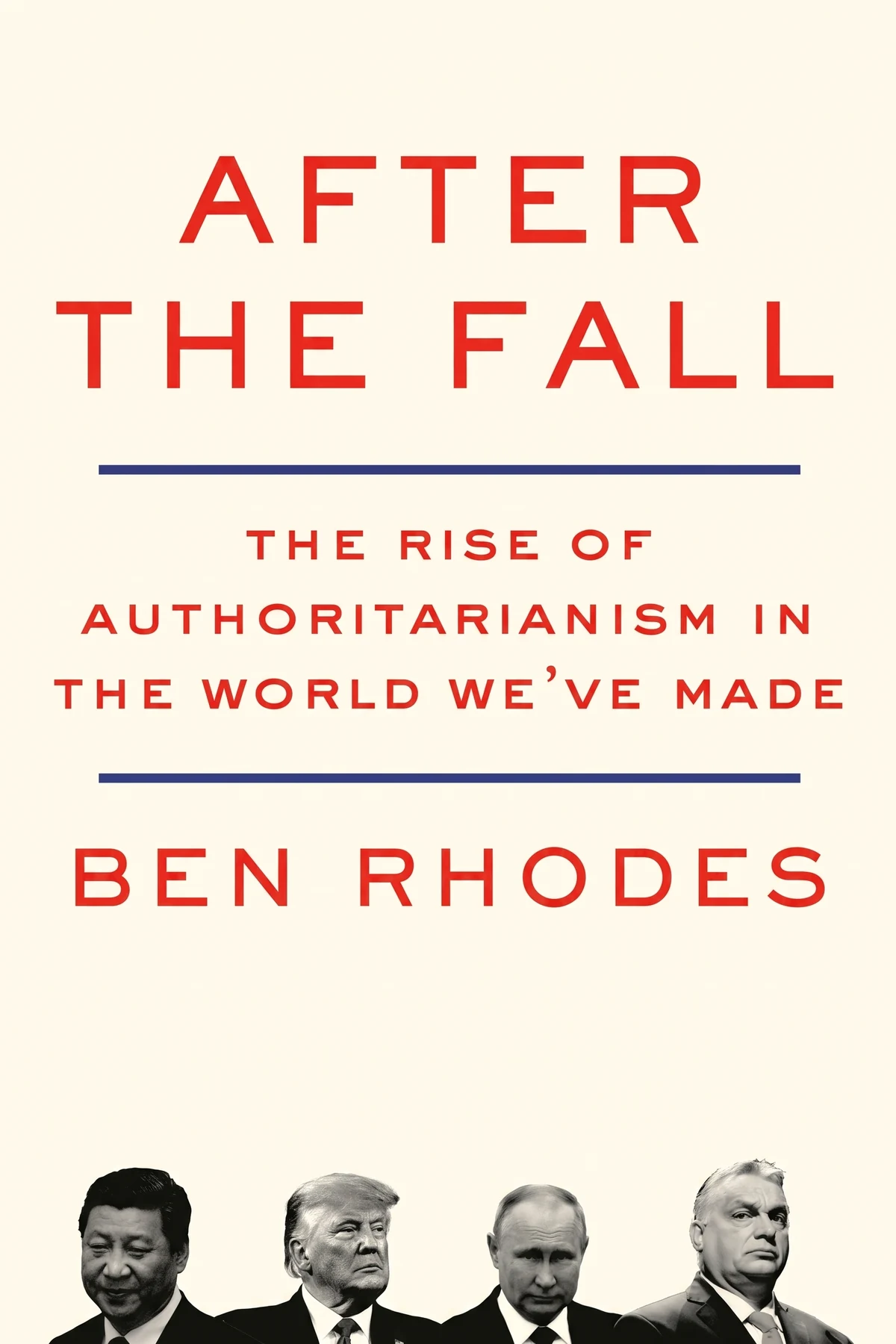


Jacinda Ardern
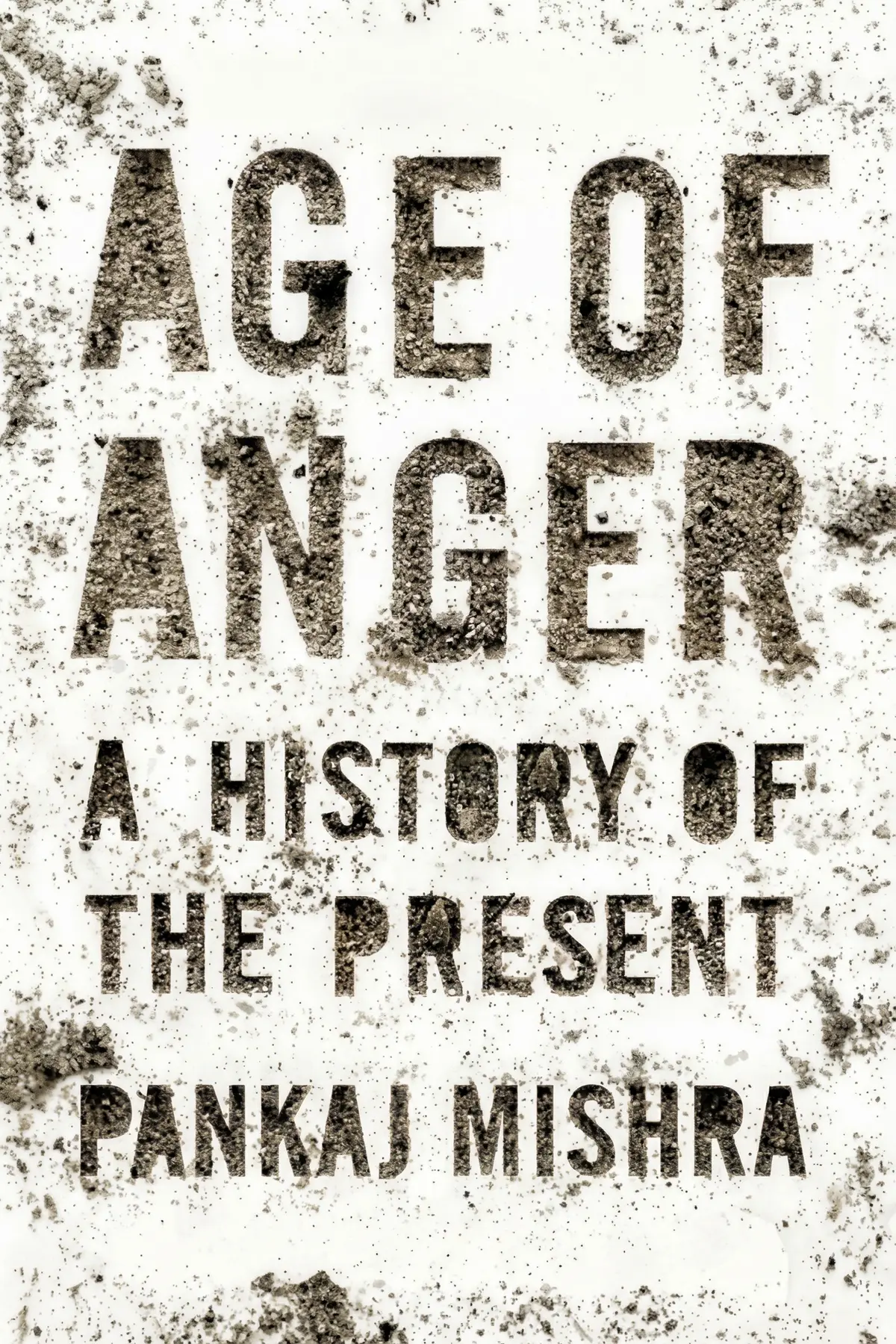
Pankaj Mishra

Michael Axworthy
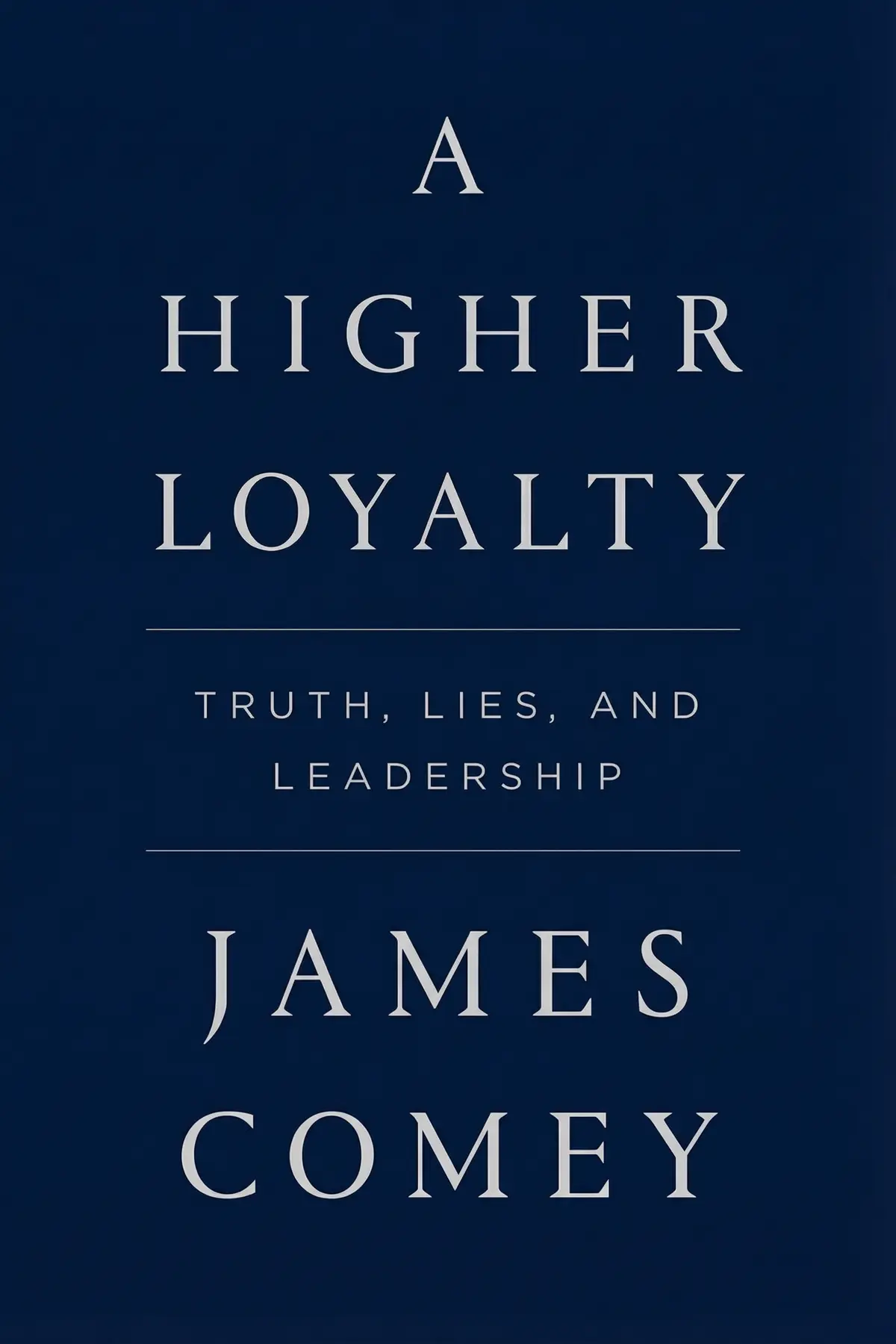
James Comey
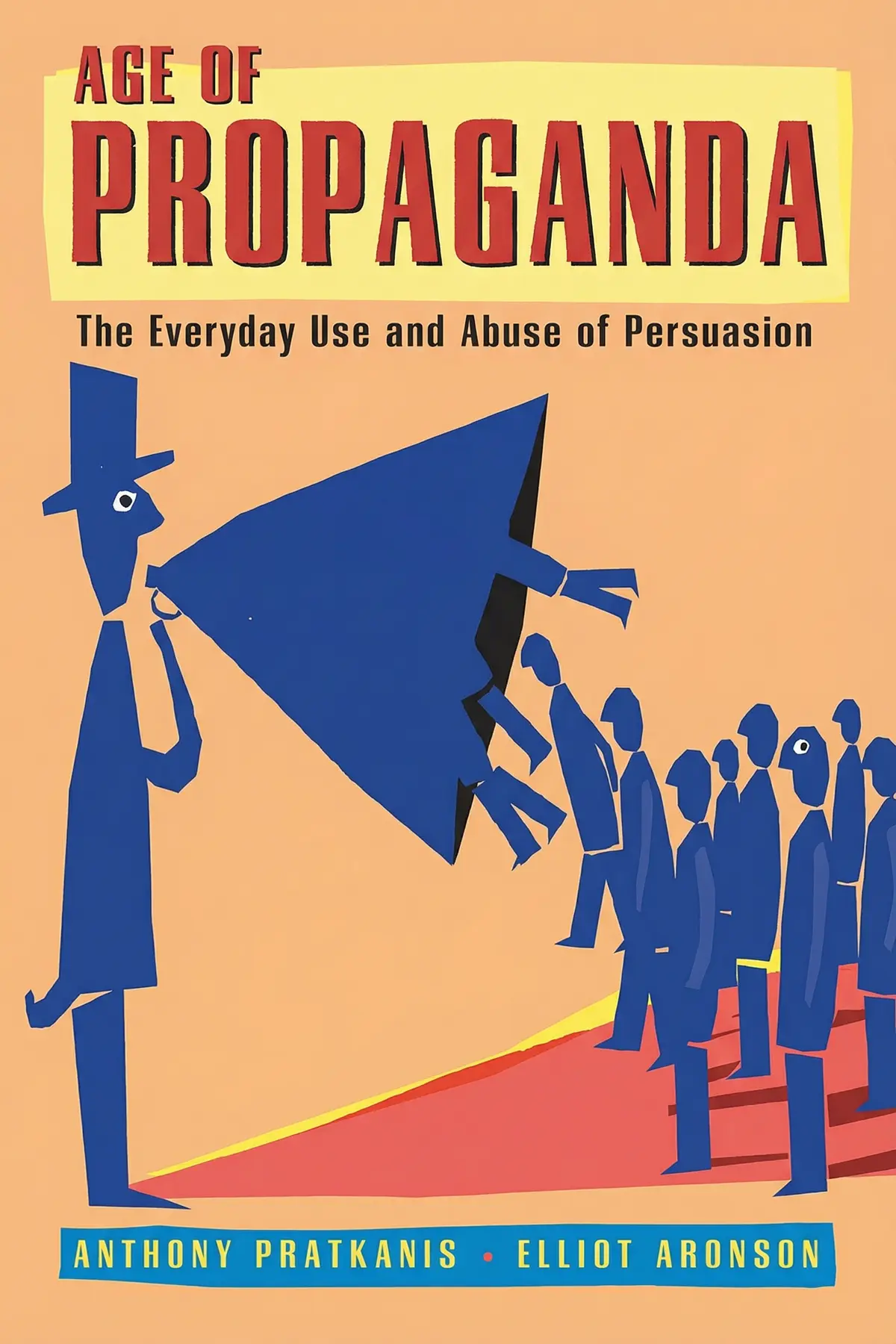
Anthony Pratkanis
AUDIO SUMMARY AVAILABLE
Get the key ideas from The Doomsday Machine by Daniel Ellsberg, plus 5,000+ more titles in English and Thai.







