
22 min 40 sec
The Entrepreneurial Bible to Venture Capital: Inside Secrets from the Leaders in the Start-up Game
An in-depth exploration of the professional investment world, this guide provides entrepreneurs with the strategic tools needed to secure funding, manage investor relations, and navigate the complex path to a successful business exit.
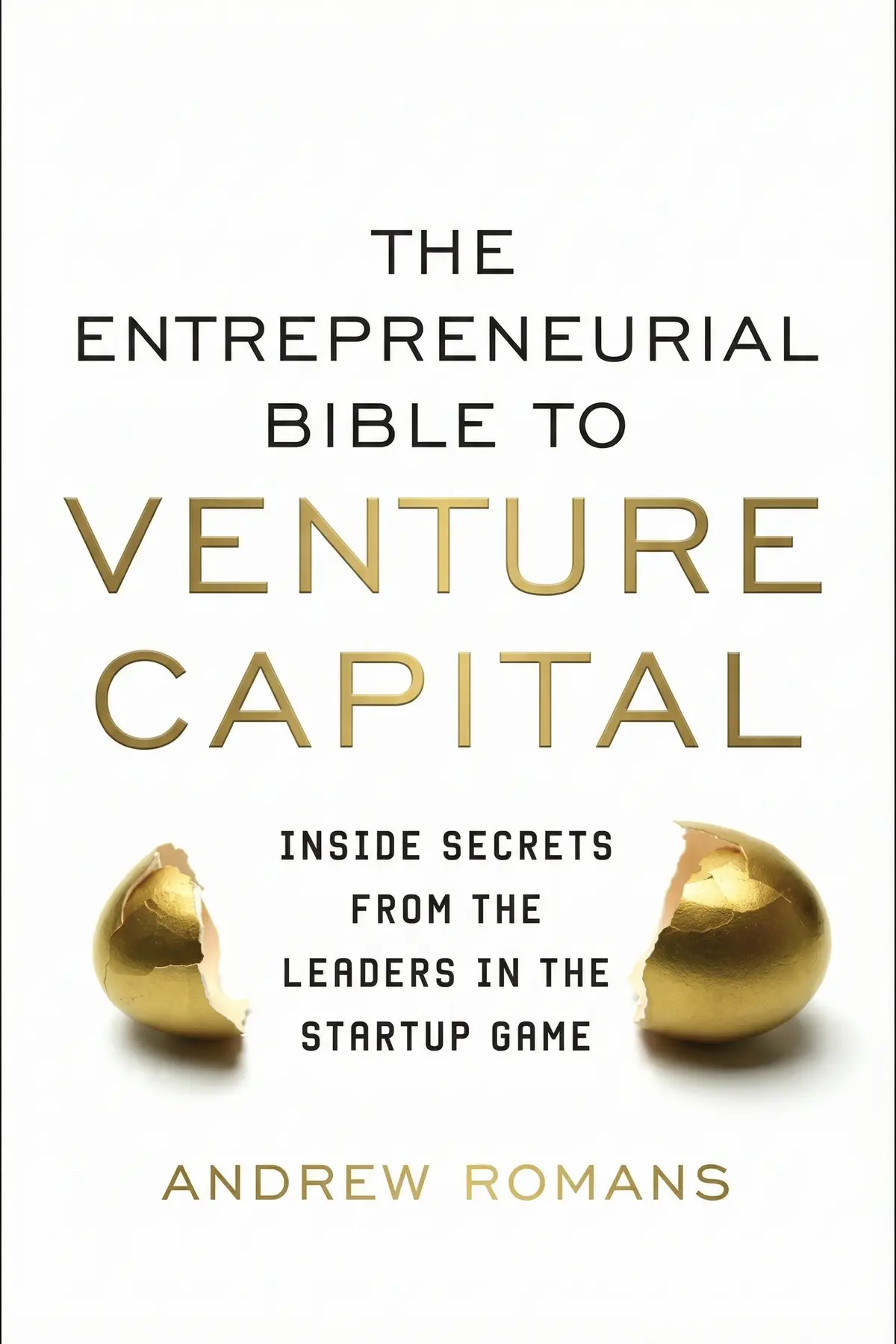
Table of Content
1. Introduction
1 min 41 sec
Imagine you are standing at the base of a massive mountain. You have the gear, you have the map, and you have the passion to reach the summit. But there is one thing missing: the oxygen and the specialized support team required to make it through the thin air of the highest peaks. In the world of business, that oxygen is venture capital. It is the high-octane fuel that allows a small, innovative spark to grow into a global powerhouse. However, the path to securing that fuel is often shrouded in mystery and governed by unspoken rules.
This is where our journey begins. We are exploring a definitive guide designed to pull back the curtain on the venture capital industry. It isn’t just about getting a check; it’s about understanding a complex ecosystem of risk, reward, and partnership. Throughout this summary, we will walk through the entire lifecycle of the entrepreneurial journey as seen through the lens of professional investment.
We will start by looking at the fundamental nature of venture capital—what it is and, perhaps more importantly, what it isn’t. From there, we’ll move into the strategic art of identifying the right investors, the subtle dance of relationship building, and the high-stakes environment of the boardroom. We will also explore the often-overlooked world of corporate venture capital and the ultimate endgame for every venture-backed startup: the exit.
By the time we finish, you will see venture capital not as a daunting obstacle, but as a strategic tool. Whether you are a first-time founder with a prototype or a seasoned executive looking to scale, the insights ahead are designed to provide the clarity and confidence needed to navigate the venture landscape. Let’s dive into the core principles of building a business that investors don’t just notice, but actively want to champion.
2. The Core Philosophy of Venture Capital
2 min 01 sec
Discover why venture capital is more than just a loan and how investors view the high-stakes relationship between risk and massive scale.
3. Identifying the Right Funding Partner
1 min 59 sec
Not all money is equal in the startup world. Learn how to filter potential investors to find the perfect match for your company’s stage and industry.
4. The Power of the Warm Introduction
1 min 50 sec
In a world of crowded inboxes, discover the social currency that separates successful founders from the rest of the pile.
5. Crafting a Vision of Scale
1 min 51 sec
It is not just about your product; it is about the story of your growth. Learn how to build a pitch that speaks the language of venture investors.
6. Understanding the Mechanics of the Deal
1 min 53 sec
Behind the big checks lie complex legal agreements. Explore the balance between valuation and control in a venture capital term sheet.
7. The Strategic Impact of Corporate Venture Capital
1 min 58 sec
Learn why getting investment from a major corporation is different from a traditional VC and how to manage the unique pros and cons.
8. The Vital Role of the Board of Directors
1 min 47 sec
Once the deal is signed, the real work begins. Discover how to work with your board to drive strategy and maintain accountability.
9. Navigating the Post-Investment Growth Phase
1 min 56 sec
Securing the money is just the starting line. Learn how to manage the pressure of rapid scaling and investor expectations.
10. Orchestrating the Successful Exit
2 min 04 sec
The venture cycle is not complete until there is a liquidity event. Explore the different paths to an exit and what they mean for you.
11. The Enduring Value of the Entrepreneurial Mindset
1 min 59 sec
Beyond the dollars and cents, venture capital is a test of character. Discover the long-term benefits of navigating this high-stakes world.
12. Conclusion
1 min 41 sec
As we reach the end of our exploration into the venture capital world, it’s important to reflect on the journey we’ve mapped out. We started with the fundamental philosophy of venture capital—the idea that this is a partnership built for extreme scale and high risk. We looked at the critical importance of finding the right partner, the power of the warm introduction, and the art of crafting a narrative that captures the imagination of those who hold the keys to capital.
We also dove into the technical side of the business: the term sheets that define the rules of the game, the strategic advantages of corporate investors, and the vital role of the board in guiding a company’s growth. Finally, we looked at the post-investment reality of scaling a business and the eventual goal of a successful exit.
The overarching theme of this journey is that venture capital is a strategic tool, not an end in itself. It is a means to achieve a vision that is too large to be realized through traditional growth alone. For the entrepreneur, success in this world requires a rare combination of visionary dreaming and disciplined execution. It requires you to be a master of your technology, a leader of your people, and a sophisticated navigator of financial and social networks.
As you move forward, remember that while the capital is essential, the person behind the idea is the most important factor. Investors are looking for founders who are resilient, adaptable, and deeply committed to their mission. The path will be filled with challenges, pivots, and moments of doubt, but equipped with the right knowledge and the right partners, the climb to the summit is possible. Take these insights and use them to build something that doesn’t just grow, but truly changes the world. Your journey into the venture capital landscape is just beginning, and the map is now in your hands.
About this book
What is this book about?
The Entrepreneurial Bible to Venture Capital serves as a comprehensive roadmap for anyone looking to understand the mechanics of startup financing. It moves beyond simple advice, offering a deep dive into how the venture capital ecosystem functions from the inside out. The book covers the entire lifecycle of a funded company, starting with the early stages of preparing a business for investment and moving through the critical phases of finding the right partners. Listeners will learn about the nuances of building authentic relationships with investors, the strategic importance of networking, and the technicalities of deal negotiation. The book also highlights the unique role of corporate venture capital and explains how to manage a board of directors effectively. By the end, the summary clarifies the ultimate goal of the venture journey: achieving a successful liquidity event, whether through an acquisition or an initial public offering. It promises to transform the way founders view their relationship with capital and control.
Book Information
About the Author
Andrew Romans
Andrew Romans is the co-founder of Rubicon Venture Capital, a venture capital firm that specializes in early-stage investment opportunities for start-ups in Silicon Valley.
Ratings & Reviews
Ratings at a glance
What people think
Listeners consider this book an essential resource that delivers actionable guidance for founders pursuing venture funding, with one review noting it is full of examples from industry leaders. Additionally, the writing is brief, addresses a variety of subjects, and provides genuine perspectives on the venture capital environment. Listeners also value the author’s expertise and narrative technique, while one review emphasizes the collection of stories from the top 40 venture capitalists.
Top reviews
Pannipa
This isn't just another dry textbook filled with clinical definitions of equity and exit strategies. As someone with a background in engineering, I deeply appreciated the passion Andrew Romans brings to the subject of building companies from nothing. The book feels like a masterclass in the VC mindset, providing a wealth of information that most business degrees simply fail to touch upon. I found the section on the stages of a startup, from formation to exit, to be incredibly clear and practically useful. Not gonna lie, I’ve spent countless hours trying to piece this together from blogs. Having it all in one place is a game changer. The inclusion of the top 40 venture capitalist insights adds a layer of credibility. If you dream of starting a company, you need this in your arsenal immediately.
Show moreJune
After hearing several founders mention this title, I finally decided to dive in and see if it lived up to the hype. Andrew Romans does a fantastic job of demystifying the venture capital world, specifically through his collection of stories from forty different VCs. Admittedly, some anecdotes feel repetitive. But the sheer volume of perspectives is impressive for any newcomer. The advice on how to build a board and what the 'other side of the table' expects is particularly sharp. It strikes a decent balance between being a guidebook and a collection of industry war stories. I think it’s a strong tool for anyone trying to navigate their first funding round without getting eaten alive. You might find some of the self-promotion a bit distracting, but the actual meat of the content is worth the time.
Show moreNang
The section on venture debt alone made this purchase worthwhile for my current fundraising efforts. It’s rare to find a book that discusses the more niche aspects of startup finance with such clarity and practical focus. Andrew Romans brings a colorful, story-telling style to a subject that is usually presented in a way that is incredibly boring and clinical. I appreciated the 'does and don'ts' list provided at the end of several chapters. They serve as quick references during a busy day. While I agree with other reviewers that the author can be a bit boastful, the actual insights from the VCs he interviewed are top-notch. It helped me understand what happens on the other side of the table when we are pitching. This book gave me the confidence to refine our story and approach our board meetings with a much better perspective.
Show moreDivya
For someone just starting out in the startup ecosystem, this book serves as a reasonable introductory map. It covers the basics of timing, technology, and team dynamics while weaving in various lessons learned from real-world experiences. Frankly, while the US-centric advice is solid, I found myself wondering how much of it applies elsewhere. The storytelling style is engaging. However, it sometimes sacrifices depth for the sake of being concise. I liked the focus on how to tell a compelling story to investors, as that's often where founders fail the most. It is not exactly a template for success, but it gives you enough context to know which questions you should be asking your lawyers and mentors. It's a middle-of-the-road resource.
Show moreFort
It’s a solid compilation of thoughts from a variety of heavy hitters in the venture world, but it lacks a cohesive thread. You get a little bit of history, a little bit of finance, and a whole lot of anecdotes. While the diversity of voices is a strength, it also makes the book feel a bit fragmented at times. I found the advice on building a board to be the most useful takeaway, though some other chapters felt like filler. Gotta say, the writing style is very conversational. This makes it an easy read for a flight or a weekend. However, I was hoping for more technical depth on valuation methods and term sheet negotiation. It’s a good starting point for a college business student, but maybe not for a seasoned executive.
Show moreNing
Ever wonder what VCs are actually looking for when they stare at your pitch deck? This book attempts to answer that by providing a peek behind the curtain of the Silicon Valley ecosystem. The truth is, the book is a bit of a mixed bag. The guest contributors provide stellar insights, while the main text can feel a bit repetitive. I think the 'noob friendly' label is accurate, as it explains the venture game in a way that doesn't require a prior finance degree. However, it doesn't quite replace the need for a dedicated legal or accounting guide when you’re actually closing a deal. It's a helpful companion to have while you're Googling terms. Just don't expect it to be a one-stop-shop for everything. It's a 3-star effort that succeeds in some areas while falling short in others.
Show moreNathan
While it lacks the day-to-day focus of something like Jeff Bussgang’s work, Romans provides a much broader view of the venture capital landscape. The book is packed with examples from giants of the industry, which helps ground the theoretical advice in actual reality. Personally, I found the early chapters a bit difficult to navigate because of the author's aggressive tone. Once you get past that, the book becomes significantly more valuable, offering real-world lessons on everything from formation to exit. It’s not a perfect resource. It certainly won't teach you everything about being a CEO. But for an entrepreneur looking to understand the trends and the 'crystal ball' of VCs, it’s a decent read. It’s a useful tool to have in your kit, even if it’s not the only one you’ll need.
Show moreWatchara
I wanted to like this more, but the author’s tone often got in the way of the message. Truth is, the first few chapters feel more like a personal highlight reel than a teaching tool. It's frustrating. While the information regarding the venture capital ecosystem is technically sound, it’s buried under layers of unnecessary ego and chest-pounding exercises. I appreciated the guest chapters significantly more because they offered a more grounded, analytical perspective on the finance game. If you can filter through the fluff, there is some decent advice on term sheets and legal hurdles, but it’s a slog to get there. Personally, I found the organization of topics to be somewhat scattered compared to other startup bibles. It’s just okay.
Show moreMaja
The title is a bit of an overstatement for what essentially feels like a long-form networking event in book form. While it promises to be an 'Entrepreneurial Bible,' it often skims the surface of complex topics like venture debt and legal structures. In my experience, entrepreneurs need more 'how-to' and less 'who-I-know.' Romans leans heavily into the latter throughout the text. There are moments of genuine insight, particularly regarding the mindset of angel investors, but these are few and far between. It feels like a missed opportunity to provide a truly deep dive into the mechanics of the venture game. Look, if you are a total noob, you might get something out of this. But experienced founders will likely find it redundant. It’s a decent enough primer, but definitely not the definitive resource it claims to be.
Show moreGung
To be fair, Romans clearly knows his stuff, but the delivery of this material is almost impossible to get through without cringing. The book is so self-indulgent that the actual information is completely overshadowed by name-dropping. I was looking for a systematic breakdown of venture capital finance, yet I found a disjointed collection of stories that felt poorly edited. It lacks the rigorous structure found in books by Brad Feld or other industry titans who prioritize the reader's education over their own brand. Every time a chapter started to get interesting, it veered off into a tangent about the author’s Founders Club. I really regret spending the money. So much better, more objective information is available online for free. This was a disappointing experience.
Show moreReaders also enjoyed

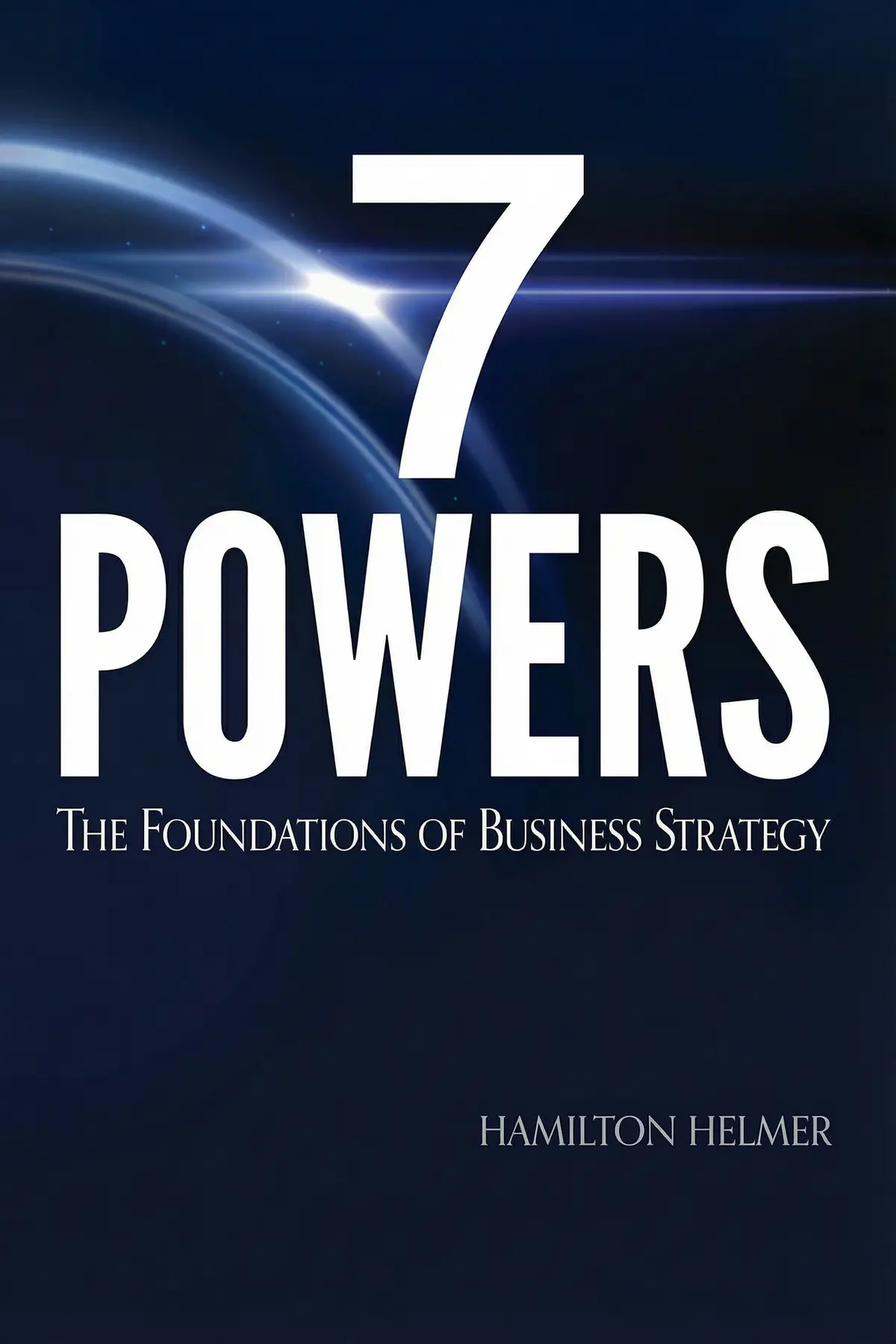
7 Powers: The Foundations of Business Strategy
Hamilton Helmer
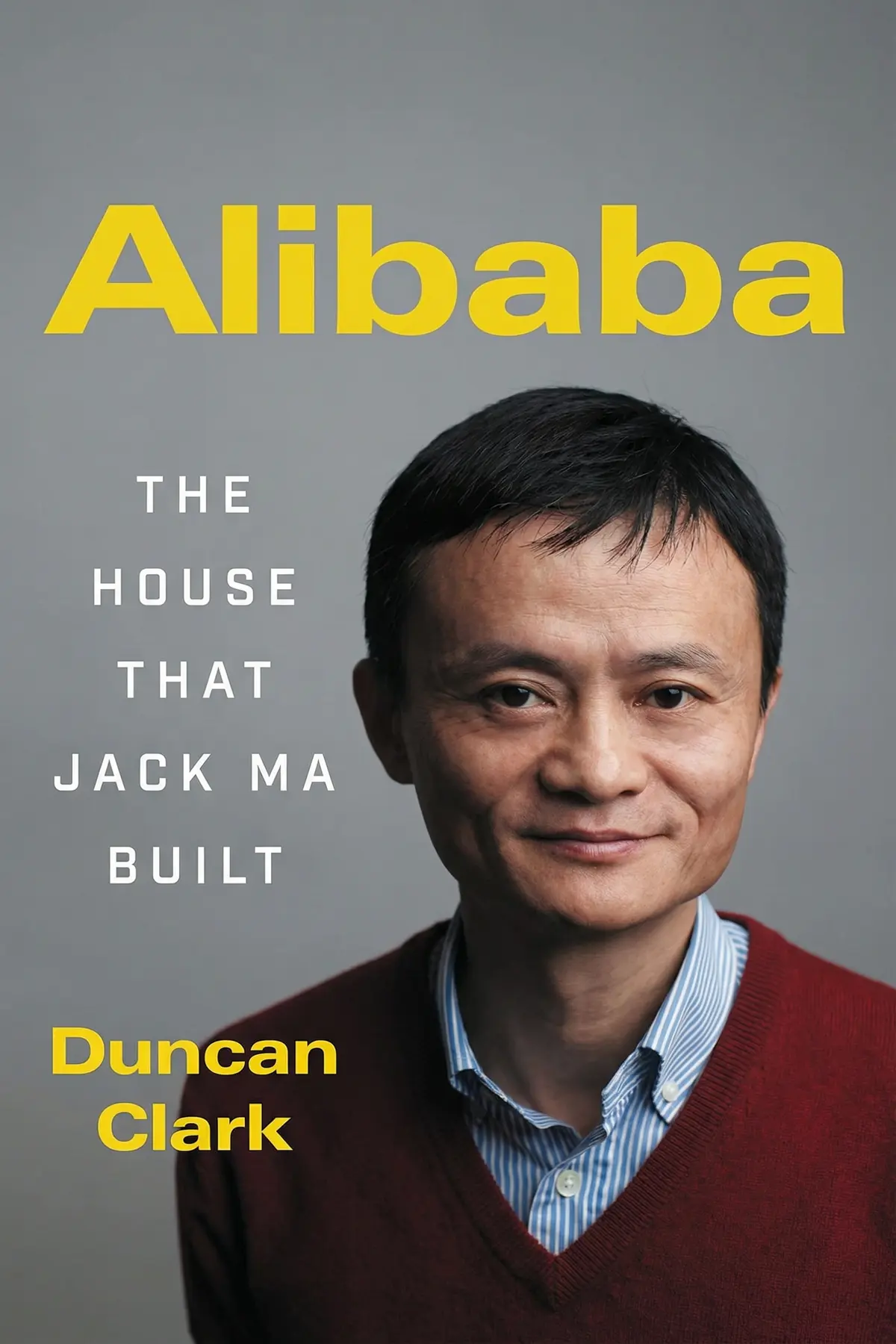
Alibaba: The House That Jack Ma Built
Duncan Clark

Bad Blood: Secrets and Lies in a Silicon Valley Startup
John Carreyrou
AUDIO SUMMARY AVAILABLE
Listen to The Entrepreneurial Bible to Venture Capital in 15 minutes
Get the key ideas from The Entrepreneurial Bible to Venture Capital by Andrew Romans, plus 5,000+ more titles in English and Thai.
- 5,000+ titles
- Listen as much as you want
- 7-day free trial
- Cancel anytime







