

All About Love: New Visions
bell hooks
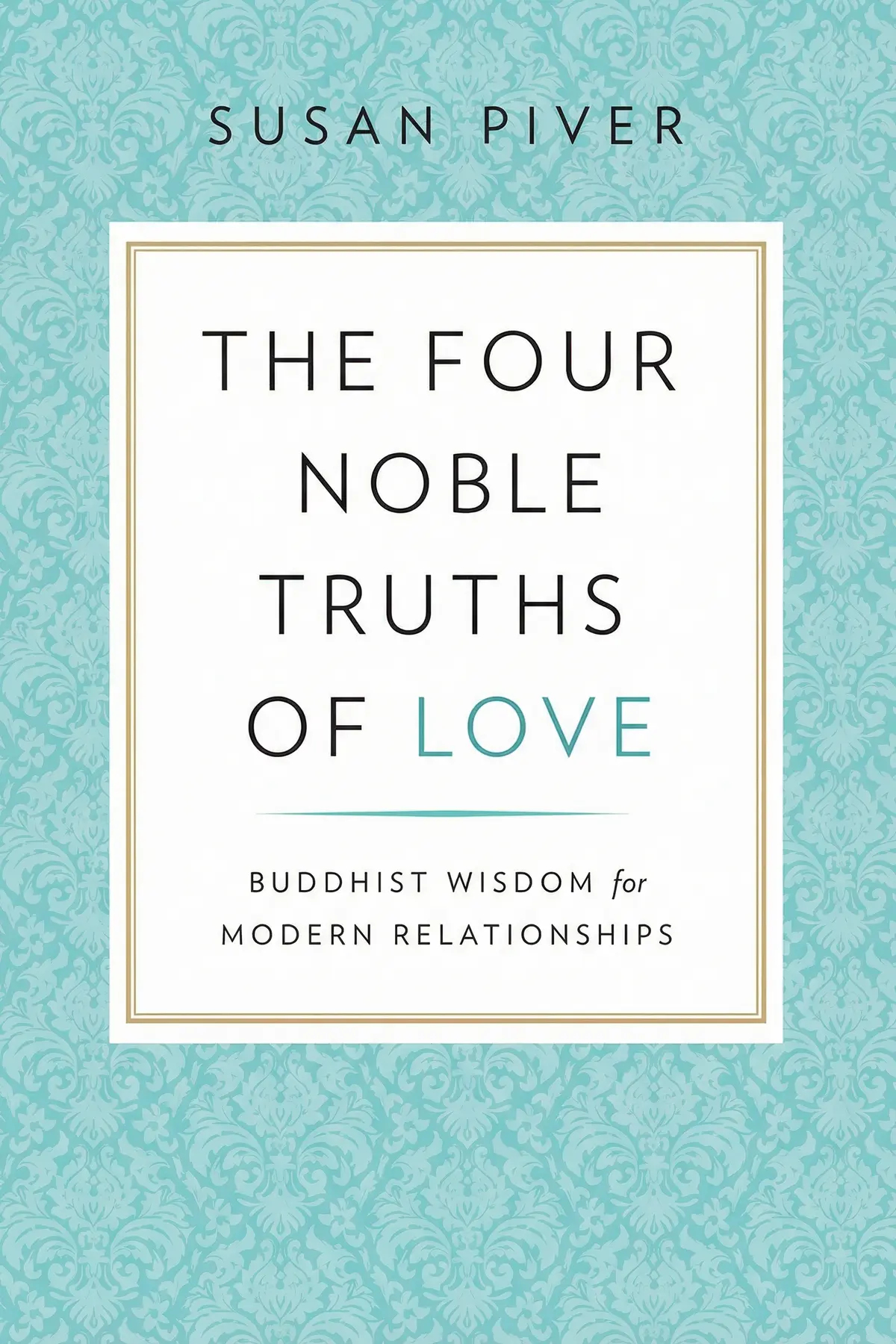
Discover how ancient Buddhist philosophy can transform modern romance. Susan Piver applies the Four Noble Truths to help couples embrace instability, drop unrealistic expectations, and cultivate a deeper, more resilient connection.
2 min 00 sec
Have you ever found yourself sitting in a quiet room with your partner, perhaps after a minor disagreement or even a wonderful dinner, and felt a nagging sense of unease? Even in our best moments, there is often a quiet whisper in the back of our minds asking if this will last, if we are doing it right, or why we can’t seem to reach a permanent state of bliss. We live in an era of unprecedented progress, yet when it comes to the matters of the heart, we seem stuck in a cycle of longing, jealousy, and heartbreak. With divorce rates hovering near fifty percent, it is clear that our modern approach to romance is missing a vital ingredient.
We often treat relationship problems like bugs in a software program—errors that need to be patched so the system can run smoothly again. But what if the friction, the boredom, and the occasional feeling of disconnection aren’t errors at all? What if they are the very fabric of love itself? To understand this, we have to look back over two millennia to the insights of Siddhartha Gautama, the man who became the Buddha. While it might seem strange to take dating advice from a celibate monk, the philosophy he developed wasn’t about escaping life; it was about seeing reality clearly.
In the following minutes, we are going to explore how the core tenets of Buddhist philosophy can be applied to your love life. We will move through the framework of the Four Noble Truths, adapted specifically for relationships. We’ll look at why we sabotage ourselves with impossible expectations, how the stories we tell ourselves about our partners create unnecessary distance, and how a simple shift in perspective can turn a struggling relationship into a profound spiritual journey. This isn’t about finding a ‘happily ever after’ that stays frozen in time. Instead, it’s about finding the ‘ever after’ that is alive, changing, and deeply resilient. Prepare to challenge your views on what love really looks like and discover how embracing the ‘mess’ can actually be the key to the intimacy you’ve been seeking.
2 min 37 sec
Explore the ancient origins of the Four Noble Truths and how a prince’s quest for meaning revealed the universal reality of human discomfort.
2 min 16 sec
Learn why the search for a conflict-free relationship is a myth and how accepting perpetual instability can actually lead to deeper intimacy.
2 min 16 sec
Discover how the Hollywood ideal of ‘everlasting passion’ creates a pressure valve that can actually burst the bonds of a healthy relationship.
2 min 07 sec
Shift your perspective from seeking a ‘safe harbor’ to embracing the wild, unpredictable journey of shared human experience.
2 min 09 sec
Uncover how the ‘blame game’ and our attachment to mental narratives can drive a wedge between us and the people we love most.
2 min 13 sec
Explore the practical tool of ‘meditative conversation,’ a step-by-step technique to align your hearts and minds in the heat of conflict.
1 min 59 sec
As we come to the end of our journey through these truths, it is worth reflecting on what love actually is. In our modern world, we are often sold a version of love that is self-absorbed—a search for a partner who acts as a mirror, reflecting back our own desires and making us feel constantly validated. But the ancient wisdom we’ve explored suggests something much more profound. Love is not a destination where we finally get everything we want; it is a way of being. It is a spiritual discipline that requires us to show up, over and over again, in the face of uncertainty.
The throughline of this philosophy is the courage to accept reality. When we stop fighting the fact that relationships are unstable, we stop wasting our energy on a battle we can never win. We can finally stop looking for the ‘exit’ every time a problem arises and instead look deeper into the eyes of our partner. We learn that ‘suffering’ in love isn’t a sign to leave; it’s often a sign to lean in. By dropping our attachment to fairy-tale stories and the blame game, we create space for a connection that is far more beautiful than any Hollywood script because it is real.
Take this wisdom into your life by starting small. Perhaps tonight, instead of turning on the television, you can try five minutes of silent presence with your partner. Or the next time you feel an argument brewing, try to ‘drop the story’ and simply tell your partner how you feel in your body. Remember that you are both travelers on a difficult, unpredictable road. The goal isn’t to find a path without rocks; it’s to find a hand to hold that makes the walking worthwhile. Love, in its truest form, is the ultimate act of mindfulness. It is the brave, open-hearted decision to say ‘yes’ to the entire experience—the joy, the pain, and everything in between.
The Four Noble Truths of Love offers a revolutionary perspective on why relationships feel so difficult and how that difficulty is actually the path to intimacy. By translating the core tenets of Buddhism—the reality of suffering, the cause of attachment, and the path to liberation—into the context of modern partnership, Susan Piver provides a roadmap for lasting love. This summary explores how our desire for a stable, frictionless relationship actually creates more instability. It challenges the common myths of Hollywood romance and offers practical, mindfulness-based tools to help couples communicate with radical honesty. The promise of this book isn't a perfect, problem-free marriage, but a relationship built on the profound courage to meet life’s inevitable ups and downs together.
Susan Piver is a long-time Buddhist practitioner and a celebrated author who specializes in making ancient wisdom accessible to contemporary audiences. She has written nine books, including acclaimed titles like How Not to Be Afraid of Your Own Life, The Wisdom of a Broken Heart, and Start Here Now. In 2011, Piver established the Open Heart Project, which has grown into the largest online mindfulness community in the world.
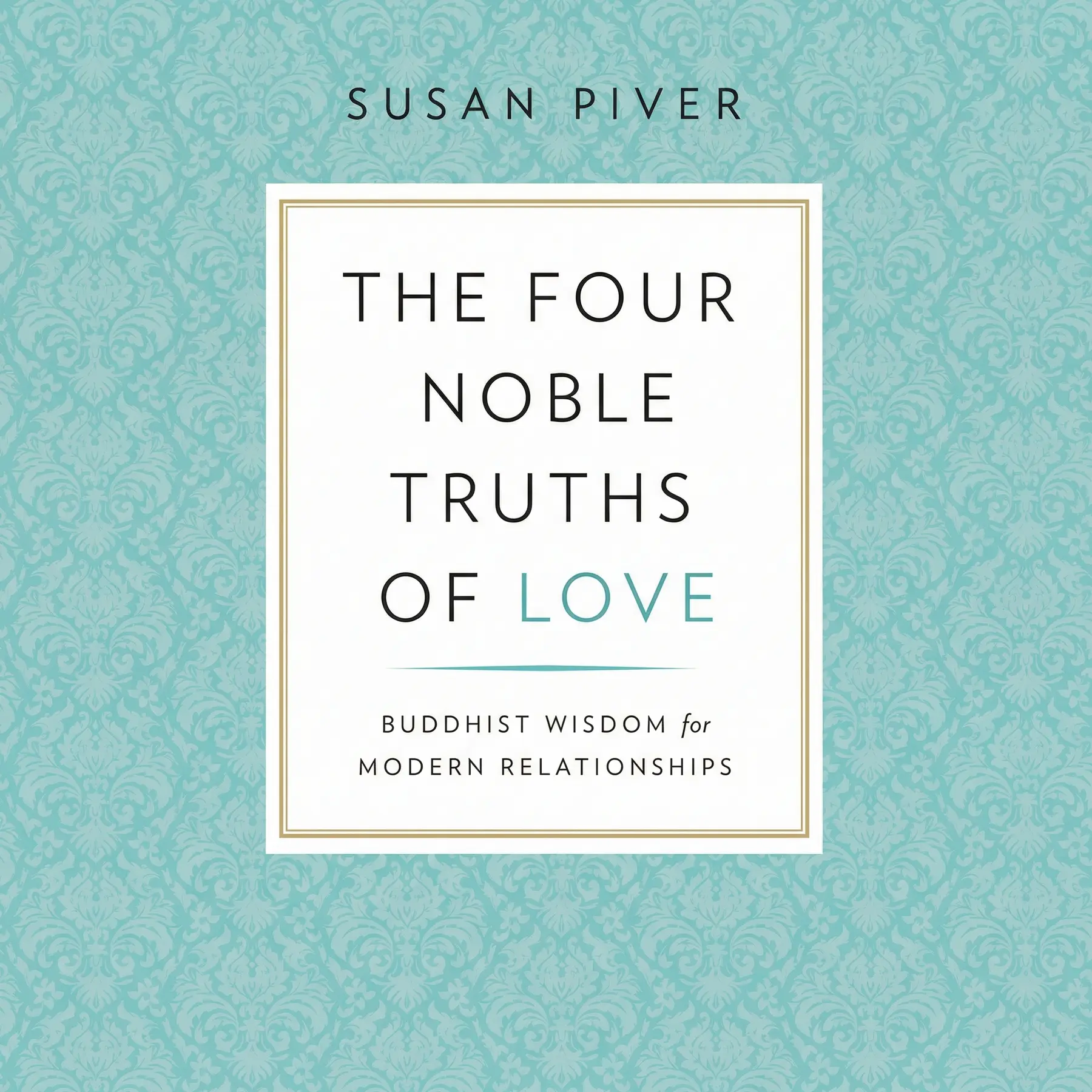
Listeners find that this guide provides profound perspectives on romance and partnership, offering advice on how to keep long-term bonds alive. Moreover, the material is lauded for its reflective viewpoint, practical perspective, and genuine feel, with one listener mentioning how the writer's personal history adds value to the text. Additionally, listeners value the prose style, with one pointing out the author’s truthfulness, and the way the book supports listeners through its empathetic method.
Susan Piver has a way of cutting through the romantic fluff that usually clutters the relationship section of a bookstore. Instead of promising a "happily ever after" based on constant passion, she applies Buddhist principles to show how love is actually a gritty, daily choice. I loved her honesty about her own marriage, especially when she talks about the ebb and flow of desire. It’s refreshing to hear that feeling "blah" or even annoyed with your partner doesn't mean the relationship is failing. The idea that we suffer because we expect stability in an unstable world changed my entire perspective. This isn’t just a book; it’s a toolkit for anyone who wants a partnership that can actually survive the real world. I’ve already started the daily meditation habit she recommends, and it’s helping me drop the "stories" I tell myself during arguments. Truly a gem for those seeking something deeper than a Hallmark card version of romance.
Show moreWow. This is the first relationship book that didn't make me feel like a failure for having a bad day with my partner. Piver's central thesis—that we harm our connections by holding them to impossible standards—is exactly what I needed to hear. Her writing style is compassionate yet firm, encouraging us to look at our attachments rather than just blaming the other person. The sections on the "blame game" and the stories we weave were particularly convicting for me. I’ve started doing the five-minute mindful listening exercise with my boyfriend, and the difference in our communication is already noticeable. It’s rare to find an author who feels like a friend sitting across from you with a cup of coffee. She doesn't pretend to have it all figured out, and that authenticity is what makes the advice actually land. If you’re tired of the "euphoria-only" narrative of modern romance, buy this immediately. It’s a beautiful and profound adventure.
Show moreThis book should be required reading for anyone thinking about getting married or moving in together. I’ve read a lot of self-help, but Piver’s approach is uniquely grounded in reality rather than fantasy. She teaches you how to embrace the "emotional turmoil" of a relationship instead of running away from it. I was deeply moved by the idea that true love is facing life’s journey hand-in-hand with a fellow traveler, through all the discomfort, confusion, and pain. The actionable advice about starting a meditation habit, even if it’s just ten minutes a day, has been a game-changer for my anxiety. Frankly, the world would be a much kinder place if we all learned to let go of our attachments with grace as she suggests. It’s an enlightening read that makes you feel armed with "adult" tools for the first time. It’s funny, relatable, and deeply wise. I've already ordered a copy for my sister.
Show morePicked this up during a particularly rough patch in my marriage and it was exactly the balm I needed. Piver doesn't offer sugary platitudes; she offers a way to be brave in the face of conflict. I finally understand that my relationship isn't "failing" just because we have disagreements or periods of distance. That realization alone has released so much pressure and allowed us to reconnect with more open hearts. The writing style is clear and pragmatic, making it easy to digest even when you're stressed. I especially liked the guided meditation suggestions for reestablishing connection. If you want a book that respects your intelligence and your struggle, this is it. It’s a beautiful reminder that love is dynamic and scary, but also the most profound adventure we can undertake. I’ll be keeping my copy on the nightstand for a long time. It is absolutely wonderful.
Show moreFinally got around to reading this after a friend recommended it for my tenth anniversary. To be fair, I went in skeptical because most "relational dharma" books feel a bit too airy-fairy for my taste. However, Piver is incredibly down-to-earth and her "no BS" approach really won me over. She takes the Four Noble Truths—traditionally about suffering and enlightenment—and maps them onto modern dating and marriage with surprising clarity. I did feel like some of the advice was a bit geared toward a specific demographic (monogamous, middle-class couples), which made it feel slightly limited in scope. That being said, the core message about ditching unrealistic expectations is something every couple needs to hear. The "container" concept was particularly enlightening for me and my spouse. We don't need to be perfect; we just need to be present and compassionate. It’s a solid 4-star read that offers practical wisdom without the usual self-help clichés.
Show moreAs someone who has studied basic Buddhist philosophy, I was curious to see how the Four Noble Truths would translate to romantic love. Piver does a masterful job of explaining how the "base-level discomfort" of life is inevitable in any long-term bond. The truth is, everything is transient, and trying to freeze-frame the honeymoon phase only leads to more suffering. I appreciated her distinction between a "love affair" and a "relationship," where one is self-involved and based on feeling good, while the other is about genuine, sometimes painful, connection. My only gripe is that the book can feel a bit narrow in its focus on the 1:1 dynamic, ignoring larger societal pressures that affect couples. Still, the invitation to "feel the feeling, drop the story" is powerful advice that I'm trying to implement daily. It's a thoughtful, authentic look at why we struggle and how we can stop making things harder for ourselves. Definitely worth a read for anyone in a long-term commitment.
Show moreThe chapter on the "blame game" hit me like a ton of bricks. I never realized how much energy I spent weaving stories to justify my bad moods instead of just feeling the emotion. Piver’s writing is incredibly honest, and she isn’t afraid to show her own shortcomings, which makes her advice much easier to swallow. In my experience, most relationship books try to sell you a "fix," but this one just helps you sit with the reality of the situation. It’s about softening the expectations you place on your partner and yourself. I did find some of the Buddhist terminology a bit dense at times, but she usually circles back to a practical application that makes sense. It’s a deep, thoughtful point of view that encourages compassion over perfection. A few sections dragged a bit, but the overall message is one that I’ll be chewing on for a long time. Highly recommended for those who want to build a better "container."
Show moreAfter hearing Susan Piver speak on a podcast, I knew I had to pick up this book. The truth is, most of us are addicted to the "love affair" stage and don't know what to do when things get real. Piver provides a compassionate roadmap for navigating that transition without losing your mind or your partner. I love how she describes love as a "call to action" rather than just a passive feeling you fall into. It’s a choice you make every single day, even when you’re "hangry" or exhausted. The book is very relatable, though I wish there was a bit more focus on how to handle external stressors like finances or career changes. But as a guide for the internal emotional landscape of a couple, it’s excellent. Her down-to-earth tone makes ancient wisdom feel incredibly modern and accessible. It’s a pragmatic yet profound look at how to sustain a long-term connection.
Show moreEver wonder why relationships feel so hard even when you love the person? This book attempts to answer that by using the lens of Buddhism, and while I found some chapters profound, others felt a bit repetitive. Look, I appreciate Piver’s honesty and her willingness to share the messy parts of her own life. But the constant back-and-forth about how "this might not work for you" started to grate on my nerves after a while. I wanted more concrete steps and fewer disclaimers. Also, the weirdly specific tangent about her husband’s Star Wars figures felt a bit petty, even if it was meant to show she’s not perfect. It’s a decent introduction to mindful loving, but it didn't quite hit the mark for me. If you’re looking for a strict "how-to" guide with a clear formula, you might find the philosophical approach frustrating. It is more of a meditation on being a fellow traveler.
Show moreI wanted to love this more than I did, especially given the glowing reviews from others in my meditation circle. Truthfully, the core concepts are incredibly valuable and Piver’s voice is undeniably authentic and warm. However, the book felt quite repetitive in the middle sections, hammering home the same points about expectations over and over. I also struggled with the lack of diversity in the examples provided; it felt very much geared toward a specific middle-class, monogamous experience. While the "relational dharma" is universal, the application here felt a bit limited for my specific life circumstances. I did appreciate the practical meditation tips at the end, though. It's a good primer if you're new to the idea of mindfulness in relationships, but seasoned practitioners might find it a bit light on new insights. Not a bad book by any means, just didn't quite live up to the hype for me personally.
Show morebell hooks

Daniel Goleman

Eckhart Tolle
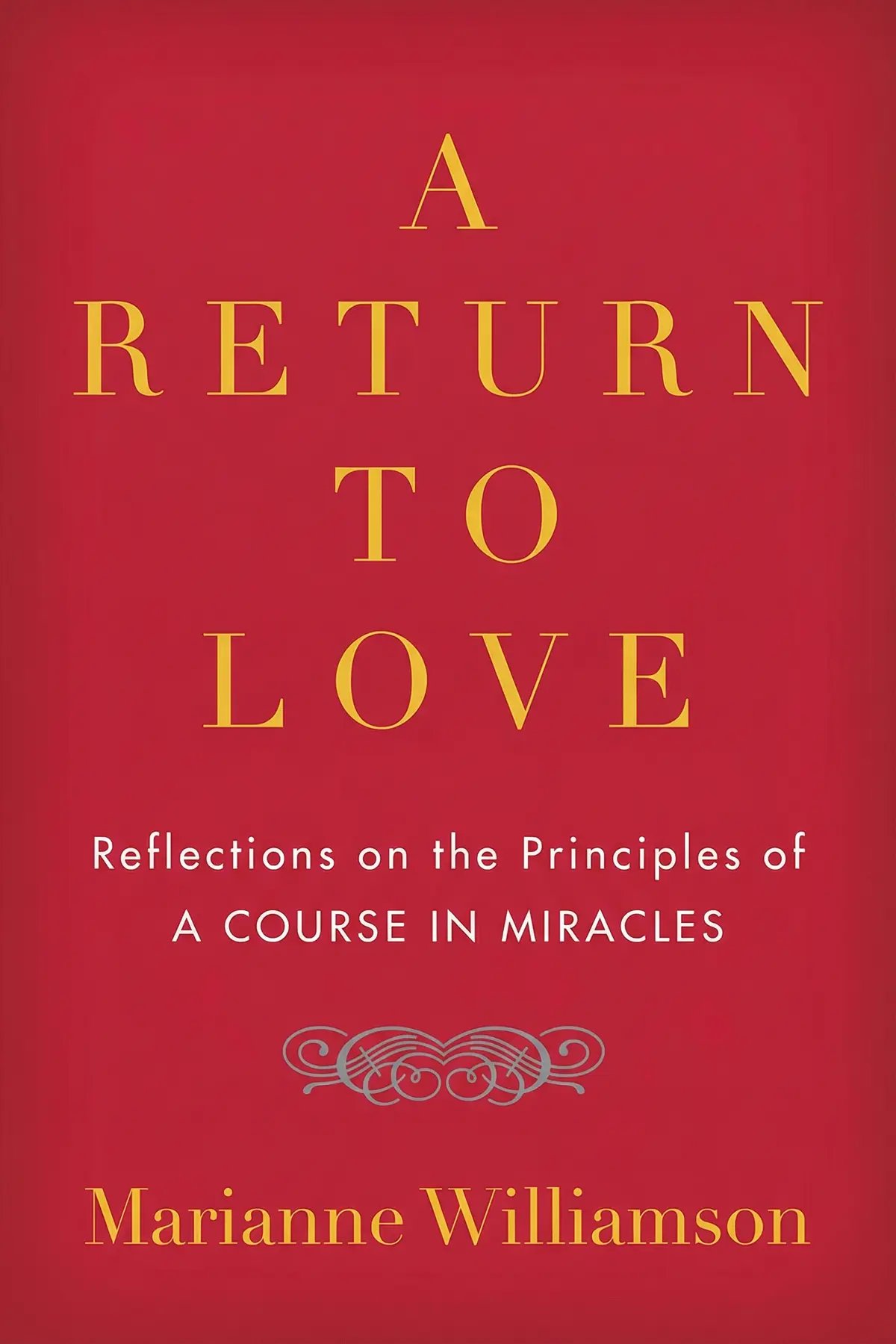
Marianne Williamson
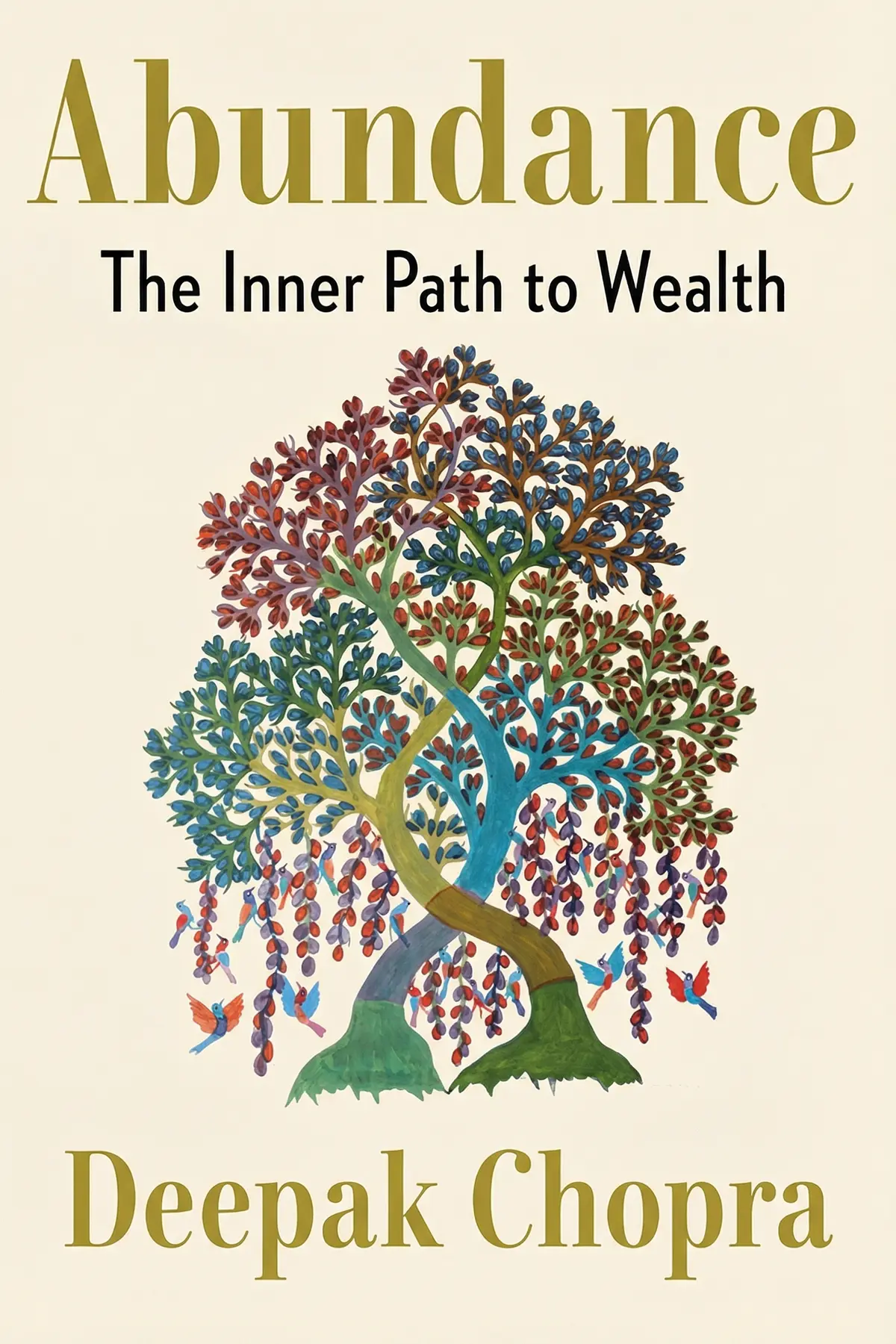
Deepak Chopra
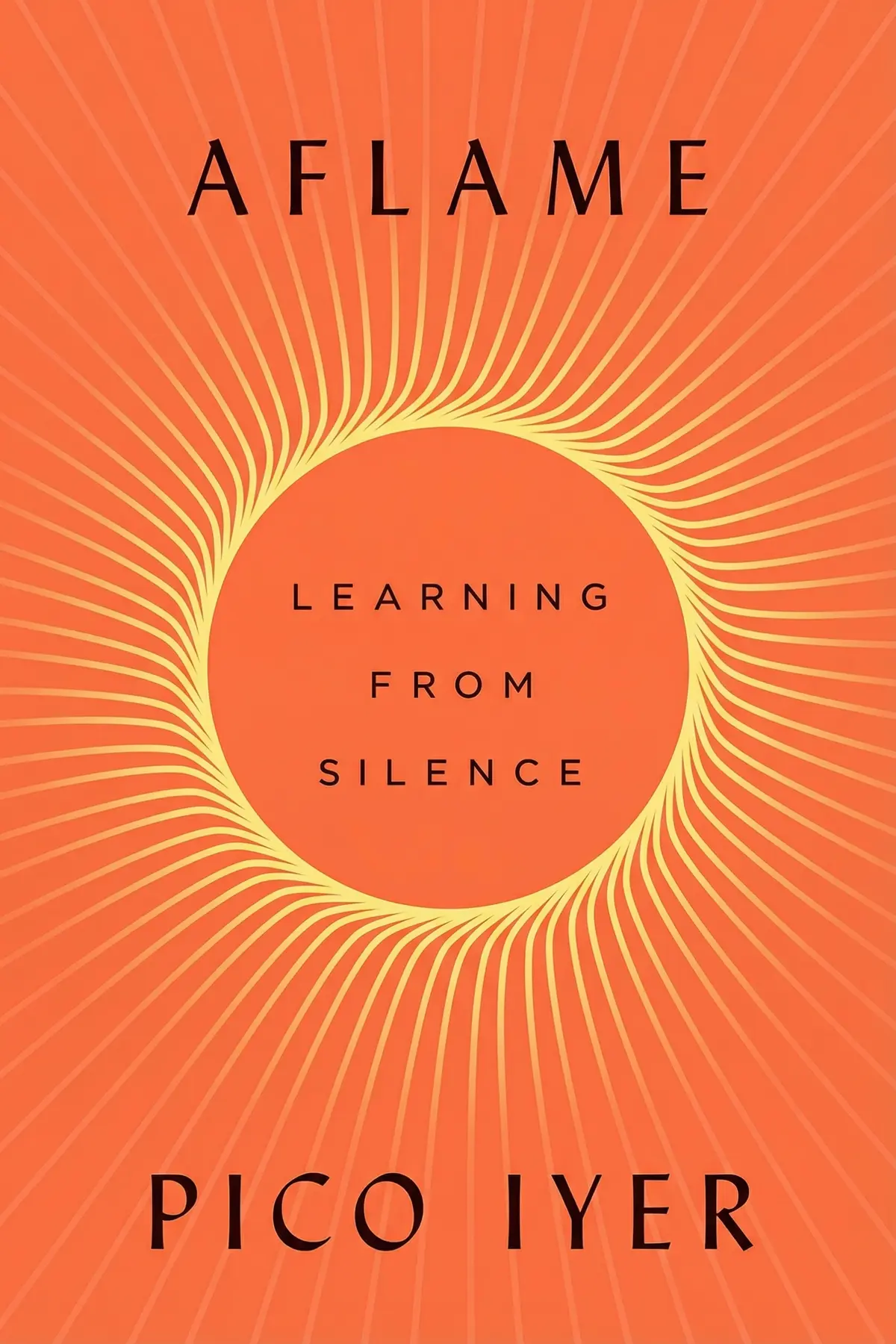
Pico Iyer
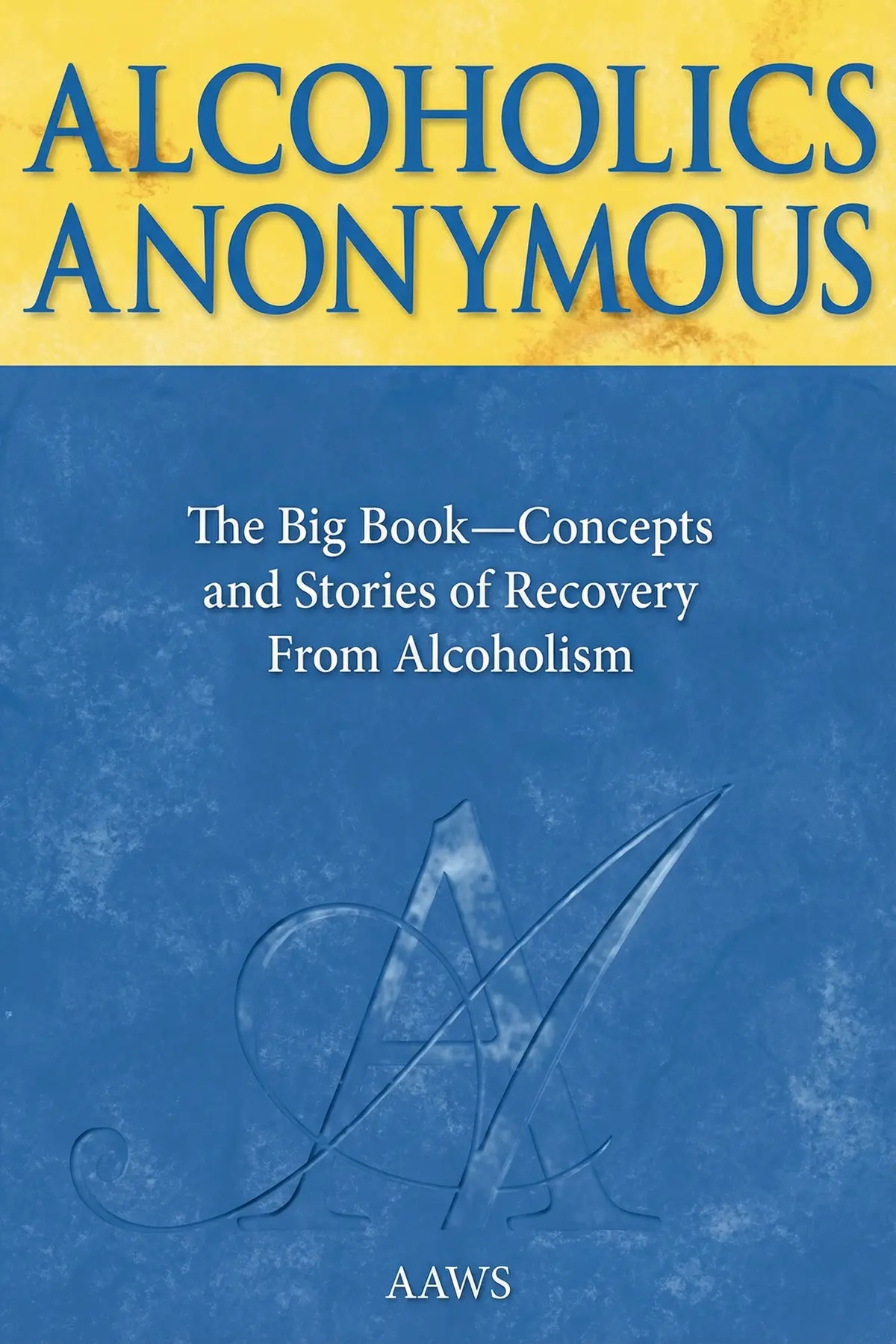
Alcoholics Anonymous World Services

Beth Moore
AUDIO SUMMARY AVAILABLE
Get the key ideas from The Four Noble Truths of Love by Susan Piver, plus 5,000+ more titles in English and Thai.







