
1929: Inside the Greatest Crash in Wall Street History--and How It
Andrew Ross Sorkin
The Knockoff Economy challenges the idea that copying kills creativity, arguing instead that imitation serves as a powerful engine for innovation across industries like fashion, tech, and even high-end cuisine.
2 min 14 sec
Think about the last time you heard about a major lawsuit in the music or movie industry. Most likely, it involved a creator or a corporation claiming that someone else stole their work. This is the dominant narrative of our modern economy: that creativity is a fragile resource that must be protected by a thick wall of legal barriers. The common wisdom tells us that if we allow people to copy each other, the incentive to innovate will vanish. After all, if a competitor can simply wait for you to do the hard work of inventing something and then duplicate it for a fraction of the cost, why would you ever invest the time and money to be first?
This perspective was famously championed by the band Metallica back in the early 2000s when they took on the file-sharing platform Napster. They argued that by allowing fans to copy music for free, the platform was essentially robbing artists of their livelihood and destroying the future of music. It’s a sentiment that resonates with many, but what if this entire worldview is based on a fundamental misunderstanding of how creativity actually functions?
What if, instead of being a parasitic force, copying is actually a vital fuel for progress? That is the provocative question at the heart of the exploration we are about to dive into. By looking closely at various sectors—from the world of high fashion and elite kitchens to the technical realms of computer programming and professional sports—we can see a recurring pattern: industries that lack strong copyright protections often turn out to be some of the most innovative and vibrant in the world.
As we walk through these ideas, we’ll move past the fear of the “knockoff” and see it for what it often is: a catalyst for the next big thing. We are going to examine why a chef might actually want their recipes to be shared, how a band can make more money by giving their music away, and why the absence of strict rules can sometimes lead to a more robust and creative marketplace. It’s a journey that shifts the focus from protection to participation, showing us that the most successful creators are often those who learn to thrive in a world of imitation.
2 min 53 sec
Explore why some of the world’s most creative fields flourish without any legal protection against copying, challenging the traditional belief that copyright is necessary for innovation.
3 min 00 sec
Discover how the act of copying serves as the very mechanism for progress in fields ranging from open-source software to world-class encyclopedias.
2 min 48 sec
Learn how small adjustments to existing ideas can lead to massive breakthroughs, using examples from historical inventions and modern design.
2 min 43 sec
See how creative communities use unwritten rules and peer pressure to manage imitation, often more effectively than formal laws.
2 min 46 sec
Explore how top performers in tech, finance, and sports use imitation as a deliberate strategy to refine their performance and stay competitive.
2 min 39 sec
See how the music and film industries are reinventing themselves, finding that creativity can actually thrive even when traditional sales decline.
2 min 48 sec
Uncover how knockoffs can serve as free advertising and ‘trial versions’ that eventually drive customers toward the original, authentic product.
1 min 31 sec
The central takeaway from our exploration of The Knockoff Economy is that the traditional fear of imitation is largely misplaced. While it feels intuitive to protect every creative spark with a legal shield, the reality of the marketplace shows us that a certain level of ‘copying’ is not just inevitable—it is beneficial. It creates a fast-moving, evolutionary environment where creators are forced to constantly refine their ideas and stay one step ahead of the competition.
We have seen how fashion designers and master chefs thrive in the absence of copyright, how open-source software powers the modern web, and how the ‘advertising effect’ can turn a knockoff into a gateway for the original. The lesson for the future is clear: as technology continues to make duplication easier and faster, success will not come from building higher walls. Instead, it will come from those who understand how to harness the power of imitation.
To apply this to your own professional or creative life, consider where you might be holding back out of fear of being copied. Ask yourself if there is a way to lean into the ‘tweak,’ to collaborate more openly, or to focus on providing an experience that no one else can duplicate. In a world where everything can be imitated, the only truly sustainable competitive advantage is the ability to keep moving, keep innovating, and keep creating the next thing that everyone else will want to follow.
The traditional view of intellectual property suggests that without strict copyright protections, innovation would grind to a halt. The logic is simple: if anyone can steal your work, why bother creating something new? However, The Knockoff Economy turns this assumption on its head. By examining industries where copying is rampant and legal protections are thin, the authors reveal a surprising reality. In many cases, imitation actually accelerates the creative cycle rather than slowing it down. From the high-stakes runways of global fashion to the open-source world of software and the competitive kitchens of world-class chefs, this exploration shows that imitation forces creators to stay ahead of the curve. It encourages a culture of constant refinement and tweaking, where existing ideas serve as the building blocks for tomorrow’s breakthroughs. This summary explores how social norms and the “advertising effect” of fakes can actually benefit original creators, ultimately promising a new perspective on how progress really happens in a connected, imitative world.
Kal Raustiala is a professor of law at UCLA and the author of Does the Constitution Follow the Flag? His academic work centers on international law, international relations, and the complexities of intellectual property. Christopher Sprigman is a professor at the New York University School of Law, where his research focuses specifically on the legal frameworks of copyright and the broader impact of intellectual property on society.
Listeners find the work highly entertaining, with one listener depicting it as a playful trek through pop culture. It receives favorable marks for its ingenuity, and one listener noted its excellent exploration of the creative side of the culinary and fashion worlds.
Picked this up because I’m fascinated by how businesses thrive in 'lawless' environments, and it didn't disappoint. Raustiala and Sprigman do a fantastic job distinguishing between 'Pioneers' and 'Tweakers.' I’ve always felt that the person who perfects an idea is just as important as the one who invents it, and this book backs that up with solid evidence. It’s a fun romp through popular culture that feels way more accessible than a standard economics textbook. The lack of graphs in my digital copy didn't even bother me because the anecdotes were so descriptive and engaging. Even if you aren't a business nerd, the stories about recipes and football plays are genuinely entertaining. It's a great dive into the creative side of everyday things we take for granted. Highly recommended for anyone who likes thinking about the 'why' behind the things we buy.
Show moreLook, I love books that challenge the status quo, and this one does it with style. The way it reframes 'piracy' as a potential marketing tool is something more industries need to hear. In the restaurant world, a copycat dish often just increases the prestige of the original 'authentic' version, and that’s a powerful lesson. The authors aren't saying we should abolish copyright entirely, but they make a compelling case for why it doesn't need to be so restrictive. I found the section on social norms in comedy to be the most unique part of the book—it shows that communities can police themselves without needing a courtroom. It’s a fun, creative dive into the world of imitations that leaves you questioning everything you thought you knew about ownership. A few chapters are a bit long-winded, but the insights are top-tier.
Show moreEver wonder why you can find the exact same dress design at Zara just days after it hits the runway in Paris? This book provides a brilliant deep dive into how that mimicry actually fuels the fashion world. I loved the breakdown of how copying pushes trends forward, forcing designers to innovate even faster once a look becomes ubiquitous. The section on high-end cuisine was equally eye-opening, especially the idea that recipes are almost impossible to protect legally. It’s a creative romp through various industries—from font design to American football—that shows how 'stealing' isn't always a death sentence for creators. While some sections linger a bit too long on the same point, the core message is incredibly refreshing. It definitely changed how I view intellectual property and the 'first-mover' advantage in the modern market.
Show moreAs someone who works in tech, I’m constantly surrounded by conversations about copyright and patents, so this was a breath of fresh air. Seeing how the restaurant industry survives despite recipes being 'free' was particularly enlightening to me. It makes sense that the experience of dining—the performance—is what you’re really paying for, not just the list of ingredients. I also found the discussion on fonts to be surprisingly deep; it’s an industry I never gave much thought to before. The book isn't perfect, though. It focuses heavily on American industries and I would have loved to see more on how this plays out in China where the copying is on a whole different level. Still, it’s a vital read for anyone questioning the current 'one-size-fits-all' approach to intellectual property laws.
Show moreFinally got around to reading this after finishing 'Overdressed' by Elizabeth Cline, and the two books complement each other perfectly. Where Cline looks at the human cost of fast fashion, this book explores the legal and innovative mechanisms that allow those knockoffs to exist in the first place. I loved the idea that a lack of copyright protection actually forces designers to stay one step ahead, essentially 'spiraling' innovation upward. It’s a very readable and timely look at a topic that usually feels dry and academic. My only real complaint is that some chapters felt like they were padded out to reach a certain page count. However, the examples from the world of stand-up comedy were absolutely brilliant and made up for the slower bits. It’s a solid 4-star read for anyone interested in the intersection of law and creativity.
Show moreIn my experience, non-fiction can get dry when it tackles law and business, but this was a surprisingly fun romp. The authors use great examples to show how copying helps propel something into a trend, creating a cycle of constant reinvention. I especially enjoyed the discussion on how technology has lowered the cost of innovation in fields like music and typography, making traditional copyright less necessary. It’s a new perspective on imitation that feels very relevant to our current digital age. While I agree with other reviewers that it can be a bit repetitive—you really do hear the same theories over and over—the writing is approachable enough that it doesn't feel like a chore. It’s an informative, thought-provoking book that I’ll be recommending to my friends in the creative arts. Just be prepared for a few 'long-felt' chapters!
Show moreThe chapter on comedy was definitely the highlight for me, detailing how social norms manage joke-stealing better than any law could. However, I have to agree with other readers that the book gets quite repetitive by the middle mark. The authors keep hammering home the same theories using slightly different industries, which made the latter half feel like a bit of a slog. It probably would have been more effective as a long-form essay rather than a full-length book. Truth is, the editing feels a bit loose, and I found myself skimming through some of the finance examples. Still, the core idea—that imitation is a catalyst for innovation—is a very compelling perspective that I haven't seen explored this thoroughly before. It’s worth a look if you’re interested in IP law, just be prepared for some monotony.
Show moreTo be fair, the central thesis here is fascinating, but the execution is a mixed bag. I really appreciated the new perspective on how copying can actually grow an industry by creating a 'trend' that didn't exist before. But for some reason, each chapter felt very, very long. By the time I reached the section on finance, I felt like I had already read the same argument three times over. The authors seem determined to prove their point through sheer volume of examples, which eventually becomes tedious. It’s informative, no doubt, and the music industry epilogue was a nice touch, but it desperately needed a more aggressive editor. If you can push through the repetition, there are some real gems of insight about how open-source mentalities work outside of software. Just don't expect a fast-paced read.
Show moreThis book offers a fascinating look at the 'Quaternary industry' and how imitation acts as a form of flattery that benefits everyone. The specific details about how football plays aren't protected by law, but are instead protected by the 'first-mover' advantage, was a real 'aha' moment for me. It’s interesting to think that if we protected everything with patents, progress might actually grind to a halt because no one could build on anyone else's ideas. The authors do a great job of explaining complex legal concepts in a way that feels conversational and light. While I admit I got a little bored towards the end—some of the finance examples felt a bit dry—the overall message stuck with me. It’s a well-researched argument that challenges the standard propaganda we hear from the recording industry. Definitely worth the time if you like pop-economics.
Show moreNot what I expected from a book on economics, and frankly, not in a great way. While the initial premise about fashion and 'tweakers' was interesting, the book is incredibly repetitive. You get the main point in the first twenty pages, and then it’s just the same theory applied to six different things. I found it quite monotonous after a while, and the writing style, while casual, felt a bit bloated. I was also disappointed by the lack of global context—how can you write a book about the 'knockoff economy' and barely mention the manufacturing powerhouses in Asia? It felt a bit narrow in scope. If you’re looking for a quick summary of IP trends, you’re better off finding a podcast with the authors. This could have been half as long and twice as good.
Show moreAndrew Ross Sorkin
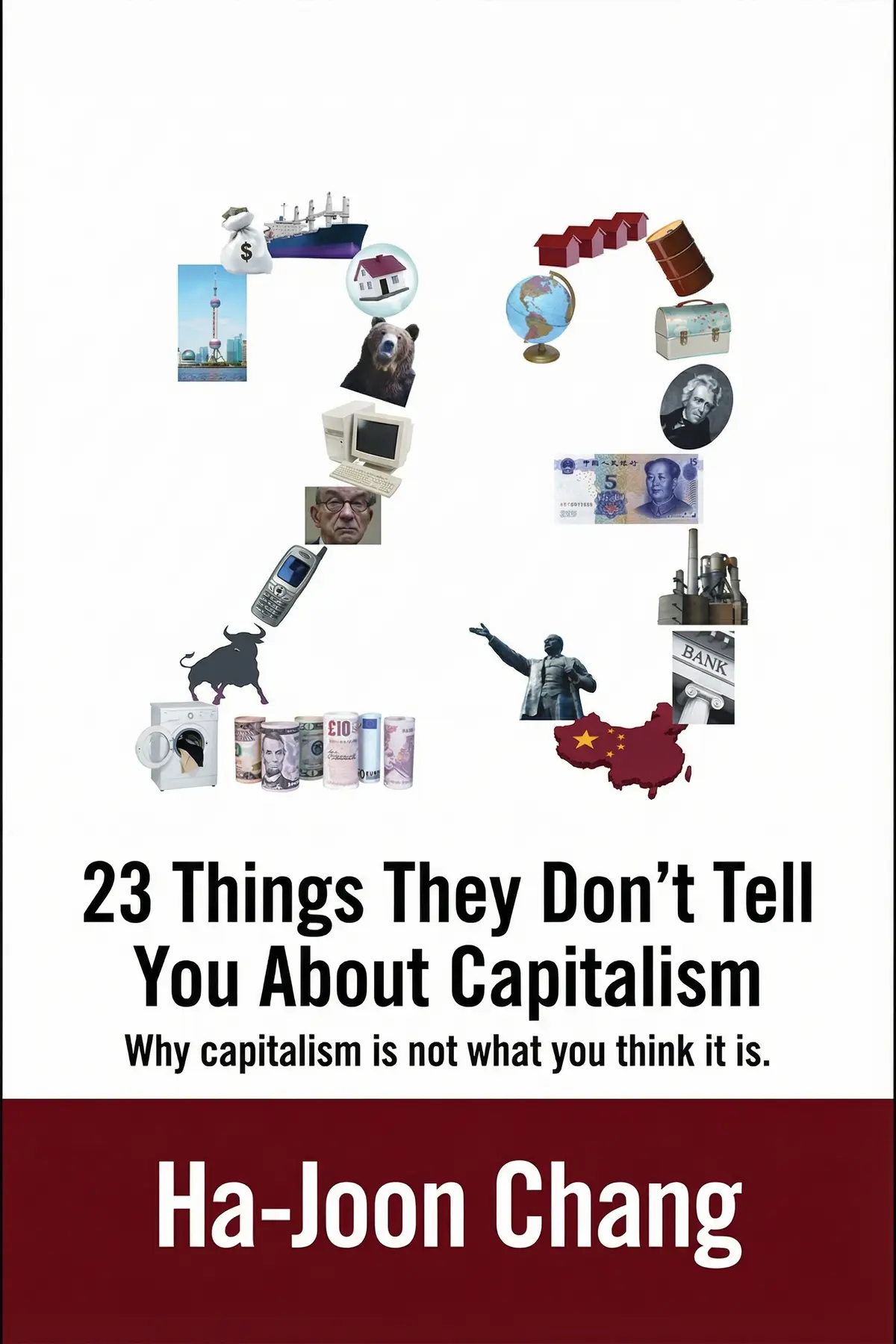
Ha-Joon Chang
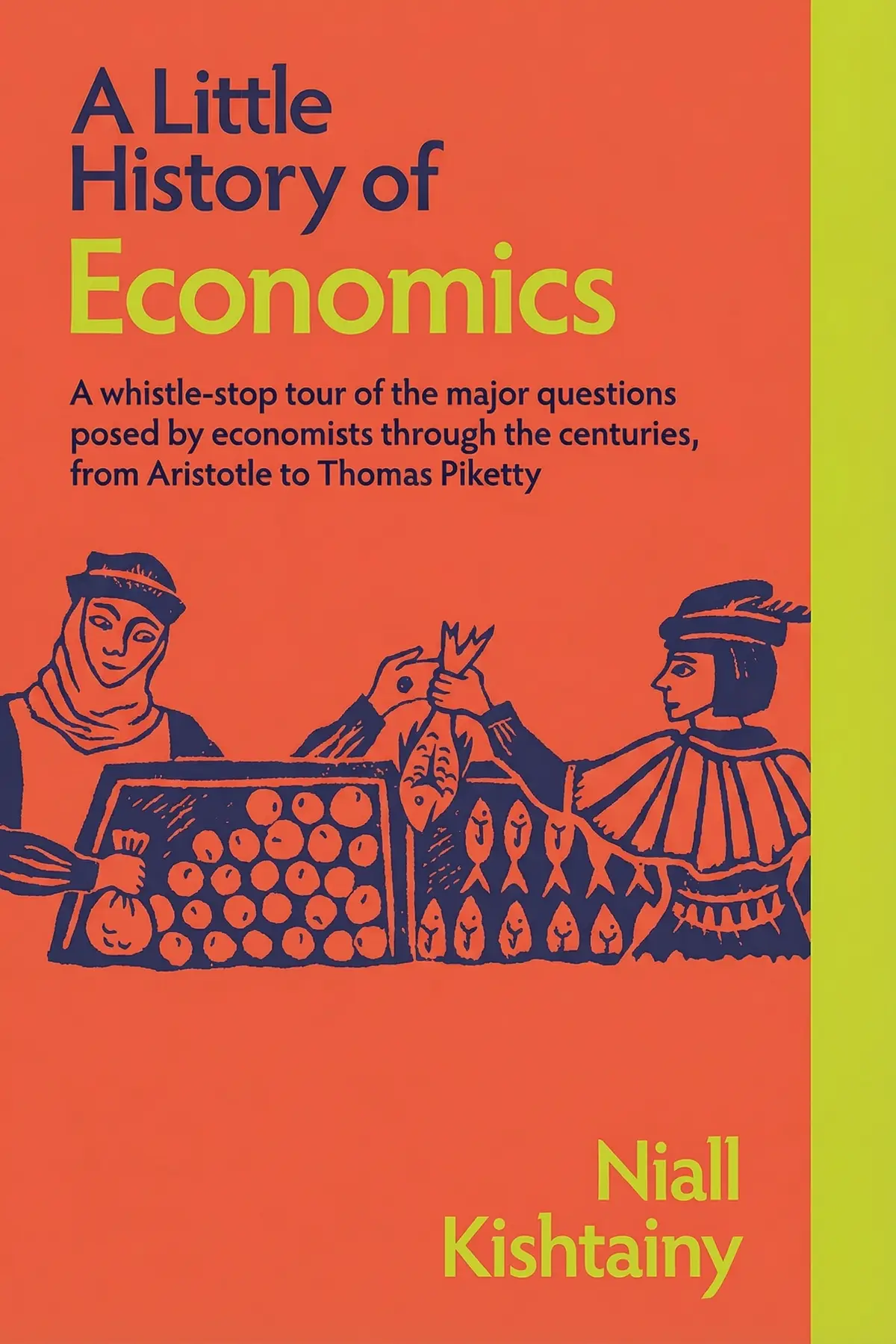
Niall Kishtainy
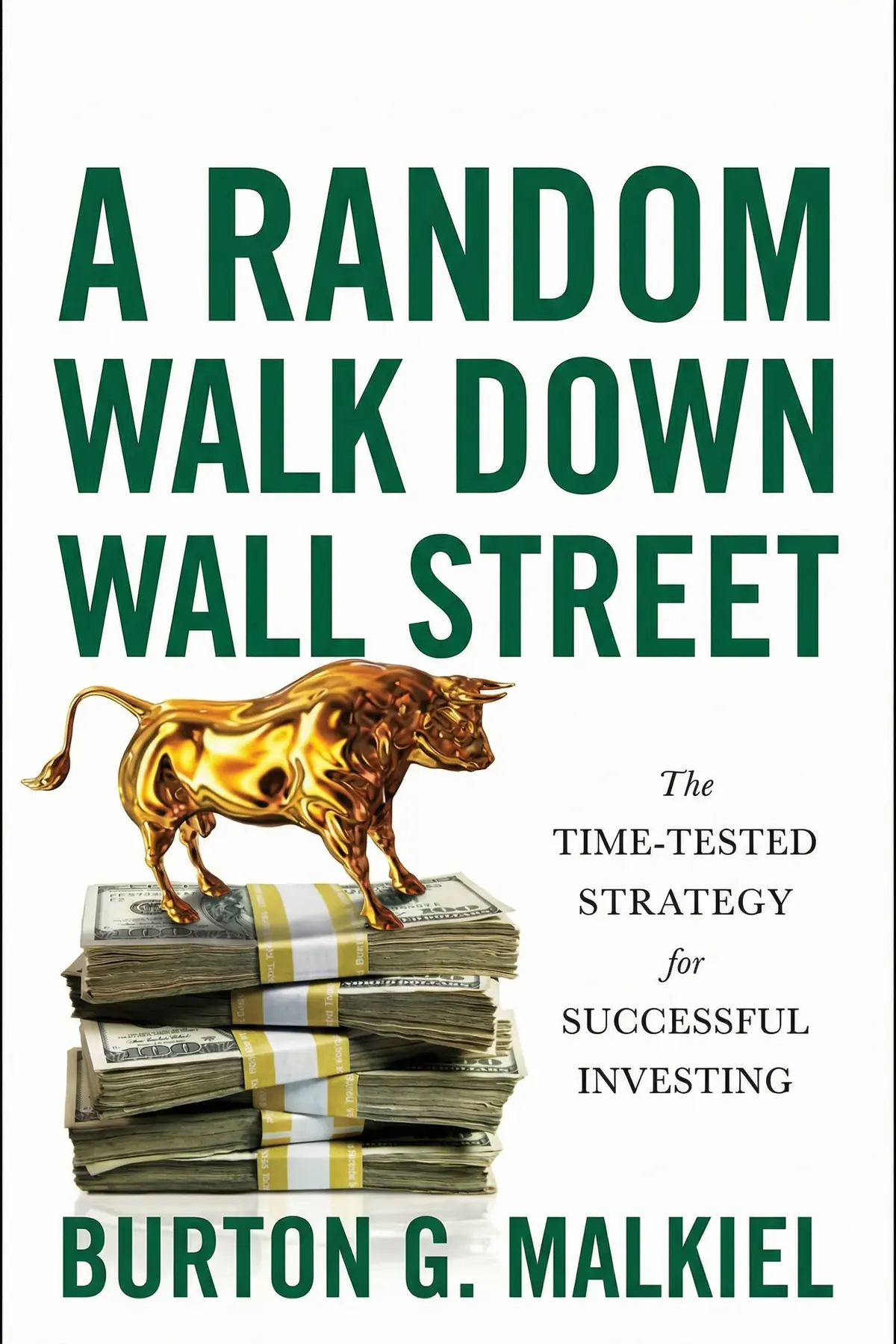
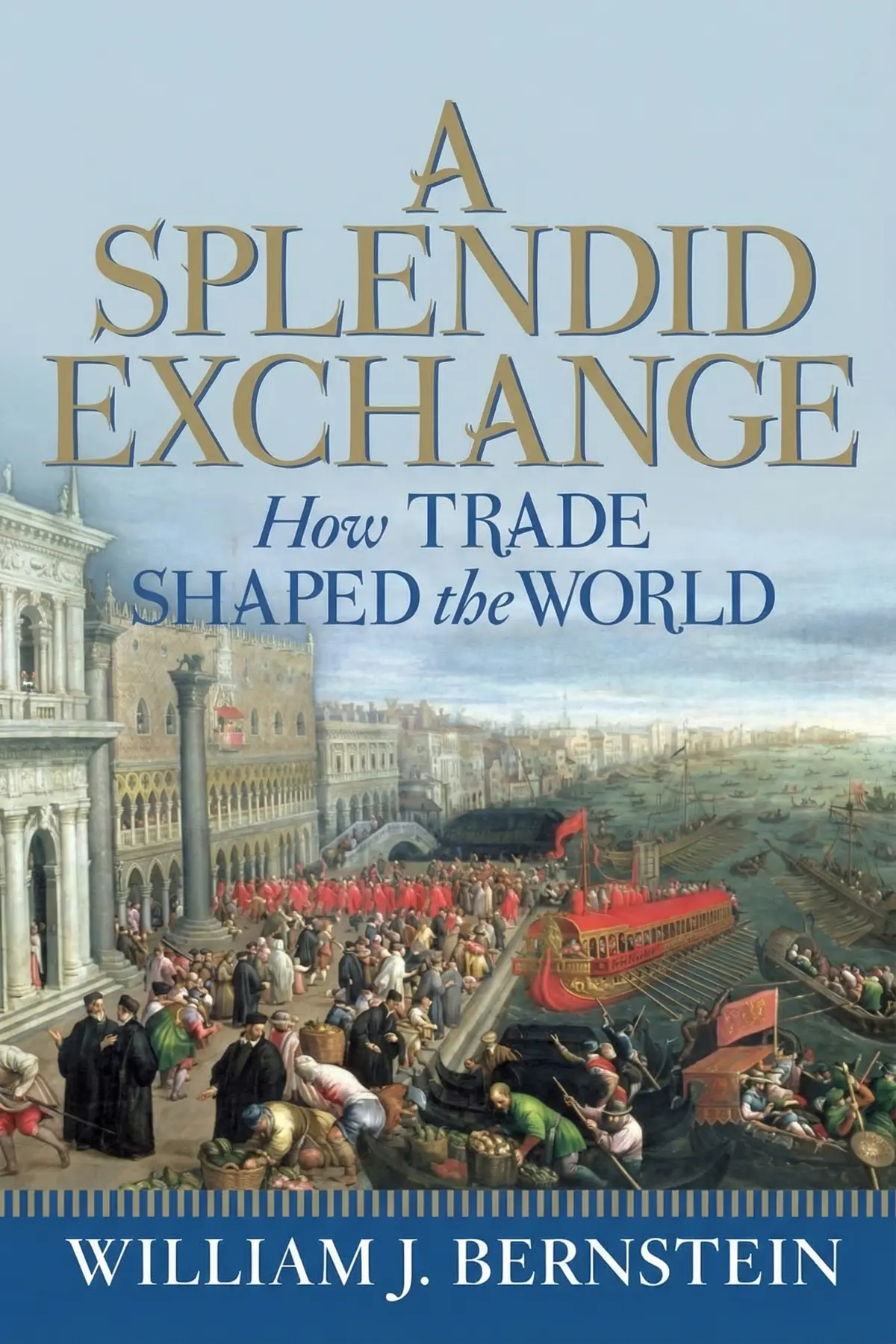
William J. Bernstein

Yanis Varoufakis
AUDIO SUMMARY AVAILABLE
Get the key ideas from The Knockoff Economy by Kal Raustiala, plus 5,000+ more titles in English and Thai.







