

27 min 06 sec
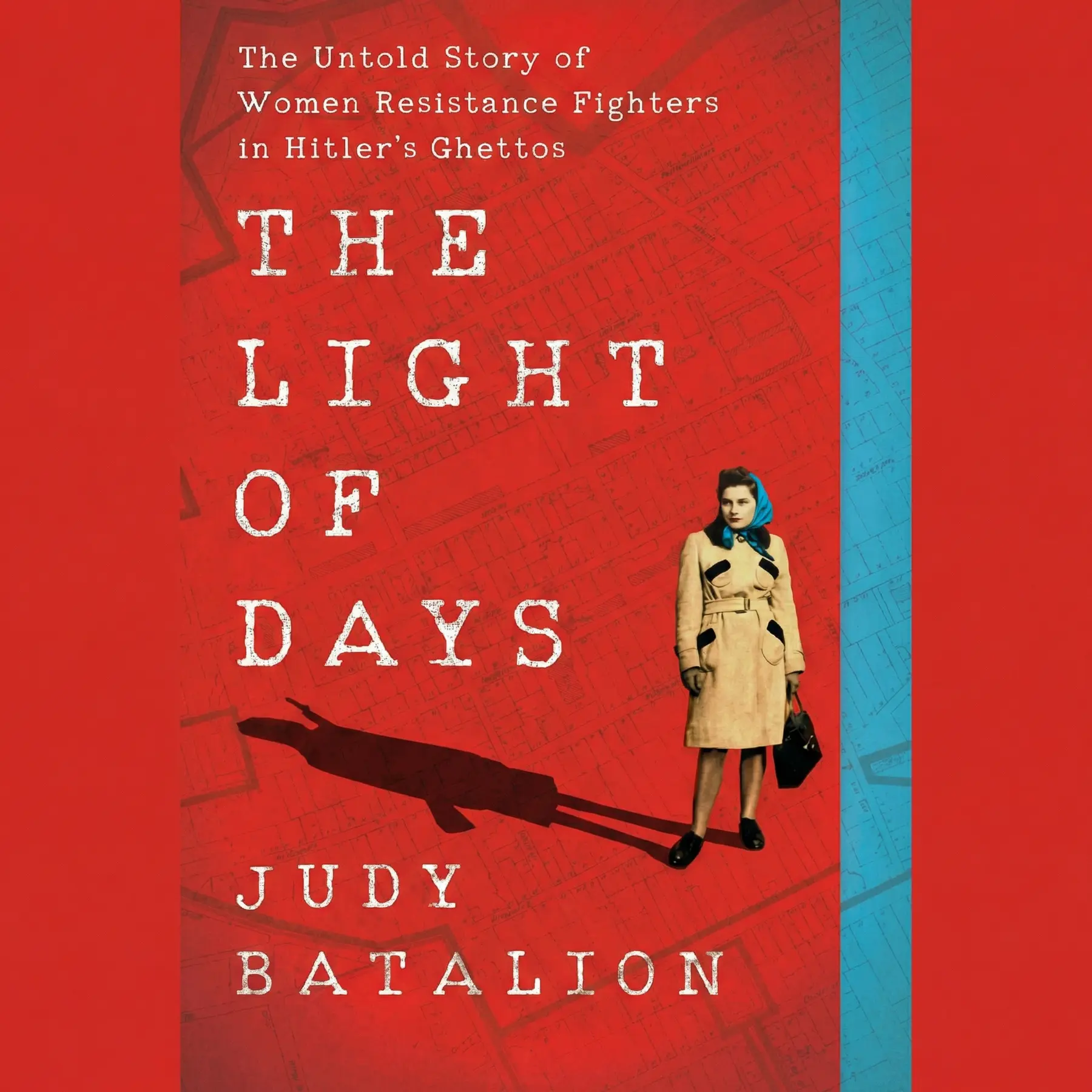
The Light of Days: The Untold Story of Women Resistance Fighters in Hitler's Ghettos
Discover the hidden history of Poland’s Jewish women resistance fighters. This account reveals how courageous women became couriers, smugglers, and saboteurs to fight the Nazi occupation from within the ghettos.
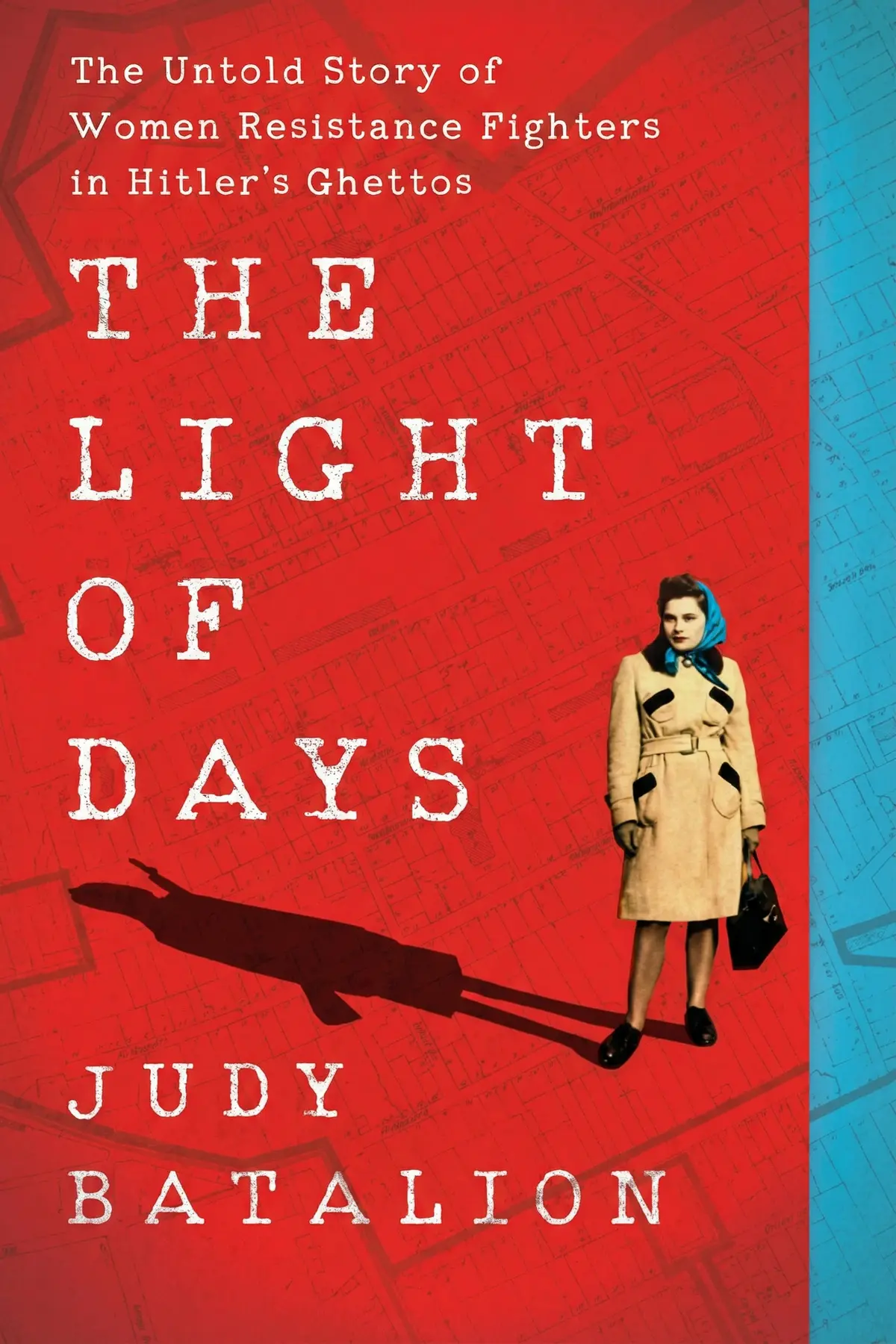
Table of Content
1. Introduction
1 min 45 sec
Imagine a scene that seems impossible given the era: a festive Christmas party filled with high-ranking Gestapo officers. Amidst the laughter and the drinks, three young women sit with them, smiling, looking perfectly at home. One of them is Bela Hazan. To the Nazis, she is just a charming, beautiful local. But in reality, Bela is a high-level courier for the Jewish resistance, and she is currently employed in the very Gestapo headquarters where she collects intelligence.
This is the world revealed in the story of the women resistance fighters of Poland. For decades, the narrative of Jewish life during the Holocaust was often framed solely through the lens of victimhood or the specific actions of male-led partisan groups. However, there was a vast, intricate network of young women—many still in their teens—who served as the literal lifeblood of the underground movement. They were the ones who kept the ghettos connected, smuggled the first guns into the Warsaw Ghetto, and staged daring escapes from high-security prisons.
The throughline of this journey is one of transformation. It is the story of how ordinary young women, who once dreamed of becoming stenographers or teachers, were forced by the brutality of the Nazi occupation to become warriors. We will follow the path of Renia Kukielka and her comrades as they move from the vibrant youth organizations of the 1930s into the dark reality of the ghettos, and finally into open, armed rebellion. This account isn’t just about survival; it’s about the choice to reclaim agency in a world that had stripped it away. As we explore these chapters, we will see why women were often more successful than men in these roles and how their bravery helped ignite the fire of resistance across Poland.
2. The Cradle of Resistance in Youth Movements
2 min 04 sec
Before the war, a vibrant network of Jewish youth groups provided the community and organizational skills that would later form the backbone of the resistance.
3. The Sudden Descent into Occupation
2 min 07 sec
The German invasion of 1939 shattered normal life, forcing Jewish families into a desperate struggle for survival as the ghetto system began to take hold.
4. The Strategic Edge of the Kashariyot
2 min 07 sec
Women held a unique tactical advantage in the underground, as their gender allowed them to move through Nazi-occupied territory with less suspicion than men.
5. Renia's Path to Radicalization
2 min 03 sec
A harrowing escape and the loss of her family transformed Renia from a refugee into a dedicated soldier for the Jewish Fighting Organization.
6. The Birth of the ZOB and the Arsenal of Hope
2 min 00 sec
As the truth about the death camps emerged, the resistance moved from humanitarian aid to organizing an armed militia known as the ZOB.
7. Kraków and the Strategy of Urban Guerrilla Warfare
1 min 54 sec
Before the major uprisings, resistance cells in cities like Kraków proved that the Nazi occupiers could be successfully targeted in their own territory.
8. The First Skirmishes of the Warsaw Uprising
1 min 49 sec
In January 1943, a surprise Nazi raid was met with an even more surprising armed response, marking the first time the ZOB fought openly in the streets.
9. Iron Will on the Rails
1 min 57 sec
The work of a courier required a terrifying level of psychological control, as women like Renia had to maintain a calm facade while carrying deadly cargo.
10. The Ghetto’s Final Stand
2 min 03 sec
The April 1943 Warsaw Ghetto Uprising was a month-long battle that forced the Nazis to burn the city to the ground to defeat a few hundred fighters.
11. The Persistence of the Partisans
1 min 51 sec
Beyond the ghettos, Jewish resistance continued in the dense forests of Poland, though women faced unique challenges in the male-dominated partisan units.
12. Capture and the Agony of Silence
1 min 54 sec
Renia’s luck finally ran out when she was caught with forged papers, leading to a period of brutal torture in a high-security political prison.
13. The Long Road to Memory
1 min 53 sec
After the war, the heroic stories of these women were largely suppressed or forgotten, leaving survivors to carry their trauma in silence.
14. Conclusion
1 min 39 sec
As we look back on the incredible lives of Renia Kukielka, Zivia Lubetkin, and the countless other women of the Polish Jewish resistance, we are forced to rethink what courage looks like. It wasn’t just the split-second bravery of the battlefield; it was the sustained, agonizing bravery of living a lie every single day. It was the ‘iron will’ to smile at a Gestapo officer while carrying a bag of dynamite. It was the commitment to a community that the world had marked for destruction.
The story of ‘The Light of Days’ teaches us that resistance is rarely a solo act. It was the pre-war youth movements—the debates, the newspapers, the summer camps—that provided the foundation for everything that followed. When the crisis came, these young women didn’t have to start from scratch; they had a network of sisters and comrades they could trust with their lives. This reminds us of the power of community organization and the importance of building social bonds *before* the storm arrives.
Today, the lesson is one of agency. These women were students, stenographers, and sisters who refused to let their identities be defined by their oppressors. They chose to be protagonists in their own lives, even when the script was written for their demise. As you go forward, consider the ‘invisible’ strengths you possess and the networks of support you can build. The heroines of the Polish underground prove that even when you are outgunned and outnumbered, you are never truly powerless as long as you have the will to act and the comrades to stand beside you. Their light may have been hidden for decades, but its brilliance remains undimmed, a guide for anyone who faces the darkness of injustice.
About this book
What is this book about?
The history of World War II is often told through the lens of massive armies and male generals, but a vital chapter has remained largely in the shadows: the fierce, organized resistance led by Jewish women in Poland. The Light of Days brings this narrative to the forefront, documenting how young women transformed from students and dreamers into some of the most effective clandestine agents of the underground. Through the lives of figures like Renia Kukielka and Zivia Lubetkin, you will explore the logistical brilliance of the Jewish Fighting Organization. You'll learn how these women utilized their perceived invisibility to smuggle weapons, publish underground newspapers, and coordinate uprisings against the Gestapo. This summary details the formation of youth movements, the strategic advantages women held over men in occupied territories, and the harrowing reality of the Warsaw Ghetto Uprising. Ultimately, it is a testament to the iron will of those who chose to fight back when the world sought to extinguish them.
Book Information
About the Author
Judy Batalion
Judy Batalion is a prolific author and historian who holds a PhD in art history from the University of London’s Courtauld Institute. Raised in Montreal, she possesses a rich linguistic background in English, French, Hebrew, and Yiddish, which aided her research into the lost archives of the Jewish resistance. Her writing has been featured in major publications like the New York Times, Vogue, and the Washington Post. She is also the author of the memoir White Walls, which explores themes of motherhood and heritage.
Ratings & Reviews
Ratings at a glance
What people think
Listeners find this work packed with information regarding courageous Jewish women resisting the Nazi regime, calling it a significant historical account and a story of immense bravery. Additionally, the prose is skillfully crafted, and listeners value the depiction of resilient women and characters they can connect with. Nevertheless, opinions are divided on how easy the book is to read; some consider it a rewarding experience, whereas others report finding the content hard to follow.
Top reviews
Ellie
Wow. This book completely shattered my understanding of what life was like for Jewish women during the Holocaust. We are so used to seeing them portrayed as passive victims, but Batalion introduces us to the 'ghetto girls' who were anything but. These women were smuggling weapons in loaves of bread and flirting with Nazis just to blow up their supply lines. It’s a heavy read, and the descriptions of the atrocities in the Warsaw Ghetto are stomach-turning, but the bravery shown by women like Renia Kukielka is just awe-inspiring. I was hooked by the sheer audacity of their missions. It’s the kind of history that makes you wonder what you would do in their shoes. While the sheer number of names can be hard to track, the emotional payoff is worth every page. It’s an essential addition to World War II literature that gives a voice to those who were silenced for far too long.
Show moreDarawan
The historical narrative of Jewish people as passive victims is finally being challenged here. This book is a gut punch. Batalion highlights the active, violent resistance led by young Jewish women who refused to go quietly to the camps. The details about them dressing as Polish peasants to smuggle grenades are just incredible. I loved how the author didn't just stop at the end of the war but followed these women into their later lives. Many struggled with survivor's guilt and the trauma of what they saw, which felt like a very honest way to conclude their stories. The writing is passionate and well-executed, making these historical figures feel like relatable, flesh-and-blood people rather than just names on a page. If you think you know everything there is to know about WWII, read this and prepare to be corrected. It’s a phenomenal tribute to female strength.
Show moreJack
Judy Batalion has done something monumental with this research. I was astounded by the stories of the couriers who used their 'Aryan' looks to navigate a world that wanted them dead. The book is filled with such vivid, horrific, and yet inspiring details—like women hiding revolvers under their skirts while flirting with soldiers. It’s a very long read, but I think the length is justified by the scale of the history being recovered. The author’s personal connection to the story, mentioned in the epilogue, really adds an extra layer of meaning to the work. I found the character of Renia to be particularly compelling; her transformation from a regular girl to a hardened resistance fighter was masterfully told. This isn't just a book about death; it’s a book about the fierce will to live and fight back. It’s easily one of the best non-fiction books I’ve read this year.
Show moreMay
Finally, a book that centers the women who were doing the literal dirty work of the resistance. I’ve read so much about the men of the Warsaw Ghetto, but these women were just as vital, acting as the eyes and ears of the movement. The courage it took for them to travel between cities with forged papers is mind-blowing. Batalion writes with a clear passion for her subjects, and it makes for a very emotional experience. Look, it’s a big book and it requires some patience to get through the organizational details of the various youth groups, but the payoff is immense. The stories of Zivia, Frumka, and Renia will stay with me for a long time. It’s a beautiful, tragic, and empowering piece of history. These women were truly the 'light of days' in a very dark time, and I’m so glad their stories are finally being told to a wide audience.
Show moreSebastian
Picked this up because I’m a history buff, but I was surprised by how much it felt like a high-stakes thriller at times. The way Batalion describes the courier work is incredibly tense; I found myself holding my breath as these teenagers tried to pass as Aryans on Polish trains. To be fair, the book does lean quite heavily into the 'research article' style of writing in certain sections. There were moments where the third-person perspective felt a bit detached compared to a first-hand memoir like Anne Frank’s diary. However, the depth of the research is undeniable. The author spent years tracking down these stories, and it shows in the level of detail provided about the underground bunkers and the complex politics of the resistance groups. It’s a dense book, but the stories of female friendship and defiance kept me moving through the more academic passages.
Show moreNan
How have we not heard these stories until now? This book fills a massive gap in our collective memory of the Polish resistance. I was particularly struck by the accounts of women who were actually safe outside the ghettos but chose to sneak back in to help their communities. That level of self-sacrifice is just unfathomable. The writing is generally strong, though I do agree with other reviewers that the jumping between different women’s perspectives can get confusing. I had to keep flipping back to remember who was in Krakow and who was in Warsaw. Despite the occasional narrative hiccups, the bravery on display is magnetic. These weren't just victims; they were soldiers, spies, and leaders. It’s easy to see why Steven Spielberg has already optioned this for a movie. It’s a cinematic, heartbreaking, and ultimately necessary piece of non-fiction that demands your full attention.
Show moreHom
After hearing about the Spielberg movie deal, I knew I had to grab a copy of this. It’s a massive undertaking that covers the 'ghetto girls' and their role in the Polish underground. The bravery described is truly unfathomable. These women were essentially running a secret government under the noses of the Gestapo. My only real critique is that the prose can be a bit dry in the middle chapters, resembling a research paper more than a story. Some of the dialogue felt inferred rather than recorded, which happens in non-fiction but can be distracting. Still, the subject matter is so powerful that it carries the book through the slower parts. I especially appreciated the sections on the Warsaw Ghetto Uprising and the sheer ferocity of the female fighters there. It’s a vital, well-researched volume that honors the memory of women who were nearly erased from history.
Show morePrayoon
As someone who has devoured dozens of WWII memoirs, this one stands out for its specific focus on the Polish underground. The way these women organized soup kitchens and schools while simultaneously planning armed revolts is nothing short of heroic. Gotta say, the descriptions of the Nazi atrocities are very graphic, so be prepared for that. It’s a difficult read, but necessary to understand why these women felt they had no choice but to fight. The writing style is detailed and informative, though I did notice a few editing errors in the physical copy. Despite that, the narrative of the 'ghetto girls' is so strong that it overcomes the minor flaws in the prose. The ending, which details the fates of the survivors, was particularly moving. It’s a haunting reminder of the cost of war and the resilience of the human spirit.
Show moreNew
To be fair, this is an incredibly important piece of history, but it wasn't the easiest read for me. Personally, I struggled with the structure of the book. Batalion rotates between so many different female fighters that it was difficult to form a real emotional connection with any single one of them. Just as I was getting invested in Renia’s story, we would jump to another city and an entirely new set of characters. It often felt more like reading a series of dossiers than a cohesive narrative. The truth is, the book is quite long and very detailed, which might appeal to serious historians but felt a bit bogged down for a casual reader. There are also a few typos that should have been caught in editing. I’m glad I read it because the courage of these women is remarkable, but the execution of the storytelling left me wishing for a more focused approach.
Show moreCha
Not what I expected based on the cover and the hype. While I respect the enormous amount of research the author clearly did, the readability just wasn't there for me. Frankly, it felt like reading a textbook. The third-person perspective made everything feel very distant, and I never felt like I truly knew these women as people. The constant switching between names and locations made it impossible to keep track of the plot. I found myself constantly checking the index just to figure out who was who. Also, the pacing is very uneven. Some chapters are packed with action, while others are just lists of names and organizations. I think this story would have worked much better as a focused biography of one or two women rather than trying to cover everyone. It’s an important topic, but the presentation made it a real chore to finish.
Show moreReaders also enjoyed

A Splendid Exchange: How Trade Shaped the World
William J. Bernstein
A Spy Among Friends: Philby and the Great Betrayal
Ben Macintyre
1491: New Revelations of the Americas Before Columbus
Charles C. Mann

A Year in the Life of William Shakespeare: 1599
James Shapiro
1929: Inside the Greatest Crash in Wall Street History--and How It
Andrew Ross Sorkin
AUDIO SUMMARY AVAILABLE
Listen to The Light of Days in 15 minutes
Get the key ideas from The Light of Days by Judy Batalion, plus 5,000+ more titles in English and Thai.
- 5,000+ titles
- Listen as much as you want
- 7-day free trial
- Cancel anytime







