
24 min 23 sec
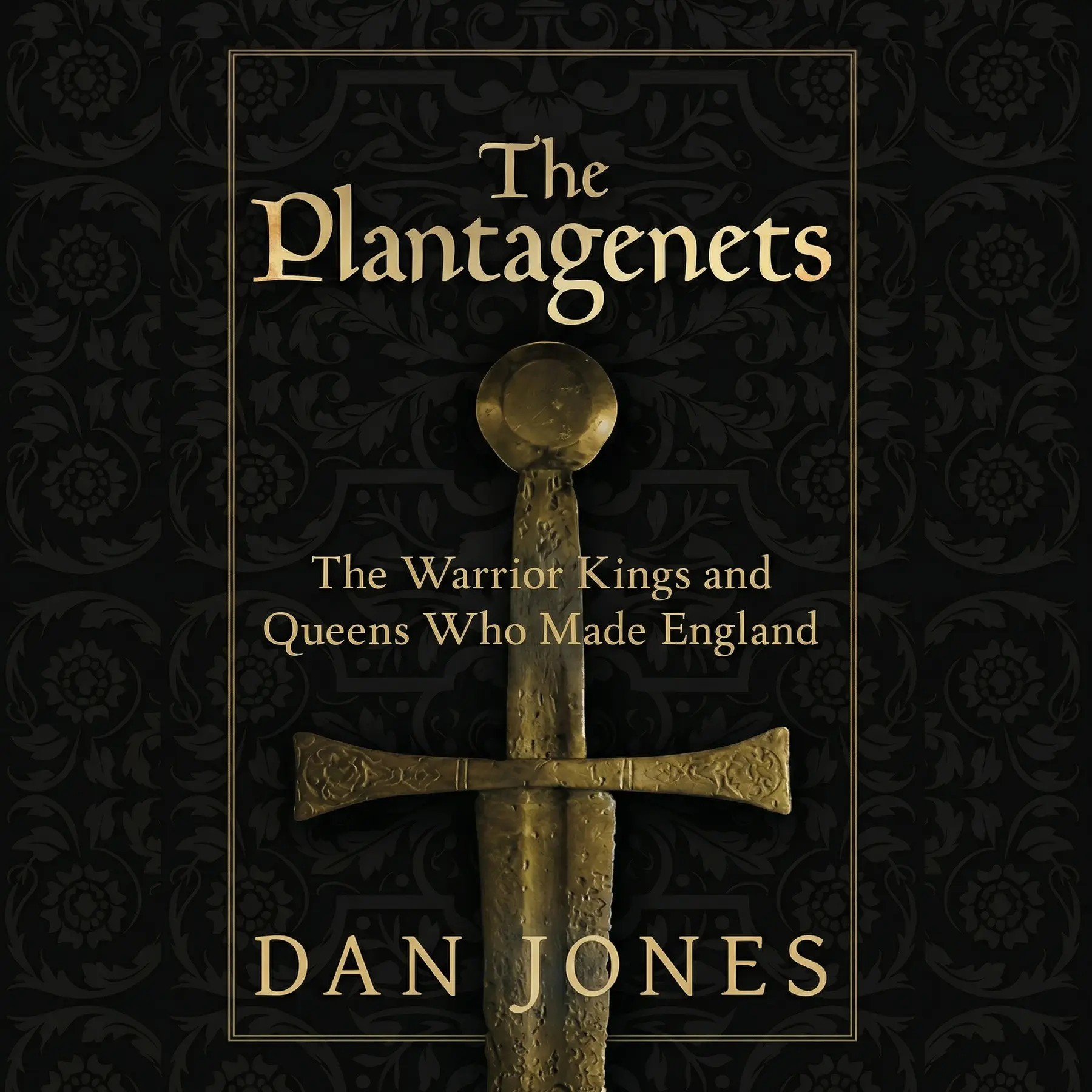
The Plantagenets: The Warrior Kings and Queens Who Made England
By Dan Jones
Explore the epic rise and fall of the Plantagenet dynasty. This summary traces the English monarchy from 1154 to 1399, revealing a world of relentless ambition, war, and political transformation.
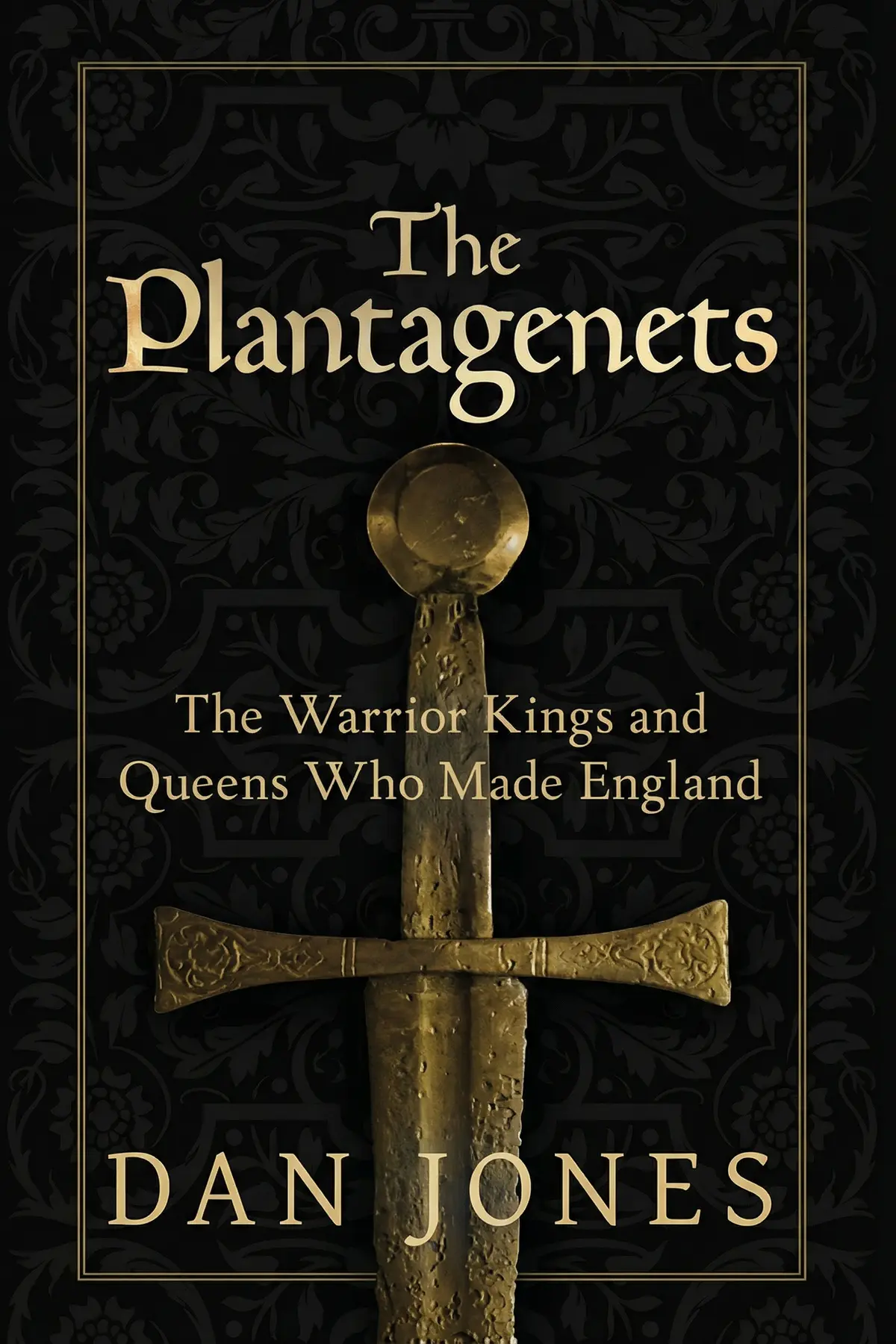
Table of Content
1. Introduction
1 min 58 sec
When we look back at the history of England, there is one name that stands taller than almost any other: the Plantagenets. Taking the throne in 1154 and holding it until the dawn of the fifteenth century, this dynasty did more than just rule; they fundamentally reshaped what it meant to be a king and what it meant to be a nation. Their story is not a dry list of dates, but a vibrant, often violent tapestry of human ambition, familial betrayal, and the slow, grinding evolution of political order.
In this exploration of Dan Jones’s work, we are stepping into a period of nearly two and a half centuries. It was a time when the boundaries of the English state were being drawn in blood and signed in ink. From the moment the first Plantagenet king set foot on English soil to restore order after a devastating civil war, the trajectory of the country was forever altered. This was an era defined by the Angevin Empire—a massive collection of territories that stretched from the borders of Scotland all the way down to the Pyrenees in modern-day France.
But this isn’t just a story of territorial expansion. It’s a story of how a single family’s internal dynamics—their rivalries, their loves, and their bitter feuds—became the public business of an entire continent. We will see how the necessity of war forced these monarchs to innovate, creating new systems of law and taxation that would eventually give birth to the concept of parliament. We will witness the high-water marks of medieval chivalry and the devastating lows of the Black Death.
Ultimately, the throughline of this journey is the struggle for authority. How does a king maintain control over a rebellious nobility? How does a government function when its leader is a child, a warrior, or a tyrant? By the time we reach the end of this dynasty’s direct line in 1399, we will see a kingdom that has been tested by fire and transformed into something recognizably modern. This is the saga of the Plantagenets, the family that forged England.
2. The Restoration of Order and the Birth of an Empire
3 min 01 sec
Witness how a kingdom in chaos was rebuilt into a vast continental empire through sheer force of will and administrative genius.
3. The Heavy Cost of Chivalry and the Loss of Normandy
2 min 54 sec
Discover how the pursuit of glory abroad and failures at home led to a financial and political crisis that changed the monarchy forever.
4. The Rise of Parliament and the Struggle for Reform
2 min 55 sec
Explore the turbulent middle years of the dynasty, where a long-reigning king faced internal rebellion and the birth of a new political voice.
5. The Hammer of the Scots and the Professional State
3 min 06 sec
Witness the transformation of England into a warrior nation under a king who codified the law and expanded the kingdom’s borders.
6. The Crisis of Sovereignty and the Personal King
2 min 55 sec
Follow the dramatic downfall of a king whose personal favorites and military failures led to a shocking deposition and the rise of a new power.
7. The Golden Age of Chivalry and the Shadow of the Plague
2 min 57 sec
See the dynasty reach its military zenith in the Hundred Years’ War, only to be confronted by a catastrophe that reshaped society.
8. The End of the Line and the Dawn of a New Era
3 min 02 sec
Witness the tragic collapse of the direct Plantagenet line as a king’s belief in absolute power leads to a final, fatal confrontation.
9. Conclusion
1 min 35 sec
The history of the Plantagenets is more than just a chronicle of kings; it is the story of the birth of a nation. Over the course of nearly two and a half centuries, this remarkable family navigated the treacherous waters of medieval politics, transforming England from a site of civil war into a central player on the world stage. They were a dynasty of extremes—capable of great administrative genius and shocking personal failure, of inspiring chivalry and brutal tyranny.
As we’ve seen, the throughline of their reign was the constant negotiation of power. Every major milestone of their era, from the establishment of common law to the birth of parliament, was a response to the practical challenges of ruling a complex and often rebellious kingdom. The intrigue and war that defined their lives were the catalysts for institutional changes that still shape the way we think about government today. They taught us that stability is never guaranteed and that the authority of a ruler is ultimately tied to their relationship with the law and their people.
When the dynasty ended in 1399, it left behind a kingdom that was deeply integrated into the cultural and political life of Europe. The Plantagenets had forged an identity for England that was distinct and powerful. They remind us that history is made by the collision of personal personality and institutional necessity. As you reflect on this epic journey, consider how the tensions they faced—between the individual and the state, between power and law—continue to resonate in our modern world. The Plantagenets may be gone, but the foundation they built remains the bedrock of the English story.
About this book
What is this book about?
The Plantagenets offers an expansive look at the dynasty that shaped the very foundations of the English state. Beginning with the arrival of Henry II in 1154 and concluding with the dramatic deposition of Richard II in 1399, the narrative explores how a single family transformed a fractured kingdom into a dominant European power. This account moves beyond simple dates and battles to examine the intricate dance of political maneuverings and the high-stakes intrigue of the medieval court. It promises a deep understanding of how the tensions between the crown and the nobility led to fundamental shifts in law and governance, ultimately setting the stage for the future of the British monarchy. Through tales of triumph and tragedy, the story captures the essence of a turbulent era where the personal whims of kings often dictated the fate of millions.
Book Information
About the Author
Dan Jones
Dan Jones is a British historian, journalist, and television presenter. He has established himself as a leading voice in popular history, known for making the complexities of the medieval past accessible and engaging. He has written several acclaimed books about English history, including The Hollow Crown, which continues the historical narrative where the story of the Plantagenets ends.
Ratings & Reviews
Ratings at a glance
What people think
Listeners find this account a gripping experience that flows like a mystery novel, offering meticulously researched details in a relatable tone that is easy for general audiences to follow. The narrative provides a thorough history of the Plantagenet dynasty’s incredible influence on England, keeping a quick tempo that keeps them hooked. Listeners value the way this detailed storytelling makes history clearer and admire the author’s skill in portraying the specific personalities of these historical individuals.
Top reviews
Maja
Dan Jones writes history like it’s a high-stakes thriller. Most historians get bogged down in the minutiae of tax records, but Jones focuses on the pulsating heart of the dynasty: the people. From the chilling tragedy of the White Ship to the deposition of Richard II, the narrative never loses its momentum. You really get a sense of the sheer grit required to hold onto power in the Middle Ages. I particularly enjoyed the sections on Edward III and his tactical brilliance with the longbow. It’s a massive book, yet it reads faster than many novels I’ve picked up this year. Truth is, I walked away feeling like I actually knew these kings as human beings, not just statues in a cathedral.
Show moreSven
Ever wonder how a single shipwreck could spark decades of civil war? The opening account of the White Ship disaster is masterfully told, setting the stage for a family saga that is truly stranger than fiction. I was completely swept up in the life of Eleanor of Aquitaine; she was clearly a force of nature who outmaneuvered nearly every man around her. Dan Jones manages to make the signing of the Magna Carta feel like a tense political standoff rather than a dry legal event. His writing style is punchy and modern, which helps bridge the gap between our world and the 1100s. It’s rare to find a history book that you actually look forward to picking up every night. Highly recommended for fans of epic storytelling.
Show moreJulian
After hearing so much about the Tudors, it was refreshing to dive into the dynasty that actually built the foundation of England. These weren't just monarchs; they were empire builders who dealt with everything from the Crusades to the Black Death. King John comes across as a truly loathsome character, yet his failures inadvertently led to some of the most important rights we hold today. Jones doesn't shy away from the darker side of these "warrior kings," including the systemic persecution of the Jewish community under Edward I. It's a balanced, if fast-moving, account that prioritizes personality over dry dates. Frankly, the sheer scale of their ambition is staggering to read about in the modern day. This is how history should be taught.
Show moreRodrigo
Wow, the drama in this book makes modern politics look like a playground dispute. I was particularly struck by the transition from the glorious reign of Edward III to the disastrous tenure of Richard II. Jones highlights how quickly a legacy can crumble when a weak leader takes the reins. The descriptions of the Peasants' Revolt were particularly gripping, providing a rare glimpse into the boiling tensions of the 14th century. I loved how the author balanced military history with the internal psychology of the Plantagenet family. It’s a wild ride through two centuries of blood, gold, and betrayal. If you think history is boring, this book will definitively prove you wrong.
Show moreWacharapol
Finally got around to this after it sat on my shelf for months, and I’m kicking myself for waiting so long. The book is structured so logically that you never feel lost, despite the centuries it covers. Jones has a gift for describing the sheer physicality of these people, like the towering presence of Edward "Longshanks." You can almost feel the spray of the English Channel and the mud of the French battlefields. It’s a comprehensive look at how a family of French counts became the architects of the English nation. The writing is incredibly vivid, particularly during the chapters on the Third Crusade. This isn't just a book about kings; it's a book about the messy, violent birth of a country.
Show moreJames
Trying to keep track of every Matilda and Edward felt like a full-time job. Seriously, the naming conventions of the 12th century were a nightmare for future readers! Thankfully, the family trees and maps included in the text are absolute lifesavers. Jones has a real talent for distilling complex political shifts into conversational prose that doesn't feel condescending. I was fascinated by the contrast between "Longshanks" and his ineffectual son, Edward II. The rumors of the hot poker might be apocryphal, but they speak volumes about the era’s brutality. My only gripe is that the ending felt slightly abrupt, cutting off before the Wars of the Roses really kick off. Still, it’s a fantastic entry point for anyone intimidated by medieval history.
Show moreYothaka
As someone who usually finds medieval history dry, this was a revelation. Picked this up on a whim and was immediately hooked by the "devil's brood" mythology. The way Jones connects the planta genista nickname of Geoffrey of Anjou to the entire identity of the dynasty is a great touch. I also appreciated how he didn't just focus on the men; the Matildas and Isabellas of the era are given their due as significant political players. The shift toward the English longbow as a game-changer on the battlefield was another highlight for me. My only real issue was the occasional blurring of characters during the more rapid chronological jumps. However, the overall narrative flow is so strong that you quickly find your footing again.
Show moreTanyaporn
Not what I expected from a 500-page history tome. Instead of a slog through dusty archives, I got a front-row seat to the most chaotic family reunion in history. The rivalry between King John and his nephew Arthur of Brittany was particularly haunting, especially the mysterious disappearance of the young heir. Jones does an excellent job of showing how the personality of a single man could determine the fate of millions. I did find the early sections a bit slow as the dynasty was finding its feet, but once Henry II enters the scene, it’s non-stop action. The focus on the "warrior" aspect of the queens, like Eleanor, was a welcome perspective. Definitely a must-read for any history buff.
Show moreKomsan
While the narrative zip is undeniable, I found the focus on the elite a bit stifling after five hundred pages. Jones paints a vivid picture of the "warrior kings," but the faceless masses of England remain almost entirely in the shadows. It’s history as a highlight reel of palace intrigue and bloody executions. Don't get me wrong, the descriptions of Hugh Despenser’s gruesome end were vividly horrifying. However, I wanted more on how the Black Death truly reshaped the social fabric beyond the royal court. It’s an entertaining ride, but it feels a bit like a premium cable drama where only the beautiful people matter. To be fair, if you want a fast-paced overview of the dynasty, this is it. Just don't expect a deep sociological study.
Show moreSin
Look, I appreciate the accessibility, but the "cool historian" vibe sometimes borders on the sensationalist. There are moments where Jones seems more interested in the "ew-inducing" details of medieval executions than the actual administrative evolution of the realm. The chapter on Richard the Lionheart felt a bit like a hagiography, glossing over how much his crusading actually bankrupted the country. It’s certainly a page-turner, and I can see why it’s a bestseller, but I found myself wanting more citations for some of the more colorful anecdotes. It feels designed for the television audience rather than serious students of history. It’s a fun read, but take the more salacious rumors with a grain of salt.
Show moreReaders also enjoyed

1491: New Revelations of the Americas Before Columbus
Charles C. Mann
A Year in the Life of William Shakespeare: 1599
James Shapiro

1929: Inside the Greatest Crash in Wall Street History--and How It
Andrew Ross Sorkin
Age of Anger: A History of the Present
Pankaj Mishra

A Biography of Loneliness: The History of an Emotion
Fay Bound Alberti

Agent Sonya: The Spy Next Door
Ben Macintyre

Alexander Hamilton
Ron Chernow
AUDIO SUMMARY AVAILABLE
Listen to The Plantagenets in 15 minutes
Get the key ideas from The Plantagenets by Dan Jones, plus 5,000+ more titles in English and Thai.
- 5,000+ titles
- Listen as much as you want
- 7-day free trial
- Cancel anytime







