

17 min 25 sec
The Pomodoro Technique: The Acclaimed Time-Management System That Has Transformed How We Work
The Pomodoro Technique explores a revolutionary time-management system that utilizes structured intervals and mandatory breaks to transform overwhelming workdays into a series of manageable, productive, and guilt-free successes.
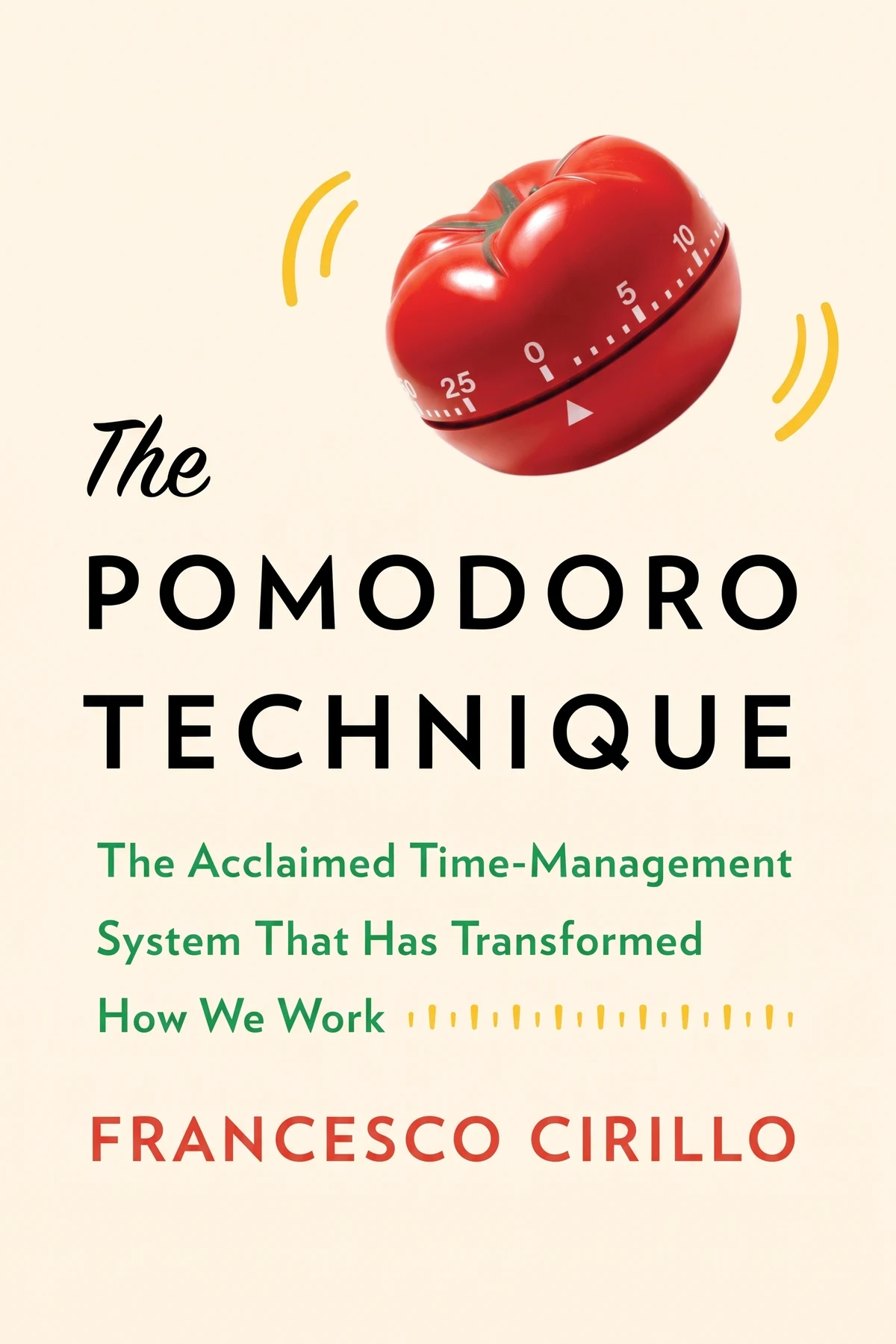
Table of Content
1. Introduction
2 min 32 sec
Imagine the scene: it is late in the afternoon, and the golden hour light is beginning to stretch across your desk. You have been ‘working’ for nearly eight hours, yet the primary project on your plate—that massive stack of slides or that complex report—has barely been touched. Instead of making progress, you have spent the day in a haze of clicking through social media feeds, clearing out unimportant emails, and perhaps staring blankly at the cursor as it blinks mockingly on the screen. There is a heavy weight in your chest, a mixture of guilt and exhaustion. You know you have to get this done, but the sheer size of the mountain ahead of you makes it feel impossible to take even the first step. This is the cycle of procrastination that traps so many of us, turning our professional lives into a series of high-stress ‘night shifts’ and missed opportunities for rest.
Francesco Cirillo found himself in this exact position while studying at university. He felt the crushing pressure of his workload and the frustration of his own wandering mind. His breakthrough came from an unlikely source: a kitchen timer shaped like a tomato, or a ‘pomodoro’ in Italian. By using this simple device to create hard boundaries around his focus, he discovered that he could trick his brain into productivity. He realized that the problem wasn’t a lack of talent or a lack of time; it was a lack of structure.
In this summary, we are going to explore the mechanics of this world-famous technique. We will look at how to break your day into small, digestible bites that keep your motivation high and your stress levels low. We will discuss the non-negotiable rules that make this system work, from the sanctity of the twenty-five-minute block to the vital importance of the five-minute rest. By the end of this journey, you will understand how to transform time from a terrifying predator into a supportive partner. The goal here is simple: to help you regain control of your day, finish your work with a sense of pride, and finally leave the guilt of ‘not doing enough’ behind. Let’s dive into how a simple tomato timer can change the way you live and work.
2. Changing Your Perspective on Time
2 min 45 sec
Many of us see time as a dwindling resource that we are constantly losing a race against. Discover how to stop fighting the clock and start using it as a tool for rhythm.
3. The Rule of the Indivisible Interval
2 min 42 sec
Consistency is the secret ingredient that makes this method more than just a simple timer. Learn why you can never have a half-finished session.
4. The Necessity of the Strategic Pause
2 min 32 sec
Rest is not a reward for work; it is a requirement for it. Explore why mandatory breaks are the engine of long-term productivity.
5. Organizing Your Effort with Lists
2 min 28 sec
A timer is useless without a plan. Learn how to use two simple lists to prioritize your day and track your progress with precision.
6. Protecting the Sanctity of Your Focus
2 min 24 sec
Distractions are inevitable, but they don’t have to be destructive. Master the art of managing both internal whims and external requests.
7. Conclusion
2 min 02 sec
The Pomodoro Technique is more than just a way to manage a calendar; it is a philosophy of work that honors the human need for both intensity and rest. We have seen how breaking the day into twenty-five-minute units can strip away the intimidation of large projects. We have discussed the critical importance of the ‘indivisible’ rule, which protects the quality of our attention. We have also explored the vital role of the strategic break, which keeps our minds fresh and prevents the soul-crushing burnout that so many modern workers face.
The throughline of all these ideas is the transformation of our relationship with time. Instead of seeing the clock as a looming judge of our worth, we see it as a supportive guide that helps us find our rhythm. We move from a state of chaotic reaction to a state of deliberate action. By using the Inventory and To-Do Today lists, we gain a level of clarity that eliminates the stress of the unknown. We learn to see our own capacity clearly, which allows us to set realistic goals and actually achieve them.
As you move forward, the most actionable step you can take is to start tomorrow with just one single, uninterrupted pomodoro. Don’t worry about perfecting the whole system yet. Just pick one task, set a timer for twenty-five minutes, and commit to staying with it until the bell rings. When it does, walk away from your desk for five minutes. Feel the shift in your energy. Notice the lack of guilt. This small, tomato-shaped seed is the beginning of a much more productive and peaceful professional life. You don’t need a mountain of willpower to succeed; you just need twenty-five minutes of courage at a time. The clock is ticking, but for the first time, it’s finally ticking in your favor.
About this book
What is this book about?
Have you ever reached the end of a grueling day only to realize that your most important tasks remain untouched? This book addresses the universal struggle with procrastination and the feeling that time is a constant enemy. It introduces a deceptively simple yet profound solution: breaking your work into focused twenty-five-minute blocks, separated by intentional moments of rest. The promise of this method is not just increased output, but a total shift in your relationship with time. By adopting this approach, you can eliminate the anxiety of looming deadlines, protect your focus from constant interruptions, and finally achieve a healthy balance between intense effort and necessary recovery. It is a guide to working smarter, not harder, while maintaining your mental energy throughout the day.
Book Information
About the Author
Francesco Cirillo
Francesco Cirillo is the mind behind this globally recognized productivity system, which he conceived during his university years in the 1980s. Faced with his own challenges in managing academic workloads, he turned to a simple kitchen timer for help. Today, he manages a dedicated platform for his method and provides professional coaching and training to individuals and organizations worldwide.
Ratings & Reviews
Ratings at a glance
What people think
Listeners find the book’s approach to be impactful, with one noting its usefulness during study blocks and another pointing out its specific advantages for those with ADHD. The guide is also a fast read that features clear, concise language. Furthermore, listeners value how uncomplicated the system is, with one individual remarking on how it truly embodies the principle of keeping things simple.
Top reviews
Tun
Ever wonder why you can't stay on task for more than ten minutes? For those of us struggling with ADHD, Cirillo’s system is a total lifesaver because it turns focus into a game. I appreciated the crisp writing style that doesn't waste time on flowery metaphors, instead getting straight to the point of the 25-minute sprint. The idea that a pomodoro is indivisible really helped me stop letting tiny distractions derail my entire afternoon. While some might find it too simple, that's exactly where the genius lies. Frankly, the methodology is effective because it acknowledges our human limits rather than ignoring them. It's a quick read that provides a framework I can actually stick to without feeling overwhelmed.
Show moreBrahim
Wow, I didn't realize how much I was actually doing wrong until I sat down with Cirillo’s original text. Most people think it’s just about the timer, but the rules regarding internal and external interruptions are what make it work. The writing is incredibly crisp, and the simplicity of the layout makes it a very quick read for busy professionals. I’ve started applying the 'add it up' rule for small tasks, and my to-do list has never looked cleaner. It’s a great resource for anyone who feels like their day is constantly being hijacked by 'urgent' emails. Simply put, this book provides the discipline that most of us are lacking in the digital age.
Show moreSaovapa
After hearing about this for years, I finally decided to see what the fuss was about. The beauty of this book is that it doesn't try to overcomplicate your life with expensive software or complex filing systems. It's just you, a paper list, and a tomato-shaped timer. I’ve found that my concentration has improved significantly since I started treating the pomodoro as an indivisible unit of time. Even if I finish early, I use the remaining minutes for a quick review, which has actually improved the quality of my output. For such a short book, it packs a punch in terms of practical, actionable advice that you can start using immediately.
Show moreLily
Picked this up because a colleague kept raving about his kitchen timer, and I wanted to see if there was more to it. It turns out that the record-keeping and estimation parts are the real meat of the system, even if they feel a bit bureaucratic at first. I’m a developer, so the idea of tracking quantitative estimation errors really appealed to my analytical side. The rule that you must finish the full 25 minutes even if the task is done is a bit controversial, but it actually works. It forces you to review and over-learn the material, which has been great for my recent study sessions. It’s a solid, quick read even if it gets a bit repetitive in the middle chapters.
Show moreFinn
The concept of 'protecting the pomodoro' was a total game-changer for my workflow during deep-work blocks. Most productivity books are filled with fluff, but Cirillo keeps the instructions very direct and easy to follow. I especially liked the emphasis on the mandatory five-minute break, as I used to just work straight through and burn out by noon. Not gonna lie, I initially thought the idea of a 25-minute block was too short for complex coding tasks. Yet, breaking things down into smaller units actually made my estimates much more accurate over time. It’s a very practical manual that doesn’t try to be more than it is, which I find refreshing in this genre.
Show moreNitaya
Finally got around to reading the source material after years of using third-party apps that claim to follow the technique. There is a lot more emphasis on the 'qualitative' side of work here than I expected. The book teaches you how to actually observe your own habits, which is something a simple app can't do for you. It’s particularly beneficial for students who struggle with long study sessions because it provides a clear light at the end of the tunnel. I did find the sections on team applications a bit dated, but for individual productivity, it’s still top-tier advice. It’s a fast read, and the ease of use makes it accessible for almost anyone.
Show moreMoo
As someone who has used the 25-minute timer for years, I found the actual book surprisingly dense with unnecessary bureaucracy. The core technique is brilliant, but I’m not convinced that the intense record-keeping is necessary for everyone. Do I really need to track every single 'X' on a sheet of paper to be productive? For some, this might feel like a Tayloristic ploy to micromanage your own brain, which isn't exactly fun. However, the chapter on handling interruptions was genuinely helpful and provided some practical scripts for negotiating with coworkers. It’s a decent guide if you need a rigid structure to stay disciplined, but most people can probably get the gist from a summary.
Show morePaiboon
It's rare to find a productivity guide that prioritizes simplicity quite as much as this one does. Cirillo’s method is a great companion to GTD, especially if you struggle with the actual 'doing' part of your tasks. Personally, I think the book is a bit too clinical and could have used a bit more wit or personal anecdotes to keep things engaging. It reads a bit like a manual for a kitchen appliance, which I suppose is fitting given the title. The advice on breaking down activities that take more than seven pomodoros is excellent, but the rest felt like common sense. It’s a useful reference, but don’t expect to be entertained by the prose.
Show moreJin
This book feels like an over-expanded academic paper that somehow lost its soul along the way. While the 25-minute timer idea is clearly a five-star concept, the book itself is a frustrating two-star experience. Cirillo spends way too much time over-explaining simple concepts that could have been summarized in a single blog post or a cheat sheet. I found the pseudo-scientific tone a bit grating, especially when he starts citing inspirational quotes to back up anecdotal evidence. Truth is, you don’t need 150 pages to understand how to wind up a kitchen timer and work. If you’ve already heard of the basic 25/5 rhythm, there isn't much here that qualifies as a hidden gem.
Show moreDylan
To be fair, the core methodology here is absolutely solid, but the writing style is incredibly repetitive. I felt like I was reading the same three paragraphs about time-boxing over and over again just to reach a certain page count. Why does such a simple concept need this much filler? The bibliography and citations felt forced, as if the author was trying too hard to make a personal habit look like a rigorous scientific discovery. I’ve been using a timer for years, and while the 'indivisible' rule is interesting, it doesn't justify the price of a full book. You’re better off just downloading the cheat sheet from the website and saving yourself an afternoon of reading.
Show moreReaders also enjoyed
AUDIO SUMMARY AVAILABLE
Listen to The Pomodoro Technique in 15 minutes
Get the key ideas from The Pomodoro Technique by Francesco Cirillo, plus 5,000+ more titles in English and Thai.
- 5,000+ titles
- Listen as much as you want
- 7-day free trial
- Cancel anytime







