
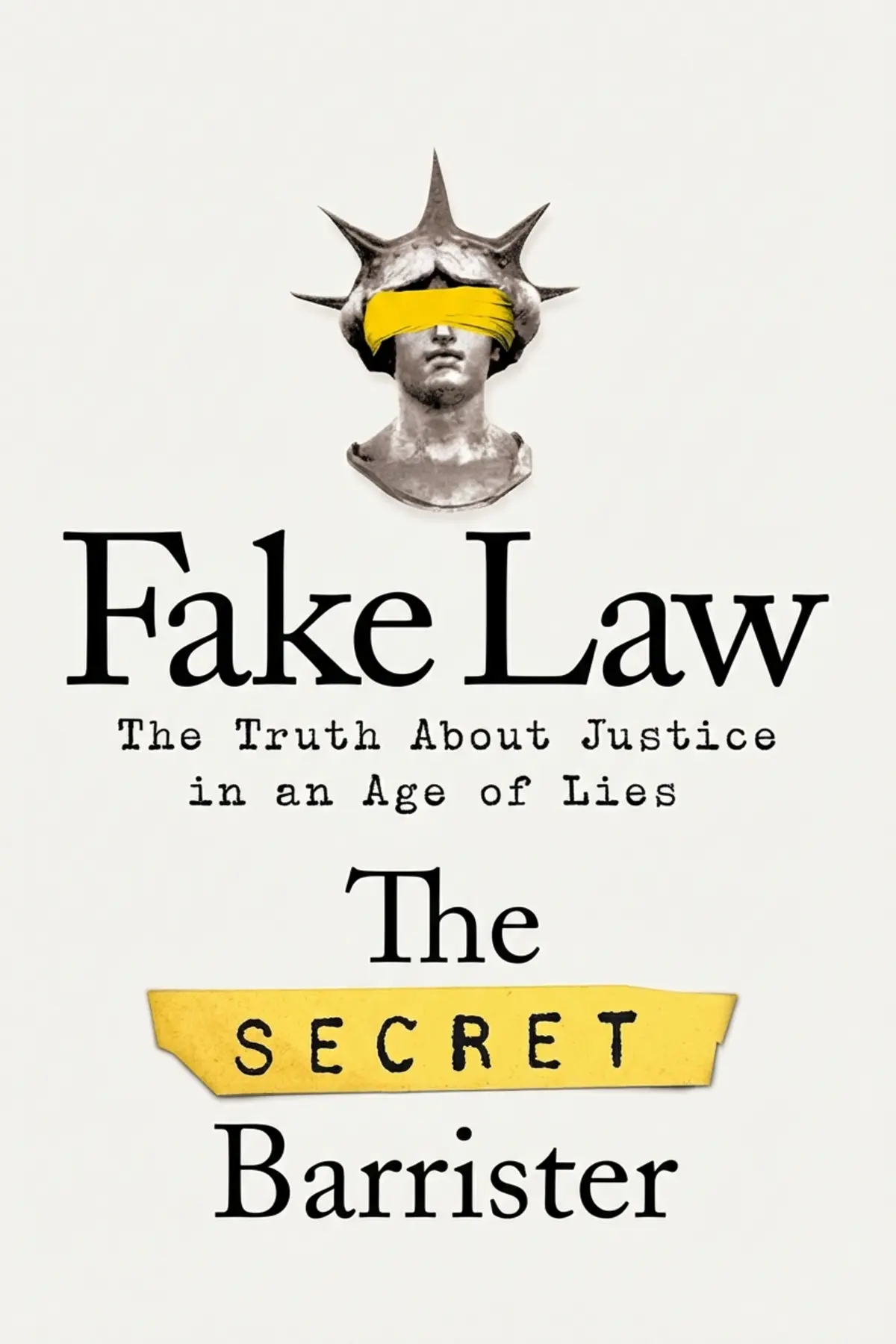
Fake Law: The Truth About Justice in an Age of Lies
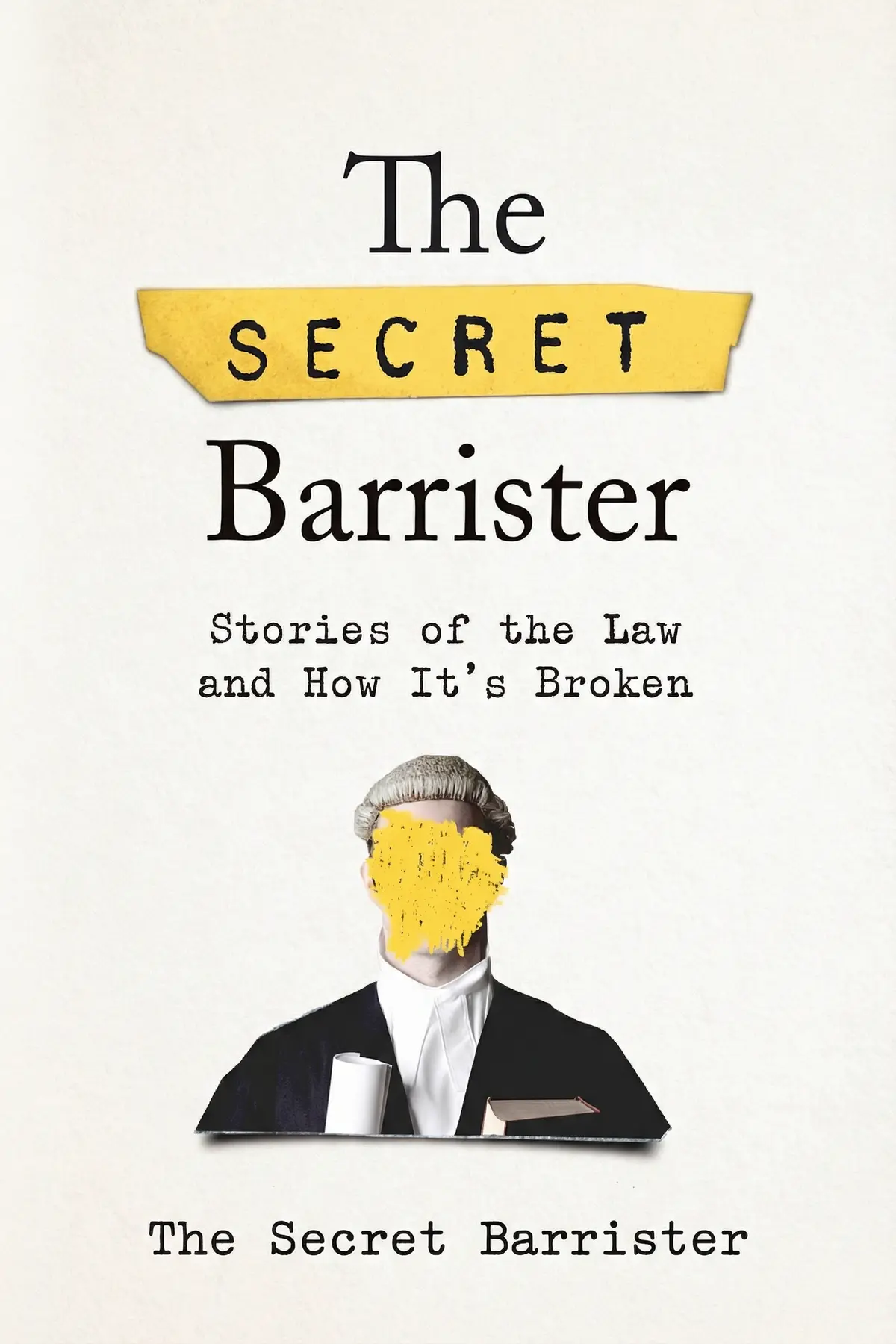
The Secret Barrister
Examine the crumbling foundations of the English legal system. This inside look reveals how budget cuts, outdated traditions, and public misconceptions threaten the very principles of fairness and justice for everyone.
1 min 42 sec
Most of us view the criminal justice system through a safe, fictional lens. We see the dramatic closing arguments in a televised courtroom or follow the clever maneuvers of a lawyer in a legal thriller. In these stories, justice is usually served, and the machinery of the law, while complex, feels robust and reliable. We tend to think of the law as something that happens to other people—to career criminals or the unlucky few—and we trust that if we ever found ourselves in a courtroom, the truth would naturally prevail.
But what if that foundation of trust is based on a fundamental misunderstanding? The reality is that the criminal justice system of England and Wales is far from the smooth-running machine depicted in fiction. Instead, it is a structure under immense pressure, suffering from decades of underfunding, political neglect, and a reliance on traditions that sometimes do more harm than good. This is a system where the innocent can be deprived of their liberty based on incomplete files, and where the guilty can walk free because of administrative errors.
In this exploration, we are going to look behind the curtain of the courtroom. We will examine why the very people tasked with upholding justice are often working in conditions that make success nearly impossible. We’ll look at the historical quirks that still govern modern trials, the impact of drastic budget cuts on essential services, and the pervasive myths that prevent the public from demanding better. The throughline here is simple but urgent: the justice system is a public service just like health or education, and when it fails, it fails all of us. Understanding the depth of this crisis is the first step toward fixing a system that is currently teetering on the edge of collapse.
1 min 58 sec
Explore the historical origins of the English courtroom, from the symbolic wigs and gowns to the distinct roles of barristers and solicitors that shape every trial.
1 min 33 sec
Discover the pivotal role of the Crown Prosecution Service and how its 1985 creation shifted the responsibility of charging suspects away from the police.
1 min 50 sec
Learn why the first stop for every criminal case is overseen by untrained volunteers, a system dating back to the 12th century that now faces modern crises.
1 min 48 sec
Understand the devastating consequences of underfunded case preparation, where missing evidence and clerical errors allow criminals to evade accountability.
1 min 52 sec
Debunk the stereotypes of the ‘shady’ defense lawyer and explore how the erosion of legal aid endangers the rights of the innocent.
1 min 53 sec
Compare the UK’s combative legal process with the continental European model, questioning if our current methods are too traumatic for victims.
1 min 45 sec
Examine why the defense’s role is essential in keeping the state honest, even when compared to seemingly more efficient legal models.
1 min 39 sec
Uncover the ‘hellish’ complexity of sentencing guidelines and the staggering recidivism rates that prove our prisons are failing to rehabilitate.
1 min 41 sec
Confront the public misconceptions about ‘fat cat’ lawyers and discover the surprisingly low pay that characterizes the life of a criminal barrister.
1 min 30 sec
The criminal justice system in England and Wales is not just a collection of ancient traditions and courtrooms; it is the very framework that protects our fundamental rights. However, as we have seen, that framework is currently in a state of crisis. From the 12th-century origins of the Magistrates’ Court to the modern-day collapse of the CPS budget, every level of the system is struggling to meet the demands of justice.
The throughline of this journey is the recognition that ‘efficiency’ has too often become a mask for neglect. When we cut the budget of the prosecution, we aren’t just saving money; we are allowing violent offenders to walk free because of missing paperwork. When we erode legal aid, we aren’t just being ‘tough on crime’; we are making it impossible for innocent people to defend their names. And when we ignore the squalor of our prisons, we are ensuring that recidivism remains high, making our communities less safe.
The path forward requires a shift in how we talk about the law. We must move past the myths of ‘fat cat’ lawyers and look at the reality of a system that is underfunded and overworked. Justice is a public good, and it requires public investment. The next time you see a headline about the ‘broken’ legal system, remember that it doesn’t have to be this way. By demanding transparency, better funding, and a move toward more humane practices, we can rebuild a system that truly reflects our values of fairness and truth. After all, the law belongs to all of us—and it’s time we started acting like it.
The Secret Barrister offers a candid, behind-the-scenes look at the criminal justice system in England and Wales. It moves past the polished drama of television shows to reveal a reality defined by underfunding, administrative chaos, and systemic neglect. The book explores the historical roots of the court system, from the peculiar traditions of wigs and gowns to the 12th-century origins of local magistrates. It highlights how political decisions and drastic budget cuts have hollowed out essential services like the Crown Prosecution Service, leading to collapsed cases and miscarriages of justice. Beyond the logistics, the book serves as a powerful promise to the reader: to strip away the myths surrounding 'fat cat' lawyers and 'luxury' prisons. By detailing the human cost of a failing system—where the innocent are at risk and the guilty walk free due to paperwork errors—it challenges the public to care about the law before they find themselves personally entangled in it. Ultimately, it is a call for transparency and urgent reform to protect the rights of every citizen.
The Secret Barrister is the anonymous pen name of someone with around ten years’ experience working in the criminal justice system of England and Wales, who hopes to make the system more understandable to the average citizen. Their writing has appeared in such publications as the Guardian, the Times and Esquire. The Secret Barrister became a Sunday Times best-seller and was shortlisted for multiple awards.
The Secret Barrister
Listeners value this illuminating and crucial exploration of the British judiciary, frequently characterizing it as a compelling and pressing plea for change. They find the examples of institutional breakdowns both startling and insightful, emphasizing how budget reductions affect the administration of law. Though some listeners believe the writing style is occasionally too thick or scholarly, most agree the author performs a necessary task by revealing court realities. Furthermore, they highlight the work's significance for all citizens, with one listener observing that "nightmarish" accounts of unfairness make these systemic issues feel incredibly tangible.
This book is an absolute gut-punch to anyone who believes the British legal system is still the envy of the world. Frankly, I walked away from this feeling significantly less safe than I did before opening the first page. The Secret Barrister pulls back the curtain on a crumbling infrastructure that is being starved of the resources it desperately needs to function. It isn't just about 'criminals' getting off; it is about innocent people being chewed up by a machine that no longer has the budget to care about the truth. While some sections regarding the historical context of the bar are a bit dense, the overall message is too urgent to ignore. We are sleepwalking into a crisis where justice is becoming a luxury rather than a right. This should be mandatory reading for every voter in the country, even if the case studies make you feel physically sick.
Show moreAs someone who has never been in trouble with the law, I previously had the luxury of apathy. Not anymore. This book shattered my complacency by showing how easily an ordinary person can be destroyed by a system that is no longer fit for purpose. The Secret Barrister uses their anonymity to speak truths that would otherwise be silenced by the Ministry of Justice. The stories of victims being let down by the Crown Prosecution Service due to sheer lack of manpower are heartbreaking. It’s a powerful call to action that highlights how government cuts have essentially gutted our civil liberties. Some of the legal jargon requires a bit of focus, but the author does a great job of breaking down complex concepts for the layperson. Please read this before you find yourself in a dock with nobody to defend you.
Show moreForget everything you think you know about British justice. This book exposes the nightmare reality of a system held together by string and the goodwill of overworked professionals. The anecdotes provided are chilling; they illustrate a world where your innocence matters less than whether the police have the budget to process a piece of evidence. I was particularly struck by the description of how the CPS is forced to farm out cases to the lowest bidder. It’s an appalling indictment of decades of neglect. Personally, I found the author’s voice to be the perfect blend of righteous indignation and professional expertise. It is a terrifying, brilliant, and deeply necessary piece of writing. If you care about your rights, you need to buy a copy and then give it to someone who doesn't think this affects them.
Show moreWow. I’m honestly reeling from some of the revelations in here. The Secret Barrister has done a massive service to the public by explaining exactly how broken our courts have become. The stories of miscarriages of justice are not just statistics; they are real people whose lives have been ruined by a lack of funding and common sense. I was shocked by the details regarding the 'innocence tax'—the idea that you can be found not guilty but still be bankrupt by legal fees is monstrous. The writing is sharp, witty, and incredibly persuasive. Despite the density of the subject matter, I found it hard to put down because the implications are so significant for every citizen. It’s an urgent call to action that we ignore at our own peril. Everyone should read this.
Show moreEver wonder why the news only focuses on the 'sexy' trials while ignoring the everyday rot in our courts? This book provides the answer in vivid, often infuriating detail. The chapter on the Magistrates’ Court was particularly eye-opening for me, as I had no idea how much power is wielded by volunteers with minimal legal training. It’s a terrifying thought. To be fair, the prose can be quite heavy and legalistic at times, which might alienate readers looking for a breezy 'confessions' style memoir. It’s definitely not the legal version of Adam Kay’s book, as it lacks that punchy, comedic timing. However, the author’s passion for the rule of law shines through every page. I finished it feeling enlightened, though deeply worried about the future of our society. A necessary, if somewhat demanding, read.
Show morePicked this up after seeing the rave reviews and I must say it lives up to the importance, if not always the 'fun' factor. The truth is that the law is often boring, and the author doesn't shy away from that reality. They provide a staggering amount of evidence regarding the underfunding of the justice system. I found the section on how barristers are actually paid—or not paid—to be a real myth-buster compared to the 'fat cat' image the tabloids love to project. My only gripe is that the tone can get a bit polemical and repetitive towards the end. It feels like the author is screaming into the void at times, which is understandable given the stakes. It’s an essential piece of social commentary for the modern era, even if the pacing occasionally drags in the middle.
Show moreTruth is, it's a bit of a slog to get through. I picked this up expecting a series of witty, fast-paced tales from the courtroom, but what I got was a very dense analysis of government policy and legal history. The Secret Barrister is clearly brilliant and their work is vital, but I’m not sure the marketing for this book was entirely honest. It’s pitched as a 'tell-all,' yet it reads more like a manifesto for legal reform. There are definitely flashes of brilliance and the case studies are genuinely shocking, but they are buried under mountains of statistics and theoretical arguments. If you are interested in the nitty-gritty of the British legal system, you will love it. If you’re looking for a light recreational read to enjoy on the train, you might find yourself checking how many pages are left.
Show moreAfter hearing the hype, I expected something a bit more 'populist' and fast-paced. Look, the information presented is undeniably vital, but the delivery is often as dry as a week-old crust of bread. The author spends an enormous amount of time on the history of the profession and the minutiae of the Magistrates' Court system. While I learned a lot about why our courts are failing, I found myself skimming through the more technical, statistical passages to get to the actual case studies. It’s a bit of a mixed bag; it’s an essential piece of social commentary, but it’s not exactly a page-turner. I respect the passion behind the project and the author's clear expertise, but the pacing needs work to keep a casual reader truly engaged.
Show moreTo be fair, the author knows their stuff inside out. The level of detail regarding the inner workings of the bar is impressive, and I definitely learned a lot about the various tiers of the court system. However, I found the lack of a strong narrative thread made it difficult to stay focused. It felt less like a book and more like a series of very long, very angry blog posts. While I agree with the author’s points about underfunding and systemic failure, the constant 'woe is us' tone became a bit wearing after 300 pages. It’s an important book, no doubt, but perhaps one that is better consumed in small chunks rather than a single sitting. It is informative, but it lacks the 'human' element that makes memoirs really sing.
Show moreI really wanted to like this because I’m a fan of the author’s Twitter account, but the book itself was a massive disappointment for me. Many people compared this to Adam Kay’s medical memoir, yet it lacks that human touch and the dark humor that made 'This Is Going to Hurt' so readable. Instead of a collection of engaging anecdotes from the courtroom, it felt like I was wading through a dry, academic textbook on legal policy and funding statistics. The writing is undeniably articulate—the author is a barrister, after all—but it’s also quite repetitive and occasionally condescending toward the reader. I appreciate the importance of the subject matter, but I struggled to stay awake during the long-winded chapters on the history of legal aid. It was a chore to finish and felt like a lecture.
Show more
Jessica Valenti

Virginia Woolf

Yanis Varoufakis
Yuval Noah Harari

Jacinda Ardern

Pankaj Mishra

Johny Pitts
AUDIO SUMMARY AVAILABLE
Get the key ideas from The Secret Barrister by The Secret Barrister, plus 5,000+ more titles in English and Thai.







