
19 min 08 sec
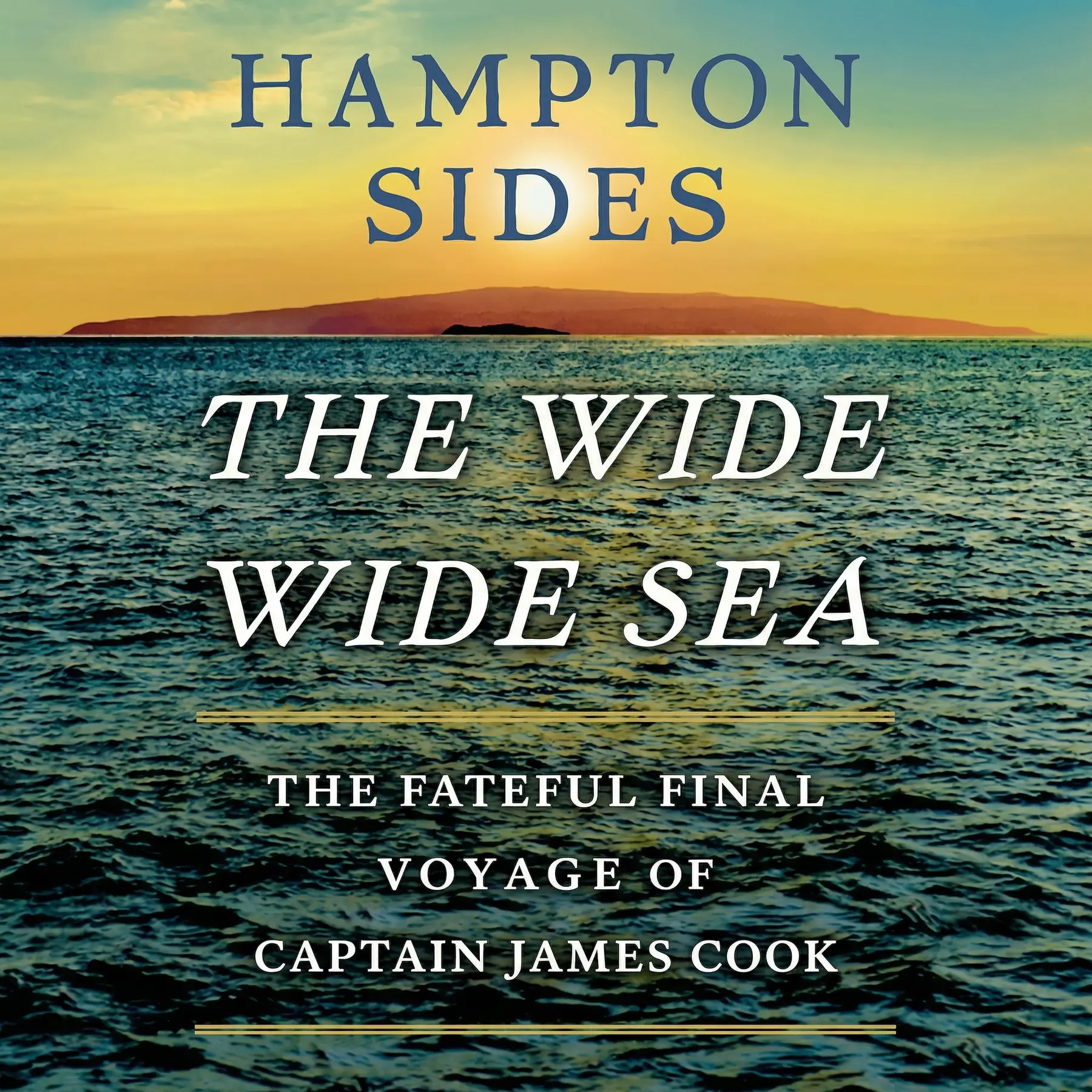
The Wide Wide Sea: The Fateful Final Voyage of Captain James Cook
Explore the complex legacy of Captain James Cook’s final, fateful voyage across the Pacific. This narrative delves into the cultural collisions, scientific ambitions, and tragic end of a legendary maritime explorer.
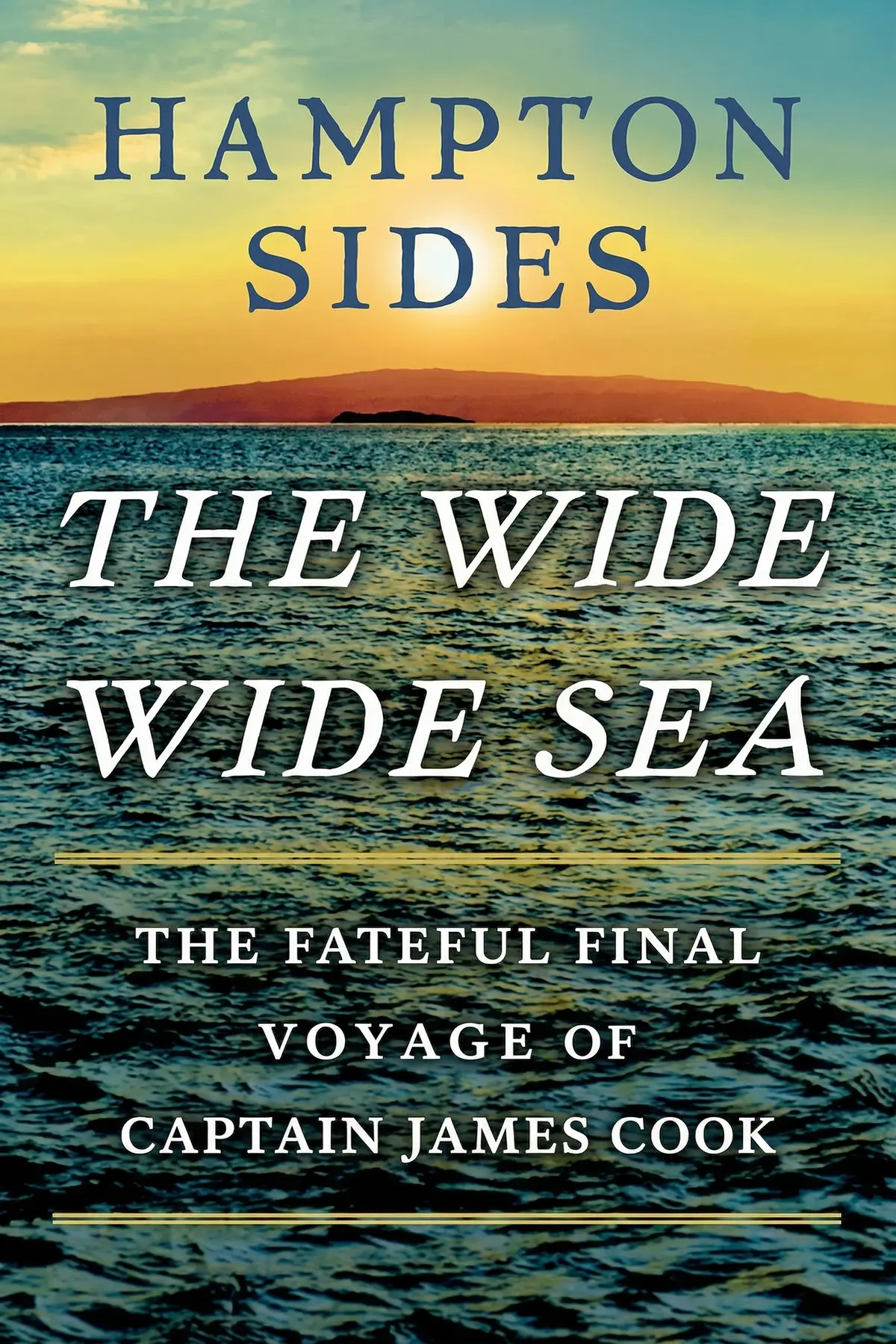
Table of Content
1. Introduction
1 min 44 sec
In the year 1776, as the American colonies were declaring their independence, a different kind of history was being written on the far side of the globe. At the center of this story was Captain James Cook, a man whose name had become synonymous with the very idea of exploration. By this point in his life, Cook was more than just a naval officer; he was a living legend, a figure of global fascination who had already redefined the world map. However, his final journey—the one we are about to follow—would prove to be his most ambitious, his most complex, and ultimately, his most tragic.
To understand the magnitude of this expedition, we have to look past the old-fashioned portraits of a stoic man in a powdered wig. We need to see the throughline of a world in transition. On one hand, this was a mission of pure scientific inquiry and geographic curiosity, aimed at solving one of the greatest maritime mysteries of the age. On the other, it was the vanguard of a colonial wave that would forever alter the lives of the people living across the Pacific.
This narrative doesn’t just chronicle nautical miles or geographic coordinates. It captures the atmosphere of the 18th-century deck, the smell of the salt air, and the growing tension between two very different worldviews. As we trace Cook’s path from the drawing rooms of London to the icy barriers of the Arctic and the tropical bays of Hawaii, we’ll see how his legacy shifted from that of a celebrated hero to a symbol of imperial overreach. What follows is a vivid account of a daring journey that tested the limits of human endurance and the fragile boundaries of cross-cultural encounter. It is a story of fame, duty, and the unexpected consequences of seeking the unknown.
2. The Rise and Restlessness of a Maritime Icon
2 min 07 sec
James Cook rose from humble origins to become the world’s most famous explorer, but his success came at a steep personal cost.
3. The Quest for the Northwest Passage and the Burden of Mai
2 min 08 sec
A secret mission and a unique passenger transformed the Resolution into a diplomatic and scientific vessel unlike any other.
4. Justice and Restraint in the Shadow of Tragedy
2 min 00 sec
Returning to the site of a past massacre, Cook faced a profound moral test that challenged his views on Indigenous relations.
5. The Tragic Disconnect of a Cultural Return
1 min 56 sec
The homecoming of the celebrated traveler Mai revealed the harsh realities of social status and the fragility of life.
6. Stumbling Upon a New World in the Middle of the Sea
1 min 52 sec
An unexpected discovery in the vast Pacific challenged Cook’s understanding of human migration and ancient connections.
7. Defying the Ice and the Limits of Theory
1 min 59 sec
The expedition’s grueling journey to the Arctic pushed the crew to their breaking point and shattered long-held naval myths.
8. The God Who Stayed Too Long
2 min 16 sec
A return to Hawaii during a sacred festival set the stage for a tragic misunderstanding and the death of a legend.
9. A Bitter Homebound Path and a Lasting Legacy
1 min 51 sec
In the wake of their captain’s death, the remaining crew faced a grueling journey back to a world that would never be the same.
10. Conclusion
1 min 15 sec
The story of Captain James Cook’s final voyage is a tapestry woven with threads of triumph and tragedy. It began with the highest aspirations of the Enlightenment—the search for knowledge, the mapping of the unknown, and the dream of a new trade route. It ended in a spray of surf and a clash of steel on a Hawaiian beach. As we reflect on this journey, we see more than just the end of a great explorer’s life; we see the collision of two worlds that could never truly understand one another. Cook was a man of his time, driven by a relentless curiosity and a sense of duty, but he was also the harbinger of a future he couldn’t fully envision.
The takeaway from this narrative is a call to look at history with a nuanced eye. We can admire the courage, the skill, and the scientific breakthroughs of the expedition while also acknowledging the heavy toll it took on the people and cultures it encountered. The ‘Wide Wide Sea’ remains a testament to human ambition and its limits. Cook’s maps paved the way for the modern world, but they also redrew the destinies of countless people across the Pacific. To understand James Cook is to understand the complexity of our shared history—a history defined by the restless human urge to see what lies beyond the horizon, and the profound responsibility that comes with finding it.
About this book
What is this book about?
The Wide Wide Sea offers a deep and immersive examination of Captain James Cook’s third and final expedition. Set against the backdrop of the late 18th century, the book follows the renowned navigator as he leads the Resolution and Discovery into the unknown corners of the Pacific and Arctic Oceans. Beyond the maps and maritime milestones, it explores the human dimensions of the journey—the crew’s struggles, the political pressures from the British Admiralty, and the profound, often devastating interactions with Indigenous cultures from the Māori to the Hawaiians. This summary provides a nuanced perspective on a man once viewed solely as a heroic discoverer, now seen as a figurehead of the colonial era. It promises to reveal the tension between scientific curiosity and imperial expansion. You will see how a series of misunderstandings, high-stakes diplomacy, and environmental challenges led to a violent climax that changed the course of Pacific history. It is a story of adventure, the pursuit of a mythical Northwest Passage, and the inescapable weight of history.
Book Information
About the Author
Hampton Sides
Hampton Sides is an acclaimed American author and journalist known for his exciting narratives and deep historical insights. His work often explores themes of adventure and conflict, and have earned him praise for his meticulous research and engaging prose. His best-selling books include Blood and Thunder and In the Kingdom of Ice.
Ratings & Reviews
Ratings at a glance
What people think
Listeners find this work to be a superb experience that flows like an adventure novel, providing a compelling narrative of Cook's last journey. The prose is a masterfully written historical record, and the book is deeply researched with intriguing specifics. They value the focus on exploration, with one listener pointing out the striking depictions of the Gulf of Alaska, and consider it captivating throughout, with one remarking it is difficult to put down.
Top reviews
Palm
This book is a masterclass in narrative non-fiction, reading more like a high-stakes adventure novel than a dry historical text. Hampton Sides handles the complexity of Captain Cook’s character with incredible nuance, showing us both the brilliant navigator and the man who was clearly unraveling during his final trek. I was particularly struck by the contrast between his earlier diplomat-like approach and the mercurial, almost violent shifts in his temperament on this voyage. It reminded me a lot of David Grann’s The Wager, but with a broader, more global scope that captures the sheer scale of the Pacific. The level of detail regarding the HMS Resolution’s constant leaks and the crew’s exhaustion made the journey feel visceral. If you enjoy Erik Larson, this is an absolute must-read. It’s rare to find a book that balances rigorous historical research with such propulsive storytelling.
Show moreKwan
As a devotee of maritime history, I’ve read my fair share of Cook biographies, but Sides brings something fresh here by integrating indigenous oral traditions. The inclusion of the Palawa and Māori perspectives adds a much-needed layer to the standard 'explorer' narrative. I loved the smaller tidbits, like the story of the Tahitian oil massage that supposedly cured Cook’s sciatica or the first written descriptions of Hawaiian surfing. Truth is, many historians gloss over the human element, but Sides keeps the focus on the clashing cultures and the tragic misunderstandings that led to the final confrontation. The prose is evocative and flows beautifully, making 400 pages fly by. It’s a stunning achievement that doesn’t shy away from the darker consequences of imperialism while still acknowledging Cook’s undeniable skill as a mariner. This is exactly how history should be written.
Show moreLuckana
Wow, what a gripping reconstruction of a journey that changed the world map forever. The author captures the eerie atmosphere of Cook being worshipped as the god Lono in Hawaii, only for the tide of emotion to turn so violently against him when the ships were forced to return for repairs. It felt like watching a slow-motion train wreck; you know the ending, yet you’re still holding your breath. I was fascinated to learn that a piece of the Resolution actually made it to the moon on a NASA mission—a perfect bridge between the age of sail and the age of space. The research is staggering, yet it never feels like a data dump. Every page is infused with a sense of wonder and impending doom. If you’re looking for an adventure that makes you think about the ethics of first contact, this is it.
Show moreWoramet
The descriptions of Alaskan ice fields and the brutal conditions faced by the crew of the Discovery were the highlight of this book for me. Sides manages to make the reader feel the biting cold of the Arctic Circle just as vividly as the humidity of Tahiti. It’s a fascinating look at a man who was history’s uncontested master of the Pacific, pushing his ships into waters where no European had ever dared to go. I appreciated how the book didn't just lionize Cook but interrogated his increasingly aggressive behavior and fatal errors during this final voyage. The writing style is punchy and visual, making it very easy to picture the scene at Kealakekua Bay. It’s a tragic, sprawling epic that feels incredibly relevant today. This is narrative non-fiction at its absolute finest, perfectly balancing adventure with cultural critique.
Show moreSelin
Ever wonder why James Cook's third voyage ended in such a gruesome disaster when his first two were so successful? Hampton Sides explores this question with the precision of a surgeon. He paints a portrait of a captain who was losing his edge—perhaps due to illness, exhaustion, or the sheer weight of his own legend. The dichotomy between the 'civilized' British crew and the 'savages' they encountered is flipped on its head when you see the sailors spreading disease and the indigenous people displaying much healthier lifestyles. The book is packed with 'did you know' moments, like the details of the first-ever grog or the way rats infested Moorea. It’s an immersive experience that leaves you questioning the true cost of 'discovery.' This is a brilliant addition to any history lover's shelf.
Show moreFang
Picked this up expecting a standard biography but got a vivid, cinematic adventure instead. Seeing a young William Bligh before the Bounty fame was a great touch, showing the seeds of future maritime legends. Sides has this amazing ability to make 250-year-old journal entries feel like they were written yesterday. The contrast between the lush, tropical 'paradise' and the gritty reality of life on a leaky, stinking ship is handled perfectly. It’s a story of high-stakes mapmaking, cultural collisions, and a man who stayed at sea just one voyage too long. Frankly, I couldn't put it down. The tension builds perfectly toward the inevitable massacre in Hawaii. It’s easily one of the most engaging historical accounts I’ve read in years, making the complex politics of the era accessible to everyone.
Show morePraepimon
Finally got around to this after seeing it on several 'Best of 2024' lists, and it mostly lived up to the hype. The sections detailing Mai’s return to Tahiti and his subsequent struggles were surprisingly moving, though they did feel a bit long-winded at times. To be fair, the pace really hits its stride once they head north toward the Bering Strait. Sides does a fantastic job explaining the sheer impossibility of the Northwest Passage mission given the knowledge of the eighteenth century. My only real gripe is that some of the technical discussions about the K1 sea clock felt a bit dry compared to the vivid descriptions of the Pacific islands. However, the tragedy at Kealakekua Bay is handled with such sensitivity and depth that it more than makes up for the slower chapters. It is a dense read, but rewarding for anyone who likes maritime history.
Show moreCee
After hearing so much buzz about this on Goodreads, I decided to dive in, and it’s certainly an impressive piece of scholarship. The book does a great job of placing the voyage within the context of the American Revolution happening simultaneously across the globe. It’s wild to think Cook was mapping the Northwest Passage while the colonies were fighting for independence. To be fair, the sheer volume of names and journals can be overwhelming if you aren't paying close attention to every crewman introduced. I did find the discussion of the K1 sea clock a bit overly technical for a general audience, but the way it revolutionized navigation was crucial to the story. Overall, it’s a very balanced account that respects indigenous perspectives without turning into a modern polemic. A very strong four stars for depth and detail.
Show moreRatthapong
Gotta say, I wasn't expecting to be so invested in a story about 18th-century surveying, but here we are. The book is full of fascinating, gnarly details about the crew's health and the rampant spread of venereal diseases that Cook desperately tried to stop. It highlights the irony of the British bringing 'civilization' in the form of inappropriate English gardens to people who already had a better diet than them. While the pace slowed down a bit during the long Arctic mapping sections, the ending was visceral and haunting. The image of the obelisk in Hawaii being defaced today really brings the whole legacy of Cook into perspective. It’s a nuanced, deeply researched book that makes the past feel incredibly present. Highly recommended for any history buff looking for a balanced view of exploration.
Show moreKwame
Look, I wanted to love this as much as In the Kingdom of Ice, but the middle section really dragged for me. The detail about the menagerie of goats and plants being returned to the islands was interesting for a few pages, but it eventually felt repetitive. Personally, I found the shifting focus between the various crew members a bit dizzying at times, even if the individual stories were well-researched. Not gonna lie, I almost put it down during the long wait for the wind in the Society Islands. That said, the final hundred pages are absolutely electric. The way Sides deconstructs the 'discovery' myth while showing the physical toll the voyage took on Cook’s mental state is very well done. It’s a solid history book, but it lacks the tight, breathless pacing I’ve come to expect from this author. It's a good effort, but not quite a five-star experience.
Show moreReaders also enjoyed


A Splendid Exchange: How Trade Shaped the World
William J. Bernstein

A Spy Among Friends: Philby and the Great Betrayal
Ben Macintyre


1491: New Revelations of the Americas Before Columbus
Charles C. Mann

A Year in the Life of William Shakespeare: 1599
James Shapiro

1929: Inside the Greatest Crash in Wall Street History--and How It
Andrew Ross Sorkin
AUDIO SUMMARY AVAILABLE
Listen to The Wide Wide Sea in 15 minutes
Get the key ideas from The Wide Wide Sea by Hampton Sides, plus 5,000+ more titles in English and Thai.
- 5,000+ titles
- Listen as much as you want
- 7-day free trial
- Cancel anytime







