
31 min 54 sec
This Is How They Tell Me the World Ends: The Cyberweapons Arms Race
A profound investigation into the secretive and dangerous multi-billion dollar cyber weapons market, revealing how governments and corporations have prioritized digital offense over global security, leaving essential civilian infrastructure at risk.
Table of Content
1. Introduction
2 min 11 sec
Imagine a world where the very tools we use to connect, work, and live are secretly being turned into weapons. We often think of warfare in terms of physical force—soldiers on the ground, planes in the sky, or ships at sea. But there is a second, invisible front that is just as consequential and far more pervasive. This is the realm of cyber weapons, a multi-billion dollar industry that exists in the shadows, fueled by the secrets of our digital infrastructure. This Is How They Tell Me the World Ends serves as a chilling guided tour through this hidden landscape, showing us how we reached a point where a few lines of code can paralyze a nation.
The throughline of this exploration is the concept of the ‘zero-day.’ In the world of software, a zero-day is a flaw that the developer doesn’t know exists. Because the creator is unaware of the hole in their security, they have had ‘zero days’ to fix it. To a hacker, or a government intelligence agency, these flaws are more valuable than gold. They are the keys to the kingdom, allowing silent entry into everything from personal smartphones to the control systems of nuclear power plants.
What makes this situation truly alarming is not just that these vulnerabilities exist, but that a massive, global market has emerged to buy and sell them. Instead of helping companies patch these holes to keep the public safe, governments and private brokers are stockpiling them for use as digital ammunition. This shift from a defensive posture to an offensive one has created a world that is fundamentally less secure for everyone. As we dive into this summary, we will look at how this industry thrives, why our governments are both the architects and the victims of this system, and what happens when the digital weapons created in secret inevitably leak into the wild. We are standing at a crossroads where our total dependence on technology has outpaced our ability to secure it, and understanding this invisible arms race is the first step in recognizing the true stakes of the modern age.
2. The Commodities of the Invisible Market
2 min 19 sec
Discover the hidden economy where software vulnerabilities are traded like precious metals, and why a single flaw can be worth millions of dollars.
3. The Erosion of National Defense
2 min 26 sec
Explore the dangerous shift in government priorities as the focus moves from protecting citizens to stockpiling digital weapons for future use.
4. The Role of Private Contractors and Brokers
2 min 23 sec
Go behind the scenes of the private firms and middle-men that act as the digital arms dealers of the twenty-first century.
5. The North Korean Precedent and Entertainment Warfare
2 min 15 sec
Understand how a high-profile attack on a movie studio changed the way we perceive the reach and impact of digital weapons.
6. The Physical Reality of Digital Strikes
2 min 12 sec
Learn how the threat has moved beyond the screen to target physical systems like nuclear power plants and electrical grids.
7. The Energy Sector as a Strategic Target
2 min 14 sec
Examine the focused attacks on gas and energy companies that reveal the geopolitical stakes of the digital arms race.
8. The High Price of Insider Secrets
2 min 17 sec
Uncover how the testimony of industry insiders and whistleblowers has peeled back the curtain on this secretive world.
9. The Peril of Universal Vulnerability
2 min 17 sec
See why our total dependence on technology has created a ‘fragile world’ where everyone is a potential victim of digital warfare.
10. The Lack of Global Rules and Oversight
2 min 20 sec
Analyze the legal and ethical vacuum in which the cyber arms trade operates, and the challenges of creating international standards.
11. The Blowback Effect: When Secrets Leak
2 min 17 sec
Discover how the very weapons created by governments to protect their interests often end up being used against them.
12. The Invisible Toll on Human Rights
2 min 13 sec
Investigate how the trade in digital exploits has become a preferred tool for modern-day surveillance and oppression.
13. The Urgent Need for Digital Resilience
2 min 14 sec
Reflect on the collective responsibility to demand better security and the shift in mindset required to navigate a militarized internet.
14. Conclusion
2 min 16 sec
The journey through the shadows of the cyber weapons industry reveals a world that is far more fragile than most of us realize. We have built our modern civilization on a digital foundation that is being intentionally kept weak to serve the interests of state espionage and corporate profit. From the multi-billion dollar trade in zero-day exploits to the physical sabotage of energy grids and the erosion of human rights through surveillance-for-hire, the stakes of the digital arms race could not be higher. Nicole Perlroth’s investigation, rooted in a decade of frontline reporting at the New York Times, serves as a stark warning that our current path is unsustainable.
The throughline of this summary is clear: our safety is being traded for an offensive edge that is often fleeting and frequently backfires. When governments choose to stockpile vulnerabilities rather than help fix them, they leave us all exposed. When private companies sell the tools of digital warfare to the highest bidder, they enable a world without boundaries or rules. And when we, as a society, prioritize convenience and connectivity over the fundamental security of our infrastructure, we become the unwitting victims of a war we didn’t even know was happening.
However, this is not a message of despair, but a call to action. Awareness is the first defense. By understanding the mechanics of the cyber weapons market and the real-world consequences of digital strikes, we can begin to demand the changes necessary to secure our future. This means advocating for international norms, demanding better security from software manufacturers, and pushing our leaders to prioritize the protection of civilian infrastructure. The digital age has brought us incredible benefits, but it has also brought us to the brink of a new kind of global instability. This Is How They Tell Me the World Ends is a vital roadmap for anyone who wants to understand how we got here—and what we must do to ensure the digital world remains a tool for progress rather than a weapon of mass destruction. We have the ability to patch the holes in our systems and our policies, but only if we have the courage to face the reality of the invisible war being waged around us every day.
About this book
What is this book about?
This narrative explores the hidden economy of digital exploits—vulnerabilities in software that are unknown to the creators but highly valuable to hackers and national intelligence agencies. It traces how the digital world has transformed into a battlefield where the lines between state actors and private mercenaries are increasingly blurred. The book provides a clear-eyed look at the systemic risks we face as critical infrastructure, such as power grids and energy pipelines, becomes the primary target in a new kind of invisible war. Through the eyes of an investigative journalist, we see the inner workings of an industry that profits from the very insecurity of our digital lives, promising a wake-up call regarding the fragility of our connected world.
Book Information
About the Author
Nicole Perlroth
Nicole Perlroth spent a decade as a cybersecurity reporter for the New York Times. Her investigative work has covered major international incidents, including North Korean cyberattacks on the entertainment industry, Russian interference with nuclear infrastructure, and Iranian strikes on energy companies. This book marks her debut as an author, bringing years of frontline reporting to the public.
Ratings & Reviews
Ratings at a glance
What people think
Listeners consider this book an essential read that is meticulously researched and written in accessible language, creating the atmosphere of a gripping spy thriller. The text serves as a broad introduction to cybersecurity with a focus on devastating cyber warfare, and listeners value the way it details various exploits extensively without becoming overly technical. Though listeners admit the material is frightening, they ultimately find it to be quite enlightening.
Top reviews
Harper
This book reads more like a high-stakes espionage thriller than a dry piece of investigative journalism. Nicole Perlroth somehow takes the invisible, complex world of zero-day exploits and turns it into a pulse-pounding narrative that is impossible to put down. It's frankly terrifying to realize how much of our infrastructure relies on code that is fundamentally broken. I was particularly struck by the descriptions of how the US government essentially birthed this underground market only to lose control of it to adversaries like Russia and China. The level of research here is astounding, yet the language remains accessible for those of us who aren't tech-savvy. My only small gripe is that the ending felt a bit abrupt compared to the sprawling history of the first half. Still, this is essential reading for anyone with a smartphone.
Show moreTuck
Picked this up because I wanted to understand more about cybersecurity, and I ended up with a permanent sense of digital dread. The way Perlroth tracks the evolution of hacking from teenage pranks to global weaponization is masterfully done. She has a real talent for taking dense, technical concepts and explaining them through the lens of human stories and geopolitical consequences. Gotta say, the section on the Jeep Cherokee being remotely hijacked was the moment it all clicked for me—this isn't just about data theft; it’s about physical safety. While the book is quite long and repetitive in a few places, the information is too vital to ignore. I’m definitely thinking twice before I update my 'smart' appliances now.
Show moreWissanu
Wow, I haven't felt this anxious after reading a book in a very long time. Perlroth has managed to write a non-fiction account of cybersecurity that feels exactly like a high-budget spy movie. The way she describes the underground markets where vulnerabilities are traded like stocks is simply mind-blowing. It really highlights the hubris of the Western intelligence community and how their own tools are now being used against them by Iran and North Korea. Truth is, I used to think 'hacking' was just about passwords, but now I see it's about the very fabric of our modern society. My only criticism is that I wish there were more actionable solutions offered at the end, but maybe there just aren't any.
Show moreVilaiporn
Not what I expected at all, but in the best possible way. I thought this would be a dry technical manual, but it’s actually a sweeping geopolitical drama. The stories about Pegasus and the targeting of journalists and activists really brought the stakes home for me. It’s one thing to hear about 'cyberwar' in the abstract, but it’s another thing to see the human cost of these tools being sold to authoritarian regimes. Perlroth’s prose is sharp and she doesn't pull any punches when criticizing both foreign actors and US policy. Some might find the tone a bit too alarmist, but given the facts she presents, I think a bit of alarm is probably justified. Easily one of the best non-fiction books I've read this year.
Show moreHannah
After hearing so much hype about this book, I finally sat down with it and was floored by the level of access Perlroth must have had to write this. She manages to pull back the curtain on a world that most of us will never see, and she does it without getting bogged down in jargon. The way she explains how a single line of code can be more powerful than a nuclear missile is just brilliant. It really changed my perspective on why our government seems so worried about foreign tech companies. The narrative is fast-paced and the storytelling is top-notch, making it feel more like a thriller than a report. Highly recommended for anyone who wants to understand the new frontline of global conflict.
Show moreWei
Ever wonder why your toaster needs an internet connection? After finishing this, you'll probably want to go back to analog everything. Perlroth provides a comprehensive, eye-opening introduction to the cyber arms race that is currently happening right under our noses. The focus on 'Zero Days'—those unpatched software vulnerabilities that sell for millions—is both fascinating and deeply disturbing. It’s not just about hackers in hoodies anymore; it’s about state-sponsored warfare capable of shutting down power grids or disabling a nation’s defense systems. I've been interested in tech for a while, but the depth of detail regarding the Stuxnet attack was new to me. It makes you realize that the next world war won't be fought with traditional bombs, but with clicks.
Show moreChamlong
To be fair, this is probably one of the most important books of the decade, even if it’s a bit of a dense slog at times. Perlroth is an incredible reporter, and she clearly knows the 'cyber' beat better than almost anyone at the New York Times. The sheer volume of names, agencies, and acronyms can get overwhelming if you aren't paying close attention, which makes the middle section feel a bit repetitive. However, the core message is clear and frightening: we are far more vulnerable than we think. I appreciated the nuance she brought to the discussion of the NSA and how 'defensive' tools often become offensive weapons in the wrong hands. It’s a 5-star topic with 3-star pacing, so I’m settling on a 4.
Show moreJib
The chapter on the Soviet-era typewriters with magnetic coils was absolutely wild and set the stage perfectly for the rest of the book. Personally, I love history, so seeing how we got from physical bugs to digital zero-days was the highlight for me. Perlroth does a great job of showing how the internet was never built with security in mind, and we’re all paying the price for that convenience now. The writing is punchy and direct, which helps when the subject matter gets a little technical. It's a massive book, but it moves quickly once you get into the rhythm of her reporting style. If you care about privacy or just want to know how the world actually works behind the screens, you need this.
Show moreOksana
Frankly, this book is a bit of a nightmare for anyone who likes to sleep soundly. I found myself checking my phone settings every twenty pages while reading about the 'zero-click' exploits that can infect your device without you even touching a link. The detail she goes into regarding the Shadow Brokers and the leak of NSA tools is exhaustive and, quite honestly, pretty embarrassing for our intelligence agencies. It’s a bit long-winded in the later chapters and could have used a tighter edit to keep the momentum going. Still, the insight into the 'Internet of Things' and how our infrastructure is essentially a house of cards is worth the time. It’s a sobering look at our digital reality.
Show moreLillian
Look, I wanted to love this, but the unrelenting gloom-and-doom eventually started to feel a bit exhausting. While I don't doubt the accuracy of Perlroth's reporting—she’s a top-tier journalist—the book feels like it’s trying to scare you on every single page. By the time I got to the third or fourth example of a power grid being compromised, I felt more numb than enlightened. There is a lot of great information here, especially about the history of the NSA, but the narrative often circles back to the same 'we're all doomed' sentiment without much variation. It’s a great resource for facts, but as a reading experience, it can be a bit of a downer. I'd recommend reading it in small chunks.
Show moreReaders also enjoyed

Age of Anger: A History of the Present
Pankaj Mishra

A Different Kind of Power: A Memoir
Jacinda Ardern
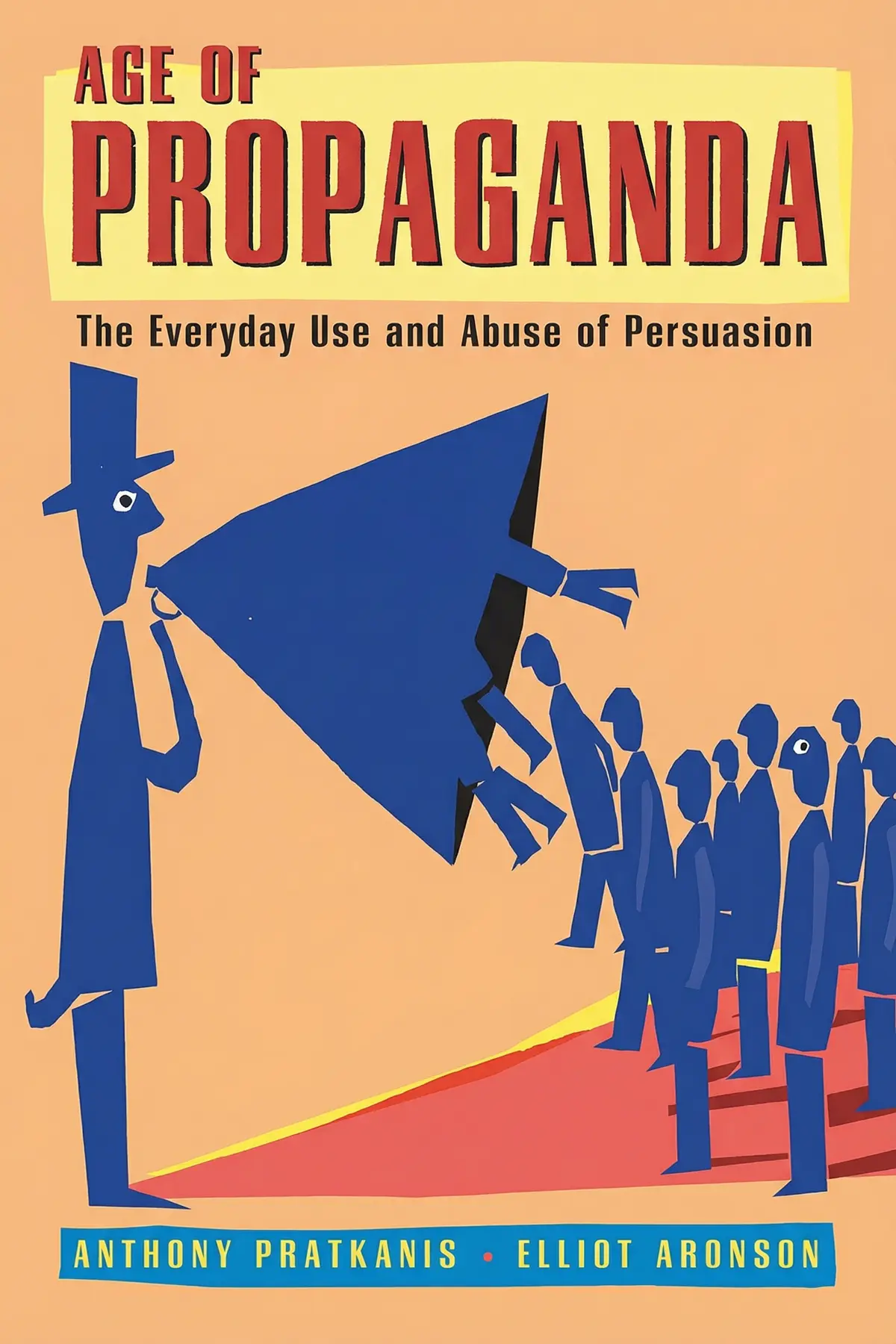
Age of Propaganda: The Everyday Use and Abuse of Persuasion
Anthony Pratkanis
A Higher Loyalty: Truth, Lies and Leadership
James Comey


A Promised Land
Barack Obama
AUDIO SUMMARY AVAILABLE
Listen to This Is How They Tell Me the World Ends in 15 minutes
Get the key ideas from This Is How They Tell Me the World Ends by Nicole Perlroth, plus 5,000+ more titles in English and Thai.
- 5,000+ titles
- Listen as much as you want
- 7-day free trial
- Cancel anytime







