Homo Deus: A Brief History of Tomorrow
Yuval Noah Harari
Yuval Noah Harari explores the most pressing challenges of our current era, examining how technology, politics, and psychological shifts are reshaping human society and offering strategies for a rapidly changing future.
1 min 45 sec
We live in a moment of unprecedented transition. For many of us, the world feels more confusing than ever before. We are witnessing the rise of incredibly intelligent machines, the breakdown of old political alliances, and a constant barrage of information that makes it difficult to tell truth from fiction. In this environment, it is easy to feel overwhelmed or even irrelevant. We often wonder: how can we possibly prepare ourselves or our children for a world that is changing so rapidly that we can hardly recognize it from one decade to the next?
This is the central challenge addressed by Yuval Noah Harari. After exploring where we came from and where we might be heading as a species, he now turns his attention to the immediate present. The goal is to provide a set of lessons that help us future-proof our lives against the unique pressures of the twenty-first century. This isn’t just about understanding the headlines; it’s about understanding the deep structural shifts occurring in our technology, our economies, and our very minds.
Over the course of this summary, we will explore why our current political systems are struggling to keep up with the digital revolution and how neuroscience is changing what it means to have a ‘human’ job. We’ll look at why the debate over immigration has become so explosive and why we might be fundamentally misinterpreting the threat posed by terrorism. We’ll also examine the startling depth of our own ignorance and how our education systems must evolve to survive an era of information overload. By the end, you’ll have a clearer picture of how to navigate these fascinating, if frightening, times with greater clarity and resilience.
2 min 44 sec
How has the digital revolution shaken the foundations of our world? Explore why traditional politics are struggling to keep pace with the lightning speed of technological change.
2 min 21 sec
Are our jobs truly safe if machines can think? Discover how the marriage of neuroscience and artificial intelligence is challenging the last bastion of human superiority.
2 min 36 sec
Why is the movement of people across borders causing such deep division in the West? Examine the cultural and political tensions testing the limits of liberal societies.
2 min 37 sec
Why do we fear a rare act of violence more than everyday hazards like driving? Learn the psychological mechanics that allow small groups to manipulate entire nations.
2 min 25 sec
Do you really know how a zipper works? Uncover the surprising truth about how little we understand and why we often mistake communal knowledge for our own.
2 min 29 sec
What should our children be learning to survive the coming decades? See why the old model of memorizing facts is failing in an age of digital noise.
2 min 01 sec
As we have seen throughout these lessons, the twenty-first century is a period of immense complexity and profound transformation. Whether we are dealing with the rise of artificial intelligence, the volatility of global politics, or the psychological theater of terrorism, the common thread is the need for greater awareness and emotional balance. We cannot stop the march of technology, nor can we easily resolve the deep cultural tensions of a globalized world. What we can do, however, is change how we respond to these forces.
One of the most powerful things we can do is recognize our own limitations. Acknowledging our ignorance in the face of a complex world isn’t a sign of weakness; it’s the first step toward genuine understanding. When we stop falling for the ‘knowledge illusion’ and start looking at political issues with calm rationality, we become less susceptible to the fear and anger that so often dominate modern life. Similarly, by focusing on critical thinking and mental flexibility, we can prepare ourselves and the next generation to handle whatever shifts the future brings.
Finally, a piece of actionable advice to take with you: remember that truth rarely resides at the center of power. As people gain more influence and authority, the people around them often become more likely to tell them what they want to hear. Flattery and simplified narratives tend to cluster around the powerful, making it harder for them to see the messy reality of the world. If you want to find the truth, look toward the periphery. Talk to those who aren’t invested in maintaining the status quo or pleasing a leader. You’ll often find that the most valuable insights come from those who are far enough away from the spotlight to see things as they actually are. In this century of constant change, staying grounded in reality is the ultimate way to future-proof your life.
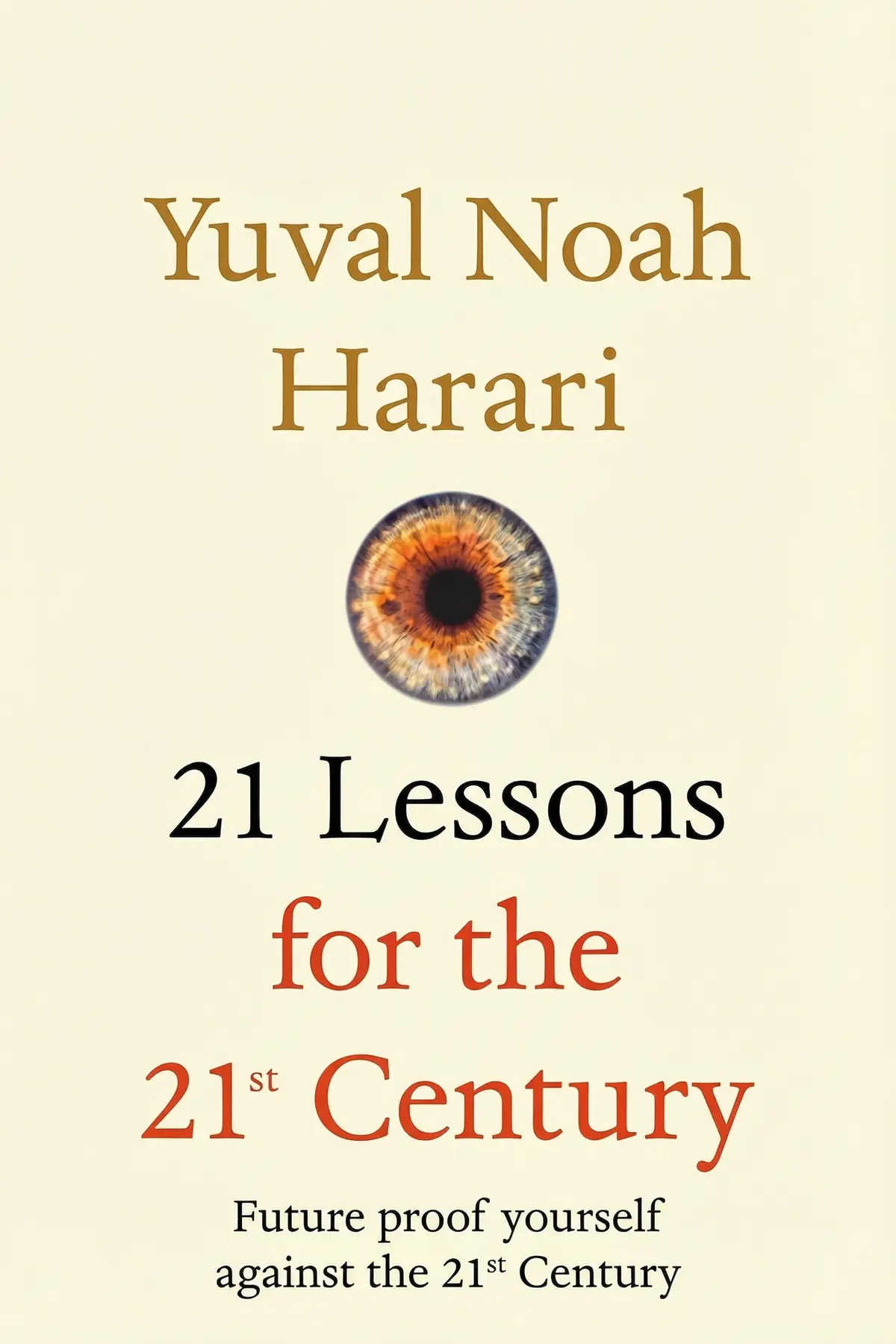
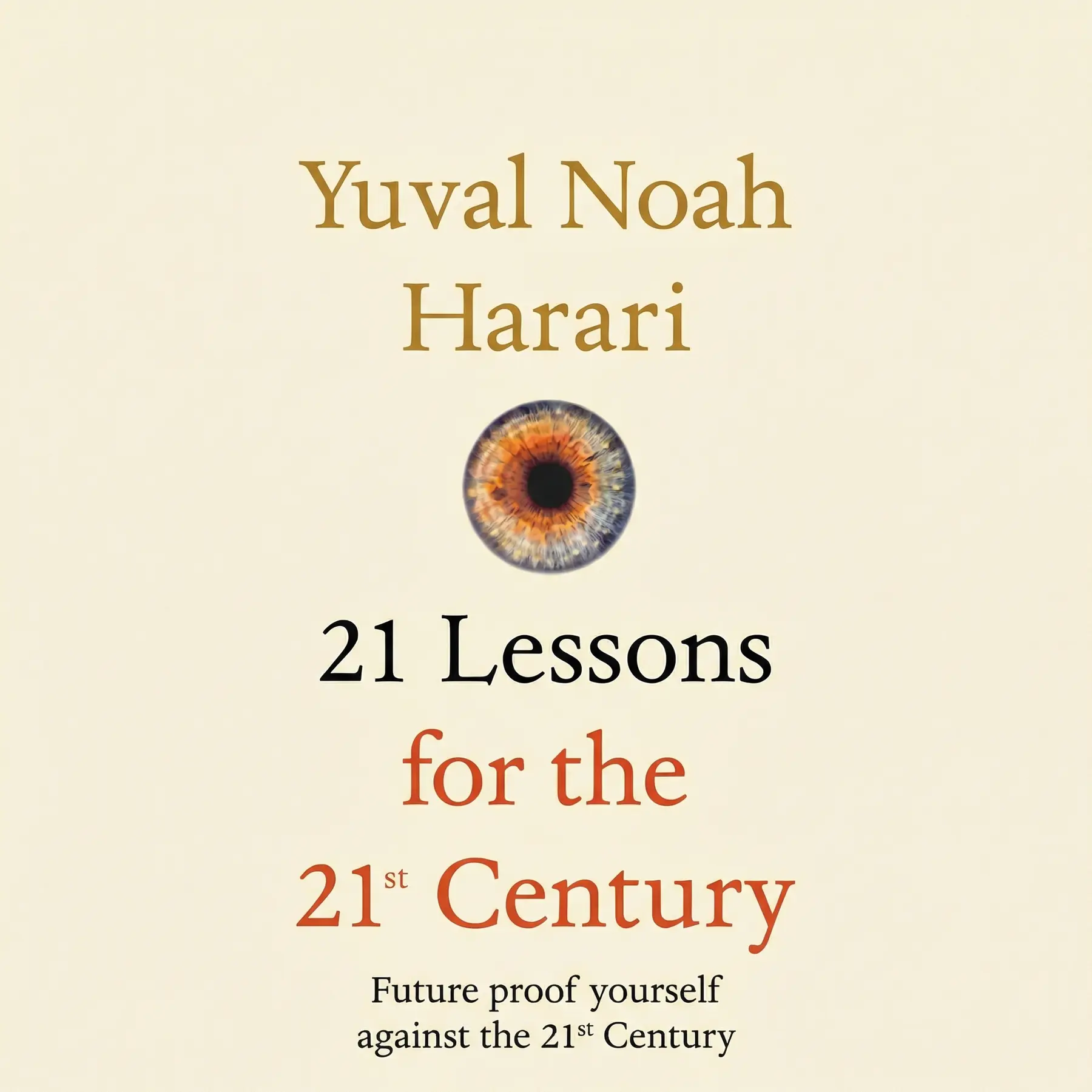
In an age where information moves at the speed of light and traditional political systems seem to be faltering, many of us feel adrift. Yuval Noah Harari’s 21 Lessons for the 21st Century serves as a critical guide to these turbulent times. While his previous works looked into the deep past and the distant future, this book focuses squarely on the here and now. It tackles the most urgent questions of our day: How do we handle the rise of artificial intelligence? What can we do about the epidemic of fake news? Why is the debate over immigration tearing at the seams of our societies? By weaving together insights from history, technology, and neuroscience, the book offers a roadmap for understanding the complex forces at play. It promises to move beyond the headlines and provide a deeper look at the challenges that define our modern experience. Whether you are concerned about the future of work, the threat of terrorism, or the way we educate our children, these lessons offer a framework for making sense of a world that often feels incomprehensible. It is a call to clarity in an era of confusion.
Yuval Noah Harari gained a PhD in history from Oxford University and is the best-selling author of Sapiens: A Brief History of Humankind and Homo Deus: A Brief History of Tomorrow. His books, which have been translated into over 50 languages, have sold over 12 million copies worldwide.
Yuval Noah Harari
Yuval Noah Harari
Yuval Noah Harari
Listeners find the work exceptionally easy to read and a valuable use of their time, valuing its meticulously researched material and superb structure for sincere reflection. The prose is elegantly expressed, with one listener pointing out its brief and clear manner, and listeners commend the writer's perceptive methodology. They characterize it as a revelatory piece that expands perspectives, with one review emphasizing its thorough examination of multiple facets of every topic. Listeners admire the storytelling format, with one observing the way it maintains several arguments open for personal contemplation.
Harari has a way of stripping away the noise of the nightly news to reveal the underlying mechanisms of our current era. While Sapiens looked back and Homo Deus looked forward, this book feels like a vital survival manual for the present. I was particularly struck by his framework for understanding the twin revolutions of biotechnology and AI. He doesn't just hand you easy answers; instead, he provides a mental toolkit to evaluate how these changes threaten our sense of agency. The chapters on "post-truth" and "ignorance" were real eye-openers for me. Sometimes his conclusions feel a bit broad, but the sheer scope of his research is staggering. Truth is, we need these kinds of big-picture thinkers to help us navigate a world that moves too fast for comfort. It’s a beautifully articulated call for clarity that keeps several arguments open for personal introspection.
Show moreHow do we even begin to process the chaos of the 21st century? This book attempts to do exactly that by categorizing our anxieties into manageable lessons. I loved the analogy of the terrorist being like a fly in a china shop—weak on its own but capable of inducing a massive, destructive overreaction from the bull. That perspective shifted how I view international security entirely. Harari’s writing is exceptionally clear, making complex economic and philosophical concepts accessible to someone without a PhD. Personally, I found the chapter on immigration to be one of the most balanced takes I’ve ever read. It doesn't shy away from the difficult questions of cultural assimilation or the receiving country's willingness. It’s a profound work that encourages honest thinking in an age of reactionary social media.
Show moreThe chapter on education alone makes this worth your time. Harari argues that we are teaching kids skills that will be obsolete by 2050, and we should instead focus on mental flexibility and emotional intelligence. This resonated deeply with me as a parent. The book is an excellent framework for honest thinking about the merging of Infotech and Biotech. He warns us that once algorithms know us better than we know ourselves, "free will" might become a relic of the past. Look, the prose is elegant and the research is clearly thorough, even if you don't agree with every single prediction he makes. It forces you to broaden your horizons and look past the petty political squabbles of the day. A truly insightful and necessary read for anyone feeling overwhelmed by modern life.
Show moreEver wonder why we feel so anxious despite living in the most peaceful era of human history? Harari explains that our outrage at injustice has grown even as violence has decreased. This book is a masterclass in providing historical and philosophical perspective on our daily worries. It’s highly readable and manages to cover a vast array of subjects—work, community, religion, and war—without feeling like a dry textbook. Gotta say, his bluntness about the "shadow" of secular science and religion is refreshing. He doesn't pull his punches when discussing human stupidity as a force in history. While I didn't find his meditation advice particularly helpful for solving nuclear proliferation, the way he frames the questions we need to be asking is invaluable. It’s a deeply researched, multi-faceted look at our world.
Show morePicked this up after finishing Sapiens, and I found it much more grounded in our immediate reality. Harari tackles massive themes like work, war, and nationalism with a concise style that never feels overwhelming. To be fair, some chapters read more like independent editorials than a cohesive narrative, but the insights are consistently sharp. His discussion on how "fake news" is actually an ancient human tradition in the form of religious myths was a provocative highlight. I appreciated that he resists handy prescriptions and instead focuses on defining the terms of the global discussion. My only gripe is that the ending leans a bit too heavily on meditation as a catch-all solution for global catastrophe. Still, it’s a highly readable exploration of the challenges our children will face in a world dominated by algorithms.
Show moreYuval Noah Harari is a master at making you feel like a tiny speck in the grand tapestry of time. In this volume, he focuses that lens on our current political and technological climate. I found his analysis of "digital dictatorships" terrifying but incredibly plausible. The way he articulates the threat of data centralization is much more nuanced than the usual privacy rants you see online. To be honest, I felt the middle section on "Humility" was a bit preachy, and he has a clear bias against institutional religion that might rub some readers the wrong way. However, the intellectual exercise of engaging with his ideas is incredibly rewarding. It’s a book that demands you stop and think after every few pages. Concise, provocative, and mostly brilliant in its execution.
Show moreWhat should we pay attention to in a world of infinite distractions? Harari suggests that the most important thing is our own consciousness. This book serves as a fascinating bridge between his past work and the immediate present. The section on "The Story" was particularly moving, as it deconstructs the myths we tell ourselves to find meaning in life. His take on terrorism and the state's monopoly on violence provides a much-needed reality check for our collective fears. I did find the skepticism toward data ownership a bit extreme, as I'm not entirely convinced data will eclipse land as the most important asset. But the beauty of this book is that it keeps multiple arguments open for the reader's own introspection. It’s a wide-ranging, eye-opening journey through the 21st century that every voter should experience.
Show moreAs someone who usually avoids "thought leader" books, I was surprised by how much I enjoyed this. Harari’s style is nicely articulated and avoids the dry jargon that usually plagues these kinds of sweeping philosophical works. He takes on everything from the Song Empire to the Olympics to show how globalized we’ve actually become. My experience reading it was one of constant "aha" moments, especially regarding the difference between intelligence and consciousness. However, the final push for meditation felt a bit like a letdown after such a rigorous analysis of global crises. It’s almost as if he ran out of ideas and fell back on his personal hobby to wrap things up. Regardless, the chapters on post-truth and secularism offer a fantastic framework for navigating the current media landscape.
Show moreNot what I expected after the historical sweep of Harari's previous books. This felt less like a history and more like a collection of 21 opinion pieces on current events. While he is undoubtedly brilliant, the breadth of the book is its greatest weakness; you can't really solve the problems of global education or nuclear war in fifteen pages. Frankly, it felt a bit superficial in the later chapters. He spends a lot of time tearing down organized religion and traditional ideologies, which is fine, but the alternative he offers—meditation—feels like a weirdly individualistic answer to systemic global failures. It's a stimulating read that will definitely spark some dinner party debates, but don’t expect a roadmap for the future. It’s more of a diagnostic report than a treatment plan for the species.
Show moreFinally got around to this one and it’s a bit of a mixed bag for me. On one hand, Harari is an incredible writer who can summarize the history of Western civilization in a few punchy paragraphs. On the other hand, the "21 lessons" title is a bit of a misnomer because there aren't many concrete solutions provided for the problems he identifies. He’s great at identifying the issues—AI taking our jobs, the fragility of the liberal story, the rise of nationalism—but his advice usually boils down to "be more aware." I also felt he dismissed the actual mechanics of climate change a bit too quickly to focus on his pet theories about algorithms. Still, the unique insights he brings to the table are worth the price of admission. It’s a good starting point for big-picture thinking.
Show more
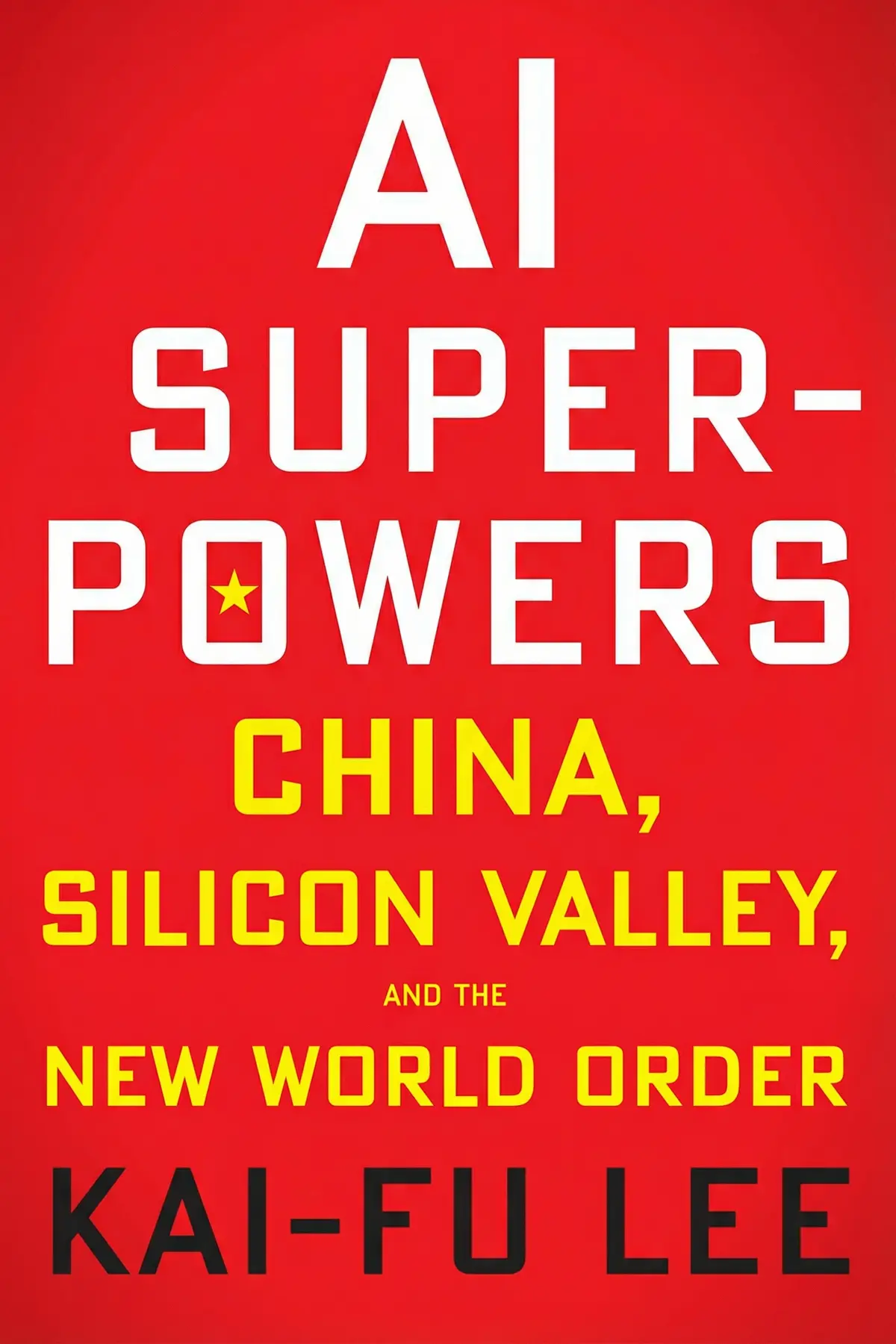
Kai-Fu Lee
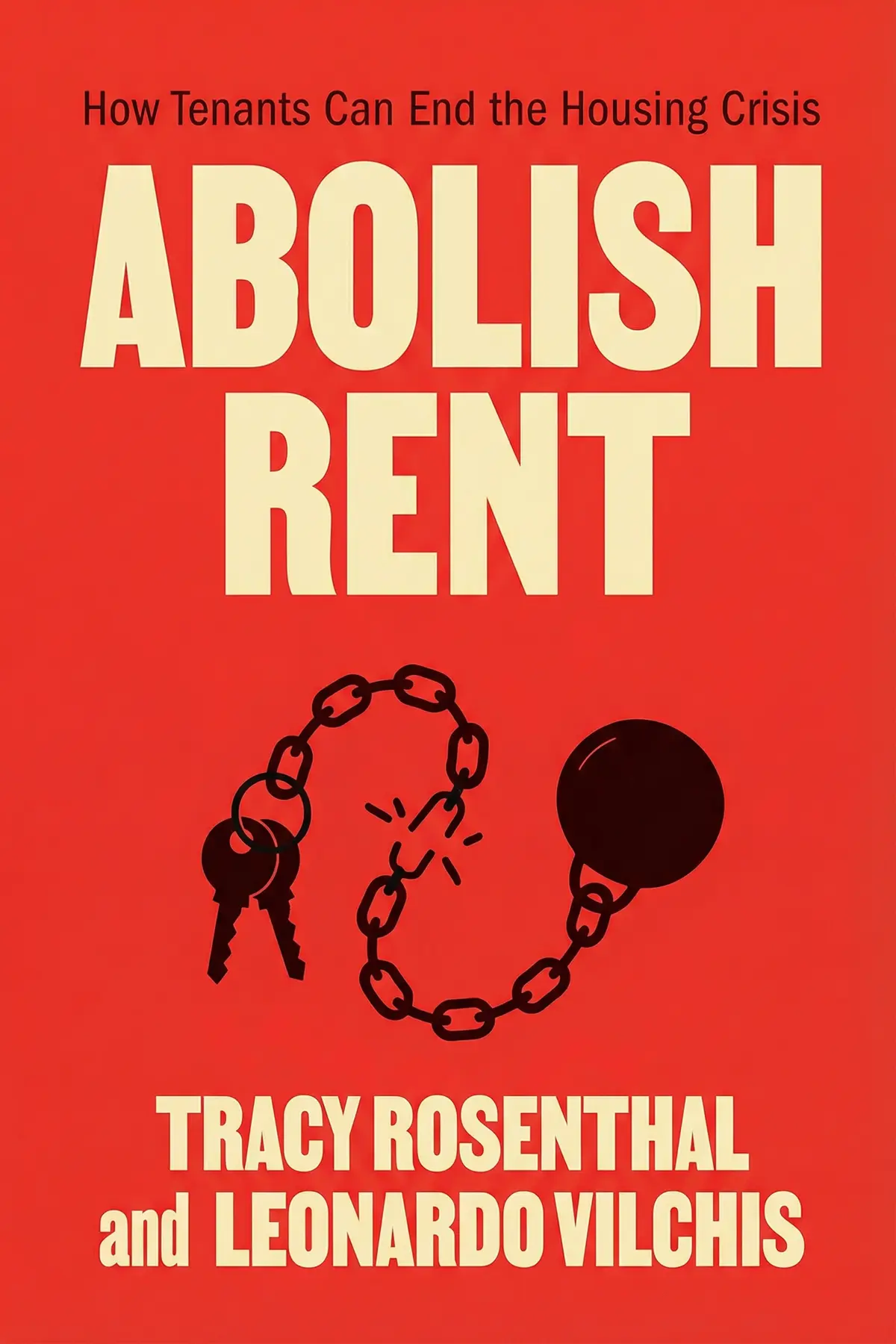
Tracy Rosenthal
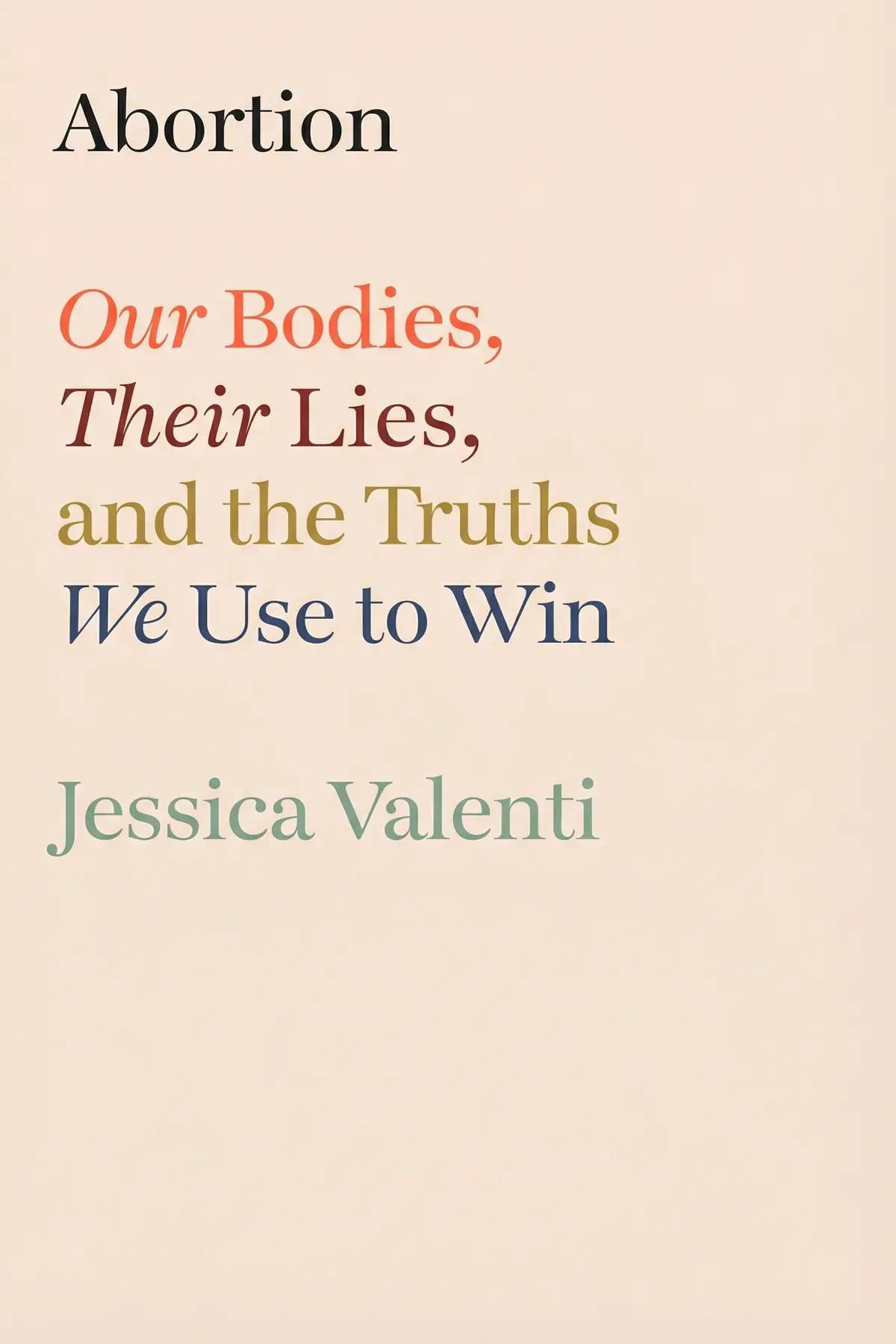
Jessica Valenti

Yanis Varoufakis
AUDIO SUMMARY AVAILABLE
Get the key ideas from 21 Lessons for the 21st Century by Yuval Noah Harari, plus 5,000+ more titles in English and Thai.