
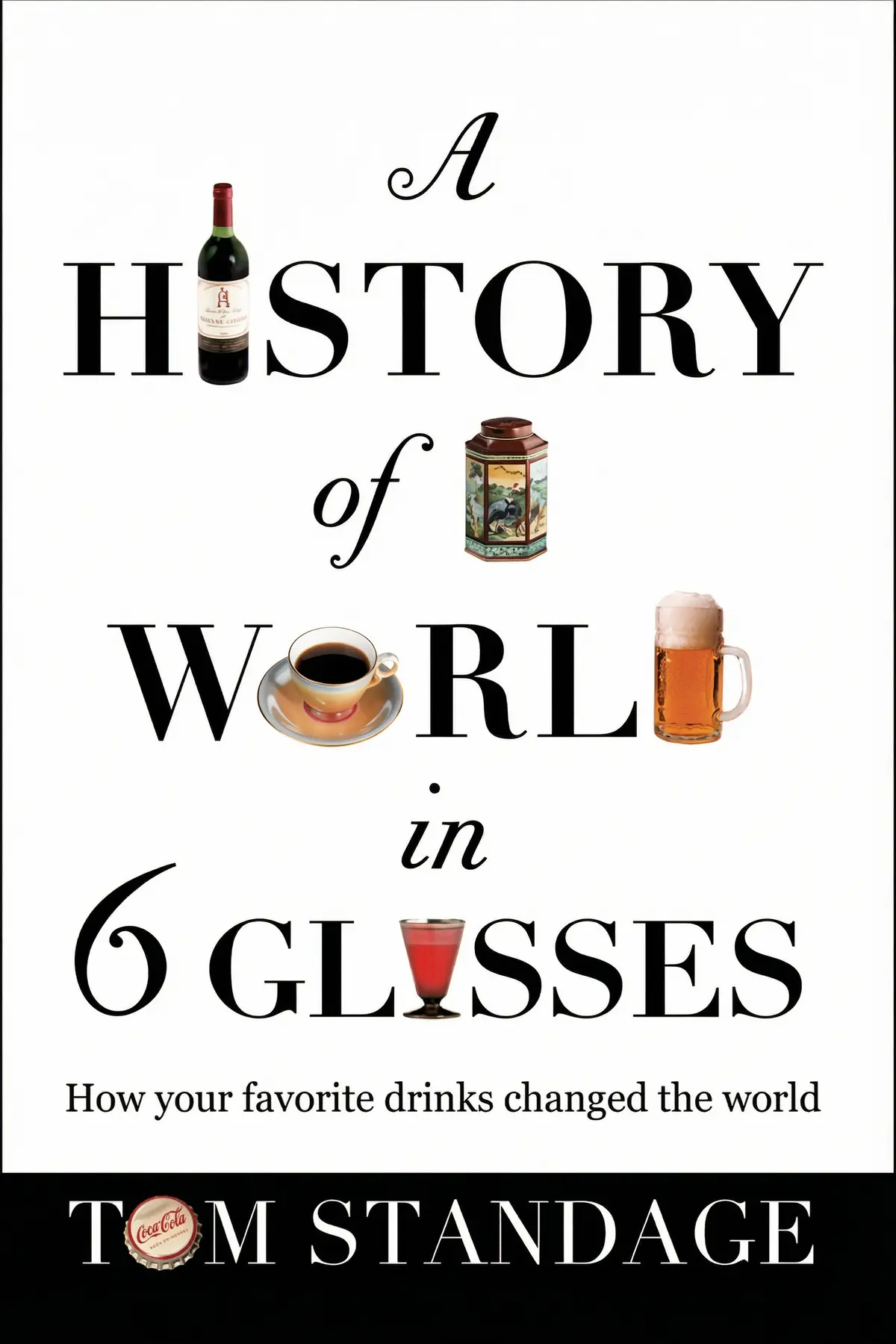
A History of the World in 6 Glasses
Tom Standage
Explore the sweeping history of transportation, tracing how the wheel, the carriage, and the automobile have fundamentally reshaped human society, our cityscapes, and our personal identities over thousands of years.
1 min 38 sec
When we look out our windows today, the presence of the automobile seems as natural as the trees or the sky. We are surrounded by asphalt, traffic signals, and the constant hum of engines. For most of us, the car isn’t just a tool; it’s a fundamental part of our identity and our daily geography. But if you think our modern debates about electric vehicles, renewable fuels, and the ethics of urban planning are brand-new developments, you might be surprised. As it turns out, we have been having these exact same arguments since the very first horseless carriages began to rattle down the road.
In this exploration of transportation through the ages, we’re going to look at the ‘throughline’ of human motion. This journey isn’t just about engines and gears; it’s about how we choose to live together and how we define status and freedom. We will see how the invention of the wheel was born out of the gritty necessity of ancient mining, and how it eventually transformed into a symbol of divine power for kings. We will discover how the cities we inhabit were intentionally redesigned—sometimes with devastating social consequences—to make room for the car, often at the expense of the person on foot.
From the manure-filled streets of the nineteenth century to the high-tech, smartphone-driven transit systems of the near future, we are currently at a crossroads. Factors like global health crises and the urgent reality of climate change are forcing us to look at our vehicles with fresh eyes. Are we witnessing the end of a century-long love affair with the personal automobile? By looking back at where we’ve been, we can start to see where we are going. Let’s dive into the history of how we move, and more importantly, why we move the way we do.
2 min 18 sec
Think the wheel began in Mesopotamia? New evidence suggests a different starting point in ancient copper mines, where a simple tool eventually became a symbol of status.
2 min 15 sec
The Romans built more than just roads; they created the first modern traffic laws, even as the elite struggled with the social perception of being carried.
2 min 21 sec
Before cars were blamed for pollution, cities were drowning in a literal mess of horse waste. The quest for a cleaner city sparked a transport revolution.
2 min 11 sec
Early cars were seen as dangerous playthings for the wealthy. Discover how Henry Ford turned local hostility into a national obsession.
2 min 17 sec
When every neighbor has a car, how do you stand out? Learn how GM revolutionized the industry by turning vehicles into a ladder of social success.
2 min 25 sec
Our cities weren’t always designed for traffic. Discover the legal and social battles that pushed pedestrians off the road and changed urban life forever.
2 min 32 sec
Gasoline wasn’t always the obvious winner. Explore the early era of electric taxis and the powerful forces that decided what fuel would power our world.
2 min 19 sec
Cars promised to fix the pollution of the horse age, but they created a whole new set of problems. See how the global pandemic finally forced us to rethink our streets.
2 min 20 sec
Self-driving cars have been promised for decades, but the real revolution might be sitting in your pocket right now.
1 min 28 sec
The history of how we move is a cycle of innovation, unintended consequences, and constant re-evaluation. From the ancient mines of the Carpathians to the high-tech streets of Singapore, our desire to move faster and further has constantly reshaped our physical world and our social structures. We solved the problem of horse manure only to create the problem of smog and carbon emissions. We built the world for the car only to find that it often made our lives more isolated and our cities less breathable.
As we look forward, the ‘throughline’ of this story suggests that we are entering a period of significant correction. The era of the car as the undisputed king of the road is being challenged by a renewed focus on the person. The technologies that will define the next fifty years—from electric drivetrains to mobility-sharing apps—are not just about moving from point A to point B. They are about reclaiming our streets for people, reducing our impact on the planet, and rethinking what it means to be free.
The car will likely never disappear, but its role is changing from a mandatory status symbol to one option among many. As we navigate this transition, we should remember the lessons of history: the rules of the road and the design of our cities are not laws of nature. They are choices we have made, and we have the power to make different choices for the future. By prioritizing flexibility, sustainability, and human connection, we can ensure that the next great leap in human motion is one that moves us all in the right direction.
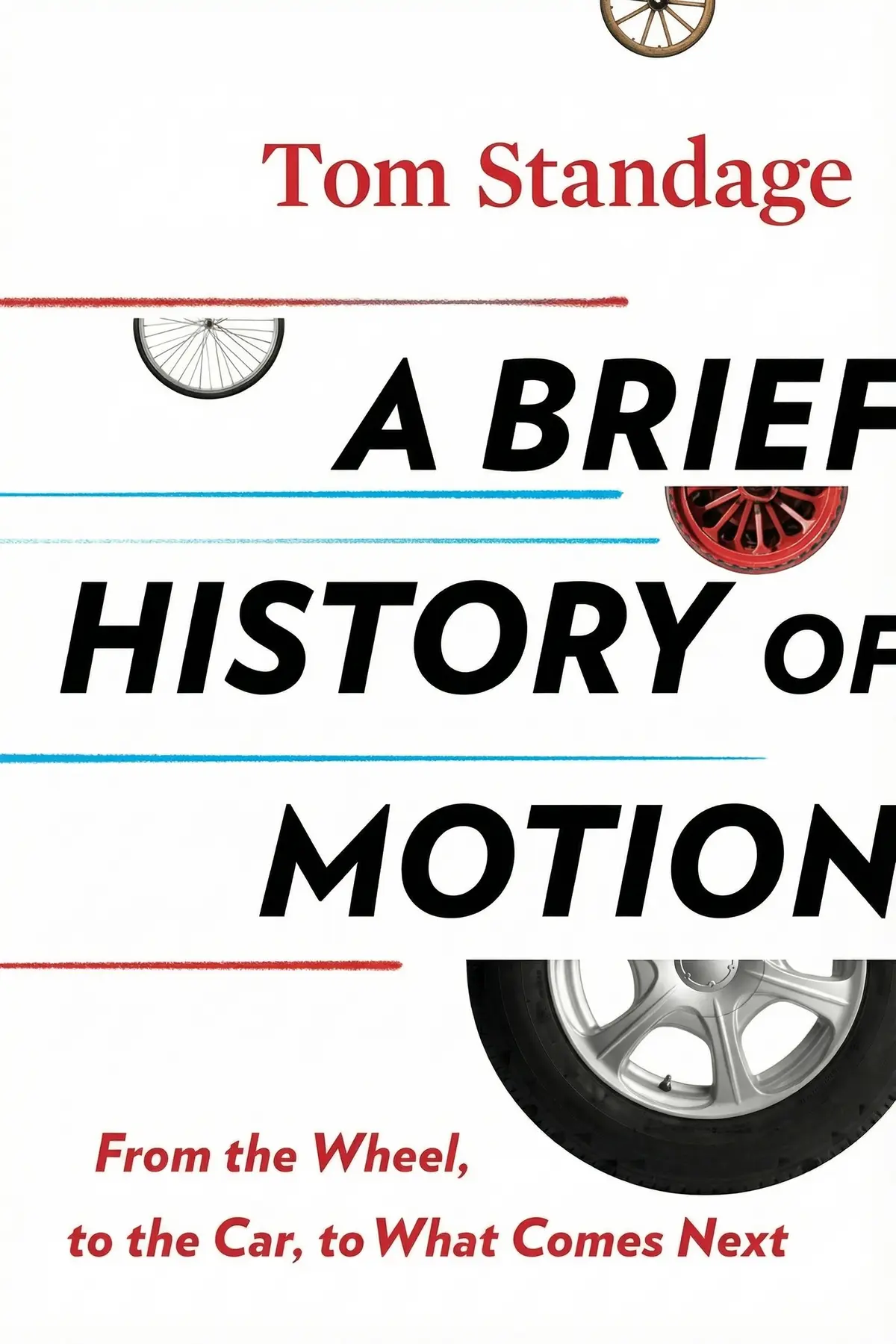
A Brief History of Motion provides an expansive look at the evolution of how we move. Starting with the debated origins of the wheel in ancient mining regions and moving through the glory of Roman roads, the narrative explores the shift from animal power to the internal combustion engine. It delves into the social and political forces that prioritized cars over pedestrians, the forgotten competition between electric and gasoline power in the early twentieth century, and the way car brands became markers of social status. The book offers a compelling promise: by understanding the historical decisions that led to our current car-centric culture, we can better navigate the transition toward a more sustainable and flexible future. It examines the impact of the global pandemic and climate change on our transit habits, questioning whether the era of personal car ownership is ending in favor of smartphone-integrated mobility services.
Tom Standage is the deputy editor of The Economist, where he has worked since 1998. An acclaimed author and keynote speaker, he specializes in technology and social history. He is best known for his best-selling books including A History of the World in Six Glasses and An Edible History of Humanity, which explore the intersections of history, science, and technology.
Tom Standage
Listeners find the title captivating and elegantly composed, characterizing it as an enjoyable survey of city transit. They value its perceptive material, with one listener remarking that it covers a lot of ground.
Ever wonder why our metropolitan landscapes are shaped so aggressively around two-ton metal cages? Standage tackles that very puzzle with sparkling wit and sharp investigative rigor. He guides us through thousands of years of technological churn, from Mesopotamian wooden axles right down to the suburban sprawl enabled by the Model T. What impressed me most was how thoughtfully he examines unintended consequences. For instance, he shows how cars initially arrived as an environmental salvation from filthy, disease-ridden city horses, only to trap us in smog, gridlock, and dangerous pedestrian crossings a few decades later. The discussion of Marchetti's constant—the biological rule that humans tolerate an average of one hour of daily commuting—genuinely blew my mind. To be fair, this is accessible pop-history rather than an exhaustive academic tome, but it completely reframed how I perceive my daily commute.
Show moreWhat an absolute blast of an educational read! I grabbed this expecting dry transport statistics, but Standage turns civil engineering into an utterly gripping human drama. The section detailing early electric taxi fleets in Manhattan before the turn of the century was a total revelation. Who knew we came that close to an emission-free transport grid before oil discoveries in Texas and Oklahoma changed the game? His writing remains consistently buoyant, smart, and accessible throughout twelve beautifully organized chapters. It makes you realize that nearly every controversy we argue about today regarding bike lanes, speed regulations, and street safety had an exact counterpart over a century ago. A deeply satisfying history that will transform the way you look at streets, highways, and parking lots forever.
Show moreBertha Benz stealing away on an unsanctioned dawn road trip in 1888 to prove her husband's Motorwagen could work is the kind of vivid storytelling that makes this book sing. Tom Standage delivers a brisk, engaging chronicle showing how humanity rolled from basic carts to asphalt-clogged avenues. Truth is, the early sections covering the sheer crisis of horse manure in nineteenth-century London and New York were both horrifying and hilarious. I had no idea early electric battery cars had such a solid shot at winning the vehicle race before cheap oil flooded the market. My only real gripe lies with the final chapters, which lean heavily into tech speculation about autonomous fleets and ride-hailing app algorithms. Those prognostications already feel slightly dated, but the historical groundwork across urban streets remains thoroughly engrossing.
Show morePicked this up on audio after a friend recommended Standage's earlier stuff on technology, and it proved to be a wonderfully paced ride. The narrator handled the material with just the right mix of dry British humor and journalistic curiosity. I particularly relished the revelations about traffic control history. Learning that early Detroit cops improvised the very first stop signs and three-color electric signals to combat vehicular chaos in 1915 was magnificent trivia. Frankly, the author excels whenever he connects early municipal resistance to modern urbanist struggles. The ending stretches a bit thin while guessing what self-driving pods might do to private car ownership, yet the journey getting there is packed with brilliant anecdotes. It definitely kept me entertained through several long highway drives.
Show moreTom Standage has an exceptional knack for synthesizing broad technological shifts into snappy, digestible prose for the curious layperson. He frames personal conveyance not merely as mechanical engineering, but as a cultural force that remade dinner habits, commercial shopping centers, and civic architecture across the twentieth century. The prose moves at a cracking pace. You jump effortlessly from Roman municipal restrictions enacted under Julius Caesar to the fierce commercial marketing battles that crowned petroleum king over electrical batteries. If I have a reservation, it is that the back half trades grounded historical rigor for futuristic daydreams about car-free districts and robo-taxis. Look, forecasting the next fifty years is always a gamble, but the sheer wealth of trivia in the first two hundred pages makes this well worth your time.
Show moreJulius Caesar banning daytime wheeled traffic in ancient Rome was the exact historical parallel I didn't know I needed. Standage uses that ancient decree to anchor his central thesis: cities have always wrestled with the machines that transport people through narrow public streets. His breakdown of how the automotive lobby deliberately coined the derogatory term 'jaywalking' to push pedestrians off streets in the 1920s is simply brilliant cultural reporting. The book loses a small amount of momentum when navigating modern smartphone transport apps, but the historical insights are top-tier throughout. Gotta say, this book packs an incredible amount of social history into a remarkably slim package. It will make anyone sitting in evening bumper-to-bumper gridlock ponder how we allowed private vehicles to monopolize modern civil life.
Show moreFew history books pivot so seamlessly into modern city design and suburban sociology. Standage presents a fascinating autopsy of our collective love-hate affair with passenger vehicles. He tracks how the automobile evolved from a luxury plaything for wealthy eccentrics into an inescapable, society-shaping necessity for the working masses. I appreciated how fairly he weighs the immense individual freedom of the open road against the catastrophic toll of highway fatalities and suburban isolation. The chapter documenting the gradual death of the American shopping mall alongside shifting youth mobility felt especially perceptive. While the utopian vision of shared autonomous mobility at the conclusion feels overly optimistic given current tech setbacks, the broader narrative remains illuminating, witty, and profoundly eye-opening.
Show moreNot what I expected when I saw the word 'motion' plastered across the cover. Anyone hoping for a comprehensive survey of trains, maritime vessels, or aviation will be sorely disappointed, as this is almost entirely a chronicle of road vehicles and passenger cars. Standage writes clearly, and I enjoyed learning about the historical rivalry between steam, internal combustion, and electric power plants at the dawn of the twentieth century. Still, the narrative felt somewhat rushed once it hit the mid-century American road boom. Drive-in dining, fast food, and teenage courting rituals are touched upon in a few fleeting paragraphs before the author pivots toward Silicon Valley futurism. It is a painless, breezy Sunday afternoon read, but it lacks the analytical bite of his previous technological retrospectives.
Show moreThe split personality of this book caught me off guard. The historical half is thoroughly charming, brimming with delightful vignettes about early innovators like Karl Benz and the bizarre municipal dilemmas caused by hundreds of thousands of urban horses. You can tell the author did his homework on how paved roads originally emerged from bicycle advocacy rather than automobile lobbying. However, once the book arrives at modern transport, it morphs into a somewhat generic essay on rideshare economics and autonomous vehicle hype. Personally, I would have traded all the speculative Silicon Valley forecasting for a deeper look into mass transit systems or European railway development. Still, it is an easy, informative read that never gets bogged down in heavy academic weeds.
Show moreAs someone deeply invested in transit policy, I found this volume remarkably surface-level. The book speeds through antiquity in mere moments before locking into a familiar, US-centric automotive history that most transit enthusiasts could recite in their sleep. Henry Ford's assembly line, GM's styling innovations, and postwar freeway construction are covered without offering any daring original scholarship. Worse still, the final third reads like an uncritical tech-bro pitch deck celebrating automated vehicles and rideshare platforms as magical saviors of urban mobility. Standage barely interrogates whether replacing private gas cars with corporate-owned robotaxis actually solves geometry problems or induced demand in congested downtown corridors. The prose is clean enough, but the analysis remains frustratingly shallow for an editor at The Economist.
Show more
Michael Axworthy
Tom Standage
Yuval Noah Harari

Ishmael Beah

Kai-Fu Lee
AUDIO SUMMARY AVAILABLE
Get the key ideas from A Brief History of Motion by Tom Standage, plus 5,000+ more titles in English and Thai.







