
A Biography of Loneliness: The History of an Emotion
Fay Bound Alberti
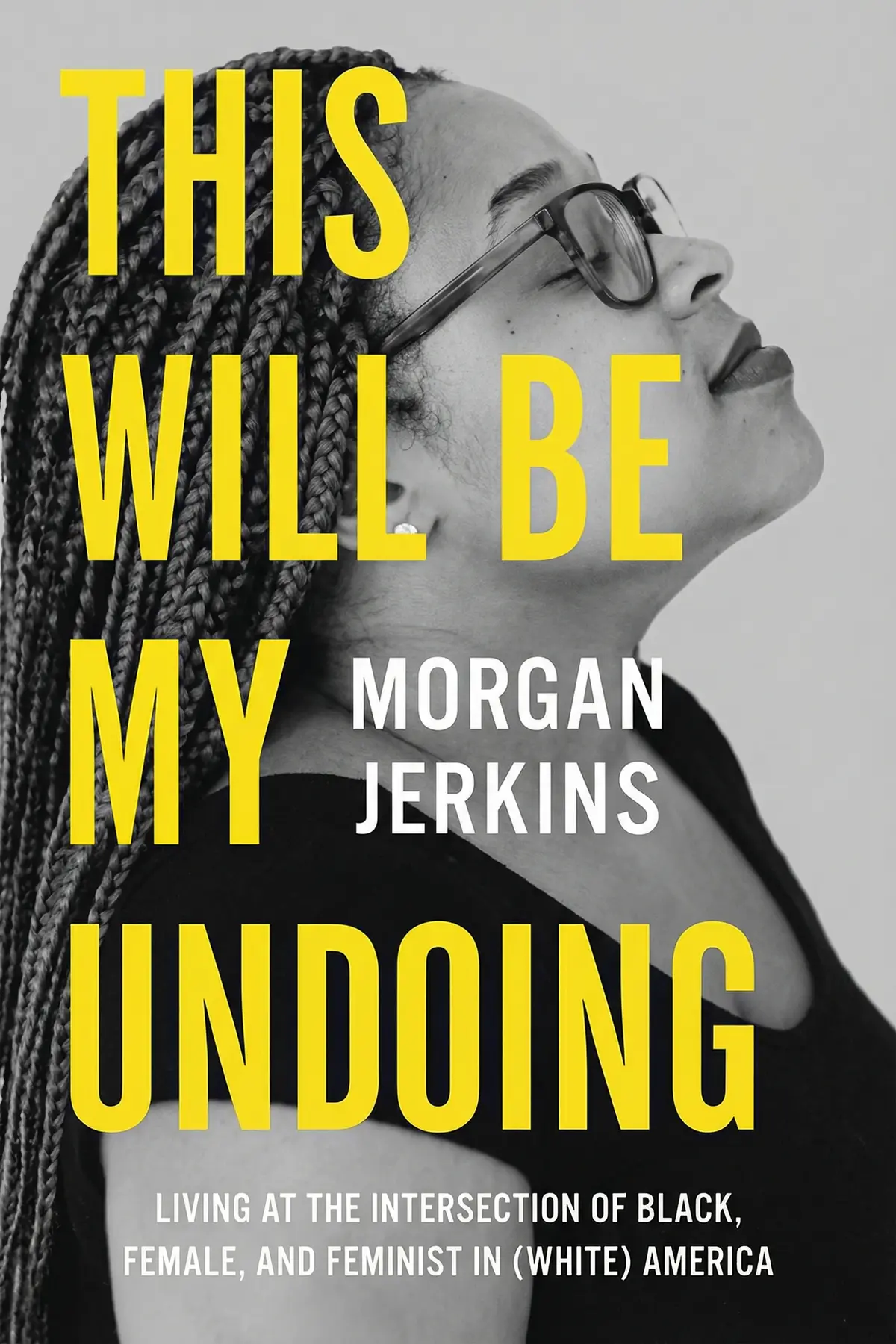
Explore the complex realities of Black womanhood in America through a series of poignant personal essays that examine the intersections of race, gender, and the societal pressures to assimilate or remain invisible.
1 min 46 sec
In an era where conversations about equality and justice dominate our headlines, many of us feel a genuine desire to contribute to a better, more inclusive world. However, the path forward isn’t always clear. The challenge often lies in the fact that our society is a complex tapestry of overlapping identities, and without understanding the specific textures of those identities, our attempts at solidarity can fall short. One of the most overlooked and misunderstood perspectives in this tapestry is that of Black women in the United States. To truly advocate for a fairer society, we must move beyond surface-level observations and dive into the historical, social, and personal contexts that shape their daily reality.
This is the vital journey that author Morgan Jerkins takes us on. In her work, she doesn’t just present data; she offers a window into the lived experience of moving through the world as a Black woman. Her insights reveal the intricate ways that race and gender intersect, creating a unique set of obstacles and expectations. Whether you are seeking to be a better ally, or you are navigating these very intersections yourself, there is a profound need to examine the structures that have marginalized this community for centuries.
As we explore these ideas, we will look at the psychological weight of trying to fit into a white-dominated culture, the fallacies of being ‘color-blind,’ and the problematic ways that Black bodies have been treated as public property. We will also address the gaps in modern feminism and the essential need for Black women to support one another in a world that often encourages competition. This isn’t just a story about hardship; it’s a throughline of resilience and a call to action for everyone to help build a society that truly empowers every individual. Let’s begin by looking at how the pressure to assimilate starts long before adulthood.
2 min 16 sec
Discover the internal conflict young Black girls face as they navigate a world where their identity is often seen as a threat that must be neutralized.
2 min 11 sec
Uncover why the popular concept of ignoring race actually does more harm than good for those living with the reality of systemic racism.
2 min 03 sec
Examine the disturbing history of how Black women’s bodies have been treated as objects for public curiosity and how that legacy persists today.
2 min 03 sec
Analyze the ways in which feminist movements have historically failed to represent or support the unique challenges faced by Black women.
2 min 03 sec
Explore the damaging expectations placed on Black women to endure suffering and the hypocrisy of cultural appropriation.
2 min 04 sec
Examine the vital importance of collective support and why the success of one Black woman is a victory for the entire community.
1 min 41 sec
As we close this exploration of the lived experiences and societal hurdles faced by Black women, the throughline is clear: the fight for equality requires more than just good intentions; it requires a radical commitment to understanding and intersectionality. We have seen how the pressure to assimilate begins in youth and how the myth of color-blindness serves as a convenient shield for those who wish to avoid the uncomfortable realities of systemic racism. We’ve unpacked the disturbing history of objectification and the ways in which even well-meaning movements like mainstream feminism have left significant gaps in representation and support.
The reflections shared by Morgan Jerkins remind us that being an ally is an active, ongoing process of listening and self-reflection. It involves acknowledging that your perspective is not universal and that there is profound value in the cultural heritage and personal agency of Black women. It also calls for a rejection of the ‘strong Black woman’ stereotype, allowing for a humanity that includes vulnerability and the right to rest.
For Black women, the message is one of collective power. By rejecting the scarcity mindset and supporting one another, the ‘barrel’ of systemic oppression can be dismantled. For everyone else, the challenge is to move through the world with a heightened awareness of these intersections. True progress is only possible when we foster a society that doesn’t just tolerate diversity but actively empowers it. As you move forward, consider whose voices are missing from your conversations and whose stories you might be overlooking. In the end, creating a just society isn’t just about changing laws; it’s about changing how we see, value, and stand with one another in our shared humanity.
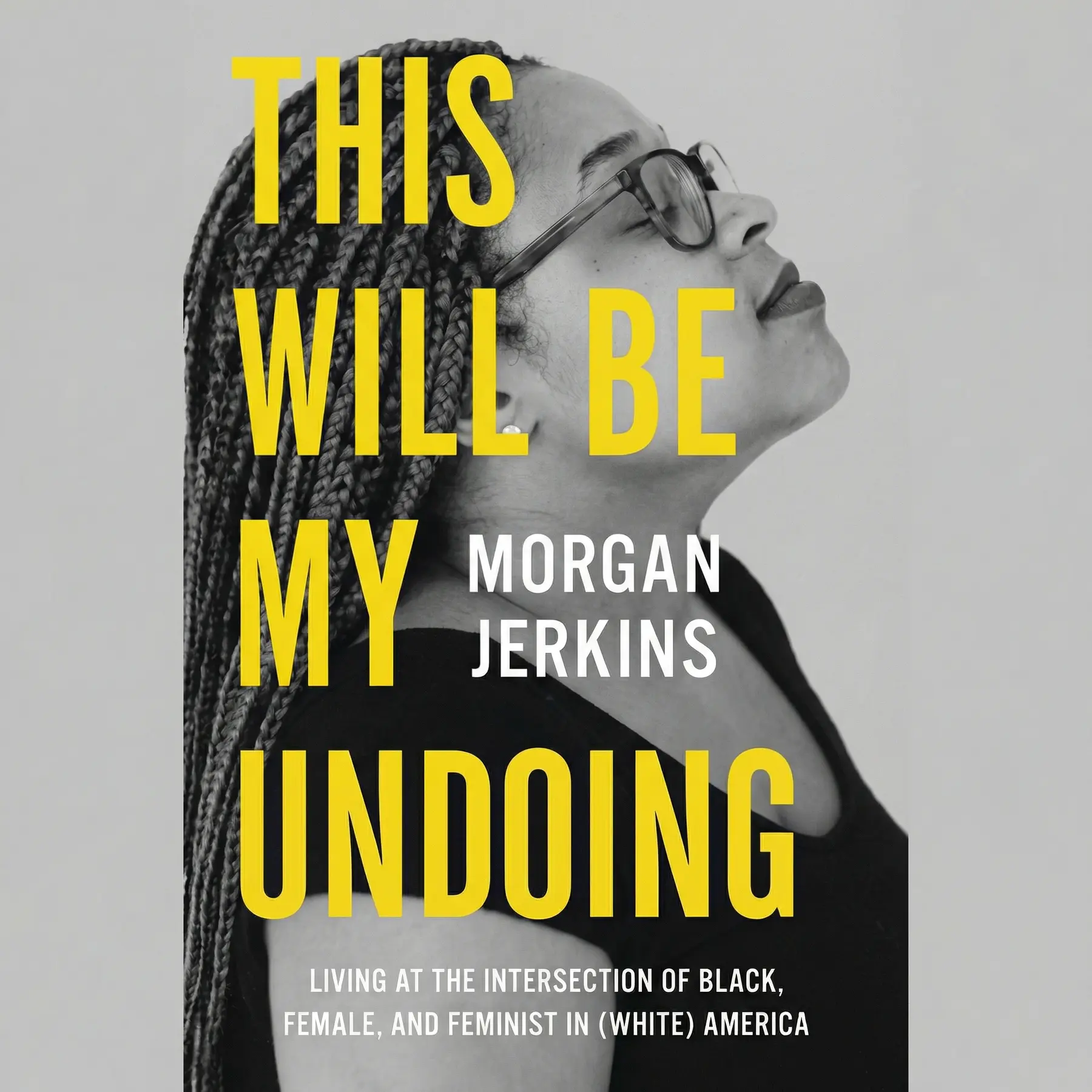
This Will Be My Undoing offers a deep, unflinching look at what it means to live at the crossroads of being Black, female, and feminist in a society that often prioritizes whiteness. Author Morgan Jerkins moves beyond simple statistics to share the lived experience of navigating spaces where her identity is frequently questioned, commodified, or misunderstood. From the pressures of childhood assimilation to the modern frustrations of cultural appropriation, the narrative serves as both a personal memoir and a sharp cultural critique. The book promises to pull back the curtain on the subtle and overt ways systemic racism and sexism affect the daily lives of Black women. It challenges the concept of color-blindness and explores how mainstream movements, like feminism, have often failed to include the voices of those at the margins. By the end, listeners will gain a more nuanced understanding of the importance of community support and the necessity of acknowledging the unique struggles and triumphs of Black women in the quest for a more equitable society.
Morgan Jerkins is a distinguished author and serves as an associate editor at Catapult, a renowned publishing house and literary community. Her insightful commentary and powerful prose have been featured in several of the world’s most prestigious publications, including the New York Times, the New Yorker, and Rolling Stone magazine.
Listeners describe the writing as exceptionally accessible and eloquent, noting that the excellent essays spark deep thought and offer fresh perspectives. They value the work's raw truth and personal vulnerability, with one listener highlighting how effectively it portrays the cultural spirit of Harlem. The collection earns praise for being both potent and relatable, as listeners report feeling a broad spectrum of emotions throughout the listening experience.
Jerkins' prose hits like a physical weight, pulling you into her specific memories of Harlem and the complicated beauty of her own skin. I felt a range of emotions—anger, sadness, and eventually a sense of shared humanity—as she navigated the suffocating expectations of a religious household. To be fair, her honesty about wanting to be seen by the male gaze is uncomfortable to read, but that's exactly why it works. The book doesn't try to make her a saint; it makes her a person trying to find her footing in a world that rarely gives her a soft place to land. It’s an incredibly intimate look at how we are shaped by the words our mothers whisper and the looks strangers give us on the street. Truly a powerful debut that stays with you long after you’ve closed the cover.
Show moreFinally got around to reading this and I’m frankly blown away by the way Jerkins deconstructs pop culture icons like Beyonce and Michelle Obama. She doesn't just praise them; she uses their public personas to map out the restrictions placed on black female bodies in America. The essay on 'Lemonade' was a standout for me because it challenged me to think about power and responsibility in a totally new way. Some of the personal anecdotes about her time in Japan were a little confusing and felt out of place compared to the sharp cultural analysis elsewhere. However, her ability to weave the political with the deeply personal is a rare gift that most writers take decades to master. It’s an essential text for anyone trying to understand the intersectional nature of modern feminism and the weight of being human.
Show moreJerkins' debut establishes her as a deft cartographer of the soul, tracing the scars left by a society that refuses to see black women in their full complexity. The way she describes the cultural essence of Harlem is so vivid you can almost smell the air and hear the noise of the streets. Not gonna lie, some of the chapters on her religious upbringing and the fear of 'becoming a victim' were hard to get through because they felt so visceral. She captures that specific brand of anxiety that comes from being told your body is a target before you even know what it means to be a woman. It’s a beautifully written, raw, and at times frighteningly honest look at what it takes to survive when you feel like you’re your own undoing. I’m officially a fan.
Show moreWow. This book is a gut-punch of honesty that refuses to look away from the messy parts of black girlhood. Jerkins is so incredibly vulnerable about her own disdain for her blackness during her youth, which is a conversation we rarely get to see in print. To be fair, it’s a difficult read, but it feels essential for normalizing the complicated relationship many women have with their bodies and their heritage. I loved the way she connected her personal experiences to larger political movements, proving that the personal really is the political. Whether she’s talking about the politics of hair or the impact of 'black girl magic,' her voice is assured, refined, and completely unique. This is the kind of book you buy for your friends and then spend hours discussing over coffee.
Show morePicked this up after seeing a few threads on my timeline, and I think Jerkins does a great job exploring the Ivy League experience through a lens of racial isolation. The chapters about Princeton and the feeling of being 'unprepared' for the realities of dating and sexuality resonated with me on a deep level. Frankly, I think we need more books that admit to the confusion and fear of early adulthood instead of pretending everyone has it figured out. I did find her broad generalizations about 'white women' as a monolith to be a bit simplistic, as it ignores the nuances of class and queer identity. But as a personal memoir of coming-of-age, it’s incredibly compelling and offers a necessary perspective on the fetishization of black hair and beauty. A solid 4-star read.
Show moreEver wonder how much of our identity is just a reaction to the trauma our parents handed down to us? Jerkins explores this with a level of intimacy that feels almost voyeuristic, especially when she’s talking about her mother’s strict rules and her own sexual awakening. The truth is, I’ve never read anything that captures the specific fear of street harassment quite like this—the deli scene was heart-pounding. I appreciated that she didn't try to make herself look like a hero who always has the perfect 'clap back.' Instead, she shows the quiet, terrifying reality of just trying to get a sandwich without being abused. My only complaint is that the ending felt a bit rushed, like she came to a sudden peace that didn't feel fully earned. Regardless, it's an important addition to the feminist canon.
Show moreThe last line of this collection says, 'You should've known I was coming,' and personally, I believe her. Jerkins is a writer to be reckoned with, blending high-level social commentary with the raw details of her own coming-of-age. I particularly liked the way she used 'Incidents in the Life of a Slave Girl' to provide historical context for her own experiences. It added a layer of depth that made the modern anecdotes feel even more significant. Some of the transitions between essays were a bit clunky, and I wasn't always a fan of the listicle format she used in a few places. But those are minor gripes in an otherwise stellar debut. It’s an insightful, provocative, and deeply human collection that challenges the reader to look at race and gender through a much sharper lens.
Show moreI really wanted to love this, but I found myself questioning the author’s perspective on her own community quite often. There’s a section about her high school classmates that felt unnecessarily hostile, including a fantasy about police violence that left a bad taste in my mouth. While she tries to reclaim 'black girl magic,' it often feels like she’s looking down on women who don’t share her Princeton-educated, well-to-do background. The writing itself is occasionally jumbled, especially when she uses second-person narration that feels more like a gimmick than a stylistic choice. Look, she is clearly brilliant and has a lot to say about pop culture, but the politics here feel a bit undisciplined. I’m hoping her future work shows a bit more grace toward the very people she claims to represent.
Show moreIn my experience, essay collections are usually hit or miss, and this one lands somewhere in the middle. The intellectual rigor is there, especially when she's talking about the history of black women's bodies as sexual objects. However, I struggled with the orientalist tone of the Japan chapter, which seemed to treat another culture as a mere backdrop for her own self-discovery. It felt a bit hypocritical given how much she critiques the appropriation of black culture throughout the rest of the book. Also, some of the essays felt a bit meandering, jumping from one story to the next without a clear through-line. Still, there’s no denying that she is a fierce and talented writer who isn't afraid to put her own privilege on the table. It’s worth a read for the pop culture analysis alone.
Show moreWhat book were the rest of you reading? This collection felt like a series of screeching halts and unfinished thoughts that never quite reached a satisfying conclusion. To be fair, she is an articulate writer, but the way she speaks about other black women—particularly those she deems 'louder' or 'less helpful'—is deeply problematic. I found the list-style essays to be a bit lazy, and the tone often fluctuated between elitist superiority and a desperate need for validation. One minute she’s critiquing the white gaze, and the next she’s mourning the fact that she didn’t have the privilege of certain beauty standards. It’s a confusing, contradictory mess that feels like it needed a much more rigorous editor to help bridge the gaps in her logic. I didn't feel enlightened or moved; I just felt tired.
Show moreFay Bound Alberti
Daniel Goleman
Virginia Woolf
Tracy Rosenthal
Jessica Valenti
Johny Pitts
AUDIO SUMMARY AVAILABLE
Get the key ideas from This Will Be My Undoing by Morgan Jerkins, plus 5,000+ more titles in English and Thai.







