
19 min 21 sec
Touching the Rock: An Experience of Blindness
By John M. Hull
Discover a profound exploration of life without sight. This summary explores John M. Hull’s deeply personal journey through darkness, revealing how the loss of vision reshapes memory, sound, and the very essence of human connection.
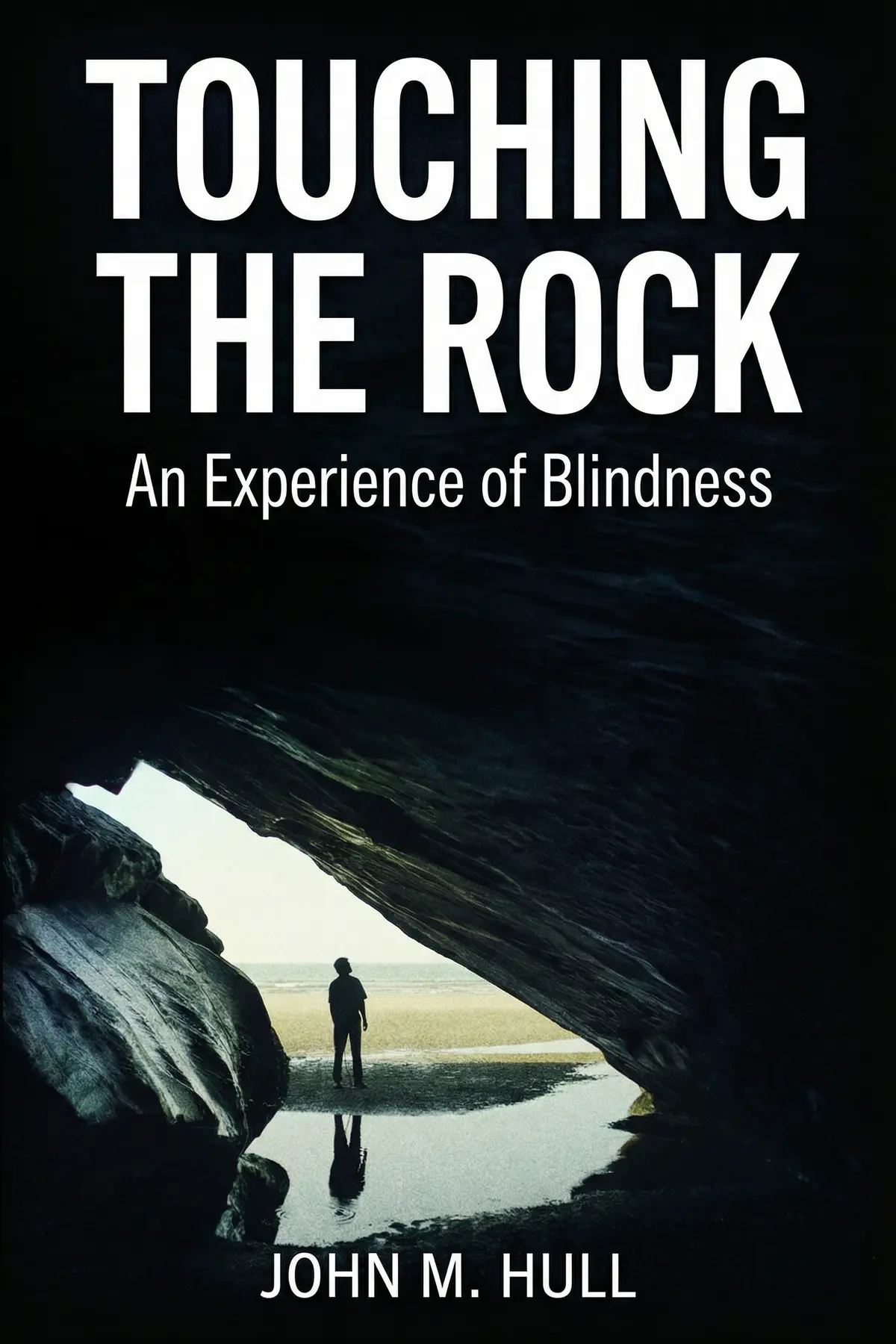
Table of Content
1. Introduction
2 min 04 sec
Imagine waking up one morning and realizing that the world you have known for over four decades is slowly being erased, not by a sudden accident, but by a creeping, relentless shadow. For John M. Hull, an Australian-born theologian living in England, this wasn’t a hypothetical scenario; it was his reality. After a lifetime of struggling with failing vision due to complications from a teenage eye surgery, Hull reached a definitive turning point at the age of forty-five. He was officially registered as blind. The final sliver of light vanished, replaced by what he described as a black disk that eventually eclipsed everything.
But this isn’t a story of defeat. Instead, it is a meticulous, brave, and deeply philosophical exploration of what happens next. Between 1983 and 1986, Hull used cassette tapes to document the minute details of his changing life. He didn’t just record the struggles; he recorded the shifts in his consciousness. This journey, captured in Touching the Rock, takes us into a realm where the visual world is replaced by an acoustic one, and where the self must be entirely reconstructed from the remaining senses.
As we walk through Hull’s experiences, we’ll see how he navigated the heartbreak of losing the faces of his own children and how he learned to ‘see’ through the soles of his feet and the echoes of the wind. We will look at the psychological toll of this transition, including the vivid nightmares that haunted his sleep, and the social hurdles that come with being a blind man in a sighted society. Ultimately, this summary aims to show how Hull moved from a state of mourning for his sight to a state of profound appreciation for a new way of being. He invites us to consider that blindness is not merely a tragedy to be overcome, but a unique perspective that reveals truths about the human condition that the sighted often overlook. Let’s begin this journey into the dark, and discover the unexpected light that Hull found within it.
2. The Dissolution of Visual Identity
2 min 48 sec
When sight vanishes, the mental images of those we love begin to fade, leading to a strange and unsettling shift in how we perceive family and ourselves.
3. A World Reconstructed Through Sound
2 min 49 sec
In the absence of light, the environment reveals its hidden dimensions through the rhythm of rain, the rush of wind, and the melody of movement.
4. The Duality of Agency and Help
2 min 30 sec
Navigating the world as a blind person is a constant negotiation between the freedom of independent movement and the constraints of sighted assistance.
5. The Loss of Visual Desire
2 min 18 sec
When the eyes can no longer see, the fundamental human drives for food and intimacy undergo a strange and often isolating transformation.
6. Nightmares and the Anxiety of Fatherhood
2 min 21 sec
The internal landscape of dreams becomes a vivid, often terrifying stage where the subconscious processes the fears of a parent in the dark.
7. The Art of Social Survival
2 min 19 sec
Maintaining a social life as a blind man requires a proactive, almost theatrical approach to avoid being sidelined by the sighted world.
8. Conclusion
2 min 12 sec
As John Hull reached the end of his recorded journals in 1986, he arrived at a conclusion that is as challenging as it is beautiful. He had spent years grieving the loss of his sight, navigating the deep waters of depression and the confusion of a world made of shadows. He had felt the sting of social isolation and the frustration of physical dependence. But through the discipline of recording his journey, he began to see a shift in his own identity. He stopped thinking of himself as a sighted man who had lost something, and began to see himself as a ‘whole-body-seer.’
This concept of whole-body seeing is the core throughline of Hull’s experience. He realized that the blind person doesn’t just lack vision; they experience the human condition more directly through the skin, the ears, and the very air around them. He began to entertain the radical idea that blindness could be a gift—not one he would have chosen, perhaps, but a gift nonetheless. It allowed him to strip away the distractions of appearances and focus on the deep, resonant truths of human voices and the spiritual nature of sound.
Ultimately, Hull’s story tells us that finding meaning is far more important than finding happiness. Happiness is often tied to circumstances—to being able to see a beautiful sunset or the faces of our children. But meaning is something we construct from whatever circumstances we are given. Hull’s work as a theologian, his dedication to his family, and his courage in documenting his descent into darkness gave his life a profound purpose.
He reminds us that we all have ‘blind spots’ in our perception, even those of us with perfect vision. By listening to his story, we are invited to close our eyes for a moment and really hear the world around us. We are challenged to look past the surface of things and find the deeper rhythms of life. Touching the Rock is not just a book about blindness; it is a map for anyone who has ever had to navigate a major life transition. It teaches us that even when the light goes out, there is a way to see, to grow, and to find our way home in the dark.
About this book
What is this book about?
Touching the Rock offers a rare and intimate look into the world of total blindness through the eyes of theologian John M. Hull. After losing his sight completely at the age of forty-five, Hull began recording his thoughts, dreams, and daily struggles on cassette tapes. This account goes far beyond a simple memoir of disability; it is a philosophical and psychological investigation into how we perceive reality when the most dominant sense is removed. The promise of this narrative is to guide the listener through the transition from a world of light and images to a world of sound and touch. Hull explores the heartbreaking reality of forgetting the faces of loved ones, the surprising independence found through echolocation, and the way the human voice becomes the new anchor for identity. By the end, the listener understands that blindness is not just a lack of sight, but a different way of being entirely—a state that Hull eventually describes as a paradoxical gift. It is a story of resilience, adaptation, and the search for deep meaning in the face of profound life changes.
Book Information
About the Author
John M. Hull
John M. Hull (1935-2015) was a distinguished professor of religious education and theology. Over his prolific career, he authored numerous books focusing on education, theology, and the experience of disability. In recognition of his immense contributions to the literature of blindness and his advocacy work, he was honored with a Lifetime Achievement Award by the Royal National Institute of Blind People (RNIB) in 2012.
Ratings & Reviews
Ratings at a glance
What people think
Listeners find the book both profound and accessible, with one review noting its thorough exploration of the many dimensions of loss of sight. The prose is highly regarded, as one listener characterizes the account as a beautifully written journey into blindness. On the topic of social interactions, listeners offer a range of differing opinions.
Top reviews
Sumalee
The chapter on the sound of rain really changed my perspective on how we inhabit space. Hull describes the acoustic world not just as a backup to sight, but as a rich, three-dimensional landscape where every drop defines a boundary. To be fair, the prose is remarkably lucid, turning what could have been a depressing diary into a philosophical exploration of 'deep blindness.' I was particularly moved by his descriptions of his children; the way he has to learn their faces through touch and voice is heartbreaking yet beautiful. Personally, I think the fragmented nature of the essays works in the book's favor. It mirrors the way he has to piece his world together from disparate sensory inputs. This isn't just a book about losing something; it's about the courageous, exhausting work of gaining a whole new way of being. Truly a haunting and brilliant journey.
Show moreElias
After hearing that David Bowie considered this one of his favorite books, I knew I had to experience it for myself. It is a marvelous, moving account that transcends the typical 'triumph over adversity' trope. Hull isn't interested in being an inspiration; he’s interested in being a witness to his own disappearing world. The way he describes the 'grey, overcast days' as good days because the temperature is mild is a small but powerful example of how his values shifted. It’s a very intimate look at a man trying to maintain his dignity as a father and a scholar while his primary sense fails him. Not gonna lie, the parts about his children asking how he 'knows' things without seeing them brought me to tears. It’s a short read but the impact stays with you for a long time.
Show moreDiego
Finally got around to reading this, and I'm struck by how much we take for granted in our visual-centric world. Hull's description of 'deep blindness' as a state where even the memory of light begins to fade is terrifying and beautiful all at once. The way he handles the topic with such tenderness and sensitivity is admirable. I particularly enjoyed the essay on how time ceases to be a factor because a blind person simply cannot rush through tasks in the same way. It requires a level of courage—both physical and emotional—that I never truly considered before. It’s a beautifully written journey into a world most of us will never know. Even if you aren't religious, the way he clings to his humanity and his role as a father is incredibly moving. This is a must-read for anyone interested in the human condition.
Show moreTee
Wow. What a powerful, albeit fragmented, look at the transition from vision to darkness. The title 'Touching the Rock' perfectly encapsulates the grit and reality of Hull's experience. He doesn't sugarcoat the experience with 'inspirational' fluff; instead, he gives us the immediate, often painful reality of no longer being able to see his partner's face or read a physical book. The social interaction aspect—how he feels himself becoming a 'passive' object in the eyes of the sighted—was eye-opening. While some might find the dream sequences a bit much, I thought they added a surreal, psychological depth to his mourning process. It’s an honest, heartfelt, and ultimately marvelous collection of essays. It makes you realize that our similarities with the blind are far greater than our differences, even if the world we inhabit looks completely different.
Show moreVimolwan
Picked this up because I wanted to understand the psychological shift of losing one's sight later in life, and Hull delivers a very comprehensive look at that transition. He doesn't shy away from the 'shitty hand' he was dealt, but he processes it with a heavy dose of academic and theological rigor. Look, some readers might find the dream analysis and the religious questioning a bit tedious, but for me, it grounded the experience in a very human search for meaning. I found the sections on social interaction particularly insightful—how a blind person has to consciously mimic facial expressions like smiling because they no longer have the visual trigger to do so spontaneously. It makes you realize how much of our humanity is tied to visual feedback loops. A solid 4 stars for such a thoughtful, easy-to-read, yet profound memoir.
Show moreZoe
This book provides an insightful look at the many facets of blindness that the average person never considers. Hull captures the 'strangeness' of his new reality with a style that is both sensitive and intellectually sharp. I was fascinated by his observation that hearing is passive while sight is active—you can’t just 'shut your ears' the way you close your eyes. The truth is, it made me feel quite guilty about how much I take for granted, like being able to simply cast my eyes over the pages of a physical book. While the religious aspects didn't resonate with me as an atheist, I respected his dedication to finding a spiritual framework for his condition. It’s a beautifully written journey, though the lack of a cohesive structure makes it feel more like a collection of meditations than a standard biography.
Show moreFon
As someone who appreciates a well-written memoir, I found Hull’s prose to be remarkably lucid even when discussing the most abstract sensations of loss. The book isn't a traditional narrative; it’s a series of fragments that build a map of a world made of sound and touch. I loved the nuances he found in a rainstorm, where the world is suddenly 'filled in' by the sound of water hitting different surfaces. It’s a fascinating look at the alienation of disability. However, I’ll agree with other reviewers that the religious referencing felt a bit much toward the end. If you can get past the heavy theology, you’re left with a very honest, heartfelt exploration of what it means to be 'a whole man' when you’ve lost the sense that most people use to define reality. A very rewarding, if occasionally slow, read.
Show moreMaksim
Ever wonder what happens to your dreams when the world goes dark? John Hull spends a massive amount of time on this, and frankly, it got a little repetitive for me. While the first half of the book is a fascinating account of the transition from sight to blindness, the latter half gets bogged down in dream interpretation and some pretty heavy-handed religious reflections. I appreciate his honesty, but I struggled with his passivity in social situations. There’s a lot of what some might call internalized ableism here; he often apologizes for his blindness as if it’s a burden to the sighted people around him. It’s a touching account, no doubt, but I wish it had focused more on his daily adaptations and less on his subconscious. Still, his writing on the 'loss of the horizon' was incredibly evocative and worth the read.
Show moreAkosua
Not what I expected, specifically regarding the heavy theological overtones that permeate the second half of the journal. I was expecting a more clinical or perhaps more adventurous account of blindness, but Hull is a religious man, and his faith is the lens through which he views his struggle. Some of his insights are profound—like the conscious effort required to smile—but others felt buried under layers of dream analysis that went nowhere. Personally, I found the pace to be a bit sluggish because of the repetitive themes. He mentions the same struggles with his children and his career multiple times without much evolution in the narrative. It’s a sad and touching account, and the writing is certainly high-quality, but it felt more like a private catharsis than a book written for a general audience. An okay read, but be prepared for the religious weight.
Show moreManika
To be fair, I found the author's constant apologies for the 'inconvenience' of his existence quite frustrating to sit through. As a reader looking for an empowering perspective on disability, this wasn't it. Hull seems to submit so readily to the passivity that sighted people expect of the blind, and his internalized ableism is honestly astounding at times. He treats microaggressions against his dignity as acceptable, which made it very hard for me to stay sympathetic toward his journey. Also, the obsession with analyzing every single dream he had felt like filler. I was hoping for more practical observations on navigating the world, but instead, I got a lot of questionable theology and self-pity. While his prose is decent, the tone was just too disheartening and submissive for my taste. I wouldn't recommend this to anyone newly blind.
Show moreReaders also enjoyed
A River in Darkness: One Man’s Escape from North Korea
Masaji Ishikawa
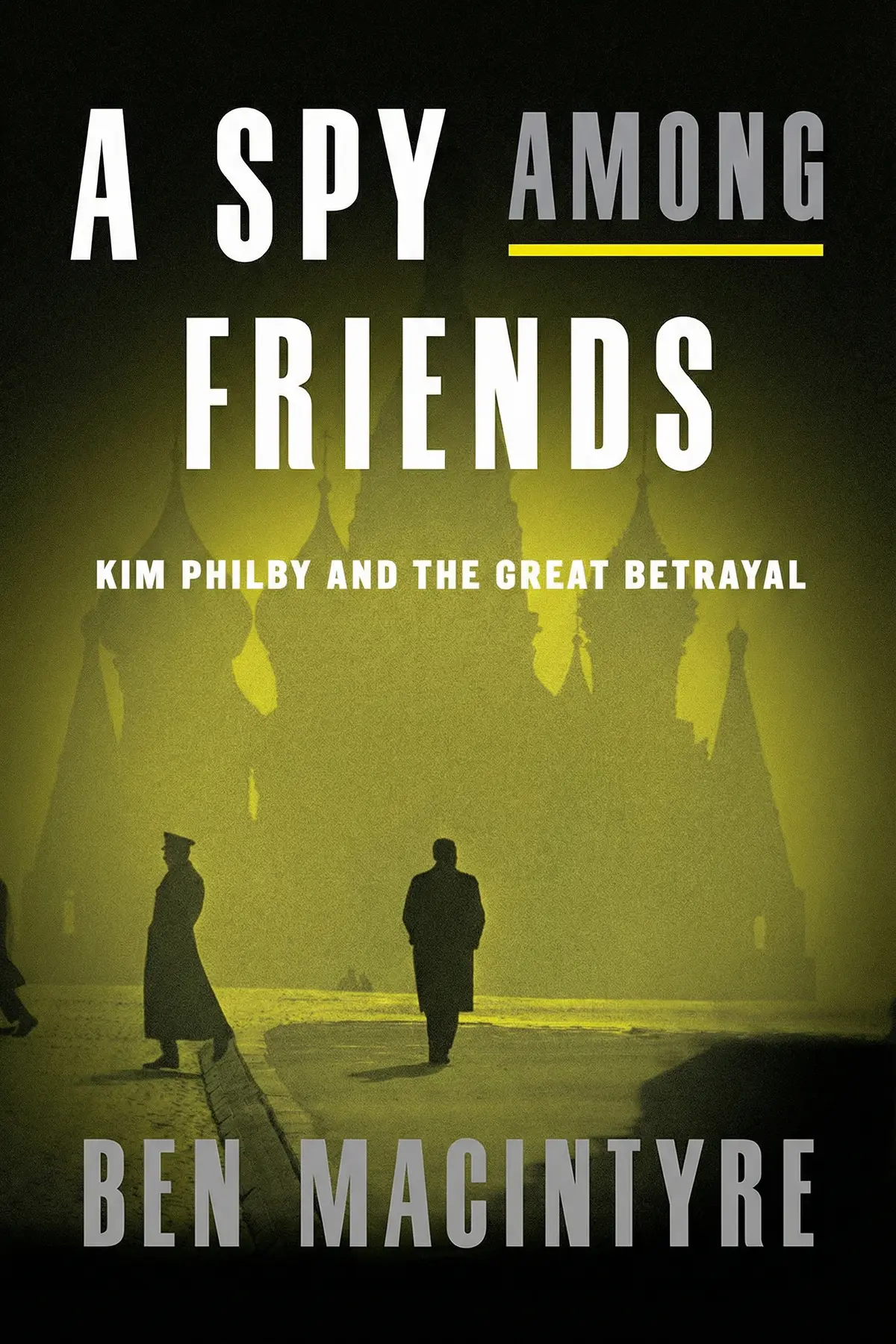
A Spy Among Friends: Philby and the Great Betrayal
Ben Macintyre

A Year in the Life of William Shakespeare: 1599
James Shapiro

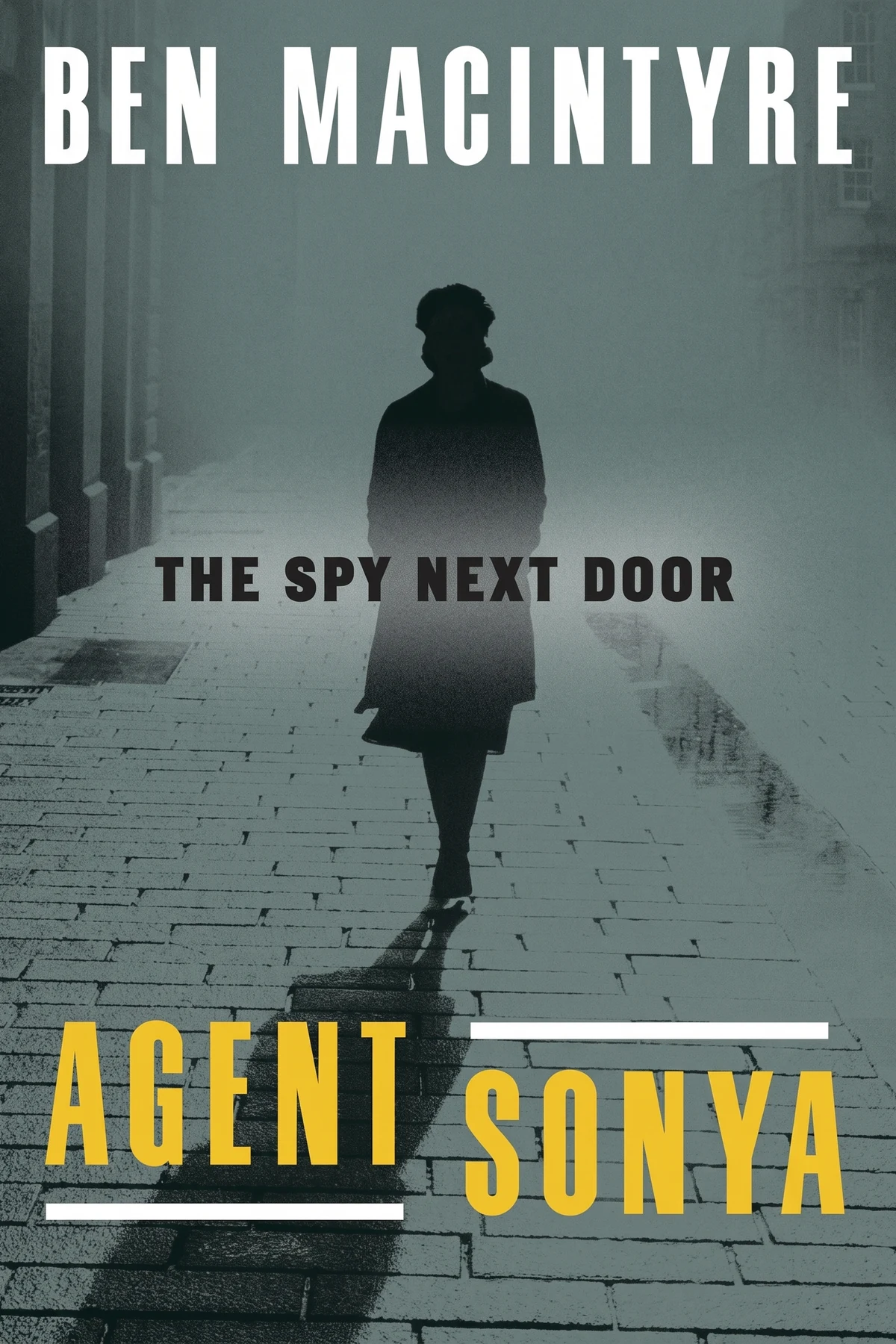
Agent Sonya: The Spy Next Door
Ben Macintyre
A Different Kind of Power: A Memoir
Jacinda Ardern
AUDIO SUMMARY AVAILABLE
Listen to Touching the Rock in 15 minutes
Get the key ideas from Touching the Rock by John M. Hull, plus 5,000+ more titles in English and Thai.
- 5,000+ titles
- Listen as much as you want
- 7-day free trial
- Cancel anytime







