
Abortion: Our Bodies, Their Lies, and the Truths We Use to
Jessica Valenti
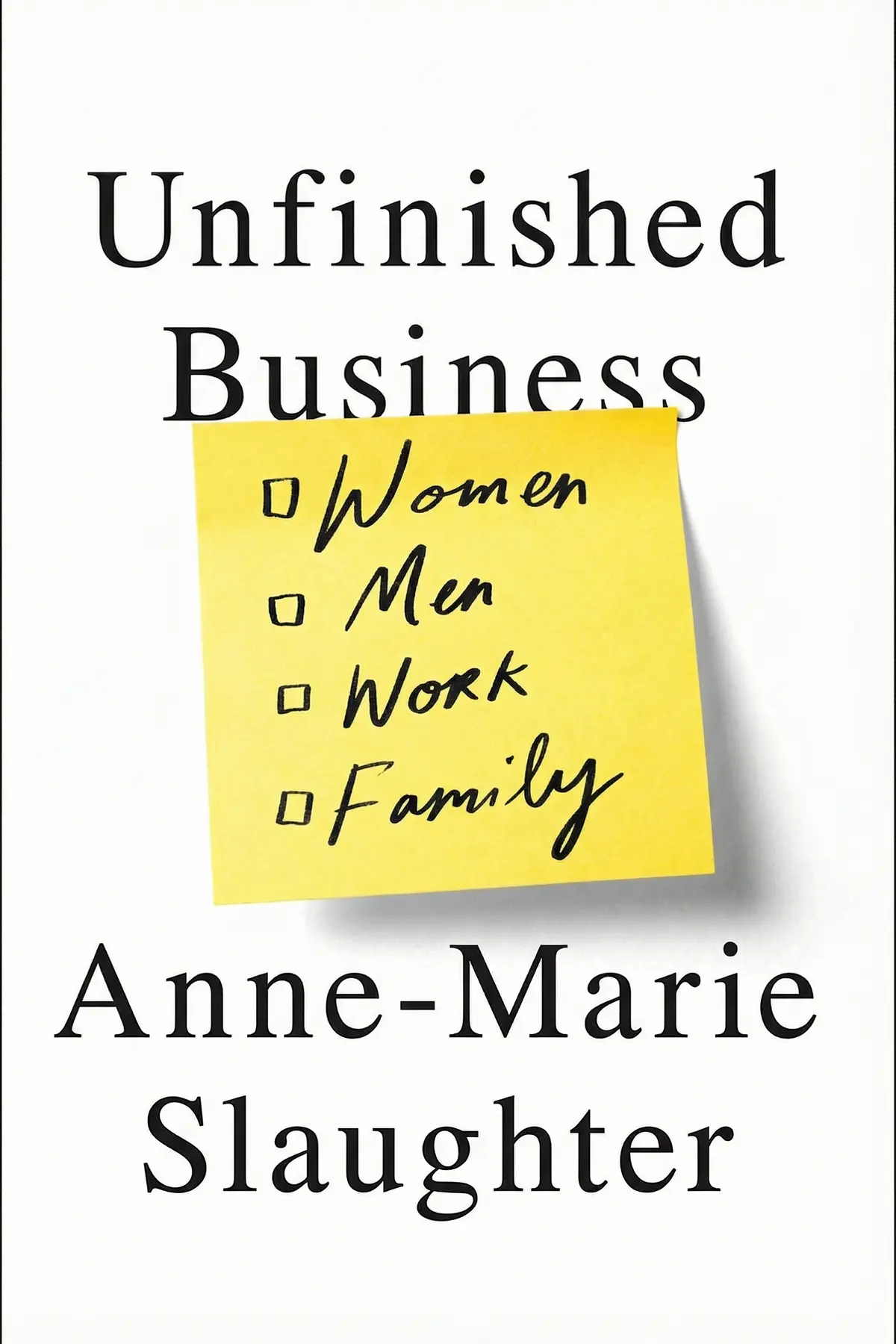
Unfinished Business explores the persistent barriers to true gender equality. Anne-Marie Slaughter offers a compelling vision for restructuring work and home life to value caregiving as much as professional achievement.
1 min 46 sec
For decades, the narrative surrounding progress for women has been focused on opportunity. We look back at a time when a woman’s place was strictly defined by the domestic sphere—a world where talents and intellectual ambitions were often sidelined in favor of household management. Today, that picture has changed dramatically. On paper, the modern woman has the freedom to pursue any career path, reach the highest echelons of government or industry, and maintain a vibrant family life simultaneously. It’s the dream of ‘having it all.’ Yet, if we look closer at the reality of high-achieving women today, we see a different story. We see successful professionals who are frequently single or find their career trajectories stalling the moment they become parents.
This discrepancy suggests that the work of the feminist revolution is, quite literally, unfinished business. The shift wasn’t just about opening doors; it was about what happens once you walk through them. This summary explores the systemic and cultural hurdles that continue to force difficult, often unfair, choices upon families. We will examine why the current professional landscape often demands a level of devotion that is incompatible with the needs of a home, and why men, too, are trapped by expectations that limit their roles as caregivers. The goal here is to move past the idea that gender equality is solely a ‘woman’s issue’ and recognize it as a fundamental societal challenge. By understanding the throughline—that our culture undervalues caregiving and overvalues an unsustainable model of work—we can begin to imagine a world that truly accommodates the full spectrum of human life.
2 min 16 sec
Explore why the burden of career compromise still falls disproportionately on women, even in supposedly progressive households and high-powered professional circles.
2 min 01 sec
Discover how rigid expectations of masculinity prevent men from embracing caregiving roles and the long-term regrets this often creates.
1 min 59 sec
Examine the economic disadvantages faced by working mothers and why the obsession with long hours is actually counterproductive for business.
2 min 03 sec
Analyze why caregiving—the very foundation of society—is consistently undervalued and how this affects the most vulnerable workers.
1 min 59 sec
Learn how internalizing gender myths and trying to be ‘Superwoman’ can actually prevent true equality in the home.
2 min 10 sec
Discover how small shifts in how we talk and act can challenge the status quo and pave the way for a more flexible professional future.
1 min 45 sec
The journey toward true gender equality is far from over. As we’ve explored, the obstacles aren’t just about glass ceilings in the office; they are also found in the rigid structures of our domestic lives and the persistent stereotypes that dictate who should provide and who should care. The ‘unfinished business’ of our time is to bridge these two worlds. We must move away from a culture that views caregiving as a private, secondary concern and recognize it as a fundamental social and economic pillar.
Achieving this requires a dual approach. We need systemic changes—flexible workplaces, fair wages for caregivers, and a re-evaluation of what ‘productivity’ really looks like. But we also need personal shifts—the courage to challenge our own biases, the willingness to share domestic power, and the honesty to admit that the ‘Superwoman’ ideal is a trap.
Ultimately, the throughline of this journey is the realization that a balanced life shouldn’t be a luxury or a struggle reserved for a few. It should be the standard. We must stop glamorizing the culture of overwork and start celebrating a life that includes time for both professional contribution and personal connection. By advocating for these changes in our homes, our workplaces, and our conversations, we can build a society that truly supports everyone in ‘having it all’—not through Herculean individual effort, but through a collective commitment to a more humane and equitable way of living. Let us stop treating work and family as opposing forces and start treating them as the two halves of a whole, meaningful life.
This summary dives into the complex realities of modern work and family life. While the doors to the workplace have opened for women, the structures of our professional and personal lives haven't caught up. This exploration identifies why the promise of having it all remains elusive for many and what structural changes are needed to bridge the gap. Through an examination of corporate culture, gender stereotypes, and the economic value of care, the text offers a roadmap for a more equitable future. It moves beyond individual solutions like leaning in, focusing instead on the systemic shifts required to support both men and women. The promise is a more balanced society where caregiving is respected, and professional success doesn't come at the cost of family well-being.
Anne Marie Slaughter is the president and CEO of the nonpartisan think tank New America. Her stellar academic career in international law has landed her articles in numerous publications, and she was the first woman ever to be appointed Director of Policy Planning for the US State Department.
Listeners find this book a deeply perceptive and necessary read for both men and women, praising the educational material and its real-world solutions. The work earns praise for its even-handed treatment of gender dynamics, with one listener noting it doesn't bash men, and another highlighting its concentration on family support. Opinions on the writing quality are divided, as one listener describes the narrative as a confusing mix of personal storytelling.
As someone who recently transitioned to being the primary caregiver for my aging parents, I found the concept of the 'lead parent' and the 'infrastructure of care' incredibly validating. Slaughter manages to articulate things I’ve felt but couldn't quite name. Our culture treats caregiving like a personal hobby rather than the essential labor that keeps society functioning. This book is a loud, clear call to stop devaluing what our mothers did while we tried to copy our fathers’ career paths. The tension between care and competition is real, and the author navigates it with such nuance. I was especially moved by the chapters on masculinity. We need to tell our boys that being a caregiver is a heroic role, not a secondary one. This is easily the single best thing I have ever read regarding work-life balance. It’s informative, compassionate, and truly insightful. Buy it for every young couple you know.
Show moreWow, this was a punch to the gut in the best way possible. I am a working woman with two kids, and I felt like Slaughter was peaking into my brain. The way she breaks down the 'competitive mystique' helped me understand why I feel so much guilt when I leave the office on time. We’ve created a system where the only way to succeed is to act like you don't have a family. This book is the first one I’ve read that actually offers practical solutions for the workplace rather than just telling women to 'lean in' more. It’s essential reading for managers and policy-makers. She makes a compelling case that if we don't value care, we are going to continue losing talented people. I particularly loved her vision for a new kind of masculinity. It’s a brave book that challenges the American status quo in a way that feels both urgent and hopeful. Highly recommend to anyone feeling the burnout.
Show moreWhat really stayed with me after finishing this was Slaughter’s focus on the 'unfinished business' of the feminist movement. We won the right to work like men, but we haven't won the right for men to care like women without social stigma. This is a brilliant, nuanced look at why the current system is failing everyone. I’ve seen some criticism that she’s too focused on the elite, but look, she’s writing from her experience, and her experience is at the top of these institutions. That doesn't make her observations about the 'care vs. competition' binary any less true for the rest of us. The book is well-crafted and genuinely thought-provoking. It’s one of the few books that actually made me change how I talk to my spouse about our future. It’s an ethical and admirable goal she’s setting out. It should be required reading for anyone entering the workforce today.
Show moreFinally got around to reading this, and it’s a necessary pivot from the 'Lean In' philosophy that has dominated the corporate world for years. Slaughter’s perspective is refreshing because it doesn't bash men; instead, it invites them into the conversation of caregiving. She correctly identifies that the 'women's problem' is actually a 'care problem' that affects everyone. I particularly appreciated the section on 'half-truths' we tell ourselves, especially the idea that you can have it all if you just marry the right person. Truth is, life happens—divorce, illness, and job shifts are real. The writing is intelligent and passionate, though some of her workplace solutions, like massive amounts of vacation to avoid burnout, feel more like a dream than a practical reality for most companies. Still, if you are looking for a balanced approach to gender issues and family support, this is essential reading for both men and women.
Show moreThe most striking thing about Slaughter’s argument is how she avoids the common trap of making this a battle of the sexes. She argues with intelligence that we lose massive amounts of talent because our workplaces are built for people with no outside responsibilities. I found her list of questions for young couples to be a bit intrusive, yet I can see the value in having those hard conversations early. My favorite part was the critique of 'the competitive mystique' where we idolize drive but ignore the person at home who makes that drive possible. While I agree with other reviewers that she leans heavily on her Princeton and State Department experiences, the core message about valuing investment in others over investment in self is profound. It’s a well-crafted, thought-provoking book that actually offers actionable steps for families. It’s not perfect, but it is a vital step forward in the conversation about how we live today.
Show moreAfter years of hearing that women can 'have it all' if they just work harder, this book provides a much-needed reality check. Slaughter is honest about her own failures and the 'half-truths' of feminism, which I found deeply relatable. She doesn't just point out problems; she proposes a framework for change that includes men as equal partners in the home. I liked that she addressed eldercare as well as childcare, as that’s a crisis many of us are facing right now. The writing style is analytical yet accessible, although she does mention her time as Dean of the Woodrow Wilson School enough to make it a drinking game. If you can get past the elite framing, there is a lot of wisdom here about the 'work-life fit' and how we can stop punishing people for having a life outside the office. It’s a solid 4-star read that sparked some great discussions with my husband.
Show moreLook, the suggestions here are certainly idealistic, but the 'infrastructure of care' discussion is vital for our country's future. Slaughter is a lawyer by trade, and it shows in her logical, point-by-point breakdown of what needs to change. I appreciated the stories from different types of families, including same-sex couples and single parents, which helped broaden the scope beyond just her own life. She does a great job of explaining why 'having it all' is a myth based on luck as much as effort. My only real gripe is that she avoids some of the bigger issues like universal healthcare or the impact of automation on the care economy. Still, as a primer for how to remake the American workplace into something more human, it’s excellent. It’s a balanced, informative, and ultimately hopeful book. Definitely worth the read if you're navigating the messy intersection of career and family.
Show moreEver wonder if an 8,000-word article really needs to be expanded into a full-length book? I think Slaughter makes excellent arguments regarding how we need to value 'caring' as a society, yet the delivery is remarkably uneven. The narrative is a confusing mix of personal storytelling and dry policy suggestions that don't always mesh well. I liked the discussion on changing our vocabulary—shifting away from 'stay-at-home' to terms like 'anchor parent' is a smart move. However, I found her insistence that young couples plan for every possible hypothetical scenario, like future daycare disruptions, to be completely overwhelming. You can't plan your way out of life's unpredictability. It’s an important contribution to the conversation, but the 'competitive mystique' she describes is a beast that her suggested nibbling at the edges won't kill. It’s worth a skim if you liked the original Atlantic article, but don't expect a revolutionary roadmap.
Show morePicked this up after seeing the Atlantic article, but the narrative flow is a bit disjointed for my taste. Slaughter is clearly brilliant, but the book feels like a series of high-profile speeches stitched together. I struggled with her suggestion that we should all 'plan ahead' for 5-10 years down the line. How can a twenty-something realistically predict how they will feel about a promotion after they have a child? It feels like she’s trying to boil an ocean by covering policy, personal growth, and corporate culture all at once. To be fair, her points about the 'care economy' are spot on, and I love the idea of career trajectories being a zigzag rather than a straight line up. However, the lack of original research or data makes it feel more like a long-form opinion piece than a definitive guide. It’s a decent read, but I’m not sure it adds enough new material to justify the page count.
Show moreThe problem with this book is the extreme narrowness of the author's lens. It’s hard to sympathize with the central 'epiphany' when it comes from such a position of elite privilege. Slaughter describes her struggle commuting between a high-level job in D.C. and her family in Princeton as if it’s a universal revelation, but most people already know that being away five days a week is hard on a family. Frankly, I found the constant reminders of her credentials as a Dean at the Woodrow Wilson School to be repetitive and a bit alienating. There is very little original data here; instead, it relies heavily on anecdotes from her wealthy social circle. While she argues for a better work-life 'fit,' the advice feels aimed exclusively at C-suite executives rather than the average worker just trying to make rent. It’s a very self-referential way of seeking knowledge that ignores the systemic struggles of the working class.
Show moreJessica Valenti


Johny Pitts
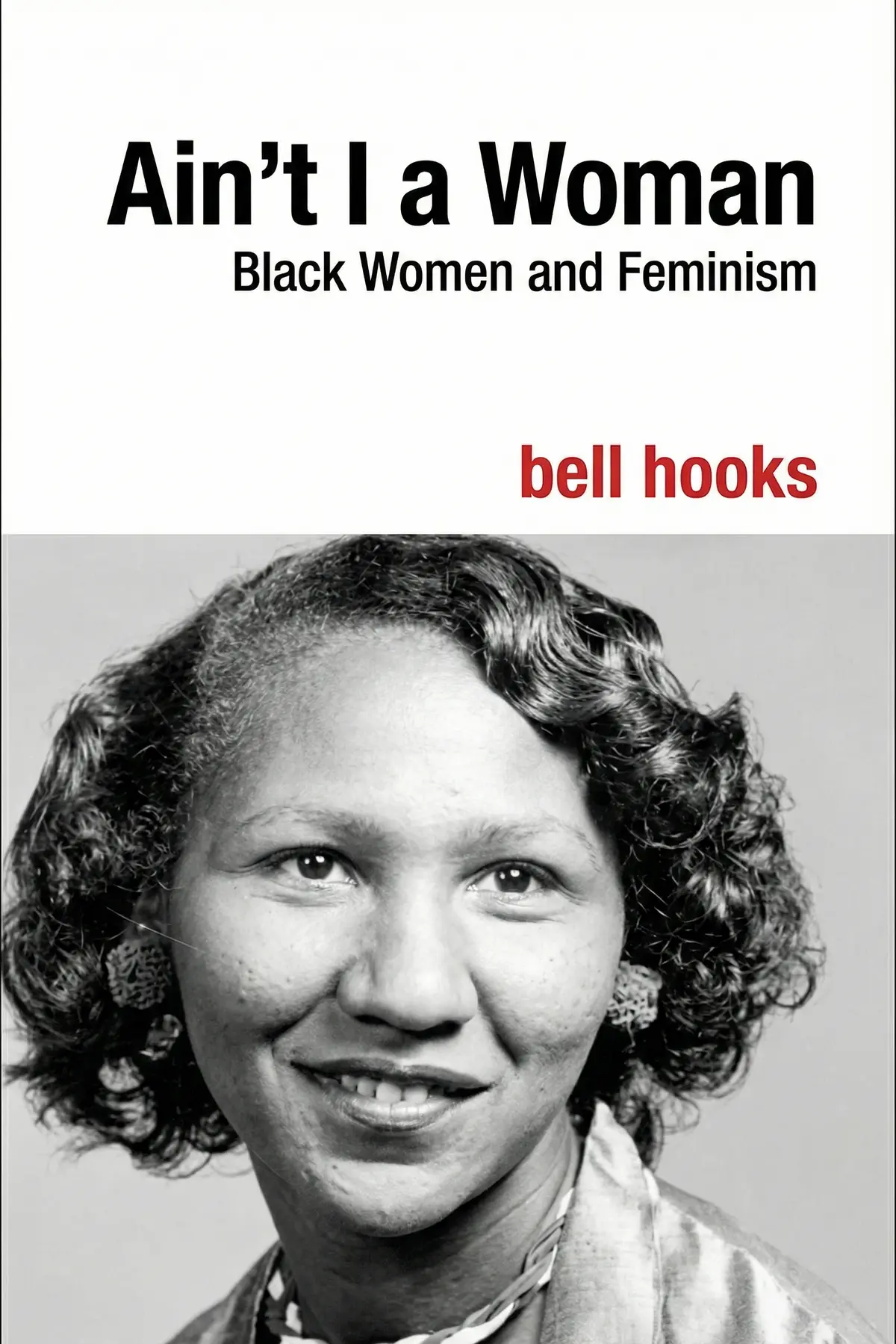

bell hooks

Margaret Heffernan
AUDIO SUMMARY AVAILABLE
Get the key ideas from Unfinished Business by Anne-Marie Slaughter, plus 5,000+ more titles in English and Thai.







